

Urban Planning & Architectural ...
Online Conference
20 Oct 2026 / 22 Oct 2026 read more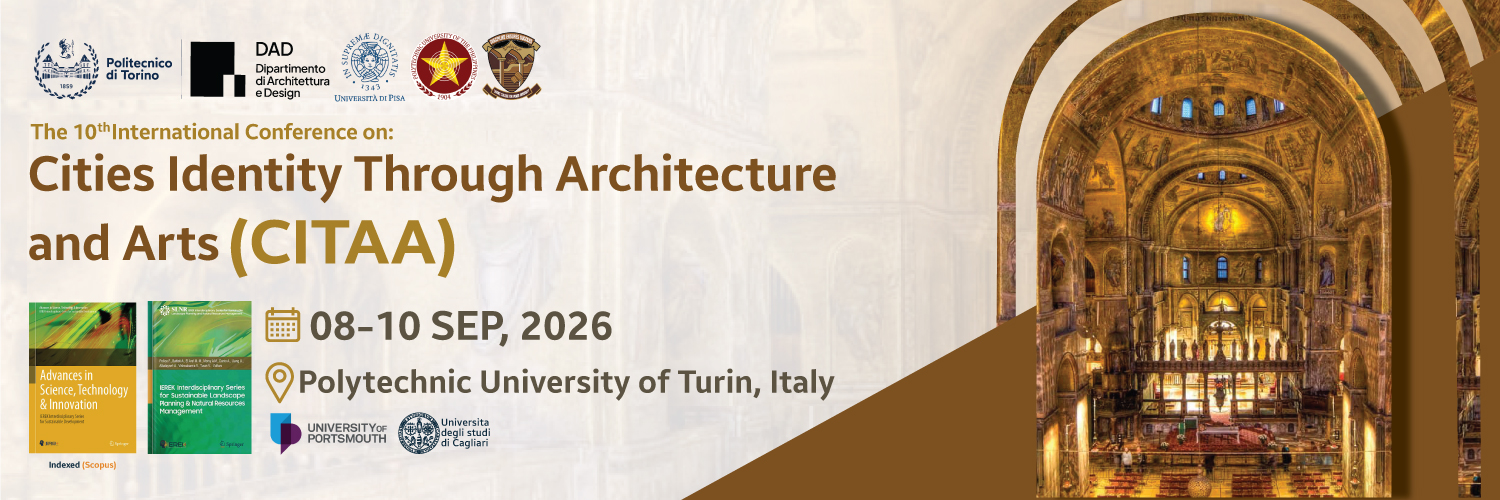

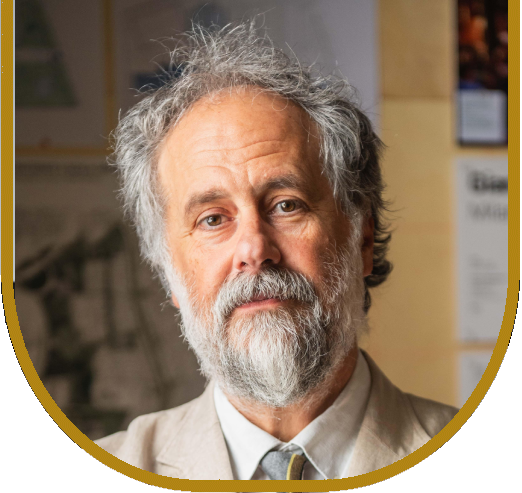
Prof. Arch. Luca Lanini
Full Professor, PhD
Professor at DESTeC of the University of Pisa in Architectural and Urban Design. Ph.D. President of the Master degree in Building Engineering-Architecture of the University of Pisa.

Associate Professor, Department of Architecture and Design (DAD), Polytechnic University of Turin, Italy.
Marwa Eid
Conference Coordinator
[email protected]
(+20) 3 5763827 | (+20) 3 5763828
(+20)1000028021
Subscribe to our newsletter


The 10th edition of Cities’ Identity Through Architecture and Arts (CITAA) convenes at the Polytechnic University of Turin (Politecnico di Torino), Italy, marking a milestone in the conference’s journey. Building on previous editions, including the one held between Aswan and Luxor, CITAA continues to explore how architecture and the arts express cultural values, collective memory, and urban identity across diverse contexts.
Turin, with its layered urban history, architectural heritage, and spirit of innovation, serves as a living laboratory where historical fabrics intersect with contemporary design, industrial heritage, and urban regeneration. The Polytechnic University of Turin provides an intellectually stimulating environment that strengthens the conference’s academic depth and interdisciplinary focus.
CITAA 10 examines how architecture and the arts shape and sustain urban identities while reflecting on how cities respond to social, cultural, environmental, and technological change. The conference offers a platform to consider the transformative role of architecture and the arts in creating vibrant, resilient, and meaningful urban environments.
Scope of the Conference
CITAA 10 invites scholars, practitioners, researchers, designers, and artists to explore the relationships between architecture, the arts, and urban identity. Topics include historical urban development, heritage conservation, contemporary design, public art, adaptive reuse, urban regeneration, and sustainable growth.
Through interdisciplinary dialogue and collaborative exchange, the conference generates insights that bridge theory and practice. Emphasis is placed on the role of design education, research institutions, and creative industries in shaping inclusive, resilient, and culturally vibrant cities. Participants are encouraged to consider both local and global perspectives, highlighting how urban identities evolve across diverse cultural and geographic contexts.
Statement of Purpose
CITAA 10 provides an inclusive platform for idea exchange, debate, and collaboration. Bringing together perspectives from architecture, urban studies, and the arts, the conference seeks innovative approaches to urban identity, cultural continuity, and transformation.
Hosting the 10th edition at the Polytechnic University of Turin offers a rich academic and urban context to reflect on the role of architecture and the arts in contemporary cities. CITAA aims to inspire sustainable, culturally grounded urban development that respects heritage, embraces innovation, and fosters resilient, meaningful cities that honor the past while shaping the future.
This topic explores the foundational concepts of urban identity, from historical layers to social narratives. It addresses how cities are perceived and represented, and the challenges of maintaining a distinctive character in an era of rapid globalization and change.
1.1. Theories, methodologies, and frameworks for understanding and analyzing urban identity.
1.2. The interplay of historical layers, physical attributes, and social narratives in shaping city character.
1.3. Perception and representation of cities in collective memory, media, and popular culture.
1.4. The concept of "place-making" and its role in fostering distinctive urban identities.
1.5. Challenges to urban identity in an era of globalization, homogenization, and rapid change.
This topic investigates the vital link between a city's identity and its cultural heritage. It focuses on strategies for conserving architectural landmarks, preserving intangible heritage, and using urban memory and arts to create a dynamic and resilient contemporary cityscape.
2.1. Architectural Landmarks Conservation Strategies in Dynamic Urban Contexts
2.2. Indigenous Cultural Heritage Preservation amid Urban Vibrancy
2.3. Urban Memory Sites as Catalysts for Contemporary Cultural Life
2.4. Narrative and Narrative-Driven Urban Spaces in a Vibrant Cityscape
2.5. Cultural Heritage Tourism as a Driver of Urban Energy and Innovation
2.6. Urban Archaeology Revealing Layers of Vibrant City Histories
2.7. Preserving Intangible Cultural Heritage through Contemporary Arts and Events
2.8. Humanitarian Murals and Street Art as Symbols of Social Resilience and City Spirit
This topic examines how cities' identities evolve in response to historical events and contemporary forces. It analyzes the impact of colonial legacies, industrialization, globalization, and migration, as well as shifts in planning and technology, on a city's cultural and artistic fabric.
3.1. Colonial Legacies and Their Role in Shaping Vibrant Urban Narratives
3.2. Industrial Revolution’s Impact on the Dynamic and Artistic Urban Fabric
3.3. Globalization and Digital Connectivity’s Role in the Evolving City Identity
3.4. Rural-Urban Migration and the Creation of Diverse, Lively Neighborhoods
3.5. Tech Innovations Fueling the Creative and Cultural Pulse of Cities
3.6. Shifts in Urban Planning Paradigms that Foster Dynamic Cityscapes
3.7. Morphological Evolution and the Reimagining of Urban Vibes
3.8. Demographic Shifts as Catalysts for Cultural and Artistic Vibrancy
This topic explores the dynamic role of artistic expression in shaping a city's identity. It examines how various art forms—from street art and public performances to digital installations and soundscapes—energize public spaces, foster community, and reflect a city's vibrant narrative.
4.1. Street Art and Murals as Expressions of City Identity and Vibrant Narratives
4.2. Community-Driven Murals and Urban Art Festivals as Catalysts for City Spirit
4.3. Performing Arts in Public Spaces: Celebrating Urban Life and Diversity
4.4. Interactive and Immersive Art Installations Enlivening City Streets
4.5. Soundscaping and Urban Acoustics: Shaping the City’s Vibrant Atmosphere
4.6. Participatory Art for Engaging and Energizing Urban Communities
4.7. Digital and Interactive Art Installations Transforming Public Spaces
This topic investigates how digital technologies are revolutionizing the urban cultural and artistic landscape. It explores innovations such as augmented reality, 3D scanning, and AI-driven preservation that expand access to heritage and create new forms of cultural expression and urban engagement.
5.1. Augmented Reality Enhancing the Experience of Urban Cultural Landmarks
5.2. 3D Scanning and Digital Techniques as Tools for Vibrant Heritage Conservation
5.3. Digital Archives and Virtual Exhibitions Energizing Urban Cultural Scenes
5.4. GIS and Geospatial Technologies for Mapping Vibrant Cultural Landscapes
5.5. AI-Driven Restoration and Preservation of the City’s Cultural Artifacts
5.6. Digital Humanities and Creative Tech Fostering Urban Cultural Innovation
This topic explores how sustainable and interdisciplinary design can foster a vibrant urban identity. It focuses on integrating principles of well-being, urban ecology, and inclusive design with smart technologies to create resilient, nature-integrated, and human-centered urban environments.
6.1. Integrating Sustainable Design Principles to Foster City Vitality
6.2. Designing for Well-being: Creating Healthy, Vibrant Urban Environments
6.3. Urban Ecology and Biodiversity as Foundations for Dynamic Urban Life
6.4. Smart City Technologies Driving Vibrant, Connected Urban Ecosystems
6.5. Biophilic Design for Energetic and Nature-Integrated Urban Spaces
6.6. Inclusive Design for Diverse Urban Communities
6.7. Environmental Psychology and Human-Centered Urban Design
6.8. Data-Driven Approaches to Cultivate Urban Vibrancy and Engagement
This topic addresses strategies for regenerating cities and their cultures. It focuses on the adaptive reuse of buildings, community-led initiatives, and mixed-use developments as catalysts for renewal, while examining the social impacts, including gentrification, and the revitalization of historic urban centers.
7.1. Adaptive Reuse of Iconic Industrial and Cultural Buildings as Vibrant Hubs
7.2. Community-Led Regeneration for Authentic Urban Regeneration
7.3. Mixed-Use Developments as Engines of Urban Energy and Diversity
7.4. Revitalizing Historic Main Streets as Vibrant City Anchors
7.5. Social Impact and Cultural Projects in Urban Regeneration
7.6. Gentrification and Its Role in Shaping Vibrant City Neighborhoods
7.7. Brownfield Remediation as a Catalyst for Creative Urban Renewal
This topic celebrates how cultural diversity shapes a city's vibrant identity. It explores how inclusive urban design, festivals, and cultural events can preserve and showcase diverse heritage, facilitate cultural exchange, and foster social inclusion for immigrant and multicultural communities.
8.1. Designing Inclusive Urban Spaces for Multicultural Communities
8.2. Festivals and Cultural Events as Expressions of Urban Vibrancy
8.3. Preserving and Showcasing Immigrant and Diaspora Heritage
8.4. Cultural Exchanges and Urban Networks as Drivers of City Vitality
8.5. Refugee and Migrant Integration through Creative Urban Initiatives
8.6. Language and Cultural Preservation in the Urban Fabric
8.7. Cultural Heritage Centers as Platforms for Urban Cultural Dialogue
8.8. Urban Festivals as Celebrations of Cultural Diversity and Creativity
This topic addresses the critical intersection of climate change and urban identity. It explores climate-responsive design and green infrastructure as tools for safeguarding landmarks, building resilient cities, and preserving cultural and social life in the face of environmental challenges.
9.1. Climate-Responsive Design to Safeguard Iconic Urban Landmarks
9.2. Innovative Architecture for a Resilient and Vibrant City Skyline
9.3. Adaptive Strategies for Protecting and Activating Cultural Waterfronts
9.4. Green Infrastructure as a Tool for Dynamic Urban Climate Resilience
9.5. Retrofitting Historic Structures for Climate Adaptation and City Vitality
9.6. Flood-Resilient Urban Design Fostering Safe and Active Public Spaces
9.7. Promoting Green and Blue Infrastructure for a Vibrant, Resilient City
9.8. Climate Adaptation Techniques for Maintaining Urban Cultural and Social Life
This topic explores the multifaceted role of the arts in shaping urban identity. It covers a diverse canvas of visual, graphic, and tangible art forms—from public murals to digital displays—and their integration into streetscapes to enhance aesthetics and foster a sense of place.
10.1. Visual Arts: Murals, graffiti, public sculptures, installations, and their impact on urban aesthetics and discourse.
10.2. Graphic and Media Arts: Signs, billboards, digital displays, and their contribution to streetscapes and commercial identities.
10.3. Streetscapes as Integrated Art Forms: incorporation of lighting, urban furniture, landscaping, and artistic elements
10.4. Tangible Arts: How physical artworks are conserved, exhibited, and integrated into public spaces to enhance city identity.
This topic focuses on the role of intangible arts and living heritage in defining urban identity. It explores how traditional performing arts, storytelling, social practices, and crafts are safeguarded and promoted in evolving urban environments to maintain cultural traditions and community ties.
11.1. The role of traditional performing arts in public spaces and urban festivals
11.2. Oral traditions, storytelling, and local narratives as intangible expressions of city identity
11.3. Social practices, ceremonies, and festivals that reinforce community
11.4. Traditional handicrafts, culinary traditions, and knowledge of living heritage.
11.5. Strategies for safeguarding and promoting intangible cultural heritage in evolving urban environments.
This topic presents a comparative analysis of Mediterranean cities' identities. It addresses the unique challenges they face—such as climate change and overtourism—while exploring opportunities to leverage their rich cultural heritage and traditional knowledge for sustainable development and cross-cultural dialogue.
12.1. Comparative studies of architectural and artistic identities across diverse Mediterranean cities
12.2. The specific challenges facing Mediterranean urban identities: climate change impacts, overtourism, migration, and resource scarcity.
12.3. Opportunities for leveraging Mediterranean cultural heritage and traditional knowledge for sustainable development.
12.4. The evolving identity of coastal cities and island communities in the Mediterranean.
12.5. Cross-cultural dialogue to promote Mediterranean urban identities through architecture and arts.
| Title | Date |
|---|---|
| Abstract Submission Deadline | 20 July 2026 |
| Last Notification for Abstract Acceptance & Approval to present | 30 July 2026 |
| Early Payment Deadline | 30 April 2026 |
| Regular Payment Deadline | 30 June 2026 |
| Late Payment Deadline | 30 July 2026 |
| Full Paper Submission Deadline | 15 Aug 2026 |
| Notification of preliminary acceptance/ rejection of submitted paper | 30 Aug 2026 |
| Letter of Visa (for delegates who need visa entry) payment required | 15 Aug 2026 |
| Conference Program | 08 Aug 2026 |
| Conference Launch | 08 Sep 2026 |
Payments through the website are currently unavailable due to ongoing website enhancements. IEREK offers alternative payment methods, including bank transfer and secure third-party online payment links.
The registration fee does not cover accommodation or travel expenses. A list of accommodation options can be suggested by our team if available. Please contact [email protected] for inquiries.
We recommend that all authors take advantage of the benefits that IEREK offers, including various attendance types, publishing opportunities, and opportunities for discounts and waivers.
We are pleased to inform all applicants that they can use their previous publications to register for an IEREK membership, which offers a special discount.
IEREK offers a special discount to applicants from collaborative universities that have signed an MoU with IEREK to host or co-host one of its conferences.
IEREK also provides special discounts to authors from low and medium-income countries.
The disclosed fees are for the conference participation (Publication is free of charge, but only the conference participants can be considered for publishing in the conference proceedings).
Some of the disclosed conference fees may vary depending on the book series and/or journal(s) presented as a publication outlet, as we encourage submission to newly founded book series and/or journal(s) by presenting a discounted rate for the conference's fees.
IEREK offers many types of registrations that are diverse in registration fees; applicants can choose the type they are familiar with as follows:
Participants who are PhD holders, post-doctoral researchers, and universities’ affiliated professors and experts in the field.
Must provide proof of enrollment in a university by providing an enrollment certificate and/or a valid university ID (with issue/expiry date) etc.
Participants who are not affiliated with universities such as practitioners, policymakers, entrepreneurs, etc.
Have access to the event to enjoy the discussions, coffee breaks, and lunch as a co-author or audience.
IEREK Community members receive 25% off the Regular payment stage.
If you are a returning author, published researcher, institutional partner, or active contributor to IEREK activities, you may be eligible for exclusive Community benefits. Visit the IEREK Community Section to learn more and check your eligibility.
| Type of Registration | Early Payment Deadline 30 Apr 2026 |
Regular Payment Deadline 30 June 2026 |
Late Payment Deadline 30 Jul 2026 |
|---|---|---|---|
| Scopus indexed-ASTI Book by Springer | |||
| Student / Early Career Researcher | 300 € | 350 € | 400 € |
| Academic | 350 € | 400 € | 450 € |
| Professional / Industry | 400 € | 450 € | 500 € |
| Co-author/ Audience | 150 € | 200 € | 250 € |
| Open Access IEREK Press Journals | |||
| Student / Early Career Researcher | 200 € | 250 € | 300 € |
| Academic | 250 € | 300 € | 350 € |
| Professional / Industry | 300 € | 350 € | 400 € |
| Co-author/ Audience | 150 € | 200 € | 250 € |
IEREK offers various types of participation. Applicants can apply for in-person attendance to benefit fully from conference discussions and knowledge exchange.
IEREK also offers virtual attendance for authors to present their research papers online; however, we strongly encourage all applicants to attend the conference in person.
The physical fee covers:
* Each research paper should have one main author who should pay the full fee (Author fees) regardless of attendance. Co-authors, each, have their fees to pay to attend the event. This applies to online attendance as well as physical attendance.
* A research paper fee allows only one author, whether main or co-author, to attend the conference and receive only one conference kit. Extras can be requested for an additional fee.
| Type of Registration | Early Payment Deadline 30 Apr 2026 |
Regular Payment Deadline 30 June 2026 |
Late Payment Deadline 30 Jul 2026 |
|---|---|---|---|
| Scopus indexed-ASTI Book by Springer | |||
| Student / Early Career Researcher | 250 € | 300 € | 350 € |
| Academic | 300 € | 350 € | 400 € |
| Professional / Industry | 350 € | 400 € | 450 € |
| Co-author/ Audience | 100 € | 150 € | 200 € |
| Open Access IEREK Press Journals | |||
| Student / Early Career Researcher | 150 € | 200 € | 250 € |
| Academic | 200 € | 250 € | 300 € |
| Professional / Industry | 250 € | 300 € | 350 € |
| Co-author/ Audience | 100 € | 150 € | 200 € |
IEREK offers virtual attendance, providing authors with a unique link to join the conference sessions and present their papers as per the announced program.
The online fee covers:
* Each research paper should have one main author who should pay the full fee (Author fees) regardless of attendance.
* Co-authors, each, have their fees to pay to attend the event. This applies to online attendance as well as physical attendance.
* If an author is eligible for more than one discount, IEREK will apply only the highest discount. Discounts cannot be combined.
* Authors should contact the conference manager through this email [email protected] to consider the discount and waiving for all the above cases so that the conference manager can provide an exclusive invoice for each case.
Afghanistan, Algeria, Angola, Bangladesh, Benin, Bhutan, Bolivia, Burkina Faso, Burundi, Cabo Verde, Cambodia, Cameroon, Central African Republic, Chad, Comoros, Congo, Congo Dem. Rep., Côte d'Ivoire, Djibouti, Egypt, Eritrea, Eswatini, Ethiopia, Gambia, Ghana, Guinea, Guinea-Bissau, Haiti, Honduras, India, Iran, Jordan, Kenya, Kiribati, Kyrgyz Republic, Lao PDR, Lebanon, Lesotho, Liberia, Madagascar, Malawi, Mali, Mauritania, Micronesia, Mongolia, Morocco, Mozambique, Myanmar, Nepal, Nicaragua, Niger, Nigeria, Pakistan, Papua New Guinea, Philippines, Rwanda, Samoa, São Tomé and Principe, Senegal, Sierra Leone, Solomon Islands, Somalia, South Sudan, Sri Lanka, Sudan, Syria, Tajikistan, Tanzania, Timor-Leste, Togo, Tunisia, Uganda, Ukraine, Uzbekistan, Vanuatu, Vietnam, Yemen, Zambia, Zimbabwe
IEREK puts a lot of effort into expediting the peer review process to publish articles as quickly as possible. This requires prompt responses from all authors to the editors' comments, if any. Your swift response is highly appreciated to advance the production process and get your articles online. We prioritize the first author to respond as per our formula. The conference proceedings will be divided into multiple books, with the first one scheduled for publication within 6 months after the conference date. We encourage all authors to aim for publication in the first release.
Registration and financial transactions for this conference are managed through our strategic partners, working in close academic partnership with IEREK to ensure seamless delivery of conference services and publication standards.


Both entities work in close academic partnership with IEREK to ensure the highest standards of financial transparency, conference administration, and publication quality.
IEREK Community is a reflection of our appreciation for the scholars, institutions, and research groups who continuously contribute to the growth and excellence of IEREK’s academic network. Through exclusive rates and added privileges, we aim to make participation more accessible while strengthening long-term collaboration, research continuity, and institutional partnerships within our global community.
Eligible members of the IEREK Community receive a 25% discount during the Regular payment stage and may benefit from special discounts on other IEREK conferences.
The IEREK Community includes:
Previous attendees of IEREK conferences
Loyal authors who consistently participate in multiple editions of the same conference
Authors who have published in IEREK conference proceedings or journals
Researchers registering as a group submission
Faculty members and researchers from universities with current or past partnership agreements with IEREK
Universities and academic institutions located in the hosting country of the conference
Active authors who continuously support and engage with IEREK’s activities on social media (sharing, promoting, and contributing to community visibility)
Academics who support IEREK as moderators, keynote or guest speakers, reviewers, or editors
Authors should contact the conference manager at [email protected] to request consideration for discounts in any of the above cases.
Prof. Filippo Lambertucci, M.A., architect, Ph.D., is Associate Professor of Interior Architecture and Exhibit Design at Sapienza University of Rome. His research activity focuses on architectural space as theatre of human actions with special regards to infrastructures, mobility and public spaces, and to the interactions of contemporary urban needs with archaeological heritage and built environment. The most recent projects include the San Giovanni and Colosseo subway stations in Rome, the Museo del Mare at Magazzino26 in Trieste, and several other projects for archaeological sites. Founder and head of Sapienza ReLab, research laboratory on urban and architectural regeneration.
Co-founder of LP.studio: a practice involved in a variety of projects ranging from infrastructures to public buildings, sacred spaces, housing and exhibit design that earned it several prizes and awards.
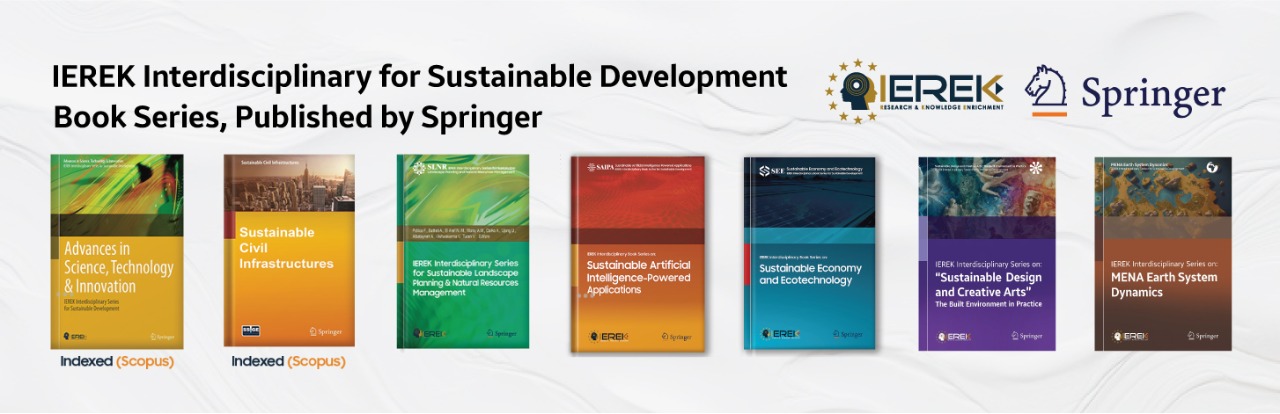
All accepted submissions to the conference, after a rigorous double-blinded peer-review process by the respective Editorial Board, will be published in one of the following:
Advances in Science, Technology and Innovation (ASTI), an IEREK interdisciplinary book series published by Springer Nature. (SCOPUS indexed)
Publisher: Springer Nature (IEREK Interdisciplinary book series)
Indexing: SCOPUS indexed; some titles in Web of Science (ISI)
Focus: Emerging research in science, technology, and innovation for sustainable development, addressing UN SDGs.
An IEREK interdisciplinary book series published by Springer Nature, focusing on the built environment in practice.
Publisher: Springer Nature
Focus: Sustainable design, architecture, landscape architecture, urban design, public art, visual and fine arts, creative practices, environmental communication, and interdisciplinary research addressing sustainable and resilient built environments through practical and innovative approaches.
Key Areas: Sustainable Design, Architecture, Landscape Architecture, Urban Design, Creative Arts, Visual Arts, Public Art, Environmental Communication, Eco-Art, Sustainable Materials, Circular Economy, Fashion Design, Interdisciplinary Design Research, and Built Environment Practice.
Internationally peer-reviewed, open access journals published by IEREK Press. Covering a wide range of disciplines including sustainability, architecture, engineering, and environmental sciences.
Journal on:
For IEREK's Provious Publications, Please Click here
- Cities' Identity through Architecture and Arts (CITAA) – 1st Edition held in Cairo, Egypt in May, 2017.


- Cities' Identity through Architecture and Arts (CITAA) – 2nd Edition held in Cairo, Egypt in September, 2018.
- Cities' Identity through Architecture and Arts (CITAA) – 3rd Edition held in University of Pisa, Italy in September, 2019.
- Cities' Identity through Architecture and Arts (CITAA) – 4th Edition held online in collaboration with the University of Pisa, Italy in December 2020.
- Cities' Identity through Architecture and Arts (CITAA) – 5th Edition held online in collaboration with the University of Pisa, Italy in December 2021.
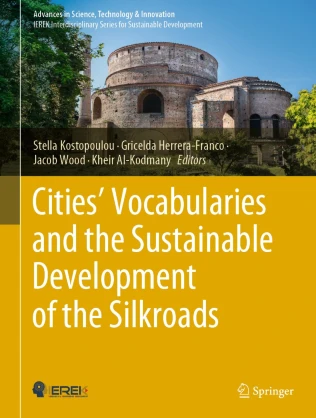
- Cities' Identity through Architecture and Arts (CITAA) – 6th Edition held in University of Pisa, Italy in December 2022.
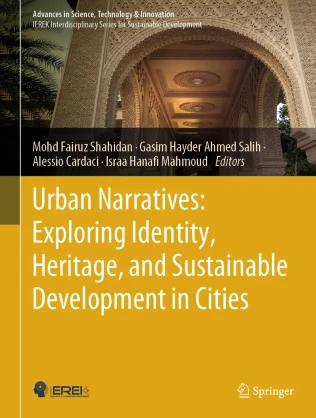
- Cities' Identity through Architecture and Arts (CITAA) – 7th Edition held online Collabration with Sidi Mohamed Ben Abdellah University, Morocco in September, 2023.
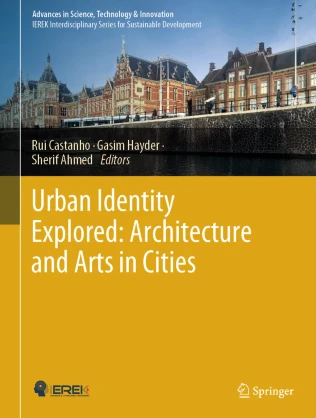
Cities’ Identity Through Architecture and Arts (CITAA) – 1st Edition
The Cities’ Identity Through Architecture and Arts (CITAA) Conference, which was held in association with the Faculty of Fine Arts, Helwan University, started on May 11th, 2017 and included many discussions and covered extremely important topics. It was a very successful conference that Cannot be forgotten.
The International Conference was held in Fairmont Nile City Hotel – Cairo, Egypt and was chaired by Prof. Safia El Kabany (Dean of the Faculty of Fine Arts, Helwan University) and organized by IEREK.
The opening session started with a welcoming word from Prof. Safia El Kabany (Dean of the Faculty of Fine Arts, Helwan University), Prof. Khaled Abd El-Ghaffar, Minster of Higher Education and Scientific Research, Prof. Maged Negm, Acting President, Helwan University, Eng. Mohamed Abo Seada, Chairman of the National Organization for Urban Harmony, Prof. Mahmoud Ghoneem, CITAA Secretary General & Guest Editor, Associate Professor of Architecture, Faculty of Fine Arts, Helwan University, Dr. Abd ElAziz Saqr, General Director of IEREK.
Check this conference’s overview here:
https://www.ierek.com/events/cities-identity-through-architecture-and-arts#overview
Cities’ Identity Through Architecture and Arts (CITAA) – 2nd Edition
IEREK organized a successful international conference on " Cities’ Identity Through Architecture and Arts “, which took place from 28-29 September 2018 at the Akhnaton Hall of the Grand Nile Tower Hotel in Cairo, Egypt.
This summary captures a two-day program of presentations, panel discussions and interactive dialogue at the conference on. This conference registration started from 8:30 am to 9:15 am.
The conference then began with the welcoming sessions which were presented by Dr. Abdelaziz Sakr, IEREK’s General Director and Dr. Mourad Amer IEREK’s Chief Executive Officer & Founder. The conference continued with interactive panel discussions, presentations and briefings on topics which were related to the conference.
The conference included a group of distinguished keynote speakers such as Prof. Francesco Molinari, Researcher & Policy Advisor at “Politecnico di Milano” & Professor at Ulster Business School, Prof. Zeinab Nour, Associate Professor at the Faculty of Fine Arts, Helwan University.
Check this conference’s overview here:
https://www.ierek.com/events/cities-identity-through-architecture-and-arts-2#overview
Cities’ Identity Through Architecture and Arts (CITAA) – 3rd Edition
With success, the third edition of international conference on Cities Identity through Architecture & Arts (CITAA) was organized and held in the University of Pisa of Italy from the 11th and until the 13th of September 2019.
Covering an array of topics, the conference discussed the influence of Architecture and the Arts in shaping the identities of cities as well as their influence on the quality of life. Concepts of City Identity and Branding, Urban Growth and Development, Spatial Transformation, Conservation of Heritage, Tourism and more were topics of discussion and research.
Opening Session
An opening ceremony marked the start of the conference, which included a 'greetings and communications' session by the institutions during which words were given by:
Prof. Ing. Alberto Landi, the president of the School of Engineering, University of Pisa, Italy.
Prof. Luca Lanini, D.E.S.T.E.C, Department of Energy Engineering, University of Pisa, Italy.
Prof. Ferdinando Trapani, Department of Architecture, University of Palermo, Italy & Coordinator of Academic Support between IEREK and Italian Universities.
Dr. Mourad Amer, PhD, President and CEO of IEREK.
Prof. Francesco Molinari, Department of Architecture, University of Florence & Conference Chair
Check this conference’s overview here:
https://www.ierek.com/events/cities-identity-through-architecture-and-arts-3rd-edition#overview
Cities’ Identity Through Architecture and Arts (CITAA) - 4th Edition
The 4th International Conference on the Cities’ Identity Through Architecture and Arts has been held Online in collaboration with University of Pisa, Italy from 14-15 December 2020.
The conference then began with the welcoming sessions which were presented by Prof. Francesco Alberti, Conference Chair & Professor at the Department of Architecture (DiDA), University of Florence, Italy. Prof. Luca Lanini, Associate Professor at DESTeC of University of Pisa, Italy, Prof. Rocco Rizzo Full Professor & Director of (DESTeC) -Dept. of Energy and System Engineering, Centro Piaggio, University of Pisa, Italy, and Dr. Mourad Amer IEREK’s Chief Executive Officer & Founder. The conference continued with interactive panel discussions, presentations and briefings on topics which were related to the conference.
Check this conference’s page here:
https://www.ierek.com/events/cities-identity-through-architecture-and-arts-4th-edition#introduction
Cities’ Identity Through Architecture and Arts (CITAA) - 5th Edition
The fifth edition of the International Conference on “Cities’ Identity Through Architecture and Arts” was held virtually in collaboration with the University of Pisa in Italy on the 13th and 14th of December due to travel restrictions caused by the pandemic.
The Conference discussed several topics regarding different vocabularies, such as sacred architecture, heritage buildings, open spaces, landmarks, street escapes, etc.
The Conference topics attracted scientists, architects, cultural preservation enthusiasts, and researchers to discuss their papers and come up with possible solutions to solve the problems of the identity of cities.
The Opening Ceremony started with the online registration and welcoming speeches from the Conference Chair and IEREK founder. Following this introduction, short welcoming speeches were given by the Conference Chair, Professor Luca Lanini, University of Pisa, Architectural and Urban Design, and Prof. Ferdinando Trapani, Professor of Urban Planning, Department of Architecture, University of Palermo; Coordinator of the Italian Academic Alliance with IEREK.
Check this conference’s page here:
https://www.ierek.com/events/CITAA-5th#overview
Cities’ Identity Through Architecture and Arts (CITAA) - 6th Edition
The Sixth edition of the International Conference on “Cities’ Identity Through Architecture and Arts” was held Physically and virtually in collaboration with the University of Pisa in Italy on the 05th and 06th of December 2022.
The Conference topics attracted scientists, architects, cultural preservation enthusiasts, and researchers to discuss their papers and come up with possible solutions to solve the problems of the identity of cities.
The Opening Ceremony started with the online registration and welcoming speeches from the Conference Chair and IEREK founder. Following this introduction, short welcoming speeches were given by the Conference Chair, Professor Luca Lanini, University of Pisa, Italy, Dr. Mourad Amer IEREK’s Chief Executive Officer & Founder. The conference continued with interactive panel discussions, presentations and briefings on topics which were related to the conference.
Check this conference’s page here:
https://www.ierek.com/events/cities-identity-through-architecture-and-arts-citaa-6th#introduction
Cities’ Identity Through Architecture and Arts (CITAA) - 7th Edition
The 7th-Edition of the International Conference “Cities’ Identity Through Architecture & Arts” was held in collaboration with the University Sidi Mohamed Ben Abdullah University – Fes, Morocco. and took place virtually from 26 – 27 September 2023.
The Conference offers an interdisciplinary forum in the fields of Architecture, Cultural Heritage, Andalusian Arts, Cities Identity, Built Heritage, City Planning, Shaping Cities, Islamic Architecture, Heritage Preservation, Historical Sites, Historical Architectural, Architecture & Art, and Baroque Architecture, among many others.
The Opening Ceremony started with the online registration and welcoming speeches from the Conference Chair and IEREK’ founder.
First Presentation about IEREK introducing IEREK as a company and its activities to the audience.
Following IEREK’s introduction, short welcoming speech were given by the conference chair Prof. Mustapha IJJAALI President of Sidi Mohamed Ben Abdullah University – Fes, Morocco.
Check this conference’s page here:
Cities’ Identity Through Architecture and Arts (CITAA) - 8th Edition
The Eighth edition of the International Conference on “Cities’ Identity Through Architecture & Arts” was held in Cagliari University in Sardinia, Italy as the main host, and in collaboration with Pisa University. The conference took place physically and virtually from the 17th to the 19th of September 2024, including attendees from all corners of the world.
This conference was organized as one of the important tools that help its attendees exchange knowledge and enhance the research community. IEREK invited all interested architects, environmentalists, engineers, and university students from all over the world aiming provide a platform for attendees to exchange ideas, collaborate, and envelops topics concerning the conservation of cities’ identities through arts and architecture. It addresses multiple topics of contention concerning cities’ heritage and conservation efforts, such as the influence of artistic expression and creativity on cities’ safety, traditional artistic techniques & architecture, historical eras, and their construction practices, and sustainable preservation practices. exploration.
The Opening Ceremony started with registration and welcoming speeches from the Vice Rector of Cagliari University, Prof. Alessandra Carucci, Conference Guests Eng. Monica Stochino, Italian Ministry for Cultural Heritage, and Prof. Caterina, Director of the School of Specialization in Architectural and Landscape Heritage of the University of Cagliari
Short welcoming speeches were given by the conference chairs Prof. Tarek Teba, Associate Professor in Architectural Heritage, Portsmouth School of Architecture, University of Portsmouth, in behalf of the CAH Conferences Chairs, Prof. Luca Lanini, CITAA Conference Chair & Full Professor, PhD. DESTeC at Department of Energy, Systems, Land and Construction Engineering. University of Pisa, Conference Co-host Prof. Jocelyn A. Rivera-Lutap, DPA, FUAP United Architects of the Philippines (Education), College Quality Assurance Coordinator, CADBE-PUP, and Conference Partners President, Doo Won Cho, Prof. Maurizio di Stefano, ICOMOS.
Followed by Welcoming speeches from IEREK Team Prof. Ferdinando Trapani, Professor of the Urban Planning Department of Architecture, Polytechnic School University of Palermo, Italy, and Dr. Mourad Amer, President and CEO of IEREK.
Check this conference’s page here:
Attending a conference dramatically enhances both your professional and personal development. They help you sharpen the saw, meet and converse with industry experts, expand your resources and grow your professional network. IEREK Conference will help you:
1. Open Discussions: We bring together leading academic scientists, from different universities and countries, to exchange and share their experiences and research results.
2. Internationally Accredited Certificate: The participants are granted internationally recognized certificates acknowledged by IEREK, the University, and Partnering Organizations.
3. Publication: Selected high-quality manuscripts will be published, after peer review, in the Advances in Science, Technology & Innovation (ASTI) book series by Springer or by IEREK Press Journals, both of which are indexed in world-renowned databases.
4. Research Technologies: Conferences can expand your resources by providing a great opportunity to promote gathered information on new technologies related to your research.
5. Networking: You can engage with industry experts to discuss with them the very latest research projects they could be working on and increase your chances of collaboration in future projects.
6. Academic Reputation: Attending many conferences will make you a known figure in academic circles and an active member of the academic community.
IEREK has an unyielding policy regarding plagiarism. We believe that copying/taking the ideas and work of other Authors without permission and credit is fraudulent. The Reviewing committee and IEREK employees have the authority to reject a paper during its reviewing process, based on the paper being subjected to either minor or major plagiarism.
Authors must refer to, and abide by, the following instructions in submitting their abstracts/ papers:
This is not a prerequisite for presenting your work at the conference. Meaning, you can present your submitted abstract without intending to publish your work.
This process can only be initiated after payment completion and confirmation:
Registration
To help the organizers plan for inter-disciplinary dialogue, participants are requested to choose from the conference themes/ Topics upon registration.
They must also refer to, and abide by, the following instructions in registering and submitting their abstracts/ papers:
Types of Participation
Organized from the comfort of your own home, the conference offers a virtual attendance option for your convenience. That said, participants will have a chance to present their abstract/research, online, and have their work considered for publication in the proceedings.
Virtual presenters are required to submit an abstract and extend this abstract following the “author instructions” below and before the deadline (see Important Dates). At least one author must pay the registration fee (see Conference Fees).
For any reason, authors may wish to submit pre-recorded video presentations no later than 15 days prior to the conference. Alternatively, they may wish to record a voice-over PowerPoint presentation for submission to the conference organizers.
Organized at the University of Cagliari, Sardinia, Italy, offering a Physical attendance option for your convenience. That said, participants will have a chance to present their abstract/research, on campus, and have their work considered for publication in the ASTI Series by Springer as part of the conference proceedings.
See Author Instructions and Conference Fees for more information.
If your extended abstract (short paper) is accepted, it may be published in the conference proceedings book in the Advances in Science, Technology & Innovation Book Series by Springer (indexed in Scopus) even if you are not attending the conference. In this case, the accepted work will not be included in the final conference program and the fee will cover the cost of editorial handling and peer-review evaluation of your paper (See Author Instructions and Publishing Opportunities)
Non-presenting participants may also wish to attend the conference as Audience Members or Co-authors contributing to an already submitted abstract/ paper.
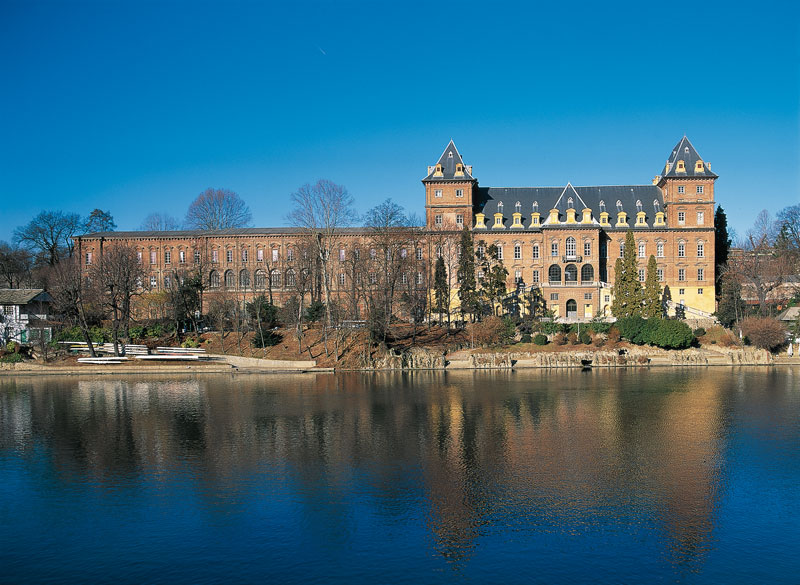
Valentino Castle (Castello del Valentino) is a historic landmark in Turin and part of the UNESCO World Heritage Site of the Residences of the Royal House of Savoy. Originally a riverside residence, it was transformed in the 17th century into an elegant French-inspired château. Today, the castle is home to Politecnico di Torino, where historic heritage and contemporary education, research, and architectural practice come together.
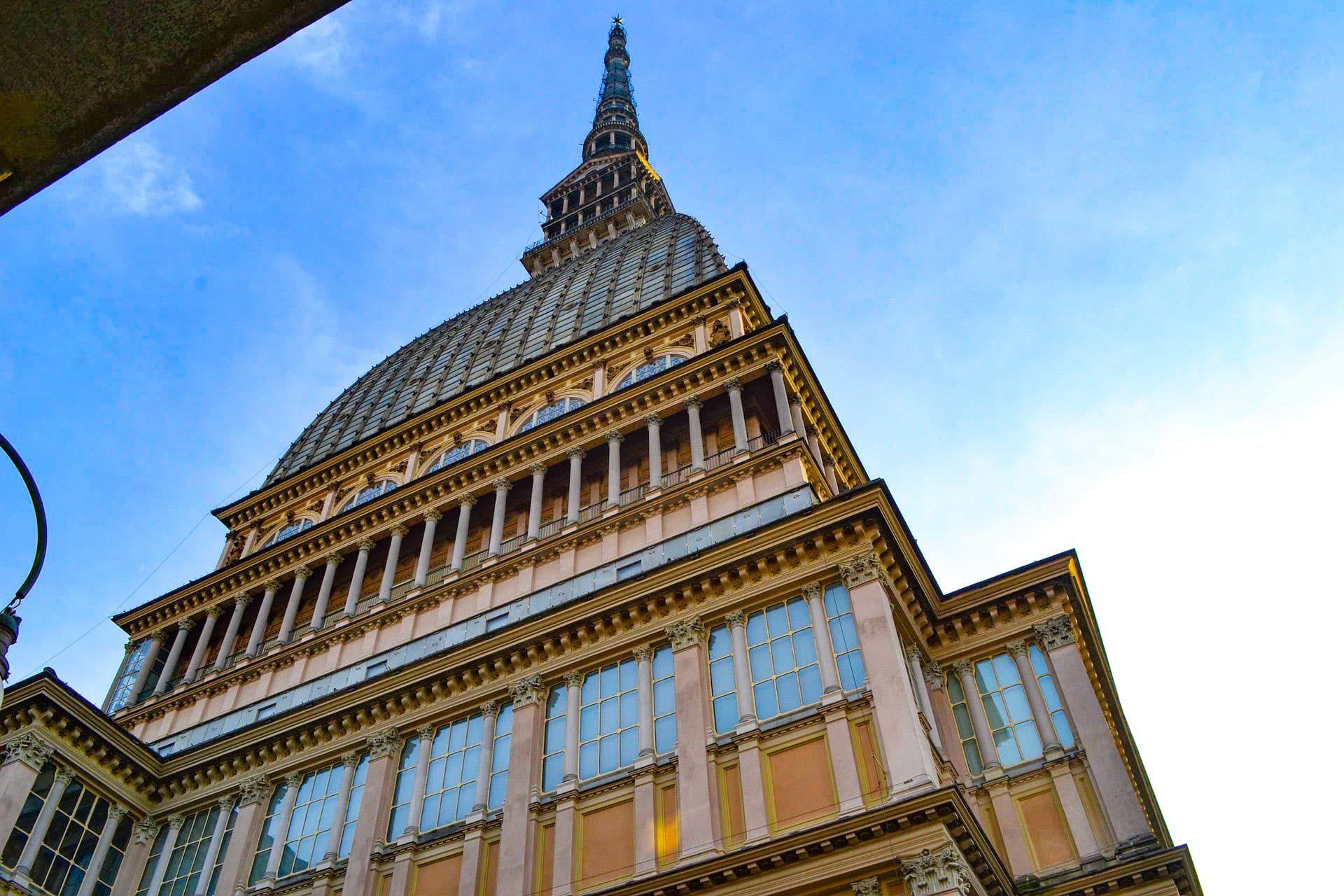
Mole Antonelliana:
Built in the 19th century, originally intended as a synagogue, it is now a symbol of Turin and houses the National Cinema Museum.
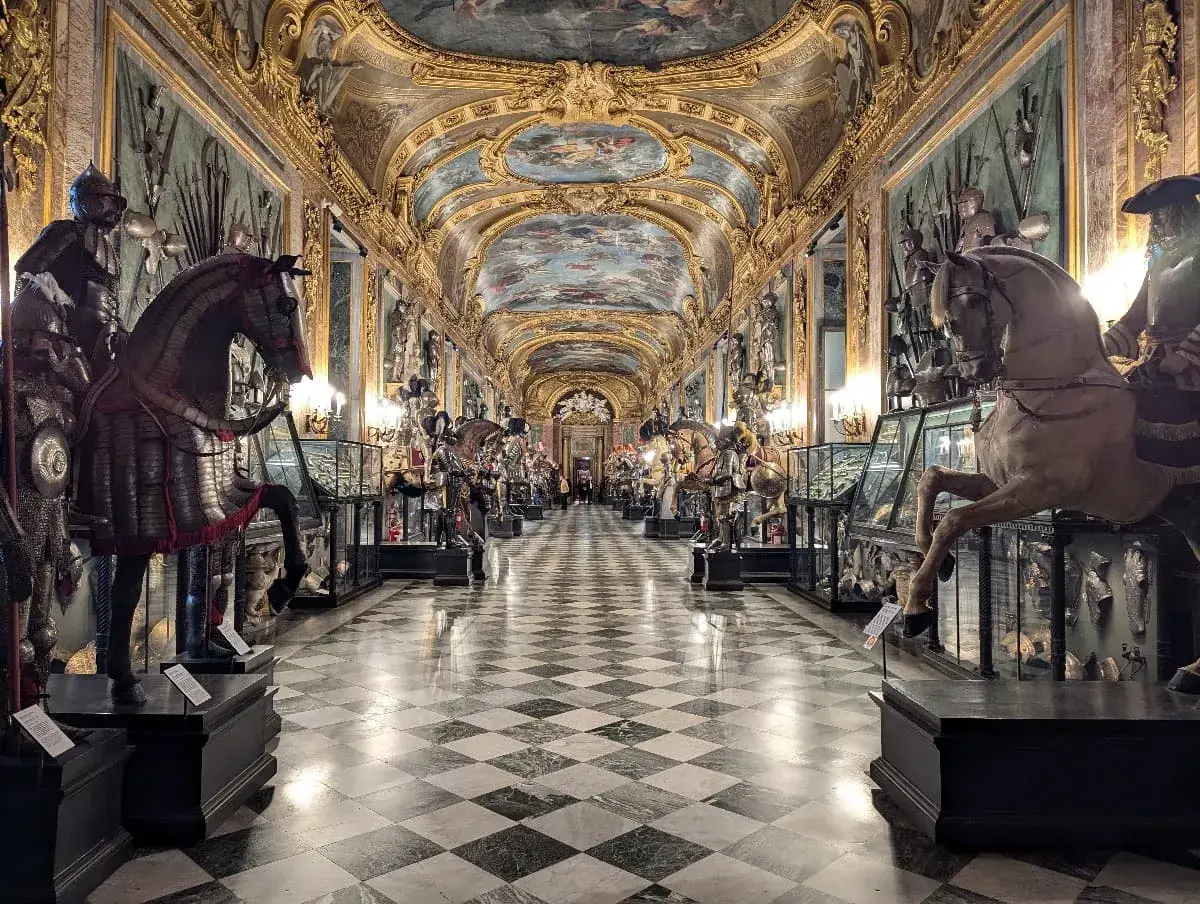
Royal Palace of Turin (Palazzo Reale):
Dating back to the 16th century, this was the residence of the House of Savoy and a center of royal power.
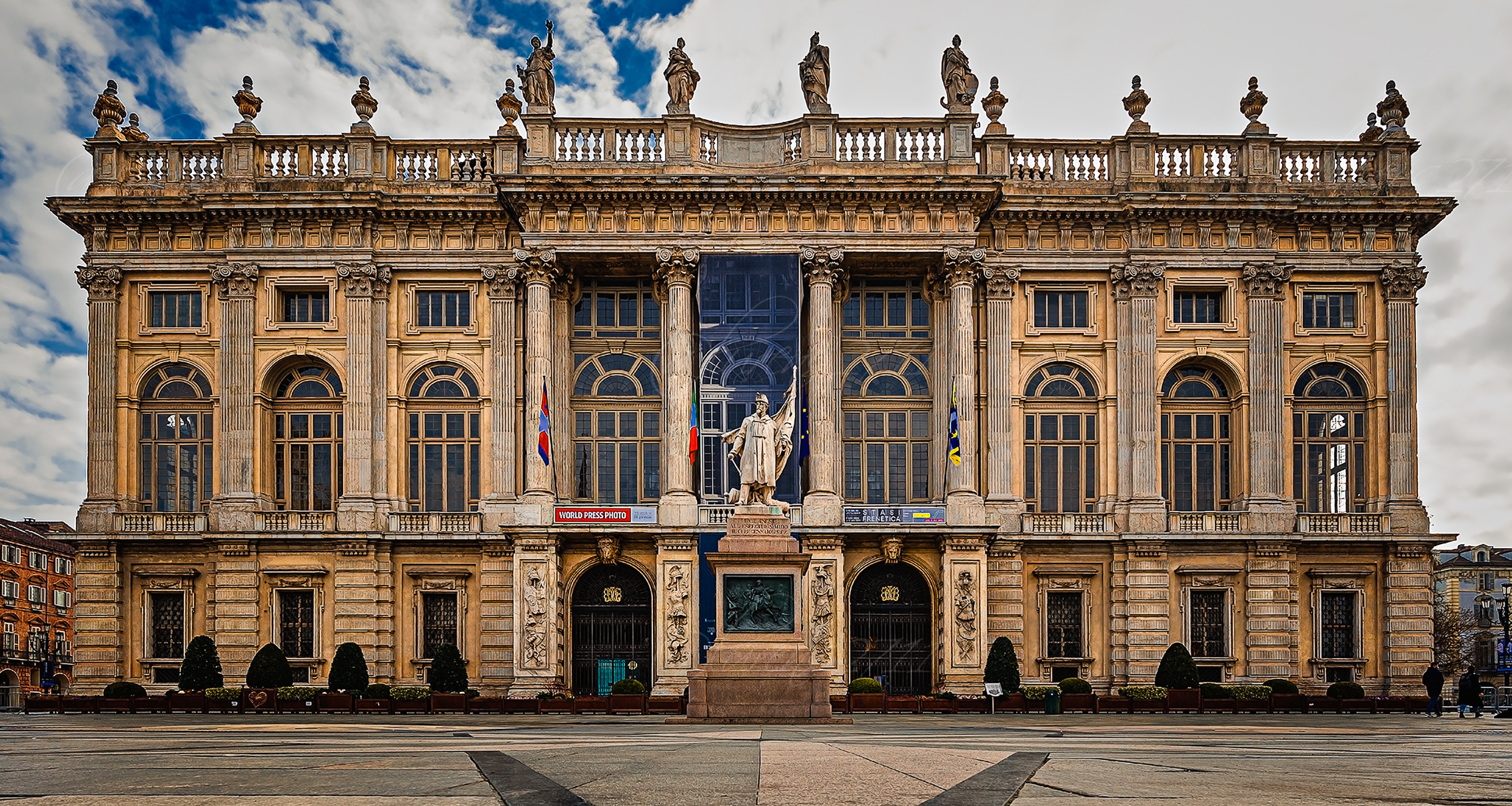
Palazzo Madama:
A historic palace with roots in Roman and medieval times, later transformed with a baroque facade in the 17th century.
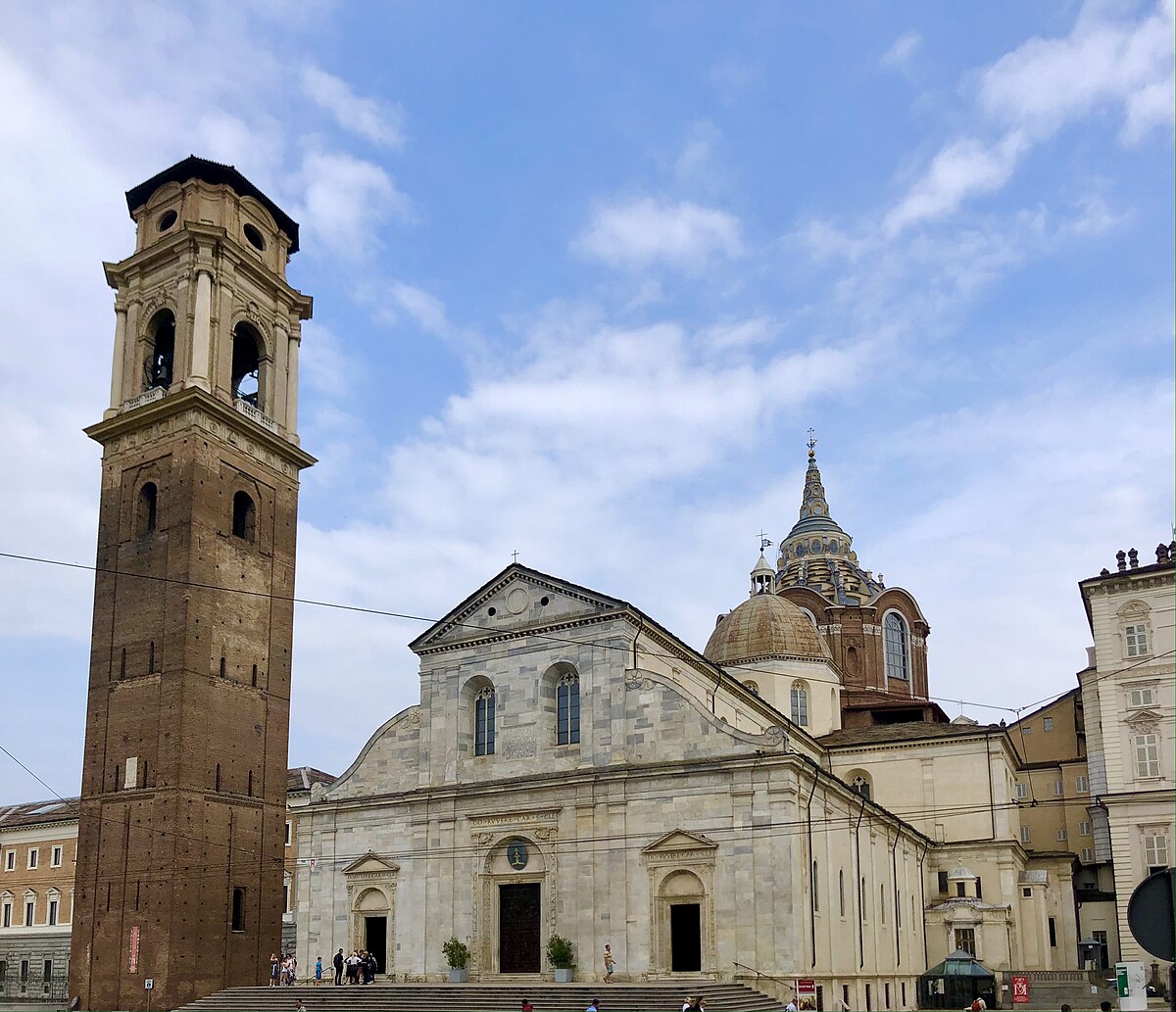
Turin Cathedral (Duomo di San Giovanni):
Constructed in the late 15th century, it is renowned for safeguarding the Shroud of Turin.
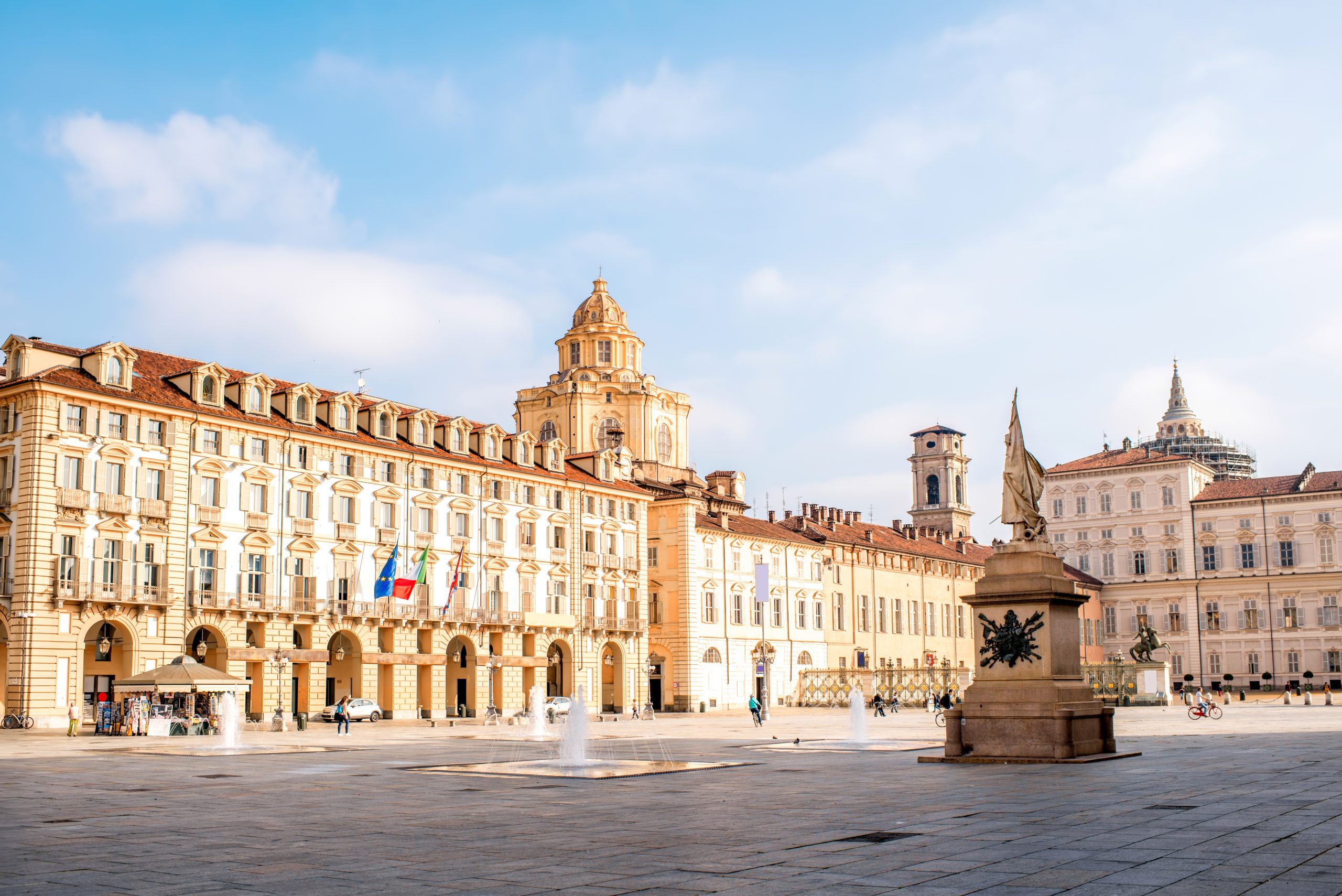
Piazza Castello:
The historic heart of Turin since the 16th century, surrounded by royal and civic buildings.
Valentino Castle:
Built in the 17th century along the Po River, this castle features Renaissance architecture and is part of Valentino Park.
Important Note: The following hotels are provided as recommendations for your convenience only. Please be advised that these hotels are not official partners, and we do not provide accommodation for attendees. Booking and expenses are the sole responsibility of the participant.
Best Quality Hotel Politecnico
B&B HOTEL Torino Orbassano
Hotel Dock Milano
Turin Palace Hotel
Hotel Miramonti
ART HOTEL OLYMPIC
Hotel Genio
Liberty Hotel
Hotel Castello
Hotel Glis
Turin is an elegant city in northern Italy, known for its royal heritage, refined architecture, and peaceful atmosphere. Once the first capital of Italy, it features landmarks like the Royal Palace of Turin and the renowned Egyptian Museum of Turin. Surrounded by the Alps, Turin offers a unique blend of history, culture, and scenic beauty.
By Plane:
Turin is served primarily by Turin-Caselle Airport (TRN), also known as Sandro Pertini Airport, located about 16 km north of the city.
By Train (Recommended)
Turin is a major hub for Italy’s high-speed rail network (Frecciarossa and Italo), making it one of the most efficient ways to arrive.
By Car
Turin is surrounded by a ring road (A55) and is easily accessible via several major motorways:
Important Note on Driving: Much of the historic center is a ZTL (Zona a Traffico Limitato). Unauthorized vehicles are banned from entering between 7:30 AM and 10:30 AM on weekdays. If your hotel is inside this zone, be sure to provide your license plate to them in advance to avoid heavy fines.
By Bus
Long-distance buses like FlixBus and Itabus arrive at the Autostazione Corso Bolzano (located right next to the Porta Susa train station). This is often the most budget-friendly option for traveling from other Italian or European cities.
Invitation Letter Issuance Process
1- In case the participant is an author who has submitted a research paper to the conference, it must get accepted by the Scientific Committee
2- Required participation fees must be paid
3- The participant should send the following information to the conference's official email:
* A clear copy of passport
* Passport number
* Full name as written in your passport.
* Date of Issuing and Expiration
* Date of Birth
* Email address of the nearest Embassy/Consulate to you
* Mobile Number including country code
4- Conference coordinator will issue the needful invitation letter and send a copy to the participant's email, in addition to another one to the corresponding embassy/consulate
5- The participant should print out the invitation letter along with all other required documents by the embassy/consulate and apply for VISA
|
Cancellation Policy |
Up to 60 days before the event |
Up to 50 days before the event |
Up to 40 days before the event |
39 days before the event |
|
Penalty |
20% |
50% |
70% |
100% |
EXCEPTION
A refund is not possible if
-An acceptance letter has been issued (Authors only)
-The proceedings of the event have been published (Authors only)
-All matters have been finalized (accommodation/travel expenses paid for)
Visa Rejection Cases
Reason and proof of rejection must be submitted. If the reason for rejection is due to an error on our part, the participant will be refunded their full fee with a deduction of a 20% administration fee.
Documents to be issued by IEREK to acquire a visa are as follows:
*Final Acceptance Letter (Authors only)
*Visa Invitation Letter
*Invoice/proof of payment
We encourage all authors and attendees to ensure their having acquired all documents (those applicable) mentioned.
If the reason for rejection is not related to any of the aforementioned and is an error on the participant’s part, the following will apply:
*Authors: may choose to let their co-author present his/her research on his/her behalf free of charge. If the author does not have a co-author, a member of the scientific committee shall present on the author’s behalf.
*Audience members/Registrants: will only be allowed to attend another similar event of their choosing that is organized by IEREK free of charge.
ORCID, which stands for Open Researcher and Contributor ID, is a global, not-for-profit organization that aims to provide unique identifiers for authors, researchers, and scholars. ORCiD effectively eliminates duplication and errors regarding author names, affiliations, previous works, and all related academic data.
IEREK is a proud member of ORCiD, and we contribute directly to their initiative of clear and identifiable markers for researchers and scholars. As the first Egyptian partner to ORCiD in the organization’s history, we strongly believe that by utilizing ORCiD’s database and verification services, we become one step closer to achieving an accurate, and identifiable academic landscape.
We encourage our authors to input their ORCiD ID when registering for one of our conferences, submitting an abstract, or a full paper. By doing so, you directly link your research to your identity and affiliation and can showcase your various academic efforts all in one place. By Registering your ORCiD ID, you also increase your works’ visibility and provide easy access to your entire library of research and academic activity.
Click here to learn more about ORCiD, and here to register your ORCiD ID for free.









Prof. Arch. Luca Lanini
Full Professor, PhD
Professor at DESTeC of the University of Pisa in Architectural and Urban Design. Ph.D. President of the Master degree in Building Engineering-Architecture of the University of Pisa.
Associate Professor, Department of Architecture and Design (DAD), Polytechnic University of Turin, Italy.
Marwa Eid
Conference Coordinator
[email protected]
(+20) 3 5763827 | (+20) 3 5763828
(+20)1000028021
Subscribe to our newsletter
Join IEREK community