
Urban Planning & Architectural ...
Online Conference
20 Oct 2026 / 22 Oct 2026 read more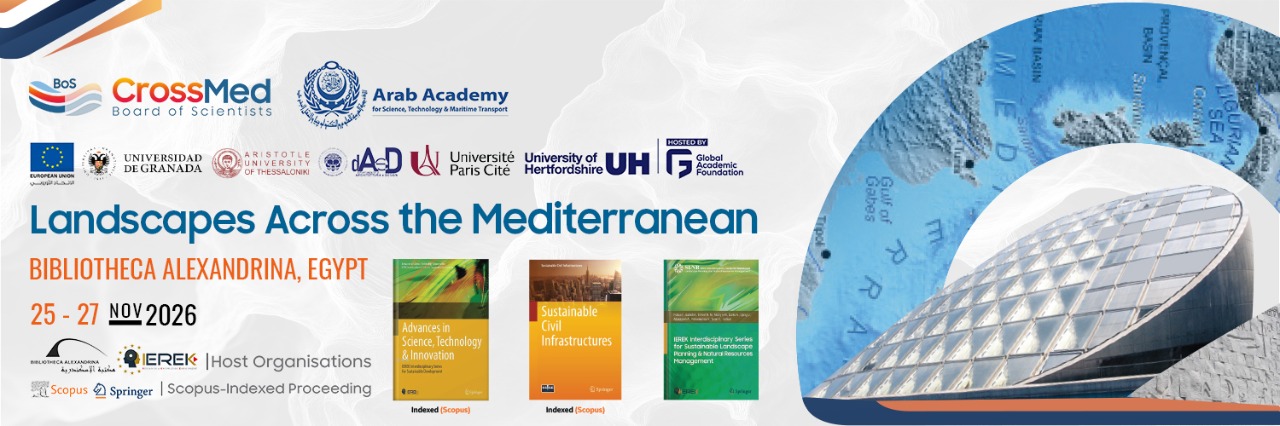
Dean of the College of Engineering and Technology Arab Academy for Science, Technology and Maritime Transport (AASTMT), Alexandria, Egypt.

Head of Post- Graduate Studies, Professor of Architecture & Urban Design, College of Engineering & Technology Arab Academy for Science, Technology & Maritime Transport. ( AASTMT), Alexandria, Egypt
Amira Nassar
Conference Coordinator
[email protected]
(+20) 3 5763827 | (+20) 3 5763828
(+20)1000028021
Subscribe to our newsletter
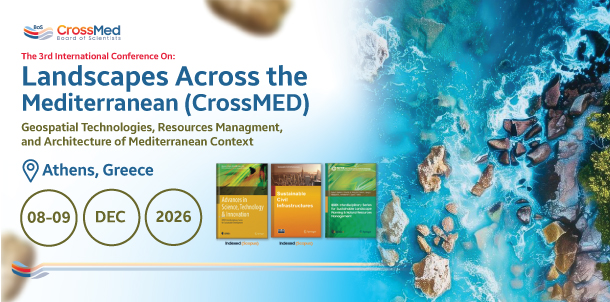
Building on the success of its previous editions of the CrossMED conference, the 3rd International Conference “Landscapes Across the Mediterranean (CrossMED)” returns to a region deeply emblematic of these challenges and opportunities. This edition will focus on Sustainable Landscape and Natural Resources Management and Economic development, with a particular focus on integrating Geo-science, Geospatial Technologies, and the invaluable dimension of Cultural Heritage for Green Infrastructure Development.
CrossMED 2026 aims to explore effective strategies and recent technologies that promote sustainability across the region's diverse landscapes and fragile ecosystems. This conference offers a platform for interdisciplinary collaboration, knowledge sharing, and the development of actionable solutions that prioritize ecological integrity, social equity, economic viability, and the preservation of the Mediterranean's unique cultural tapestry.
Statement of Purpose
The primary goal of CrossMED 2026 is to unite diverse voices in the field of sustainable landscape and natural resource management to address urgent environmental and cultural challenges pertinent to the Mediterranean. By promoting interdisciplinary dialogue and collaboration, the conference aims to inspire innovative solutions that balance the needs of people and the planet, ensuring the enduring vitality of Mediterranean landscapes for generations to come.
Conference Scope:
CrossMED 2026 will cover essential topics, emphasizing their relevance to the Mediterranean context. It will explore sustainable landscape planning, advanced green infrastructure concepts, and the transformative application of Geo-science and Geospatial Technologies. The conference will also discuss the Mediterranean biodiversity conservation, enhancing ecosystem services, and implementing Nature-Based Solutions (NBS) for climate resilience. Discussions will also address sustainable agriculture adapted to Mediterranean climates, integrated coastal and marine ecosystem management, effective policy frameworks for regional challenges, and critically, the preservation and adaptive reuse of the region's rich cultural landscapes and historical heritage. Furthermore, the conference will explore the burgeoning field of sustainable cultural tourism, the evolving landscape of trade, economy, and modern Silk Road development in the Mediterranean, and critical considerations for environmental and resource security in the region.
Call for Participation
IEREK, invites authors and experts to participate in this pivotal conference. We encourage the submission of research papers and academic articles that explore innovative ideas and compelling case studies aligned with our themes, especially those demonstrating multidisciplinary approaches and practical applications within the Mediterranean. This gathering will unearth advanced ideas for the conservation of sustainable landscapes and discuss compelling case studies on how research contributes to natural resource management. Through valuable discussions and collaborative exchanges, the recommendations generated will surely promote continued progress toward a more sustainable and culturally rich future for the Mediterranean and beyond.
Session 1: Mediterranean Architecture and Biophilic Design
(Dr. Sara Alsaadani, Arab Academy for Science, Technology and Maritime Transport, Egypt)
1.1. Multi-scalar Mediterranean Design: Building-to-district level Nature-based Solutions (NbS) and urban resilience
1.2. Design for Diversity: Integrating cultural identity and social pluralism into modern architectural practice
1.3. Sustainable Regional Vocabularies: Thermal mass techniques with modern lightweight, sustainable materials
1.4. Structural Nature-Integration: Performance analysis of green roofs, passive ventilation, vertical facades, and traditional courtyards
1.5. Passive Energy Strategies: Advanced daylighting concepts and the integration of next-gen renewable energy technologies
1.6. Carbon-Negative Foundations: Engineering foundations using calcined clays, carbon-sequestering aggregates, and local bio-materials
1.7. Digital Geo-Architecture: Utilizing geotechnical sensors and digital tools for site-specific sustainable design
1.8. Sacred and Utopian Spaces: Conservation strategies and modern design for religious and spiritually significant architecture
Session 2: Mediterranean Urbanism, Urban Spaces, and Social Identity
(Prof. Shams Naga, Naga Architects)
2.1. Biophilic Well-being: Psychological and physiological benefits of nature-integrated urbanism in dense Mediterranean hubs
2.2. Eco-Urban Biodiversity: Strategies for integrating indigenous flora into urban streetscapes to bolster local ecosystems
2.3. Urban digitalization: Integrating digital layers, augmented reality, and public Wi-Fi into the modern social and political heart of the city
2.4. Morphology and Spirituality: How religion and spiritual practices continue to drive Mediterranean urban form and public space usage
2.5. Reclaiming the Waterfront: Balancing industrial port-logistics requirements with pedestrian-centric design and resilient public spaces
2.6. NbS for Heat Island Mitigation: Cooling Mediterranean metropolises through strategic green infrastructure and thermal management
2.7. Coastal Resilience: Nature-based solutions for mitigating flood risk and storm surges in vulnerable coastal cities
2.8. Scaling Mediterranean NbS frameworks through regional cooperation between North African and Southern European economies
Session 3: Cultural Landscapes and Heritage Preservation
(Prof. Ferdinando Tarapani, University of Palermo, Italy)
3.1. The Living Heritage Mosaic: Managing tangible sites, intangible cultural heritage, and ancestral nomadic routes
3.2. Archaeological Landscape Management: Professional conservation of ancient terrains and subterranean heritage
3.3. Rural-Urban Friction: Measuring the impact of rapid urbanization on historic village cores and traditional land-use patterns
3.4. Heritage-Led Revitalization: Strategic regeneration of declining rural settlements through cultural tourism and local industry
3.5. Preservation Governance: Integrating community engagement, social equity, and modern policy into heritage management
3.6. Adaptive Reuse: Converting heritage sites for sustainable, future-proof functions while maintaining historical integrity
3.7. Climate Impact on Culture: Evaluating the vulnerability of historic sites to rising sea levels, erosion, and extreme heat
3.8. Community-Centered Heritage: Models for social equity and local participation in the long-term stewardship of historic sites
Session 4: Green Infrastructure and Mediterranean Ecological Networks
(Prof. Nabil Mohareb, The American University in Cairo, Egypt)
4.1. Climate-Adaptive Green Infrastructure: Planning multifunctional urban greening for regional climate adaptation
4.2. Parks as Social Infrastructure: Designing urban green spaces as recreation and social equity hubs in high-density cities
4.3. Landscape Infrastructure: Designing urban greening systems for extreme arid zones
4.4. Ecological Connectivity: Designing habitat corridors across fragmented urban–agricultural landscapes
4.5. Urban Microclimate Design: Integrating urban form, materials, and greening strategies for thermal comfort and heat resilience
4.6. Planning for Equity: Designing multifunctional landscapes that balance ecological health with social equity
4.7. Multimodal Transit Hubs: Developing passenger and freight networks that minimize habitat fragmentation and protect ecological connectivity
4.8. GIS-Based Spatial Data Infrastructure: Enabling cross-border regional planning and environmental governance
Session 5: Resilient Networks and Artificial Landscapes’ Technologies
5.1. Geotechnical Tunneling and Bridge Design: Innovations for resilient transportation infrastructure in seismic Mediterranean zones
5.2. Integrated Smart Grids: Managing energy peaks and vehicle-to-grid (V2G) distribution in high-density tourism hubs
5.3. Sustainable Drainage Systems (SuDS): Engineering solutions to mitigate Mediterranean flash floods and recharge urban aquifers
5.4. Circular Waste Management: Digitalization and automation of waste collection and resource recovery in high-density districts
5.5. Artificial Coastal Engineering: Environmental impacts and aesthetic design of reclaimed land and artificial shorelines
5.6. Urban Nightscapes: Implementing smart lighting and IoT sensors to enhance safety and energy efficiency in Mediterranean cities
5.7. 3D Printing for Habitat: Advances in large-scale 3D printing using local soils and artificial coral scaffolds for reef restoration
5.8. The Mediterranean “Smart Village”: Future scenarios for high-speed connectivity and digital services in remote rural and island communities
Session 6: Geospatial Technologies and Environmental Monitoring
(Prof. Zakarya Hamimi, Benha University, Egypt)
6.1. Remote Sensing for Crisis: Utilizing satellite imagery for real-time monitoring of forest fires, desertification trends, and other natural disasters
6.2. High-Resolution Mapping: Applications of LiDAR and photogrammetry in documenting changing Mediterranean topographies
6.3. Land-use and land-cover (LULC) Multi-Temporal Analysis: Tracking decades of LULC change via geospatial data
6.4. Marine Pollution Monitoring: Tracking plastics and chemical spills in the Mediterranean Sea using multi-spectral satellite sensors
6.5. AI Predictive Modeling: Machine learning applications for early warning systems of earthquakes, landslides, and tsunamis
6.6. Urban Digital Twins: Modeling city infrastructure health and resource flows for data-driven decision making
6.7. GeoBIM Integration: Merging Building Information Modeling (BIM) with GIS for holistic landscape and structure management
6.8. Geospatial Ethics & Data Sovereignty: Addressing privacy and the ownership of sensitive cross-border mapping data in high-resolution monitoring
Session 7: Geological Evolution, Coastal Engineering, and Resilience.
(Prof. Nezha MEJJAD, National Centre for Nuclear Energy, Science and Technology (CNESTEN), Rabat, Morocco.)
7.1. Seismic Microzonation: Tectonic analysis and hazard mapping for historic coastal cities and archaeological sites
7.2. Karst System Protection: Managing the vulnerability of Mediterranean limestone geomorphology to pollution and urban sprawl
7.3. Mountainous Geohazards: Modeling landslide susceptibility and debris flow in the rugged Mediterranean hinterlands
7.4. Advanced Geotechnics: Addressing the challenges of building on expansive "Red Clay" and other regional soil types
7.5. Strategic Coastal Realignment: Adapting shoreline infrastructure through "Managed Retreat" and sea-level rise modeling
7.6. Bio-Cemented Shorelines: Using microbial-induced carbonate precipitation (MICP) and seagrass restoration as hybrid engineering barriers
7.7. Offshore Energy Foundations: Advanced engineering for floating wind, wave, and solar platforms in deep waters
7.8. Sediment Dynamics: Monitoring beach nourishment and sediment bypass systems to combat coastal erosion
Session 8: Water–Energy–Chemical Innovations for Mediterranean Resilience
(Prof. Mohamed Chehimi, Université Paris, France)
(Dr. Randa Ghonim, Slovak Academy of Sciences, Slovakia)
8.1. Circular Desalination & Brine Valorization: Low-impact desalination, mineral recovery, nano-membranes, and solar-powered systems
8.2. Advanced Water Reuse & Contaminant Removal: Nano-adsorption, microplastic removal, and energy-efficient wastewater reclamation for agriculture and industry
8.3. Decentralized & Island Water Systems: Modular, low-energy treatment and solar-chemical disinfection for remote and island communities. Rainwater harvesting infrastructure
8.4. Atmospheric & Rainwater Harvesting Technologies: Fog, dew, and rainwater capture enhancement by functional coatings and surface chemistry. Design of biomimetic surfaces to enhance water recovery
8.5. Water–Energy Coupling & Storage Solutions: Solar-desalination integration, flow batteries, and salinity-gradient (blue) energy systems. Solar fuels and electrolysis
8.6. Hydrogen & Resource Recovery from Wastewater: Photocatalytic water splitting and chemical resource extraction in urban treatment plants
8.7. Sewage Sludge management and treatment: Conversion of sewage sludge into carbon-rich materials, fertilizers, and valorization by composting
8.8. Porous materials for green rooftops: Enhancement of the Water-Holding Capacity of Green Roof Substrates
8.9. Moisture and temperature effects on modern building: Moisture and structural integrity; heat-induced expansion and contraction of materials; solutions for durable, safe, and energy-efficient constructions
8.10. Nature-Based Recharge & Hydro-Heritage Revitalization: Sponge-city design, groundwater recharge, and modernization of traditional cisterns and irrigation
8.11. WEFE Nexus & Transboundary Water Governance: Integrated water–energy–food–ecosystem planning and cooperative aquifer management for regional stability
8.12. Management of Sustainable Water Resources
Session 9: Nanotechnology and Molecular Engineering (The Micro-Scale)
(Prof. Kamel Eid, Qatar University, Qatar)
9.1. Self-Healing Heritage Materials: Utilizing nano-capsules and bio-mimetic mortars for automatic crack repair in historic masonry
9.2. Nano-Catalysis for Hydrogen: High-efficiency catalysts for hydrogen production in Mediterranean saltwater
9.3. Smart Nano-Sensors: Real-time detection of heavy metals and microplastics in regional fisheries
9.4. Chemical Soil Stabilization: Utilizing nano-silica and polymers to enhance the geotechnical properties of local soils
9.5. Targeted Nano-Remediation: Applying magnetic nanoparticles to remove pollutants from sensitive coral reef environments
9.6. Molecular Preservation of Stone: Nano-lime and functionalized silanes for protecting ancient limestone structures
9.7. Bio-Molecular Health: Investigating the Mediterranean microbiome and its role in regional carbon cycles
9.8. Smart Building Envelopes: Integrating nano-coatings and adaptive shading fabrics responsive to real-time UV intensity for passive cooling
Session 10: Chemical Innovations in Applied Chemistry, Materials, Energy, and Health for Sustainable Development
(Dr. Moaz M. Abdou, Associate Professor of Applied Organic Chemistry, Egyptian Petroleum Research Institute (EPRI), Egypt_
10.1. Green and Applied Chemistry for Sustainable Industrial Processes
10.2. Petrochemical Innovations, Refining Technologies, Polymers, Plastics, and Circular Economy
10.3. Textile Chemistry, Smart Fabrics, and Sustainable Textile Technologies
10.4. Corrosion Science, Surface Protection, Coatings, and Electrochemical Applications
10.5. Water Desalination, Treatment Technologies, and Sustainable Water Chemistry
10.6. Next-Generation Materials for Renewable Energy and Energy Storage
10.7. Electronic Materials, Sensors, Devices, and Applied Physics for Sustainable Technologies
10.8. Biodegradable and Smart Biomaterials for Medical Applications
10.9. Sustainable Medicinal Chemistry and Green Pharmaceutical Technologies
10.10. Electrochemistry, Catalysis, and the Energy Nexus for Sustainable Development
Session 11: Global Logistics Hubs and Economic Integration
(Prof. Angeles Sánchez, University of Granada, Spain)
11.1. Green Logistics and Industrial Symbiosis: Transforming Mediterranean Ports into "Green Energy Hubs"
11.2. Digital Trade, Blockchain and Fintech: Exploring Innovative Funding like "Blue Bonds"
11.3. Geopolitics of Chokepoints and Trade Corridors: The Strategic Economic Roles of the Suez Canal and the Strait of Gibraltar
11.4. Multimodal Connectivity and Regional Trade Agreements
11.5. Techno-Economic Feasibility and Green Tech Investment
11.6. Resilient Supply Chains and SME Strategy
11.7. Specialized Zones and Industrial Development: Entrepreneurship in the Circular Economy
11.8. Economic Valuation of Ecosystems and Cultural Heritage
Session 12: Responsible Tourism Models
(Prof. Stella Kostopoulou, University of Thessaloniki, Greece)
12.1. Tourism vs. Heritage: Balancing high-volume visitation with the physical preservation of coastal cities
12.2. Diversified Ecotourism: Promoting the Mediterranean hinterland through religious, cultural, and agro-tourism initiatives
12.3. Regenerative Slow Tourism: Engaging visitors in the active restoration of local ecosystems and historic sites
12.4. Dynamic Carrying Capacity: Modeling visitor flow to prevent ecological and social degradation in historic sites
12.5. Gastronomic Diplomacy: Leveraging Mediterranean culinary heritage to support local SMEs and circular economies
12.6. Smart Destination Management (SDMS): Utilizing digital tools to manage seasonal fluctuations and resource demand in tourist hubs
12.7. Policy and Regulatory Frameworks: Legislative approaches to balancing tourism growth with community well-being
12.8. Visitor Experience Technologies: Enhancing education and engagement at historic sites through digital innovation
Session 13: Economic Challenges to Foster Sustainable Development
(Prof. Angeles Sánchez, University of Granada, Spain)
13.1. Socioeconomic Inequalities and Poverty in All Its Forms
13.2. Economic and Social Cohesion of the Territories
13.3. Health Economics and Well-being
13.4. Inclusive and Equitable Quality Education and Lifelong Learning Opportunities
13.5. Labor Market Dynamics and Trends in Unemployment
13.6. Techno-Economic Analysis: Evaluating the commercial feasibility of nano-enabled water technologies in the MENA region
13.7. The Welfare State: Developments, Financing and International Comparisons
Session 14: Mediterranean Corridors: Security, Human Narratives, and Urban Governance
(Prof. Khalid Alkassmi, The American University in the Emirates, UAE)
14.1. Integrated Mobility Corridors: Developing secure and efficient cross-border transport networks
14.2. Maritime Surveillance: Monitoring international waters and the impact of non-state actors on maritime security
14.3. Border Tech & Migratory Ethics: Examining the political and human impact of high-tech surveillance in migratory zones
14.4. Mediterranean "Value-Scapes": How cultural and social values drive territorial management and land-use policy
14.5. Literary Migration Studies: The role of migration narratives in shaping the collective identity and literature of the basin
14.6. Gendered Governance: Empowerment of women in grassroots movements and Mediterranean resource management
14.7. Youth Agency & Stability: Addressing youth employment and political inclusion as drivers of regional stability
14.8. Urban Diplomacy: The rise of city-to-city networks (MedCities) as a primary driver of Mediterranean cooperation
Session 15: Post-Colonial Landscapes and Radical Humanities
15.1. Radical Humanities: Exploring trans-Mediterranean connectivity beyond traditional state-centric frameworks
15.2. Decolonizing the Basin & Cartographic Justice: Re-mapping the Mediterranean to reflect indigenous spatial traditions that pre-date colonial borders
15.3. Narrative Bridges: Closing the cultural and digital gap between the Northern and Southern shores
15.4. Ethics of Climate Refuges: Social science perspectives on cities acting as sanctuary hubs for climate-displaced populations
15.5. The "Cemetery-Sea": Navigating the moral crisis of the Mediterranean as a migratory site of memory and shared loss
15.6. Virtual Underwater Heritage: Utilizing AR/VR to democratize access to sunken Mediterranean civilizations
15.7. Peri-Urban Ethics: Managing unregulated urban sprawl and its threat to historic agricultural belts
15.8. Hydro-Sociology: Analyzing the social tension and ethics surrounding the "human right to water" in arid region
Session 16: Blue Health and Urban Wellness
(Prof. Cristina Piselli, University of Florence, Italy)
16.1. The Soundscape of Wellness: Protecting the acoustic heritage and 'Blue Health' of coastal environments from urban noise pollution
16.2. Dietary Wellness: Traditional diets as tools for reducing chronic disease in the urban South
16.3. Acoustic Comfort: Designing "Quiet Zones" in dense cities to mitigate urban noise pollution
16.4. Therapeutic Landscapes: The role of hospital gardens and "healing forests" in regional architecture
16.5. Urban Heat Vulnerability: Epidemiological analysis of heat-related illness among vulnerable populations
16.6. Blue Space Accessibility: Promoting social equity in the "Right to the Sea" for marginalized communities
16.7. Vector-Borne Diseases: Monitoring environmental shifts that influence pathogen spread in the basin
16.8. Virtual Reality Blue Spaces: Delivering wellness benefits to patients in inland or clinical environments
Session 17: Disaster Risk Reduction (DRR) and Heritage at Risk
17.1. The "READY" Framework: Strengthening capacities for protecting heritage from climate disasters
17.2. Seismic Structure Resilience: Engineering and chemical stabilizers for earthquake-proofing masonry
17.3. Fire-Smart Cultural Landscapes: Vegetation-based firebreaks to protect rural heritage sites
17.4. Digital Twins for Risk Mitigation: Simulating damage from storm surges and flash floods in real-time
17.5. Reconstruction Ethics: Debating "Build Back Better" vs. "Authentic Preservation" in disaster-struck zones
17.6. Community First Aid: Training citizens in the stabilization of cultural assets post-emergency
17.7. Satellite-Based Alerts: Integrated geospatial data for real-time risk alerts in archaeological sites
17.8. Climate-Displaced Heritage: Legal frameworks for the digital preservation of heritage in sinking zones
Session 18: The Blue Economy and Marine Governance
(Prof. Nezha MEJJAD, National Centre for Nuclear Energy, Science and Technology (CNESTEN), Rabat, Morocco.)
18.1. Blue Carbon Potential: Economic and chemical analysis of Posidonia oceanica (Seagrass) as a carbon sink
18.2. Marine Spatial Planning (MSP): Balancing offshore energy, fisheries, and biodiversity conservation
18.3. Sustainable Fisheries: Integrating traditional knowledge with chemical-sensing technology
18.4. Maritime Desalination Impact: Biological effects of deep-sea brine discharge on benthic ecosystems
18.5. Circular Blue Bio-Economy: Utilizing invasive species for pharmaceuticals and industrial chemicals
18.6. Green Cruise Industry: Decarbonizing Mediterranean tourism ports for zero-emission operations
18.7. Blue Finance: Scaling marine restoration and coastal resilience through innovative "Blue Bond" mechanisms
18.8. Underwater Heritage Trails: Promoting conservation through scuba-based archaeological tourism
Session 19: Sustainable Agriculture and Innovative Food Systems
(Khaled El Saadani, Coordinator of the EU-funded Egyptian Network for Innovation (ENIT))
19.1. Agro-Ecological Adaptation: Regenerative farming and agroecology practices tailored to water-scarce climates
19.2. Heirloom Biodiversity: Conservation of heirloom seeds and traditional Mediterranean crop varieties
19.3. Soil Carbon Sequestration: Organic farming strategies for turning semi-arid soils into carbon sinks
19.4. Silvopastoral Systems: Integrating trees and livestock for enhanced biodiversity and drought resistance
19.5. Agrivoltaics: Combining solar energy production with traditional Mediterranean orchards to provide shade for crops
19.6. Circular Agri-Logistics: Reducing food waste and energy use in Mediterranean supply chains
19.7. Regenerative Practices: Implementing soil-health recovery models across fragmented agricultural landscapes
19.8. Climate-Smart Supply Chains: Technologies for enhancing resource efficiency in food production
Session 20: Emerging Frontiers in Mediterranean Intelligence and Ethics
(Prof. Claudia Fabiani, University of Perugia, Italy)
20.1. Cyber-Physical Water Security: Protecting digitized water grids from ransomware and hybrid warfare
20.2. The Ethics of 'Seawilding' & Rights of Nature: Legal and moral debates over granting personhood to ecosystems
20.3. Submarine Cable Sovereignty: Governing the underwater data cables that underpin the digital economy
20.4. The "Blue Carbon" Economy: Economic potential of seagrass restoration for global carbon offset markets
20.5. Sonic Ecologies: Monitoring noise pollution to protect marine biodiversity and human wellness
20.6. Outer Space for the Inner Sea: Utilizing CubeSats for community-led environmental monitoring in North Africa
20.7. Just Transition Energy Partnerships: Preventing 'Energy Neocolonialism' in large-scale renewable export deals
20.8. Hydro-Socialism vs. Commodification: Philosophical tensions regarding the privatization of liquid assets
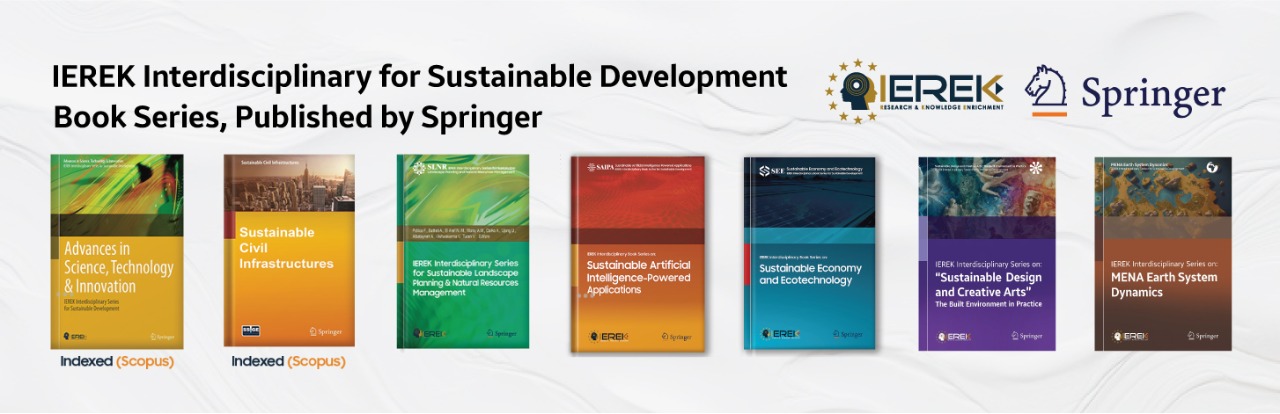
All accepted submissions to the conference, after a rigorous double-blinded peer-review process by the respective Editorial Board, will be published in one of the following:
Advances in Science, Technology and Innovation (ASTI), an IEREK interdisciplinary book series published by Springer Nature. (SCOPUS indexed)
Publisher: Springer Nature (IEREK Interdisciplinary book series)
Indexing: SCOPUS indexed; some titles in Web of Science (ISI)
Focus: Emerging research in science, technology, and innovation for sustainable development, addressing UN SDGs.
Publisher: Springer (Peer-reviewed book series)
Indexing: EI Compendex, SCImago, SCOPUS, zbMATH
Focus: Sustainable engineering materials and designs for civil infrastructures, addressing impacts of weather extremes and improving well-being.
Focus: Environmental and developmental challenges in the MENA region.
Key Areas: Earth Systems Science, Geotechnics, and Geoinformatics specific to MENA.
Goal: Publish scientific breakthroughs and innovative solutions for a sustainable MENA Future.
Publisher: Springer (Peer-reviewed book series)
Focus: Groundbreaking research at the intersection of sustainable landscape planning and natural resources management.
Key Areas: Landscape ecology, green urbanism, urban regeneration, land restoration, energy management, nature conservation, geosciences, civil engineering, and water management.

Journal: Social Indicators Research: An International and Interdisciplinary Journal for Quality-of-Life Measurement
Special Issue: "Promoting Sustainable Development to Improve the Quality of Life in the Mediterranean Region: Innovative Methods and Applications" (Q1 Scopus Indexed, JCR)
Publisher: Springer Nature
Focus: Advancing sustainable development through innovative approaches that address the region’s complex environmental, social, and economic challenges.
Guest Editors:
Internationally peer-reviewed, open access journals published by IEREK Press. Covering a wide range of disciplines including sustainability, architecture, engineering, and environmental sciences.
Journal on:
| Title | Date |
|---|---|
| Abstract Submission Deadline (3rd Round) | 30 Sep 2026 |
| Last Notification for Abstract Acceptance & Approval to present | 30 July 2026 |
| Letter of Visa (for delegates who need visa entry) Payment required | 30 Aug 2026 |
| Early Payment Deadline | 30 June 2026 |
| Regular Payment Deadline | 10 Aug 2026 |
| Late Payment Deadline | 30 Sep 2026 |
| Full Paper Submission Deadline | 25 Oct 2026 |
| Notification of acceptance/ rejection of the submitted full paper | 30 Oct 2026 |
| Conference Program | 25 Oct 2026 |
| Conference Launch | 25 Nov 2026 |
Payments through the website are currently unavailable due to ongoing website enhancements. IEREK offers alternative payment methods, including bank transfer and secure third-party online payment links.
The registration fee does not cover accommodation or travel expenses. A list of accommodation options can be suggested by our team if available. Please contact [email protected] for inquiries.
We recommend that all authors take advantage of the benefits that IEREK offers, including various attendance types, publishing opportunities, and opportunities for discounts and waivers.
We are pleased to inform all applicants that they can use their previous publications to register for an IEREK membership, which offers a special discount.
IEREK offers a special discount to applicants from collaborative universities that have signed an MoU with IEREK to host or co-host one of its conferences.
IEREK also provides special discounts to authors from low and medium-income countries.
The disclosed fees are for the conference participation (Publication is free of charge, but only the conference participants can be considered for publishing in the conference proceedings).
Some of the disclosed conference fees may vary depending on the book series and/or journal(s) presented as a publication outlet, as we encourage submission to newly founded book series and/or journal(s) by presenting a discounted rate for the conference's fees.
IEREK offers many types of registrations that are diverse in registration fees; applicants can choose the type they are familiar with as follows:
Participants who are PhD holders, post-doctoral researchers, and universities’ affiliated professors and experts in the field.
Must provide proof of enrollment in a university by providing an enrollment certificate and/or a valid university ID (with issue/expiry date) etc.
Participants who are not affiliated with universities such as practitioners, policymakers, entrepreneurs, etc.
Have access to the event to enjoy the discussions, coffee breaks, and lunch as a co-author or audience.
IEREK Community members receive 25% off the Regular payment stage.
If you are a returning author, published researcher, institutional partner, or active contributor to IEREK activities, you may be eligible for exclusive Community benefits. Visit the IEREK Community Section to learn more and check your eligibility.
| Type of Registration | Early Payment Deadline 30 June 2026 |
Regular Payment Deadline 30 Aug 2026 |
Late Payment Deadline 30 Sep 2026 |
|---|---|---|---|
| Scopus indexed-ASTI Book by Springer or SUCI Book by Springer | |||
| Student | 300 € | 350 € | 400 € |
| Academic | 350 € | 400 € | 450 € |
| Professional | 400 € | 450 € | 500 € |
| Co-author/ Audience | 150 € | 200 € | 250 € |
| SLNR Book by Springer | |||
| Student | 250 € | 300 € | 350 € |
| Academic | |||
| Professional | |||
| Co-author/ Audience | 150 € | 200 € | 250 € |
| Open Access IEREK Press Journals | |||
| Student | 250 € | 300 € | 350 € |
| Academic | 300 € | 350 € | 400 € |
| Professional | 350 € | 400 € | 450 € |
| Co-author/ Audience | 150 € | 200 € | 250 € |
Special Discount for Egyptian Participants
To support and encourage the active involvement of the local academic and professional community, IEREK, offers a special discounted registration fee (excluding VAT) for Egyptian participants attending the conference in person.
| Type of Registration | Early Payment Deadline 30 June 2026 |
Regular Payment Deadline 30 Aug 2026 |
Late Payment Deadline 30 Sep 2026 |
|---|---|---|---|
| Authors | 12000 EGP | 14000 EGP | 16000 EGP |
| Co-authors / Audience | 8000 EGP | 10000 EGP | 12000 EGP |
The registration fee does not cover accommodation or travel expenses. A list of accommodation options can only be suggested by our team if available. Contact [email protected] to inquire.
IEREK offers various types of participation. Applicants can apply for in-person attendance to benefit fully from conference discussions and knowledge exchange.
IEREK also offers virtual attendance for authors to present their research papers online; however, we strongly encourage all applicants to attend the conference in person.
The physical fee covers:
* Each research paper should have one main author who should pay the full fee (Author fees) regardless of attendance. Co-authors, each, have their fees to pay to attend the event. This applies to online attendance as well as physical attendance.
* A research paper fee allows only one author, whether main or co-author, to attend the conference and receive only one conference kit. Extras can be requested for an additional fee.
| Type of Registration | Early Payment Deadline 30 June 2026 |
Regular Payment Deadline 30 Aug 2026 |
Late Payment Deadline 30 Sep 2026 |
|---|---|---|---|
| Scopus indexed-ASTI Book by Springer or SUCI Book by Springer | |||
| Student | 250 € | 300 € | 350 € |
| Academic | 300 € | 350 € | 400 € |
| Professional | 350 € | 400 € | 450 € |
| Co-author/ Audience | 100 € | 150 € | 200 € |
| SLNR Book by Springer | |||
| Student | 200 € | 250 € | 300 € |
| Academic | |||
| Professional | |||
| Co-author/ Audience | 100 € | 150 € | 200 € |
| Open Access IEREK Press Journals | |||
| Student | 200 € | 250 € | 300 € |
| Academic | 250 € | 300 € | 350 € |
| Professional | 300 € | 350 € | 400 € |
| Co-author/ Audience | 100 € | 150 € | 200 € |
IEREK offers virtual attendance, providing authors with a unique link to join the conference sessions and present their papers as per the announced program.
The online fee covers:
* Each research paper should have one main author who should pay the full fee (Author fees) regardless of attendance.
* Co-authors, each, have their fees to pay to attend the event. This applies to online attendance as well as physical attendance.
* If an author is eligible for more than one discount, IEREK will apply only the highest discount. Discounts cannot be combined.
* Authors should contact the conference manager through this email [email protected] to consider the discount and waiving for all the above cases so that the conference manager can provide an exclusive invoice for each case.
Afghanistan, Algeria, Angola, Bangladesh, Benin, Bhutan, Bolivia, Burkina Faso, Burundi, Cabo Verde, Cambodia, Cameroon, Central African Republic, Chad, Comoros, Congo, Congo Dem. Rep., Côte d'Ivoire, Djibouti, Egypt, Eritrea, Eswatini, Ethiopia, Gambia, Ghana, Guinea, Guinea-Bissau, Haiti, Honduras, India, Iran, Jordan, Kenya, Kiribati, Kyrgyz Republic, Lao PDR, Lebanon, Lesotho, Liberia, Madagascar, Malawi, Mali, Mauritania, Micronesia, Mongolia, Morocco, Mozambique, Myanmar, Nepal, Nicaragua, Niger, Nigeria, Pakistan, Papua New Guinea, Philippines, Rwanda, Samoa, São Tomé and Principe, Senegal, Sierra Leone, Solomon Islands, Somalia, South Sudan, Sri Lanka, Sudan, Syria, Tajikistan, Tanzania, Timor-Leste, Togo, Tunisia, Uganda, Ukraine, Uzbekistan, Vanuatu, Vietnam, Yemen, Zambia, Zimbabwe
IEREK puts a lot of effort into expediting the peer review process to publish articles as quickly as possible. This requires prompt responses from all authors to the editors' comments, if any. Your swift response is highly appreciated to advance the production process and get your articles online. We prioritize the first author to respond as per our formula. The conference proceedings will be divided into multiple books, with the first one scheduled for publication within 6 months after the conference date. We encourage all authors to aim for publication in the first release.
Registration and financial transactions for this conference are managed through our strategic partners, working in close academic partnership with IEREK to ensure seamless delivery of conference services and publication standards.


Both entities work in close academic partnership with IEREK to ensure the highest standards of financial transparency, conference administration, and publication quality.
IEREK has an unyielding policy regarding plagiarism. We believe that copying/taking the ideas and work of other Authors without permission and credit is fraudulent. The Reviewing committee and IEREK employees have the authority to reject a paper during its reviewing process, based on the paper being subjected to either minor or major plagiarism.
Authors must refer to, and abide by, the following instructions in submitting their abstracts/ papers:
This is not a prerequisite for presenting your work at the conference. Meaning, you can present your submitted abstract without intending to publish your work.
This process can only be initiated after payment completion and confirmation:
Registration
To help the organizers plan for inter-disciplinary dialogue, participants are requested to choose from the conference themes/ Topics upon registration.
They must also refer to, and abide by, the following instructions in registering and/ or submitting their contributions:
NOTE: If you are contributing as an Author of a submitted abstract (for publishing consideration and/or presentation), and regardless of attendance, the fee for the registration is the same. See and Conference Fees for more information.
Types of Participation
1. Attend/ Present in-person or Online and Publish in indexed Conference proceedings
The conference offers a Physical attendance option for your convenience. That said, participants will have a chance to present their abstract/research, on campus, and have their work considered for publication in the ASTI Series by Springer as part of the conference proceedings.
See Author Instructions and Conference Fees for more information.
2. Non-presenting participant
Non-presenting participants may also wish to attend the conference as Audience Members or Co-authors contributing to an already submitted abstract/ paper. See Conference Fees for more information.
Notes to consider:
* Attendance online and in-person are possible upon confirmation with the conference secretariat/ coordinator at [email protected] and following Conference Fees covered.
* The participation fee is uninform for all options presented above.
* For participants wishing to attend in-person, a visa invitation letter will be provided upon request, for which case a copy of your passport will be required. The invitation letter can only be provided after acceptance and full payment.
* Before planning your trip, be sure to check travel restrictions to the conference’s hosting country. Visit travel information and restrictions, and send in your questions if you have any to the conference coordinator at the email [email protected]
Welcome to Alexandria: A Guide for Delegates
Alexandria is celebrated as one of the Mediterranean's most historic and vibrant cities, where ancient civilizations and modern culture meet along a stunning coastline. For participants of the 3rd Crossmed Conference, the city offers a unique blend of archaeological treasures and modern landmarks.
Must-See Highlights in Alexandria
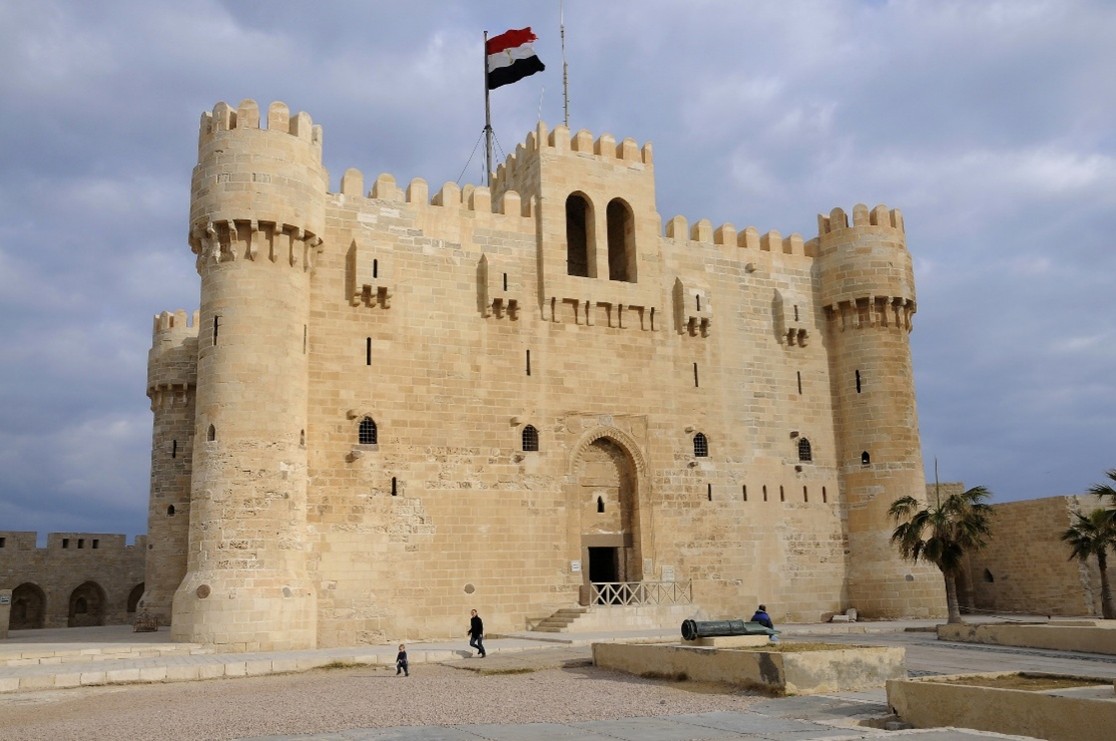
1. Citadel of Qaitbay:
A 15th-century fortress was built where the legendary Lighthouse of Alexandria once stood, providing beautiful Mediterranean views.
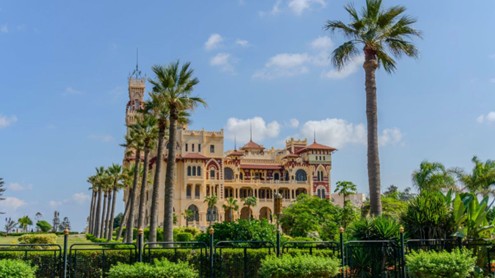
2-Montaza Palace and Gardens:
Lush royal gardens and sea views that are ideal for photography and quiet walks.
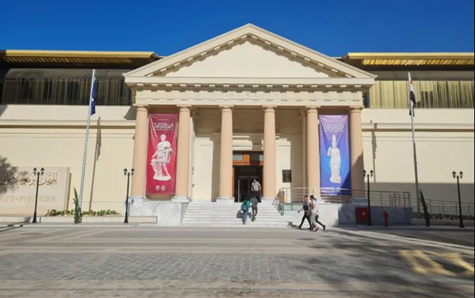
3-Greco-Roman Museum:
Features artifacts from Egypt’s Greek, Roman, and Egyptian history, including statues and mosaics
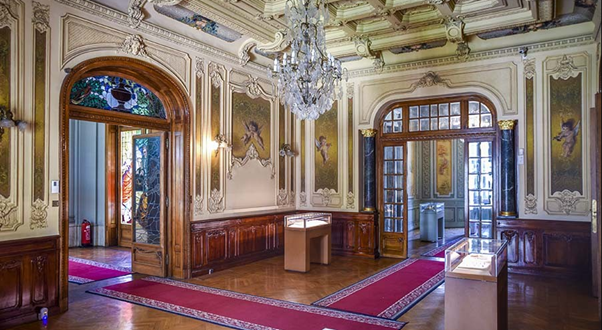
4.Royal Jewelry Museum:
A historic palace displaying the exquisite personal belongings and jewelry of the Egyptian royal family.
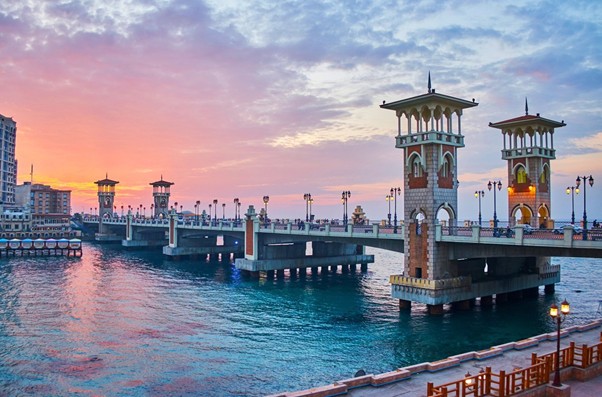
 5. Stanley Bridge:
A modern coastal landmark featuring a lively promenade and seaside cafés.
Extend Your Stay: Beyond Alexandria
For participants wishing to explore more of Egypt, several iconic destinations are easily accessible:
Cairo: The Capital Culture
As a major cultural and intellectual center, Cairo bridges ancient heritage with modern life.
Regional Highlights
Bibliotheca Alexandrina was established in 2002 as a modern revival of the ancient Library of Alexandria, one of the most important centers of knowledge in the ancient world. Conceived as an international cultural and scientific institution, it was created to restore Alexandria’s historic role as a meeting point for scholars, researchers, and civilizations, and has since become one of the leading knowledge hubs in the Mediterranean region.
The Arab Academy for Science, Technology and Maritime Transport (AASTMT) – Abu Qir Campus is a flagship regional university campus renowned for its state-of-the-art educational facilities, research centers, and sprawling Mediterranean grounds. Serving as a prime venue for international conferences, the Abu Qir campus brings together cutting-edge academic infrastructure and vibrant collaborative spaces.
Associate Professor, Dept. of Applied Economics at the University of Granada (Spain)
Research Director Université Paris Cité & CNRS (UMR 7086), ITODYS Lab

Professor in Regional Economic and Tourism Development at the Department of Economics, Aristotle University of Thessaloniki (AUTh), Greece
PhD. senior researcher. Head of the Department of Composite Materials at PISAS, Slovakia.
Please consider circulating the official CrossMed-26 flyer and Poster to your colleagues and students. We always aim to make this a truly regional event, with representation from a diverse range of relevant voices around the world.
Arriving to Alexandria
The most convenient way to reach the conference city is through Alexandria International Airport (Borg El Arab – HBE). It is the closest airport to Alexandria and from the Bibliotheca Alexandrina.
Alexandria International Airport (HBE)
~51 km from Bibliotheca Alexandrina / ~40 minutes by car
Address: WMJW+XH8, Borg El Arab Airport Rd, New Borg El Arab, Alexandria Governorate 21934
Taxis and private transfers are available at the airport, providing a direct and comfortable ride to the city center and the Bibliotheca Alexandrina.
If you do not find a suitable flight to Alexandria, you can arrive via Cairo International Airport (CAI), Egypt’s main international gateway with connections from around the world.
Cairo International Airport (CAI)
218 km from Bibliotheca Alexandrina / ~2 hr 30 min by car
Address: Sheraton Al Matar, El Nozha, Cairo Governorate 4475001
From Cairo, you can reach Alexandria by:
To make your stay in Alexandria more convenient, we have listed a selection of recommended hotels near the conference venue.
📍 Raml Station, Alexandria
Approximately 2 km from Bibliotheca Alexandrina
View on Google Maps📍 El-Gaish Road, Alexandria
Approximately 2 km from Bibliotheca Alexandrina
View on Google Maps📍 Raml Station, Alexandria
Approximately 2 km from Bibliotheca Alexandrina
View on Google Maps📍 Raml Station, Alexandria
Approximately 1 km from Bibliotheca Alexandrina
View on Google Maps📍 El-Gaish Road, Alexandria
Approximately 550 m from Bibliotheca Alexandrina
View on Google MapsIEREK Conference will help you:
1. Open Discussions: We bring together leading academic scientists, from different universities and countries, to exchange and share their experiences and research results.
2. Internationally Accredited Certificate: The participants are granted internationally recognized certificates acknowledged by IEREK, the University, and Partnering Organizations.
3. Publication: Selected high-quality manuscripts will be published, after peer review, in the Advances in Science, Technology & Innovation (ASTI) book series by Springer or by IEREK Press Journals, both of which are indexed in world-renowned databases.
4. Research Technologies: Conferences can expand your resources by providing a great opportunity to promote gathered information on new technologies related to your research.
5. Networking: You can engage with industry experts to discuss with them the very latest research projects they could be working on and increase your chances of collaboration in future projects.
6. Academic Reputation: Attending many conferences will make you a known figure in academic circles and an active member of the academic community.
7. Conference Abstracts Material: Delegates will receive the conference Abstracts book in a digital format.
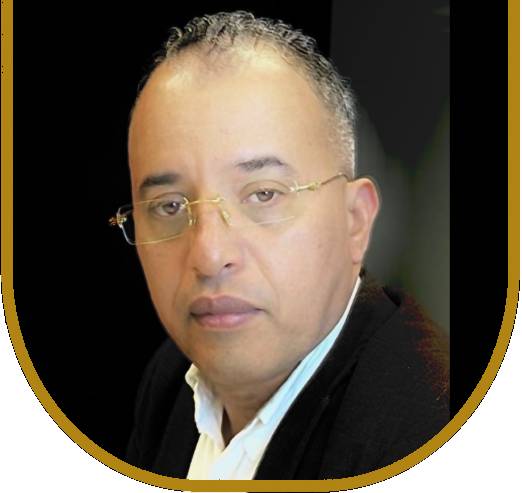
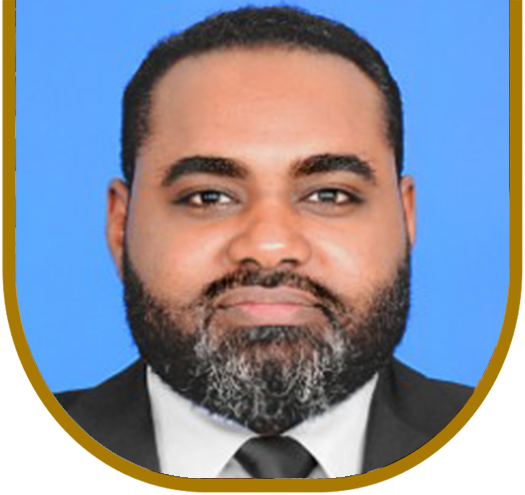

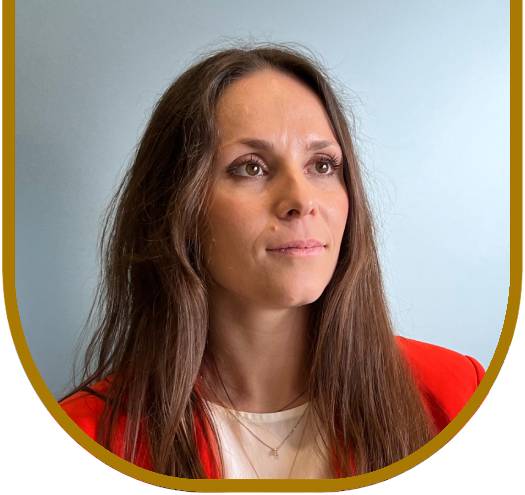
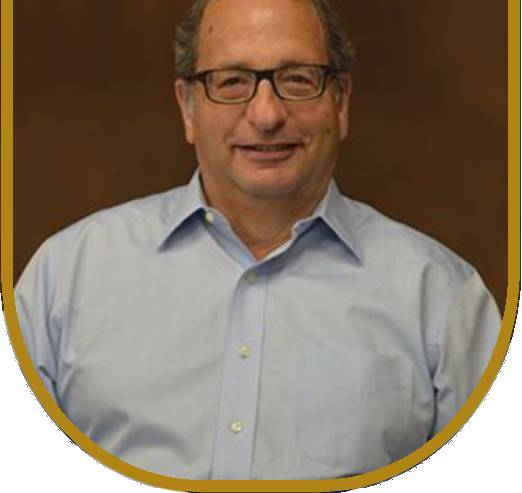


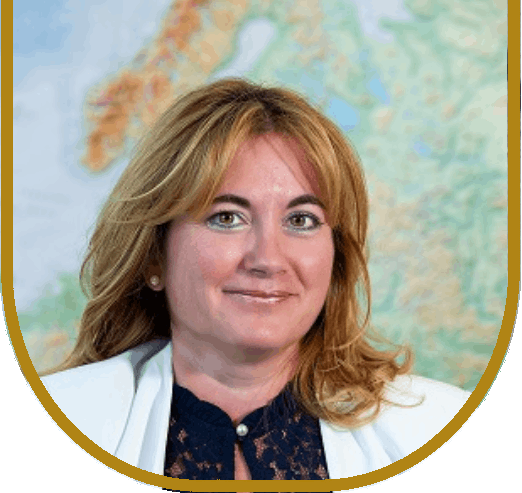




Associate Professor, Dept. of Applied Economics at the University of Granada (Spain)

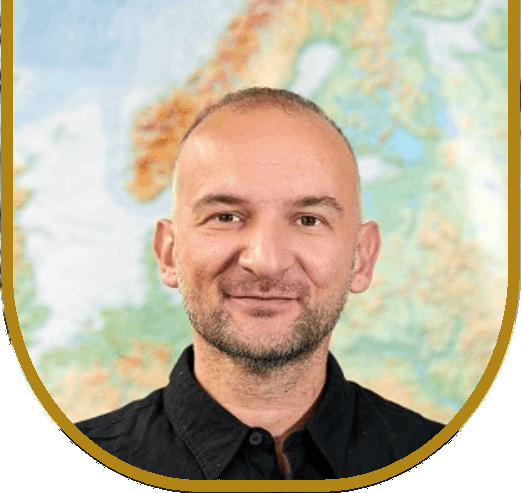
Department of Architecture, Università degli Studi Mediterranea - Reggio Calabria, Italy
Research Director Université Paris Cité & CNRS (UMR 7086), ITODYS Lab
Professor in Regional Economic and Tourism Development at the Department of Economics, Aristotle University of Thessaloniki (AUTh), Greece
- For participants who need Entry Visas to the country where the conference will be held, IEREK will issue the corresponding invitation letter for accepted applicants to facilitate visa issuance.
- Please notice that we will endeavor to assist you in obtaining a visa but the responsibility is yours and the decision rests solely with the appropriate Embassy.
Invitation Letter Issuance Process
1- In case the participant is an author who has submitted a research paper to the conference, it must get accepted by the Scientific Committee
2- Required participation fees must be paid
3- The participant should send the following information to the conference's official email:
* A clear copy of the passport
* Passport number
* Full name as written in your passport.
* Date of Issuing and Expiration
* Date of Birth
* Email address of the nearest Embassy/Consulate to you
* Mobile Number including country code
4- The conference coordinator will issue the needful invitation letter and send a copy to the participant's email, in addition to another one to the corresponding email address of the embassy/consulate
5- The participant should print out the invitation letter along with all other required documents by the embassy/consulate and apply for VISA
|
Cancellation Policy |
Up to 60 days before the event |
Up to 50 days before the event |
Up to 40 days before the event |
39 days before the event |
|
Penalty |
20% |
50% |
70% |
100% |
EXCEPTION
A refund is not possible if
-An acceptance letter has been issued (Authors only)
-The proceedings of the event have been published (Authors only)
-A visa invitation letter has been issued (All participants)
Visa Rejection Cases
Reason and proof of rejection must be submitted. If the reason for rejection is due to an error on our part, the participant will be refunded their full fee with a deduction of a 20% administration fee.
Documents to be issued by IEREK to acquire a visa are as follows:
*Final Acceptance Letter (Authors only)
*Visa Invitation Letter
*Invoice/proof of payment
We encourage all authors and attendees to ensure their having acquired all documents (those applicable) mentioned.
If the reason for rejection is not related to any of the aforementioned and is an error on the participant’s part, the following will apply:
*Authors: may choose to let their co-author present his/her research on his/her behalf free of charge. If the author does not have a co-author, a member of the scientific committee shall present on the author’s behalf.
*Audience members/Registrants: will only be allowed to attend another similar event of their choosing that is organized by IEREK free of charge.
IEREK Community is a reflection of our appreciation for the scholars, institutions, and research groups who continuously contribute to the growth and excellence of IEREK’s academic network. Through exclusive rates and added privileges, we aim to make participation more accessible while strengthening long-term collaboration, research continuity, and institutional partnerships within our global community.
Eligible members of the IEREK Community receive a 25% discount during the Regular payment stage and may benefit from special discounts on other IEREK conferences.
The IEREK Community includes:
Previous attendees of IEREK conferences
Loyal authors who consistently participate in multiple editions of the same conference
Authors who have published in IEREK conference proceedings or journals
Researchers registering as a group submission
Faculty members and researchers from universities with current or past partnership agreements with IEREK
Universities and academic institutions located in the hosting country of the conference
Active authors who continuously support and engage with IEREK’s activities on social media (sharing, promoting, and contributing to community visibility)
Academics who support IEREK as moderators, keynote or guest speakers, reviewers, or editors
Authors should contact the conference manager at [email protected] to request consideration for discounts in any of the above cases.
The conference program will be available on 25 October 2026.









Dean of the College of Engineering and Technology Arab Academy for Science, Technology and Maritime Transport (AASTMT), Alexandria, Egypt.
Head of Post- Graduate Studies, Professor of Architecture & Urban Design, College of Engineering & Technology Arab Academy for Science, Technology & Maritime Transport. ( AASTMT), Alexandria, Egypt
Amira Nassar
Conference Coordinator
[email protected]
(+20) 3 5763827 | (+20) 3 5763828
(+20)1000028021
Subscribe to our newsletter
Join IEREK community