


Urban Planning & Architectural ...
Online Conference
20 Oct 2026 / 22 Oct 2026 read more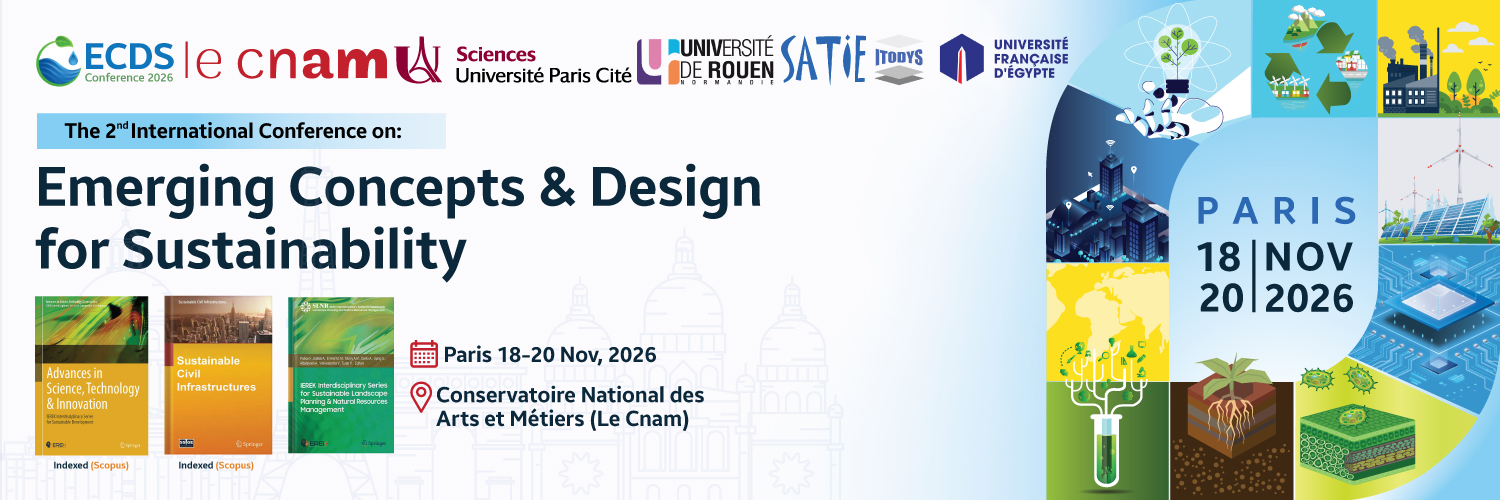
Full professor at Cnam Paris, SATIE Lab (UMR CNRS 8029)
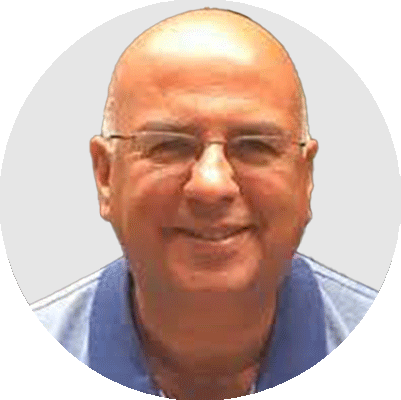
Research Director at Université Paris Cité & CNRS, ITODYS Lab (UMR CNRS 7086)
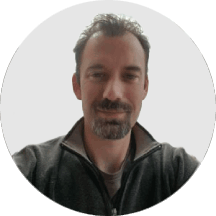
Full professor at Université Rouen Normandy, IUT Evreux, CARMeN Lab (UMR CNRS 6064)
Conference Coordinator
[email protected]
(+20) 3 5763827 | (+20) 3 5763828
(+20)1000028021
Subscribe to our newsletter
For decades, industrial progress was measured by our ability to reshape the natural world to fit human needs. This strategy led to a higher standard of living, but it also resulted in a linear "take-make-waste" model that has reached its ecological limit. Humanity is now entering a phase where the definition of progress must change. It is no longer enough for engineering and the life sciences to solve isolated technical problems; they must now work toward the restoration of natural systems. The challenge is to build a future where technological advancement does not happen at the expense of the environment, but rather as a functioning part of it.
This shift requires a total realignment of how we approach research and development. "Design for Sustainability" is the essential framework for this transition, acting as the connective tissue between chemistry, biology, and data science. It is not just a secondary requirement for modern projects, it is the foundational starting point. By integrating the life sciences with advanced material engineering, we can move toward a truly circular economy. This means developing materials that are biodegradable by design and industrial processes that run on renewable loops. Realizing this vision is the only way to ensure that our technical breakthroughs contribute to a resilient and stable global ecosystem.
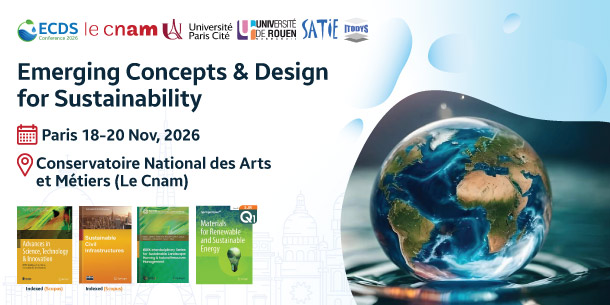
IEREK is pleased to announce the second edition of the "Emerging Concepts & Design for Sustainability" (ECDS) conference, in collaboration with le Conservatoire national des arts et métiers (Le Cnam), Université Paris Cité, Université de Rouen Normandie, SATIE, and ITODYS laboratories. This event is intended to establish a new platform for high-level scientific exchange. The conference will take place in Paris, from November 18th to the 20th, 2026, at the (Le Cnam in Paris. This venue has spent centuries at the center of technical innovation, making it the perfect location for a meeting focused on the next wave of sustainable science.
Conference Scope
ECDS is designed to bring together researchers, industrial engineers, and policymakers to discuss the convergence of material science, the life sciences, and the digital transition. Our objective is to move beyond conventional academic boundaries and address the messy, real-world complexities of ecological restoration. Discussions will span a wide range of topics, from green chemical manufacturing, bio-based, porous, and bio-inspired materials to renewable energy conversion and storage, sensing devices, and the role of AI in managing critical resources and ensuring the health of our water and soil systems.
Statement of Purpose
The conference aims to host an interactive forum for swapping unconventional ideas and solving evolving technical difficulties. Through a mix of technical sessions and professional networking, we hope to build a spirit of long-term cooperation and rigorous inquiry. As the global community navigates the friction between industrial growth and planetary health, ECDS aspires to act as a catalyst for the specific, transformative designs that will define a resilient future.
This topic addresses low-impact, responsible innovation in life sciences, from greener protocols to ethical translational pathways. The following thematic areas are covered, non-exhaustively:
1.1.Low-impact biomedical and biological research practices
1.2. Eco-responsible experimental protocols
1.3.Non-animal and alternative testing strategies
1.4. Sustainable bio-sample management
1.5. Green clinical and translational research pathways
1.6. Sustainable public-health innovations
1.7. Ethical and responsible innovation frameworks for life sciences
Keynote: Prof. Amor Mosbah (Tunisia)
This topic focuses on advanced treatment, real-time monitoring, and nature-based approaches to strengthen environmental resilience. The following thematic areas are covered, non-exhaustively:
2.1.Advanced water treatment technologies (advanced oxidation, photocatalysis, non-thermal plasma…) .
2.2.Real-time ecosystem monitoring
2.3. Nature-based solutions for pollution remediation
2.4.Sustainable soil management
Session Chair: Dr Florence Koltalo (France)
This topic highlights bio-based conversion routes, biomimetic materials, and waste valorization for sustainable biotechnologies. The following thematic areas are covered, non-exhaustively:
3.1 Integrated biomass conversion (green chemistry, fermentation, biocatalysis)
3.2. Bio-inspired biomaterials and bioadhesives (e.g., gecko-inspired adhesives)
3.3.Valorisation of agricultural and marine waste
3.4. Life cycle assessment (LCA)
Session Chair: Prof. Mohamed M. Chehimi
This topic covers advanced porous materials and their sustainable synthesis, processing, stability, and end-of-life performance. The following thematic areas are covered, non-exhaustively:
4.1.MOFs and COFs (MIL, ZIF, UiO frameworks)
4.2. Design and synthesis of porous materials
4.3. Green, solvent-free, and low-energy synthesis routes
4.4. Scalable and sustainable material processing
4.5. Chemical, thermal, and mechanical stability of porous materials
4.6. Hybrid and composite porous materials
4.7. Recyclability, regeneration, and end-of-life considerations
4.8. Life-cycle assessment and environmental footprint of porous materials
Keynote: Prof. Nathalie Steunou (France)
This topic targets low-carbon energy vectors, conversion routes, and materials enabling storage and efficient thermal management. The following thematic areas are covered, non-exhaustively:
5.1. Hydrogen production (photocatalysis, photoelectrocatalysis…)
5.2. CO₂ capture and valorisation
5.3.Low-carbon cement and concrete
5.4. Phase change materials (PCMs)
5.5. Materials for solid-state batteries and supercapacitors
5.6. Sustainable construction materials
5.7. Heat transfer in buildings
Session Chair: Prof. Karim BENZARTI (IFSTTAR) & Prof. Abderrahim BOUDENNE (UPEC)
Keynote: Prof. Vincenzo Baglio (Italy)
This topic emphasizes cleaner manufacturing through green chemistry, safer synthesis, and source-level pollution prevention. The following thematic areas are covered, non-exhaustively:
6.1.Green chemistry
6.2. Closed-loop manufacturing
6.3.Preventing pollution at source
6.4. Low atom-consuming approaches
6.5.Safe solvents
6.6. Low-energy synthesis
6.7. Heterogeneous catalysis with non-noble metals
6.8. Continuous-flow chemistry
6.9.Safer chemicals
6.10. Renewable feedstocks
6.11.Reduced derivatives
6.12. Design for recycling
6.13. Accident prevention
Session Chair : Prof. Julien Vieillard
Keynote: Jean Christophe GABRIEL (CEA, France)
This topic addresses circular strategies for critical materials, from recycling performance to traceability and LCA. The following thematic areas are covered, non-exhaustively:
7.1.Recycling and upcycling of critical materials (polymers, composites, rare earth elements)
7.2. Digital traceability of resources
7.3.Compatibility and quality of recycled materials
7.4. Material stabilization and refunctionalization after recycling
7.5. Circular material flows and material loops
7.6. Life-cycle assessment of recycled and upcycled materials
7.7. Durability and long-term performance of circular materials
7.8. Material criticality and resource efficiency
This topic covers low-carbon digital approaches and AI methods supporting sustainable design, operation, and assessment.
8.1.Green AI and low-carbon computing
8.2. Digital twins for sustainable processes
8.3.AI-assisted design and optimization
8.4. Virtual sensing and soft sensors
8.5. AI for energy efficiency and smart energy management
8.6. AI-enabled life-cycle assessment (LCA)
8.7. AI for climate modelling and environmental impact prediction
8.8. Ethical AI for sustainability-critical systems
Session chair : Dr. Sohayb Khaoulani
Keynote: Prof. Maité Sylla (France)
This topic focuses on sensing systems and AI pipelines for in-situ/remote monitoring, robustness, and security.
9.1. Chemical and biological sensing devices
9.2. Remote and in-situ environmental sensing platforms
9.3. Drone- and satellite-based sensing
9.4. Environmental IoT architectures and sensor networks
9.5. Low-power and energy-efficient sensing devices
9.6. AI-driven signal processing and sensor calibration
9.7. Machine learning for drift correction and self-diagnostics
9.8. Data fusion and multimodal sensing
9.9. Anomaly detection and predictive analytics
9.10.Frugal and embedded AI for sensors
9.11. Cybersecurity and data integrity in sensor-AI systems
Session chair: Prof. Najla Fourati
keynote: Prof. Olfa Kanoun (Germany)
keynote: Prof. Aziz Amine (Morocco)
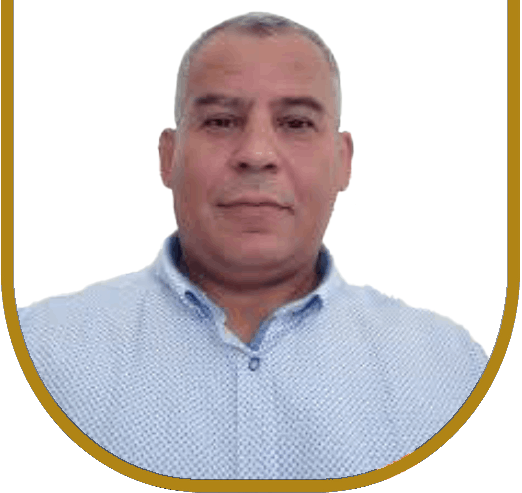

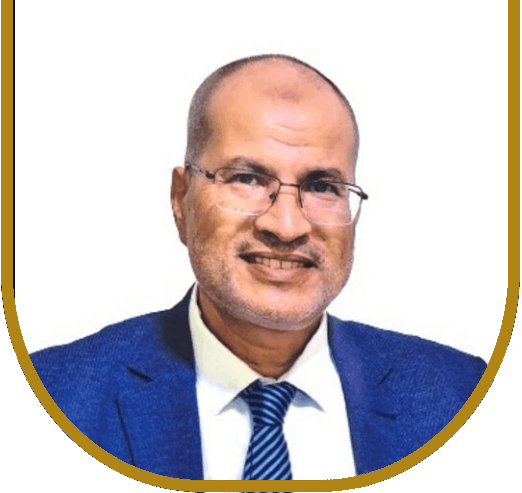
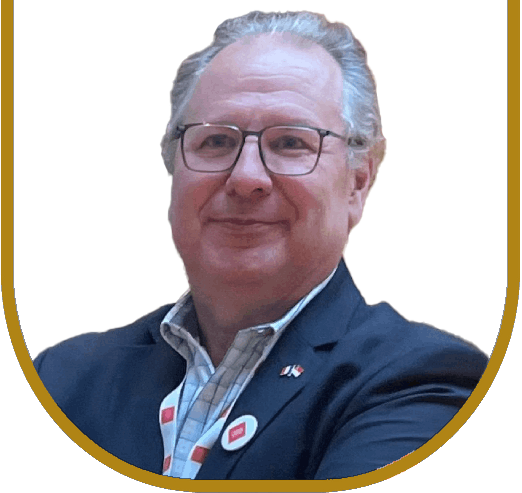
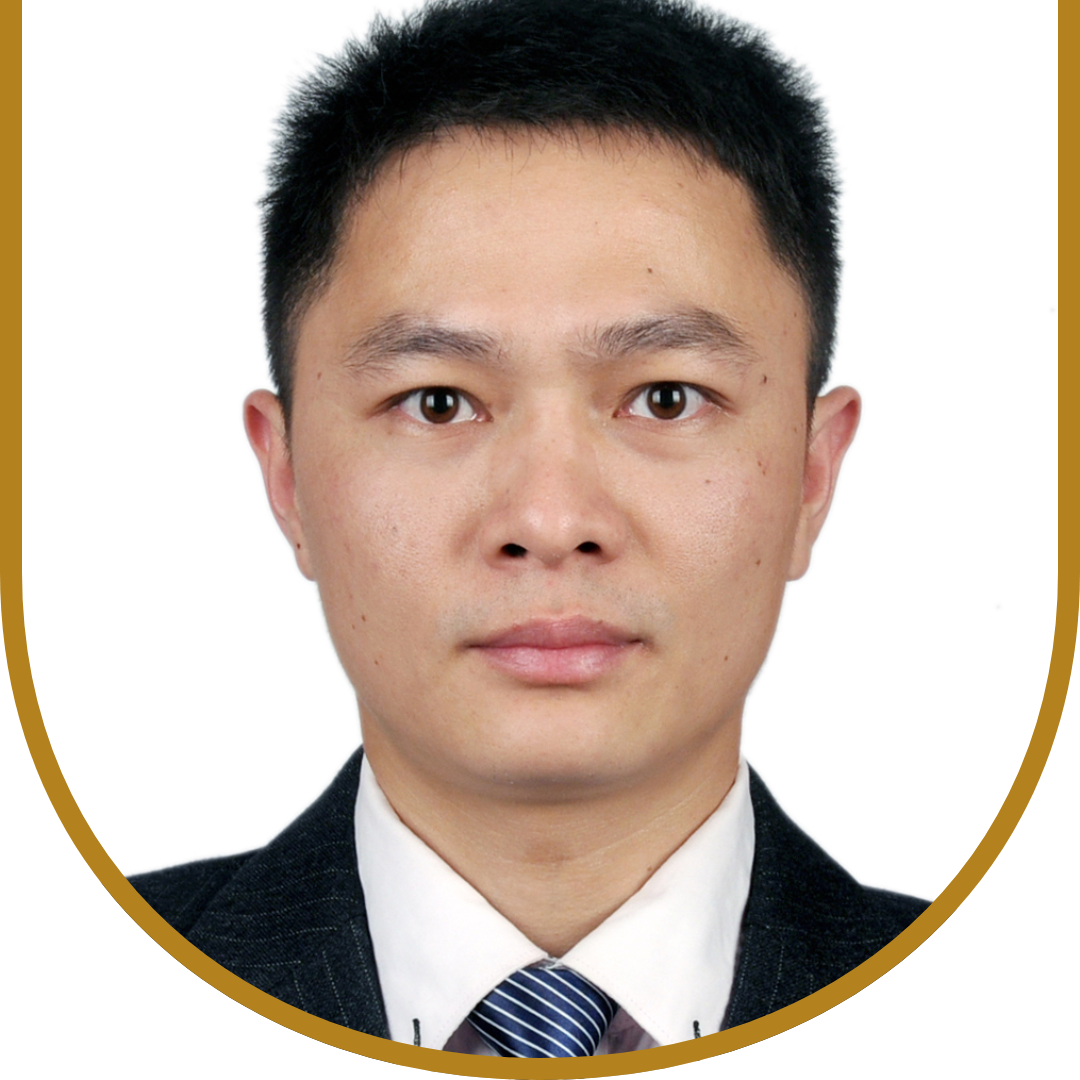
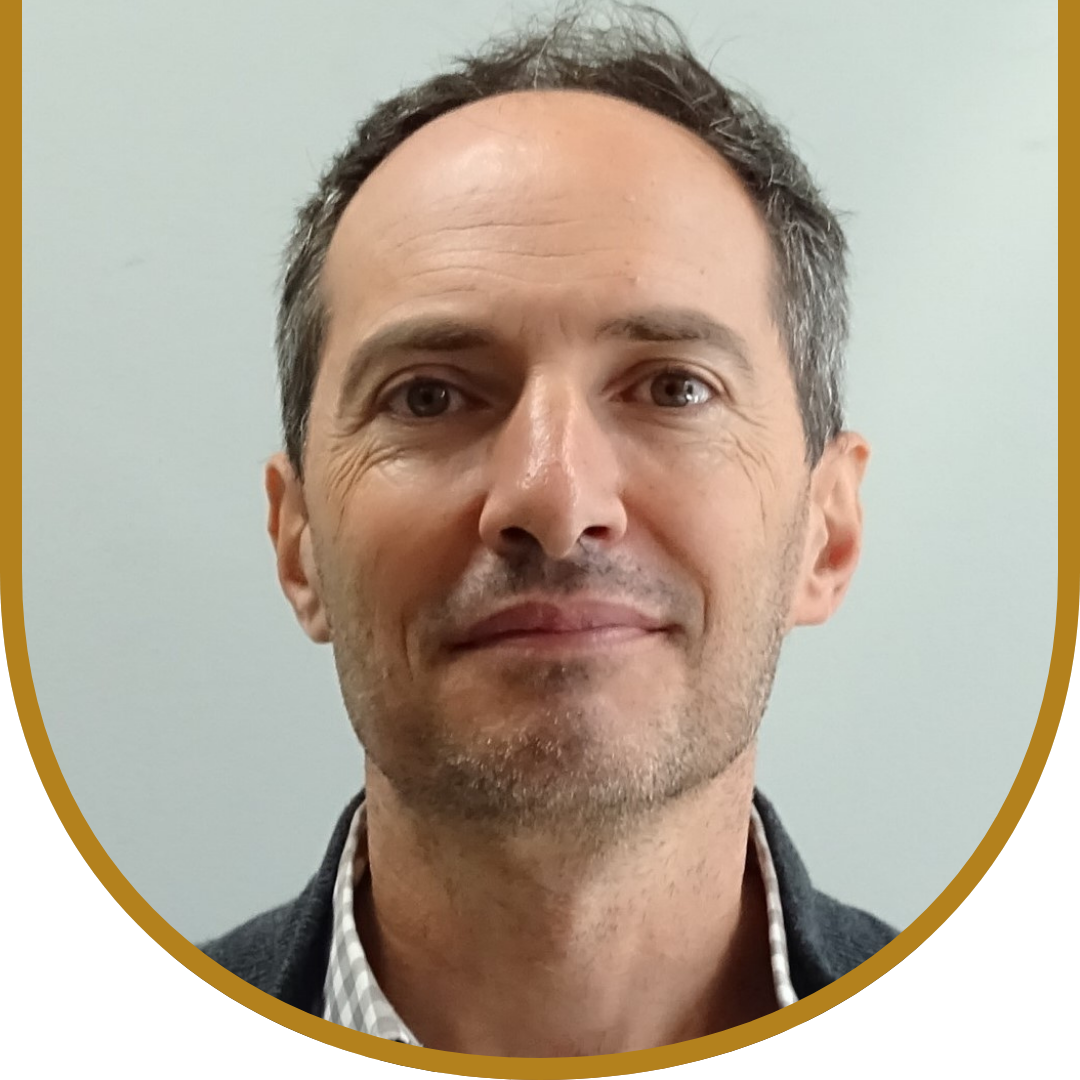
Full Professor of Chemistry at Université Paris Cité, whose research has focused since the late 1990s on the development of biosensors and, more recently, on organic electrochemical transistors and thin-film electrolyte-gated transistors for environmental and biomedical applications.
He led the BiOSS research team from 2013 to 2023 and currently coordinates several national and international projects spanning both fundamental research and industry-oriented collaborations.
He is co-founder of the PRINTUP Institute and leads the joint laboratory MED-SENSORS in partnership with the company VALOTEC.
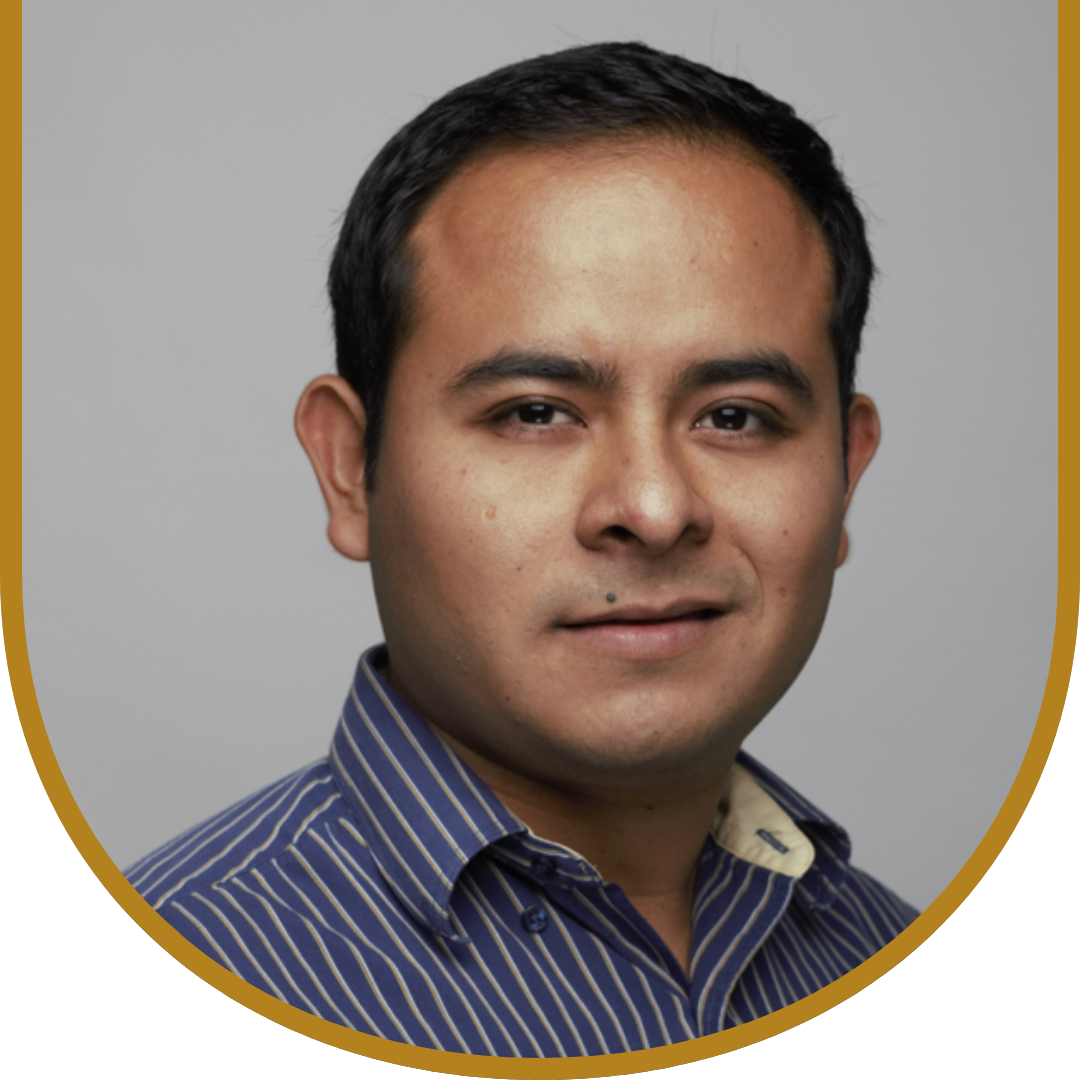
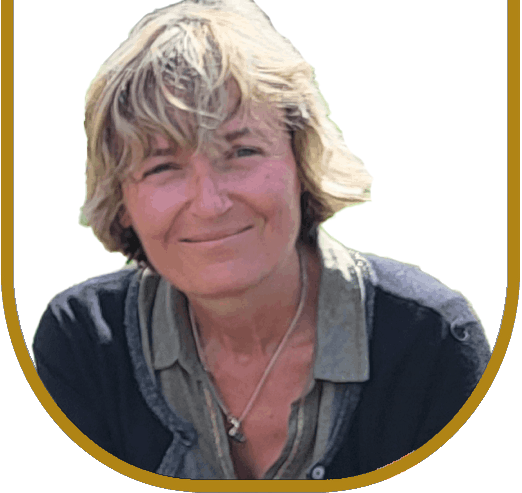
Ass. Prof. (MCF) at Conservatoire national des arts et métiers (Cnam, Paris) and a researcher at the Lafset laboratory, where he works on the development, characterization, and modeling of thermal machines and sustainable energy systems, with particular emphasis on sorption-based refrigeration and heat pump technologies. His research combines experimental and numerical approaches to advance innovative solutions for the energy transition through national and international collaborative projects.
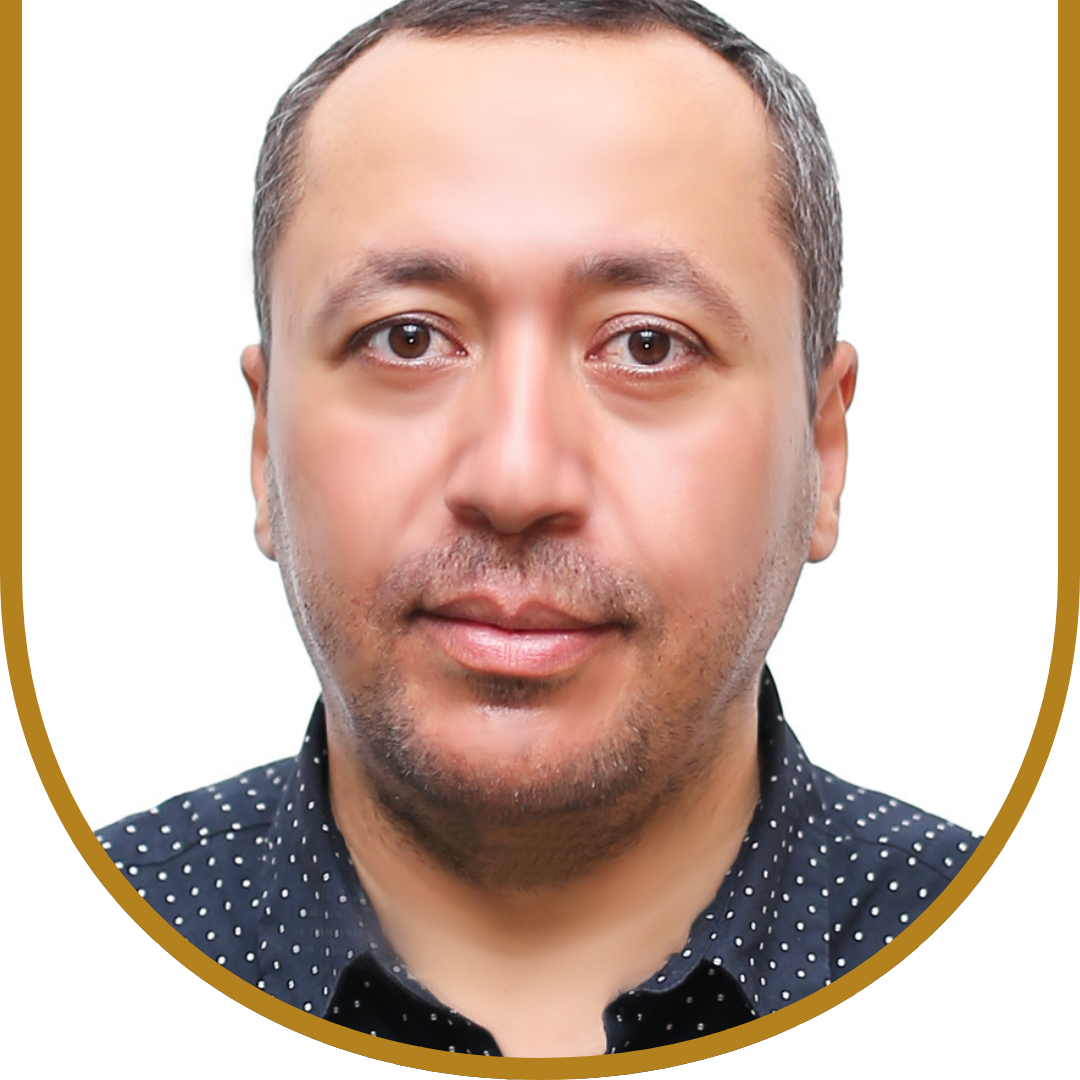
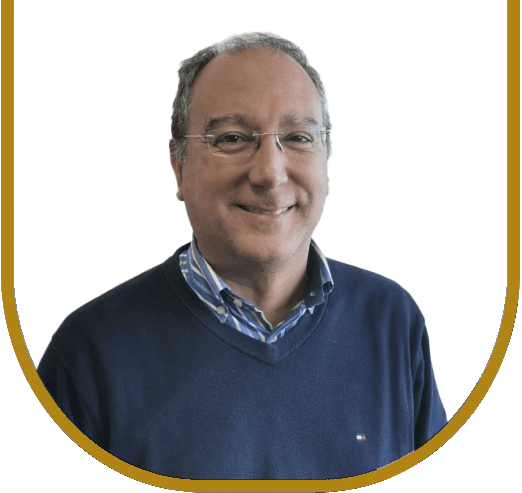
Associate Professor of Applied Organic Chemistry at the Egyptian Petroleum Research Institute, Cairo, Egypt, with broad international research experience in the UK, Japan, China, and France. He has led and contributed to several national and international research projects, received multiple competitive scholarships, including JSPS, PIFI, MEXT, and the Egyptian ASRT scholarship, and has been recognized among Stanford University’s Top 2% Scientists while serving in editorial and reviewer roles for international chemistry journals.
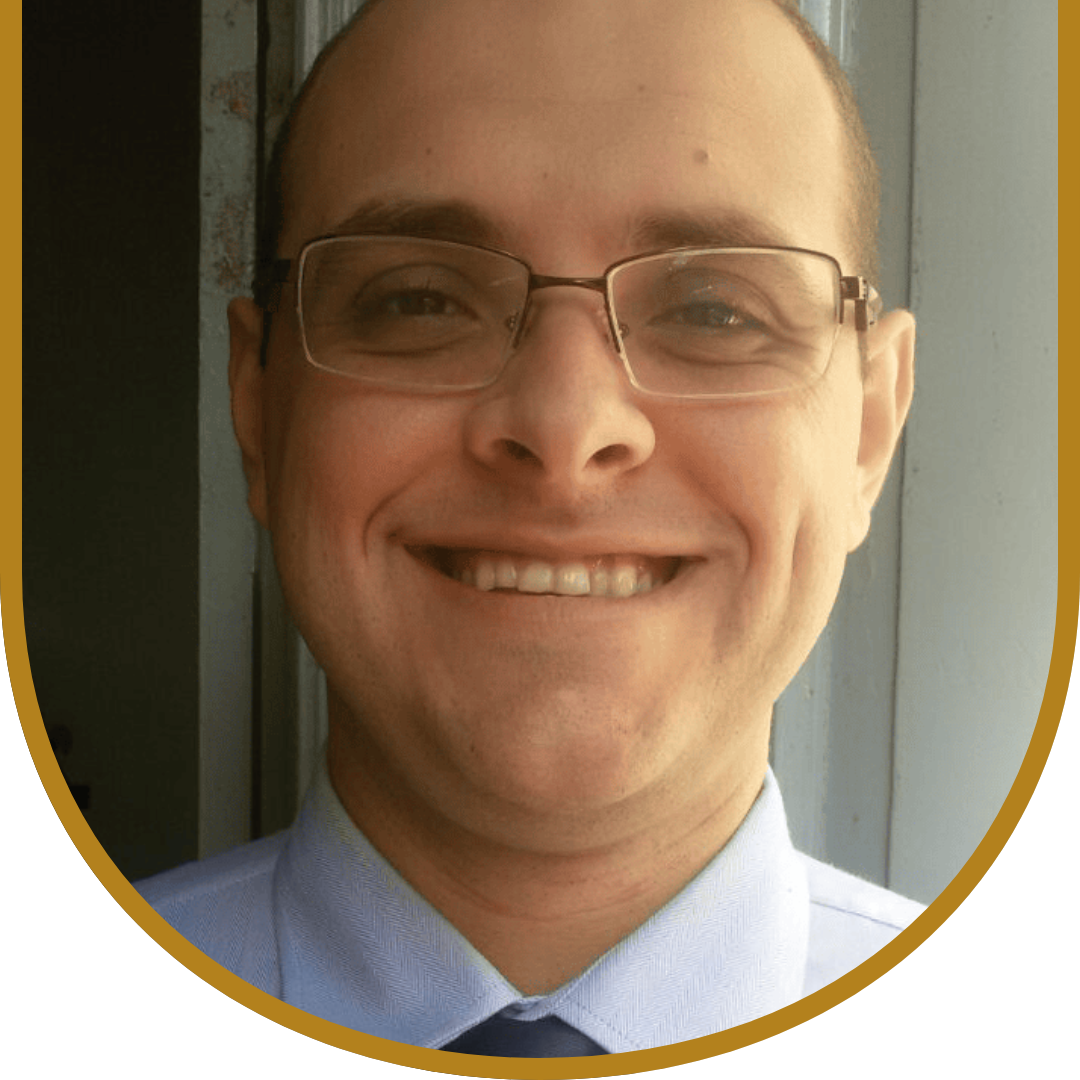

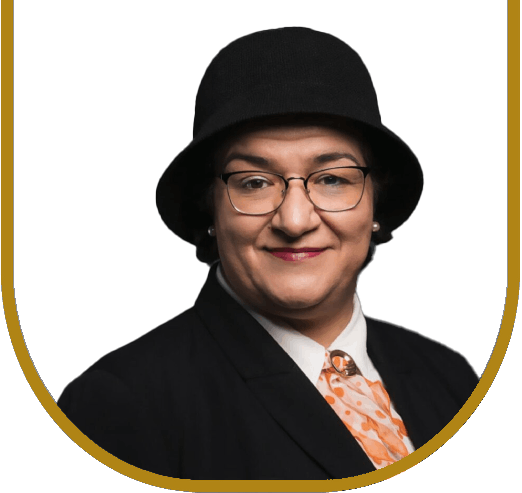
He is a C2-NRF rated researched who is a professor in the Department of Chemistry at the University of South Africa, where he leads several research projects focused on water treatment using adsorption methods. His work particularly emphasizes the use of low-cost and environmentally benign materials to develop sustainable solutions for water purification. His work has gained significant academic impact, with thousands of citations reflecting influence in environmental and analytical chemistry research.
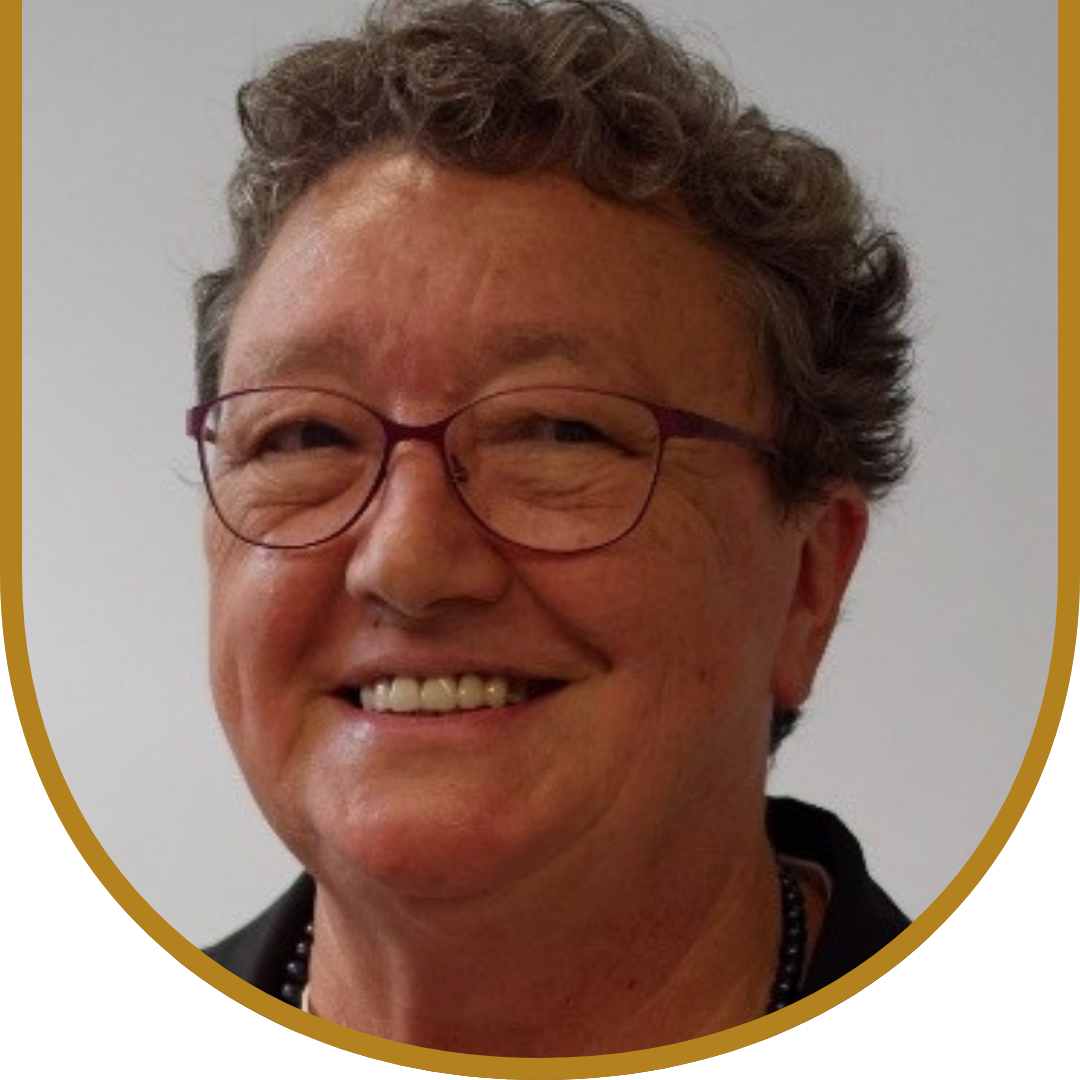
Received her engineering degree from Chimie ParisTech, Paris, in 1971 and the Doctorat d’Etat és Sciences Physiques from the University of Paris-Saclay in 1976. She is Emeritus Director of Research at CNRS, past president of the chemical micro sensor club (CMC2), and past-president of the Analytical Chemistry Division of the French Chemical Society. She was decorated as Knight of the National Order of Legion of Honor and Officer of the National Order of Merit. Her research activities in the Institute UTINAM University Marie and Louis Pasteur, Besançon, France, include conception and design of (bio)chemical sensors and their integration in microsystems. She coordinates several European and national projects for the development of microsystems for biomedical and environmental monitoring and for food safety. She published more than 655 papers with more than 16700 citations (H index: 65)
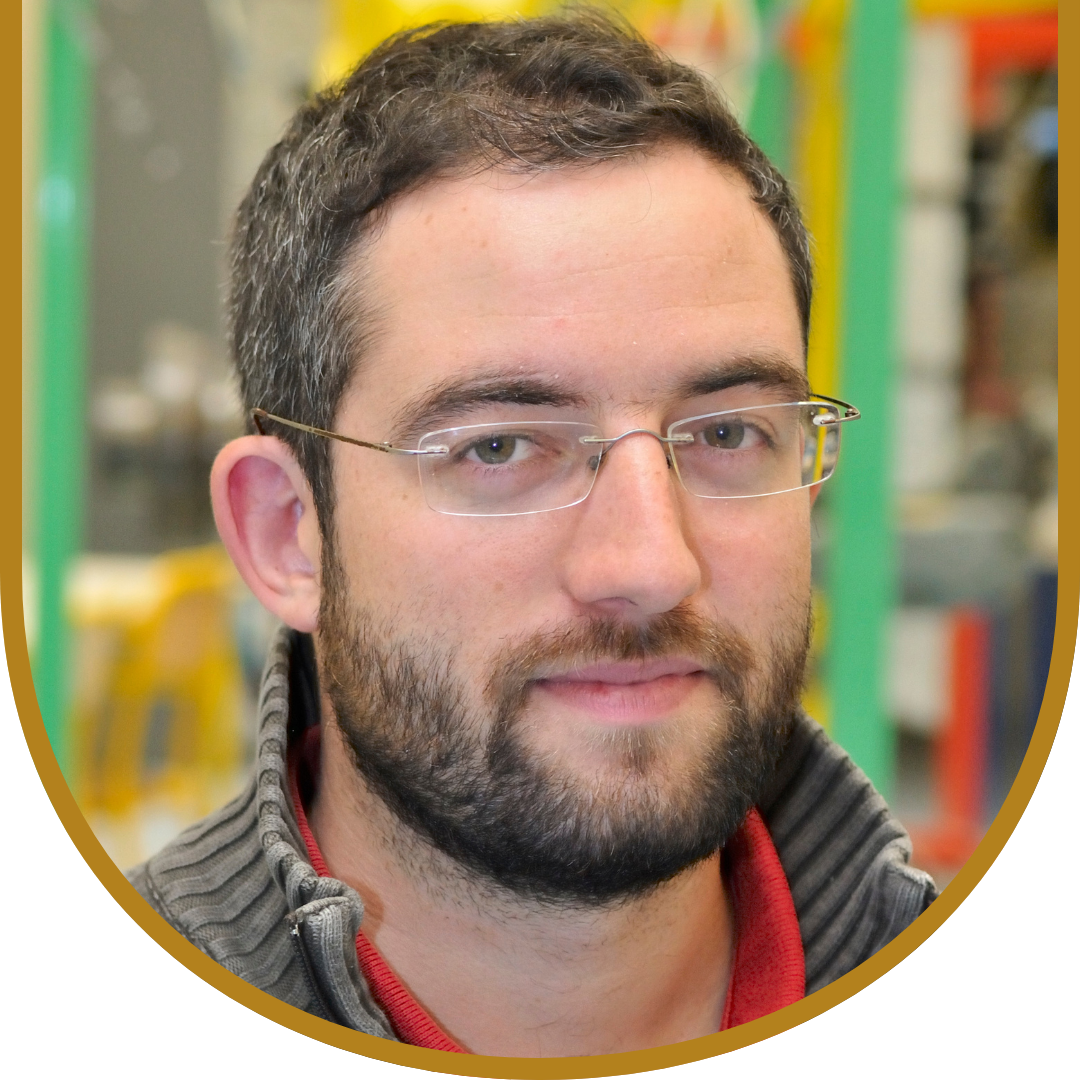
Received the Ph.D. degree in mechanical engineering from the École Normale Supérieure de Cachan, Cachan, France, in 2013. He is currently an Assistant Professor in structural mechanics with the Conservatoire national des arts et métiers, Paris, France. He is a part of the Structural Mechanics and Coupled Systems Laboratory (LMSSC). His main research topics are optimization based on Gaussian Process, reduced-order modeling, uncertainty propagation applied to fluid-structure, and structural dynamics problems.

Mr. Ali ZAZOUA has been a Full Professor since 2015 at MSBY University - Jijel. He holds a State Engineer in Process Engineering, a Magister and phD in Science and a HDR in Chemical Engineering. His research field: Sensors and biosensors in the environmental, medical and agri-food fields. Chemistry and water treatment are also among his interests. He was responsible for about fifteen national and international projects (PHC-Maghreb, CMEP, PNR, Projects with social and economic impacts, PRFU), with a scientific production of about forty (40) articles in international peer review journals and more than eighty (80) conferences and communications in Algeria and abroad.
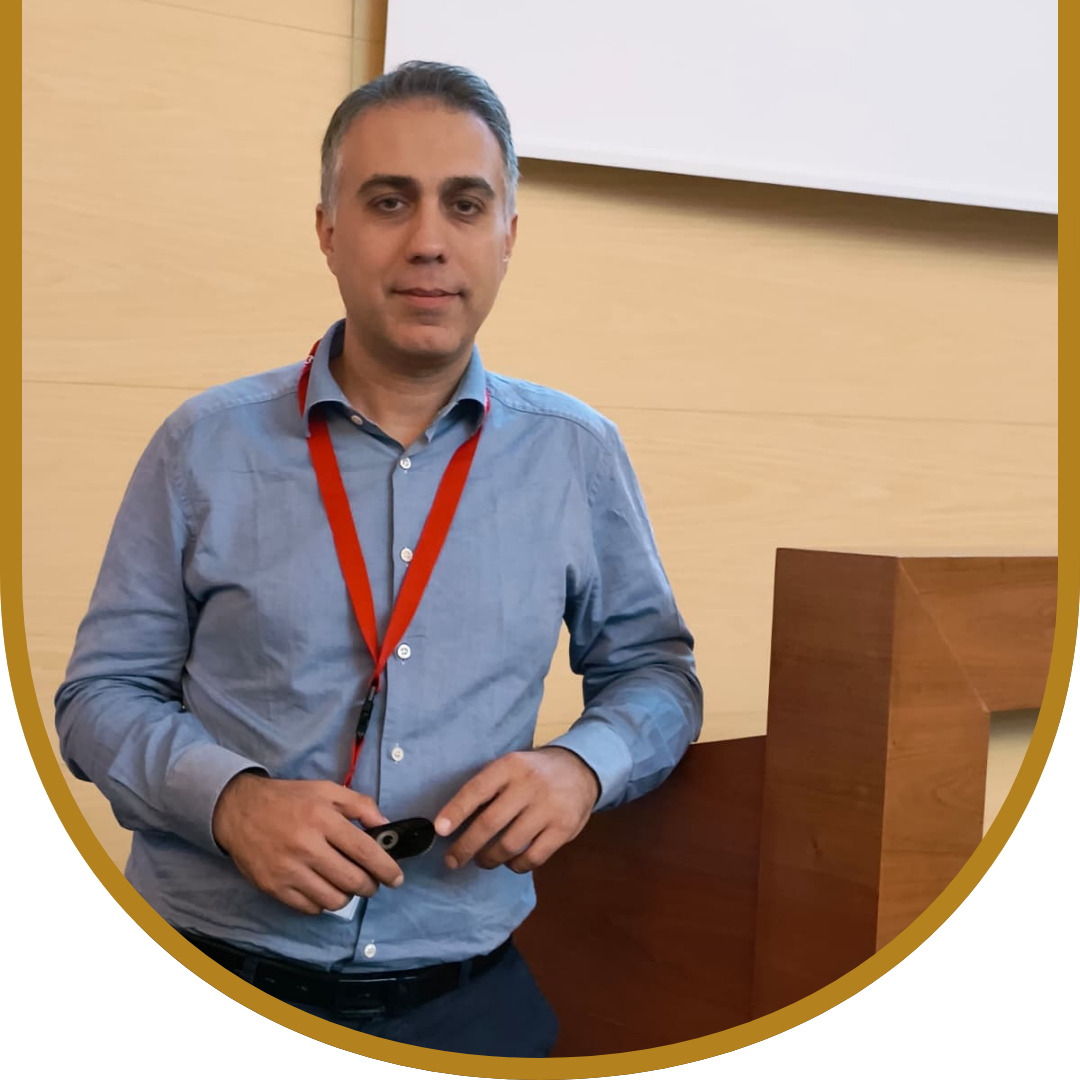
Senior Researcher at the Physics Department, Università della Calabria. In charge of the Adsorption and Porosimetry Laboratory and scientific responsible for the private-public laboratory DeltaH, created jointly with Centro Sviluppo Materiali SpA - RINA Group. His research is mainly devoted to development/characterization of nanostructured advanced materials for energy storage. In particular, he deals with gas (H2,CH4,CO2, etc.) purification/storage and development of systems/procedures for the synthesis/characterization of carbon-based nanostructured materials with high specific surface area for application in renewable energy field.
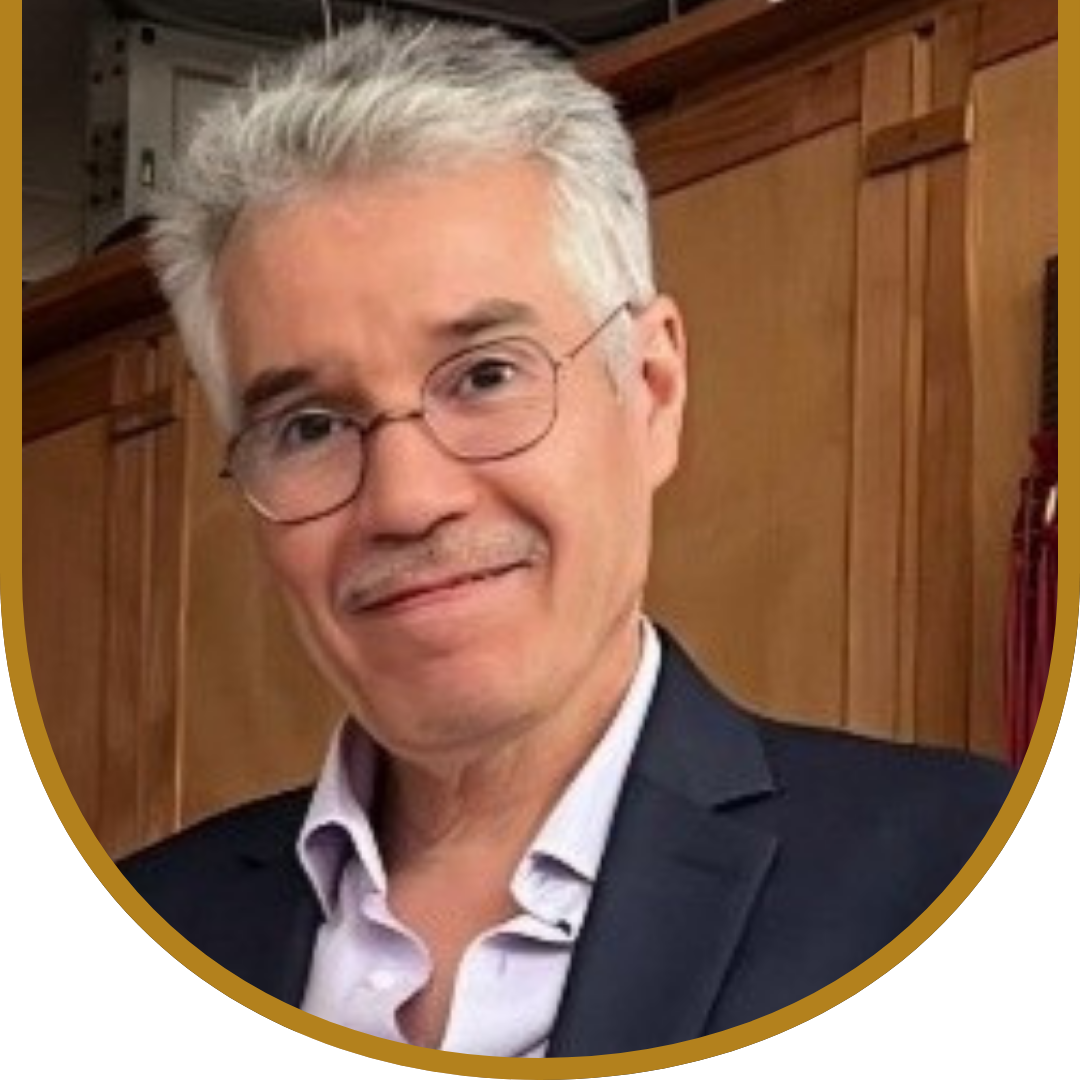
Full professor of physics at Cnam (SATIE Lab, UMR CNRS 8029), Chouki ZERROUKI conducts research at the interface of materials characterization and sensor science for environmental and health applications. His work focuses on the development of multi-transduction sensors for the detection of pollutants and biological targets. He also specializes in the nanoscale characterization of surfaces/interfaces using atomic force microscopy, grazing-incidence X-ray scattering, UV–Vis spectroscopy, and X-ray fluorescence. His research further encompasses integrated approaches for environmental monitoring and remediation and healthcare-related challenges.
| Title | Date |
|---|---|
| Abstract Submissions Deadline | 15 Sep 2026 |
| Last Notification for Abstract Acceptance | 30 Sep 2026 |
| Full Paper Submission Deadline | 31 Oct 2026 |
| Last Notification for Full-Paper Acceptance | 02 Nov 2026 |
| Early Payment Deadline | 25 Jun 2026 |
| Regular Payment Deadline | 30 Sep 2026 |
| Late Payment Deadline | 15 Oct 2026 |
| Letter of Visa (for delegates who need visa entry) | 30 Sep 2026 |
| Letter of Final Acceptance | 01 Oct 2026 |
| Conference Program | 18 Oct 2026 |
| Conference Launch | 18 Nov 2026 |
Payments through the website are currently unavailable due to ongoing website enhancements. IEREK offers alternative payment methods, including bank transfer and secure third-party online payment links.
The registration fee does not cover accommodation or travel expenses. A list of accommodation options can be suggested by our team if available. Please contact [email protected] for inquiries.
We recommend that all authors take advantage of the benefits that IEREK offers, including various attendance types, publishing opportunities, and opportunities for discounts and waivers.
We are pleased to inform all applicants that they can use their previous publications to register for an IEREK membership, which offers a special discount.
IEREK offers a special discount to applicants from collaborative universities that have signed an MoU with IEREK to host or co-host one of its conferences.
IEREK also provides special discounts to authors from low and medium-income countries.
The disclosed fees are for the conference participation (Publication is free of charge, but only the conference participants can be considered for publishing in the conference proceedings).
Some of the disclosed conference fees may vary depending on the book series and/or journal(s) presented as a publication outlet, as we encourage submission to newly founded book series and/or journal(s) by presenting a discounted rate for the conference's fees.
IEREK offers many types of registrations that are diverse in registration fees; applicants can choose the type they are familiar with as follows:
Participants who are PhD holders, post-doctoral researchers, and universities’ affiliated professors and experts in the field.
Must provide proof of enrollment in a university by providing an enrollment certificate and/or a valid university ID (with issue/expiry date) etc.
Participants who are not affiliated with universities such as practitioners, policymakers, entrepreneurs, etc.
Have access to the event to enjoy the discussions, coffee breaks, and lunch as a co-author or audience.
IEREK Community members receive 25% off the Regular payment stage.
If you are a returning author, published researcher, institutional partner, or active contributor to IEREK activities, you may be eligible for exclusive Community benefits. Visit the IEREK Community Section to learn more and check your eligibility.
| Type of Registration | Early Payment Deadline 25 Jun 2026 |
Regular Payment Deadline 30 Sep 2026 |
Late Payment Deadline 15 Oct 2026 |
|---|---|---|---|
| Scopus indexed-ASTI Book by Springer | |||
| Student | 250 € | 300 € | 350 € |
| Academic | 350 € | 400 € | 450 € |
| Professional | 400 € | 450 € | 500 € |
| Co-author/ Audience | 150 € | 200 € | 250 € |
| Open Access IEREK Press Journals | |||
| Student | 200 € | 250 € | 300 € |
| Academic | 300 € | 350 € | 400 € |
| Professional | 350 € | 400 € | 450 € |
| Co-author/ Audience | 150 € | 200 € | 250 € |
IEREK offers various types of participation. Applicants can apply for in-person attendance to benefit fully from conference discussions and knowledge exchange.
IEREK also offers virtual attendance for authors to present their research papers online; however, we strongly encourage all applicants to attend the conference in person.
The physical fee covers:
* Each research paper should have one main author who should pay the full fee (Author fees) regardless of attendance. Co-authors, each, have their fees to pay to attend the event. This applies to online attendance as well as physical attendance.
* A research paper fee allows only one author, whether main or co-author, to attend the conference and receive only one conference kit. Extras can be requested for an additional fee.
| Type of Registration | Early Payment Deadline 25 Jun 2026 |
Regular Payment Deadline 30 Sep 2026 |
Late Payment Deadline 15 Oct 2026 |
|---|---|---|---|
| Scopus indexed-ASTI Book by Springer | |||
| Student | 200 € | 250 € | 300 € |
| Academic | 300 € | 350 € | 400 € |
| Professional | 350 € | 400 € | 450 € |
| Co-author/ Audience | 100 € | 150 € | 200 € |
| Open Access IEREK Press Journals | |||
| Student | 150 € | 200 € | 250 € |
| Academic | 250 € | 300 € | 350 € |
| Professional | 300 € | 350 € | 400 € |
| Co-author/ Audience | 100 € | 150 € | 200 € |
IEREK offers virtual attendance, providing authors with a unique link to join the conference sessions and present their papers as per the announced program.
The online fee covers:
* Each research paper should have one main author who should pay the full fee (Author fees) regardless of attendance.
* Co-authors, each, have their fees to pay to attend the event. This applies to online attendance as well as physical attendance.
* If an author is eligible for more than one discount, IEREK will apply only the highest discount. Discounts cannot be combined.
* Authors should contact the conference manager through this email [email protected] to consider the discount and waiving for all the above cases so that the conference manager can provide an exclusive invoice for each case.
Afghanistan, Algeria, Angola, Bangladesh, Benin, Bhutan, Bolivia, Burkina Faso, Burundi, Cabo Verde, Cambodia, Cameroon, Central African Republic, Chad, Comoros, Congo, Congo Dem. Rep., Côte d'Ivoire, Djibouti, Egypt, Eritrea, Eswatini, Ethiopia, Gambia, Ghana, Guinea, Guinea-Bissau, Haiti, Honduras, India, Iran, Jordan, Kenya, Kiribati, Kyrgyz Republic, Lao PDR, Lebanon, Lesotho, Liberia, Madagascar, Malawi, Mali, Mauritania, Micronesia, Mongolia, Morocco, Mozambique, Myanmar, Nepal, Nicaragua, Niger, Nigeria, Pakistan, Papua New Guinea, Philippines, Rwanda, Samoa, São Tomé and Principe, Senegal, Sierra Leone, Solomon Islands, Somalia, South Sudan, Sri Lanka, Sudan, Syria, Tajikistan, Tanzania, Timor-Leste, Togo, Tunisia, Turkey, Uganda, Ukraine, Uzbekistan, Vanuatu, Vietnam, Yemen, Zambia, Zimbabwe
IEREK puts a lot of effort into expediting the peer review process to publish articles as quickly as possible. This requires prompt responses from all authors to the editors' comments, if any. Your swift response is highly appreciated to advance the production process and get your articles online. We prioritize the first author to respond as per our formula. The conference proceedings will be divided into multiple books, with the first one scheduled for publication within 6 months after the conference date. We encourage all authors to aim for publication in the first release.
Registration and financial transactions for this conference are managed through our strategic partners, working in close academic partnership with IEREK to ensure seamless delivery of conference services and publication standards.


Both entities work in close academic partnership with IEREK to ensure the highest standards of financial transparency, conference administration, and publication quality.
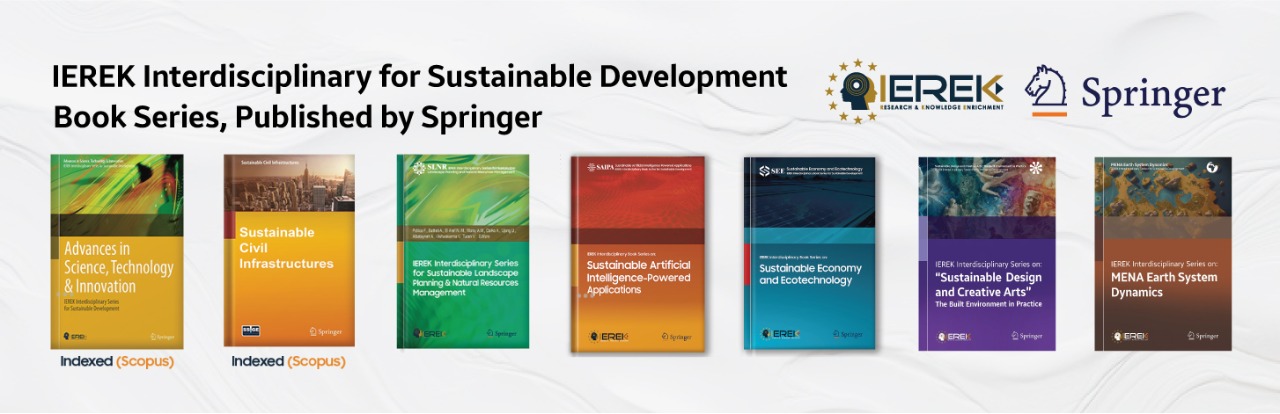
All accepted submissions to the conference, after a rigorous double-blinded peer-review process by the respective Editorial Board, will be published in one of the following:
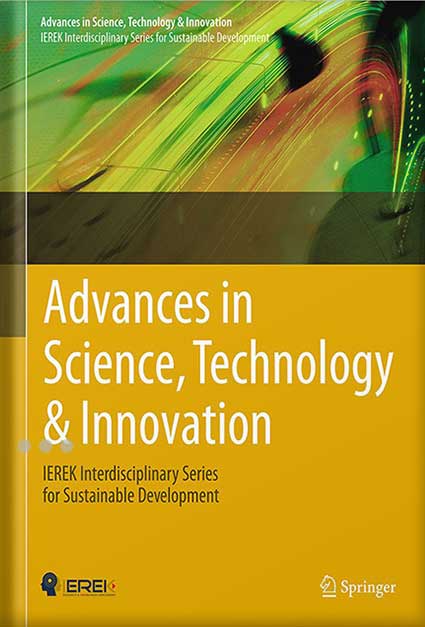
Advances in Science, Technology and Innovation (ASTI), an IEREK interdisciplinary book series published by Springer Nature. (SCOPUS indexed)
Publisher: Springer Nature (IEREK Interdisciplinary book series)
Indexing: SCOPUS indexed; some titles in Web of Science (ISI)
Focus: Emerging research in science, technology, and innovation for sustainable development, addressing UN SDGs.
Internationally peer-reviewed, open access journals published by IEREK Press. Covering a wide range of disciplines including sustainability, architecture, engineering, and environmental sciences.
Journal on:
IEREK has an unyielding policy regarding plagiarism. We believe that copying/taking the ideas and work of other Authors without permission and credit is fraudulent. The Reviewing committee and IEREK employees have the authority to reject a paper during its reviewing process, based on the paper being subjected to either minor or major plagiarism.
Authors must refer to, and abide by, the following instructions in submitting their abstracts/ papers:
After abstract acceptance, you may be given the option to extend the abstract to publish your work in the conference proceedings in ASTI published by Springer Nature (indexed in Scopus/SCImago) (optional not obligatory).
This is not a prerequisite for presenting your work at the conference. Meaning, you can present your submitted abstract without intending to publish your work.
This process can only be initiated after payment completion and confirmation:
Registration
To help the organizers plan for inter-disciplinary dialogue, participants are requested to choose from the conference themes/ Topics upon registration.
They must also refer to, and abide by, the following instructions in registering and/ or submitting their contributions:
NOTE: If you are contributing as an Author of a submitted abstract (for publishing consideration and/or presentation), and regardless of attendance, the fee for the registration is the same. See and Conference Fees for more information.
Types of Participation
1. Attend/ Present in-person or Online and Publish in indexed Conference proceedings
The conference offers a Physical attendance option for your convenience. That said, participants will have a chance to present their abstract/research, on campus, and have their work considered for publication in the ASTI Series by Springer as part of the conference proceedings.
See Author Instructions and Conference Fees for more information.
2. Registration to publish in the proceedings without presenting/ attending
If your full paper is accepted, it may be published in the conference proceedings book in the Advances in Science, Technology & Innovation Book Series by Springer (indexed in Scopus) even if you are not attending the conference. In this case, the accepted work will not be included in the final conference program. See Author Instructions and Publishing Opportunities for more information.
3. Non-presenting participant
Non-presenting participants may also wish to attend the conference as Audience Members or Co-authors contributing to an already submitted abstract/ paper. See Conference Fees for more information.
Notes to consider:
* Attendance online and in-person are possible upon confirmation with the conference secretariat/ coordinator at [email protected] and following Conference Fees covered.
* The participation fee is uninform for all options presented above.
* For participants wishing to attend in-person, a visa invitation letter will be provided upon request, for which case a copy of your passport will be required. The invitation letter can only be provided after acceptance and full payment.
* Before planning your trip, be sure to check travel restrictions to the conference’s hosting country. Visit travel information and restrictions, and send in your questions if you have any to the conference coordinator at the email [email protected]
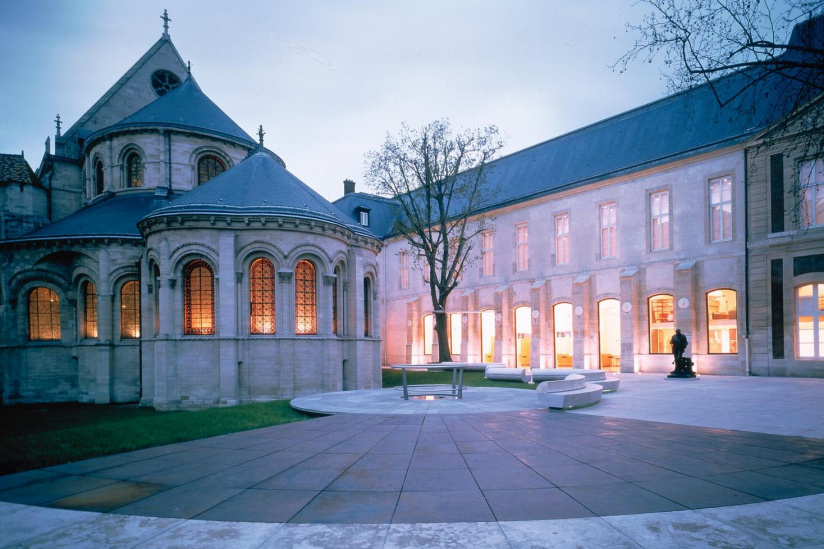
The Cnam Museum, officially known as the Musée des Arts et Métiers, is one of the world’s oldest science and technology museums, founded in 1794 in Paris and dedicated to preserving and showcasing major scientific inventions and industrial innovations.
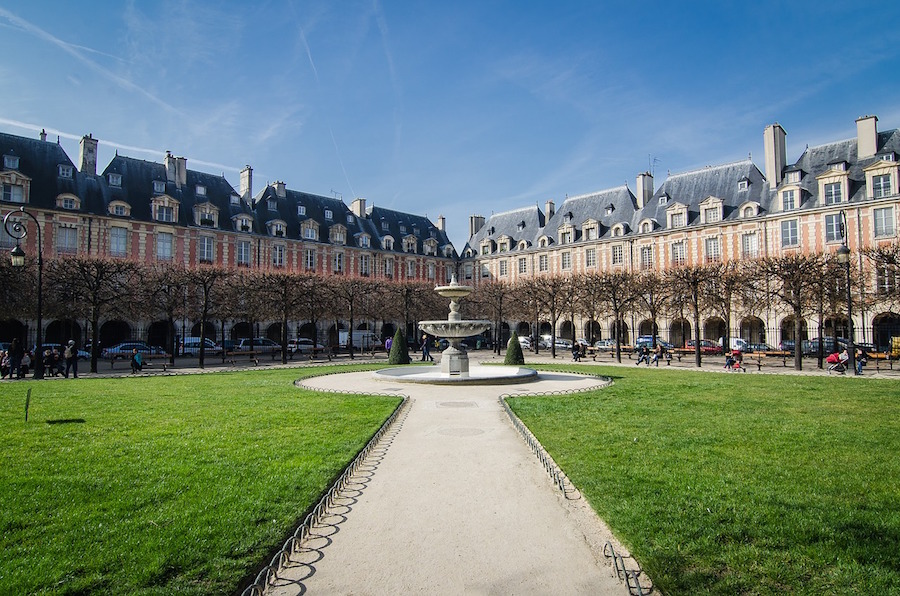
The Place des Vosges is the oldest planned square in Paris, built between 1605 and 1612 under King Henry IV. Located in the historic Marais district, it is known for its harmonious red-brick buildings, elegant arcades, and central garden. The square has been home to notable figures, including the famous writer Victor Hugo, whose residence is now a museum.
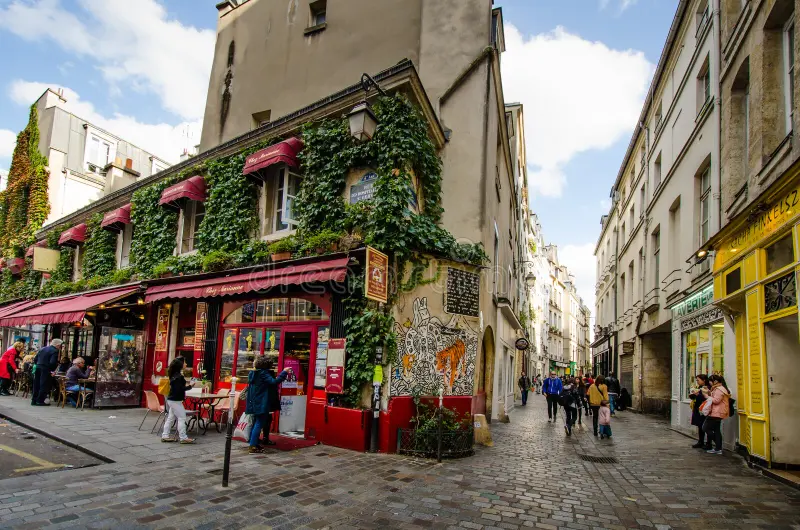
The Le Marais is one of Paris’s oldest and most vibrant districts, located on the Right Bank of the Seine. Known for its narrow medieval streets, historic mansions (hôtels particuliers), art galleries, and trendy boutiques, it blends rich history with modern culture. The area is home to landmarks such as the Place des Vosges and the Musée Carnavalet, and it is also recognized for its lively Jewish quarter and LGBTQ+ community.
The Eiffel Tower, an architectural masterpiece standing at 324 meters, symbolizes the heart of Parisian charm. Completed in 1889 by Gustave Eiffel, it offers unparalleled panoramic views of the city from its observation decks. Illuminated nightly, the tower's graceful lattice design and cultural significance make it a must-visit landmark for millions of tourists annually.

5. Louvre Museum
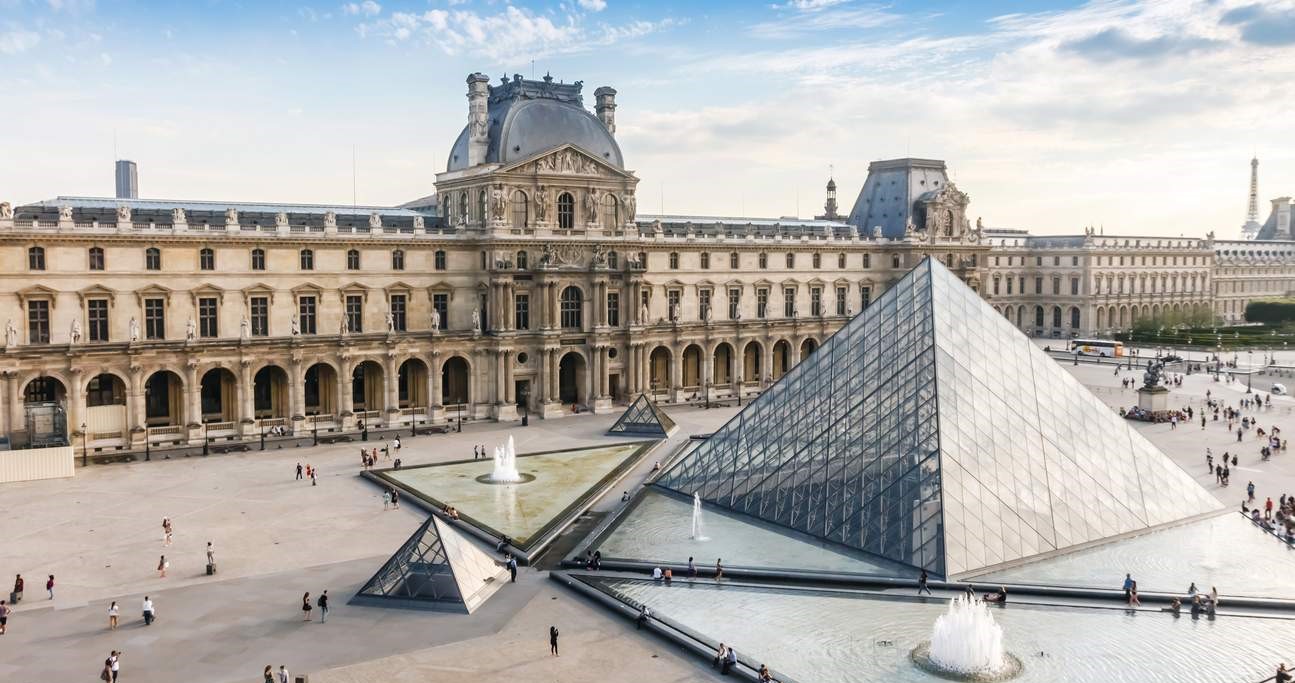
A cultural treasure trove in the heart of Paris, is renowned for its vast and diverse art collection. Housed in a historic palace, the museum's iconic glass pyramid entrance welcomes millions of visitors each year. Home to masterpieces like the Mona Lisa and the Venus de Milo, the Louvre stands as a testament to the enduring legacy of human creativity and expression.
6. Montmartre and Sacré-Cœur Basilica
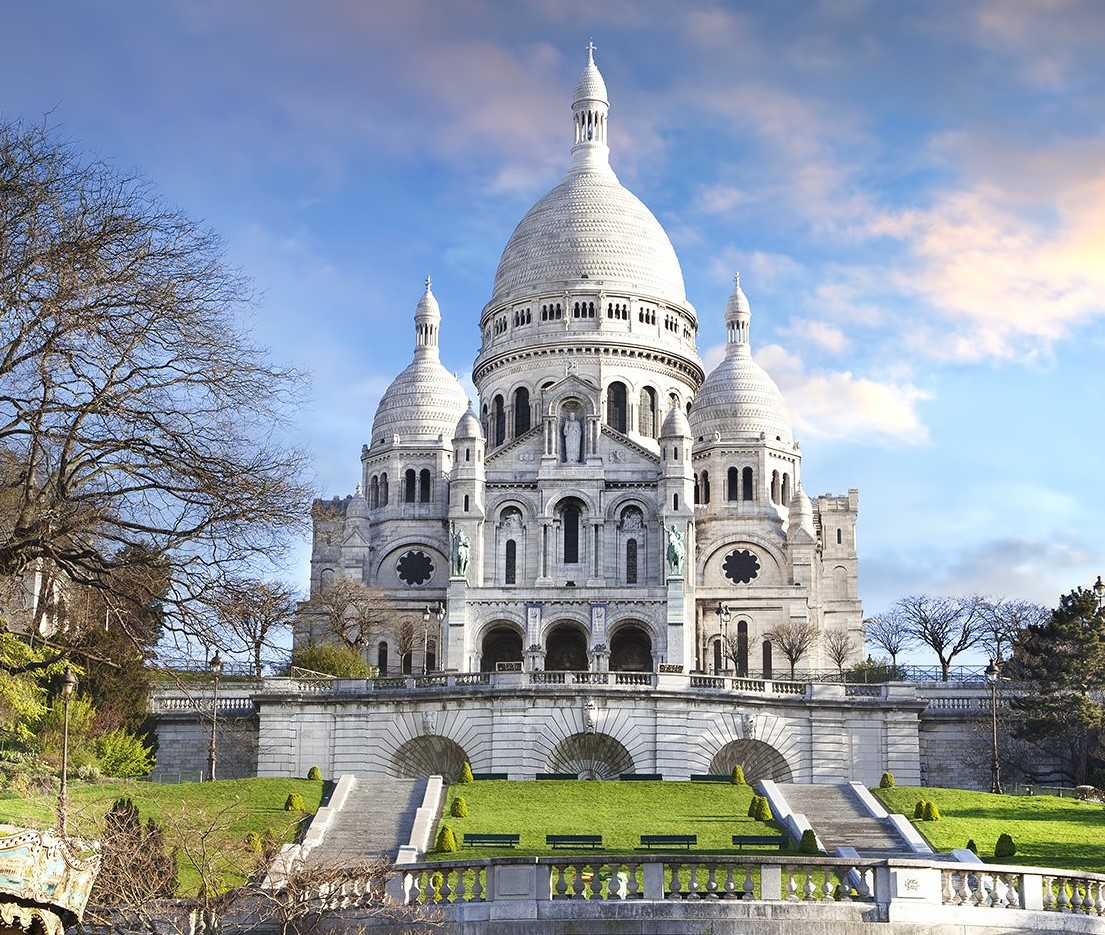
The Sacré-Coeur, consecrated in 1919, is one of the most iconic monuments in Paris. At the top of the Butte Montmarte, it has one of the most beautiful panoramic views of the capital, from 130 metres above ground. In a Roman-Byzantine style, the Sacré Coeur is recognizable by its white colour.
7. The Seine River
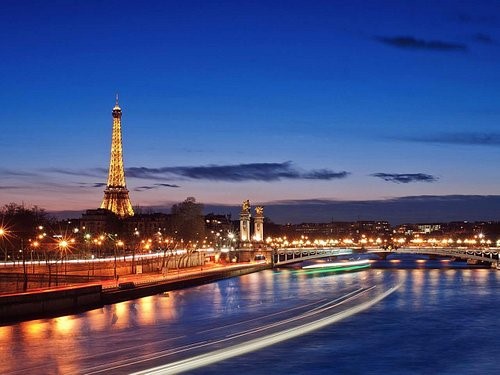
The Seine River gracefully winds its way through the heart of Paris, serving as a liquid ribbon connecting the city's iconic landmarks. Lined with charming bridges and quays, it offers a serene backdrop to the bustling metropolis.
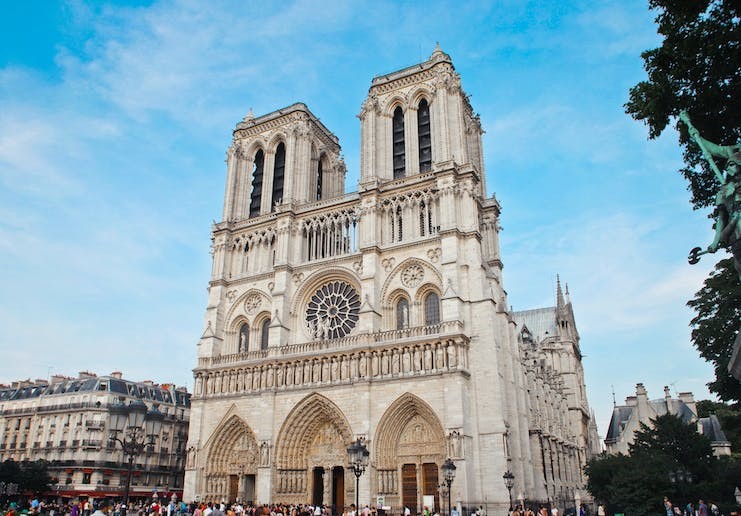
8. Notre-Dame Cathedral
The Seine River gracefully winds its way through the heart of Paris, serving as a liquid ribbon connecting the city's iconic landmarks. Lined with charming bridges and quays, it offers a serene backdrop to the bustling metropolis.
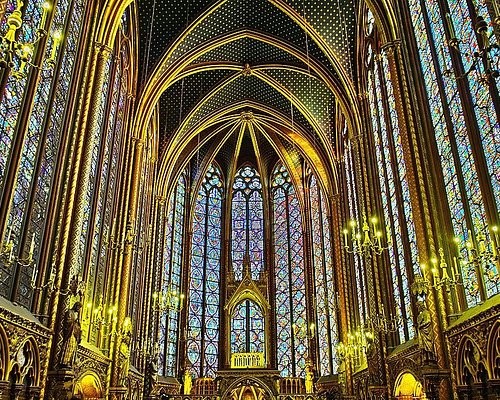
9. Sainte-Chapelle
Sainte-Chapelle, nestled within the medieval Palais de la Cité on the Île de la Cité in Paris, is a jewel of Gothic architecture. Built in the 13th century by King Louis IX, its exquisite stained glass windows are a breathtaking testament to medieval craftsmanship. The chapel, with its delicate design and stunning colors, creates a luminous space that has captivated visitors for centuries.
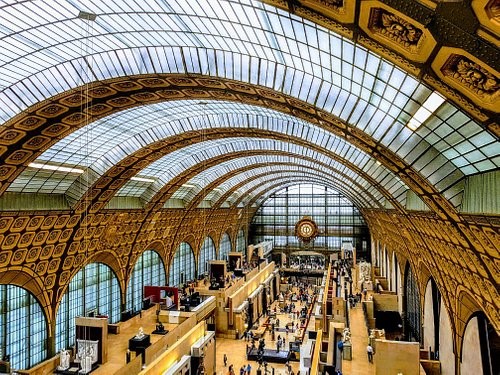
10. Musée d'Orsay
The Musée d'Orsay in Paris is a cultural gem specializing in Impressionist and Post-Impressionist masterpieces. With its vast collection spanning the mid-19th to early 20th centuries, the museum showcases work by renowned artists such as Monet, Van Gogh, and Degas. Its grand interior and architectural elegance complement the artistic treasures on display, visiting the Musée d'Orsay a captivating journey through the evolution of art during a transformative period in history.
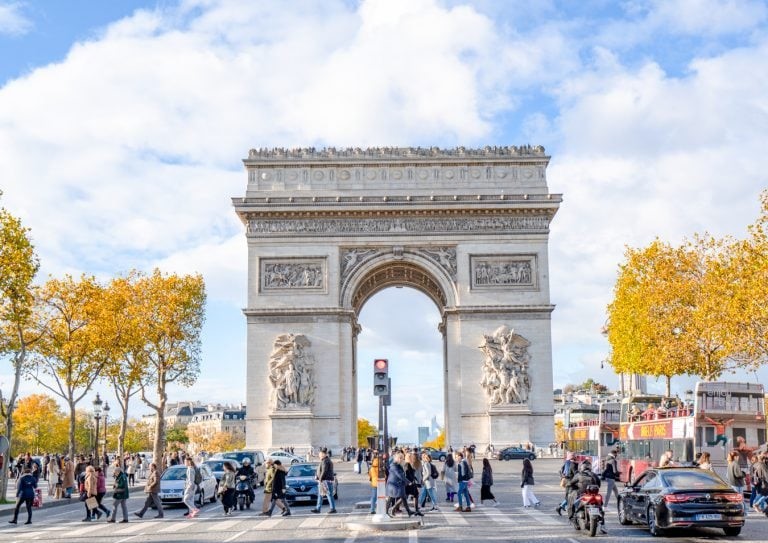
11. Arc de Triomphe
The Arc de Triomphe in Paris stands as an iconic symbol of France's rich history and grandeur. Designed by Jean Chalgrin, this monumental triumphal arch honors those who fought and died for France, particularly during the Napoleonic Wars. Its imposing stature and intricate carvings mesmerize visitors, drawing them into a realm of historical significance and architectural splendor. Positioned at the center of the Place Charles de Gaulle, it serves as a poignant reminder of France's enduring spirit and resilience. Ascending its spiral staircase offers panoramic views of Paris, rewarding explorers with a breathtaking vista of the city's timeless beauty.
Attending a conference dramatically enhances both your professional and personal development. They help you sharpen the saw, meet and converse with industry experts, expand your resources and grow your professional network. IEREK Conference will help you:
- For participants who need Entry Visas to the country where the conference will be held, IEREK will issue the corresponding invitation letter for accepted applicants to facilitate visa issuance.
- Please notice that we will endeavor to assist you in obtaining a visa but the responsibility is yours and the decision rests solely with the appropriate Embassy.
Invitation Letter Issuance Process
1- In case the participant is an author who has submitted a research paper to the conference, it must get accepted by the Scientific Committee
2- Required participation fees must be paid
3- The participant should send the following information to the conference's official email:
* A clear copy of passport
* Passport number
* Full name as written in your passport.
* Date of Issuing and Expiration
* Date of Birth
* Email address of the nearest Embassy/Consulate to you
* Mobile Number including country code
4- Conference coordinator will issue the needful invitation letter and send a copy to the participant's email, in addition to another one to the corresponding email address of embassy/consulate
5- The participant should print out the invitation letter along with all other required documents by the embassy/consulate and apply for VISA
|
Cancellation Policy |
Up to 60 days before the event |
Up to 50 days before the event |
Up to 40 days before the event |
39 days before the event |
|
Penalty |
20% |
50% |
70% |
100% |
EXCEPTION
A refund is not possible if
-An acceptance letter has been issued (Authors only)
-The proceedings of the event have been published (Authors only)
-A visa invitation letter has been issued (All participants)
Visa Rejection Cases
Reason and proof of rejection must be submitted. If the reason for rejection is due to an error on our part, the participant will be refunded their full fee with a deduction of a 20% administration fee.
Documents to be issued by IEREK to acquire a visa are as follows:
*Final Acceptance Letter (Authors only)
*Visa Invitation Letter
*Invoice/proof of payment
We encourage all authors and attendees to ensure their having acquired all documents (those applicable) mentioned.
If the reason for rejection is not related to any of the aforementioned and is an error on the participant’s part, the following will apply:
*Authors: may choose to let their co-author present his/her research on his/her behalf free of charge. If the author does not have a co-author, a member of the scientific committee shall present on the author’s behalf.
*Audience members/Registrants: will only be allowed to attend another similar event of their choosing that is organized by IEREK free of charge.
IEREK Community is a reflection of our appreciation for the scholars, institutions, and research groups who continuously contribute to the growth and excellence of IEREK’s academic network. Through exclusive rates and added privileges, we aim to make participation more accessible while strengthening long-term collaboration, research continuity, and institutional partnerships within our global community.
Eligible members of the IEREK Community receive a 25% discount during the Regular payment stage and may benefit from special discounts on other IEREK conferences.
The IEREK Community includes:
Previous attendees of IEREK conferences
Loyal authors who consistently participate in multiple editions of the same conference
Authors who have published in IEREK conference proceedings or journals
Researchers registering as a group submission
Faculty members and researchers from universities with current or past partnership agreements with IEREK
Universities and academic institutions located in the hosting country of the conference
Active authors who continuously support and engage with IEREK’s activities on social media (sharing, promoting, and contributing to community visibility)
Academics who support IEREK as moderators, keynote or guest speakers, reviewers, or editors
Authors should contact the conference manager at [email protected] to request consideration for discounts in any of the above cases.








Full professor at Cnam Paris, SATIE Lab (UMR CNRS 8029)
Research Director at Université Paris Cité & CNRS, ITODYS Lab (UMR CNRS 7086)
Full professor at Université Rouen Normandy, IUT Evreux, CARMeN Lab (UMR CNRS 6064)
Conference Coordinator
[email protected]
(+20) 3 5763827 | (+20) 3 5763828
(+20)1000028021
Subscribe to our newsletter
Join IEREK community