Urban Planning & Architectural ...
Online Conference
20 Oct 2026 / 22 Oct 2026 read more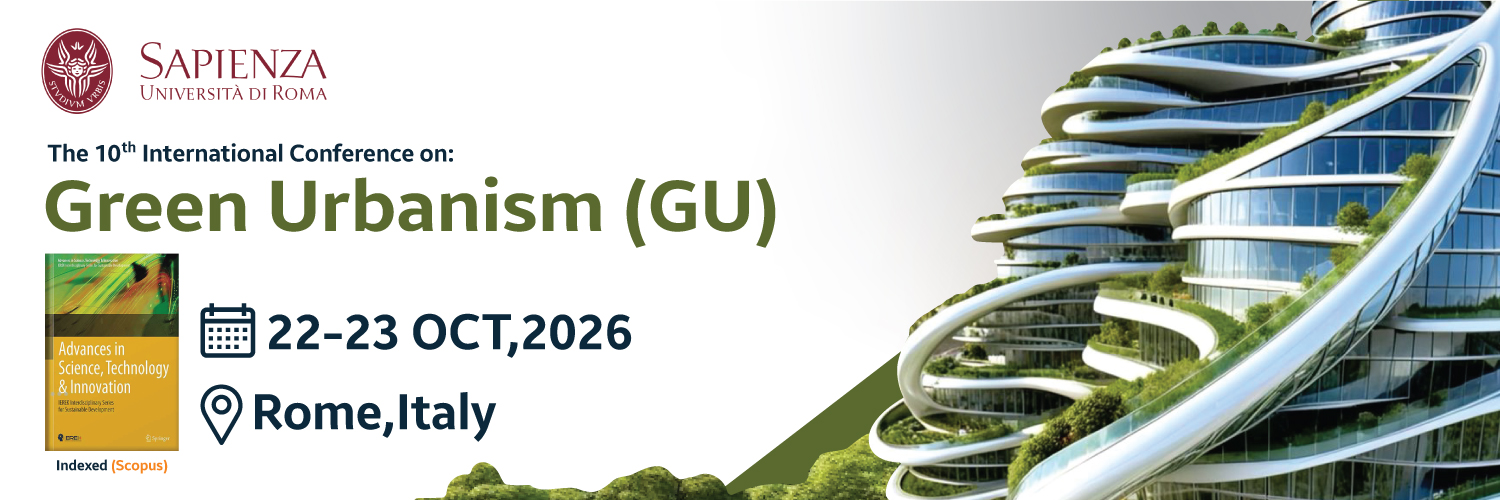
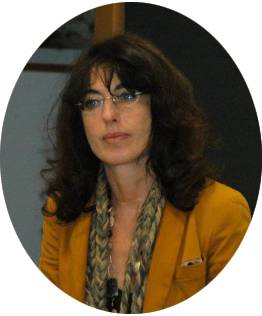 Carmelina Bevilacqua
Associate Professor in City and Regional Planning at the Departmnet of Planning, Design, Architectural Technology Sapienza University of Rome, Italy.

Professor at the Urban Planning Department of Architecture, Polytechnic School University of Palermo, Italy.
Subscribe to our newsletter
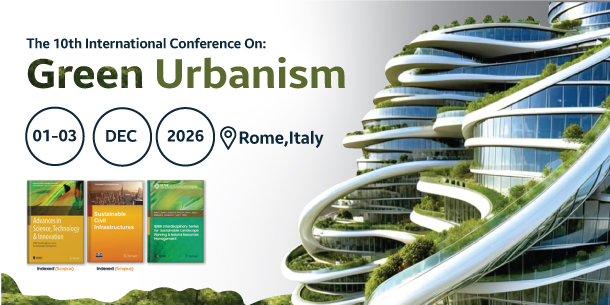
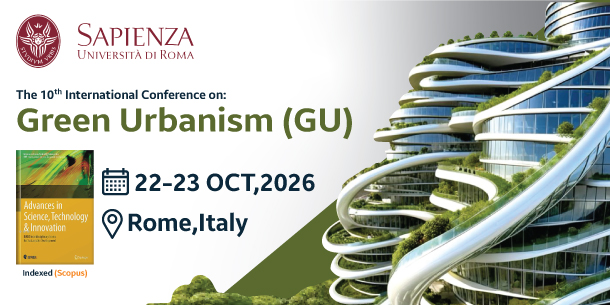
The International Green Urbanism conference series is a global platform dedicated to advancing innovative thinking and practice in sustainable, resilient, and regenerative urban development. It brings together researchers, practitioners, policymakers, and urban stakeholders to exchange knowledge and address the complex environmental and social challenges shaping cities today.
The 10th edition is hosted at Sapienza University of Rome, in a city where urban transformation has unfolded continuously across centuries. Rome’s layered urban fabric and capacity for adaptation make it an ideal context for exploring how historical cities can inform future-oriented approaches to green urbanism. At a time marked by climate urgency, ecological pressure, and social change, the city provides a living framework for examining resilient and regenerative urban strategies.
Framed by the theme “Rome Reimagined: A Decade of Shaping Resilient and Regenerative Urban Futures,” this anniversary edition reflects on a decade of dialogue while advancing new perspectives on urban regeneration. The conference emphasizes green urbanism as an integrated approach that reconnects ecological systems, cultural heritage, social equity, and innovation in shaping cities that can adapt, recover, and thrive.
The conference invites original contributions that explore transformative approaches to urban design, planning, governance, and community engagement. Particular emphasis is placed on work that moves beyond sustainability toward regeneration, proposing urban models that restore ecological balance, strengthen social cohesion, and enhance long-term urban quality of life.
Scope of the Conference
The conference addresses interdisciplinary research and practice in green urbanism and regenerative city-making. It welcomes contributions related to climate-responsive urban design, nature-based and circular systems, sustainable mobility, smart and digital urban tools, governance and policy innovation, social inclusion, and the adaptive transformation of historic and contemporary urban environments across diverse global contexts.
Statement of Purpose
The purpose of the 10th International Green Urbanism Conference is to reflect on a decade of progress while advancing actionable strategies for resilient and regenerative urban futures. Hosted at Sapienza University of Rome, the conference aims to bridge research, practice, and policy, foster interdisciplinary collaboration, and generate knowledge that supports environmentally responsible, socially inclusive, and culturally grounded urban development.
This topic explores how urban planning and design can move beyond simply minimizing harm to actively regenerating natural systems and social capital. It focuses on creating urban environments that are inherently restorative, circular, and ecologically rich, drawing lessons from nature to build resilient and thriving communities.
1.1. Urban Metabolism and Circular Cities
1.2. Nature-Based Solutions (NBS) for Urban Regeneration
1.3. Bioclimatic Urbanism and Climate-Adaptive Design
1.4. Adaptive Reuse and Heritage-Led Green Development
1.5. Green Infrastructure for Social Equity
1.6. Integrating Ecological Principles into Urban Form
This topic investigates how artificial intelligence and data analytics are transforming green urbanism, offering intelligent solutions for enhanced sustainability and urban resilience. It explores the application of cutting-edge technologies for optimizing resource management, improving mobility, and providing real-time environmental insights for smarter, more efficient cities.
2.1. Digital Twins for Urban Sustainability
2.2. AI for Optimized Resource Management
2.3. AI in Smart Mobility and Green Transportation
2.4. AI-Powered Environmental Monitoring and Prediction
2.5. Generative AI for Urban Design and Planning
2.6. Ethical AI Frameworks in Urban Development
This topic addresses the critical role of water management in building resilient cities capable of adapting to climate extremes. It focuses on integrated approaches to urban hydrology, emphasizing water conservation, flood mitigation through blue-green infrastructure, and strategies for ensuring long-term water security in the face of environmental challenges.
3.1. Water-Sensitive Urban Design (WSUD) and Urban Hydrology
3.2. Blue-Green Infrastructure for Flood Resilience
3.3. Drought Management and Water Conservation Strategies
3.4. Coastal Resilience and Waterfront Development
3.5. Wastewater Recycling and Reuse Systems
3.6. Stormwater Harvesting and Management
This topic explores how cities can foster and integrate natural systems to enhance urban biodiversity and maximize the invaluable ecosystem services they provide. It emphasizes creating ecological corridors, managing urban forests, and valuing the environmental benefits that natural elements bring to urban environments.
4.1. Urban Ecology and Biodiversity Conservation
4.2. Ecosystem Services Valuation and Integration into Planning
4.3. Urban Forestry and Green Canopy Management
4.4. Green Roofs, Walls, and Urban Farming
4.5. Pollinator Pathways and Habitat Creation
4.6. Rewilding Strategies in Urban Contexts
This topic focuses on the crucial intersection of green urbanism with social equity and public health. It examines how accessible green spaces and participatory planning can contribute to improved physical and mental well-being, foster community engagement, and ensure environmental justice for all urban residents.
5.1. Inclusive Green Spaces and Environmental Justice
5.2. Green Urbanism and Public Health Outcomes
5.3. Participatory Planning and Community Engagement
5.4. Cultural Dimensions of Green Urbanism
5.5. Design for Active Living and Physical Activity
5.6. Addressing Urban Health Disparities through Green Initiatives
This topic delves into the essential frameworks and mechanisms that enable the successful implementation of green urbanism initiatives. It covers innovative governance models, effective policy instruments, and crucial financing strategies needed to accelerate the transition towards sustainable, environmentally responsible urban development.
6.1. Innovative Governance Models for Sustainable Cities
6.2. Green Financing and Investment for Urban Projects
6.3. Regulatory Frameworks and Policy Instruments
6.4. International Cooperation and City Networks
6.5. Public-Private Partnerships for Green Development
6.6. Policy Incentives for Green Building and Infrastructure
This topic focuses on the design and construction principles that underpin sustainable architecture. It explores strategies for minimizing environmental impact through passive and active environmental design, the selection of sustainable materials based on lifecycle assessment, and the pursuit of net-zero energy buildings and green certifications.
7.1. Passive Environmental Design Strategies
7.2. Active Environmental Design Systems
7.3. Sustainable Material Selection and Lifecycle Assessment
7.4. Net-Zero, Positive Energy & Green Certifications
7.5. Building Performance Optimization and Retrofitting
7.6. Circular Economy Principles in Construction Materials
7.7. Role of Drones in Urban Sustainability Monitoring and Maintenance
7.8. Smart Sensors for Measuring Urban Environmental Impact
7.9. Digital Twins for Simulating and Planning Urban Environments
This topic examines how cities can foster sustainable economic growth and enhance food security through integrated green economy principles. It covers urban agriculture, waste-to-resource technologies, and strategies for promoting responsible consumption and production within urban environments, creating resilient and regenerative local economies.
8.1. Urban Agriculture and Local Food Production
8.2. Green Economy and Job Creation in Urban Areas
8.3. Waste-to-Resource Technologies and Biorefineries
8.4. Sustainable Consumption and Production in Cities
8.5. Food Waste Reduction and Composting Initiatives
8.6. Supply Chain Localization for Urban Food Security
This topic explores how global crises, such as pandemics, are reshaping urban development and pushing cities towards greater resilience and adaptability. It examines emerging urban forms, new ways of living and working, and strategic planning for future challenges, emphasizing the role of green spaces in urban well-being.
9.1. Resilient Cities in the Face of Global Crises
9.2. Hybrid Urban Spaces and New Ways of Living/Working
9.3. Urban Greening for Health and Well-being in Crisis
9.4. Scenario Planning and Future-Proofing Cities
9.5. Adapting Public Spaces for Health and Safety
9.6. Remote Work and Decentralized Urban Models
This topic highlights the foundational role of education, cutting-edge research, and technological innovation in advancing green urbanism. It emphasizes developing new curricula, fostering interdisciplinary collaboration, supporting green tech startups, and engaging citizens in environmental monitoring to drive sustainable urban transformation.
10.1. Green Urbanism Curricula and Capacity Building
10.2. Interdisciplinary Research in Urban Sustainability
10.3. Innovation Hubs and Start-up Ecosystems for Green Tech
10.4. Citizen Science and Data Collection for Urban Environmental Monitoring
10.5. Ethical Considerations and Governance of AI in Urban Contexts
10.6. Knowledge Exchange and Best Practices Dissemination
This topic delves into the creation and application of urban digital twins – virtual replicas of cities that integrate real-time data to monitor, analyze, and optimize urban systems. It explores how these sophisticated models, alongside broader smart city technologies, enhance decision-making, resource efficiency, and citizen engagement for sustainable and resilient urban management.
11.1. Digital Twin Development for Urban Planning
11.2. Real-Time Data Integration and Visualization
11.3. Simulation and Predictive Modeling for Urban Systems
11.4. Interoperability of Smart City Platforms
11.5. Urban Digital Twins for Infrastructure Management
11.6. Citizen Engagement through Digital Twin Visualizations
This topic explores the principles and applications of the circular economy within urban development, moving beyond the traditional linear "take-make-dispose" model. It focuses on strategies for minimizing waste, maximizing resource efficiency, and creating closed-loop systems for materials, energy, and water in the design, construction, and operation of buildings and urban infrastructure.
12.1. Waste-to-Resource Strategies in Construction
12.2. Design for Disassembly and Adaptability
12.3. Material Passports and Resource Tracking
12.4. Reuse and Recycling of Building Components
12.5. Regenerative Material Sourcing and Production
12.6. Business Models for Circular Construction
This topic examines the evolution of urban transportation systems towards more sustainable, efficient, and equitable models, with a particular focus on the rise of micromobility. It explores how integrated multimodal networks, active transportation planning, and the deployment of new mobility solutions are reshaping urban landscapes and reducing environmental impact.
13.1. Integrated Multi-Modal Transportation Networks
13.2.Micromobility Solutions (e-scooters, bikes) and Infrastructure
13.3. Active Transportation (Walking & Cycling) Planning
13.4. Electric Vehicle (EV) Infrastructure and Charging Networks
13.5. Mobility-as-a-Service (MaaS) Platforms
13.6. Autonomous Vehicles and Urban Design Impacts
This topic explores the diverse financial mechanisms and investment strategies essential for scaling up green infrastructure projects in urban settings. It covers innovative funding models, public-private partnerships, green bonds, and impact investing, focusing on how to attract and deploy capital to build resilient, nature-based solutions.
14.1. Green Bonds and Sustainable Finance
14.2.Public-Private Partnerships for Green Projects
14.3. Impact Investing in Nature-Based Solutions
14.4. Blended Finance for Urban Green Infrastructure
14.5. Carbon Credits and Ecosystem Service Payments
14.6. Municipal Funding for Green Initiatives
This topic investigates the synergy between preserving urban cultural heritage and implementing green urbanism principles. It explores how historic urban fabrics can be revitalized through sustainable retrofitting, adaptive reuse, and the integration of green technologies, ensuring that a city's legacy is sustained while fostering environmental resilience.
15.1. Adaptive Reuse of Heritage Buildings for Green Purposes
15.2.Sustainable Retrofitting of Historic Urban Fabric
15.3. Integrating Traditional Building Wisdom with Green Tech
15.4. Digital Preservation and Reconstruction of Heritage Sites
15.5. Cultural Landscape Preservation and Green Planning
15.6. Community Involvement in Heritage-Led Green Regeneration
| Title | Date |
|---|---|
| Abstract Submission Deadline | 10 Aug 2026 |
| Last Notification for Abstract Acceptance & Approval to present | 25 Aug 2026 |
| Letter of Visa (for delegates who need visa entry) Payment required | 10 Aug 2026 |
| Early Payment Deadline | 10 May 2026 |
| Regular Payment Deadline | 15 Jul 2026 |
| Late Payment Deadline | 10 Sep 2026 |
| Full Paper Submission Deadline | 01 Sep 2026 |
| Notification of acceptance/ rejection of submitted paper | 10 Sep 2026 |
| Conference Program | 10 Oct 2026 |
| Conference Launch | 22 Oct 2026 |
Payments through the website are currently unavailable due to ongoing website enhancements. IEREK offers alternative payment methods, including bank transfer and secure third-party online payment links.
The registration fee does not cover accommodation or travel expenses. A list of accommodation options can be suggested by our team if available. Please contact [email protected] for inquiries.
We recommend that all authors take advantage of the benefits that IEREK offers, including various attendance types, publishing opportunities, and opportunities for discounts and waivers.
We are pleased to inform all applicants that they can use their previous publications to register for an IEREK membership, which offers a special discount.
IEREK offers a special discount to applicants from collaborative universities that have signed an MoU with IEREK to host or co-host one of its conferences.
IEREK also provides special discounts to authors from low and medium-income countries.
The disclosed fees are for the conference participation (Publication is free of charge, but only the conference participants can be considered for publishing in the conference proceedings).
Some of the disclosed conference fees may vary depending on the book series and/or journal(s) presented as a publication outlet, as we encourage submission to newly founded book series and/or journal(s) by presenting a discounted rate for the conference's fees.
IEREK offers many types of registrations that are diverse in registration fees; applicants can choose the type they are familiar with as follows:
Participants who are PhD holders, post-doctoral researchers, and universities’ affiliated professors and experts in the field.
Must provide proof of enrollment in a university by providing an enrollment certificate and/or a valid university ID (with issue/expiry date) etc.
Participants who are not affiliated with universities such as practitioners, policymakers, entrepreneurs, etc.
Have access to the event to enjoy the discussions, coffee breaks, and lunch as a co-author or audience.
IEREK Community members receive 25% off the Regular payment stage.
If you are a returning author, published researcher, institutional partner, or active contributor to IEREK activities, you may be eligible for exclusive Community benefits. Visit the IEREK Community Section to learn more and check your eligibility.
| Type of Registration | Early Payment Deadline 10 May 2026 |
Regular Payment Deadline 15 Jul 2026 |
Late Payment Deadline 10 Sep 2026 |
|---|---|---|---|
| Scopus indexed-ASTI Book by Springer | |||
| Student / Early Career Researcher | 300 € | 350 € | 400 € |
| Academic | 350 € | 400 € | 450 € |
| Professional / Industry | 400 € | 450 € | 500 € |
| Co-author/ Audience | 150 € | 200 € | 250 € |
| SLNR Book by Springer | |||
| Student / Early Career Researcher | 250 € | 300 € | 350 € |
| Academic | |||
| Professional / Industry | |||
| Co-author/ Audience | 150 € | 200 € | 250 € |
| Open Access IEREK Press Journals | |||
| Student / Early Career Researcher | 200 € | 250 € | 300 € |
| Academic | 250 € | 300 € | 350 € |
| Professional / Industry | 300 € | 350 € | 400 € |
| Co-author/ Audience | 150 € | 200 € | 250 € |
IEREK offers various types of participation. Applicants can apply for in-person attendance to benefit fully from conference discussions and knowledge exchange.
IEREK also offers virtual attendance for authors to present their research papers online; however, we strongly encourage all applicants to attend the conference in person.
The physical fee covers:
* Each research paper should have one main author who should pay the full fee (Author fees) regardless of attendance. Co-authors, each, have their fees to pay to attend the event. This applies to online attendance as well as physical attendance.
* A research paper fee allows only one author, whether main or co-author, to attend the conference and receive only one conference kit. Extras can be requested for an additional fee.
| Type of Registration | Early Payment Deadline 10 May 2026 |
Regular Payment Deadline 15 Jul 2026 |
Late Payment Deadline 10 Sep 2026 |
|---|---|---|---|
| Scopus indexed-ASTI Book by Springer or SUCI Book by Springer | |||
| Student / Early Career Researcher | 250 € | 300 € | 350 € |
| Academic | 300 € | 350 € | 400 € |
| Professional / Industry | 350 € | 400 € | 450 € |
| Co-author/ Audience | 100 € | 150 € | 200 € |
| SLNR Book by Springer | |||
| Student / Early Career Researcher | 200 € | 250 € | 300 € |
| Academic | |||
| Professional / Industry | |||
| Co-author/ Audience | 100 € | 150 € | 200 € |
| Open Access IEREK Press Journals | |||
| Student / Early Career Researcher | 150 € | 200 € | 250 € |
| Academic | 200 € | 250 € | 300 € |
| Professional / Industry | 250 € | 300 € | 350 € |
| Co-author/ Audience | 100 € | 150 € | 200 € |
IEREK offers virtual attendance, providing authors with a unique link to join the conference sessions and present their papers as per the announced program.
The online fee covers:
* Each research paper should have one main author who should pay the full fee (Author fees) regardless of attendance.
* Co-authors, each, have their fees to pay to attend the event. This applies to online attendance as well as physical attendance.
* If an author is eligible for more than one discount, IEREK will apply only the highest discount. Discounts cannot be combined.
* Authors should contact the conference manager through this email [email protected] to consider the discount and waiving for all the above cases so that the conference manager can provide an exclusive invoice for each case.
Afghanistan, Algeria, Angola, Bangladesh, Benin, Bhutan, Bolivia, Burkina Faso, Burundi, Cabo Verde, Cambodia, Cameroon, Central African Republic, Chad, Comoros, Congo, Congo Dem. Rep., Côte d'Ivoire, Djibouti, Egypt, Eritrea, Eswatini, Ethiopia, Gambia, Ghana, Guinea, Guinea-Bissau, Haiti, Honduras, India, Iran, Jordan, Kenya, Kiribati, Kyrgyz Republic, Lao PDR, Lebanon, Lesotho, Liberia, Madagascar, Malawi, Mali, Mauritania, Micronesia, Mongolia, Morocco, Mozambique, Myanmar, Nepal, Nicaragua, Niger, Nigeria, Pakistan, Papua New Guinea, Philippines, Rwanda, Samoa, São Tomé and Principe, Senegal, Sierra Leone, Solomon Islands, Somalia, South Sudan, Sri Lanka, Sudan, Syria, Tajikistan, Tanzania, Timor-Leste, Togo, Tunisia, Uganda, Ukraine, Uzbekistan, Vanuatu, Vietnam, Yemen, Zambia, Zimbabwe
IEREK puts a lot of effort into expediting the peer review process to publish articles as quickly as possible. This requires prompt responses from all authors to the editors' comments, if any. Your swift response is highly appreciated to advance the production process and get your articles online. We prioritize the first author to respond as per our formula. The conference proceedings will be divided into multiple books, with the first one scheduled for publication within 6 months after the conference date. We encourage all authors to aim for publication in the first release.
Registration and financial transactions for this conference are managed through our strategic partners, working in close academic partnership with IEREK to ensure seamless delivery of conference services and publication standards.


Both entities work in close academic partnership with IEREK to ensure the highest standards of financial transparency, conference administration, and publication quality.
IEREK Community is a reflection of our appreciation for the scholars, institutions, and research groups who continuously contribute to the growth and excellence of IEREK’s academic network. Through exclusive rates and added privileges, we aim to make participation more accessible while strengthening long-term collaboration, research continuity, and institutional partnerships within our global community.
Eligible members of the IEREK Community receive a 25% discount during the Regular payment stage and may benefit from special discounts on other IEREK conferences.
The IEREK Community includes:
Previous attendees of IEREK conferences
Loyal authors who consistently participate in multiple editions of the same conference
Authors who have published in IEREK conference proceedings or journals
Researchers registering as a group submission
Faculty members and researchers from universities with current or past partnership agreements with IEREK
Universities and academic institutions located in the hosting country of the conference
Active authors who continuously support and engage with IEREK’s activities on social media (sharing, promoting, and contributing to community visibility)
Academics who support IEREK as moderators, keynote or guest speakers, reviewers, or editors
Authors should contact the conference manager at [email protected] to request consideration for discounts in any of the above cases.
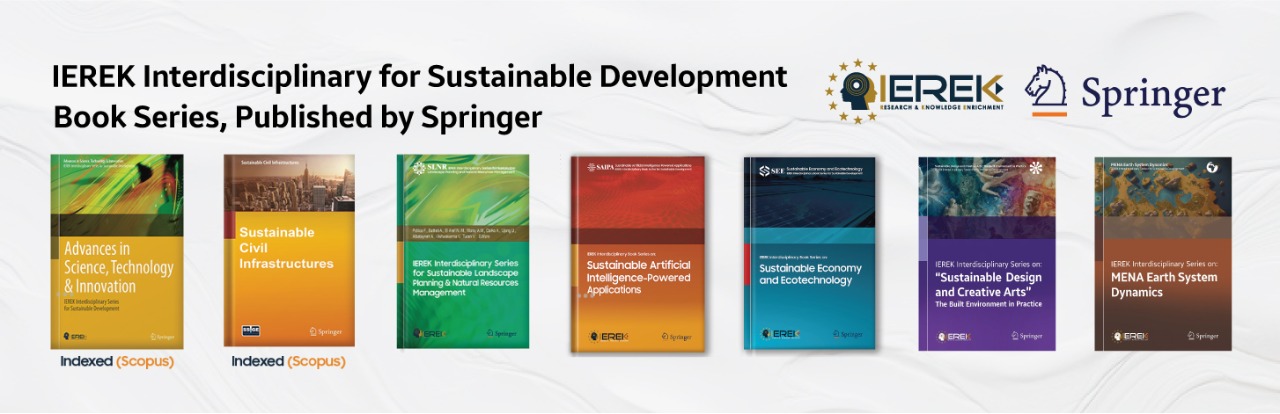
All accepted submissions to the conference, after a rigorous double-blinded peer-review process by the respective Editorial Board, will be published in one of the following:
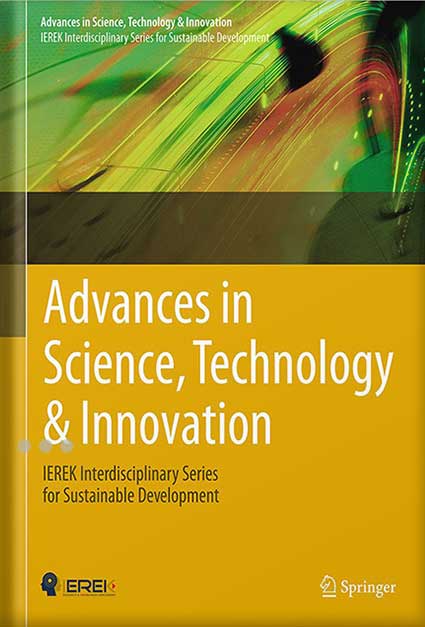
Advances in Science, Technology and Innovation (ASTI), an IEREK interdisciplinary book series published by Springer Nature. (SCOPUS indexed)
Publisher: Springer Nature (IEREK Interdisciplinary book series)
Indexing: SCOPUS indexed; some titles in Web of Science (ISI)
Focus: Emerging research in science, technology, and innovation for sustainable development, addressing UN SDGs.
Internationally peer-reviewed, open access journals published by IEREK Press. Covering a wide range of disciplines including sustainability, architecture, engineering, and environmental sciences.
Journal on:
Prof. Laura Ricci, Full Professor Architectural Planning, Design and Technology, Sapienza University of Rome, Italy
Prof. Carmelina Bevilacqua, Associate Professor of Architectural Planning, Design and Technology, Sapienza University of Rome, Italy
Prof. Carmela Mariano, Associate Professor of Architectural Planning, Design and Technology, Sapienza University of Rome, Italy
Prof. Irene Poli, Associate Professor of Architectural Planning, Design and Technology, Sapienza University of Rome, Italy
Prof. Francesco Crupi, Researcher of Architectural Planning, Design and Technology, Sapienza University of Rome, Italy
Prof. Marsia Marino, Researcher of Architectural Planning, Design and Technology, Sapienza University of Rome, Italy
Prof. Francesca Perrone, Researcher of Architectural Planning, Design and Technology, Sapienza University of Rome, Italy
Prof. Pola Nicoletta Imbesi, Researcher of Architectural Planning, Design and Technology, Sapienza University of Rome, Italy
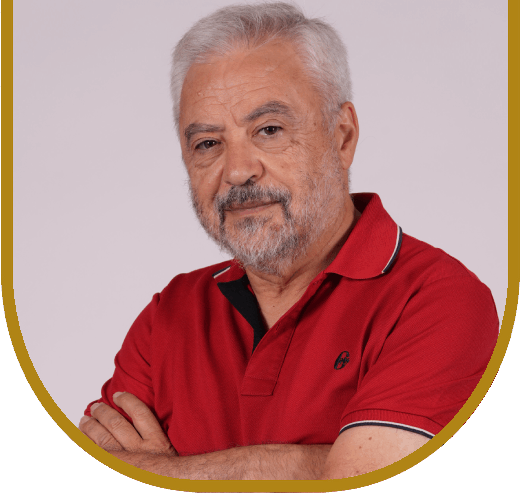
Giuseppe De Luca is a Full Professor of Urban Planning, Honorary Academician of the Accademia delle Arti del Disegno in Florence, and Corresponding Academician of the Accademia degli Euteleti in San Miniato. He is also Adjunct Professor of Urban Planning at the Catholic University “Our Lady of Good Counsel” in Tirana. He serves as an Expert in Urban and Spatial Planning at the Consiglio Superiore dei Lavori Pubblici (Higher Council of Public Works), the highest technical advisory body of the Italian Republic, based in Rome. He trained within the planning tradition associated with Giovanni Astengo at the Istituto Universitario di Architettura di Venezia (IUAV), where he graduated in Urban Planning on 28 March 1981 with the highest honours. Immediately afterwards, he began working as a research collaborator at the University’s Department of Urban Planning (DU), under the supervision of Professor Giorgio Piccinato.He subsequently specialised abroad in Planning Studies at the London School of Economics, supported by CNR and CNR–NATO fellowships and working under the supervision of Professor Roy Drewett (October 1984–May 1987). In September 1991, he began his academic career as a tenured Researcher in Urban Planning Techniques and Planning at the Department of Architecture, Planning and Transport Infrastructure (DAPIT), University of Basilicata. In November 2004, he moved to the Faculty of Architecture at the University of Florence, where he was appointed Associate Professor of Urban Planning and subsequently Full Professor. His research activities are mainly carried out within the Regional Design Lab at the Department of Architecture (DiDA). His scientific output includes 29 books, comprising monographs and edited volumes, 120 articles published in Italian and international journals, and 88 chapters in edited volumes. He has participated in numerous academic research projects, frequently acting as coordinator or scientific lead of interdisciplinary research teams. He has prepared, or collaborated as a member of the project team on, 25 statutory planning instruments.

Anna Maria Colavitti is a Full Professor of Urban Planning and Design in the Department of Civil and Environmental Engineering and Architecture at the University of Cagliari, Anna Maria Colavitti’s research focuses on urban and regional planning, cultural heritage management, urban regeneration, and the enhancement of historic and cultural landscapes. Her work explores the relationship between cultural heritage and spatial planning, conceiving heritage not simply as an asset to be preserved, but as a strategic resource for guiding sustainable, inclusive, and resilient territorial transformations. Her research addresses heritage governance, historic areas, heritage-led planning, and innovative approaches to integrating conservation and development. She is leader and coordinated national and international research projects, fostering interdisciplinary collaboration among universities, public institutions, and research organisations. She is a member of HERITOPOLIS (Heritage and the Metropolis), an international research network exploring the role of cultural and natural heritage in metropolitan transformation and sustainable urban development. She also serves as the scientific lead for the University of Cagliari in the Horizon Europe project RESTORY – Recovering Past Stories for the Future, which investigates intangible cultural heritage, collective memories, oral traditions, and local knowledge as resources for strengthening social cohesion and supporting the sustainable development of small and vulnerable communities. A significant strand of her research focuses on Sardinia’s inner areas, addressing territorial marginality, depopulation, settlement vulnerability, and new models of place-based development. Through PRIN and MUR-funded research, she has explored the bioregional paradigm as a framework for integrating ecological relationships, cultural identities, local knowledge, heritage, and community practices into territorial planning. Her research on inland areas highlights the potential of cultural and landscape heritage, social capital, and local resources to support territorial regeneration, ecological and demographic transitions, and new pathways towards sustainable developmen
IEREK has an unyielding policy regarding plagiarism. We believe that copying/taking the ideas and work of other Authors without permission and credit is fraudulent. The Reviewing committee and IEREK employees have the authority to reject a paper during its reviewing process, based on the paper being subjected to either minor or major plagiarism.
Authors must refer to, and abide by, the following instructions in submitting their abstracts/ papers:
This is not a prerequisite for presenting your work at the conference. Meaning, you can present your submitted abstract without intending to publish your work.
This process can only be initiated after payment completion and confirmation:
Invitation Letter Issuance Process
1- In case the participant is an author who has submitted a research paper to the conference, it must get accepted by the Scientific Committee
2- Required participation fees must be paid
3- The participant should send the following information to the conference's official email:
* A clear copy of passport
* Passport number
* Full name as written in your passport.
* Date of Issuing and Expiration
* Date of Birth
* Email address of the nearest Embassy/Consulate to you
* Mobile Number including country code
4- Conference coordinator will issue the needful invitation letter and send a copy to the participant's email, in addition to another one to the corresponding embassy/consulate
5- The participant should print out the invitation letter along with all other required documents by the embassy/consulate and apply for VISA
Sapienza University of Rome Founded in 1303, Sapienza is the oldest university in Rome and the largest in Europe. Its mission is to contribute to the development of a knowledge society through research, excellence, quality education and international cooperation.
The Conference Sessions on October 22-23, 2026, at the PDTA Department – Faculty of Architecture, Sapienza University of Rome (Via Flaminia, 72, 00196 Roma RM, Italy – Location)
Domus Castrense
600 Meter from Sapienza University of Rome / 08 minutes by walking
Address: Viale dell'Università, 25, 00185 Roma RM, Italy
Phone: +39064469195
Location on Map: Domus Castrense
Hotel Philia
850 Meter from Sapienza University of Rome / 12 minutes by walking
Address: Via Palestro, 88, 00185 Roma RM, Italy
Phone: +39064469026
Location on Map: Hotel Philia
La Locanda Dell'Angelo
800 Meter from Sapienza University of Rome / 10 minutes by walking
Address: Viale Castro Pretorio, 00185 Roma RM, Italy
Phone: +393397206598
Location on Map: La Locanda Dell’Angelo
Hotel Sol Levante
850 Meter from Sapienza University of Rome / 12 minutes by walking
Address: Via Palestro, 87, 00185 Roma RM, Italy
Phone: +39064957607
Location on Map: Hotel Sol Levante
Hotel Aristotele Rome
900 Meter from Sapienza University of Rome / 12 minutes by walking
Address: Via Palestro, 87, 00185 Roma RM, Italy
Phone: +393248321035
Location on Map: Hotel Aristotele Rome
Albergo Eurorooms
900 Meter from Sapienza University of Rome / 12 minutes by walking
Address: Via Palestro, 87, 00185 Roma RM, Italy
Phone: +390664871174
Location on Map: Albergo Eurorooms
Easyrome Guest House
900 Meter from Sapienza University of Rome / 12 minutes by walking
Address: Via Milazzo 42 Internal 6, Stair B, Floor 2, 00185 Roma RM, Italy
Phone: +393397652403
Location on Map: Easyrome Guest House
Room Sapienza
900 Meter from Sapienza University of Rome / 13 minutes by walking
Address: Via Alfonso Borelli, 5, 00161 Roma RM, Italy
Phone: +393291252015
Location on Map: Room Sapienza
Best Western Hotel Globus
800 Meter from Sapienza University of Rome / 12 minutes by walking
Address: Viale Ippocrate, 119, 00161 Roma RM, Italy
Phone: +39064457001
Location on Map: Best Western Hotel Globus
Glint House - Bed & Breakfast
900 Meter from Sapienza University of Rome / 13 minutes by walking
Address: Via Alfonso Borelli, 5, 00161 Roma RM, Italy
Phone: +393278193140
Location on Map: Glint House – Bed & Breakfast
Rome stands as one of the finest and oldest cities in the world. The history of Rome spans over 2500 years and it has been a centre of power, politics, culture and development since its inception. Creation of the city is steeped in legend and mythology and there are various different accounts of how this majestic place was built. Various Roman emperors and Casers have ruled mighty Rome and this is the place where the colossal Roman Empire grew from.
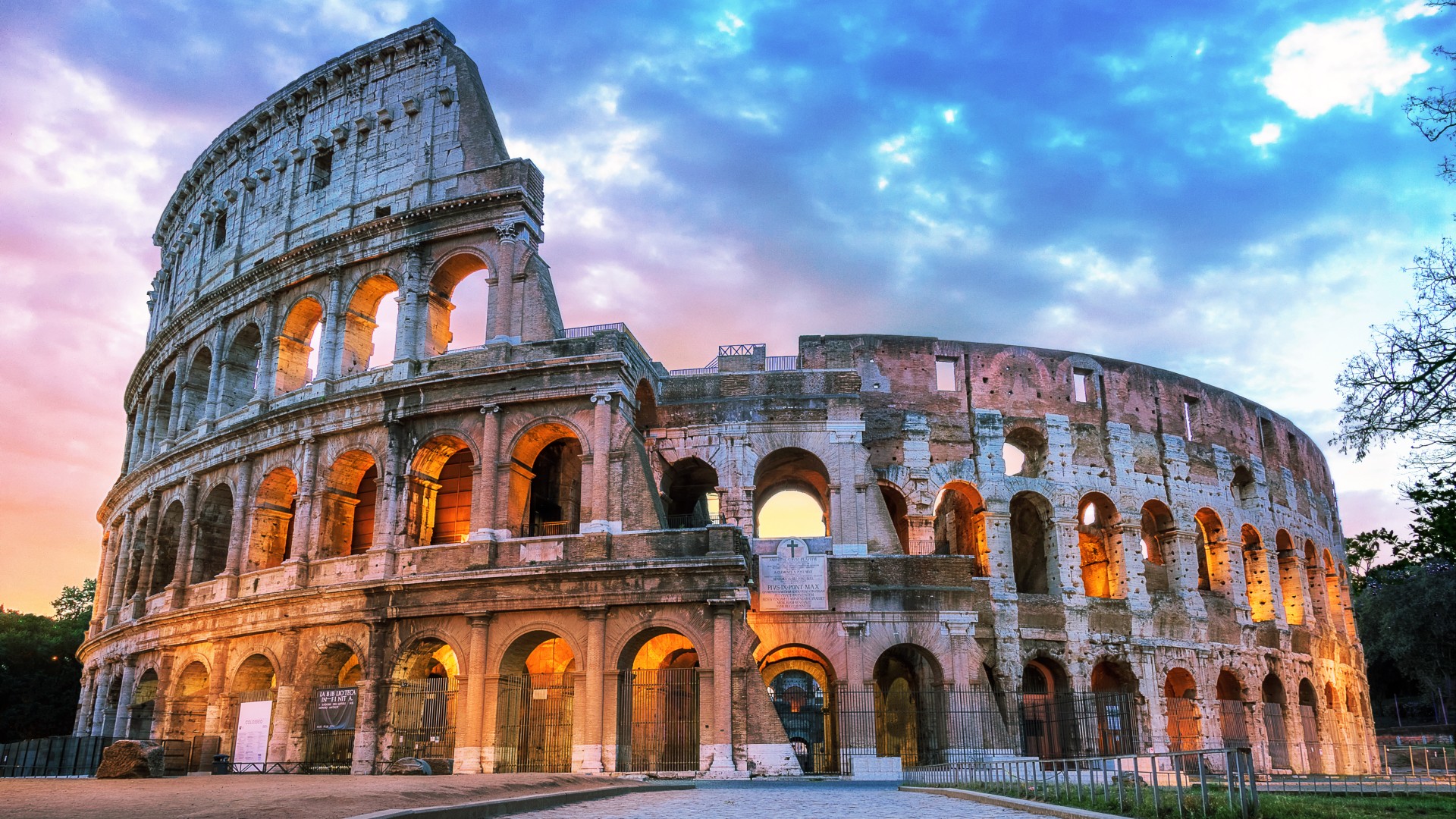
This mighty structure is one of the most renowned and iconic landmarks in the world and a trip to Rome would not be complete without visiting the Colosseum.
Also known as the Flavian Amphitheatre, the Colosseum was constructed between 70-80 AD and at its peak was estimated to hold 80,000 spectators.
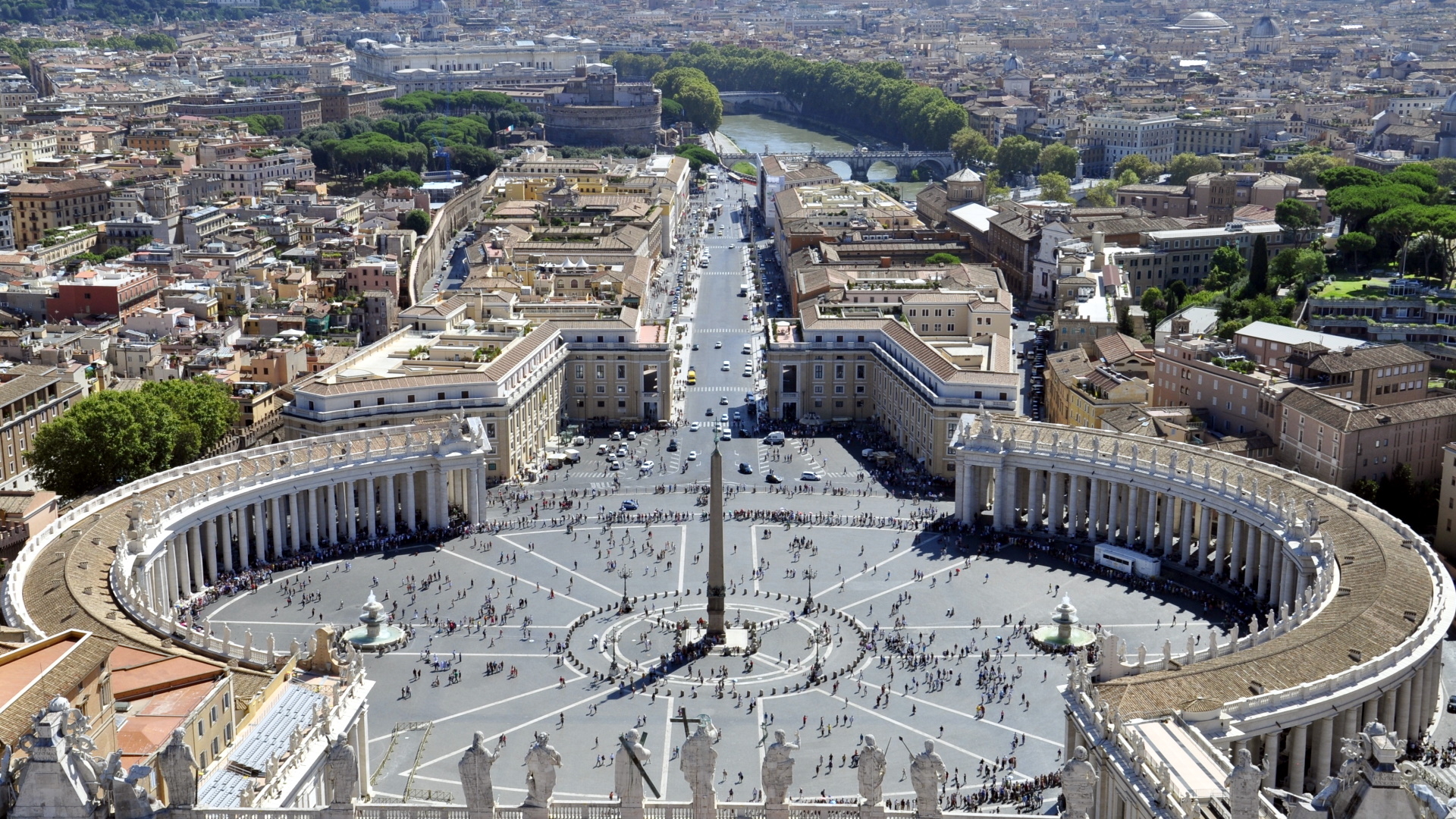
Rome holds a small country within a country – The Vatican.
This independent state is one of the most important religious sites in the world and St. Peter’s Square is an iconic place where many significant events have taken place.
Located at the front of the Vatican state, the square is actually circular and is framed by two huge sets of colonnades – Standing on these columns are beautiful statues of various religious figures and previous popes.
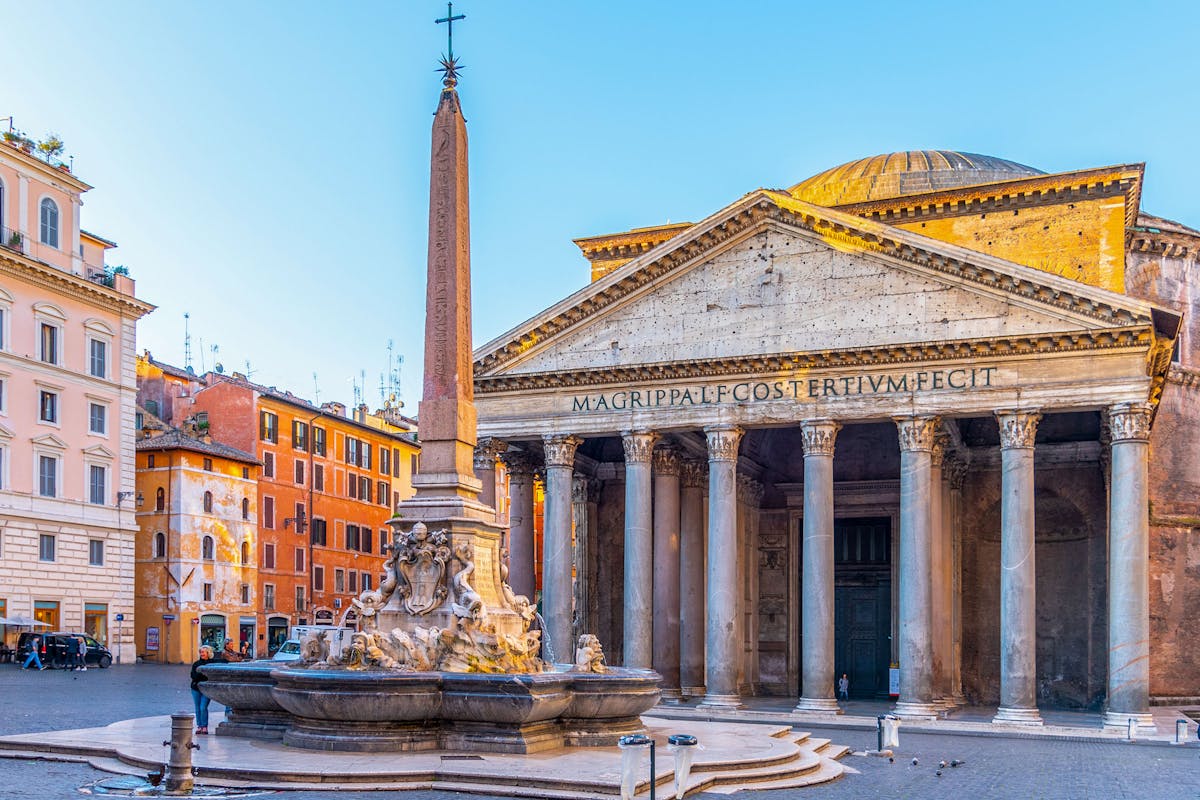
The mighty Pantheon stands as one of the best preserved ancient Roman buildings in the world and is one of Rome’s most famous attractions.
Constructed in 118 AD by emperor Hadrian, the building that stands today was actually built on the site where an earlier temple stood that was commissioned by Agrippa.
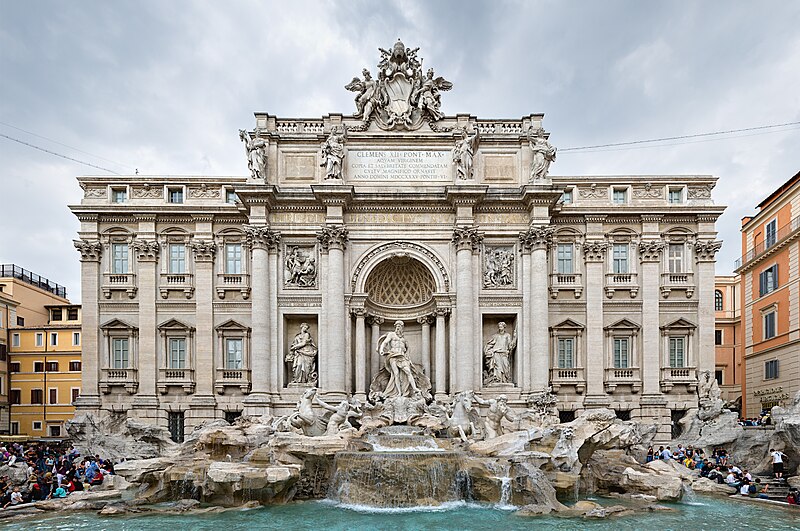
There are not many other fountains in the world as lavishly decorated and sculptured as the Trevi fountain.
Constructed in 1762 by Nicola Salvi, the fountain pays tribute to the Roman God Oceanus who can be seen riding his chariot pulled by Tritons and taming several Hippocamps.
The detail of the sculptures is simply wonderful and the whole facade and fountain are a true work of art.
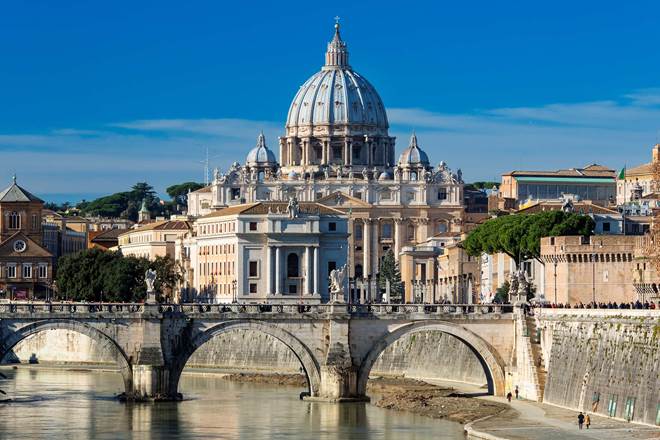
Part of the Vatican museum complex, the Sistine Chapel is one of the most renowned religious chapels in the world and has a stunning amount of detail and iconography.
Situated in the Apostolic Palace in the Vatican City, the Sistine Chapel was extensively restored in the 1400’s and the place where the papal enclave takes place – It is here that a new pope is selected.
The Sistine Chapel is particularly famous for its extensive and detailed decorations including the Last Judgement fresco by Michelangelo and the ceiling artwork.
Attending a conference dramatically enhances both your professional and personal development. They help you sharpen the saw, meet and converse with industry experts, expand your resources and grow your professional network. IEREK Conference will help you:
1. Open Discussions: We bring together leading academic scientists, from different universities and countries, to exchange and share their experiences and research results.
2. Internationally Accredited Certificate: The participants are granted internationally recognized certificates acknowledged by IEREK, the University, and Partnering Organizations.
3. Publication: Selected high-quality manuscripts will be published, after peer review, in the Advances in Science, Technology & Innovation (ASTI) book series by Springer or by IEREK Press Journals, both of which are indexed in world-renowned databases.
4. Research Technologies: Conferences can expand your resources by providing a great opportunity to promote gathered information on new technologies related to your research.
5. Networking: You can engage with industry experts to discuss with them the very latest research projects they could be working on and increase your chances of collaboration in future projects.
6. Academic Reputation: Attending many conferences will make you a known figure in academic circles and an active member of the academic community.

ORCID, which stands for Open Researcher and Contributor ID, is a global, not-for-profit organization that aims to provide unique identifiers for authors, researchers, and scholars. ORCiD effectively eliminates duplication and errors regarding author names, affiliations, previous works, and all related academic data.
IEREK is a proud member of ORCiD, and we contribute directly to their initiative of clear and identifiable markers for researchers and scholars. As the first Egyptian partner to ORCiD in the organization’s history, we strongly believe that by utilizing ORCiD’s database and verification services, we become one step closer to achieving an accurate, and identifiable academic landscape.
We encourage our authors to input their ORCiD ID when registering for one of our conferences, submitting an abstract, or a full paper. By doing so, you directly link your research to your identity and affiliation and can showcase your various academic efforts all in one place. By Registering your ORCiD ID, you also increase your works’ visibility and provide easy access to your entire library of research and academic activity.
Click here to learn more about ORCiD, and here to register your ORCiD ID for free.
|
Cancellation Policy |
Up to 60 days before the event |
Up to 50 days before the event |
Up to 40 days before the event |
39 days before the event |
|
Penalty |
20% |
50% |
70% |
100% |
EXCEPTION
A refund is not possible if
-An acceptance letter has been issued (Authors only)
-The proceedings of the event have been published (Authors only)
-All matters have been finalized (accommodation/travel expenses paid for)
-A visa invitation letter has been issued (All Participants)
Visa Rejection Cases
Reason and proof of rejection must be submitted. If the reason for rejection is due to an error on our part, the participant will be refunded their full fee with a deduction of a 20% administration fee.
Documents to be issued by IEREK to acquire a visa are as follows:
*Final Acceptance Letter (Authors only)
*Visa Invitation Letter
*Invoice/proof of payment
We encourage all authors and attendees to ensure their having acquired all documents (those applicable) mentioned.
If the reason for rejection is not related to any of the aforementioned and is an error on the participant’s part, the following will apply:
*Authors: may choose to let their co-author present his/her research on his/her behalf free of charge. If the author does not have a co-author, a member of the scientific committee shall present on the author’s behalf.
*Audience members/Registrants: will only be allowed to attend another similar event of their choosing that is organized by IEREK free of charge.












 Carmelina Bevilacqua
Associate Professor in City and Regional Planning at the Departmnet of Planning, Design, Architectural Technology Sapienza University of Rome, Italy.
Professor at the Urban Planning Department of Architecture, Polytechnic School University of Palermo, Italy.
Subscribe to our newsletter
Join IEREK community