facebook
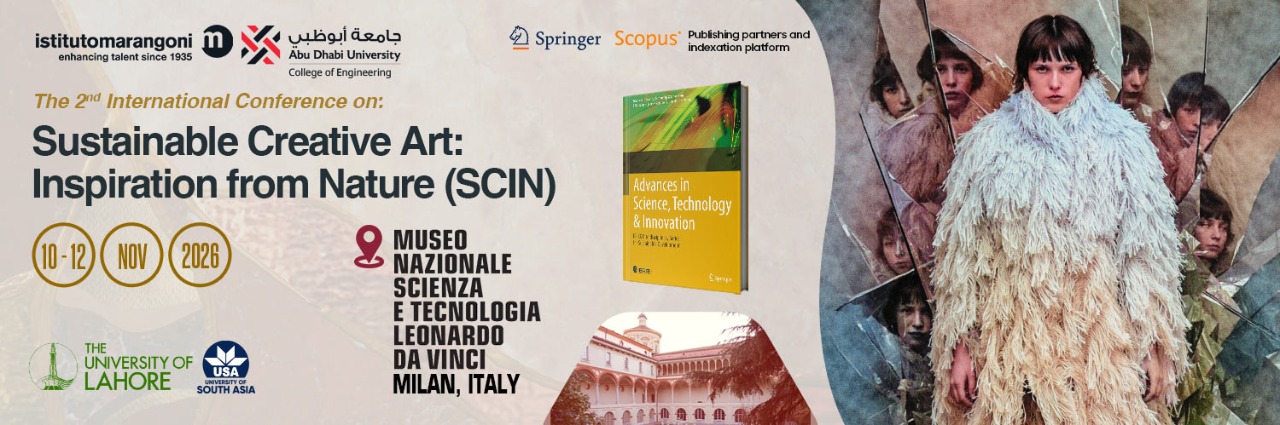
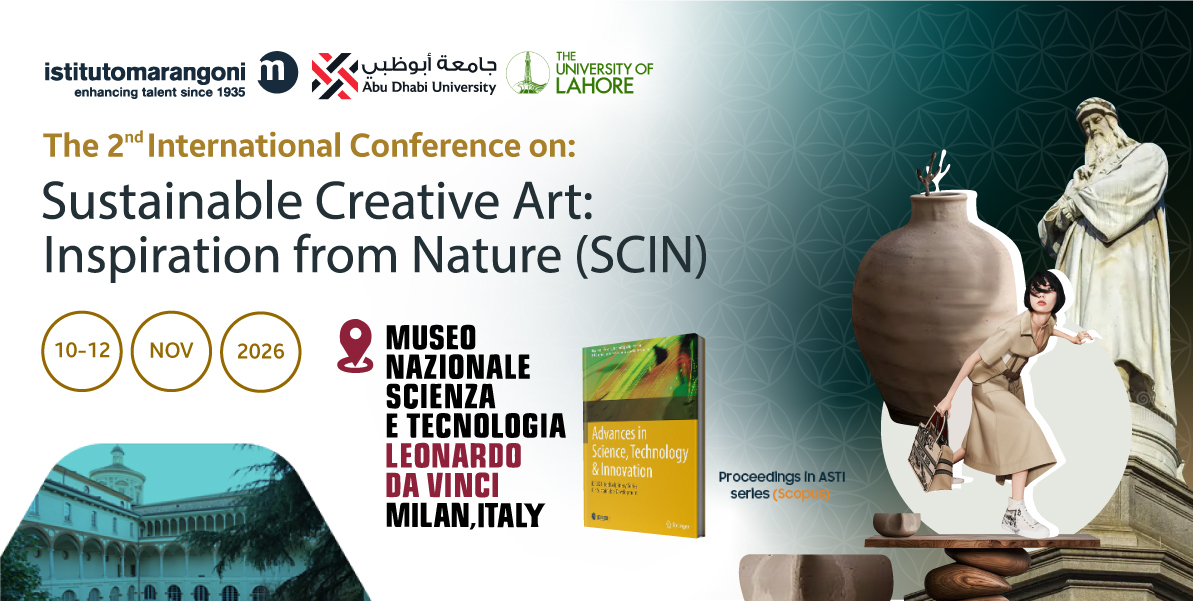
Sustainable Creative Art: Inspiration from Nature (SCIN) - 2nd edition

Call For Abstracts

  • 10, Nov / 12, Nov 2026
  • National Museum of Science and Technology Leonardo da Vinci, Milan, Italy
Conference Email
[email protected]
Introduction


Artists have always found endless inspiration in the natural world, drawing from its intricate patterns, breathtaking landscapes, and delicate ecosystems. There is a profound allure in nature's ability to stir our emotions, remind us of the interdependence of all living creatures, and, in doing so, urge us to protect our shared environment.

Today, we are witnessing a global awakening as the importance of sustainability takes a central role in our collective consciousness. The urgency to address climate change, protect biodiversity, and adopt more eco-friendly practices has never been more evident. Artists and designers, with their unique power to influence and shape societal values, have an unparalleled opportunity to create work that not only inspires and engages but also raises awareness and fosters a deeper connection with the natural world.

The intersection of art, design, and sustainability serves as a catalyst for showcasing the profound influence that nature has on the creative process. It is through this vital lens and a new focus on the preservation of cultural heritage that we seek to explore the boundless possibilities for sustainable art across various creative domains. By looking at the past through archives and cultural memory, we find the blueprints for a more regenerative and resilient future.

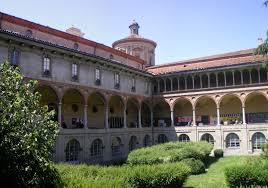
After the tremendous success of our first edition, which attracted a wealth of high-quality research and a vast number of applicants, IEREK is proud to announce the second edition of the Sustainable Creative Art: Inspiration from Nature (SCIN) conference. To maintain the high standards we established, IEREK, in collaboration with Istituto Marangoni Milano, has selected Milan, a city celebrated for its creativity and design, as our host. The National Museum of Science and Technology Leonardo da Vinci will host the grand opening on November 10, 2026.

IEREK is excited to invite designers, architects, artists, scholars, and industry professionals to bridge the gap between tradition and innovation. We will explore the innovative strategies employed by creative sectors as they embrace sustainability, integrate nature-inspired elements, and utilize archival intelligence to transform fashion and design systems. Delegates will explore how architecture can find sustainable solutions to environmental problems, creating structures that blend seamlessly with their surroundings while minimizing their ecological footprints. The transformative power of interior design will also be highlighted, showcasing how spaces can be enriched with natural elements that promote well-being.

The conference will emphasize the crucial balance of sustainability and aesthetics across all disciplines of design, including graphics, urban planning, materials, and even fields like artificial intelligence and digital curation. These areas profoundly impact our daily lives. Participants will see how the industry is at the forefront of adopting sustainable practices, from initial design ideas to responsibly sourced materials and final models. Additionally, photography, painting, and other visual arts will capture and immortalize the essence of nature’s beauty, while decorative murals invigorate urban environments, bringing with them the vibrant colors and motifs inspired by the natural world.

The SCIN conference, which will take place from November 10 to 12, 2026, promises to be an enriching and enlightening experience, uniting academics, innovators, and industry professionals to explore the vast possibilities of sustainable art. We invite you to join us in Milan as we celebrate nature’s beauty and its significant influence on the creative process. By fostering diverse voices and perspectives, the conference will establish a global network of artists and scholars dedicated to exploring the potential of sustainable art. Together, we can confront the challenges and seize the opportunities presented at the intersection of art, sustainability.

Conference Topics
  • 1. Memory: Heritage as Cultural Memory & Driver to Trasformation.

    1.1. Archives as Creative Laboratories.
    1.2. Preservation, Conservation & Material Intelligence.
    1.3. Tangible and Intangible Fashion & Design Heritage.
    1.4. Decolonizing and Diversifying Histories.
    1.5. Archives as Narrative Systems: Storytelling & Identity.

  • 2. Memory: Digital Archives & Intelligent Technologies.

    2.1. Digitization, Metadata & AI-Driven processes.
    2.2. Blockchain, Authentication & Digital Provenance.
    2.3. Virtual & Augmented Reality in Archival Experience.
    2.4. Generative AI & Algorithmic Creativity in Fashion & Design.
    2.5. 3D Scanning, Digital Twins & Immersive Design as strategy of preservation.

  • 3. Memory: Adaptive Tomorrow: Design in the Age of Permanent Transition.

    3.1. The Cambrian Explosion of Futures: Design After Stability.
    3.2. The Ecology of Friction: Design in an Age of Seamlessness.
    3.3. Past Forward: Archive Practice as Design Infrastructure.
    3.4. Unlocking Intelligences: Human, Artificial, Material.
    3.5. Rapid Genotyping as Epistemic Practice.

  • 4. Making: Circular Fashion & Archivial Intelligence.

    4.1. Learning from the Past: Historical Practices for Sustainable Futures.
    4.2. Circular Economy Models in Fashion Systems.
    4.3. Zero-Waste & Regenerative Design.
    4.4. Upcycling, Re-Edition & Archival Reinterpretation.
    4.5. Slow Fashion as Archival Practice.

  • 5. Making: Textile Innovation & Material Futures.

    5.1. Bio-Based & Regenerative Textiles.
    5.2. Smart Fabrics & Wearable Technology.
    5.3. Design Practices & Material Experimentation.
    5.4. Biomimicry & Nature-Inspired Design Systems.
    5.5. Longevity, Repairability & Timeless Design.

  • 6. Making: Curating Archives: Exhibitions, Museums & Spatiality.

    6.1. Innovative Exhibition Design for Archives.
    6.2. Digital Curation & Online Collections.
    6.3. Interactive Installations & Mixed Media.
    6.4. Public Engagement & Participatory Archives.
    6.5. Archiving Fashion Performances & Shows.

  • 7. Media: Communication, Media & New Narratives.

    7.1. Archival Practices in Fashion & Design Branding.
    7.2. Fashion Film & Cinematic Memory.
    7.3. Sustainable Image Production & Photography.
    7.4. Immersive Fashion Shows & Hybrid Runways.
    7.5. Social Media as Living Archive.

  • 8. Media: Ethics, Authorship & Sustainability in the AI era.

    8.1. Intellectual Property, Ethics in AI-Generated Content.
    8.2. Ethical Fashion Systems & Transparent Supply Chains.
    8.3. Sustainability Reporting & Digital Traceability.
    8.4. Cultural Appropriation vs. Cultural Preservation.
    8.5. Responsible Innovation in Fashion Technologies.

  • 9. Media: Education, Research & Future Systems.

    9.1. Archive-Based Design Education.
    9.2. Interdisciplinary Collaboration: Fashion, Technology & Humanities.
    9.3. Data-Driven Creativity & Research Methodologies.
    9.4. New Business Models for Sustainable Fashion.
    9.5. Intelligent Archives as Strategic Tools for Innovation.

  • 10. Creativity: Sustainable Art Solutions and Creative Technology.

    10.1 Art, Identity, and the Preservation of Cinematic and Folkloric Memory.
    10.2. Creative Media as a Catalyst for Socio-Environmental Discourse.
    10.3. Interdisciplinary Artistic Practices for Global Sustainability.
    10.4. Conceptual Frameworks and Environmental Ethics in Creative Practice.
    10.5. Synergies in Digital Innovation and Emergent Creative Technologies.

  • 11. Creativity: Sustainable Architecture and Interior Design.

    11.1. Theoretical Frameworks for Ecological and High-Efficiency Architectural Design.
    11.2. Biophilic Design Paradigms and the Human-Nature Interface.
    11.3. Contextual Narratives and the Evolution of Spatial Identity.
    11.4. Adaptive Environments and Interactive Spatial Configurations.
    11.5. The Role of Landscape Architecture in Sustainable Resilience.
    11.6. Sustainable Materiality and Human Well-being in Interior Environments.
    11.7. Circularity in Interior Design: Efficiency and Adaptive Reuse.

  • 12. Creativity: Urban Creative Cultures and Artistic Interventions.

    12.1. Artistic Activism and Environmental Advocacy in Public Spaces.
    12.2. Natural Systems and Biodiversity Visualization through Urban Artistry.
    12.3. Circular Economy Principles and Material Reuse in Urban Art.
    12.4. Integration of Environmental Heritage Within Urban Cultural Narratives.
    12.5. Spatial Dynamics in Visual Communication and Artistic Interventions.

  • 13. Creativity: Sustainable Product Design and Human Essentials.

    13.1. Innovative and Sustainable Design Methodologies for Product Systems and Living Environments.
    13.2. Lifecycle Extension and Transformative Design for Interior Elements.
    13.3. Sustainable Material Science in Textiles and Interior Surfacing.
    13.4. Strategic Communication and Visual Literacy for Ecological Awareness.
    13.5. Sustainability Integration into Consumer Product Development.

  • 14. Creativity: Marketing and Management in Creative Industries.

    14.1. Sustainable Marketing and Brand Management in Arts and Fashion.
    14.2. Digital Transformation and Social Media Innovation in Creative Markets.
    14.3. Economic Dynamics of the Global Art and Sustainable Fashion Industries.
    14.4. Entrepreneurship and Innovative Business Models in Creative Sectors.
    14.5. Consumer Behavior and Ethical Consumption in Art and Design.

Registration & Fees

General Instructions

  1. Payment Note: 

    Payments through the website are currently unavailable due to ongoing website enhancements. IEREK offers alternative payment methods, including bank transfer and secure third-party online payment links.

  2. Expenses:

    The registration fee does not cover accommodation or travel expenses. A list of accommodation options can be suggested by our team if available. Please contact [email protected] for inquiries.

  3. Benefits:

    We recommend that all authors take advantage of the benefits that IEREK offers, including various attendance types, publishing opportunities, and opportunities for discounts and waivers.

  4. Membership:

    We are pleased to inform all applicants that they can use their previous publications to register for an IEREK membership, which offers a special discount.

  5. Collaborative Discounts:

    IEREK offers a special discount to applicants from collaborative universities that have signed an MoU with IEREK to host or co-host one of its conferences.

  6. Income-Based Discounts

    IEREK also provides special discounts to authors from low and medium-income countries.

  7. Publication Accessibility:

    The disclosed fees are for the conference participation (Publication is free of charge, but only the conference participants can be considered for publishing in the conference proceedings).

  8. Book Series/ Journal(s) Discounts:

    Some of the disclosed conference fees may vary depending on the book series and/or journal(s) presented as a publication outlet, as we encourage submission to newly founded book series and/or journal(s) by presenting a discounted rate for the conference's fees.

Types of Applications, Attendance, and Registration

IEREK offers many types of registrations that are diverse in registration fees; applicants can choose the type they are familiar with as follows:

  1. Academic:

    Participants who are PhD holders, post-doctoral researchers, and universities’ affiliated professors and experts in the field.

  2. Students:

    Must provide proof of enrollment in a university by providing an enrollment certificate and/or a valid university ID (with issue/expiry date) etc.

  3. Professionals:

    Participants who are not affiliated with universities such as practitioners, policymakers, entrepreneurs, etc.

  4. Companions/Co-authors:

    Have access to the event to enjoy the discussions, coffee breaks, and lunch as a co-author or audience.

IEREK Community

IEREK Community members receive 25% off the Regular payment stage.

If you are a returning author, published researcher, institutional partner, or active contributor to IEREK activities, you may be eligible for exclusive Community benefits. Visit the IEREK Community Section to learn more and check your eligibility.

Physical Attendance

Type of Registration Early Payment Deadline
01 July 2026
Regular Payment Deadline
01 September 2026
Late Payment Deadline
01 October 2026
Scopus indexed-ASTI Book by Springer
Student / Early Career Researcher 300 € 350 € 400 €
Academic 350 € 400 € 450 €
Professional / Industry 400 € 450 € 500 €
Co-author/ Audience 150 € 200 € 250 €
Open Access IEREK Press Journals
Student / Early Career Researcher 200 € 250 € 300 €
Academic 250 € 300 € 350 €
Professional / Industry 300 € 350 € 400 €
Co-author/ Audience 150 € 200 € 250 €

IEREK offers various types of participation. Applicants can apply for in-person attendance to benefit fully from conference discussions and knowledge exchange.

IEREK also offers virtual attendance for authors to present their research papers online; however, we strongly encourage all applicants to attend the conference in person.

The physical fee covers:

  • The Conference Kit, which includes a softcopy of the abstract book, Conference notebook, IEREK pen, and Conference Flyers/Printouts.
  • IEREK Participation/Contribution Certificate
  • Consideration for publication in the IEREK-Springer interdisciplinary series (ASTI series by Springer) or IEREK Press, or any special issues available according to the type of registration in the table above.
  • A Preliminary Acceptance Letter
  • Lunches and Coffee Breaks

* Each research paper should have one main author who should pay the full fee (Author fees) regardless of attendance. Co-authors, each, have their fees to pay to attend the event. This applies to online attendance as well as physical attendance.

* A research paper fee allows only one author, whether main or co-author, to attend the conference and receive only one conference kit. Extras can be requested for an additional fee.

Online Attendance

Type of Registration Early Payment Deadline
01 July 2026
Regular Payment Deadline
01 September 2026
Late Payment Deadline
01 October 2026
Scopus indexed-ASTI Book by Springer
Student / Early Career Researcher 250 € 300 € 350 €
Academic 300 € 350 € 400 €
Professional / Industry 350 € 400 € 450 €
Co-author/ Audience 100 € 150 € 200 €
Open Access IEREK Press Journals
Student / Early Career Researcher 150 € 200 € 250 €
Academic 200 € 250 € 300 €
Professional / Industry 250 € 300 € 350 €
Co-author/ Audience 100 € 150 € 200 €

IEREK offers virtual attendance, providing authors with a unique link to join the conference sessions and present their papers as per the announced program.

The online fee covers:

  • IEREK Participation/Contribution soft copy Certificate.
  • Preliminary Acceptance Letter.
  • Consideration for publication in the IEREK-Springer interdisciplinary series (ASTI series by Springer) or IEREK Press, or any special issues available according to the type of registration in the table above.
  • Access to conference recordings.

* Each research paper should have one main author who should pay the full fee (Author fees) regardless of attendance.

* Co-authors, each, have their fees to pay to attend the event. This applies to online attendance as well as physical attendance.

Discounts and Waiving Opportunities

    1. 15%: Participants who come from co-partner universities who have already signed an MOU with IEREK can receive a 15% discount. Authors should mention the key person who signed the agreement with IEREK. You are welcome to inquire if your university has an agreement with IEREK or not yet.
    2. 15%: Participants affiliated with universities in the hosting country on the regular registration fee.
    3. 20%: Waiving with 20% from the announced fees for low-income countries according to the World Bank classification mentioned in the document below. (applicable to the regular payment stage)
    4. 25%: If multiple abstracts are submitted by the same first author to the conference, a 25% discount is applied to each additional submission according to the deadline for payments.

* If an author is eligible for more than one discount, IEREK will apply only the highest discount. Discounts cannot be combined.

* Authors should contact the conference manager through this email [email protected] to consider the discount and waiving for all the above cases so that the conference manager can provide an exclusive invoice for each case.

Proof of capability to get the discount:

  • A copy of a student enrollment card for 2026 is essential.
  • Proof of affiliation to the partnering university is to be provided.
  • Proof of previous publication through IEREK conferences. 
  • A copy of passport for authors from low-income countries. Added below is the list of low and middle-income countries according to the World Bank classification.

Countries List

Afghanistan, Algeria, Angola, Bangladesh, Benin, Bhutan, Bolivia, Burkina Faso, Burundi, Cabo Verde, Cambodia, Cameroon, Central African Republic, Chad, Comoros, Congo, Congo Dem. Rep., Côte d'Ivoire, Djibouti, Egypt, Eritrea, Eswatini, Ethiopia, Gambia, Ghana, Guinea, Guinea-Bissau, Haiti, Honduras, India, Iran, Jordan, Kenya, Kiribati, Kyrgyz Republic, Lao PDR, Lebanon, Lesotho, Liberia, Madagascar, Malawi, Mali, Mauritania, Micronesia, Mongolia, Morocco, Mozambique, Myanmar, Nepal, Nicaragua, Niger, Nigeria, Pakistan, Papua New Guinea, Philippines, Rwanda, Samoa, São Tomé and Principe, Senegal, Sierra Leone, Solomon Islands, Somalia, South Sudan, Sri Lanka, Sudan, Syria, Tajikistan, Tanzania, Timor-Leste, Togo, Tunisia, Uganda, Ukraine, Uzbekistan, Vanuatu, Vietnam, Yemen, Zambia, Zimbabwe

Publication Period

IEREK puts a lot of effort into expediting the peer review process to publish articles as quickly as possible. This requires prompt responses from all authors to the editors' comments, if any. Your swift response is highly appreciated to advance the production process and get your articles online. We prioritize the first author to respond as per our formula. The conference proceedings will be divided into multiple books, with the first one scheduled for publication within 6 months after the conference date. We encourage all authors to aim for publication in the first release.

Possibilities for Extra Fees

  1. Authors may request that their kits be delivered, for an additional fee decided by the courier, and upon request. Alternatively, authors located in Egypt can pick them up from IEREK headquarters in Alexandria.
  2. Additional Conference Kit (Excluding Delivery). *Contact us for a quotation on shipping fees.
  3. Gala Dinner, social programs, and other activities.

💳 Payment & Administration

Registration and financial transactions for this conference are managed through our strategic partners, working in close academic partnership with IEREK to ensure seamless delivery of conference services and publication standards.

iDirect

iDirect

Publishing Direct Conferences CO. LLC

COEUS

COEUS

Strategic Financial Partner

Both entities work in close academic partnership with IEREK to ensure the highest standards of financial transparency, conference administration, and publication quality.

Important Dates


Title Date
Abstract Submission Deadline 30 April 2026
Last Notification for Abstract Acceptance & Approval to present 30 May 2026
Letter of Visa Deadline (for delegates who need visa entry) Payment required   15 Aug 2026
Early Payment Deadline 01 Jul  2026
Regular Payment Deadline 01 Sep 2026
Late Payment Deadline 01 Oct 2026
Full Paper Submission Deadline 18 Aug 2026
Notification of acceptance/rejection of full paper 02 Sep 2026
Conference Program 10 Oct  2026
Conference Launch 10 Nov 2026


Flyer & Poster

To Download the Conference Flyer & Poster Click Here

Conference Venue

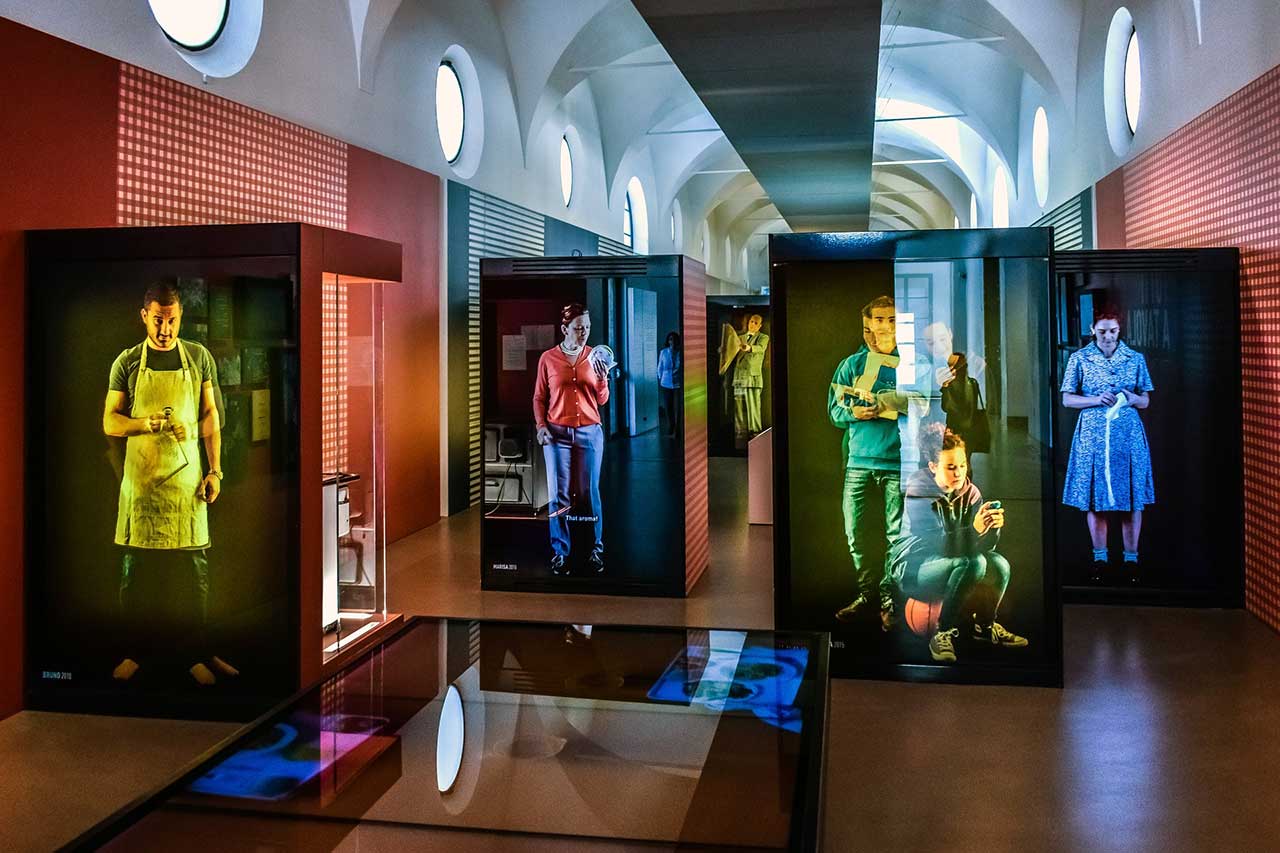
𝐓𝐡𝐞 𝐎𝐩𝐞𝐧𝐢𝐧𝐠 𝐂𝐞𝐫𝐞𝐦𝐨𝐧𝐲: 𝐍𝐚𝐭𝐢𝐨𝐧𝐚𝐥 𝐌𝐮𝐬𝐞𝐮𝐦 𝐨𝐟 𝐒𝐜𝐢𝐞𝐧𝐜𝐞 𝐚𝐧𝐝 𝐓𝐞𝐜𝐡𝐧𝐨𝐥𝐨𝐠𝐲 𝐋𝐞𝐨𝐧𝐚𝐫𝐝𝐨 𝐝𝐚 𝐕𝐢𝐧𝐜𝐢, 𝐌𝐢𝐥𝐚𝐧, 𝐈𝐭𝐚𝐥𝐲

𝐍𝐚𝐭𝐢𝐨𝐧𝐚𝐥 𝐌𝐮𝐬𝐞𝐮𝐦 𝐨𝐟 𝐒𝐜𝐢𝐞𝐧𝐜𝐞 𝐚𝐧𝐝 𝐓𝐞𝐜𝐡𝐧𝐨𝐥𝐨𝐠𝐲 𝐋𝐞𝐨𝐧𝐚𝐫𝐝𝐨 𝐝𝐚 𝐕𝐢𝐧𝐜𝐢, 𝐌𝐢𝐥𝐚𝐧, 𝐈𝐭𝐚𝐥𝐲’s largest science and technology museum—an inspiring blend of history, innovation, education, and engineering. Here’s an in‑depth guide:

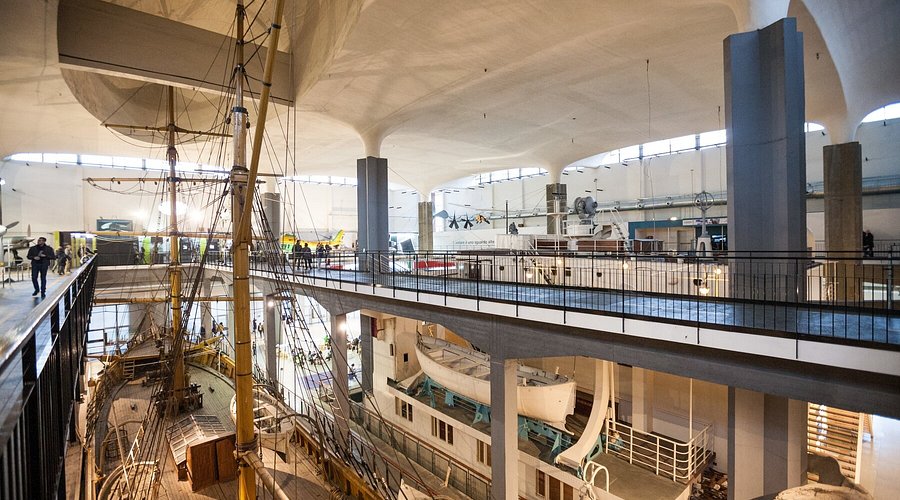
𝐍𝐚𝐭𝐢𝐨𝐧𝐚𝐥 𝐌𝐮𝐬𝐞𝐮𝐦 𝐨𝐟 𝐒𝐜𝐢𝐞𝐧𝐜𝐞 𝐚𝐧𝐝 𝐓𝐞𝐜𝐡𝐧𝐨𝐥𝐨𝐠𝐲 𝐋𝐞𝐨𝐧𝐚𝐫𝐝𝐨 𝐝𝐚 𝐕𝐢𝐧𝐜𝐢, is one of the most important and largest science and technology museums in Europe. Located in the heart of Milan, Italy, the museum is housed in a 16th-century Olivetan monastery, offering visitors a rich combination of history, innovation, and creativity.

Founded in 1953, the museum is named after 𝐋𝐞𝐨𝐧𝐚𝐫𝐝𝐨 𝐝𝐚 𝐕𝐢𝐧𝐜𝐢, Italy’s most celebrated Renaissance polymath, known for his genius across multiple fields including art, science, engineering, and invention. The museum pays tribute to his legacy by showcasing an extensive collection of models based on Leonardo’s original drawings, reconstructed with great accuracy and craftsmanship.


Spanning over 50,000 square meters, the museum is divided into several thematic sections covering a wide range of topics: energy, materials, transport, space, communications, and life sciences. One of the museum’s highlights is the Leonardo Gallery, where visitors can explore models of machines and inventions envisioned by Leonardo – from flying devices and war machines to hydraulic tools and architectural structures.

In addition to historical displays, the museum offers interactive exhibits and laboratories designed to engage children, students, and families in hands-on scientific discovery. It features real-life technological artifacts including historic trains, ships, submarines, and even a section dedicated to space exploration.

Whether you're a science enthusiast, an art lover, or simply curious about the connections between the past and the future, the 𝐚𝐭𝐢𝐨𝐧𝐚𝐥 𝐌𝐮𝐬𝐞𝐮𝐦 𝐨𝐟 𝐒𝐜𝐢𝐞𝐧𝐜𝐞 𝐚𝐧𝐝 𝐓𝐞𝐜𝐡𝐧𝐨𝐥𝐨𝐠𝐲 in Milan offers an inspiring journey through human ingenuity.

Partners

Istituto Marangoni

Istituto Marangoni, with over 85 years of history, has been a global leader in nurturing talent in fashion, art, and design. Known for its "Italianness" that embodies luxury, craftsmanship, and elegance, the institute operates in prestigious locations like Milano, London, Paris, and Shanghai, offering a unique international study experience to over 4,000 students from 107 countries. Its modern and industry-focused curricula, supported by expert tutors and partnerships with top companies, empower students to excel in design, communication, and management. Dedicated to fostering creativity and innovation, the institute continually adapts its programs to meet evolving global demands, making it a hub for cultural exchange and professional development in fashion, art, and desig.


Abu Dhabi University

Abu Dhabi University (ADU), the largest private university in the UAE, is a leading academic institution ranked among the top 3 in the country and within the top 200 universities globally by the Times Higher Education World University Rankings 2025. Established in 2003, ADU offers over 50 internationally accredited undergraduate and postgraduate programs through five colleges across campuses in Abu Dhabi, Al Ain, Dubai, and Dubai Knowledge Park. Known for its faculty and student diversity, with over 8,000 students from nearly 100 nationalities, ADU excels in teaching, impactful research, and alignment with the UAE’s national agenda. Its programs span arts, law, education, business, engineering, and science, including training for UAE Armed Forces personnel, fostering academic excellence and global readiness.


University of South Asia (USA)

The University of South Asia (USA), located in Lahore, Pakistan, is a leading private institution recognized by the Higher Education Commission of Pakistan. Established with a focus on transforming manpower into mindpower, USA offers a wide range of programs in fields such as Computer Science, Engineering, Business, Health Sciences, Architecture, and Design. The university emphasizes industry-relevant education, innovation, and global collaboration, preparing students to meet the challenges of the modern world.
 
Authors' Instructions

IEREK has an unyielding policy regarding plagiarism. We believe that copying/taking the ideas and work of other Authors without permission and credit is fraudulent. The Reviewing committee and IEREK employees have the authority to reject a paper during its reviewing process, based on the paper being subjected to either minor or major plagiarism.

Authors must refer to, and abide by, the following instructions in submitting their abstracts/ papers:

Step 1: Abstract Submission Process

  • The author should prepare and submit an Abstract of at least 150 – 300 words through the website.
  • The abstract should be concise and clearly state the proposed research study's purpose, results, and conclusions.
  • The author should select the most relevant topic for the paper from the corresponding conference topics.
  • The author can use/download an Abstract Writing Template prior to submission
  • To submit your abstract, you first need to (1) click on the “Register” button on the conference page, (2) click on “Submit Now” and:
    • Select the Topic in which you are making the submission
    • Insert the title of your study in the "Paper Title" section
    • Insert the full abstract in the "Abstract" section/upload a file in the .pdf, .doc, .docm, or .docx format
    • Add in writing 3 – 5 keywords that define the field, subfield, topic, and research area covered by the article to help other researchers understand and find your work.
    • Provide the names, affiliations, and E-mails of all authors/ co-authors involved
    • Confirm your submission by ticking having read the instructions and “submit Abstract”

Step 2.1: Abstract Acceptance

  • After acceptance of your abstract of at least (150 – 300 words), you will receive a proforma invoice and specific instructions to complete the payment online or by bank transfer (See Conference Fees) to confirm your participation,
  • Once your abstract has been accepted, please refer to the important dates tab and carefully review the announced dates to avoid late payment, as late payment comes at an extra charge (early bird/regular/late).
  • After successfully completing payment, you will be issued upon request with the following:
    • A signed/ stamped abstract acceptance letter
    • Please note that acceptance of participation, abstract submission, and paper submissions all have different deadlines. To stay up to date and avoid paying extra fees, or delaying your paper, please carefully review the important dates tab.
    • Receipt of Payment/ Payment Invoice
    • Visa Invitation Letter, if needed
  • After abstract acceptance, you may be given the option to extend the abstract to publish your work in the conference proceedings in ASTI published by Springer Nature (indexed in Scopus/SCImago) (optional not obligatory).

    This is not a prerequisite for presenting your work at the conference. Meaning, you can present your submitted abstract without intending to publish your work.

Step 2.2: Full Paper Submission

  • Your submitted paper should be 6+ pages long and submitted before the paper submission deadline, in English, and fit within one of the conference topics.
  • Papers should be a minimum of 6 pages and contain 4,000 words, excluding references.
    Authors should support their research and clarify their ideas using various explanatory methods, such as figures, equations, and diagrams.
  • The paper should follow the research paper structure as follows: Abstract (+keywords), Introduction, problem statement, and study aim, Review of the Literature, Methodology, results and conclusion/ discussion, References list using the Paper Writing Template.
  • The submission should be made following the same procedure followed for the abstract or sent to the conference email.
  • Here: Authors may need more pages than the allotted maximum of 6 to insert figures, tables, appendixes, etc. In this case, they can submit regular papers (max. 12 pages) with the same fixed fee. For a detailed outline of the fees, please refer to the payment table in the conference fees tab.
  • The conference does welcome Arabic submissions (with abstracts written in the english language), which will only be considered for publication in BAHETH by IEREK Press.

يمكنك تقديم بحثك باللغة العربية (مع كتابة الملخص باللغة الأنجليزية)، وسيتم نشرها بعد المراجعة في مجلة باحث (مجلة علمية محكمة تنشر أبحاثا أكاديمية في مجالات الهندسة والتكنولوجيا)

Step 3: Rigorous Peer Review Process (double-blind)

This process can only be initiated after payment completion and confirmation:

  • If submitted, the paper will be preliminarily checked (iThenticate plagiarism/ similarity screening Software, readability, and scope) and it will be peer-reviewed. If similarity issues are detected, the following will apply:
    • % from all sources: 10-15%
    • % from one source: 3-5%
    • Higher than 30% (all sources): Reject completely
    • Lower than 30% (all sources): Ask for revision to decrease the similarities
  • IEREK has an unyielding policy regarding plagiarism. We believe that copying/ taking the ideas and work of other Authors without permission and credit is fraudulent. The Reviewing committee and IEREK employees have the authority to reject a paper during its reviewing process, on the basis of the paper being subjected to either minor or major plagiarism.
  • Each paper/ chapter is evaluated by a minimum of two reviewers, after which a final decision by the responsible Editor is made. There is no maximum to the number of times a paper can be reviewed, depending on the quality of the submission.
  • If your paper is accepted by the Editors for publishing with comments/ requested modifications, our Editors (publishing department) will contact you once a decision is made and you will be asked to revise and correct it. After resubmission, it will be re-checked. Note: There may be more than one round of peer review and the decision rests with the editors of the title. Missed deadlines may result in complete exclusion/ rejection from the final publication.
  • If your  paper is accepted for publishing without edits/ comments, the corresponding author will be contacted to provide the final version of their chapters/ papers following Springer Guidelines and sign the Springer consent-to-publish (CTP) form to authorize publication in the conference proceedings.
  • A back-and-forth process: modifications will be sent back to the responsible Editor/ Series Editor and another round of evaluation conducted where needed. Participants/ Authors should regularly check their emails (Junk/ Spam folders).
  • If you are not interested in publishing an extended abstract in the proceedings in ASTI by Springer Nature, please inform the conference support  [email protected] 
Participant's Instructions

Registration

To help the organizers plan for inter-disciplinary dialogue, participants are requested to choose from the conference themes/topics upon registration.

They must also refer to, and abide by, the following instructions in registering and/ or submitting their contributions:

NOTE: If you are contributing as an Author of a submitted abstract (for publishing consideration and/or presentation), and regardless of attendance, the fee for the registration is the same. See and Registrattion & Fees for more information.

Types of Participation

1. Attend/ Present in-person or Online and Publish in indexed Conference proceedings

The conference offers a Physical attendance option for your convenience. That said, participants will have a chance to present their abstract/research, on campus, and have their work considered for publication in the ASTI Series by Springer as part of the conference proceedings.

See Author Instructions and Registration & Fees for more information.

2. Registration to publish in the proceedings without presenting/ attending

If your full paper is accepted, it may be published in the conference proceedings book in the Advances in Science, Technology & Innovation Book Series by Springer (indexed in Scopus) even if you are not attending the conference. In this case, the accepted work will not be included in the final conference program. See Author Instructions and Publishing Opportunities for more information.

3. Non-presenting participant

Non-presenting participants may also wish to attend the conference as Audience Members or Co-authors contributing to an already submitted abstract/ paper. See Registration & Fees for more information.

Notes to consider:
Attendance online and in-person are possible upon confirmation with the conference secretariat/ coordinator at [email protected] and following Registration & Fees covered.

* The participation fee is uninform for all options presented above.

* For participants wishing to attend in-person, a visa invitation letter will be provided upon request, for which case a copy of your passport will be required. The invitation letter can only be provided after acceptance and full payment.

* Before planning your trip, be sure to check travel restrictions to the conference’s hosting country. Visit travel information and restrictions, and send in your questions if you have any to the conference coordinator at the email [email protected]

Your Trip To Milan, Italy

Milan is one of the world’s most influential and dynamic cities, with a rich history that dates back over 2,000 years. From its early beginnings, it has been a key center for commerce, culture, and innovation in Europe. The city has witnessed the rise and fall of powerful empires, playing an important role during the Roman era and later becoming a major hub during the Renaissance.

Over time, Milan evolved into a global capital of fashion, design, and finance, blending its historic heritage with modern creativity. Today, it stands as a vibrant city that continues to shape trends and inspire innovation across the world.

The following are some suggestions of places to visit while you are in Milan, Italy.

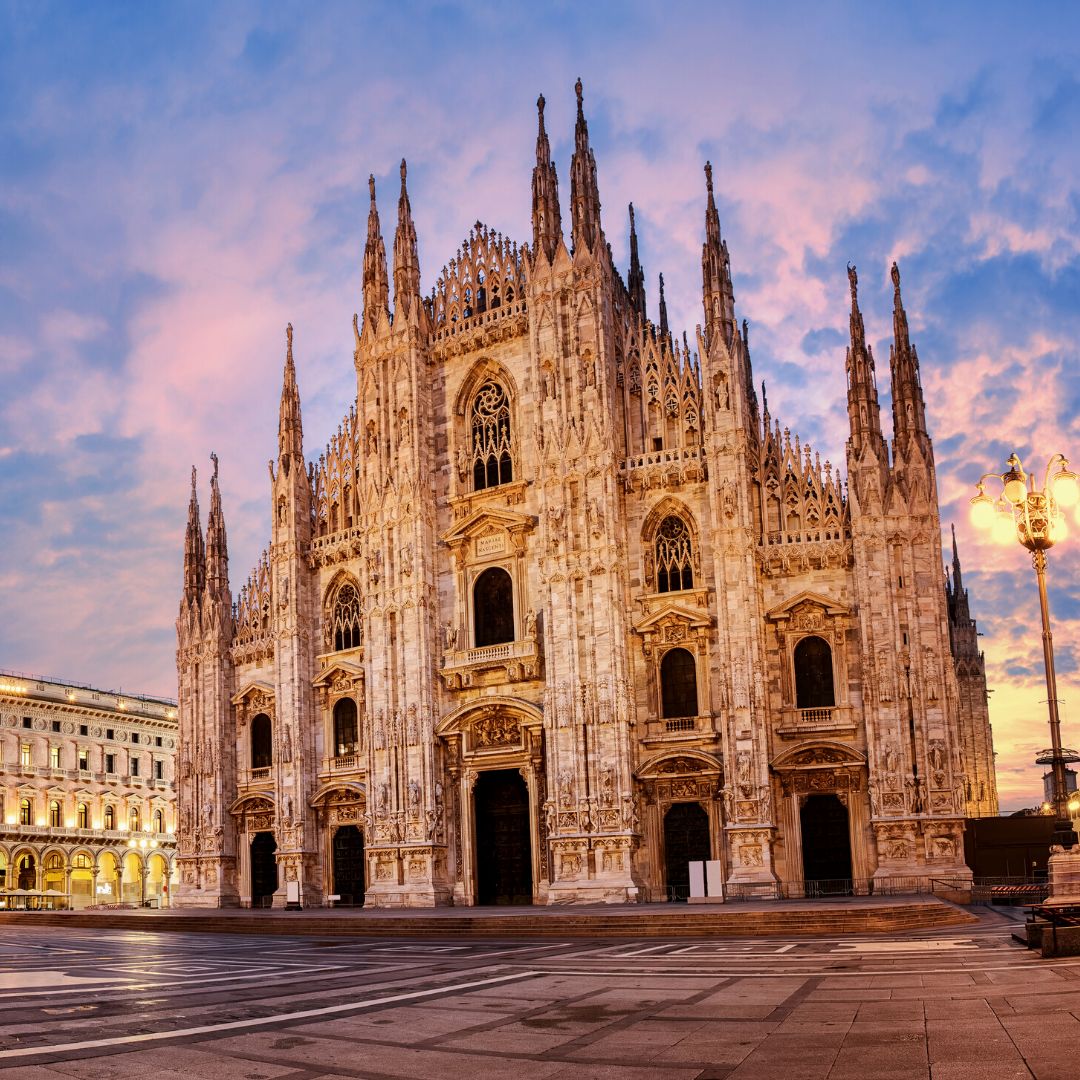
 1. Duomo di Milano

Standing proudly in the heart of the city, the Duomo is one of the largest and most awe-inspiring Gothic cathedrals in the world. Its intricate façade, adorned with thousands of statues and delicate spires, reflects centuries of craftsmanship and devotion. Inside, the vast interiors create a sense of serenity and grandeur. For a truly unforgettable experience, head up to the rooftop terraces, where you can walk among the spires and enjoy breathtaking panoramic views over Milan.


2. Galleria Vittorio Emanuele II


Just steps away from the Duomo lies this architectural gem, often referred to as one of the world’s oldest shopping malls. With its soaring glass dome, elegant mosaics, and luxurious boutiques, the Galleria is a symbol of Milanese style and sophistication. Whether you’re shopping, enjoying a coffee, or simply admiring the details, this space captures the essence of Milan’s refined lifestyle.


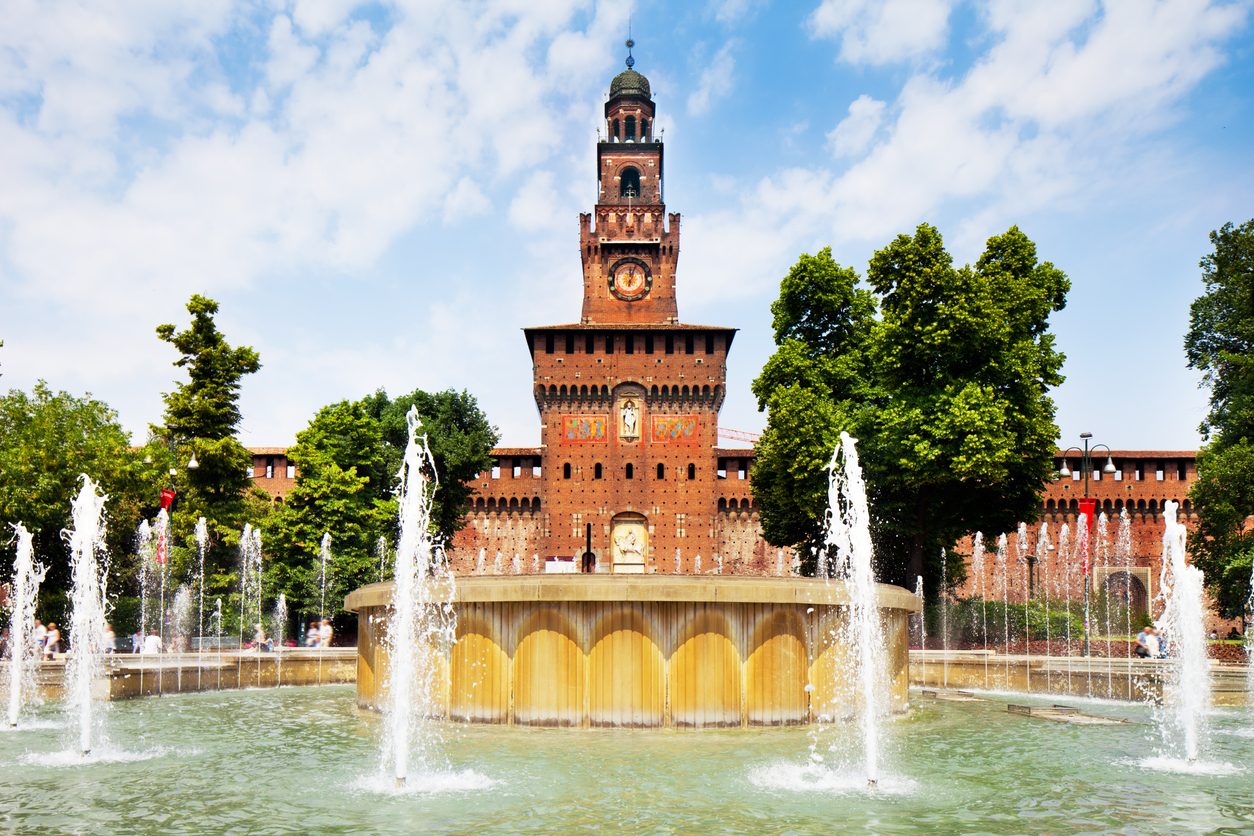
3. Castello Sforzesco

A powerful symbol of Milan’s historical legacy, this grand castle dates back to the 15th century. Once home to dukes and rulers, today it serves as a cultural hub housing several museums and priceless art collections. The surrounding Sempione Park adds to its charm, offering a perfect setting for a relaxing stroll after exploring the castle’s rich interiors and courtyards.


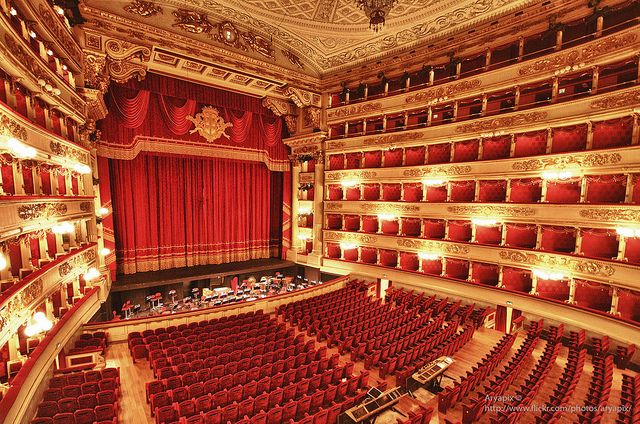
4. Teatro alla Scala


A true icon of the performing arts, La Scala is one of the most prestigious opera houses in the world. For over two centuries, it has hosted legendary performances by renowned composers and musicians. Its elegant interiors and remarkable acoustics make it a cultural treasure. Even if you don’t attend a live show, visiting the museum offers fascinating insights into Italy’s musical heritage.


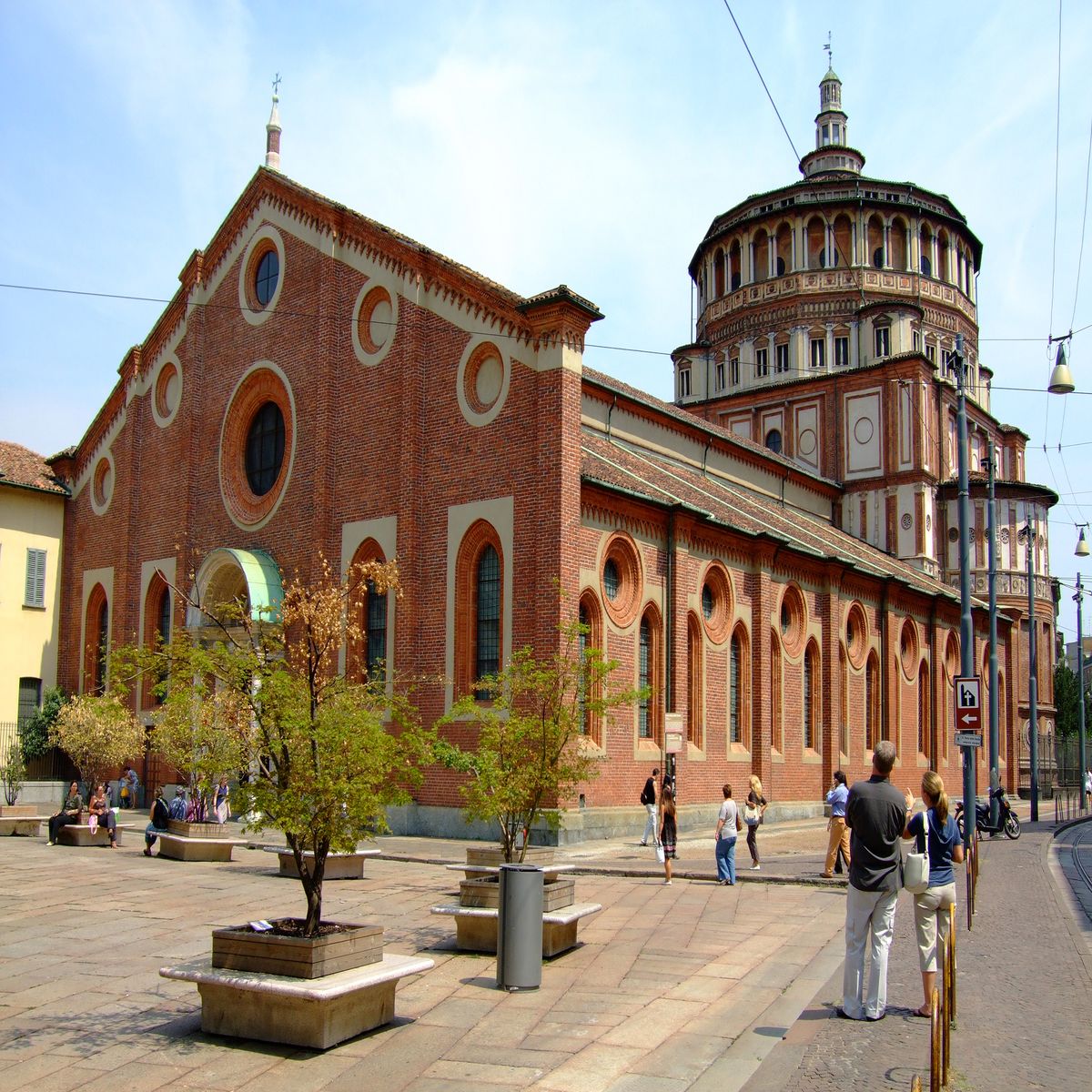
5. Santa Maria delle Grazie


This historic church is best known for housing one of the most celebrated artworks in history—The Last Supper by Leonardo da Vinci. A UNESCO World Heritage site, it attracts visitors from around the globe who come to witness this masterpiece in person. The experience is both artistic and emotional, offering a deep connection to the genius of the Renaissance.


Travel Information

𝐒𝐭𝐞𝐩 𝟏: 𝐀𝐫𝐫𝐢𝐯𝐞 𝐚𝐭 𝐌𝐚𝐥𝐩𝐞𝐧𝐬𝐚 𝐀𝐢𝐫𝐩𝐨𝐫𝐭
Malpensa has two terminals (T1, T2). Both are served by the Malpensa Express train. There's also a free shuttle between the terminals

𝐒𝐭𝐞𝐩 𝟐: 𝐓𝐚𝐤𝐞 𝐌𝐚𝐥𝐩𝐞𝐧𝐬𝐚 𝐄𝐱𝐩𝐫𝐞𝐬𝐬 𝐭𝐫𝐚𝐢𝐧 𝐭𝐨 𝐌𝐢𝐥𝐚𝐧 𝐜𝐢𝐭𝐲
Destination options: Milano Centrale or Milano Cadorna (both connect to metros).

Frequency: about every 30 minutes from early morning (~05:20) until after midnight (~01:00) depending on direction.

𝐃𝐮𝐫𝐚𝐭𝐢𝐨𝐧:

MXP → Centrale ≈ 57 min
MXP → Cadorna ≈ 43 min

𝐒𝐭𝐞𝐩 𝟑: 𝐓𝐫𝐚𝐧𝐬𝐟𝐞𝐫 𝐭𝐨 𝐌𝐢𝐥𝐚𝐧 𝐌𝐞𝐭𝐫𝐨
Once at Milano Centrale or Cadorna:

If arriving at Milano Centrale:
Walk to Centrale Metro Station (M2 green line).

Take the M2 (green) line towards Assago Forum or Abbiategrasso.

If arriving at Milano Cadorna:
Connect to Cadorna Metro Station.

Board M2 (green) line direction Gessate or Cologno Nord.

𝐒𝐭𝐞𝐩 𝟒: 𝐑𝐢𝐝𝐞 𝐭𝐨 𝐒𝐚𝐧𝐭’𝐀𝐦𝐛𝐫𝐨𝐠𝐢𝐨 𝐒𝐭𝐚𝐭𝐢𝐨𝐧
Disembark at Sant’Ambrogio (M2)—the museum is a 4–6 minute walk away.
Exit the station and head to Via San Vittore 21.

𝐒𝐭𝐞𝐩 𝟓: 𝐖𝐚𝐥𝐤 𝐭𝐨 𝐌𝐮𝐬𝐞𝐮𝐦
From Sant’Ambrogio, it’s approx. 300–400 m (5 minutes) walk to the museum on Via San Vittore.

Publishing Opportunities
Conference Banner

📚 Springer Series

All accepted submissions to the conference, after a rigorous double-blinded peer-review process by the respective Editorial Board, will be published in one of the following:

Advances in Science, Technology, and Innovation (ASTI)

Advances in Science, Technology and Innovation (ASTI), an IEREK interdisciplinary book series published by Springer Nature. (SCOPUS indexed)

Publisher: Springer Nature (IEREK Interdisciplinary book series)

Indexing: SCOPUS indexed; some titles in Web of Science (ISI)

Focus: Emerging research in science, technology, and innovation for sustainable development, addressing UN SDGs.

📰 IEREK Press Journals

Internationally peer-reviewed, open access journals published by IEREK Press. Covering a wide range of disciplines including sustainability, architecture, engineering, and environmental sciences.

Journal on: 

  • Environmental Science & Sustainable Development (ESSD)
  • The Proceedings of the Academic Research Community on Social and Behavioral Sciences (ARChive-SR)
  • Proceedings of Science and Technology (Resourceedings)
  • BAHETH International Journal.
Benefits Of Attending

Attending a conference dramatically enhances both your professional and personal development. They help you sharpen the saw, meet and converse with industry experts, expand your resources and grow your professional network. IEREK Conference will help you:

  1. Open Discussions: We bring together leading academic scientists, from different universities and countries, to exchange and share their experiences and research results.

  2. Internationally Accredited Certificate: The participants are granted internationally recognized certificates acknowledged by IEREK, the University, and Partner Organizations.

  3. Publication: Selected high-quality manuscripts will be published, after peer review, in index journals/ book series. See Publishing Opportunities for more information.

  4. Research Technologies: Conferences can expand your resources by providing a great opportunity to promote gathered information on new technologies related to your research.

  5. Networking: You can engage with industry experts to discuss with them the very latest research projects they could be working on and increase your chances of collaboration in future projects.

  6. Academic Reputation: Attending many conferences will make you a known figure in academic circles and an active member of the academic community.

  7. Conference Abstracts Material: Delegates will receive the conference Abstracts book in a digital format.
Scientific Committee
Refund Policy

A.Physical Attendance

Delegates in any event who cancel their registration due to special circumstances will receive refunds according to the following plan:

Cancellation Policy

Up to 60 days before the event

Up to 50 days before the event

Up to 40 days before the event

39 days before the event

Penalty

20%

50%

70%

100%

EXCEPTION

A refund is not possible if

-An acceptance letter has been issued (Authors only)

-The proceedings of the event have been published (Authors only)

-A visa invitation letter has been issued (All participants)

Visa Rejection Cases

Reason and proof of rejection must be submitted. If the reason for rejection is due to an error on our part, the participant will be refunded their full fee with a deduction of a 20% administration fee.

Documents to be issued by IEREK to acquire a visa are as follows:

*Final Acceptance Letter (Authors only)

*Visa Invitation Letter

*Invoice/proof of payment

We encourage all authors and attendees to ensure their having acquired all documents (those applicable) mentioned.

If the reason for rejection is not related to any of the aforementioned and is an error on the participant’s part, the following will apply:

*Authors: may choose to let their co-author present his/her research on his/her behalf free of charge. If the author does not have a co-author, a member of the scientific committee shall present on the author’s behalf.

*Audience members/Registrants: will only be allowed to attend another similar event of their choosing that is organized by IEREK free of charge.

IEREK Community

IEREK Community is a reflection of our appreciation for the scholars, institutions, and research groups who continuously contribute to the growth and excellence of IEREK’s academic network. Through exclusive rates and added privileges, we aim to make participation more accessible while strengthening long-term collaboration, research continuity, and institutional partnerships within our global community.

Eligible members of the IEREK Community receive a 25% discount during the Regular payment stage and may benefit from special discounts on other IEREK conferences.

The IEREK Community includes:

  • Previous attendees of IEREK conferences

  • Loyal authors who consistently participate in multiple editions of the same conference

  • Authors who have published in IEREK conference proceedings or journals

  • Researchers registering as a group submission

  • Faculty members and researchers from universities with current or past partnership agreements with IEREK

  • Universities and academic institutions located in the hosting country of the conference

  • Active authors who continuously support and engage with IEREK’s activities on social media (sharing, promoting, and contributing to community visibility)

  • Academics who support IEREK as moderators, keynote or guest speakers, reviewers, or editors

Authors should contact the conference manager at [email protected]  to request consideration for discounts in any of the above cases.

Partners