
Urban Planning & Architectural ...
Online Conference
20 Oct 2026 / 22 Oct 2026 read more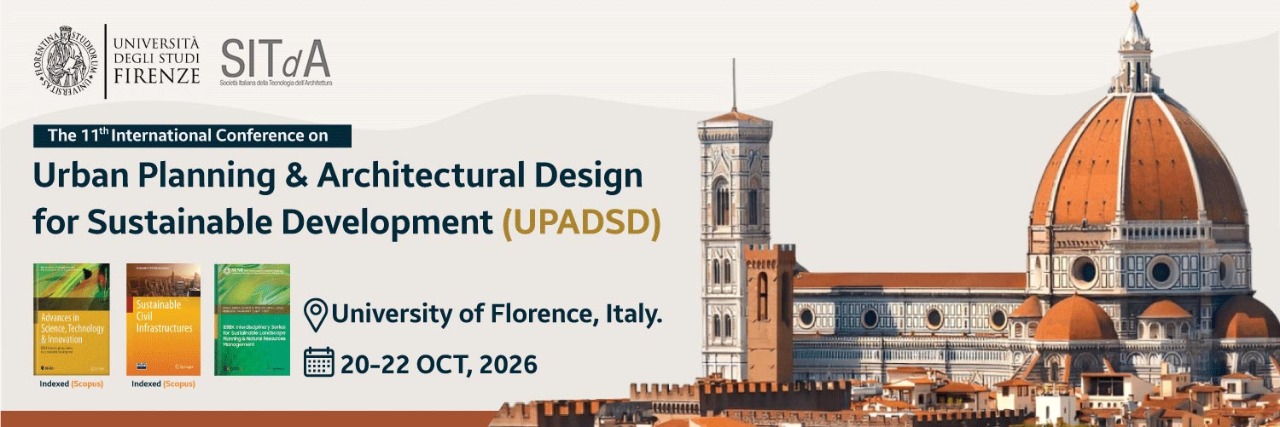
Conference Coordinator
[email protected]
(+20) 3 5763827 | (+20) 3 5763828
Whatsapp: (+20)1000028021

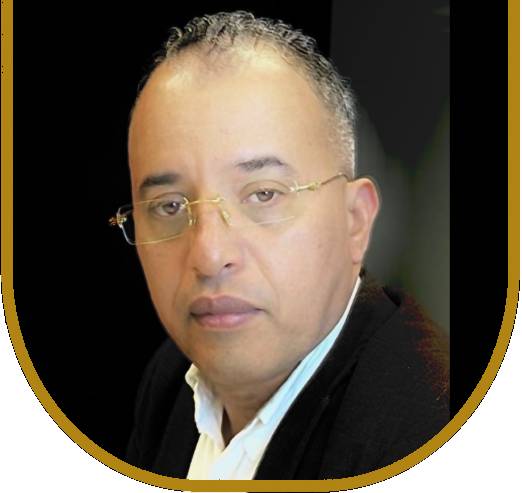
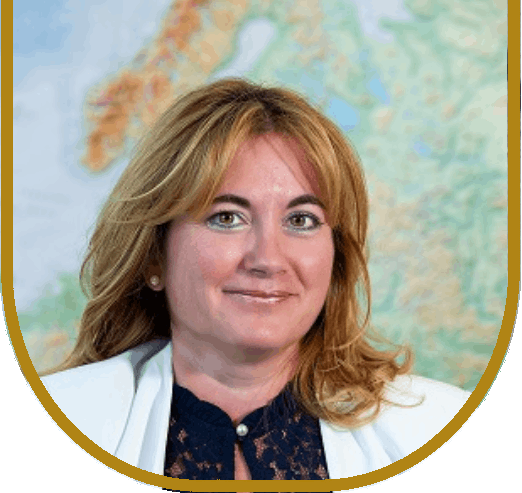
Associate Professor of the Architectural Department at the University of Florence.

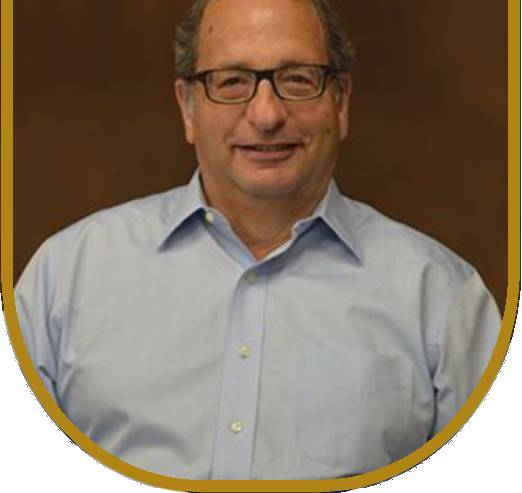
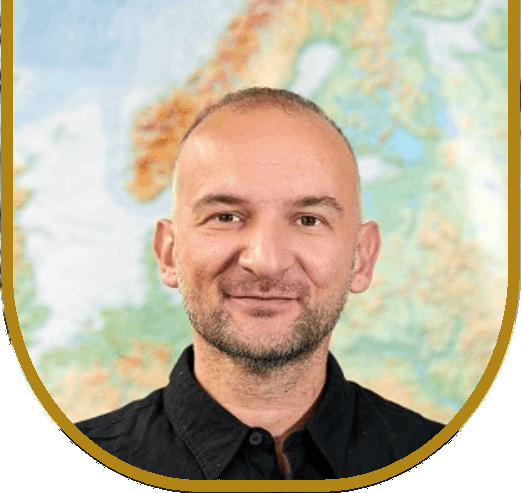
Professor at the Department of Architecture (DiDA), University of Florence, Italy.

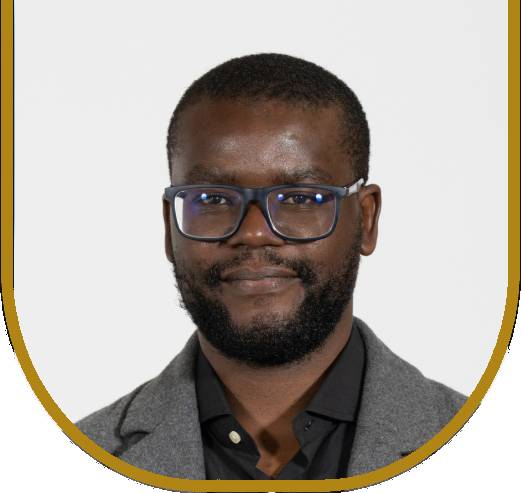
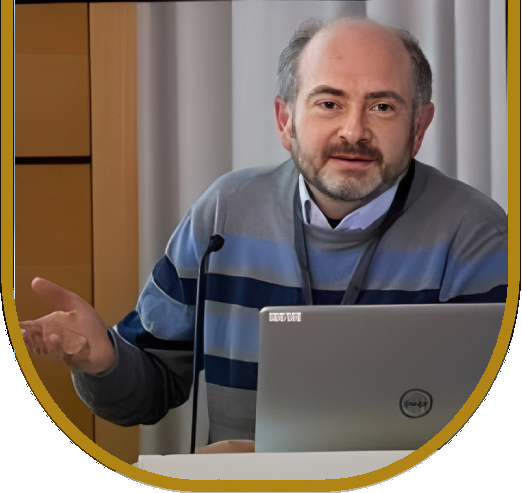
Full Professor of Technological and Environmental Design of Architecture, Department of Architecture (DiDA), University of Florence, Italy.
Subscribe to our newsletter


The 11th International Conference on Urban Planning, Architecture, and Design for Sustainable Development (UPADSD) is proudly presented this year in continued collaboration with the DIDA Department at the University of Florence, Italy. This ongoing partnership reflects the tremendous support the conference receives from the department and its esteemed chair, providing an optimal environment for robust discussions and knowledge exchange. Our collective aim is to foster superior outcomes in the crucial endeavor of creating truly sustainable urban environments.
This year’s edition explores the essential dialogue between the preservation of built heritage and the rapid evolution of digital intelligence. It emphasizes a strategic shift toward regenerative urbanism, where innovation and Artificial Intelligence are integrated to revitalize existing structures and optimize resource management. This conceptual framework examines how intelligence-driven design can cultivate resilient urban ecosystems that are both technologically advanced and ecologically restorative.
This 11th edition will serve as a significant guide for cities navigating their evolution towards sustainability amidst pressing challenges such as rapid urbanization, profound climate change impacts, escalating resource scarcity, and continuously evolving societal needs. UPADSD thus plays a pivotal role in presenting imperative solutions for a more resilient and responsible built environment.
Attendees will also have the unique opportunity to visit the beautiful city of Florence. An exclusive onsite lecture is scheduled to explore the city firsthand, witnessing its remarkable urban development, and observing the ongoing regeneration of the historic Arno River banks, which were extensively damaged during World War II.
This year, in addition to the principles of Architecture and Urban planning, we firmly shift our focus towards the future, exploring the profound interplay between renovation, innovation, and the transformative power of Artificial Intelligence and advanced technologies in shaping the next generation of urban spaces. We recognize that sustainable development transcends mere harm minimization; it is about actively creating regenerative, equitable, and intelligent urban ecosystems. From revitalizing existing urban fabric to imaginatively designing entirely new sustainable typologies and harnessing data-driven insights, this conference will highlight how recent technologies can redefine our approach to planning, design, and regeneration, fostering cities that are not only resilient and ecologically sound but also profoundly human-centered.
This theme examines the foundational frameworks and evolving methodologies used to align architectural design with environmental sustainability. It explores the balance between functional urban requirements and the necessity for long-term ecological responsibility.
1.1. Biophilic Design Concepts to Bring Nature into Living Spaces
1.2. Sustainable Urban Design for Public and Open Spaces
1.3. Integrated Approaches of Cultural, Art, and Identity in Design and Landscape
1.4. Urban Transformation Techniques - Innovative Revitalization Methods
1.5. Energy Efficiency Strategies - Resource Optimization for Sustainability
1.6. Flexible and Modular Design in Urban and Architecture Designs
1.7. Spatial Planning for the Smart Growth of Urban and Rural Areas
1.8. Multi-disciplinary Approaches to Urban Design
This section focuses on the strategic evolution of cities to meet the demands of growing populations and changing environmental conditions. It establishes a roadmap for urban growth that prioritizes livability and structural innovation within the global context.
2.1. Towards Sustainable Built Environment: Compact Cities Transformations
2.2. Sustainable Transportation Futures Vision Plans
2.3. Urban Green Space Development Projects: Analysis and Recent Studies
2.4. Affordable Housing Solution Initiatives
2.5. Future and Smart Cities’ Planning Processes
2.6. Economic Development Strategies Integration
2.7. Cultural and Social Sustainability Practices
2.8. Long-term Urban Visioning Frameworks
This theme explores the integration of computational intelligence into the urban planning process. The focus is on transitioning from traditional static models to dynamic systems that enhance overall city management and responsiveness.
3.1. Generative Design and Optimization for Urban Systems
3.2. Predictive Analytics for Urban Dynamics
3.3. Digital Twins for Real-Time Urban Management and Simulation
3.4. AI for Enhanced Urban Resilience Against Climate Change
3.5. Smart Sensors and IoT for Data-Driven Urban Insights
3.6. Machine Learning for Urban Resource Optimization
3.7. AI in Participatory Urban Planning and Citizen Engagement
3.8. Ethical AI Frameworks for Urban Development
This topic addresses the sustainable transformation of the existing built environment to preserve its utility and value. It highlights high-level strategies for extending the lifecycle of structures while maintaining the structural and cultural integrity of the urban fabric.
4.1. Circular Economy Principles in Built Environment Renovation
4.2. Deep Retrofitting and Energy Positive Buildings
4.3. Adaptive Reuse for Climate Resilience
4.4. Historic Preservation and Sustainable Modernization
4.5. Bio-Integrated Renovation and Living Facades
4.6. Material Innovation for Sustainable Renovation
4.7. Community-Led Adaptive Reuse Initiatives
4.8. Digital Tools for Renovation Planning and Assessment
This section investigates the emergence of new structural forms and the technical advancements redefining modern building processes. It centers on how material science and sophisticated design methods contribute to high-performance urban development.
5.1. Parametric Design and Robotic Fabrication in Sustainable Architecture
5.2. Smart Materials and Responsive Architecture
5.3. Modular, Prefabricated, and Off-Site Construction for Urban Development
5.4. Bio-Inspired Architecture and Biomimicry
5.5. 3D Printing and Additive Manufacturing in Construction
5.6. High-Performance Building Envelopes and Facade Systems
5.7. Self-Sufficient and Net-Zero Energy Buildings
5.8. Vertical Cities and High-Density Sustainable Typologies
This theme focuses on the next generation of ecological systems integrated directly into the urban landscape. It emphasizes a shift toward living infrastructure that actively supports environmental health and strengthens climate mitigation efforts.
6.1. Advanced Green Roof and Vertical Garden Systems
6.2. Eco-Corridors and Biodiversity Enhancement in Densely Built Environments
6.3. Water-Sensitive Urban Design (WSUD) with Smart Technologies
6.4. Bioremediation and Phytoremediation in Urban Landscapes
6.5. Urban Forestry and Canopy Management for Climate Resilience
6.6. Green Infrastructure for Air Quality Improvement
6.7. Smart Parks and Digitally Enhanced Public Green Spaces
6.8. Regenerative Agriculture and Urban Food Systems Integration
This topic examines the technological restructuring of urban transportation networks. It explores the shift toward integrated, intelligent movement systems that optimize transit efficiency and long-term accessibility for all residents.
7.1. AI for Integrated Multi-Modal Transportation Networks
7.2. Autonomous Vehicles and Urban Design Implications
7.3. Micromobility Solutions and Active Transportation Planning
7.4. Smart Traffic Management Systems and Predictive Flow
7.5. Urban Air Mobility (UAM) and Drone Integration
7.6. Data-Driven Public Transit Optimization
7.7. Electric Vehicle Infrastructure and Charging Networks
7.8. Mobility-as-a-Service (MaaS) Platforms
This section focuses on the human and social dimensions of urban growth. It emphasizes inclusive methodologies that empower residents and ensure that development remain representative of diverse community needs and social justice.
8.1. Digital Inclusion and Bridging the Urban Divide
8.2. AI and Data for Addressing Urban Inequalities
8.3. Co-Creative Urban Design Platforms
8.4. Participatory Budgeting for Community Development
8.5. Inclusive Design for Diverse Urban Populations
8.6. Urban Arts and Cultural Interventions for Social Cohesion
8.7. Community Land Trusts and Affordable Housing Models
8.8. Gamification and Virtual Reality in Public Engagement
This theme addresses the requirement for cities to actively contribute to environmental restoration rather than just mitigation. It focuses on systemic approaches that strengthen urban resilience against climate-related shocks and resource scarcity.
9.1. Carbon-Negative Urban Development Strategies
9.2. Climate Change Adaptation and Mitigation in Existing Urban Areas
9.3. Resource Nexus in Urban Systems
9.4. Urban Heat Island Effect Mitigation through Innovative Materials
9.5. Climate Risk Assessment and Vulnerability Mapping
9.6. Renewable Energy Integration in Urban Grids
9.7. Circular Water Management and Wastewater Reuse
9.8. Carbon Sequestration through Urban Green Spaces
This topic investigates the intersection of traditional urban identity and modern preservation technologies. It highlights how documentation and revitalization efforts can maintain the continuity of cultural heritage within a rapidly evolving built environment.
10.1. Digital Heritage Documentation and Revitalization
10.2. AI for Understanding and Promoting Cultural Landscapes
10.3. Community-Led Heritage Initiatives in the Digital Age
10.4. Virtual and Augmented Reality for Heritage Interpretation
10.5. Blockchain for Authenticity and Ownership in Digital Heritage
10.6. Gamification of Heritage Exploration and Education
10.7. Digital Storytelling and Narrative Mapping of Urban Heritage
10.8. AI for Predictive Preservation of Cultural Assets
This section examines how urban planning can be leveraged to proactively improve public health. It focuses on creating environments that support mental and physical well-being through intentional spatial and natural integration.
11.1. Designing for Mental Health and Stress Reduction in Cities
11.2. Smart Sensing and Environmental Monitoring for Urban Health
11.3. Active Living Design: Promoting Health Through Urban Form
11.4. Biophilic Urbanism and Nature-Prescription Planning
11.5. Noise Pollution Reduction Strategies in Urban Planning
11.6. Urban Food Systems and Access to Healthy Food
11.7. Designing for Social Cohesion and Community Interaction
11.8. Climate-Resilient Health Infrastructure
This theme analyzes the administrative and financial frameworks required to implement large-scale sustainable initiatives. It focuses on the evolving policy landscape and investment structures that drive urban innovation and institutional accountability.
12.1. Smart City Governance Models
12.2. Innovative Financing Mechanisms for Green Infrastructure and Regeneration
12.3. Policy Frameworks for AI and Automation in Urban Planning
12.4. Multi-Level Governance for Climate Action in Cities
12.5. Regulatory Sandboxes for Urban Innovation
12.6. Citizen Participation in Urban Policy-Making
12.7. Data Governance and Urban Data Platforms
12.8. Public-Private Partnerships for Sustainable Urban Projects
This topic addresses the methodologies used to rebuild urban areas following significant crises. It centers on creating more adaptive and secure environments through strategic recovery planning and long-term structural improvements.
13.1. Data-Driven Disaster Risk Reduction and Preparedness
13.2. Sustainable and Rapid Reconstruction Methodologies
13.3. Community Engagement in Resilient Urban Planning
13.4. Nature-Based Solutions for Post-Disaster Landscape Restoration
13.5. Economic Recovery and Diversification Post-Disaster
13.6. Psychological and Social Support in Recovery Planning
13.7. Adaptive Governance and Flexible Policy for Recovery
13.8. Infrastructure Resilience Assessment and Upgrading
This section explores how changing socio-economic patterns are redefining the functional requirements of urban spaces. It highlights the transformation of the built environment to accommodate new modes of productivity, residence, and digital interaction.
14.1. Designing for Flexible and Co-Working Environments
14.2. Mixed-Use Development and the 15-Minute City Concept
14.3. The Metaverse and Urban Simulation
14.4. Smart Buildings and Occupancy Analytics
14.5. Urban Logistics and Last-Mile Delivery Innovations
14.6. Repurposing Commercial and Retail Spaces
14.7. Digital Nomads and Flexible Urban Housing Models
14.8. Urban Innovation Districts and Talent Attraction
| Title | Date |
|---|---|
| Abstract Submission Deadline | 10 Aug 2026 |
| Last Notification for Abstract Acceptance & Approval to present | 20 Aug 2026 |
| Letter of Visa (for delegates who need visa entry) Payment required | 10 Jul 2026 |
| Early Payment Deadline | 10 May 2026 |
| Regular Payment Deadline | 15 Jul 2026 |
| Late Payment Deadline | 10 Sep 2026 |
| Full Paper Submission Deadline | 15 Sep 2026 |
| Notification of acceptance/ rejection of the submitted full paper | 30 Sep 2026 |
| Conference Program | 30 Sep 2026 |
| Conference Launch | 20 Oct 2026 |
Payments through the website are currently unavailable due to ongoing website enhancements. IEREK offers alternative payment methods, including bank transfer and secure third-party online payment links.
The registration fee does not cover accommodation or travel expenses. A list of accommodation options can be suggested by our team if available. Please contact [email protected] for inquiries.
We recommend that all authors take advantage of the benefits that IEREK offers, including various attendance types, publishing opportunities, and opportunities for discounts and waivers.
We are pleased to inform all applicants that they can use their previous publications to register for an IEREK membership, which offers a special discount.
IEREK offers a special discount to applicants from collaborative universities that have signed an MoU with IEREK to host or co-host one of its conferences.
IEREK also provides special discounts to authors from low and medium-income countries.
The disclosed fees are for the conference participation (Publication is free of charge, but only the conference participants can be considered for publishing in the conference proceedings).
Some of the disclosed conference fees may vary depending on the book series and/or journal(s) presented as a publication outlet, as we encourage submission to newly founded book series and/or journal(s) by presenting a discounted rate for the conference's fees.
IEREK offers many types of registrations that are diverse in registration fees; applicants can choose the type they are familiar with as follows:
Participants who are PhD holders, post-doctoral researchers, and universities’ affiliated professors and experts in the field.
Must provide proof of enrollment in a university by providing an enrollment certificate and/or a valid university ID (with issue/expiry date) etc.
Participants who are not affiliated with universities such as practitioners, policymakers, entrepreneurs, etc.
Have access to the event to enjoy the discussions, coffee breaks, and lunch as a co-author or audience.
IEREK Community members receive 25% off the Regular payment stage.
If you are a returning author, published researcher, institutional partner, or active contributor to IEREK activities, you may be eligible for exclusive Community benefits. Visit the IEREK Community Section to learn more and check your eligibility.
| Type of Registration | Early Payment Deadline 10 May 2026 |
Regular Payment Deadline 15 Jul 2026 |
Late Payment Deadline 10 Sep 2026 |
|---|---|---|---|
| Scopus indexed-ASTI Book by Springer or SUCI Book by Springer | |||
| Student / Early Career Researcher | 300 € | 350 € | 400 € |
| Academic | 350 € | 400 € | 450 € |
| Professional / Industry | 400 € | 450 € | 500 € |
| Co-author/ Audience | 150 € | 200 € | 250 € |
| SLNR Book by Springer | |||
| Student / Early Career Researcher | 250 € | 300 € | 350 € |
| Academic | |||
| Professional / Industry | |||
| Co-author/ Audience | 150 € | 200 € | 250 € |
| Open Access IEREK Press Journals | |||
| Student / Early Career Researcher | 200 € | 250 € | 300 € |
| Academic | 250 € | 300 € | 350 € |
| Professional / Industry | 300 € | 350 € | 400 € |
| Co-author/ Audience | 150 € | 200 € | 250 € |
IEREK offers various types of participation. Applicants can apply for in-person attendance to benefit fully from conference discussions and knowledge exchange.
IEREK also offers virtual attendance for authors to present their research papers online; however, we strongly encourage all applicants to attend the conference in person.
The physical fee covers:
* Each research paper should have one main author who should pay the full fee (Author fees) regardless of attendance. Co-authors, each, have their fees to pay to attend the event. This applies to online attendance as well as physical attendance.
* A research paper fee allows only one author, whether main or co-author, to attend the conference and receive only one conference kit. Extras can be requested for an additional fee.
| Type of Registration | Early Payment Deadline 10 May 2026 |
Regular Payment Deadline 15 Jul 2026 |
Late Payment Deadline 10 Sep 2026 |
|---|---|---|---|
| Scopus indexed-ASTI Book by Springer or SUCI Book by Springer | |||
| Student / Early Career Researcher | 250 € | 300 € | 350 € |
| Academic | 300 € | 350 € | 400 € |
| Professional / Industry | 350 € | 400 € | 450 € |
| Co-author/ Audience | 100 € | 150 € | 200 € |
| SLNR Book by Springer | |||
| Student / Early Career Researcher | 200 € | 250 € | 300 € |
| Academic | |||
| Professional / Industry | |||
| Co-author/ Audience | 100 € | 150 € | 200 € |
| Open Access IEREK Press Journals | |||
| Student / Early Career Researcher | 150 € | 200 € | 250 € |
| Academic | 200 € | 250 € | 300 € |
| Professional / Industry | 250 € | 300 € | 350 € |
| Co-author/ Audience | 100 € | 150 € | 200 € |
IEREK offers virtual attendance, providing authors with a unique link to join the conference sessions and present their papers as per the announced program.
The online fee covers:
* Each research paper should have one main author who should pay the full fee (Author fees) regardless of attendance.
* Co-authors, each, have their fees to pay to attend the event. This applies to online attendance as well as physical attendance.
* If an author is eligible for more than one discount, IEREK will apply only the highest discount. Discounts cannot be combined.
* Authors should contact the conference manager through this email [email protected] to consider the discount and waiving for all the above cases so that the conference manager can provide an exclusive invoice for each case.
Afghanistan, Algeria, Angola, Bangladesh, Benin, Bhutan, Bolivia, Burkina Faso, Burundi, Cabo Verde, Cambodia, Cameroon, Central African Republic, Chad, Comoros, Congo, Congo Dem. Rep., Côte d'Ivoire, Djibouti, Egypt, Eritrea, Eswatini, Ethiopia, Gambia, Ghana, Guinea, Guinea-Bissau, Haiti, Honduras, India, Iran, Jordan, Kenya, Kiribati, Kyrgyz Republic, Lao PDR, Lebanon, Lesotho, Liberia, Madagascar, Malawi, Mali, Mauritania, Micronesia, Mongolia, Morocco, Mozambique, Myanmar, Nepal, Nicaragua, Niger, Nigeria, Pakistan, Papua New Guinea, Philippines, Rwanda, Samoa, São Tomé and Principe, Senegal, Sierra Leone, Solomon Islands, Somalia, South Sudan, Sri Lanka, Sudan, Syria, Tajikistan, Tanzania, Timor-Leste, Togo, Tunisia, Turkey, Uganda, Ukraine, Uzbekistan, Vanuatu, Vietnam, Yemen, Zambia, Zimbabwe
IEREK puts a lot of effort into expediting the peer review process to publish articles as quickly as possible. This requires prompt responses from all authors to the editors' comments, if any. Your swift response is highly appreciated to advance the production process and get your articles online. We prioritize the first author to respond as per our formula. The conference proceedings will be divided into multiple books, with the first one scheduled for publication within 6 months after the conference date. We encourage all authors to aim for publication in the first release.
Registration and financial transactions for this conference are managed through our strategic partners, working in close academic partnership with IEREK to ensure seamless delivery of conference services and publication standards.


Both entities work in close academic partnership with IEREK to ensure the highest standards of financial transparency, conference administration, and publication quality.
IEREK Community is a reflection of our appreciation for the scholars, institutions, and research groups who continuously contribute to the growth and excellence of IEREK’s academic network. Through exclusive rates and added privileges, we aim to make participation more accessible while strengthening long-term collaboration, research continuity, and institutional partnerships within our global community.
Eligible members of the IEREK Community receive a 25% discount during the Regular payment stage and may benefit from special discounts on other IEREK conferences.
The IEREK Community includes:
Previous attendees of IEREK conferences
Loyal authors who consistently participate in multiple editions of the same conference
Authors who have published in IEREK conference proceedings or journals
Researchers registering as a group submission
Faculty members and researchers from universities with current or past partnership agreements with IEREK
Universities and academic institutions located in the hosting country of the conference
Active authors who continuously support and engage with IEREK’s activities on social media (sharing, promoting, and contributing to community visibility)
Academics who support IEREK as moderators, keynote or guest speakers, reviewers, or editors
Authors should contact the conference manager at [email protected] to request consideration for discounts in any of the above cases.
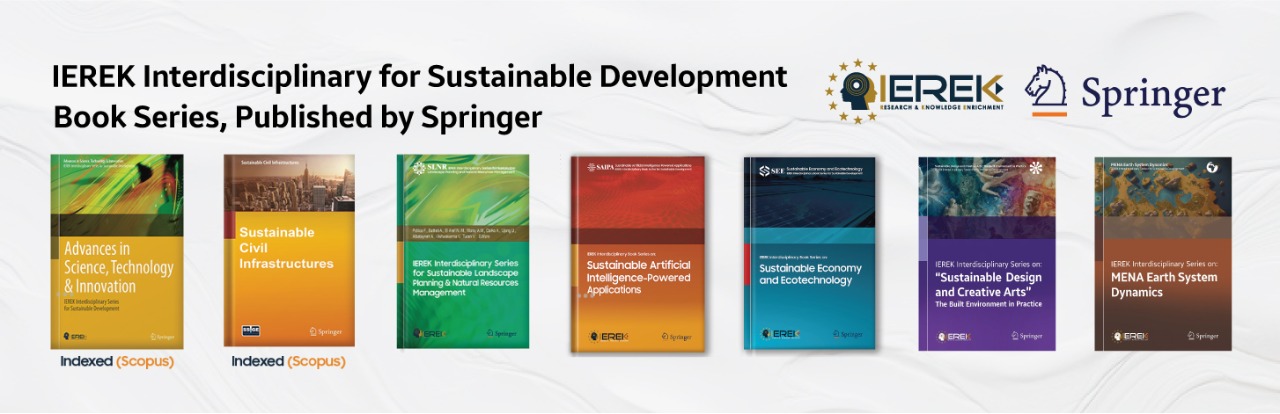
All accepted submissions to the conference, after a rigorous double-blinded peer-review process by the respective Editorial Board, will be published in one of the following:
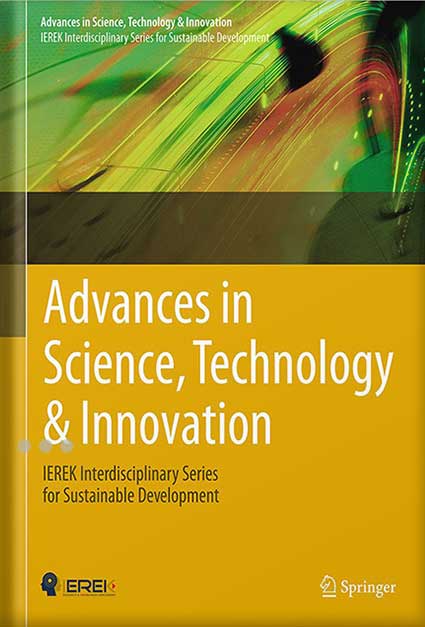
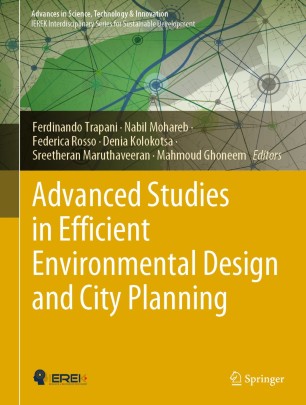
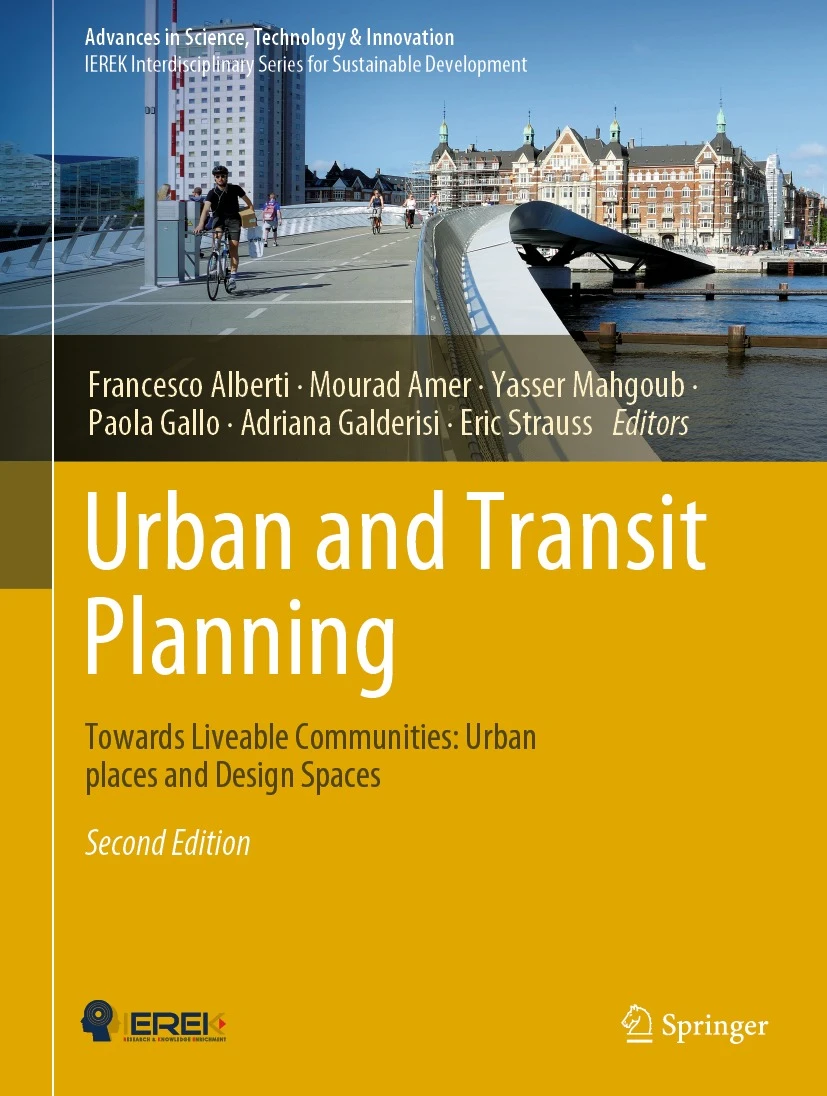
Advances in Science, Technology and Innovation (ASTI), an IEREK interdisciplinary book series published by Springer Nature. (SCOPUS indexed)
Publisher: Springer Nature (IEREK Interdisciplinary book series)
Indexing: SCOPUS indexed; some titles in Web of Science (ISI)
Focus: Emerging research in science, technology, and innovation for sustainable development, addressing UN SDGs.
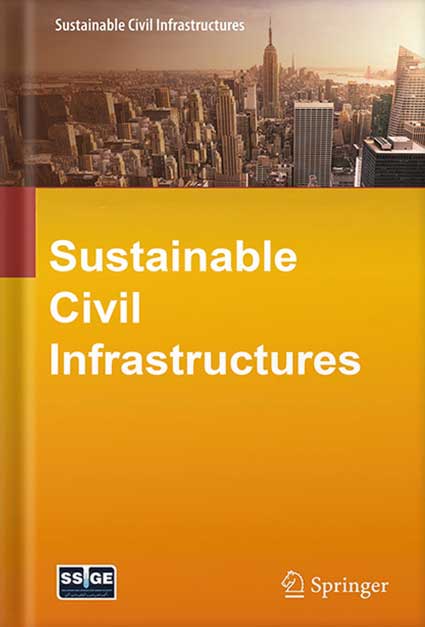
Publisher: Springer (Peer-reviewed book series)
Indexing: EI Compendex, SCImago, SCOPUS, zbMATH
Focus: Sustainable engineering materials and designs for civil infrastructures, addressing impacts of weather extremes and improving well-being.
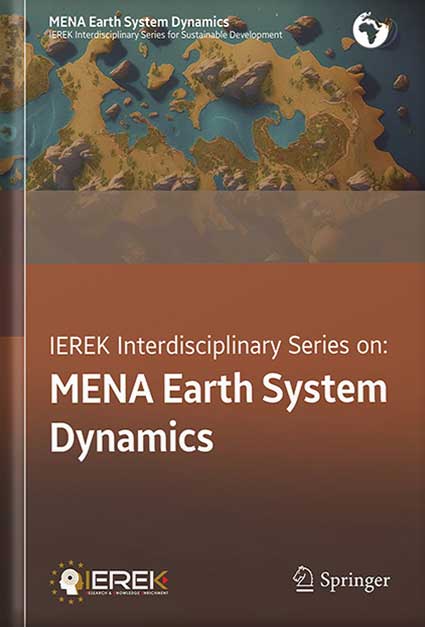
Focus: Environmental and developmental challenges in the MENA region.
Key Areas: Earth Systems Science, Geotechnics, and Geoinformatics specific to MENA.
Goal: Publish scientific breakthroughs and innovative solutions for a sustainable MENA Future.
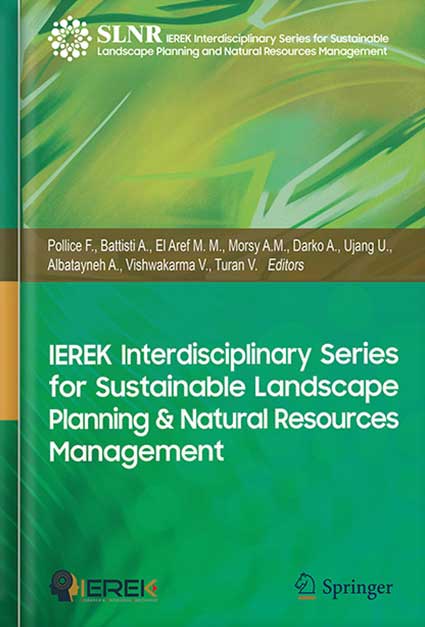
Publisher: Springer (Peer-reviewed book series)
Focus: Groundbreaking research at the intersection of sustainable landscape planning and natural resources management.
Key Areas: Landscape ecology, green urbanism, urban regeneration, land restoration, energy management, nature conservation, geosciences, civil engineering, and water management.
Internationally peer-reviewed, open access journals published by IEREK Press. Covering a wide range of disciplines including sustainability, architecture, engineering, and environmental sciences.
Journal on:
This is not a prerequisite for presenting your work at the conference. Meaning, you can present your submitted abstract without intending to publish your work.
This process can only be initiated after payment completion and confirmation:
Registration
To help the organizers plan for inter-disciplinary dialogue, participants are requested to choose from the conference themes/ Topics upon registration.
They must also refer to, and abide by, the following instructions in registering and/ or submitting their contributions:
NOTE: If you are contributing as an Author of a submitted abstract (for publishing consideration and/or presentation), and regardless of attendance, the fee for the registration is the same. See and Conference Fees for more information.
Types of Participation
1. Attend/ Present in-person or Online and Publish in indexed Conference proceedings
The conference offers a Physical attendance option for your convenience. That said, participants will have a chance to present their abstract/research, on campus, and have their work considered for publication in the ASTI Series by Springer as part of the conference proceedings.
See Author Instructions and Conference Fees for more information.
2. Non-presenting participant
Non-presenting participants may also wish to attend the conference as Audience Members or Co-authors contributing to an already submitted abstract/ paper. See Conference Fees for more information.
Notes to consider:
* Attendance online and in-person are possible upon confirmation with the conference secretariat/ coordinator at [email protected] and following Conference Fees covered.
* The participation fee is uninform for all options presented above.
* For participants wishing to attend in-person, a visa invitation letter will be provided upon request, for which case a copy of your passport will be required. The invitation letter can only be provided after acceptance and full payment.
* Before planning your trip, be sure to check travel restrictions to the conference’s hosting country. Visit travel information and restrictions, and send in your questions if you have any to the conference coordinator at the email [email protected]

Alessandra Battisti is an Architect, Full Professor of Environmental Technological Design at the Department of Planning, Design and Architecture Technology (PDTA), Sapienza University of Rome, where she coordinates the PhD curriculum in Environmental Technological Design and directs the Second-Level Master's Programme in Environmental Technological Design (ETD). Her research focuses on climate-adaptive design, sustainable regeneration of the built environment, technological innovation for architecture, urban health, circular economy, and the enhancement of cultural heritage in the context of ecological and digital transitions. She has coordinated numerous national and international research projects and serves as an expert evaluator for European and international research programmes. Author of more than 300 scientific publications and 14 books, she is a member of the editorial boards of leading international journals and has received numerous awards in architectural competitions.
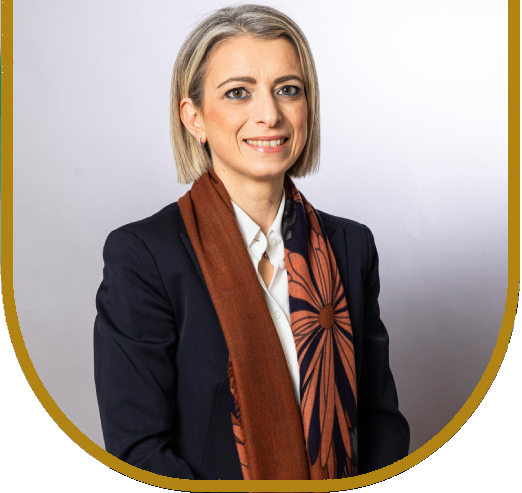
Francesca Olivieri is Full Professor in the Department of Architectural Construction and Technology at the School of Architecture of the Universidad Politécnica de Madrid (ETSAM-UPM), Spain, and Associate Vice-Rector for Research Strategy and Institutional Research Programme. Her research focuses on sustainable and energy-efficient buildings, Nature-Based Solutions (NBS), Building-Integrated Photovoltaics (BIPV), Positive Energy Districts (PEDs), and climate-resilient urban environments. She has led more than 20 research projects and has extensive experience in the development and validation of innovative solutions for the energy transition of buildings and cities. Professor Olivieri has published over 40 papers in indexed journals, is co-inventor of two patents, and actively collaborates with academic, public, and industrial partners across Europe and Latin America to promote sustainable urban development and innovation in the built environment.
Florence is famous with the best-knowns sights in Italy that it would take weeks to see everything in it, also it is one of Europe’s most popular cities. It has many breathtaking views and tourist attractions from museums to churches and palaces.
The following are some suggestions of places to visit while you are in Florence, Italy:
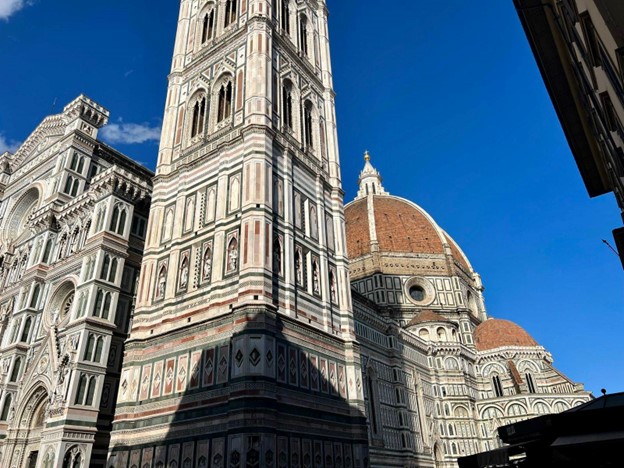
1.The Cathedral of Santa Maria del Fiore and Piazza Duomo
Experience the awe-inspiring beauty of the Cathedral of Santa Maria del Fiore, nestled within the enchanting Piazza Duomo. This architectural marvel showcases the finest masterpieces of the Italian Renaissance, crafted by renowned artists such as Donatello, Giotto, Michelangelo, and Ghiberti. Admire the intricate inlaid marble exteriors, and step inside each building to marvel at the mesmerizing stained glass works of art.
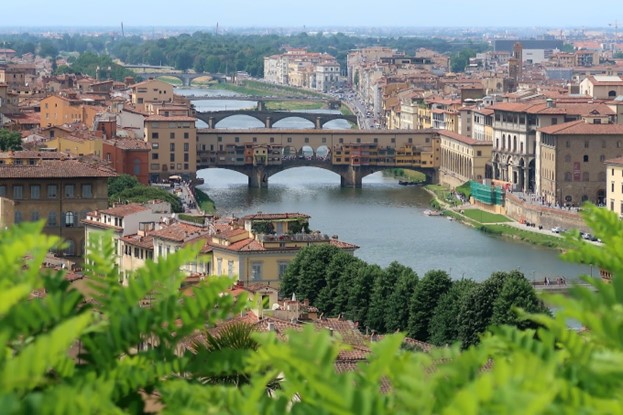
Follow the path of the Arno River, a majestic watercourse that winds its way through Florence, contributing to the city's rich history and economy. As you traverse along its banks, you'll witness the river's vital role in shaping the city's morphology and urban development. The Arno River originates on Monte Falterona in the Casentino area of the Apennines, and initially takes a southward curve. The river turns to the west near Arezzo passing through Florence, Empoli and Pisa, flowing into the Tyrrhenian Sea at Marina di Pisa. With a length of 241 kilometres (150 mi), it is the largest river in the region. It has played an important role in the history and economy of Florence. The current morphology of the Arno River in Florence is heavily influenced by the urbanization of cities that develop along rivers.
Discover the engineering marvels of the retaining walls designed to protect nearby structures, and appreciate the ongoing efforts to preserve and stabilize the riverbanks. Learn about the Arno River's significance as a lifeline for the region of Tuscany.
Step into the breathtaking world of Santa Maria Novella, a captivating church renowned for its magnificent Gothic and Renaissance architecture. This prominent religious site, dating back to the 14th century, stands as a testament to Florence's cultural heritage. Marvel at the intricately detailed façade that reflects the church's rich history as the primary Dominican convent during the Renaissance. Delve into the depths of artistry as you explore the church's vast collection of artworks, including mesmerizing frescoes by masters such as Masaccio and Ghirlandaio
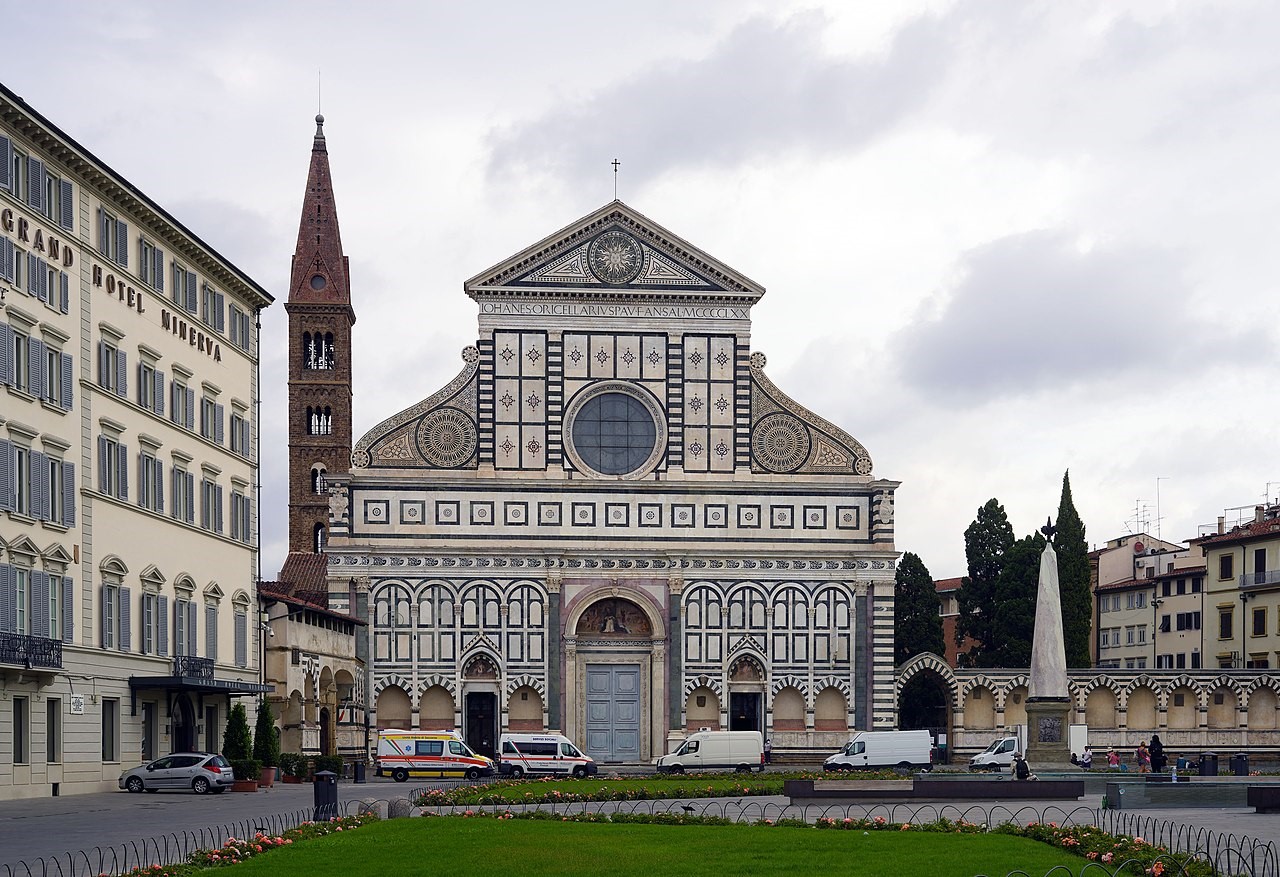
EDEmbark on this unforgettable journey through the heart of Florence, where the splendor of the Renaissance awaits at every turn. Let the city's artistic and cultural atmosphere captivate your senses and leave an indelible impression on your conference experience.
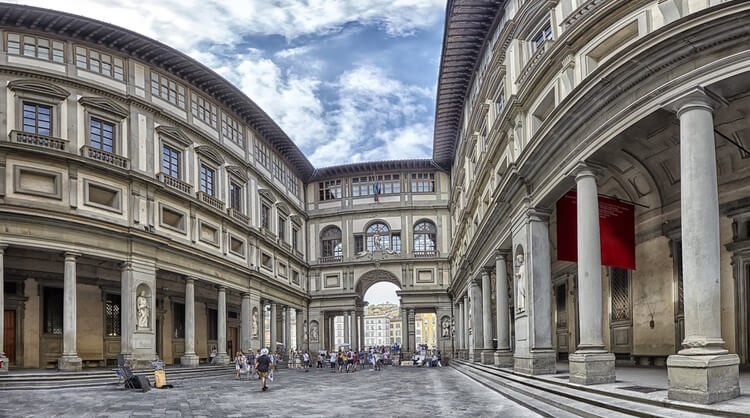
4.Uffizi Palace and Gallery
The gallery is one of the world’s top art museums that contains magnificent paintings from 14th to 16th centuries painters which changed the face of western art. Its collections are staggering in their quality and diversity. The building stretching along the river wasn’t only intended as a residence, but also as governmental offices and scientific studies. The octagonal Tribuna that is considered as one of its loveliest spaces, was commissioned to display the most prized jewels and paintings of Francesco I de' Medici.
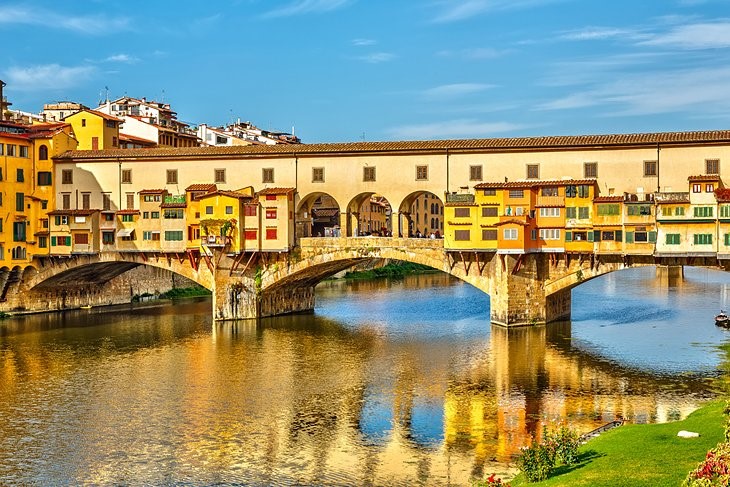
Ponte Vecchio was built in 1345 and considered as the oldest bridge in Florence. The purpose of the bridge was to link the two sides of the Arno and the Medici with arches topped by a jumble of shops which is one of the city’s prettiest scenes. The shops became the home of Florence’s talented goldsmiths and a stroll across that show dazzling array of fine jewelry.
The University was established in 1321 by the Florentine republic, and now it develops cooperation with research institutions and academics from all over the world to promote scientific and cultural internationalization, and it became one of the privileged destinations for international researchers and students. Florence is considered as an important international historic and cultural center, famous for the best-known and magical sights in Italy like The Cathedral of Santa Maria del Fiore and Piazza Duomo.
Grand Amore Hotel & Spa-4 stars’ hotel
290 meter from University of Florence / 3 minutes by walking
Address: Via dei Servi, 38/A, 50122 Firenze FI, Italy
Phone: +39 055 035 1500
Location on map: Grand Amore Hotel
Hotel Panorama Artinside- 3 stars’ hotel
290 meter from University of Florence / 4 minutes by walking
Address: Via Camillo Cavour, 60, 50129 Firenze FI, Italy
Phone: +39 055 238 2043
Location on map: Hotel Panorama Artinside
350 meter from University of Florence / 4 minutes by walking
Address: Via Santa Reparata, 33, 50129 Firenze FI, Italy
Phone: +39 055 289433
Location on map: Hotel Venento
Hotel Athenaeum- 4 stars’ hotel
550 meter from University of Florence / 2 minutes by car
Address: Via Camillo Cavour, 88, 50129 Firenze FI, Italy
Phone: +39 055 589456
Location on map: Hotel Athenaeum
Main airport: Florence Airport (FLR)
Alternative international airports:
By Tram (Recommended)
By Bus
By Car / Taxi
By Train (Recommended)
By Bus
By Car
By Train (Fastest Option)
By Bus
By Car
By Train (Recommended)
By Bus
By Car
Novoli Campus
Careggi Campus
City Center Campuses











Attending a conference dramatically enhances both your professional and personal development. They help you sharpen the saw, meet and converse with industry experts, expand your resources and grow your professional network. IEREK Conference will help you:
1. Open Discussions: We bring together leading academic scientists, from different universities and countries, to exchange and share their experiences and research results.
2. Internationally Accredited Certificate: The participants are granted internationally recognized certificates acknowledged by IEREK, the University, and Partnering Organizations.
3. Publication: Selected high-quality manuscripts will be published, after peer review, in the Advances in Science, Technology & Innovation (ASTI) book series by Springer or by IEREK Press Journals, both of which are indexed in world-renowned databases.
4. Research Technologies: Conferences can expand your resources by providing a great opportunity to promote gathered information on new technologies related to your research.
5. Networking: You can engage with industry experts to discuss with them the very latest research projects they could be working on and increase your chances of collaboration in future projects.
6. Academic Reputation: Attending many conferences will make you a known figure in academic circles and an active member of the academic community.
7. Conference Abstracts Material: Delegates will receive the conference Abstracts book in a digital format.
*IMPORTANT: Please note that minor changes could take place and the program will be updated accordingly. All participants should regularly check the program until the event launch.
To download the Zoom virtual background for online participants Click here.
For IEREK's Previous Publications, Please Click here
- Urban planning and Architectural Design for Sustainable Development (UPADSD) held in Lecce of Italy in October, 2015.

- Urban Planning and Architectural Design for Sustainable Development (UPADSD) – 2nd Edition held in Palermo Italy in October 2017.
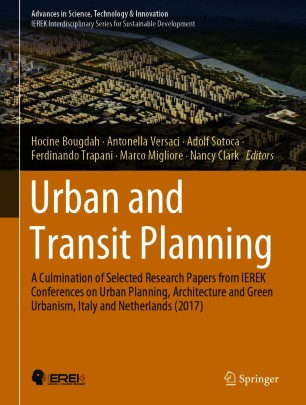

- Urban Planning and Architectural Design for Sustainable Development (UPADSD) – 3rd Edition held in Cairo, Egypt in December 2018.
- Urban Planning and Architectural Design for Sustainable Development (UPADSD) – 4th Edition (Online Conference) in November 2019.

- For participants who need Entry Visas to the country where the conference will be held, IEREK will issue the corresponding invitation letter for accepted applicants to facilitate visa issuance.
- Please notice that we will endeavor to assist you in obtaining a visa but the responsibility is yours and the decision rests solely with the appropriate Embassy.
Invitation Letter Issuance Process
1- In case the participant is an author who has submitted a research paper to the conference, it must get accepted by the Scientific Committee
2- Required participation fees must be paid
3- The participant should send the following information to the conference's official email:
* A clear copy of passport
* Passport number
* Full name as written in your passport.
* Date of Issuing and Expiration
* Date of Birth
* Email address of the nearest Embassy/Consulate to you
* Mobile Number including country code
4- Conference coordinator will issue the needful invitation letter and send a copy to the participant's email, in addition to another one to the corresponding email address of embassy/consulate
5- The participant should print out the invitation letter along with all other required documents by the embassy/consulate and apply for VISA
|
Cancellation Policy |
Up to 60 days before the event |
Up to 50 days before the event |
Up to 40 days before the event |
39 days before the event |
|
Penalty |
20% |
50% |
70% |
100% |
EXCEPTION
A refund is not possible if
-An acceptance letter has been issued (Authors only)
-The proceedings of the event have been published (Authors only)
-A Visa invitation letter has been issued (All Participants)
Visa Rejection Cases
Reason and proof of rejection must be submitted. If the reason for rejection is due to an error on our part, the participant will be refunded their full fee with a deduction of a 20% administration fee.
Documents to be issued by IEREK to acquire a visa are as follows:
*Final Acceptance Letter (Authors only)
*Visa Invitation Letter
*Invoice/proof of payment
We encourage all authors and attendees to ensure their having acquired all documents (those applicable) mentioned.
If the reason for rejection is not related to any of the aforementioned and is an error on the participant’s part, the following will apply:
*Authors: may choose to let their co-author present his/her research on his/her behalf free of charge. If the author does not have a co-author, a member of the scientific committee shall present on the author’s behalf.
*Audience members/Registrants: will only be allowed to attend another similar event of their choosing that is organized by IEREK free of charge.













Conference Coordinator
[email protected]
(+20) 3 5763827 | (+20) 3 5763828
Whatsapp: (+20)1000028021
Associate Professor of the Architectural Department at the University of Florence.
Professor at the Department of Architecture (DiDA), University of Florence, Italy.
Full Professor of Technological and Environmental Design of Architecture, Department of Architecture (DiDA), University of Florence, Italy.
Subscribe to our newsletter
Join IEREK community