facebook
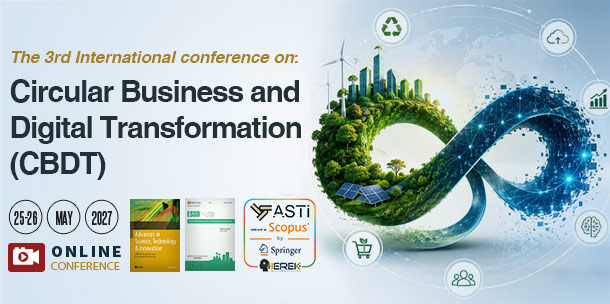
Circular Business and Digital Transformation (CBDT) - 3rd Edition

IEREK Conference

  • 25, May / 26, May 2027
  • Online Conference
Conference Email
[email protected]
Introduction

The global economic landscape is undergoing a profound and rapid transformation, driven by the dual forces of technological acceleration and the urgent need for environmental sustainability. As markets become increasingly interconnected and digitalized, traditional linear models of consumption and isolated operational strategies are proving inadequate for long-term viability. Organizations today are facing unprecedented pressure to rethink their foundational objectives and operational structures in a world defined by volatility and resource constraints.

In response to these systemic shifts, modern enterprises must look beyond mere efficiency and prioritize genuine value creation that respects ecological boundaries. The future of global commerce demands a fundamental paradigm shift toward circular economies, the ethical and strategic integration of Artificial Intelligence, and highly resilient financial management. This evolution requires leaders who can navigate the complexities of digital adoption while championing sustainability as a core pillar of institutional success.

We are proud to introduce the International Conference on Circular Business and Digital Transformation (CBDT), an evolution of our legacy forums. By merging technological innovation with ecological and social responsibility, CBDT serves as the definitive global platform where visionary leadership meets actionable sustainable practices. This edition prioritizes actionable outcomes, including a dedicated Policy Roundtable to generate recommendations for international governing bodies.

Conference Scope

CBDT functions as a premier international hub for the convergence of diverse academic, corporate, and entrepreneurial expertise. It brings together global researchers, industry leaders, economists, and policymakers to engage in critical dialogue regarding the transformation of the contemporary business ecosystem. By examining the interplay between digital transformation, circular business models, and corporate ethics, the scope of this conference is to foster multidisciplinary research that addresses the urgent need to redesign economic frameworks in a rapidly evolving global context.

The conference provides a dedicated space for exploring how enterprises can evolve from mere profit-driven entities into regenerative, socio-economically responsible organizations. It encourages participants to move beyond traditional management toward holistic models that integrate advanced digital intelligence, sustainable finance, and inclusive organizational behavior.

Statement of Purpose

CBDT aims to provide a comprehensive, interdisciplinary forum that bridges the gap between digital innovation and sustainable economic evolution. Our mission is to facilitate the exchange of knowledge, methodologies, and best practices among scholars and business practitioners. By examining the synergy between AI-driven operations and circular economy entrepreneurship, we aim to offer actionable insights that empower business leaders, strategists, and policymakers to lead the transition toward a prosperous, equitable, and environmentally resilient global market.

Conference Topics
  • 1. AI, Data Analytics, and Business Intelligence

    1.1. Generative AI for intelligent decision support systems.
    1.2. 
    Big Data governance and Business Intelligence frameworks.
    1.3. 
    Predictive analytics for strategic corporate decision-making.
    1.4. Machine learning algorithms for advanced enterprise resource planning.
    1.5. Data-driven strategy and optimization of business workflows.
    1.6. Cybersecurity strategies for protecting corporate data assets.
    1.7. Real-time anomaly detection and edge computing applications.
    1.8. Ethical frameworks and transparency in automated systems.

  • 2. Sustainable Economics and Financial Management

    2.1. Integrating CSRD, ISSB, and global sustainability reporting standards.
    2.2. Corporate performance metrics for sustainable and green initiatives.
    2.3. Environmental, Social, and Governance (ESG) investment strategies.
    2.4. 
    Sustainable financing and green bonds mechanisms.
    2.5. 
    Financial risk management in volatile global markets.
    2.6. 
    Economic impact assessments of corporate sustainability.
    2.7. 
    Biodiversity credits and innovative climate adaptation funding.
    2.8. 
    Fintech innovations for sustainable banking and finance.

  • 3. Circular Innovation, Product Design, and Emerging Technologies

    3.1. Digital Product Passports and circularity-focused eco-design.
    3.2. 
    Smart manufacturing, additive manufacturing, and green materials.
    3.3. 
    Digital product lifecycle management and industrial symbiosis.
    3.4. 
    Cradle-to-cradle design principles for consumer goods.
    3.5. 
    Design for disassembly and modular product architectures.
    3.6. 
    Biomimicry and nature-inspired engineering in business.
    3.7. 
    Reverse logistics and closed-loop material recovery.
    3.8. 
    Performance metrics for circularity in enterprises.

  • 4. Entrepreneurship and Startup Ecosystems

    4.1. Incubators and accelerators for sustainable and green startups.
    4.2. 
    Venture capital funding for emerging green technology ventures.
    4.3. 
    Social entrepreneurship and impact-driven business models.
    4.4. 
    Innovation ecosystems and regional entrepreneurial networks.
    4.5. 
    Lean startup methodologies applied to the circular economy.
    4.6. 
    Overcoming scaling challenges in sustainable enterprises.
    4.7. 
    Corporate intrapreneurship for driving internal sustainability.
    4.8. 
    Digital nomadism and the rise of borderless entrepreneurial ventures.

  • 5. Global Supply Chain Management and Logistics

    5.1. Resilience planning for global supply chain disruptions.
    5.2. 
    Sustainable procurement and ethical vendor management.
    5.3. 
    Generative AI and intelligent decision support in supply chain.
    5.4. 
    Decarbonization strategies for freight and global logistics.
    5.5. 
    Traceability and transparency through blockchain tracking.
    5.6. 
    Lean manufacturing and waste reduction in production.
    5.7. 
    Supplier capacity building for circular economy compliance.
    5.8. 
    Omnichannel distribution strategies and last-mile efficiency.

  • 6. AI-Enabled Leadership, Talent, and Organizational Transformation

    6.1. Adaptive leadership strategies for AI-driven organizational evolution.
    6.2. 
    Generative AI applications in talent management.
    6.3. 
    Advanced workforce analytics for human capital optimization.
    6.4. 
    Skills-based organizations and talent development strategies.
    6.5. 
    Employee experience and engagement in hybrid workplaces.
    6.6. 
    Green HRM practices and sustainable career development.
    6.7. 
    Continuous learning ecosystems and workforce reskilling.
    6.8. 
    Mental well-being, psychological safety, and DEIB cultures.

  • 7. Marketing Strategies in the Digital Economy

    7.1. Generative AI in digital marketing and consumer engagement.
    7.2. 
    Creator economy and social commerce dynamics.
    7.3. 
    Metaverse and XR-based marketing strategies.
    7.4. 
    Green marketing and mitigating corporate greenwashing.
    7.5. 
    Consumer psychology and sustainable purchasing behaviors.
    7.6. 
    Data-driven personalization in digital marketing.
    7.7. 
    Brand equity and reputation management.
    7.8. 
    Ethical data usage in targeted advertising.

  • 8. Emerging Technologies and Future-Proofing

    8.1. Quantum computing impacts on business and security.
    8.2. 
    Digital Twins and Metaverse industrial applications.
    8.3. 
    Web3, decentralized autonomous organizations, and business.
    8.4. 
    Edge computing for decentralized urban ecosystems.
    8.5. 
    Extended Reality (XR) for training and operations.
    8.6. 
    Autonomous digital agents and intelligent automation.
    8.7. 
    Smart urban business ecosystems (Smart Cities).
    8.8. 
    Advanced robotics and automated systems.

  • 9. Advanced FinTech and Digital Finance

    9.1. Blockchain-enabled financial services and digital assets.
    9.2. 
    Central Bank Digital Currencies (CBDC) and their business impacts.
    9.3. 
    Sustainable FinTech and ethical digital payment systems.
    9.4. 
    AI for sustainable financial risk assessment.
    9.5. 
    Decentralized finance (DeFi) architectures.
    9.6. 
    Digital currency adoption in global commerce.
    9.7. 
    Financial inclusion through digital banking innovations.
    9.8. 
    Algorithmic trading and automated financial markets.

  • 10. Policy, Governance, and Responsible AI

    10.1. Responsible AI governance and digital sovereignty.
    10.2. 
    Data diplomacy and cross-border regulatory frameworks.
    10.3. 
    Regulatory compliance in the age of global digital business.
    10.4. 
    Corporate governance structures and board diversity.
    10.5. 
    Antitrust regulations in technology-dominated markets.
    10.6. 
    International trade policies and cross-border commerce.
    10.7. 
    Data privacy laws and global operational adaptations.
    10.8. 
    Shaping public policy through corporate advocacy.

Important Dates
Title Date
Abstract Submission Deadline  15 Oct 2026
Last Notification for Abstract Acceptance & Approval to present 30 Oct 2026
Early Payment Deadline 15 Jan 2027
Regular Payment Deadline 28 Feb 2027
Late Payment Deadline 20 Apr 2027
Full Paper Submission Deadline 25 Mar 2027
Notification of preliminary acceptance/rejection of full paper 10 Apr 2027
Conference Program 25 Apr 2027
Conference Launch 25 May 2027


Registration & Fees

General Instructions

  1. Expenses:

    The registration fee does not cover accommodation or travel expenses. A list of accommodation options can be suggested by our team if available. Please contact [email protected] for inquiries.

  2. Benefits:

    We recommend that all authors take advantage of the benefits that IEREK offers, including various attendance types, publishing opportunities, and opportunities for discounts and waivers.

  3. Membership:

    We are pleased to inform all applicants that they can use their previous publications to register for an IEREK membership, which offers a special discount.

  4. Collaborative Discounts:

    IEREK offers a special discount to applicants from collaborative universities that have signed an MoU with IEREK to host or co-host one of its conferences.

  5. Income-Based Discounts:

    IEREK also provides special discounts to authors from low and medium-income countries.

  6. Publication Consideration:

    The disclosed fees are for the conference participation (Publication is not included as it is free of charge, but only the conference participants can be considered in the conference proceedings).

  7. Book Series/ Journal(s) Discounts:

    Some of the disclosed conference fees may vary depending on the book series and/or journal(s) presented as a publication outlet, as we encourage submission to newly founded book series and/or journal(s) by presenting a discounted rate for the conference's fees.

Types of Applications, Attendance, and Registration

IEREK offers many types of registrations that are diverse in registration fees; applicants can choose the type they are familiar with as follows:

  1. Academic:

    Participants who are PhD holders, post-doctoral researchers, and universities’ affiliated professors and experts in the field.

  2. Students:

    Must provide proof of enrollment in a university by providing an enrollment certificate and/or a valid university ID (with issue/expiry date) etc.

  3. Professionals:

    Participants who are not affiliated with universities such as practitioners, policymakers, entrepreneurs, etc.

  4. Companions/Co-authors:

    Have access to the event to enjoy the discussions, coffee breaks, and lunch as a co-author or audience.

A. Online Attendance

Type of Registration Early Payment Deadline
30 July 2025
Regular Payment Deadline
30 Nov 2025
Late Payment Deadline
30 Dec 2025
Scopus indexed-ASTI Book By Springer
Student 250 € 300 € 350 €
Academic 300 € 350 € 400 €
Professional 350 € 400 € 450 €
Co-author/ Audience 100 € 150 € 200 €
SAIPA Book by Springer
Student 200 € 250 €  300 € 
Academic
Professional
Co-author/ Audience 100 € 150 € 200 €
Open Access IEREK Press Journals
Student 150 € 200 € 250 €
Academic 200 € 250 € 300 €
Professional 250 € 300 € 350 €
Co-author/ Audience 100 € 150 € 200 €

IEREK offers virtual attendance, providing authors with a unique link to join the conference sessions and present their papers as per the announced program.

IEREK is dedicated to optimizing the benefits for each delegate so, similar to physical attendance, when it comes to virtual attendance IEREK also provides two venues for publication, which are:

The online fee covers:

      • IEREK Participation/Contribution soft copy Certificate
      • Preliminary Acceptance Letter
      • Consideration for publication in the IEREK-Springer interdisciplinary series (ASTI series by Springer) or IEREK Press, or any available special issues according to the type of registration in the table above.
      • Access to conference recordings

* Each research paper should have one main author who should pay the full fee (Author fees) regardless of attendance.

* Co-authors, each, have their fees to pay to attend the event. This applies to online attendance as well as physical attendance.

Discounts and Waiving Opportunities

        1. 15%: Participants who come from co-partner universities who have already signed an MOU with IEREK can receive a 15% discount. Authors should mention the key person who signed the agreement with IEREK. You are welcome to inquire if your university has an agreement with IEREK or not yet.
        2. 20%: Waiving with 20% for low-income countries according to the World Bank classification mentioned below. (applicable to the regular payment stage)
        3. 25%: If multiple abstracts are submitted by the same first author to the conference, a 25% discount is applied to each additional submission according to the deadline of payments.

* Participants can use only one type of discount opportunity, which meets their preferences.

* Authors should contact the conference manager through this email [email protected] to consider the discount and waiving for all the above cases so that the conference manager can provide an exclusive invoice for each case.

Proof of capability to get the discount:

      • A copy of a student enrollment card for 2025 is essential.
      • Proof of affiliation to the partnering university is to be provided.
      • Proof of previous publication through IEREK conferences. 
      • A copy of passport for authors from low-income countries. Added below is the list of low and middle income countries according to the World Bank classification.

Countries List

Afghanistan, Algeria, Angola, Bangladesh, Benin, Bhutan, Bolivia, Burkina Faso, Burundi, Cabo Verde, Cambodia, Cameroon, Central African Republic, Chad, Comoros, Congo, Congo Dem. Rep., Côte d'Ivoire, Djibouti, Egypt, Eritrea, Eswatini, Ethiopia, Gambia, Ghana, Guinea, Guinea-Bissau, Haiti, Honduras, India, Iran, Jordan, Kenya, Kiribati, Kyrgyz Republic, Lao PDR, Lebanon, Lesotho, Liberia, Madagascar, Malawi, Mali, Mauritania, Micronesia, Mongolia, Morocco, Mozambique, Myanmar, Nepal, Nicaragua, Niger, Nigeria, Pakistan, Papua New Guinea, Philippines, Rwanda, Samoa, São Tomé and Principe, Senegal, Sierra Leone, Solomon Islands, Somalia, South Sudan, Sri Lanka, Sudan, Syria, Tajikistan, Tanzania, Timor-Leste, Togo, Tunisia, Uganda, Ukraine, Uzbekistan, Vanuatu, Vietnam, Yemen, Zambia, Zimbabwe

Publication Period

IEREK puts a lot of effort into expediting the peer review process to publish articles as quickly as possible. This requires prompt responses from all authors to the editors' comments, if any. Your swift response is highly appreciated to advance the production process and get your articles online. We prioritize the first author to respond as per our formula. The conference proceedings will be divided into multiple books, with the first one scheduled for publication within 6 months after the conference date. We encourage all authors to aim for publication in the first release.

Possibilities for Extra Fees

      1. Authors may request that their kits be delivered, for an additional fee decided by the courier, and upon request. Alternatively, authors located in Egypt can pick them up from IEREK headquarters in Alexandria.
      2. Additional Conference Kit (Excluding Delivery). *Contact us for a quotation on shipping fees.
      3. Gala Dinner, social programs, and other activities.


💳 Payment & Administration

Registration and financial transactions for this conference are managed through our strategic partners, working in close academic partnership with IEREK to ensure seamless delivery of conference services and publication standards.

iDirect

iDirect

Publishing Direct Conferences CO. LLC

COEUS

COEUS

Strategic Financial Partner

Both entities work in close academic partnership with IEREK to ensure the highest standards of financial transparency, conference administration, and publication quality.

Authors' Instructions

IEREK has an unyielding policy regarding plagiarism. We believe that copying/taking the ideas and work of other Authors without permission and credit is fraudulent. The Reviewing committee and IEREK employees have the authority to reject a paper during its reviewing process, based on the paper being subjected to either minor or major plagiarism.

Authors must refer to, and abide by, the following instructions in submitting their abstracts/ papers:

Step 1: Abstract Submission Process

  • The author should prepare and submit an Abstract of at least 150 – 300 words through the website.
  • The abstract should be concise and clearly state the proposed research study's purpose, results, and conclusions.
  • The author should select the most relevant topic for the paper from the corresponding conference topics.
  • The author can use/download an Abstract Writing Template prior to submission
  • To submit your abstract, you first need to (1) click on the “Register” button on the conference page, (2) click on “Submit Now” and:
    • Select the Topic in which you are making the submission
    • Insert the title of your study in the "Paper Title" section
    • Insert the full abstract in the "Abstract" section/upload a file in the .pdf, .doc, .docm, or .docx format
    • Add in writing 3 – 5 keywords that define the field, subfield, topic, and research area covered by the article to help other researchers understand and find your work.
    • Provide the names, affiliations, and E-mails of all authors/ co-authors involved
    • Confirm your submission by ticking having read the instructions and “submit Abstract”

Step 2.1: Abstract Acceptance

  • After acceptance of your abstract of at least (150 – 300 words), you will receive a proforma invoice and specific instructions to complete the payment online or by bank transfer (See Conference Fees) to confirm your participation,
  • Once your abstract has been accepted, please refer to the important dates tab and carefully review the announced dates to avoid late payment, as late payment comes at an extra charge (early bird/regular/late).
  • After successfully completing payment, you will be issued upon request with the following:
    • A signed/ stamped abstract acceptance letter
    • Please note that acceptance of participation, abstract submission, and paper submissions all have different deadlines. To stay up to date and avoid paying extra fees, or delaying your paper, please carefully review the important dates tab.
    • Receipt of Payment/ Payment Invoice
    • Visa Invitation Letter, if needed
  • After abstract acceptance, you may be given the option to extend the abstract to publish your work in the conference proceedings in ASTI published by Springer Nature (indexed in Scopus/SCImago) (optional not obligatory).

    This is not a prerequisite for presenting your work at the conference. Meaning, you can present your submitted abstract without intending to publish your work.

Step 2.2: Full Paper Submission

  • Your submitted paper should be 6+ pages long and submitted before the paper submission deadline, in English, and fit within one of the conference topics.
  • Papers should be a minimum of 6 pages and contain 4,000 words, excluding references.
    Authors should support their research and clarify their ideas using various explanatory methods, such as figures, equations, and diagrams.
  • The paper should follow the research paper structure as follows: Abstract (+keywords), Introduction, problem statement, and study aim, Review of the Literature, Methodology, results and conclusion/ discussion, References list using the Paper Writing Template.
  • The submission should be made following the same procedure followed for the abstract or sent to the conference email.
  • Here: Authors may need more pages than the allotted maximum of 6 to insert figures, tables, appendixes, etc. In this case, they can submit regular papers (max. 12 pages) with the same fixed fee. For a detailed outline of the fees, please refer to the payment table in the conference fees tab.
  • The conference does welcome Arabic submissions (with abstracts written in the english language), which will only be considered for publication in BAHETH by IEREK Press.

يمكنك تقديم بحثك باللغة العربية (مع كتابة الملخص باللغة الأنجليزية)، وسيتم نشرها بعد المراجعة في مجلة باحث (مجلة علمية محكمة تنشر أبحاثا أكاديمية في مجالات الهندسة والتكنولوجيا)

Step 3: Rigorous Peer Review Process (double-blind)

This process can only be initiated after payment completion and confirmation:

  • If submitted, the paper will be preliminarily checked (iThenticate plagiarism/ similarity screening Software, readability, and scope) and it will be peer-reviewed. If similarity issues are detected, the following will apply:
    • % from all sources: 10-15%
    • % from one source: 3-5%
    • Higher than 30% (all sources): Reject completely
    • Lower than 30% (all sources): Ask for revision to decrease the similarities
  • IEREK has an unyielding policy regarding plagiarism. We believe that copying/ taking the ideas and work of other Authors without permission and credit is fraudulent. The Reviewing committee and IEREK employees have the authority to reject a paper during its reviewing process, on the basis of the paper being subjected to either minor or major plagiarism.
  • Each paper/ chapter is evaluated by a minimum of two reviewers, after which a final decision by the responsible Editor is made. There is no maximum to the number of times a paper can be reviewed, depending on the quality of the submission.
  • If your paper is accepted by the Editors for publishing with comments/ requested modifications, our Editors (publishing department) will contact you once a decision is made and you will be asked to revise and correct it. After resubmission, it will be re-checked. Note: There may be more than one round of peer review and the decision rests with the editors of the title. Missed deadlines may result in complete exclusion/ rejection from the final publication.
  • If your paper is accepted for publishing without edits/ comments, the corresponding author will be contacted to provide the final version of their chapters/ papers following Springer Guidelines and sign the Springer consent-to-publish (CTP) form to authorize publication in the conference proceedings.
  • A back-and-forth process: modifications will be sent back to the responsible Editor/ Series Editor and another round of evaluation conducted where needed. Participants/ Authors should regularly check their emails (Junk/ Spam folders).
  • If you are not interested in publishing an extended abstract in the proceedings in ASTI by Springer Nature, please inform the conference support ([email protected]).

Step 4: Extended paper 

  • After the conference, the authors of the best papers will be invited to submit an extended version of their research, 8 – 12+ pages in length, (optional) of their papers for publishing in an edited volume to be published by Springer Nature.
  • Publishing your paper (i.e., extended abstract) in the conference proceedings does not prevent the submission of the full version for publishing consideration after the conference if the similarity percentages (SR%) in Step 3 are taken into account.
Publishing Opportunities
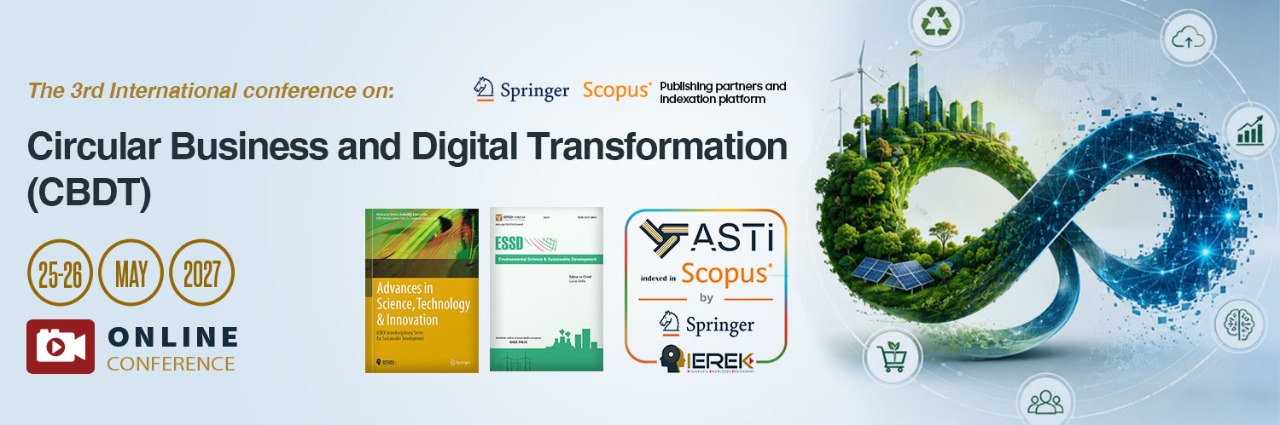
Conference Banner

📚 Springer Series

All accepted submissions to the conference, after a rigorous double-blinded peer-review process by the respective Editorial Board, will be published in one of the following:

Advances in Science, Technology, and Innovation (ASTI)

Advances in Science, Technology and Innovation (ASTI), an IEREK interdisciplinary book series published by Springer Nature. (SCOPUS indexed)

Publisher: Springer Nature (IEREK Interdisciplinary book series)

Indexing: SCOPUS indexed; some titles in Web of Science (ISI)

Focus: Emerging research in science, technology, and innovation for sustainable development, addressing UN SDGs.

saipa

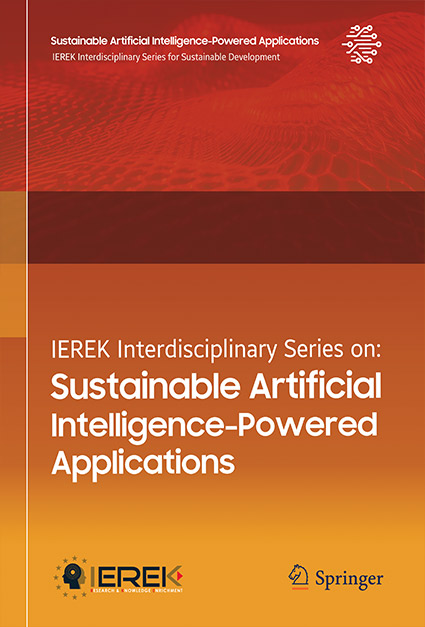
Sustainable Artificial Intelligence-Powered Applications (SAIPA)

Publisher: Springer (Peer-reviewed book series)

Focus: Advancing interdisciplinary research and applications of artificial intelligence to support sustainability and the achievement of global development goals.

Key Areas: Artificial intelligence; sustainable development; machine learning; smart cities; renewable energy; precision agriculture; environmental monitoring; climate modeling; Internet of Things (IoT).

📰 IEREK Press Journals

Internationally peer-reviewed, open access journals published by IEREK Press. Covering a wide range of disciplines including sustainability, architecture, engineering, and environmental sciences.

Journal on: 

  • Environmental Science & Sustainable Development (ESSD)
  • The Proceedings of the Academic Research Community on Social and Behavioral Sciences (ARChive-SR)
  • Proceedings of Science and Technology (Resourceedings)
  • BAHETH International Journal.
Participants’ Instructions

Registration

To help the organizers plan for inter-disciplinary dialogue, participants are requested to choose from the conference themes/ Topics upon registration.

They must also refer to, and abide by, the following instructions in registering and submitting their abstracts/ papers:

Types of Participation

  1. Attend/ Present Virtually and Publish in Conference proceedings

Organized from the comfort of your own home, the conference offers a virtual attendance option for your convenience. That said, participants will have a chance to present their abstract/research, online, and have their work considered for publication in the proceedings.

Virtual presenters are required to submit an abstract and extend this abstract following the “author instructions” below and before the deadline (see Important Dates). At least one author must pay the registration fee (see Registration & Fees).

For any reason, authors may wish to submit pre-recorded video presentations no later than 15 days prior to the conference. Alternatively, they may wish to record a voice-over PowerPoint presentation for submission to the conference organizers.

  1. Attend/ Present in-person and Publish in indexed Conference proceedings 

Organized at the American University of Ras Al Khaimah, UAE, offering a Physical attendance option for your convenience. That said, participants will have a chance to present their abstract/research, on campus, and have their work considered for publication in the ASTI Series by Springer as part of the conference proceedings.

See Author Instructions and Registration & Fees for more information.

  1. Registration to publish in the proceedings without presenting/ attending

If your extended abstract (short paper) is accepted, it may be published in the conference proceedings book in the Advances in Science, Technology & Innovation Book Series by Springer (indexed in Scopus) even if you are not attending the conference. In this case, the accepted work will not be included in the final conference program and the fee will cover the cost of editorial handling and peer-review evaluation of your paper (See Author Instructions and Publishing Opportunities)

  1. Non-presenting participant

Non-presenting participants may also wish to attend the conference as Audience Members or Co-authors contributing to an already submitted abstract/ paper.

Benefits Of Attending

Attending conferences is very beneficial, especially, on the professional level; conferences are full of people promoting new ideas which will expand your knowledge and undoubtedly help your career.

  • Open Discussions: We bring together leading academic scientists to exchange and share their experiences and research results in all fields. Furthermore, you get to converse with other researchers from different universities and countries. You learn from experts in the field. It is a great opportunity to find more about your field and listen to ideas that could help inspire research ideas of your own.

  • Internationally Accredited Certificate: The participants are granted internationally recognized certificates which will be added to their certificates of experience or could be presented to the official authorities concerned.

  • Publication: The conference proceedings will be published by one of IEREK Press' Journals, either in "Resourceedings" or "ARChive". High-quality manuscripts, based on scientific committee evaluation, will get the chance to be published either in Environmental Sciences & Sustainable Development (ESSD) by IEREK Press or as a book chapter in the ASTI book series by "Springer".

  • Research Technologies: Conferences also can expand your resources by providing a great opportunity to promote gathered information on new technologies related to your research. Moreover, they let you test them out, share teaching tools and techniques, or even obtain samples of textbooks.

  • Networking: Conferences help in networking which often increases your chances of collaboration in future projects. As you can engage with respectable professors and discuss with them the very latest research projects they could be working on.

  • Academic Reputation: Attending many conferences will make you a known figure in academic circles, not to mention the benefits for your C.V as it will show that you are an active member of the academic community.

  • Conference Proceedings Material: Delegates will receive the conference proceedings in a digital format.
     

Moreover, all conference papers are archived online in the E-Library of IEREK‘s website where they are immediately and permanently available to the international scientific community.

Previous Editions

Here you can access the previous editions' highlights and overview:

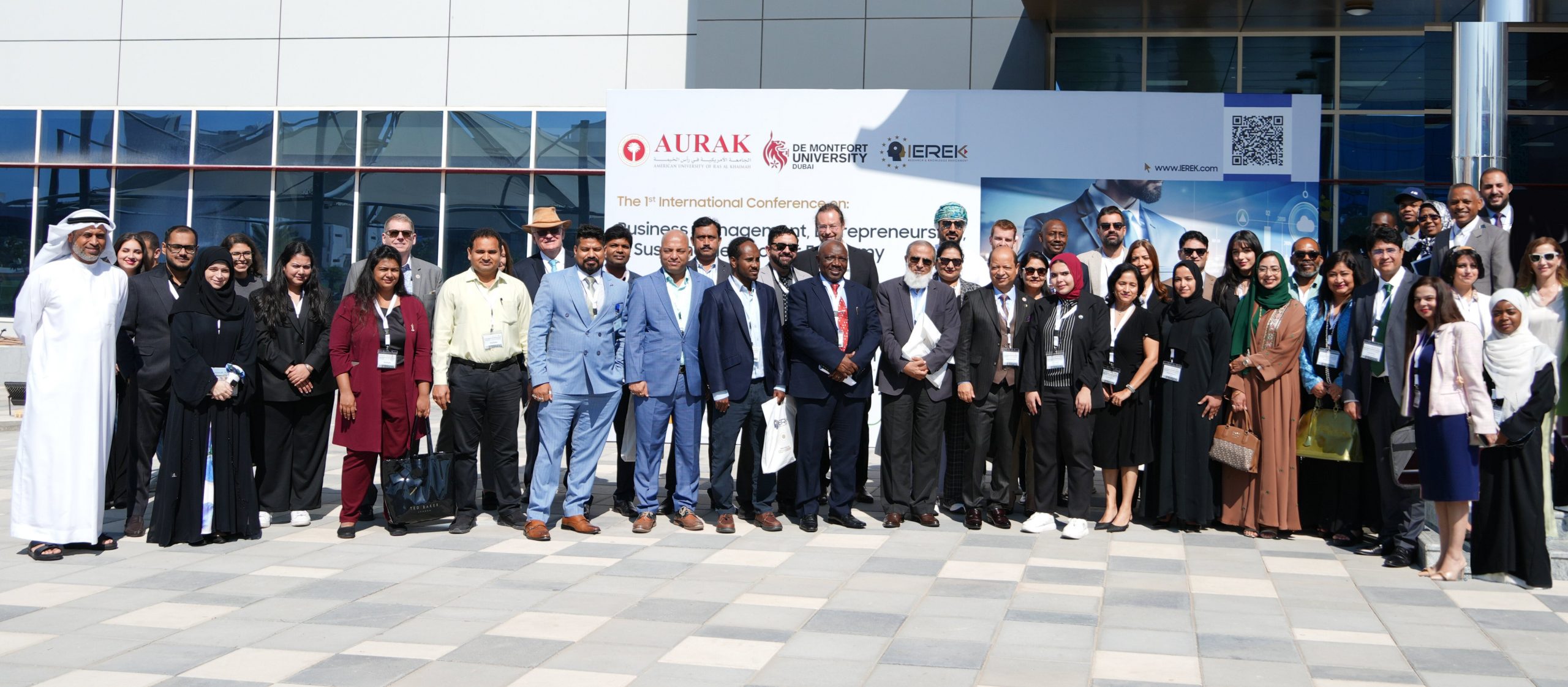
First Edition – 2024
International Conference on Business Management, Entrepreneurship, and Sustainable

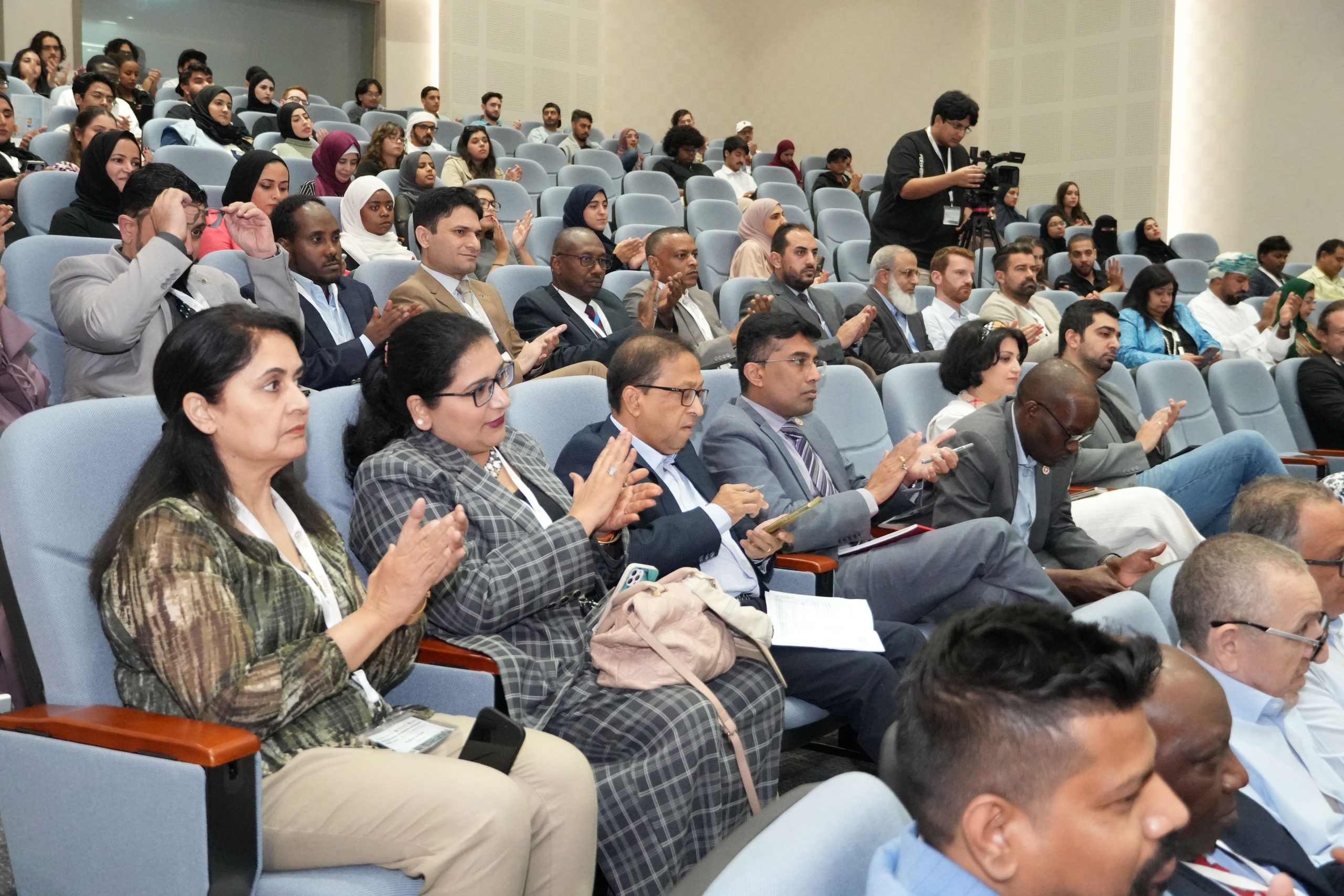
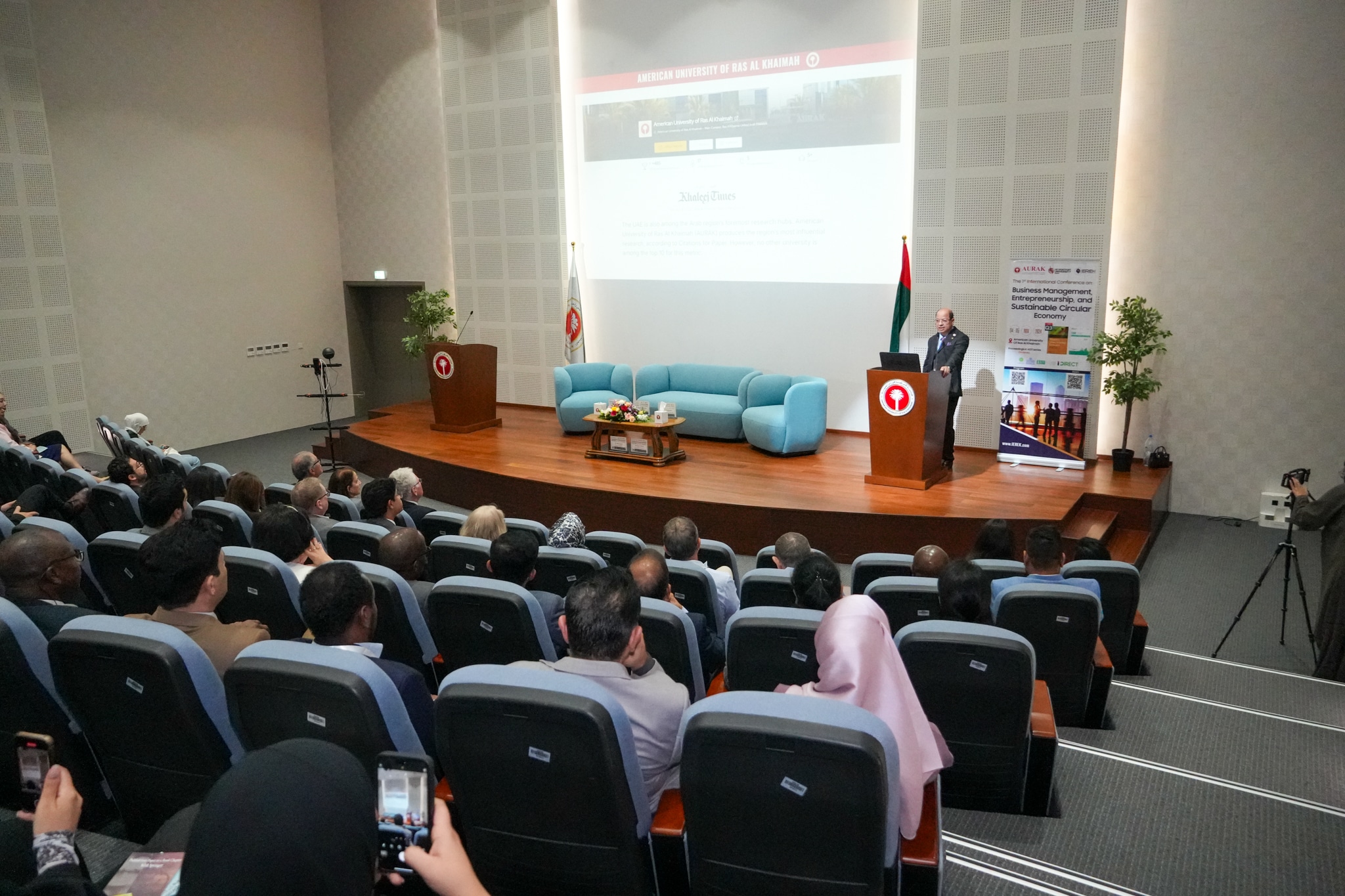
The 1st Edition brought together academics, researchers, and professionals to explore innovative approaches to business, entrepreneurship, and sustainable circular economy through keynote sessions, workshops, research presentations, and expert discussions.

Highlights: The program featured 6 parallel sessions, keynote speeches, a research-focused workshop, and panel discussions addressing sustainable business, CSR, leadership, entrepreneurship, and environmental responsibility.

View First Edition Overview →

First Edition Conference Highlights

Second Edition – 2026
International Conference on Disrupting for Good: AI, Entrepreneurship, and Sustainable Circular Economy

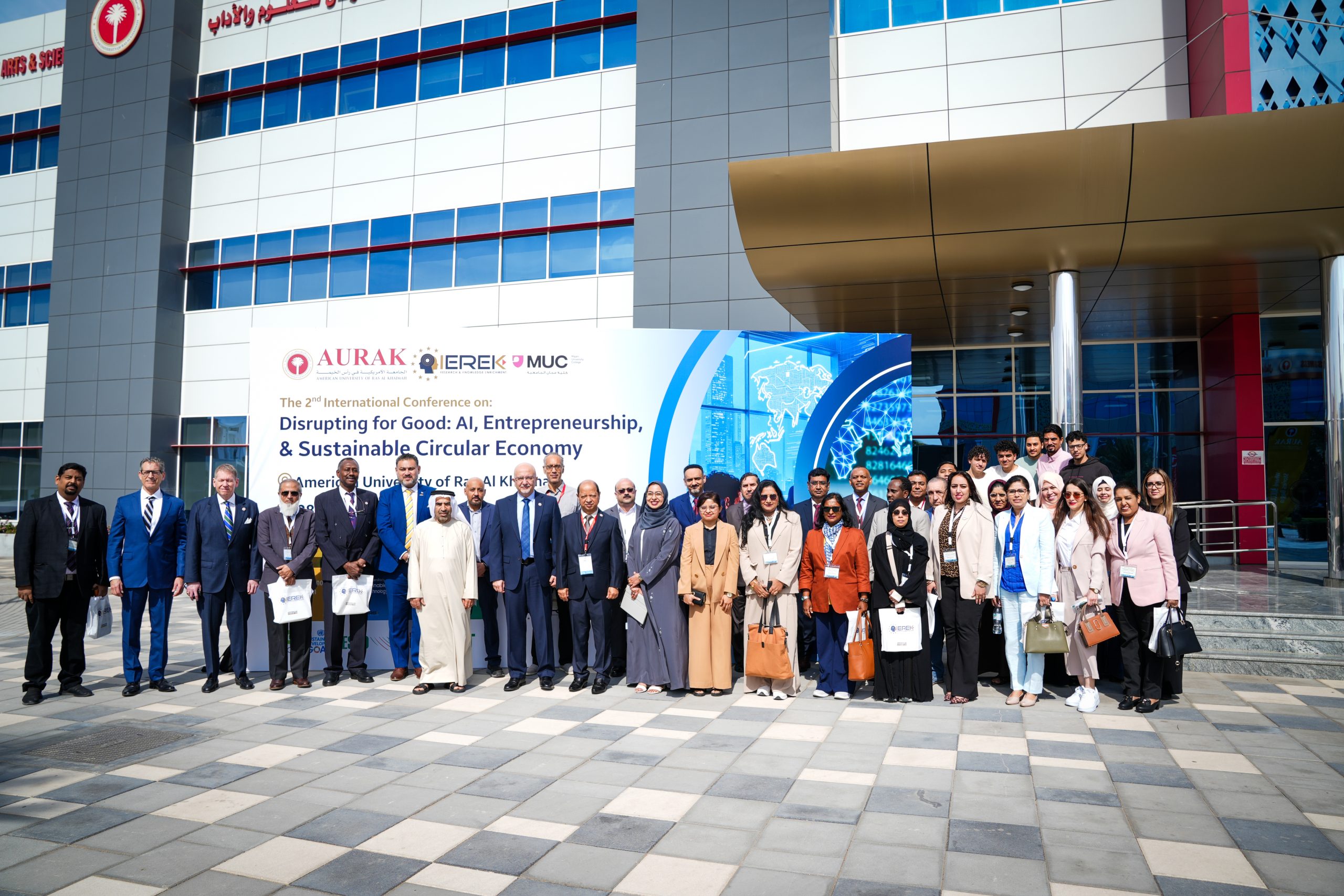
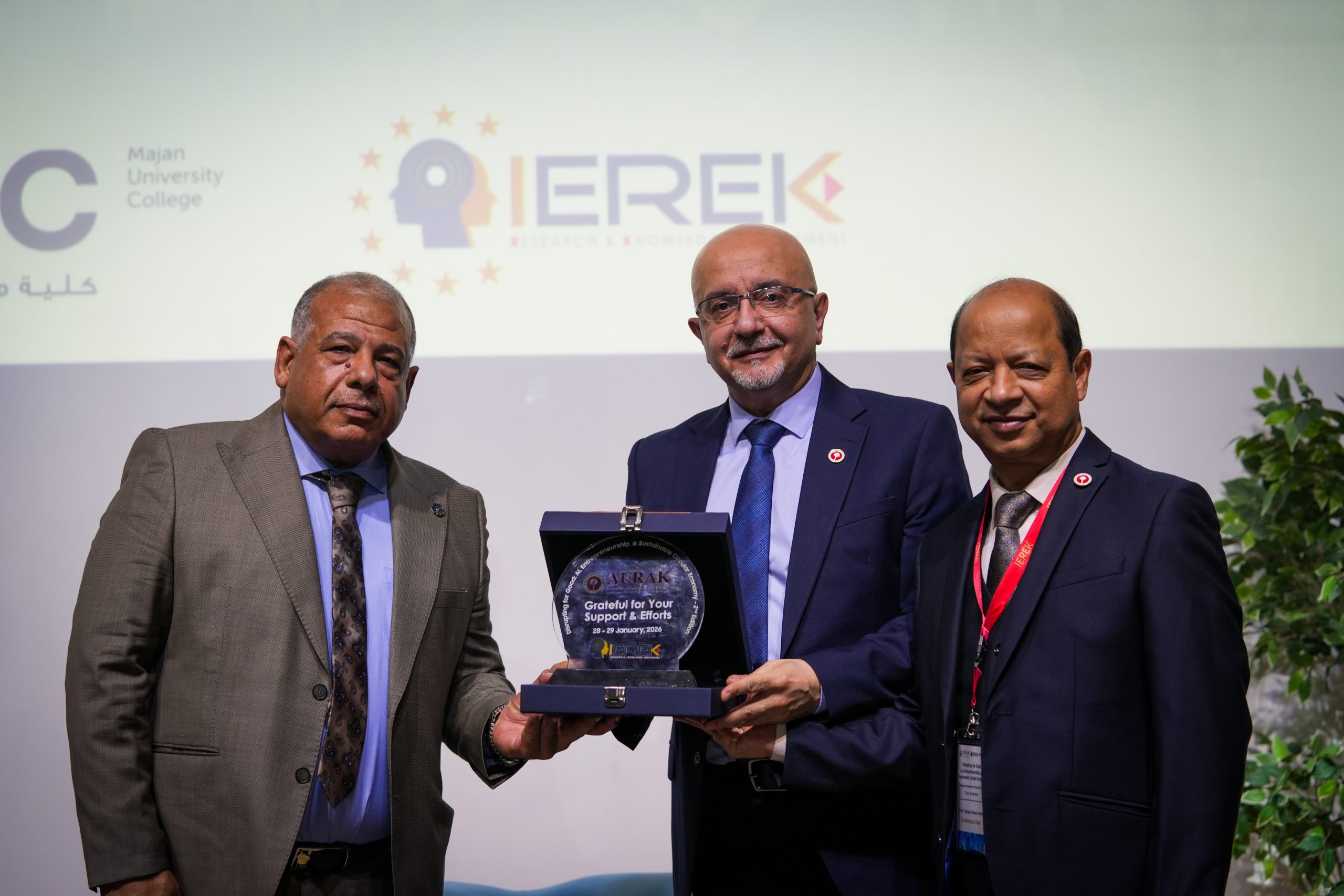
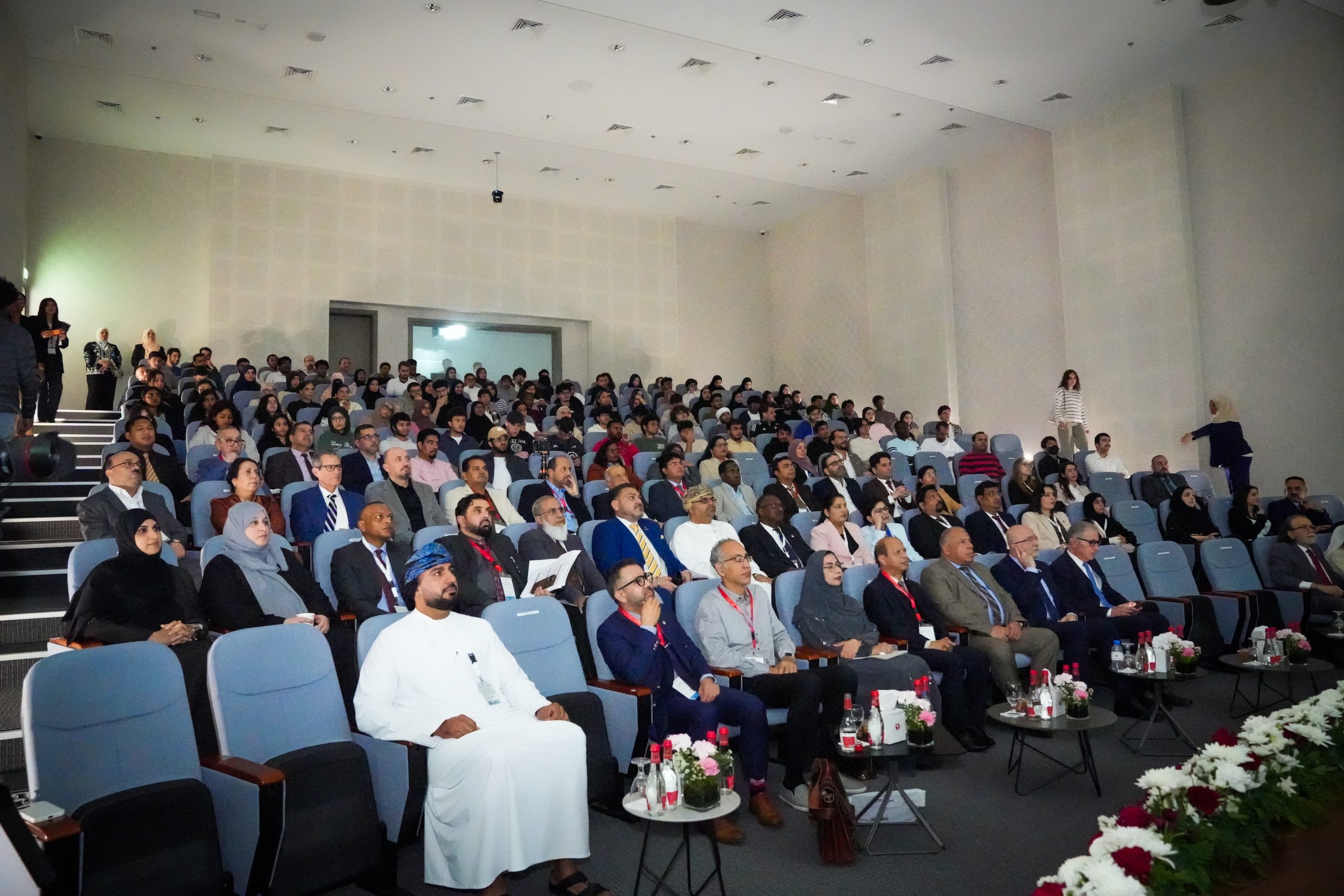
The 2nd Edition brought together academics, researchers, and professionals to explore the intersection of AI, entrepreneurship, and sustainable circular economy. Through keynote sessions, research presentations, panel discussions, and a closing master class, the conference highlighted innovative approaches to digital transformation, sustainable innovation, responsible business, and emerging technologies.

Highlights: The program featured 8 parallel sessions, keynote speeches, and a closing master class covering AI, digital transformation, circular economy, fintech, cybersecurity, entrepreneurship, and sustainable innovation.

View Second Edition Overview →

Second Edition Conference Highlights
Partners