Green Urbanism (GU) -10th edition
Online Conference
22 Oct 2026 / 23 Oct 2026 read more
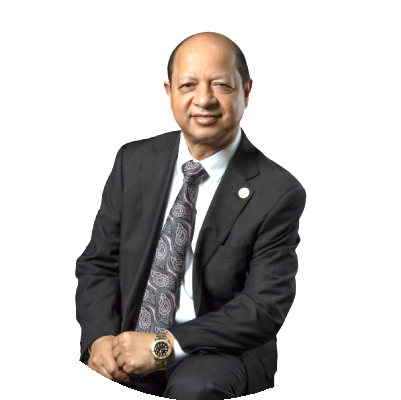
Associate Provost for Research and Sustainability - Director of Entrepreneurship and Innovation in American University of Ras Al Khaimah
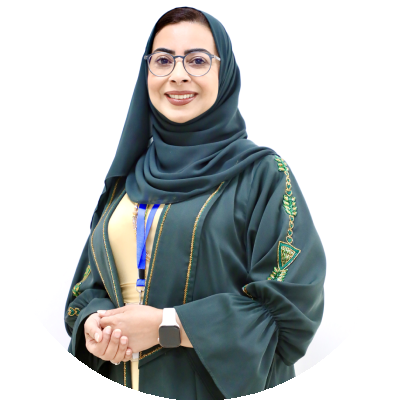
Deputy Dean – Academic Affairs – Majan University College, Oman
Esraa Khaled
Conference Coordinator
[email protected]
(+20) 3 5763827 | (+20) 3 5763828
(+20)1000028021
Subscribe to our newsletter
Overview of the 2nd Edition of Disrupting for Good: AI, Entrepreneurship, and Sustainable Circular Economy
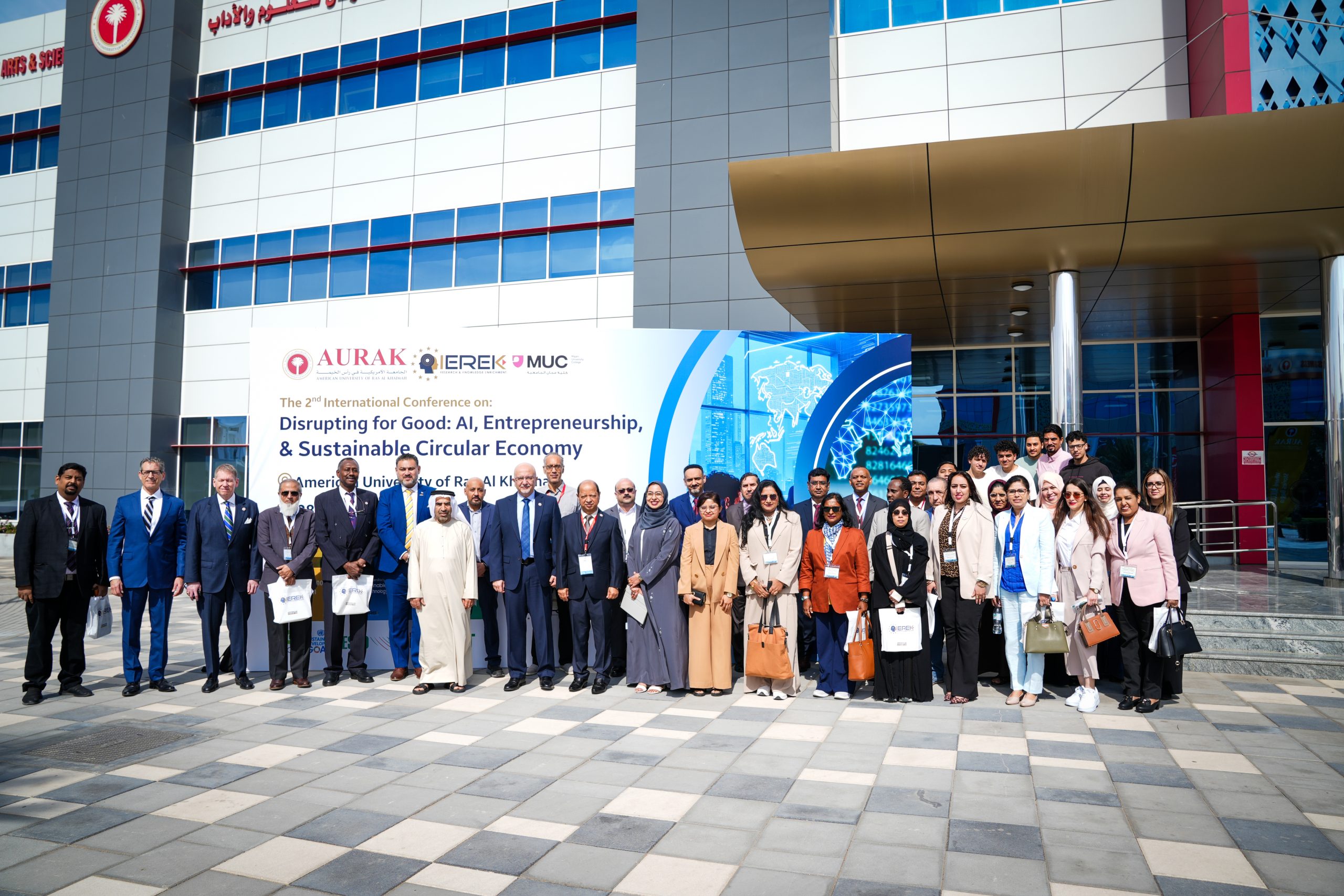
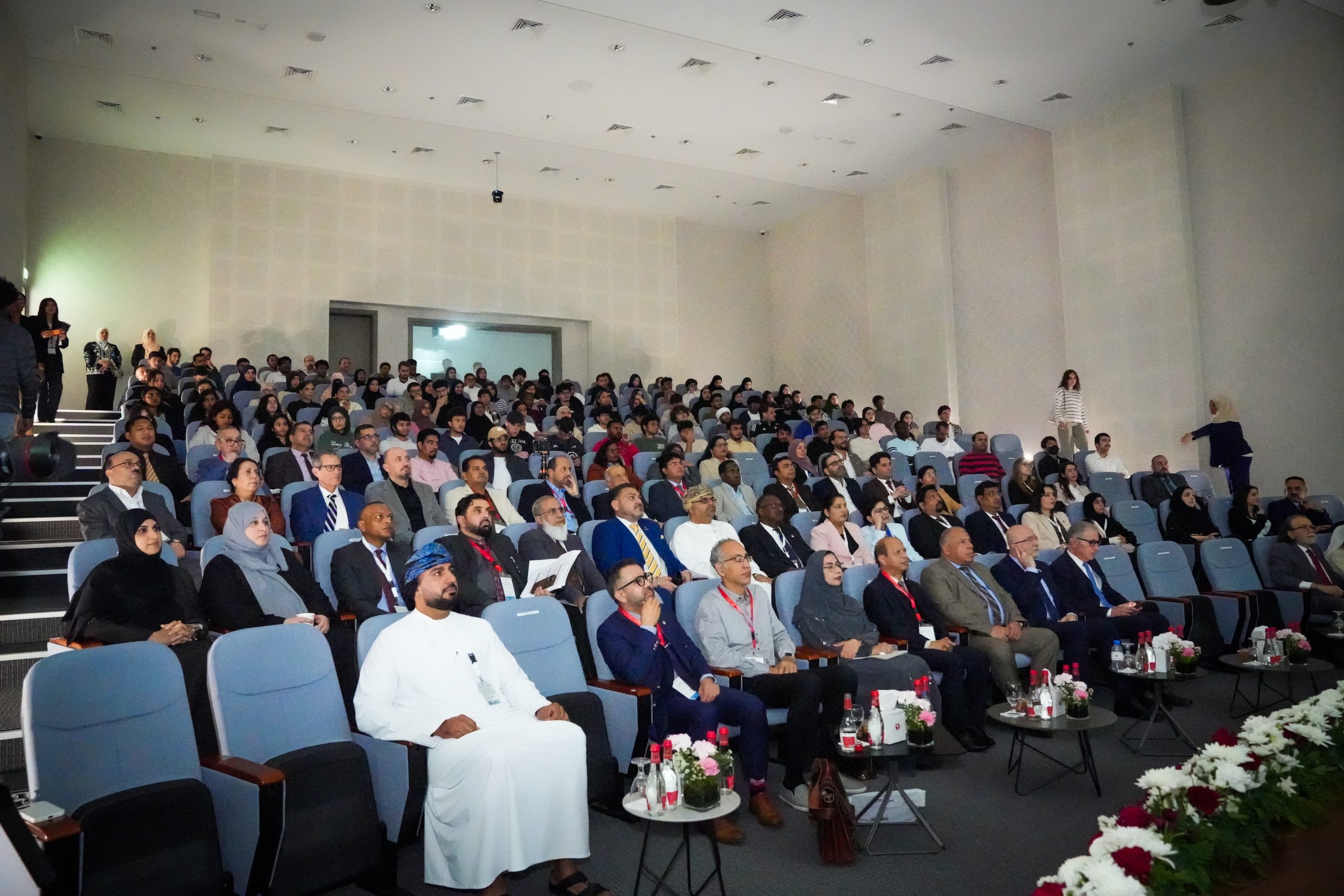
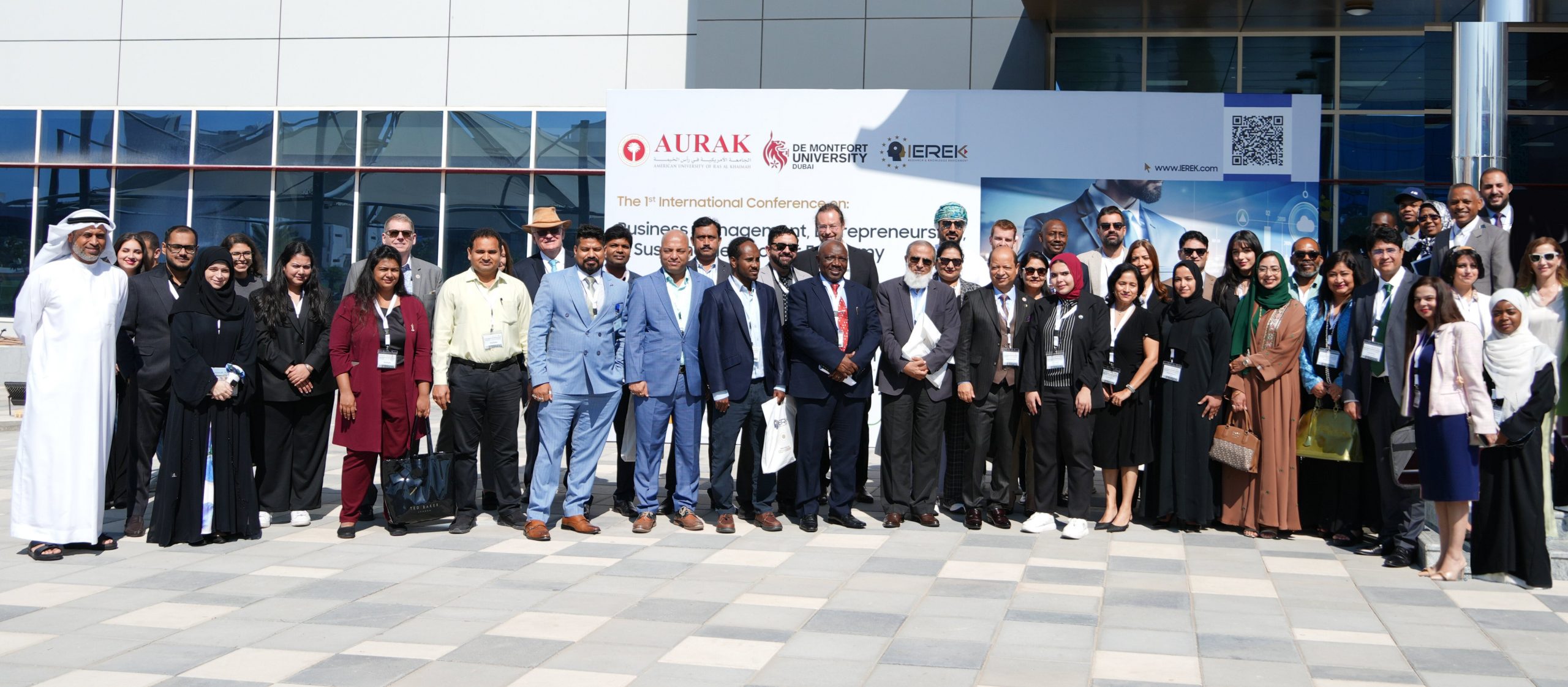
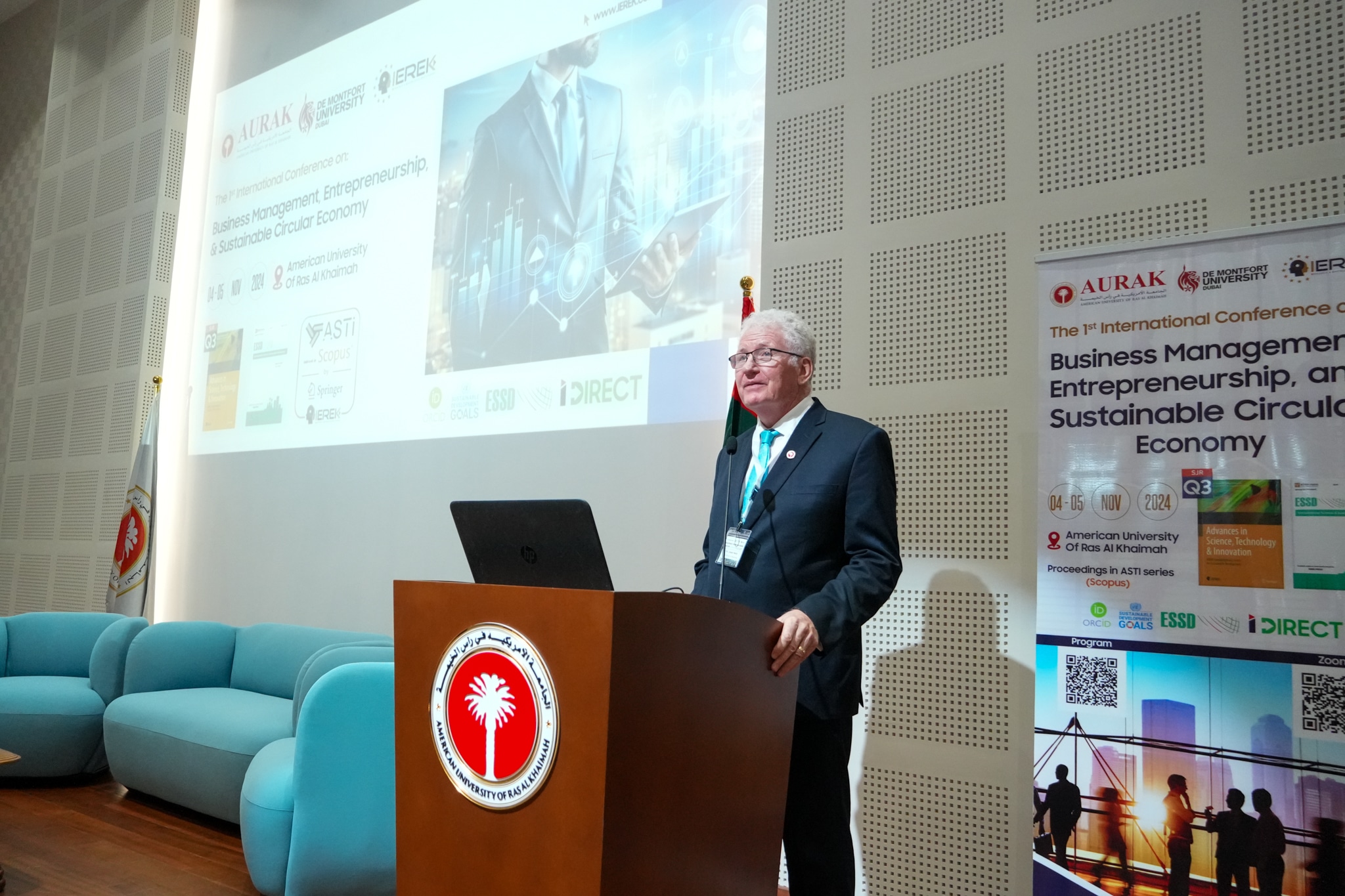
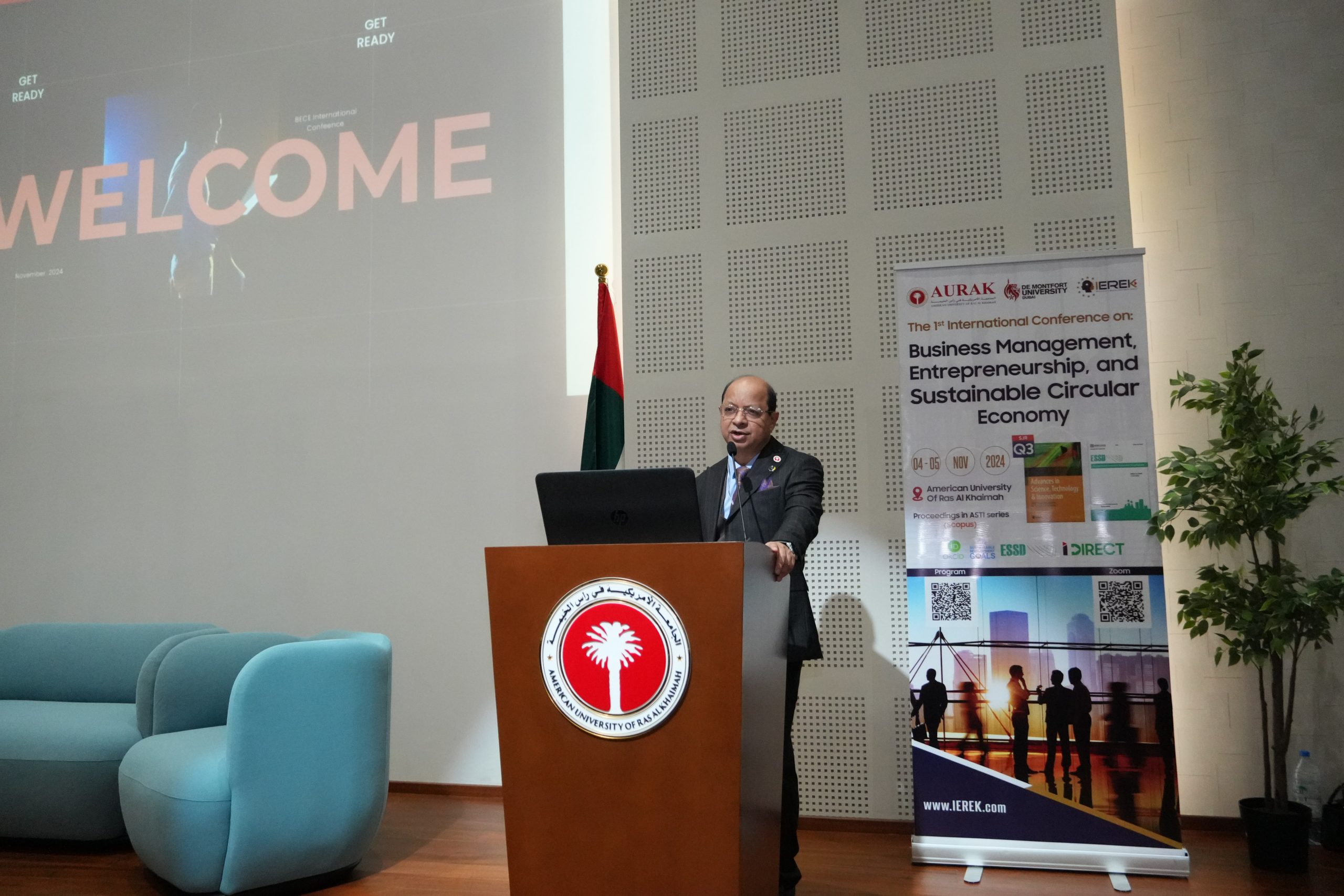
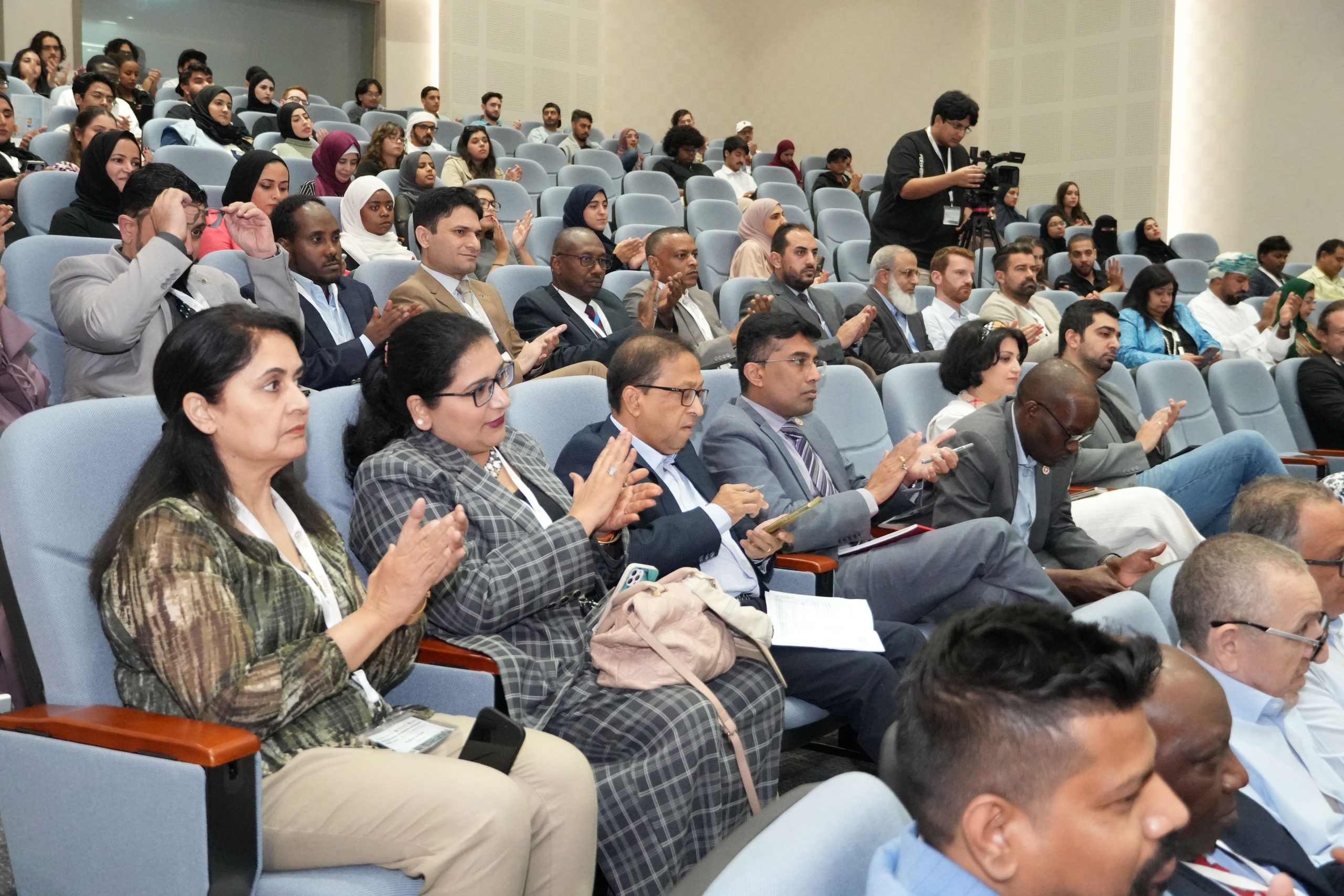
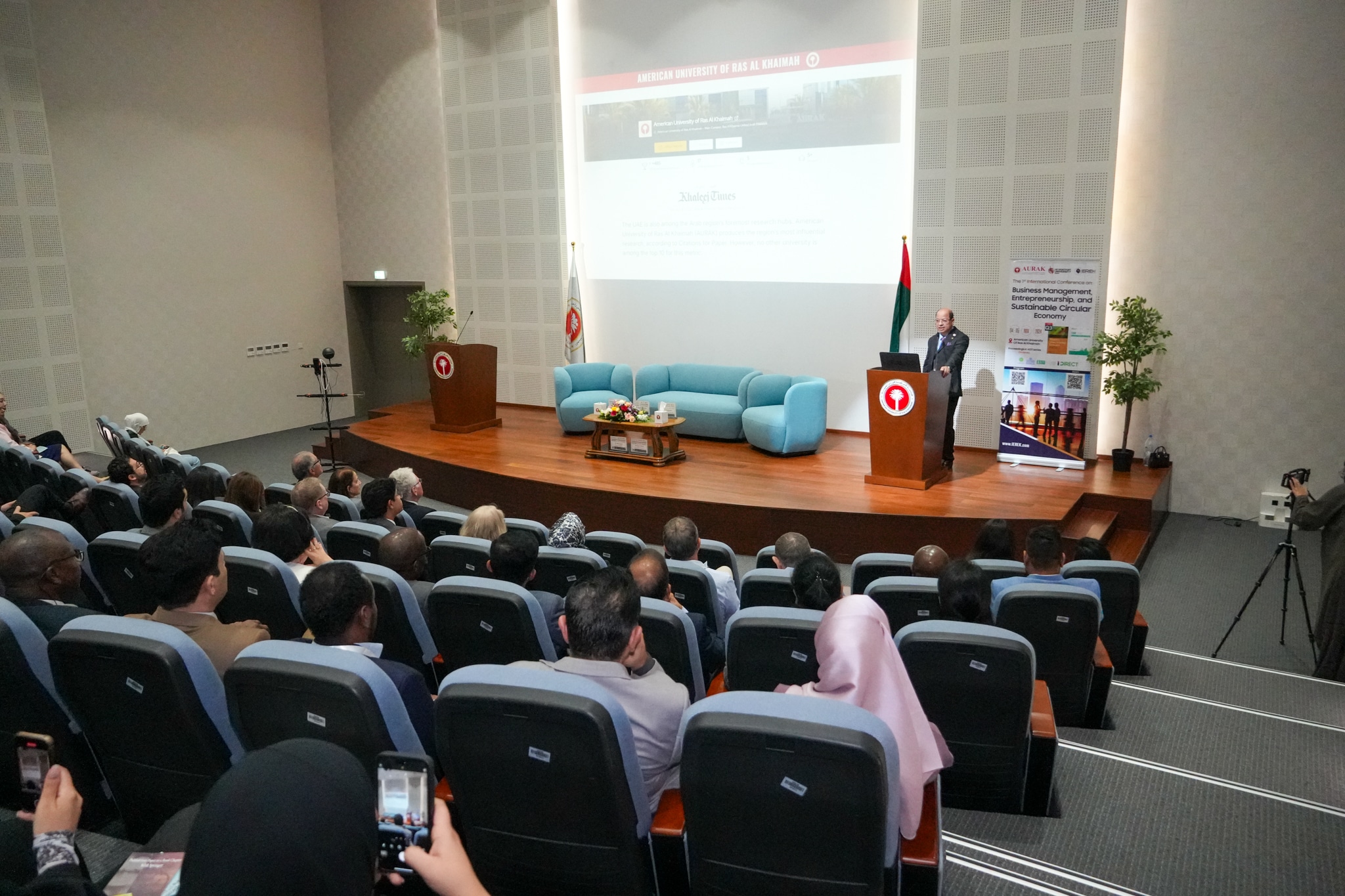
The inaugural International Conference on Disrupting for Good: AI, Entrepreneurship, and Sustainable Circular Economy was held from January 28-29, 2026, at the American University of Ras Al Khaimah (AURAK) in the United Arab Emirates. Co-hosted by The Majan University College Oman, the conference brought together leading academics, researchers, and professionals to discuss innovative approaches to business, entrepreneurship, and sustainability.
Day 1: January 28, 2026
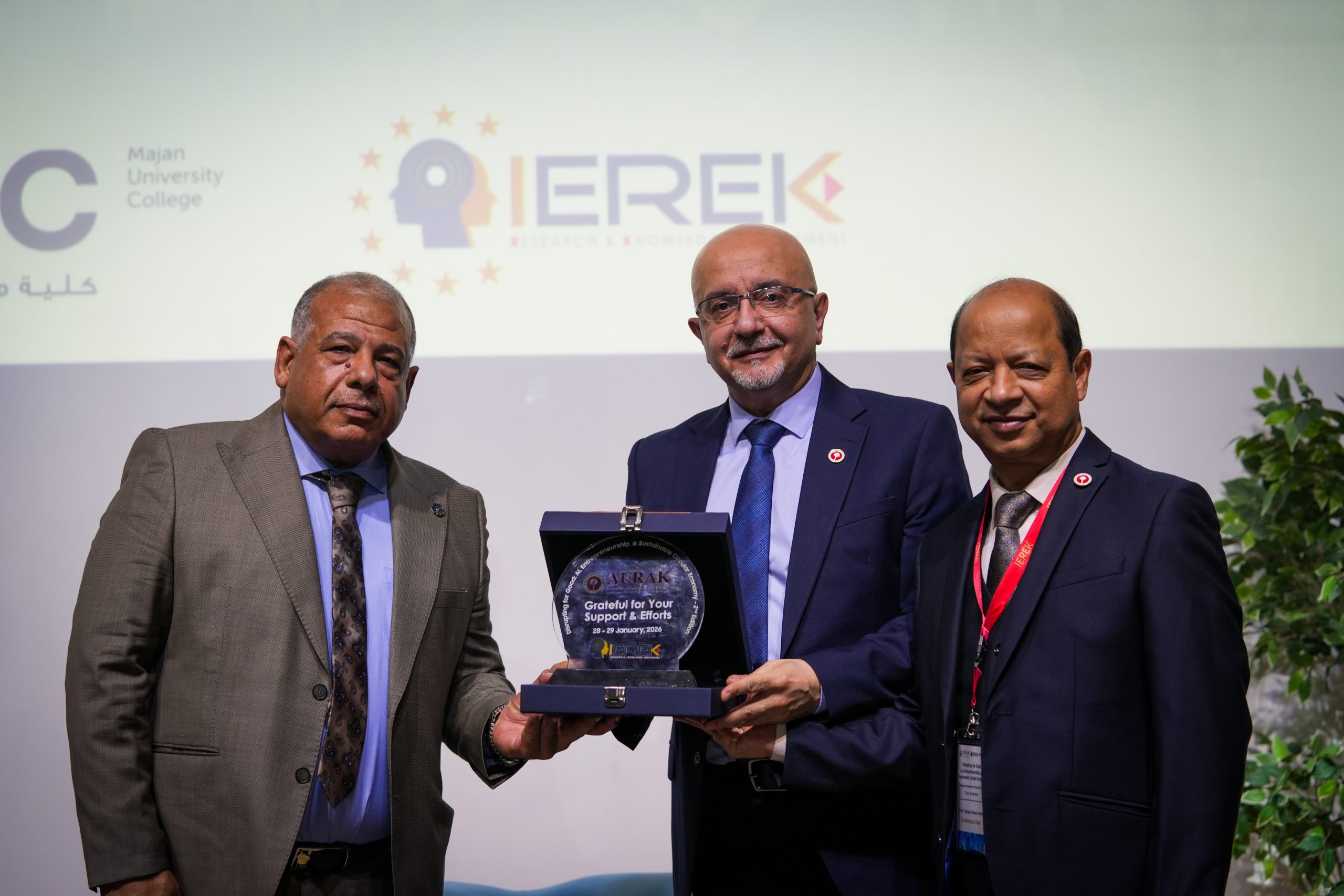
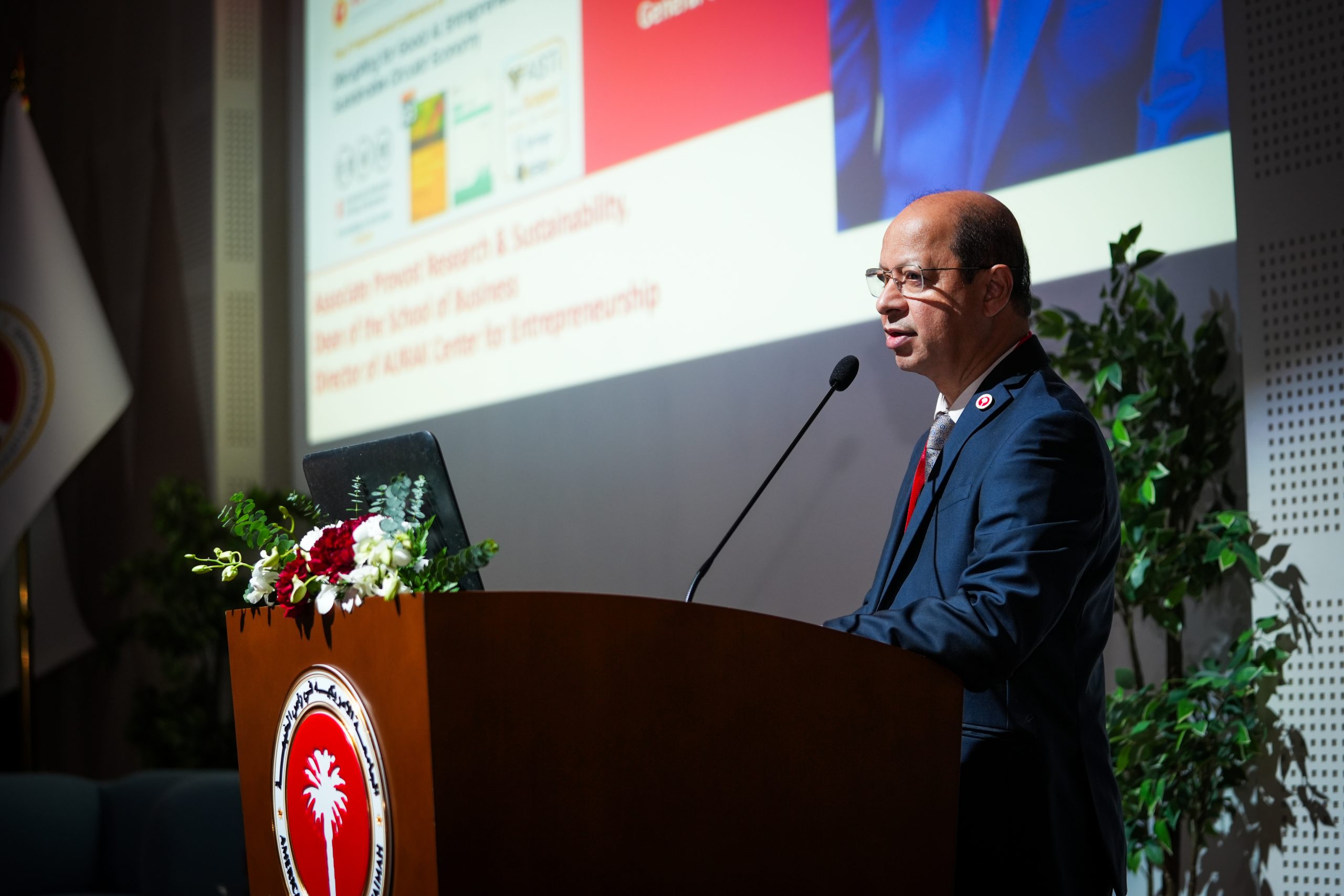
The conference commenced with a registration session and welcoming speeches by distinguished leaders, including:
- Prof. Khalid Hussian, Provost, American University of Ras Al Khaimah- United Arab Emirates.
- Dr. Tahseen Anwer Arshi, Associate Provost for Research Sustainability and Director of the Center for Innovation and Entrepreneurship, AURAK, and Conference Chair.
- Ms. Nabila Al-Macki, Deputy Dean – Academic Affairs – Majan University College, Oman.
A brief presentation followed, introducing IEREK as a key collaborator, outlining its activities and contributions to academic and professional development.
Keynote Session
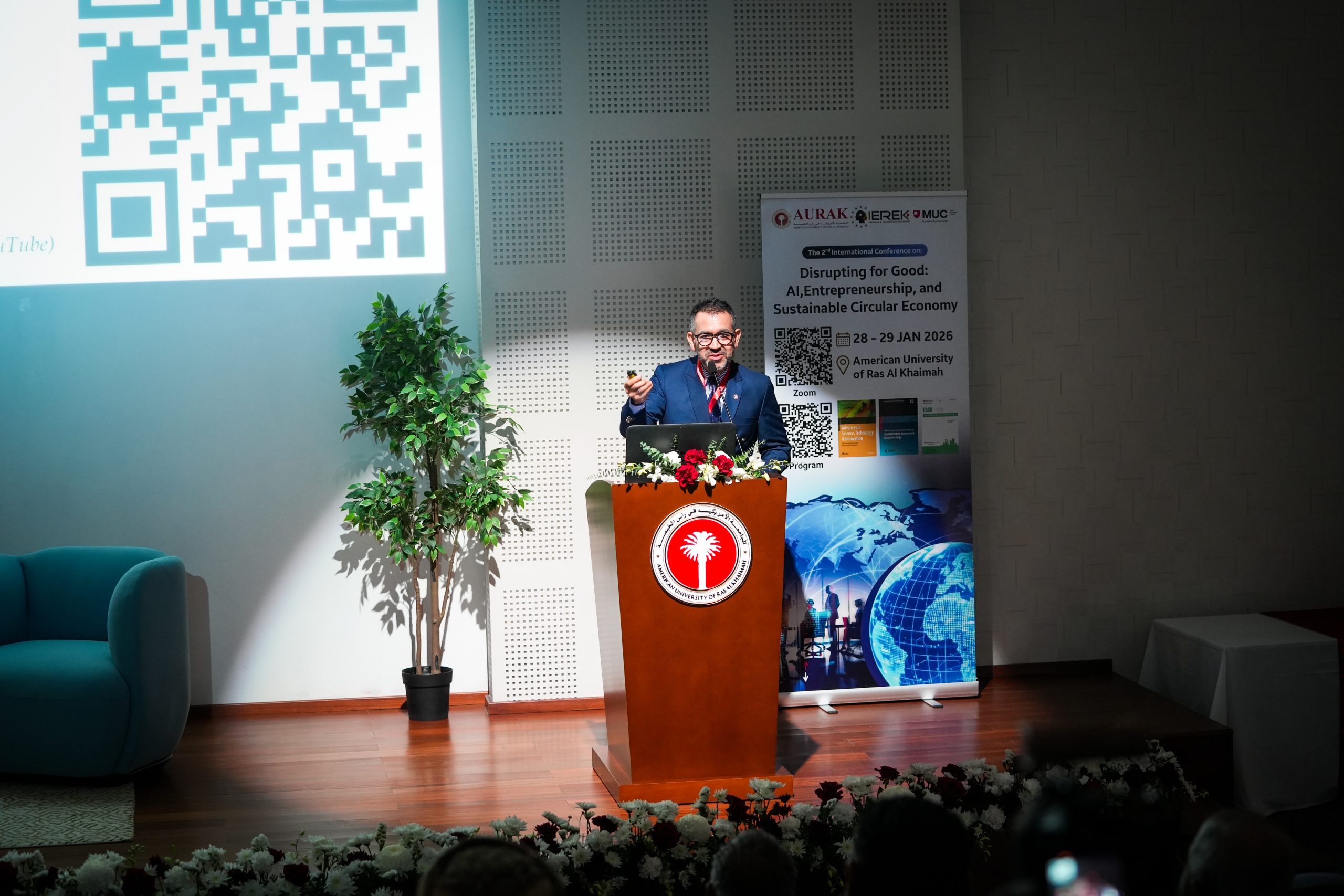
The opening plenary session featured an inspiring keynote speech by Prof. KC Santosh, , Professor and Chair, University of South Dakota, United States.
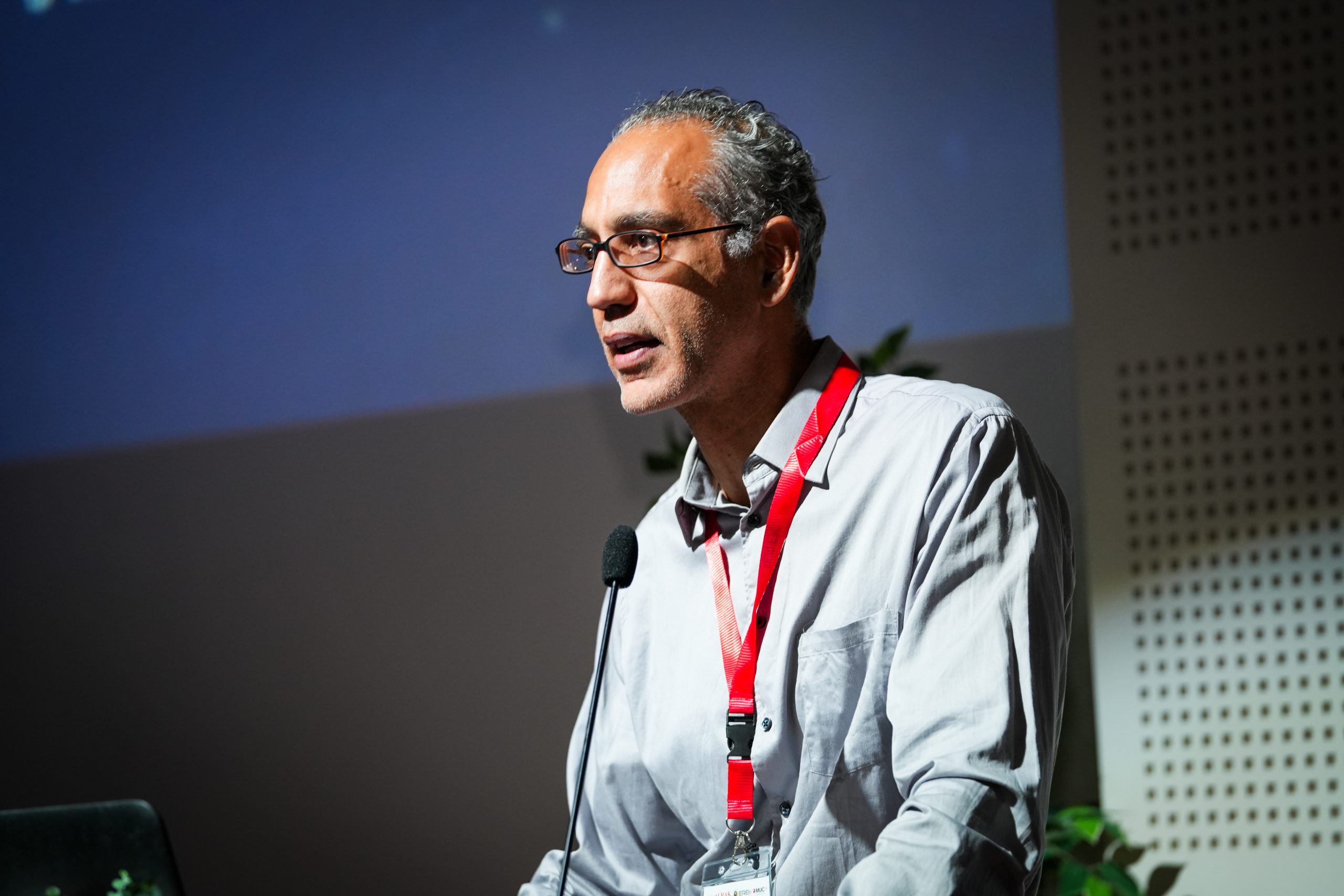
Dr. Basil M. Hantash, Chairman, CEO & CSO of Escape Therapeutics, Serial Entrepreneur, and Regenerative Medicine Pioneer.
Parallel Sessions
After a networking lunch, four parallel sessions covered critical topics:
- Session 1: AI, Data Analytics & Digital Transformation
Moderator: Dr. Muataz Hazza
- Session 2: Entrepreneurship, Leadership & Business Ecosystems
Moderator: Dr. Pranav Kumar
- Session 3: Social Responsibility, Culture & HumanCentered Management
Moderator: Prof. Irshad Ahmad
- Session 4: Digital Innovation for Sustainable Economies: Finance, Circularity, and Data-Driven Decision Making
Moderator: Dr. Khalid Khan
Authors presented their research both in-person and online, engaging with the audience in discussions and Q&A sessions. The day concluded with a Panel session summarizing key insights and feedback.
Day 2: January 29, 2026
The second day began with registration and a morning coffee, followed by a keynote speech delivered by Dr. Jasmina Locke , CEO Integrated Development Solutions Group – IDSG UNWTO Expert & Auditor.
Parallel Sessions
Four additional parallel sessions explored diverse topics:
- Session 5: Circular Economy & Sustainable Innovation
Moderator: Prof. Ahmad Sakhrieh .
- Session 6: Tourism, Markets & Competitive Advantage
Moderator: Dr. Tariq Bhatti .
- Session 7: Digital Transformation, Fintech, Cybersecurity & Smart Markets
Moderator: Dr. Lakkimsetty Nageswara Rao .
- Session 8: AI and Sustainable Practices: Transforming Finance, Experience, and Creativity
Moderator: Dr. Khouloud Salameh
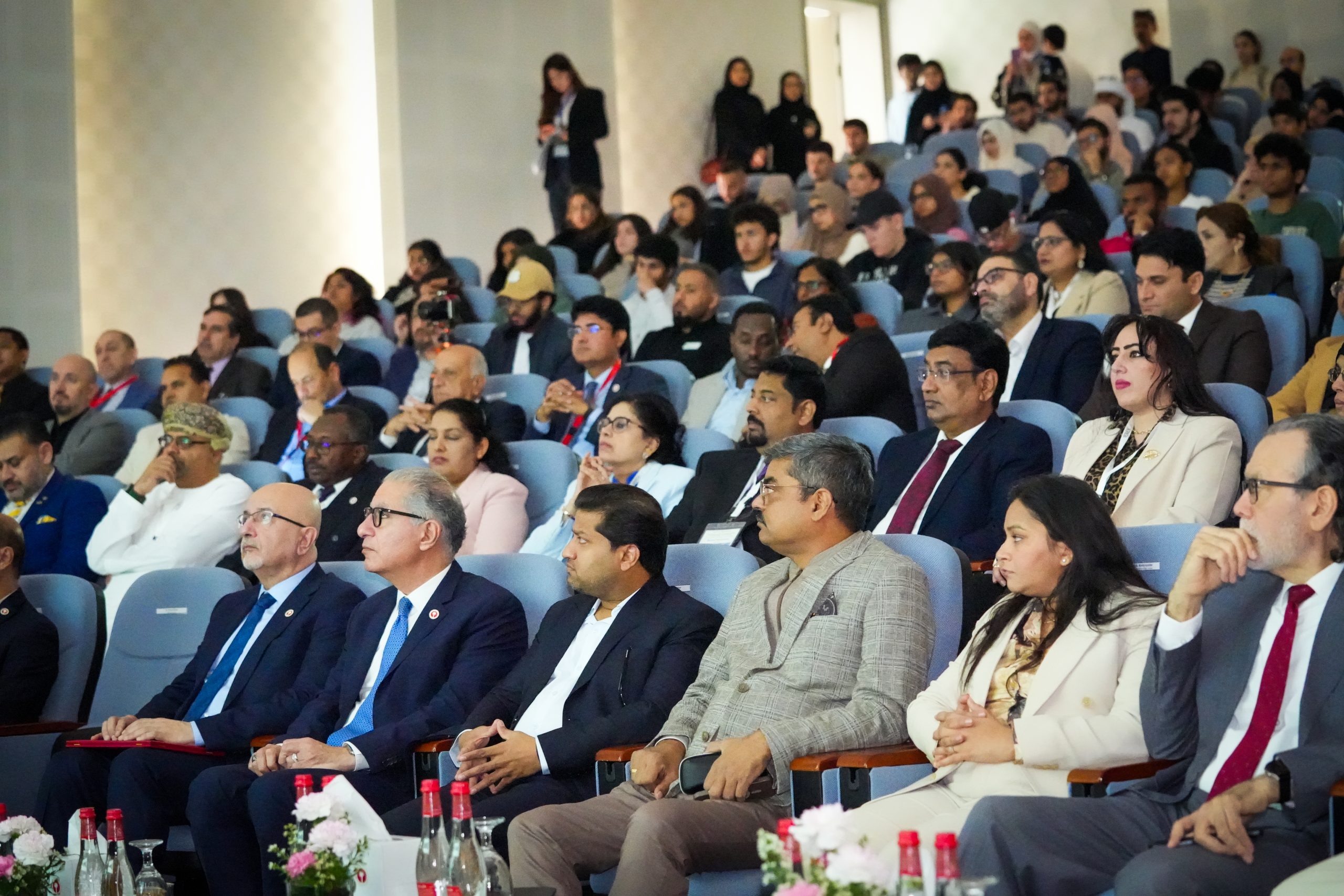
As with the first day, authors presented their findings and participated in interactive Q&A sessions.
Closing Master Class
The conference concluded with a final Master Class, ringing the day to a close with an interactive and insightful learning experience. The session provided participants with practical perspectives and valuable takeaways, encouraging reflection, discussion, and future collaboration.
---
The conference successfully fostered dialogue on innovative strategies for sustainable business and entrepreneurship, leaving attendees inspired to implement the ideas and solutions discussed.
The escalating environmental and social challenges of our time demand urgent and innovative solutions. Resource depletion, climate change, and economic inequities highlight the necessity of rethinking traditional systems to prioritize sustainability, resilience, and inclusivity. Addressing these issues requires transformative approaches that leverage advanced tools and bold entrepreneurial initiatives.
By integrating artificial intelligence (AI), the principles of the circular economy, and entrepreneurial innovation, we can reimagine industries and create scalable solutions that drive both economic growth and environmental regeneration. AI's exceptional capability to analyze extensive datasets, enhance operational efficiencies, and produce practical insights not only expedites the shift towards sustainable methodologies but also reveals prospects for comprehensive transformation. The circular economy promotes the efficient use of resources, diminishes waste, and encourages regenerative systems, thereby facilitating the emergence of a future in which consumption and production exist in a state of equilibrium. Entrepreneurs play a pivotal role by leveraging these technologies and principles to develop business models that deliver value while addressing pressing global challenges. Collectively, these dynamics propel advancements towards a future characterized by greater equity and sustainability.
The second edition of the Business Management, Entrepreneurship, and Sustainable Circular Economy conference now has an exciting new dimension and title: Disrupting for Good: AI, Entrepreneurship, and Sustainable Circular Economy. This updated title reflects our commitment to addressing the dynamic and transformative forces shaping today’s business and economic landscapes, particularly through the innovative applications of AI.
Conference Scope
The Second International Conference on Disrupting for Good: AI, Entrepreneurship, and Sustainable Circular Economy explores the dynamic interplay of technology, sustainability, and entrepreneurship in reshaping modern business practices. Participants will engage with topics such as the integration of AI into circular economy strategies, the development of innovative, sustainable business models, and the ethical implications of AI-driven solutions. The conference also addresses fostering collaboration between technologists, business leaders, policymakers, and environmentalists to accelerate the adoption of circular practices. By emphasizing actionable strategies and AI-powered innovations, the event highlights pathways to long-term viability, social inclusivity, and sustainable economic growth.
Statement of Purpose
This conference aims to catalyze meaningful change by advancing sustainable business practices, fostering ethical entrepreneurship, and embracing the transformative potential of artificial intelligence (AI) and circular economy principles. By providing a platform for diverse stakeholders to exchange ideas, research, and insights, the event seeks to explore how AI-powered tools can unlock innovative solutions to global challenges. Key objectives include investigating responsible AI applications in driving resource efficiency and environmental regeneration, fostering partnerships across sectors to accelerate the adoption of sustainable practices, and empowering entrepreneurs to integrate AI into scalable business models. Through keynote addresses, interactive sessions, and collaborative discussions, participants will be equipped to inspire action, build impactful networks, and contribute to shaping a resilient, inclusive, and sustainable global economy.
1.1. Generative AI: Driving Innovation in Sustainable Business Solutions
1.2. AI for Climate Change: Transforming Business Strategies for a Greener Future
1.3. Neuromorphic Computing: Advancing Business Applications with Sustainable AI
1.4. Quantum Computing and AI: Unlocking Opportunities for Sustainability
1.5. AI in Healthcare: Balancing Technological Growth and Sustainability Goals
1.6. Autonomous Systems: Promoting Sustainable Development through Robotics
1.7. Smart Cities: AI-Driven Urban Planning for Sustainable Business Integration
1.8. AI in Business Optimization: Sustainable Decision-Making and Resource Efficiency
1.9. Collaborative AI: Enhancing Partnerships for a Circular Business Approach
1.10. Multi-Modal AI: Revolutionizing Business Sustainability Through Integrated Technologies
2.1. Circular Innovation: Driving Sustainable Solutions and Disruptive Technologies
2.2. Circular Business Models and Value Propositions for Entrepreneurs
2.3. Startups in the Circular Economy: Success Stories and Lessons Learned
2.4. Circular Economy Incubators: Supporting Sustainable Entrepreneurs
2.5. Design Thinking for Circular Innovation in Business
2.6. Financing Circular Startups: Strategies and Investment Opportunities
2.7. Circular Innovation Ecosystems: Collaboration and Partnerships for Growth
2.8. Intellectual Property Rights in Circular Innovation
2.9. Circular Entrepreneurship in Emerging Industries and Markets
2.10. Social Impact Entrepreneurship in the Circular Economy
3.1. Leadership Strategies for Sustainability in Global Markets
3.2. Globalization and Business Innovation: Leadership Perspectives
3.3. Entrepreneurial Leadership for Sustainable Economic Growth
3.4. Building Resilience in Leaders for Circular Economy Initiatives
3.5. Leadership in Technology-Driven Business Transformation
3.6. Skills Development for Future-Ready Business Leaders
3.7. Navigating Cultural Diversity in Global Business Leadership
3.8. Leadership for Addressing Environmental and Social Challenges
3.9. Transformational Leadership in Emerging Market Contexts
3.10. Sustainable Leadership Models for Industry Disruption
4.1. Circular Economy Business Models: Strategies for Success
4.2. Product-as-a-Service: Transitioning from Ownership to Access Models
4.3. Closed-Loop Systems: Maximizing Resource Efficiency
4.4. Circular Business Hubs: Enhancing Collaboration in the Sharing Economy
4.5. Circular Fashion: Transforming the Clothing Industry for Sustainability
4.6. Circular Packaging: Innovations for Eco-Friendly Materials and Design
4.7. Zero-Waste Initiatives in Business Operations
4.8. Circular Tourism: Promoting Sustainable Travel Experiences
4.9. Circular Cities: Urban Planning for Sustainable Business Practices
4.10. Regenerative Agriculture: Business Models for Sustainable Food Systems
5.1. Impact Investing and Financing Circular Business Models
5.2. Key Performance Indicators (KPIs) for Sustainability Success
5.3. Triple Bottom Line (TBL) Approaches in Business Economics
5.4. Life Cycle Assessment (LCA) for Circular Economy Initiatives
5.5. Social Impact Measurement and Reporting in Business Practices
5.6. Circular Economy Metrics for Financial Decision-Making
5.7. Blockchain Applications for Transparency in Circular Economy Financing
5.8. Innovative Public-Private Partnerships for Circular Economy Initiatives
5.9. Risk Management in Circular Business Investments
5.10. Crowdfunding Strategies for Scaling Circular Economy Ventures
6.1. Ethics in AI: Addressing Bias and Ensuring Fairness
6.2. Privacy Concerns in AI and Circular Economy Practices
6.3. Regulating Innovation: Balancing Growth and Responsibility
6.4. AI for Social Good: Reducing Inequalities through Technology
6.5. Social Equity and Inclusion in Circular Business Models
6.6. Job Creation in the Circular Economy: Opportunities and Challenges
6.7. Sustainable Consumption and Behavioral Change for Economic Growth
6.8. Social Innovation through Circular Economy Practices
6.9. Community Engagement for Sustainability in Business Transformation
6.10. Biodiversity Conservation within Circular Economy Initiatives
7.1. Sustainable Design Principles for Business Success
7.2. Material Selection and Eco-Design in Product Development
7.3. Modularity and Design for Disassembly in Business Processes
7.4. Biomimicry: Nature-Inspired Solutions for Circular Design
7.5. Sustainable Packaging Innovations for Circular Business Models
7.6. Collaborative Design and Open-Source Innovation Models
7.7. Circular Design Metrics and Tools for Evaluation
7.8. Designing for Consumer Behavior Change toward Sustainability
7.9. Design Thinking for Business Model Transformation
7.10. Emerging Market Solutions: Innovations in Circular Design
8.1. Circular Supply Chain Design: From Sourcing to Distribution
8.2. Product Recovery and End-of-Life Management Strategies
8.3. Technology and Digitalization in Circular Supply Chains
8.4. Circular Transportation and Logistics for Sustainability
8.5. Sustainable Sourcing and Procurement in Circular Practices
8.6. Advanced Metrics and Standards for Supply Chain Performance
8.7. Transparency and Traceability in Circular Supply Chains
8.8. Decentralized Networks for Circular Supply Chain Resilience
8.9. Circular Product Life-Cycle Strategies for Logistics Optimization
8.10. Risk Management for Circular Supply Chain Resilience
9.1. AI and Machine Learning for Circular Economy Applications
9.2. Blockchain Technology for Circular Business Operations
9.3. IoT and Smart Systems for Resource Optimization
9.4. Data Analytics for Decision-Making in Circular Initiatives
9.5. Digital Platforms for Collaboration in the Circular Economy
9.6. Virtual Reality (VR) for Business Training and User Engagement
9.7. Augmented Reality (AR) in Circular Design Processes
9.8. Cybersecurity Strategies for Digital Circular Business Ecosystems
9.9. Cultivating Digital Literacy for Sustainable Business Transformation
9.10. Building Cross-Sector Synergies through Digital Innovations
10.1. Carbon Footprint Reduction Strategies in Business Operations
10.2. Waste Reduction Initiatives for Measurable Environmental Impact
10.3. Renewable Energy Integration into Business Models
10.4. Biodiversity Conservation Efforts in Circular Economy Practices
10.5. Community-Centric Initiatives for Equity in Circular Economy Practices
10.6. Sustainable Development Goals (SDGs) in Business Practices
10.7. Transparency and Accountability in Circular Economy Efforts
10.8. Measuring Sustainability: Tools and Methodologies
10.9. Environmental Impact Assessments in Business Ventures
10.10. Leadership Models for Advancing Social Responsibility
| Title | Date |
|---|---|
| Abstract Submissions Deadline | 30 Nov 2025 |
| Last Notification for Abstract Acceptance | 15 Dec 2025 |
| Full Paper Submission Deadline | 10 Jan 2026 |
| Last Notification for Full-Paper Acceptance | 20 Jan 2026 |
| Early Payment Deadline | 31 Jul 2025 |
| Regular Payment Deadline | 30 Nov 2025 |
| Late Payment Deadline | 30 Dec 2025 |
| Letter of Visa (for delegates who need visa entry) | 30 Nov 2025 |
| Letter of Final Acceptance | 30 Nov 2025 |
| Conference Program | 28 Dec 2025 |
| Conference Launch | 28 Jan 2026 |
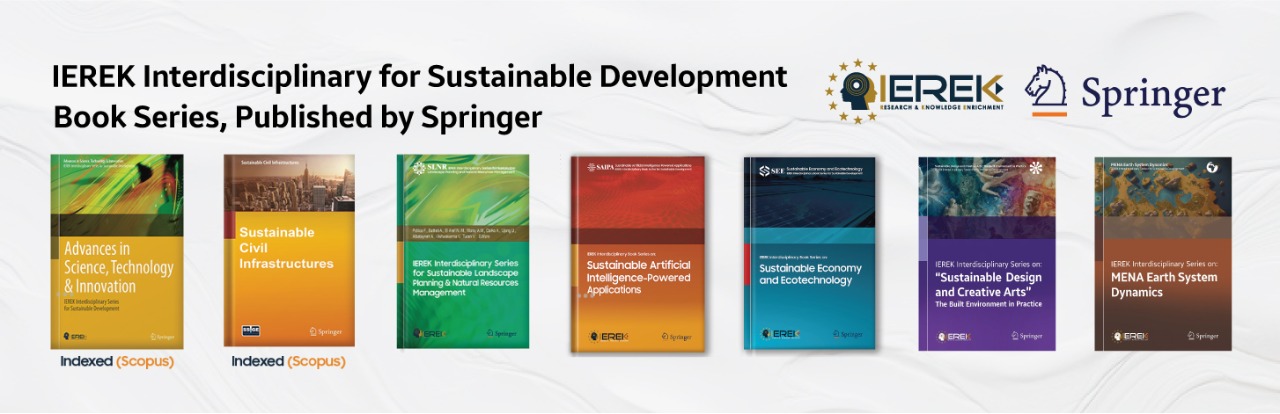
All accepted submissions to the conference, after a rigorous double-blinded peer-review process by the respective Editorial Board, will be published in one of the following:
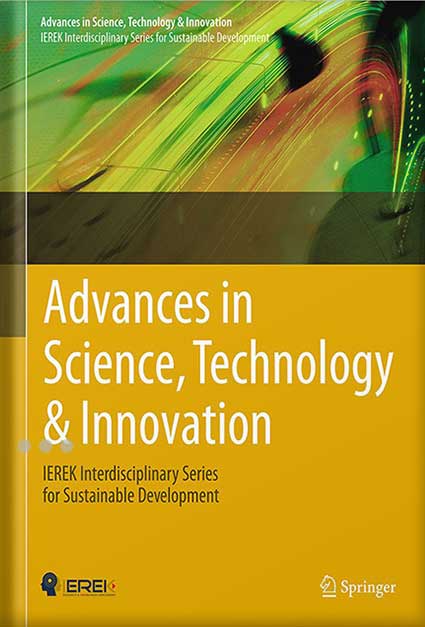
Advances in Science, Technology and Innovation (ASTI), an IEREK interdisciplinary book series published by Springer Nature. (SCOPUS indexed)
Publisher: Springer Nature (IEREK Interdisciplinary book series)
Indexing: SCOPUS indexed; some titles in Web of Science (ISI)
Focus: Emerging research in science, technology, and innovation for sustainable development, addressing UN SDGs.
Publisher: Springer (Peer-reviewed book series)
Focus: Advancing research and practical solutions at the intersection of economy, technology, and environmental sustainability.
Key Areas: Sustainable economy, ecotechnology, circular economy, sustainable business, green finance, environmental preservation, sustainable mobility, sustainable marketing, urban sustainability, ecological management, and socio-economic development.
**This publication option is offered exclusively to all participants in Special Session 1: Sustainable Economy and Eco-Technology.
Internationally peer-reviewed, open access journals published by IEREK Press. Covering a wide range of disciplines including sustainability, architecture, engineering, and environmental sciences.
Journal on:
The registration fee does not cover accommodation or travel expenses. A list of accommodation options can be suggested by our team if available. Please contact [email protected] for inquiries.
We recommend that all authors take advantage of the benefits that IEREK offers, including various attendance types, publishing opportunities, and opportunities for discounts and waivers.
We are pleased to inform all applicants that they can use their previous publications to register for an IEREK membership, which offers a special discount.
IEREK offers a special discount to applicants from collaborative universities that have signed an MoU with IEREK to host or co-host one of its conferences.
IEREK also provides special discounts to authors from low and medium-income countries.
The disclosed fees are for the conference participation (Publication is not included as it is free of charge, but only the conference participants can be considered in the conference proceedings).
Some of the disclosed conference fees may vary depending on the book series and/or journal(s) presented as a publication outlet, as we encourage submission to newly founded book series and/or journal(s) by presenting a discounted rate for the conference's fees.
IEREK offers many types of registrations that are diverse in registration fees; applicants can choose the type they are familiar with as follows:
Participants who are PhD holders, post-doctoral researchers, and universities’ affiliated professors and experts in the field.
Must provide proof of enrollment in a university by providing an enrollment certificate and/or a valid university ID (with issue/expiry date) etc.
Participants who are not affiliated with universities such as practitioners, policymakers, entrepreneurs, etc.
Have access to the event to enjoy the discussions, coffee breaks, and lunch as a co-author or audience.
| Type of Registration | Early Payment Deadline 30 July 2025 |
Regular Payment Deadline 30 Nov 2025 |
Late Payment Deadline 30 Dec 2025 |
|---|---|---|---|
| Scopus indexed-ASTI Book by Springer | |||
| Student | 350 € | 400 € | 450 € |
| Academic | 400 € | 450 € | 500 € |
| Professional | 450 € | 500 € | 550 € |
| Co-author/ Audience | 200 € | 250 € | 300 € |
| SAIPA Book by Springer or SEE Book by Springer | |||
| Student | 300 € | 350 € | 400 € |
| Academic | |||
| Professional | |||
| Co-author/ Audience | 200 € | 250 € | 300 € |
| Open Access IEREK Press Journals | |||
| Student | 250 € | 300 € | 350 € |
| Academic | 300 € | 350 € | 400 € |
| Professional | 350 € | 400 € | 450 € |
| Co-author/ Audience | 200 € | 250 € | 300 € |
IEREK offers various types of participation. Applicants can apply for in-person attendance to benefit fully from conference discussions and knowledge exchange.
IEREK also offers virtual attendance for authors to present their research papers online; however, we strongly encourage all applicants to attend the conference in person.
The physical fee covers:
* Each research paper should have one main author who should pay the full fee (Author fees) regardless of attendance. Co-authors, each, have their fees to pay to attend the event. This applies to online attendance as well as physical attendance.
* A research paper fee allows only one author, whether main or co-author, to attend the conference and receive only one conference kit. Extras can be requested for an additional fee.
| Type of Registration | Early Payment Deadline 30 July 2025 |
Regular Payment Deadline 30 Nov 2025 |
Late Payment Deadline 30 Dec 2025 |
|---|---|---|---|
| Scopus indexed-ASTI Book By Springer | |||
| Student | 300 € | 350 € | 400 € |
| Academic | 350 € | 400 € | 450 € |
| Professional | 400 € | 450 € | 500 € |
| Co-author/ Audience | 100 € | 150 € | 200 € |
| SAIPA Book by Springer or SEE Book by Springer | |||
| Student | 250 € | 300 € | 350 € |
| Academic | |||
| Professional | |||
| Co-author/ Audience | 100 € | 150 € | 200 € |
| Open Access IEREK Press Journals | |||
| Student | 200 € | 250 € | 300 € |
| Academic | 250 € | 300 € | 350 € |
| Professional | 300 € | 350 € | 400 € |
| Co-author/ Audience | 100 € | 150 € | 200 € |
IEREK offers virtual attendance, providing authors with a unique link to join the conference sessions and present their papers as per the announced program.
IEREK is dedicated to optimizing the benefits for each delegate so, similar to physical attendance, when it comes to virtual attendance IEREK also provides two venues for publication, which are:
The online fee covers:
* Each research paper should have one main author who should pay the full fee (Author fees) regardless of attendance.
* Co-authors, each, have their fees to pay to attend the event. This applies to online attendance as well as physical attendance.
* Participants can use only one type of discount opportunity, which meets their preferences.
* Authors should contact the conference manager through this email [email protected] to consider the discount and waiving for all the above cases so that the conference manager can provide an exclusive invoice for each case.
| Afghanistan, Algeria, Angola, Bangladesh, Benin, Bhutan, Bolivia, Burkina Faso, Burundi, Cabo Verde, Cambodia, Cameroon, Central African Republic, Chad, Comoros, Congo, Congo Dem. Rep., Côte d'Ivoire, Djibouti, Egypt, Eritrea, Eswatini, Ethiopia, Gambia, Ghana, Guinea, Guinea-Bissau, Haiti, Honduras, India, Iran, Jordan, Kenya, Kiribati, Kyrgyz Republic, Lao PDR, Lebanon, Lesotho, Liberia, Madagascar, Malawi, Mali, Mauritania, Micronesia, Mongolia, Morocco, Mozambique, Myanmar, Nepal, Nicaragua, Niger, Nigeria, Pakistan, Papua New Guinea, Philippines, Rwanda, Samoa, São Tomé and Principe, Senegal, Sierra Leone, Solomon Islands, Somalia, South Sudan, Sri Lanka, Sudan, Syria, Tajikistan, Tanzania, Timor-Leste, Togo, Tunisia, Uganda, Ukraine, Uzbekistan, Vanuatu, Vietnam, Yemen, Zambia, Zimbabwe |
IEREK puts a lot of effort into expediting the peer review process to publish articles as quickly as possible. This requires prompt responses from all authors to the editors' comments, if any. Your swift response is highly appreciated to advance the production process and get your articles online. We prioritize the first author to respond as per our formula. The conference proceedings will be divided into multiple books, with the first one scheduled for publication within 6 months after the conference date. We encourage all authors to aim for publication in the first release.
For participants who need Entry Visas to the country where the conference will be held, IEREK will issue the corresponding invitation letter for accepted applicants to facilitate visa issuance. Please notice that we will attempt to assist you in obtaining a visa but the responsibility is yours and the decision rests solely with the appropriate Embassy. For the requirements of issuing a visa letter please read more here!
Registration and financial transactions for this conference are managed through our strategic partners, working in close academic partnership with IEREK to ensure seamless delivery of conference services and publication standards.


Both entities work in close academic partnership with IEREK to ensure the highest standards of financial transparency, conference administration, and publication quality.
IEREK has an unyielding policy regarding plagiarism. We believe that copying/taking the ideas and work of other Authors without permission and credit is fraudulent. The Reviewing committee and IEREK employees have the authority to reject a paper during its reviewing process, based on the paper being subjected to either minor or major plagiarism.
Authors must refer to, and abide by, the following instructions in submitting their abstracts/ papers:
This is not a prerequisite for presenting your work at the conference. Meaning, you can present your submitted abstract without intending to publish your work.
This process can only be initiated after payment completion and confirmation:
Registration
To help the organizers plan for inter-disciplinary dialogue, participants are requested to choose from the conference themes/ Topics upon registration.
They must also refer to, and abide by, the following instructions in registering and submitting their abstracts/ papers:
Types of Participation
Organized from the comfort of your own home, the conference offers a virtual attendance option for your convenience. That said, participants will have a chance to present their abstract/research, online, and have their work considered for publication in the proceedings.
Virtual presenters are required to submit an abstract and extend this abstract following the “author instructions” below and before the deadline (see Important Dates). At least one author must pay the registration fee (see Registration & Fees).
For any reason, authors may wish to submit pre-recorded video presentations no later than 15 days prior to the conference. Alternatively, they may wish to record a voice-over PowerPoint presentation for submission to the conference organizers.
Organized at the American University of Ras Al Khaimah, UAE, offering a Physical attendance option for your convenience. That said, participants will have a chance to present their abstract/research, on campus, and have their work considered for publication in the ASTI Series by Springer as part of the conference proceedings.
See Author Instructions and Registration & Fees for more information.
If your extended abstract (short paper) is accepted, it may be published in the conference proceedings book in the Advances in Science, Technology & Innovation Book Series by Springer (indexed in Scopus) even if you are not attending the conference. In this case, the accepted work will not be included in the final conference program and the fee will cover the cost of editorial handling and peer-review evaluation of your paper (See Author Instructions and Publishing Opportunities)
Non-presenting participants may also wish to attend the conference as Audience Members or Co-authors contributing to an already submitted abstract/ paper.
Attending conferences is very beneficial, especially, on the professional level; conferences are full of people promoting new ideas which will expand your knowledge and undoubtedly help your career.
Moreover, all conference papers are archived online in the E-Library of IEREK‘s website where they are immediately and permanently available to the international scientific community.

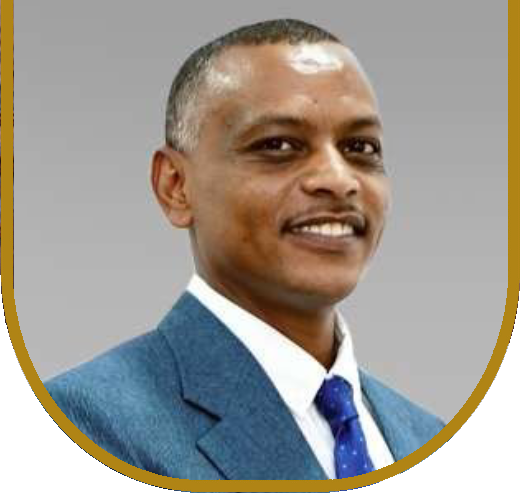
Abdelfatah Arman earned his Ph.D. in Workforce Education & Development with an emphasis on Human Resource Development and Organization Development (OD) from the Pennsylvania State University, Pennsylvania State, United States of America. He attained his Master’s degree from the Pennsylvania State University as well, in Public Administration with a concentration in Public Human Resource Management. Dr. Arman has more than eight years of experience in human resource management in the public and private sectors in the United States of America. Arman’s research interests revolve around diversity, equity, and inclusion in the workplace, employee engagement, satisfaction, turnover, and sustainable management practices. Dr. Arman presented his research at esteemed international conferences such as the Academy of Management, the Academy of Human Resource Development (AHRD), and the Global Academy of Training & Research (GATR). He’s also serving as an independent organization development (OD) consultant; successfully implemented several OD interventions such as Sickle Cell Council of Central Pennsylvania, Harrisburg, PA, St. Paul Lutheran Church, and Pine Grove Mills, PA.
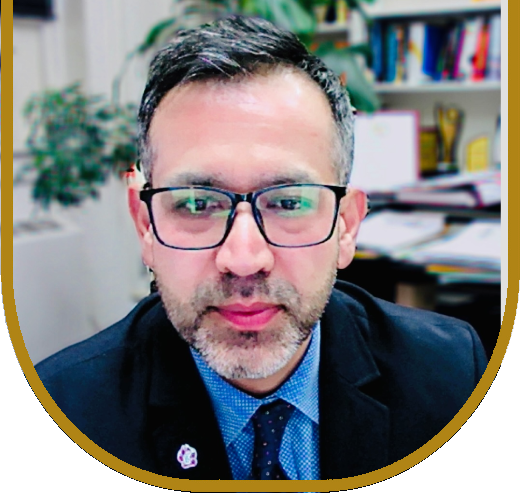
Prof. KC Santosh, a highly accomplished AI Expert and TEDx Speaker, is the Chair of the Department of Computer Science (since 2020) and founding director of the AI Lab at the University of South Dakota (USD). He served as Graduate Program Director for seven years (2017–24) and was previously a research fellow at NIH and a PostDoc at INRIA (France). At USD, he has overseen five degree-granting programs, including six specializations and certificates, managed 15 faculty members and three staff, supported ~500 students, and administered a budget of over $2.2 million, which includes research grants. With over $8.7 million in funding (DOD, NSF, and ED, to name a few), he has authored 11 books and 250+ research articles (such as IEEE TPAMI, IEEE TAI, and IEEE TMI).
He serves as an associate editor for IEEE Trans on AI, IEEE Trans of Medical Imaging, and Int J of Machine Learning & Cybernetics, and leads review panels for NSF and Mitacs (Canada). He is a trained leader, having completed leadership programs such as Deans/Chairs 1.0 (CCAS, Spring 2021), Deans/Chairs 2.0 (CCAS, Summer 2024), and the President Executive Leadership Institute (USD, 2021/22). He leads the AI+x initiative that primarily includes curriculum innovation, the South Dakota Biomedical Computation Collaborative (supported by a $0.745 million award from the SD Board of Regents and a $6.5M award from the U.S. Department of Education), and an IEEE-sponsored AI symposium (since 2018).
He brings extensive experience in curriculum innovation, particularly in interdisciplinary initiatives and shared governance (e.g., physics, business analytics, psychology, biology, and biomedical engineering) as well as in program assessment and evaluation (as PEV), including ABET accreditation during the 2016/17 and 2022/23 cycles. His leadership has driven more than a 3,000% growth in AI enrollment at USD. His contributions have established USD as a pioneer in AI programs within the state of South Dakota. In fundraising, he secured a $ 2 million endowment to further strengthen the department's reputation. He is a member of the NIST’s AI Standards and Innovation (previously named as AI Safety Institute Consortium) and a U.S. Speaker for AI education
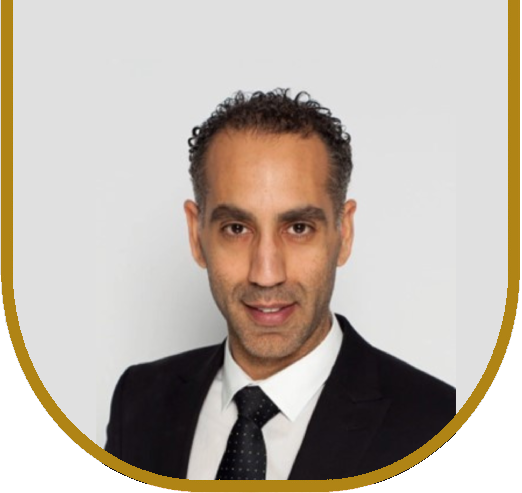
Dr. Firas Hantash is a serial entrepreneur and life sciences innovator with more than 20 years of operational experience in medical devices, biotechnology, and regenerative medicine. He has co-founded 10 start-ups, launched over a dozen life sciences products, and contributed to four acquisitions, numerous FDA approvals, and the creation of over $1B in shareholder value. His work has generated more than 100 patents and 165 scientific publications.
A 30-year veteran in regenerative medicine, Dr. Hantash conducted pioneering stem cell research at Stanford University, where he later founded Escape Therapeutics, a Silicon Valley-based spinout developing the world’s first universal, off-the-shelf stem cell source for human clinical use. His career began at Abbott Labs and Molecular Geriatrics, contributing to groundbreaking innovations in hepatitis screening and Alzheimer’s drug development.
Dr. Hantash holds an MD and PhD from Rutgers University, an MBA from The Wharton School, and completed dermatology residency, regenerative medicine training, and a fellowship in Biodesign Innovation at Stanford. In addition to his scientific and entrepreneurial achievements, he is engaged in humanitarian relief work and is a published, award-winning poet.
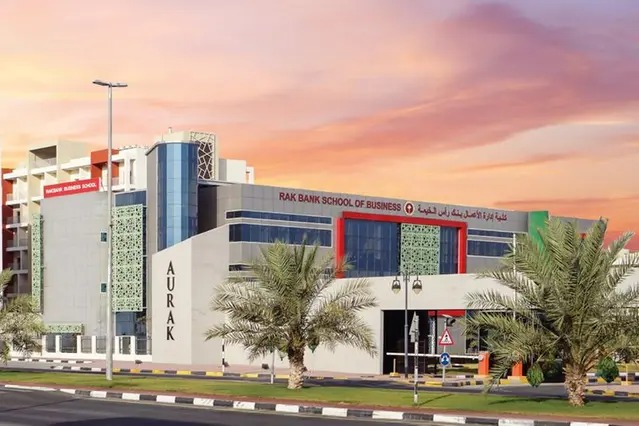
We are proud to host the upcoming conference at the prestigious American University of Ras Al Khaimah (AURAK), a vibrant and internationally accredited institution located in one of the UAE’s most scenic and culturally rich emirates.
Nestled between the majestic Hajar Mountains and the pristine coastline of the Arabian Gulf, AURAK offers state-of-the-art conference facilities, modern classrooms, and a welcoming campus atmosphere. Its strategic location provides both convenience and inspiration, making it the ideal setting for academic collaboration, innovation, and dialogue.
Getting to AURAK:
Just 60 minutes from Dubai International Airport
Easily accessible by car or shuttle from major UAE cities
Surrounded by comfortable hotels, restaurants, and cultural attractions
Join us at AURAK for an enriching academic experience in a setting that blends tradition, innovation, and natural beauty.
As the highest peak in the UAE, Jebel Jais offers breathtaking views and thrilling experiences. Visitors can drive along the scenic mountain roads or enjoy activities like hiking, zip-lining on the Jebel Jais Flight, or camping under the stars.

2. Al Marjan Island
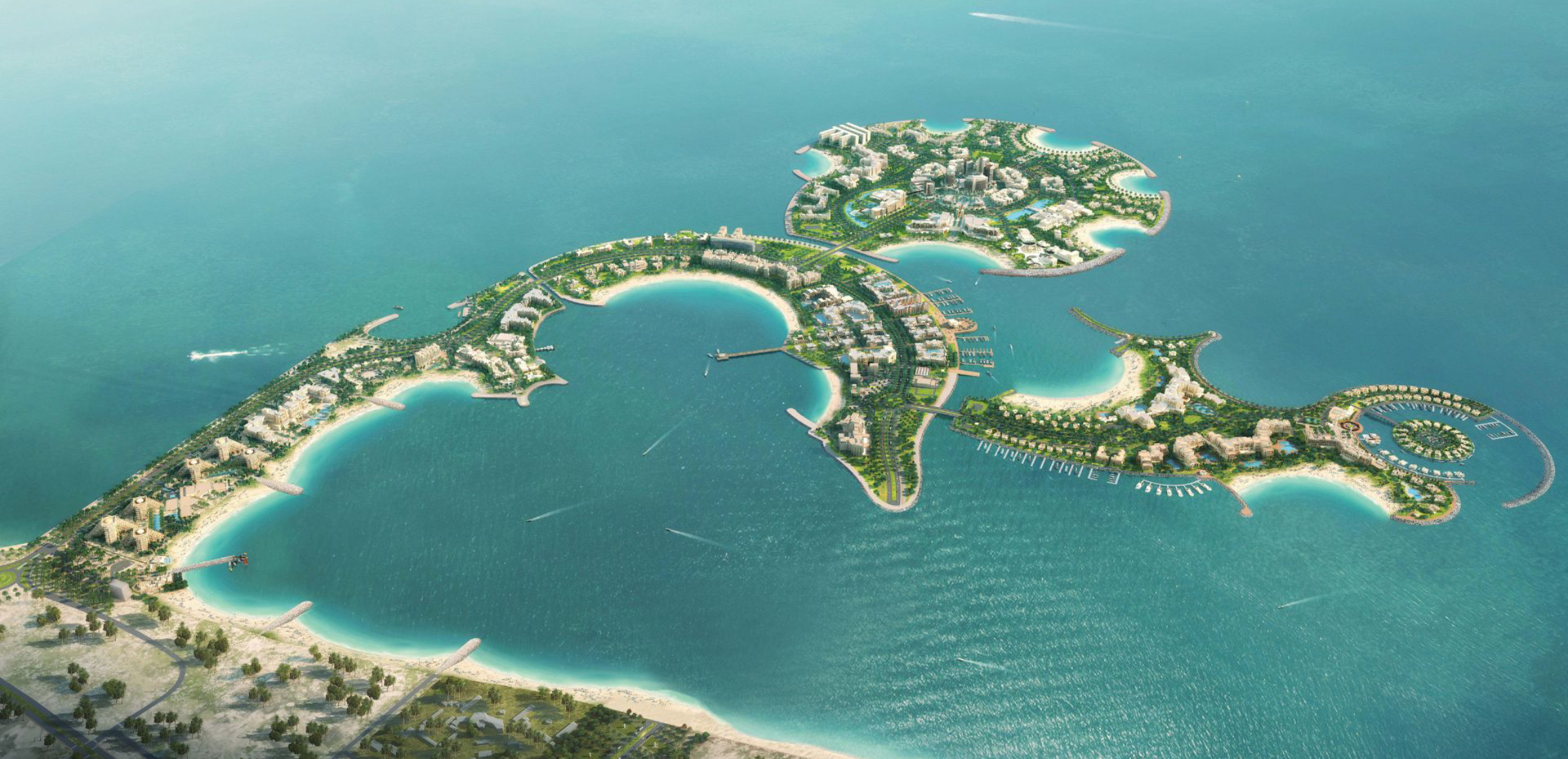
This man-made island is a leisure destination featuring luxurious resorts, pristine beaches, and a vibrant waterfront promenade. It's an ideal spot for relaxation, water sports, and enjoying the sunset over the Arabian Gulf.
3. Dhayah Fort
This historic fort, perched on a rocky hilltop overlooking the Gulf, offers panoramic views of the surrounding landscape. Dating back to the 16th century, Dhayah Fort played a significant role in the region's defense and provides insight into Ras Al Khaimah's rich heritage.

4. RAK Beaches
Ras Al Khaimah boasts pristine beaches along its coastline, offering opportunities for sunbathing, swimming, and water sports. From family-friendly public beaches to exclusive resort shores, there's a beach for every preference.

5. Suwaidi Pearls Farm
Explore the fascinating world of pearl farming at Suwaidi Pearls Farm, where visitors can learn about the traditional Emirati pearl diving heritage and witness the cultivation process of these lustrous gems.

6. Al Jazirah Al Hamra
Step back in time with a visit to Al Jazirah Al Hamra, a well-preserved abandoned village that provides a glimpse into traditional Emirati architecture and way of life.

1. Ras Al Khaimah International Airport (RKT): Around 20-30 minutes by car.
2. Sharjah International Airport (SHJ): Approximately 45-60 minutes by car.
3. Dubai International Airport (DXB): Roughly 60-90 minutes by car.
1. Ride-sharing services: Apps like Uber and Careem operate in Ras Al Khaimah, offering convenient transportation options similar to taxis.
2. Public buses: Ras Al Khaimah has a public bus system operated by the Ras Al Khaimah Public Transport Authority, providing routes to various destinations within the emirate.
3. Private cars: Car rental services are also available for those who need them.
4. Intercity buses: There are intercity bus services connecting Ras Al Khaimah to other emirates in the UAE, as well as neighboring countries like Oman.
The distances between Ras Al Khaimah (RAK) and other emirates in the United Arab Emirates (UAE) vary, and travel times depend on factors such as traffic conditions and mode of transportation. Here are approximate distances and typical travel times by car:
- Distance: Approximately 100 kilometers (62 miles) as Travel time: Around 1 to 1.5 hours by car, depending on traffic conditions.
- Distance: Approximately 250 kilometers (155 miles) as Travel time: Approximately 2.5 to 3 hours by car.
- Distance: Approximately 60 kilometers (37 miles) as Travel time: Approximately 45 minutes to 1 hour by car.
- Distance: Approximately 50 kilometers (31 miles) as Travel time: Around 45 minutes by car.
- Distance: Approximately 80 kilometers (50 miles) as Travel time: Approximately 1 to 1.5 hours by car.
To secure a tourist visa for the UAE, reach out to either a UAE-based airline, a tour agency, or a hotel where you plan to stay. They will facilitate the visa application process on your behalf with the official visa-issuing authorities in the UAE.
Recommendations For Dubai Visa Issuance:
- WhatsApp Contact: +971566887025
|
Cancellation Policy |
Up to 60 days before the event |
Up to 50 days before the event |
Up to 40 days before the event |
39 days before the event |
|
Penalty |
20% |
50% |
70% |
100% |
EXCEPTION
A refund is not possible if
-An acceptance letter has been issued (Authors only)
-If the paper proceeds to the peer review process, a refund cannot be issued (Authors only)
-The proceedings of the event have been published (Authors only)
-A visa invitation letter has been issued (All participants)
Visa Rejection Cases
Reason and proof of rejection must be submitted. If the reason for rejection is due to an error on our part, the participant will be refunded their full fee with a deduction of a 20% administration fee.
Documents to be issued by IEREK to acquire a visa are as follows:
*Final Acceptance Letter (Authors only)
*Visa Invitation Letter
*Invoice/proof of payment
We encourage all authors and attendees to ensure their having acquired all documents (those applicable) mentioned.
If the reason for rejection is not related to any of the aforementioned and is an error on the participant’s part, the following will apply:
*Authors: may choose to let their co-author present his/her research on his/her behalf free of charge. If the author does not have a co-author, a member of the scientific committee shall present on the author’s behalf.
*Audience members/Registrants: will only be allowed to attend another similar event of their choosing that is organized by IEREK free of charge.

ORCID, which stands for Open Researcher and Contributor ID, is a global, not-for-profit organization that aims to provide unique identifiers for authors, researchers, and scholars. ORCiD effectively eliminates duplication and errors regarding author names, affiliations, previous works, and all related academic data.
IEREK is a proud member of ORCiD, and we contribute directly to their initiative of clear and identifiable markers for researchers and scholars. As the first Egyptian partner to ORCiD in the organization’s history, we strongly believe that by utilizing ORCiD’s database and verification services, we become one step closer to achieving an accurate, and identifiable academic landscape.
We encourage our authors to input their ORCiD ID when registering for one of our conferences, submitting an abstract, or a full paper. By doing so, you directly link your research to your identity and affiliation and can showcase your various academic efforts all in one place. By Registering your ORCiD ID, you also increase your works’ visibility and provide easy access to your entire library of research and academic activity.
Click here to learn more about ORCiD, and here to register your ORCiD ID for free.












Associate Provost for Research and Sustainability - Director of Entrepreneurship and Innovation in American University of Ras Al Khaimah
Deputy Dean – Academic Affairs – Majan University College, Oman
Esraa Khaled
Conference Coordinator
[email protected]
(+20) 3 5763827 | (+20) 3 5763828
(+20)1000028021
Subscribe to our newsletter
Join IEREK community