Urban Planning & Architectural ...
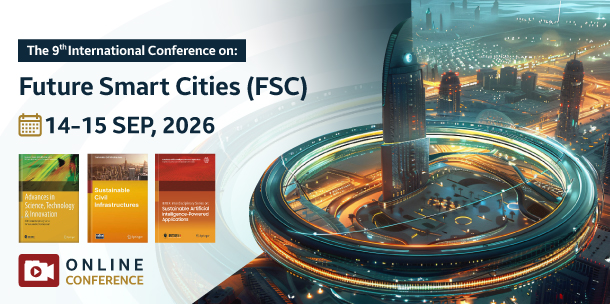
Online Conference
20 Oct 2026 / 22 Oct 2026 read more
Subscribe to our newsletter
The Middle East and North Africa region faces an unprecedented convergence of environmental challenges, ranging from rapid urbanization and escalating water scarcity to the increasing frequency of climate-induced natural hazards. As planetary-scale shifts accelerate, the vulnerability of the region’s natural resources and infrastructure requires a more rigorous, evidence-based approach to environmental stewardship and regional resilience.
To address these complexities, it is essential to bridge the gap between regional environmental realities and global scientific innovation. This requires a strategic shift toward multidisciplinary collaboration, integrating high-level geospatial intelligence, advanced computational modeling, and cross-border resource management. By fostering a synthesis of data-driven insights and actionable policy, we can transform these systemic challenges into opportunities for sustainable regional development.
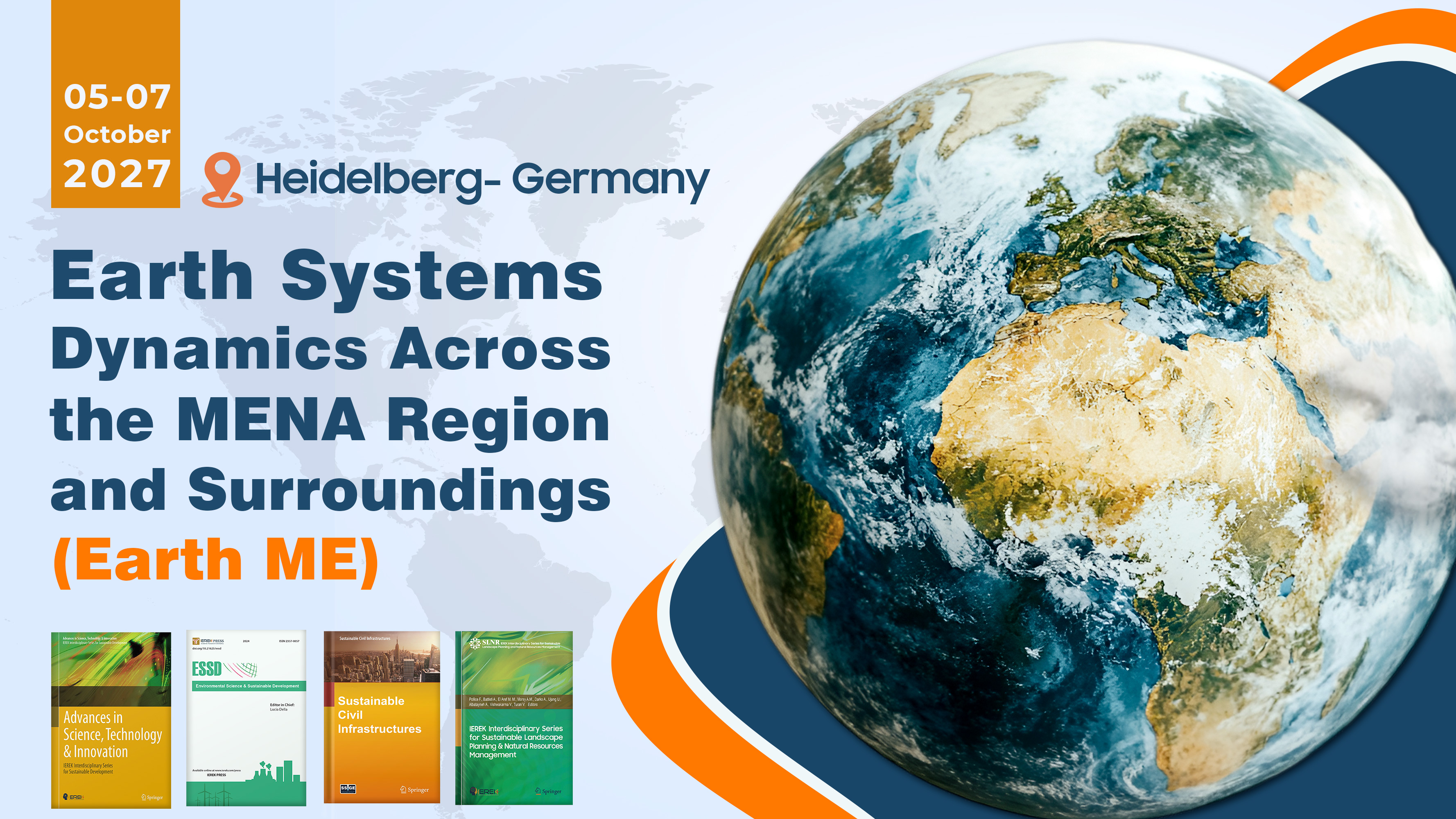
We are proud to convene the 2nd Earth Systems Dynamics across the MENA region and surroundings (Earth ME) Congress, hosted in the historic scientific hub of Heidelberg, Germany, from October 5 to 7, 2027. This year, the congress proudly introduces the Special Track on Computational Earth Dynamics, placing the integration of digital modeling and advanced analytics at the forefront of our scientific mission.
Expanding the Scientific Frontier
While continuing to build upon the foundational tracks established last year—including geology, meteorology, climatology, oceanography, and environmental science—the 2027 congress introduces a pivotal new focus: the Special Track on Computational Earth Dynamics.
As the world faces accelerating planetary-scale changes, the integration of advanced modeling and computational power is essential for predicting environmental shifts and managing natural resources. This edition marks a milestone in the field with two major announcements:
Congress Scope
Earth ME 2027 serves as a premier forum for the examination of natural resources, analyzing their geological settings, origins, and spatial-temporal distributions. The scope of the congress has evolved to address the increasing complexity of Earth’s systems through a multidisciplinary lens. Key themes include:
Statement of Purpose
The core mission of the Earth ME is to drive sustainable development and resilience across the MENA region and its adjacent areas. By providing a platform for the exchange of forward-thinking strategies and the formation of cross-border partnerships, Earth ME 2027 empowers participants to turn substantive dialogue into actionable solutions.
We invite you to join us in Heidelberg to contribute to a resilient future, supported by the world’s leading scientific publishers and a community dedicated to excellence in the Geosciences.
Special Session: The Future of Digital Geosciences
This premier session, attended by the Springer Nature Earth Sciences Editorial Team, marks the formal commencement of our new publishing initiatives:
Part 1: Advanced Numerical Modeling of Earth Systems
1.1. High-Performance Computing (HPC) and Parallel Algorithms
1.2. Multi-scale Modeling of Lithospheric and Mantle Deformation
1.3. Computational Fluid Dynamics (CFD) for Atmospheric Flows
1.4. Non-linear Earth System Processes and Complexity Theory
1.5. Finite Element Analysis (FEA) in Geodynamical Simulations
1.6. Modeling of Coupled Thermo-Hydro-Mechanical-Chemical (THMC) Processes
Part 2: Data-Model Fusion and Predictive Analytics
2.1. Physics-Informed Neural Networks (PINNs) for Earth Dynamics
2.2. Data Assimilation Techniques for Real-time Monitoring
2.3. Uncertainty Quantification (UQ) in Complex Simulations
2.4. Large-scale Digital Simulations of MENA Tectonic Scenarios
2.5. Predictive Analytics for Long-term Resource Depletion
2.6. Bayesian Inference and Stochastic Modeling in Geosciences
2.7. FAIR Data Principles and Open Science in Earth System Dynamics
Part 3: Earth System Interactions & Geoprocesses
3.1. Deep Carbon and Nitrogen Cycles: Fluxes and Storage
3.2. Transboundary Climate Feedback Mechanisms and Teleconnections
3.3. Earth System Sensitivity and Thresholds (Tipping Points)
3.4. Coupled Lithosphere-Biosphere Evolutionary Dynamics
3.5. Geochemical Fingerprinting of Large-scale Earth Processes
3.6. Quantitative Stratigraphy and Basin Systems Analysis
Part 4: Geospatial Technologies & AI
4.1. Remote Sensing and UAVs for Environmental Monitoring
4.2. GIS and Satellite Navigation (GNSS) for Decision Making
4.3. Artificial Intelligence (AI) and Machine Learning in Earth Sciences
4.4. Big Data Analytics and Digital Earth Platforms
4.5. Cloud Computing for Large-Scale Geospatial Analysis
4.6. Hyperspectral Imaging and Advanced Sensor Fusion
Part 5: Computational Modeling and Multi-Hazard Engineering
5.1. Earthquake Engineering: Source-to-Structure Connection
5.2. Structural Health Monitoring (SHM) and Geodetic Data Integration
5.3. Seismic Hazard and Soil-Structure Interaction (SSI)
5.4. Multi-Hazard Engineering in a Changing Climate
5.5. Digital Twins for Earth System and Infrastructure Modeling
5.6. Sustainable Construction Materials and Carbon Feedback Loops
Part 6: Geo-Data Communication, Geo-Education & Ethics
6.1. Open Science, Data Sharing, and Visualization
6.2. Geoscience Education and Curriculum Development
6.3. Science Communication: Bridging Earth System Data and Policy
6.4. Geotourism and the Socio-Economic Impact of Geoparks
6.5. Ethics in Geosciences (Geo-ethics)
6.6. Preserving Geological Records and Natural History Collections
Part 7: Geodynamics & Geo-Resources
7.1. Tectonic Activity and Seismicity in the MENA Region
7.2. Volcanism and Geothermal Energy Potential
7.3. Crustal Evolution, Mineralogy, and Petrology
7.4. Mineral Resources and Energy Transition (Critical Minerals)
7.5. Rock Mechanics and Geotechnical Engineering for Infrastructure
7.6. Conservation of Geoheritage and Geoparks Development
Part 8: Deep Earth Processes & Solid Earth Geophysics
8.1. Seismic Tomography and Mantle Dynamics
8.2. Geomagnetism and Paleomagnetism
8.3. Deep Earth Chemistry and Isotope Geochemistry
8.4. Heat Flow and Thermal Evolution of the Lithosphere
8.5. Lithospheric Imaging and Deep Crustal Studies
8.6. Geophysical Inversion and Subsurface Imaging Techniques
Part 9: Planetary Geosciences & Analog Environments
9.1. Planetary Geology: Comparative Study of Earth, Mars, and the Moon
9.2. Arid Deserts as Planetary Analog Environments
9.3. Impact Cratering and Meteoritics in the MENA Region
9.4. Remote Sensing of Planetary Surfaces
9.5. Astrobiology and Life in Extreme Earth Environments
9.6. Planetary Resource Utilization and Space Mining Ethics
Part 10: Climate Dynamics & Atmospheric Sciences
10.1. Regional Climate Modeling and Projections for MENA
10.2. Transboundary Atmospheric Circulation and Dust Storm Dynamics
10.3. Extreme Weather Events and Disaster Risk Reduction (DRR)
10.4. Carbon Sequestration and Nature-Based Climate Solutions
10.5. Climate Change Adaptation for Arid and Semi-Arid Environments
10.6. Renewable Energy Integration and Decarbonization Pathways
10.7. Cryosphere Changes and Teleconnection Impacts on MENA Climate
Part 11: Hydrology, Oceanography, and the Water-Energy Nexus
11.1. Integrated Water Resources Management (IWRM) in Arid Regions
11.2. Groundwater Depletion and Aquifer Recharge Dynamics
11.3. Desalination Technologies and Regional Water Security
11.4. Marine Ecosystems, Biodiversity, and Ocean Acidification
11.5. Coastal Geomorphology, Sea-Level Rise, and Management
11.6. The Water-Energy-Food Nexus in the MENA Region
Part 12: Earth Surface Processes, Soil Science, and Land Management
12.1. Arid Geomorphology and Landform Evolution
12.2. Desertification, Land Degradation, and Ecosystem Restoration
12.3. Digital Soil Mapping (DSM) and Geostatistics
12.4. Soil Hydrology and Water-Soil-Nutrient Interactions
12.5. Precision Agriculture and Sustainable Land Management (SLM)
12.6. Biogeography and Conservation of Arid Ecosystems
Part 13: Urban Dynamics and Environmental Sustainability
13.1. Urbanization, Megacity Growth, and Sustainable Planning
13.2. Waste Management, Circular Economy, and Pollution Remediation
13.3. Thermodynamic Modeling of the Urban Heat Island (UHI) Effect
13.4. Geo-Politics, Territoriality, and Resource Connectivity
13.5. Science-Policy Interfaces: Translating Data for Legislation
13.6. Smart Cities and Geoinformatics for Urban Resilience
Part 14: Natural Hazards & Risk Management
14.1. Flooding and Flash-Flood Risk in Arid Basins
14.2. Landslides, Rockfalls, and Slope Stability
14.3. Tsunami Modeling and Coastal Vulnerability
14.4. Dust and Sandstorms: Sources, Dynamics, and Forecasting
14.5. Early Warning Systems (EWS) and Multi-Hazard Mapping
14.6. Socio-Economic Vulnerability, Human Toll, and Disaster Recovery
| Title | Date |
|---|---|
| Abstract Submissions Deadline | 15 Jun 2026 |
| Last Notification for Abstract Acceptance | 01 Jul 2026 |
| Full Paper Submission Deadline | 01 Aug 2026 |
| Last Notification for Full-Paper Acceptance | 01 Sep 2026 |
| Early Payment Deadline | 15 Nov 2026 |
| Regular Payment Deadline | 15 Jan 2027 |
| Late Payment Deadline | 28 Feb 2027 |
| Letter of Visa (for delegates who need visa entry) | 01 Oct 2026 |
| Letter of Final Acceptance | 01 Dec 2026 |
| Conference Program | 01 Mar 2027 |
| Conference Launch | 06 Apr 2027 |
Registration and financial transactions for this conference are managed through our strategic partner, working in close academic partnership with IEREK to ensure seamless delivery of conference services and publication standards.
This entity works in close academic partnership with IEREK to ensure the highest standards of financial transparency, conference administration, and publication quality.
⚠️ Important Note:
Payment for registration fees should only be completed after you have received the official Abstract Acceptance Email from your conference coordinator. This email contains a mandatory coupon code required to calculate your correct registration fees.
The registration fee does not cover accommodation or travel expenses. A list of accommodation options can be suggested by our team if available. Please contact [email protected] for inquiries.
We recommend that all authors take advantage of the benefits that IEREK offers, including various attendance types, publishing opportunities, and opportunities for discounts and waivers.
We are pleased to inform all applicants that they can use their previous publications to register for an IEREK membership, which offers a special discount.
IEREK offers a special discount to applicants from collaborative universities that have signed an MoU with IEREK to host or co-host one of its conferences.
IEREK also provides special discounts to authors from low and medium-income countries.
Book Series/ Journal(s) Discounts:
Some of the disclosed conference fees may vary depending on the book series and/or journal(s) presented as a publication outlet, as we encourage submission to newly founded book series and/or journal(s) by presenting a discounted rate for the conference's fees.
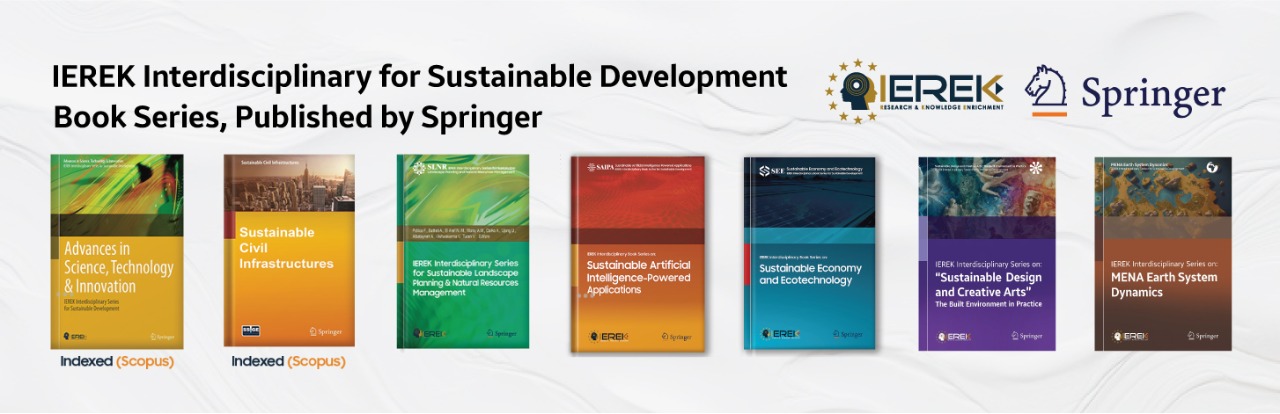
IEREK offers many alternative venues for publication. All accepted submissions to the conference, after a rigorous double-blinded peer-review process by the respective and highly distinguished Editorial Board, will be published through one of the following venues:
Accepted papers (according to the preference of the author) will be published through the Springer book series or a special issue in one of the IEREK press open-access Journals.
IEREK offers many types of registrations that are diverse in registration fees; applicants can choose the type they are familiar with as follows:
Participants who are PhD holders, post-doctoral researchers, and universities’ affiliated professors and experts in the field.
Must provide proof of enrollment in a university by providing an enrollment certificate and/or a valid university ID (with issue/expiry date) etc.
Participants who are not affiliated with universities such as practitioners, policymakers, entrepreneurs, etc.
Have access to the event to enjoy the discussions, coffee breaks, and lunch as a co-author or audience.
An author may need to attend the conference for presentation only to present a research idea without publication or full paper submission; the fee in this case will be decreased.
| Type of Registration | Early Payment Deadline 15 Oct 2026 |
Regular Payment Deadline 15 Dec 2026 |
Late Payment Deadline 10 Feb 2027 |
|---|---|---|---|
| Scopus indexed-ASTI Book by Springer | |||
| Student | 350 € | 400 € | 450 € |
| Academic | 400 € | 450 € | 500 € |
| Professional | 450 € | 500 € | 550 € |
| Co-author/ Audience | 200 € | 250 € | 300 € |
| Open Access IEREK Press Journals | |||
| Student | 250 € | 300 € | 350 € |
| Academic | 300 € | 350 € | 400 € |
| Professional | 350 € | 400 € | 450 € |
| Co-author/ Audience | 200 € | 250 € | 300 € |
IEREK offers various types of participation. Applicants can apply for in-person attendance to benefit fully from conference discussions and knowledge exchange.
IEREK also offers virtual attendance for authors to present their research papers online; however, we strongly encourage all applicants to attend the conference in person.
Type 1:
Through IEREK – Springer Nature Interdisciplinary book series “Advances in Science, Technology, and Innovation” (ASTI). See previous publication here.
Type 2:
The physical fee covers:
* Each research paper should have one main author who should pay the full fee (Author fees) regardless of attendance. Co-authors, each, have their fees to pay to attend the event. This applies to online attendance as well as physical attendance.
* A research paper fee allows only one author, whether main or co-author, to attend the conference and receive only one conference kit. Extras can be requested for an additional fee.
| Type of Registration | Early Payment Deadline 15 Oct 2026 |
Regular Payment Deadline 15 Dec 2026 |
Late Payment Deadline 10 Feb 2027 |
|---|---|---|---|
| Scopus indexed-ASTI Book by Springer | |||
| Student | 300 € | 350 € | 400 € |
| Academic | 350 € | 400 € | 400 € |
| Professional | 400 € | 450 € | 450 € |
| Co-author/ Audience | 100 € | 150 € | 200 € |
| Open Access IEREK Press Journals | |||
| Student | 200 € | 250 € | 300 € |
| Academic | 250 € | 300 € | 350 € |
| Professional | 300 € | 350 € | 400 € |
| Co-author/ Audience | 100 € | 150 € | 200 € |
IEREK offers virtual attendance, providing authors with a unique link to join the conference sessions and present their papers as per the announced program.
IEREK is dedicated to optimizing the benefits for each delegate so, similar to physical attendance, when it comes to virtual attendance IEREK also provides two venues for publication, which are:
Type 3:
Online attendance + Publication through Scopus Through IEREK – Springer Nature Interdisciplinary book series “Advances in Science, Technology, and Innovation” ASTI, see previous publications here.
Type 4:
The online fee covers:
* Each research paper should have one main author who should pay the full fee (Author fees) regardless of attendance.
* Co-authors, each, have their fees to pay to attend the event. This applies to online attendance as well as physical attendance.
* Participants can use only one type of discount opportunity, which meets their preferences.
* Authors should contact the conference manager through this email [email protected] to consider the discount and waiving for all the above cases so that the conference manager can provide an exclusive invoice for each case.
| Afghanistan, Algeria, Angola, Bangladesh, Benin, Bhutan, Bolivia, Burkina Faso, Burundi, Cabo Verde, Cambodia, Cameroon, Central African Republic, Chad, Comoros, Congo, Congo Dem. Rep., Côte d'Ivoire, Djibouti, Egypt, Eritrea, Eswatini, Ethiopia, Gambia, Ghana, Guinea, Guinea-Bissau, Haiti, Honduras, India, Iran, Jordan, Kenya, Kiribati, Kyrgyz Republic, Lao PDR, Lebanon, Lesotho, Liberia, Madagascar, Malawi, Mali, Mauritania, Micronesia, Mongolia, Morocco, Mozambique, Myanmar, Nepal, Nicaragua, Niger, Nigeria, Pakistan, Papua New Guinea, Philippines, Rwanda, Samoa, São Tomé and Principe, Senegal, Sierra Leone, Solomon Islands, Somalia, South Sudan, Sri Lanka, Sudan, Syria, Tajikistan, Tanzania, Timor-Leste, Togo, Tunisia, Uganda, Ukraine, Uzbekistan, Vanuatu, Vietnam, Yemen, Zambia, Zimbabwe |
iDirect is a new and efficient platform that allows direct submissions of research papers across various fields of science. iDirect accepts and covers all fields of science, not only those related to a particular conference. Individual authors are encouraged to submit their research discussing new ideas and presenting solutions to everyday problems that fall under numerous scientific themes. The iDirect platform is integrated into the peer review system for online conferences. You can publish your work through iDirect without the need to attend the conference or adhere to any submission deadlines. iDirect accepts a wide range of disciplines, eliminating the need to align with the conference's specific theme or scope. Based on the scope of your research, we will identify the most relevant proceedings for publication. The editor will schedule a discussion with you to review your presentation before proceeding to the peer-review process. Learn more here!
IEREK puts a lot of effort into expediting the peer review process to publish articles as quickly as possible. This requires prompt responses from all authors to the editors' comments, if any. Your swift response is highly appreciated to advance the production process and get your articles online. We prioritize the first author to respond as per our formula. The conference proceedings will be divided into multiple books, with the first one scheduled for publication within 6 months after the conference date. We encourage all authors to aim for publication in the first release.
For participants who need Entry Visas to the country where the conference will be held, IEREK will issue the corresponding invitation letter for accepted applicants to facilitate visa issuance. Please notice that we will attempt to assist you in obtaining a visa but the responsibility is yours and the decision rests solely with the appropriate Embassy. For the requirements of issuing a visa letter please read more here!

All accepted submissions to the conference, after a rigorous double-blinded peer-review process by the respective Editorial Board, will be published in one of the following:
Advances in Science, Technology and Innovation (ASTI), an IEREK interdisciplinary book series published by Springer Nature. (SCOPUS indexed)
Publisher: Springer Nature (IEREK Interdisciplinary book series)
Indexing: SCOPUS indexed; some titles in Web of Science (ISI)
Focus: Emerging research in science, technology, and innovation for sustainable development, addressing UN SDGs.
Publisher: Springer (Peer-reviewed book series)
Indexing: EI Compendex, SCImago, SCOPUS, zbMATH
Focus: Sustainable engineering materials and designs for civil infrastructures, addressing impacts of weather extremes and improving well-being.

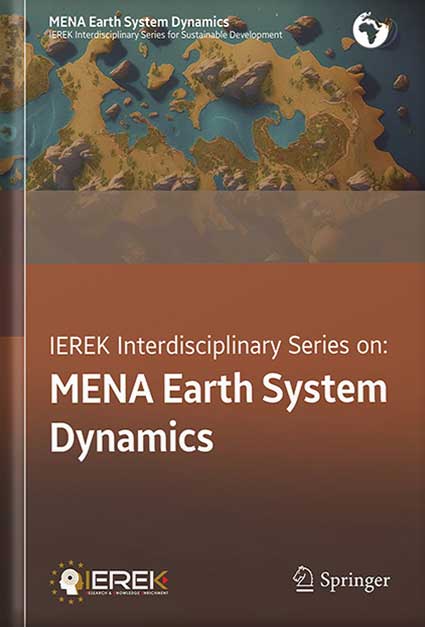
Focus: Environmental and developmental challenges in the MENA region.
Key Areas: Earth Systems Science, Geotechnics, and Geoinformatics specific to MENA.
Goal: Publish scientific breakthroughs and innovative solutions for a sustainable MENA Future.
Publisher: Springer (Peer-reviewed book series)
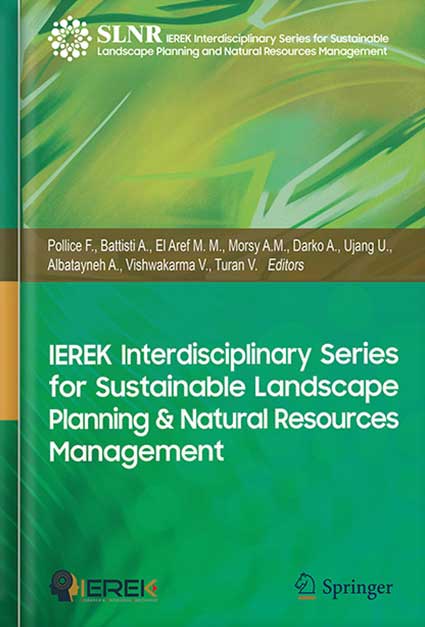
Focus: Groundbreaking research at the intersection of sustainable landscape planning and natural resources management.
Key Areas: Landscape ecology, green urbanism, urban regeneration, land restoration, energy management, nature conservation, geosciences, civil engineering, and water management.
Internationally peer-reviewed, open access journals published by IEREK Press. Covering a wide range of disciplines including sustainability, architecture, engineering, and environmental sciences.
Journal on:

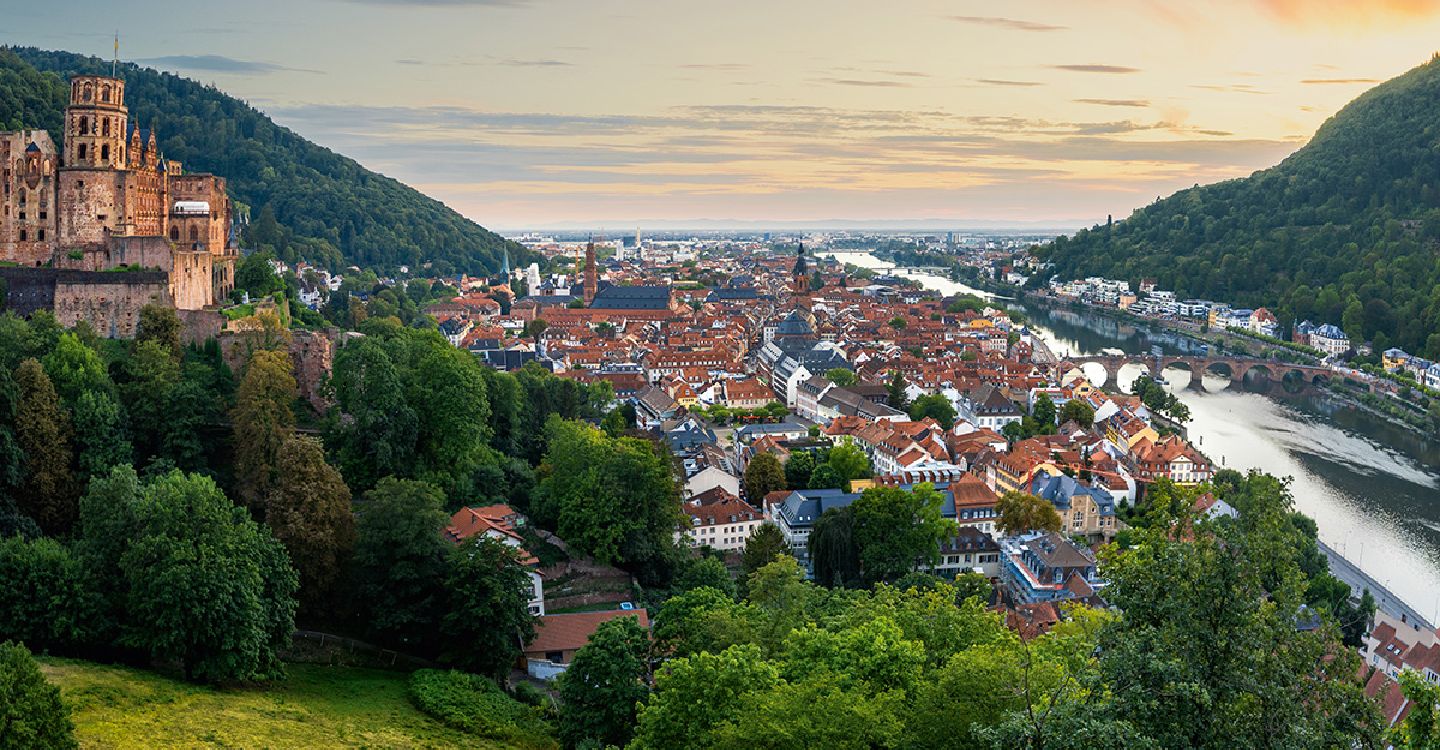
We are delighted to welcome you to the historic and vibrant city of Heidelberg, one of Germany’s most picturesque destinations known for its rich cultural heritage and academic tradition.
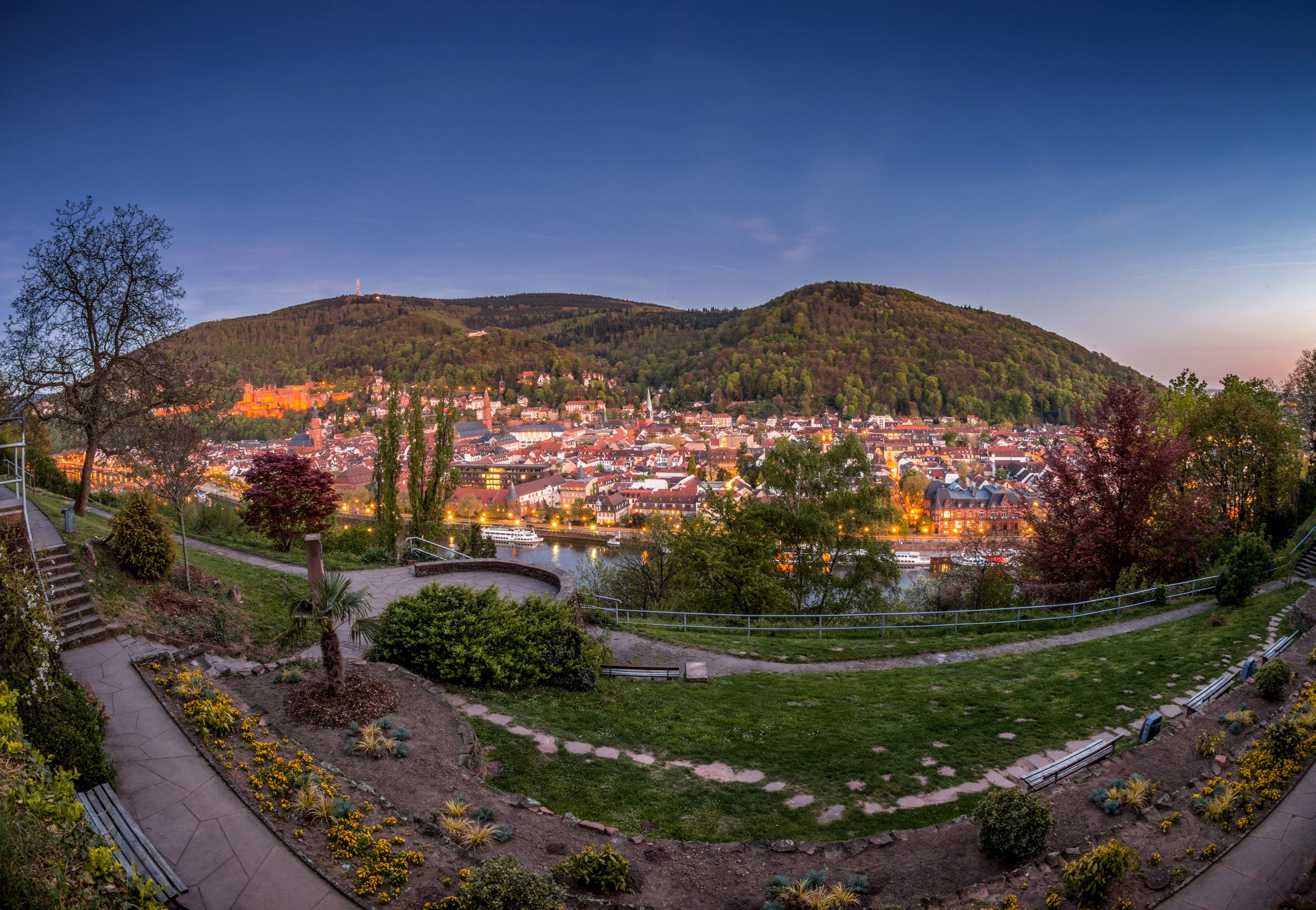
Heidelberg offers a unique blend of old-world charm and modern infrastructure, nestled along the banks of the Neckar River and surrounded by forested hills. With its world-renowned university, baroque old town, and romantic castle ruins, the city provides an inspiring backdrop for any event or visit.
Highlights of Heidelberg:


Whether you're exploring its historical streets, enjoying local cuisine, or engaging in academic or professional exchanges, Heidelberg offers a memorable and welcoming atmosphere.
Explore Heidelberg on the map:
Attending a conference dramatically enhances both your professional and personal development. They help you sharpen the saw, meet and converse with industry experts, expand your resources and grow your professional network. IEREK Conference will help you:
1. Open Discussions: We bring together leading academic scientists, from different universities and countries, to exchange and share their experiences and research results.
2. Internationally Accredited Certificate: The participants are granted internationally recognized certificates acknowledged by IEREK, the University, and Partnering Organizations.
3. Publication: Selected high-quality manuscripts will be published, after peer review, in the Advances in Science, Technology & Innovation (ASTI) book series by Springer or by IEREK Press Journals, both of which are indexed in world-renowned databases.
4. Research Technologies: Conferences can expand your resources by providing a great opportunity to promote gathered information on new technologies related to your research.
5. Networking: You can engage with industry experts to discuss with them the very latest research projects they could be working on and increase your chances of collaboration in future projects.
6. Academic Reputation: Attending many conferences will make you a known figure in academic circles and an active member of the academic community.
7. Conference Abstracts Material: Delegates will receive the conference Abstracts book in a digital format.
Registration
To help the organizers plan for inter-disciplinary dialogue, participants are requested to choose from the Conference themes/ Topics upon registration.
They must also refer to, and abide by, the following instructions in registering and/ or submitting their contributions:
NOTE: If you are contributing as an Author of a submitted abstract (for publishing consideration and/or presentation), and regardless of attendance, the fee for the registration is the same. See and Conference Fees for more information.
Types of Participation
Organized from the comfort of your own home, the conference offers a virtual attendance option for your convenience. That said, participants will have a chance to present their abstract/research, online, and have their work considered for publication in the proceedings.
Virtual presenters are required to submit an abstract and extend this abstract following the “author instructions” below and before the deadline (see Important Dates). At least one author must pay the registration fee (see Conference Fees).
For any reason, authors may wish to submit pre-recorded video presentations no later than 15 days prior to the conference. Alternatively, they may wish to record a voice-over PowerPoint presentation for submission to the conference organizers.
Organized in ROMA EVENTI - FONTANA DI TREVI, offering a Physical attendance option for your convenience. That said, participants will have a chance to present their abstract/research, on campus, and have their work considered for publication in the ASTI Series by Springer as part of the conference proceedings.
See Author Instructions and Conference Fees for more information.
3. Non-presenting participant
Non-presenting participants may also wish to attend the conference as Audience Members or Co-authors contributing to an already submitted abstract/ paper.
Notes to consider:
Send in your questions if you have any to the conference coordinator at the email [email protected]
IEREK has an unyielding policy regarding plagiarism. We believe that copying/taking the ideas and work of other Authors without permission and credit is fraudulent. The Reviewing committee and IEREK employees have the authority to reject a paper during its reviewing process, based on the paper being subjected to either minor or major plagiarism.
Authors must refer to, and abide by, the following instructions in submitting their abstracts/ papers:
This is not a prerequisite for presenting your work at the conference. Meaning, you can present your submitted abstract without intending to publish your work.
This process can only be initiated after payment completion and confirmation:
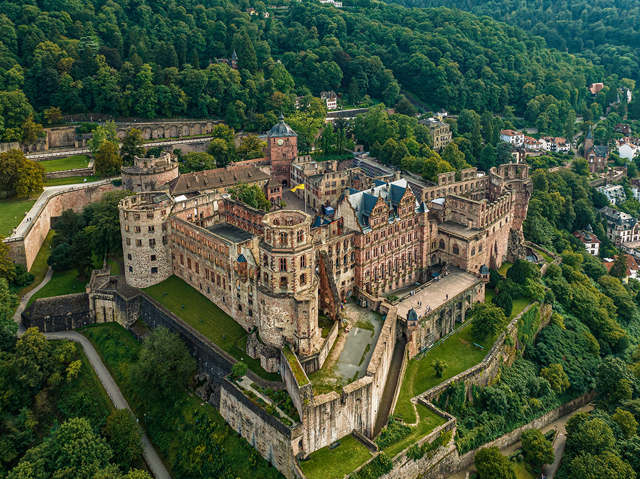
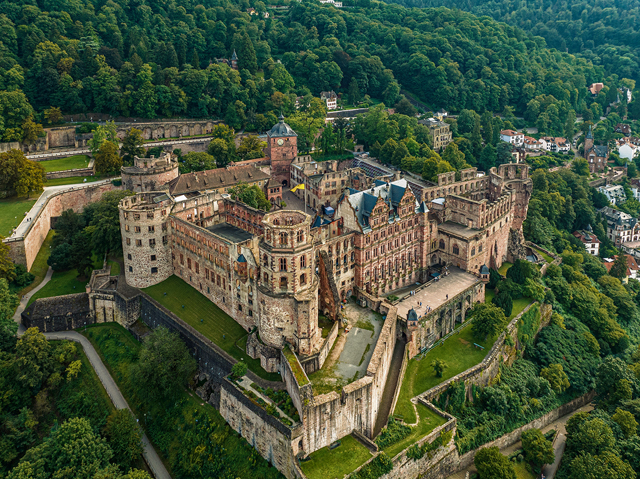
Why Visit: One of the most famous ruins in Germany, perched majestically on the hillside.
Highlights: Renaissance architecture, stunning views of the Old Town, and the world's largest wine barrel.

Why Visit: The heart of Heidelberg, rich in charm, history, and culture.
Highlights: Narrow cobblestone streets, historic buildings, boutiques, and cafés.

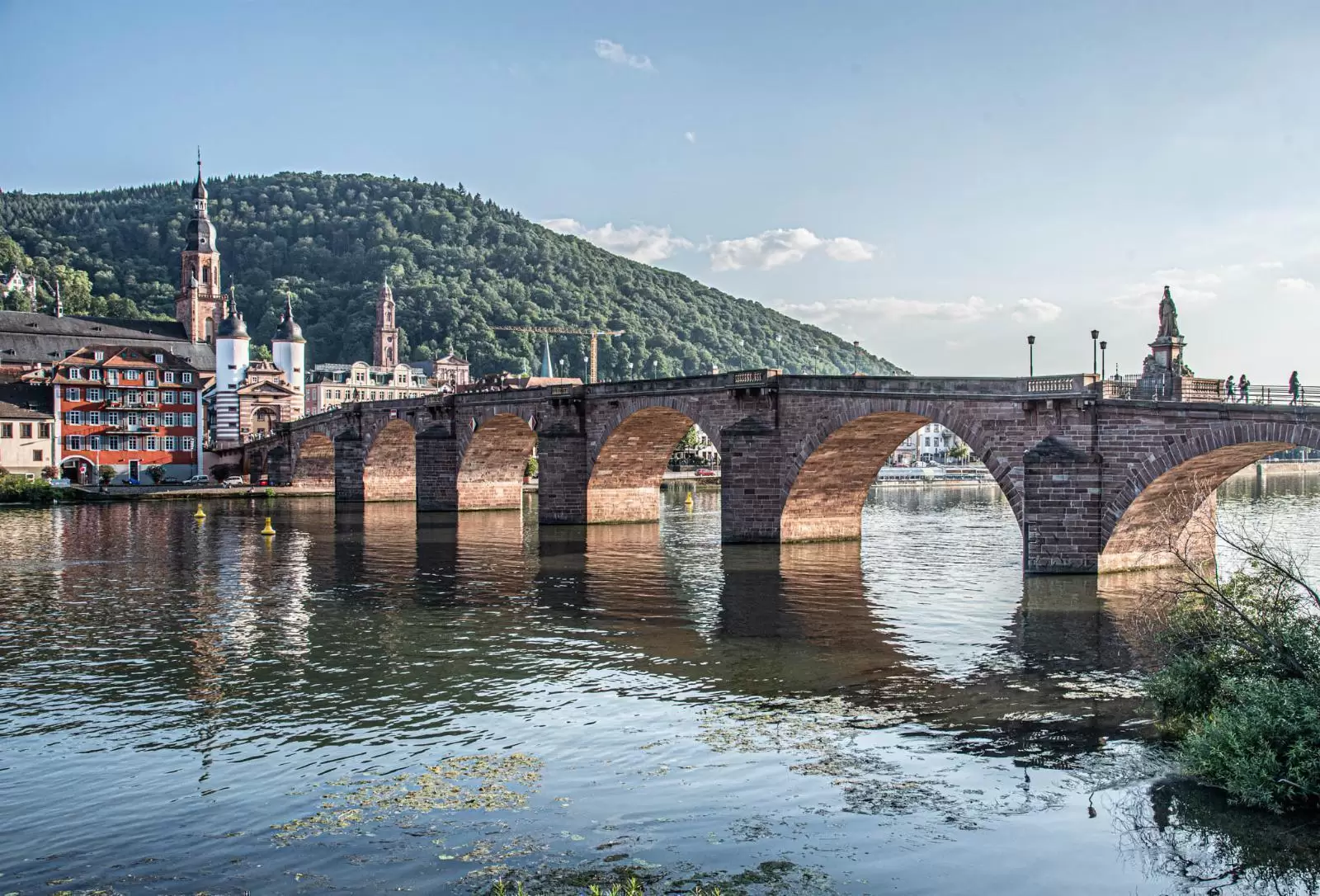
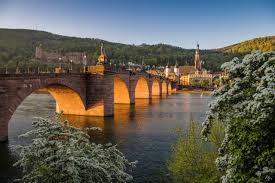
Why Visit: Iconic sandstone bridge over the Neckar River.
Highlights: Great photo opportunities, views of the castle, and the famous bridge monkey statue.

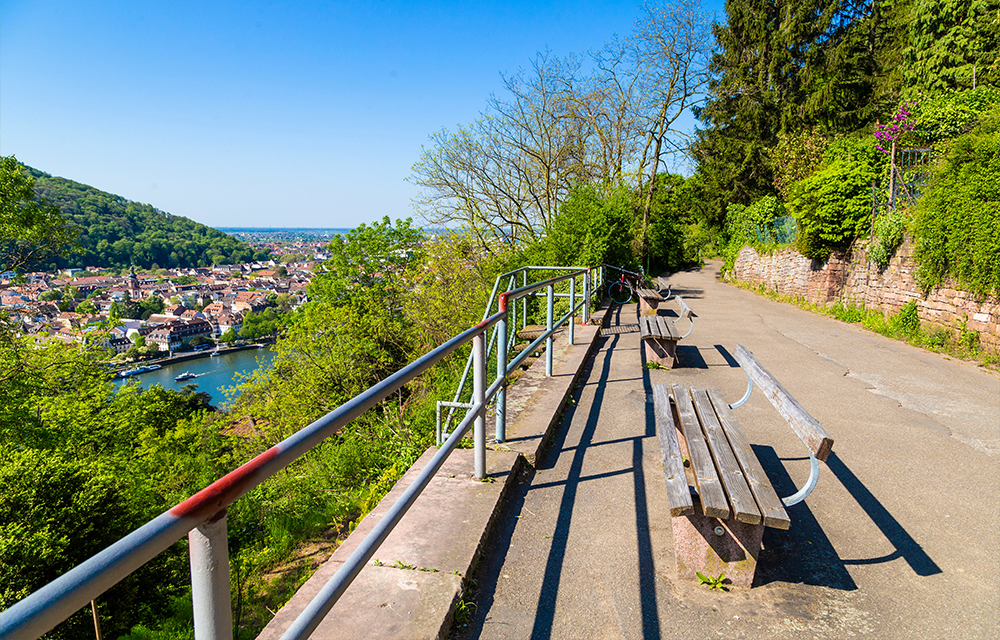
Why Visit: Scenic walking path across the river from the Old Town.
Highlights: Panoramic views of the city and castle; perfect for romantic strolls or photography.

- For participants who need Entry Visas to the country where the conference will be held, IEREK will issue the corresponding invitation letter for accepted applicants to facilitate visa issuance.
- Please notice that we will endeavor to assist you in obtaining a visa but the responsibility is yours and the decision rests solely with the appropriate Embassy.
Invitation Letter Issuance Process
1- In case the participant is an author who has submitted a research paper to the conference, it must get accepted by the Scientific Committee
2- Required participation fees must be paid
3- The participant should send the following information to the conference's official email:
* A clear copy of passport
* Passport number
* Full name as written in your passport.
* Date of Issuing and Expiration
* Date of Birth
* Email address of the nearest Embassy/Consulate to you
* Mobile Number including country code
4- Conference coordinator will issue the needful invitation letter and send a copy to the participant's email, in addition to another one to the corresponding email address of embassy/consulate
5- The participant should print out the invitation letter along with all other required documents by the embassy/consulate and apply for VISA
|

Cancellation Policy |
Up to 60 days before the event |
Up to 50 days before the event |
Up to 40 days before the event |
39 days before the event |
|
Penalty |
20% |
50% |
70% |
100% |
EXCEPTION
A refund is not possible if
-An acceptance letter has been issued (Authors only)
-If the paper proceeds to the peer review process, a refund cannot be issued (Authors only)
-The proceedings of the event have been published (Authors only)
-A visa invitation letter has been issued (All participants)
Visa Rejection Cases
Reason and proof of rejection must be submitted. If the reason for rejection is due to an error on our part, the participant will be refunded their full fee with a deduction of a 20% administration fee.
Documents to be issued by IEREK to acquire a visa are as follows:
*Final Acceptance Letter (Authors only)
*Visa Invitation Letter
*Invoice/proof of payment
We encourage all authors and attendees to ensure their having acquired all documents (those applicable) mentioned.
If the reason for rejection is not related to any of the aforementioned and is an error on the participant’s part, the following will apply:
*Authors: may choose to let their co-author present his/her research on his/her behalf free of charge. If the author does not have a co-author, a member of the scientific committee shall present on the author’s behalf.
*Audience members/Registrants: will only be allowed to attend another similar event of their choosing that is organized by IEREK free of charge.
Subscribe to our newsletter
Join IEREK community