Circular Business and Digital ...
Online Conference
25 May 2027 / 26 May 2027 read more

Prof. Fernando Paulino
Associate Professor of the University of Maia, and Coordinator of the Maia Pole of the CIAC - Center for Research in Arts and Communication (Portugal).
Subscribe to our newsletter
The twenty-first century is witnessing an unprecedented technological and cultural transition that is fundamentally reshaping the creation, preservation, dissemination, and interpretation of knowledge and heritage. Emerging technologies are not merely changing the way culture is communicated and consumed; they are redefining the very modes of knowledge creation, memory preservation, identity construction, and the transmission of heritage to future generations.
Artificial intelligence (AI), immersive environments, computational creativity, digital archives, virtual and augmented reality technologies, collaborative platforms, and emerging forms of human-machine interaction and intelligent systems are fundamentally transforming the cultural ecosystem. These shifts open unprecedented opportunities to democratize access to culture, expand civic participation, preserve endangered heritage, and foster creative innovation. At the same time, they raise fundamental questions regarding authenticity, authorship, ethics, digital sovereignty, environmental sustainability, cultural rights, technological obsolescence, and the long-term preservation of digital heritage. In this context, culture and heritage take on a central role in international agendas for sustainable development and digital transformation.
UNESCO has consistently highlighted the importance of safeguarding cultural heritage within digital environments, protecting cultural diversity, ensuring equitable access to knowledge, and promoting the responsible use of emerging technologies. Simultaneously, the United Nations’ 2030 Agenda recognizes the significance of culture, innovation, education, and digital inclusion in building more resilient, creative, and sustainable societies.
The conference is also aligned with UNESCO's Charter on the Preservation of Digital Heritage (2003) and the Recommendation on the Ethics of Artificial Intelligence (2021), which highlight the need to ensure that technological innovation serves cultural diversity, human rights, ethical governance, and the safeguarding of heritage for future generations. Today, digital heritage is of growing importance, not only as a digital representation of physical cultural assets, but also as heritage created originally within a digital environment, encompassing archives, artistic works, databases, collaborative platforms, video games, and other emerging cultural expressions.
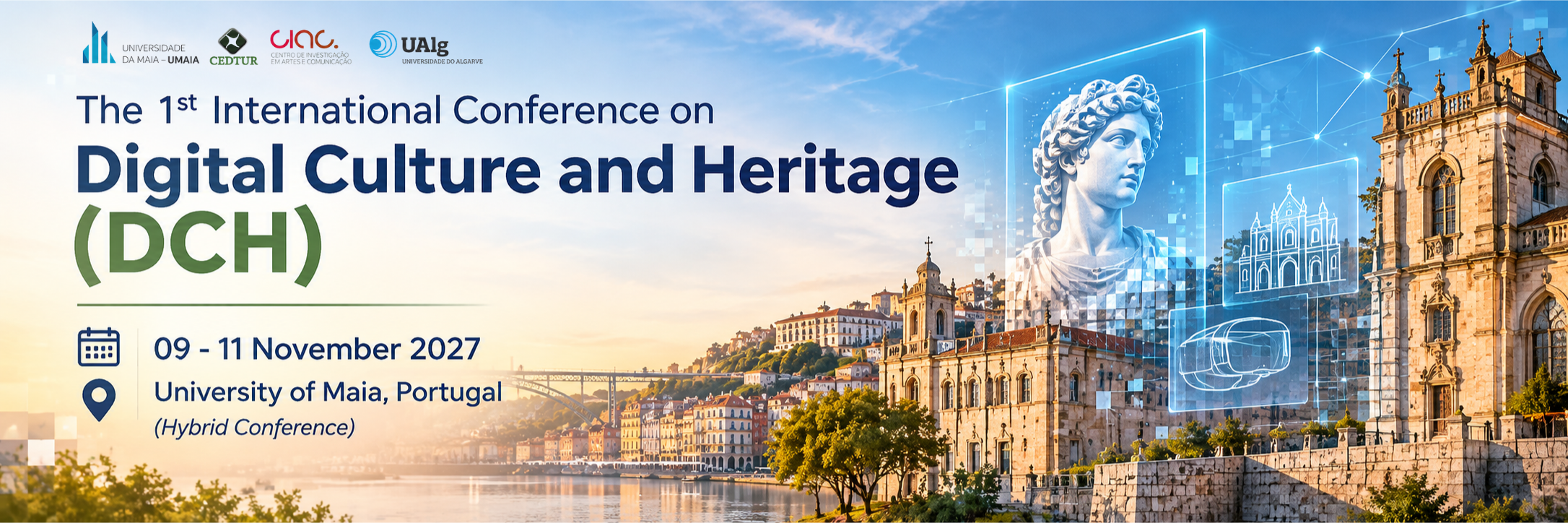
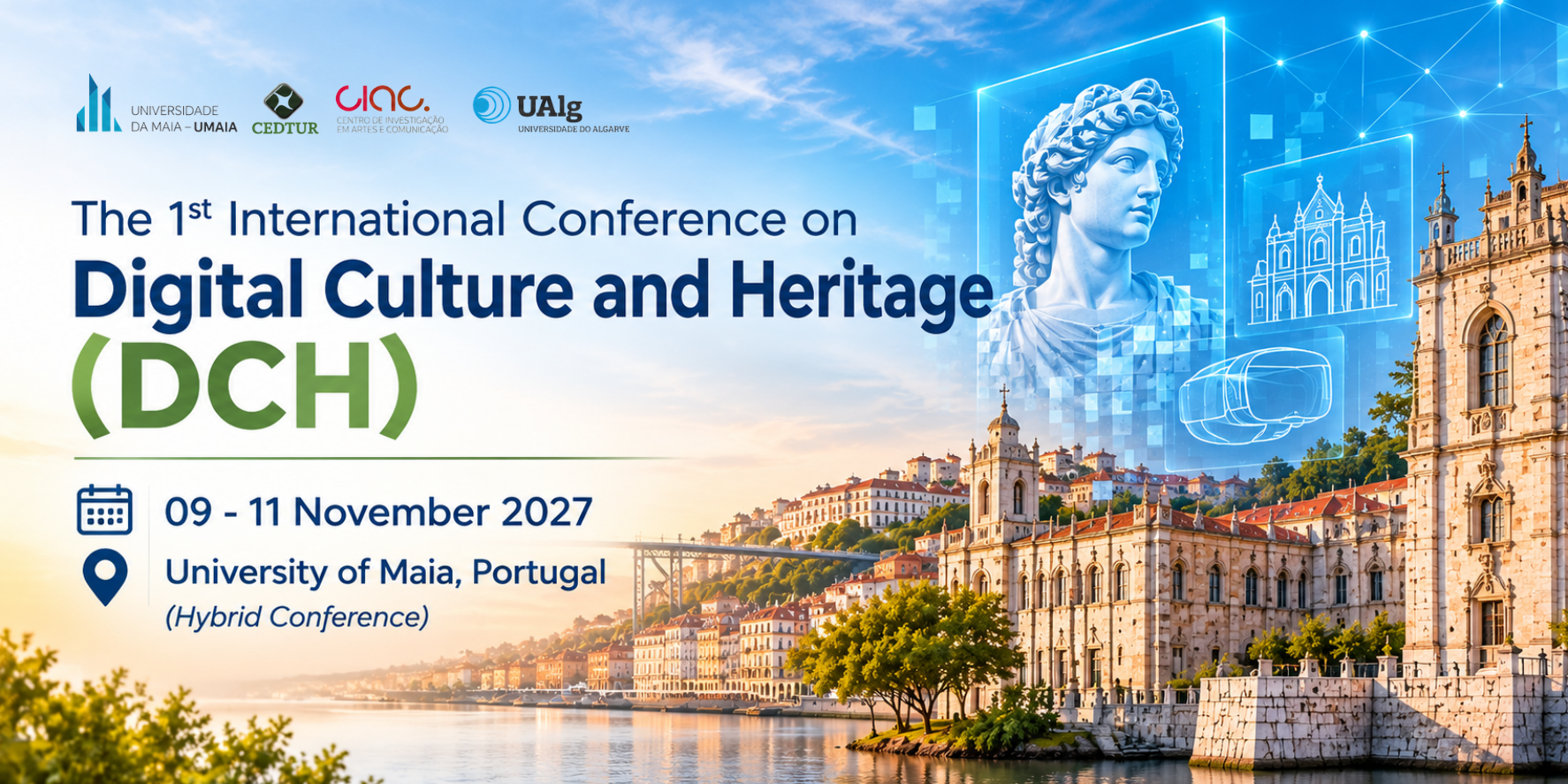
Against this backdrop, the 1st International Conference on Digital Culture and Heritage (DCH 2027) is launched as an international forum dedicated to critically examining the transformative relationship between culture, heritage, creativity, and emerging technologies. The conference aims to establish itself as a key forum for scientific and professional debate on how digital technologies are transforming processes related to cultural creation, heritage preservation, public participation, and knowledge production.
DCH 2027 brings together researchers, academics, heritage professionals, museologists, archivists, artists, designers, cultural managers, policymakers, heritage institutions, the creative industries, and digital technology experts to reflect on the challenges and opportunities presented by the digital transformation of culture. Attention will be given to the impact of Generative Artificial Intelligence on artistic creation, digital curation, heritage preservation, cultural documentation, content mediation, and knowledge production. The conference will also explore the potential of computational creativity, immersive experiences, cultural data ecosystems, community participation, and new forms of heritage communication and interpretation enabled by digital technologies.
The conference serves as a multidisciplinary platform for discussing the future of culture and heritage in an increasingly digitized society. Its scientific scope encompasses topics such as digital heritage, memory and identities, digital documentation and preservation, digital archives and collections, virtual museums, virtual and augmented reality, interactive narratives, the design of cultural experiences, artificial intelligence applied to the arts and heritage, cultural accessibility, civic participation, digital literacy, technological ethics, digital governance, and the sustainability of cultural ecosystems.
Beyond examining the impacts of digital transformation, DCH 2027 seeks to contribute to the development of new paradigms for cultural creation, preservation, accessibility, and participation. The conference encourages the presentation of research, projects, methodologies, and case studies that explore the potential of digital technologies to strengthen cultural diversity, safeguard tangible and intangible heritage, invigorate creative sectors, and promote more inclusive, participatory, and sustainable knowledge societies.
Organized by IEREK (International Experts for Research Enrichment and Knowledge Exchange), in scientific partnership with Universidade da Maia (UMAIA), the University of Algarve, and CIAC (Research Centre for Arts and Communication), the conference will take place in a hybrid format from November 9 to 11, 2027.
It will be held in person at the University of Maia (Portugal), while simultaneously being accessible via digital platforms for online participation.
The 1st International Conference on Digital Culture and Heritage (DCH 2027) will be held in parallel with the 9th International Conference on Cultural Sustainable Tourism (CST 2027), creating a unique environment for interdisciplinary dialogue among researchers and professionals in the fields of culture, heritage, tourism, creativity, technological innovation, and sustainable development.
At a time when artificial intelligence, immersive environments, and digital ecosystems are redefining the relationship between people, culture, and heritage, DCH 2027 invites the international scientific community to reflect on the role of technological innovation in building more creative, inclusive, and sustainable societies. Beyond merely analyzing the ongoing digital transformation, the conference aims to contribute to defining the possible futures for culture and heritage in the 21st century.
DCH 2027 welcomes scientific and professional contributions that explore the multifaceted relationships between digital technologies, culture, creativity, heritage, memory, participation, and innovation. We particularly encourage submissions related to digital culture and identities; digital heritage; collective memory; digital artistic creation; visual design and communication; artificial intelligence applied to the arts and heritage; the digitization and documentation of tangible and intangible heritage; 3D modeling and reconstruction; digital archives and collections; virtual museums; virtual, augmented, and mixed reality; digital storytelling; the design of cultural experiences; human-computer interaction; video games and playful experiences; community participation; cultural co-creation; education and digital literacy; accessibility; digital ethics; the governance of digital culture; copyright; the sustainability of digital heritage; and new ecosystems for cultural innovation.
The primary objective of DCH 2027 is to foster international debate on the impact of digital technologies on processes of cultural creation, heritage preservation, and audience engagement. The conference aims to facilitate the exchange of research, knowledge, professional expertise, and creative practices that contribute to a deeper understanding of contemporary digital culture and its role in shaping the heritage of the future.
Particular attention will be given to approaches that promote:
By bringing together diverse disciplines, perspectives, and professional contexts, DCH 2027 aims to establish itself as a key forum for reflecting on how culture and heritage are being transformed by digital technologies, and on how creativity, innovation, and knowledge can contribute to building cultural futures that are more inclusive, accessible, resilient, and sustainable.

A study of the relationships between digital technologies, cultural practices, and the construction of memory and identities.
1.1. Theories and Critical Perspectives on Digital Culture
1.2. Digital Heritage: Objects, Practices, and Communities
1.3. Internet Cultures, Social Networks, and Digital Platforms
1.4. Video Games and Gaming Communities as Cultural Expressions
1.5. Collective Memory, Personal Archives, and Digital Identities
1.6. Participatory Cultures and the Circulation of Content
1.7. Materiality, Authenticity, and Obsolescence in Digital Culture
An investigation into processes of creation, experimentation, and artistic or design production within digital contexts, including their relationships with memory and heritage.
2.1. Digital Art, Computational Art, and Generative Practices
2.2. Communication Design, Visual Communication, and Typography in Digital Media
2.3. Interaction Design and Experimental Interface Practices
2.4. Interactive Installations, Performance, and Hybrid Practices
2.5. Cinema, Animation, Photography, and Digital Audiovisual Narratives
2.6. Music, Sound Art, and Computational Composition
2.7. Artificial Intelligence in Artistic and Design Processes
2.8. Reinterpretation and Reactivation of Heritage through Contemporary Creation
Methods and strategies for documenting, organizing, and preserving heritage and digital cultural production, while ensuring continued access.
3.1. Documentation and Digitization of Tangible and Intangible Heritage
3.2. Photogrammetry, 3D Capture, and Digital Reconstruction
3.3. Digital Archives, Libraries, and Collections
3.4. Metadata, Interoperability, and Linked Data
3.5. AI-Assisted Cataloging and Analysis of Collections
3.6. Preservation of Digital Works, Software, Video Games, and Interactive Systems
3.7. Emulation, Migration, and Documentation of Behaviors and Experiences
3.8. Conservation and Monitoring of Heritage Supported by Digital Technologies
3.9. Provenance, Authenticity, and the Communication of Uncertainty in Documentation and Reconstruction
Conception and study of ways to interpret, communicate, and experience cultural and heritage content.
4.1. Virtual Museums, Digital Exhibitions, and Curation
4.2. Storytelling, Interactive Narratives, and Transmedia Communication
4.3. Design of Cultural and Heritage Experiences
4.4. Human-Computer Interaction in Cultural Contexts
4.5. Virtual, Augmented, and Mixed Reality
4.6. Games and Playful Experiences for Cultural Interpretation
4.7. Locative Media, Digital Trails, and Situated Experiences
4.8. Conversational Interfaces and Cultural Recommendation Systems
4.9. Audience Studies, Reception, and Experience Evaluation
Processes that enable individuals and communities to participate in cultural production, build knowledge, and access culture.
5.1. Community Participation and Cultural Co-Creation
5.2. Community Memories and Participatory Documentation
5.3. Arts and Heritage Education in Digital Environments
5.4. Digital, Visual, Media, and Cultural Literacies
5.5. Learning through Creation and Experimentation
5.6. Digital Accessibility, Inclusive Design, and Assistive Technologies
5.7. Inequalities in Access, Skills, and Participation
5.8. Participatory Methodologies and the Evaluation of Educational and Social Impacts
Analysis of the ethical, political, economic, and environmental conditions surrounding the production, circulation, and preservation of digital culture and heritage.
6.1. Cultural Policies and Digital Governance
6.2. Copyright, Licensing, and Open Access
6.3. Ethics of Artificial Intelligence, Authorship, and Accountability
6.4. Data Sovereignty, Privacy, and Community Rights
6.5. Platform Power and Dependency on Technological Infrastructure
6.6. Environmental Sustainability of Digital Production and Preservation
6.7. Organizational Transformation and Skills within Cultural Institutions
6.8. Creative Ecosystems, Funding Models, and Working Conditions
6.9. Policies for the Acquisition, Maintenance, and Continuity of Digital Projects
| Title | Date |
|---|---|
| Abstract Submission Deadline (Will be Extended) | 31 Jan 2027 |
| Last Notification for Abstract Acceptance & Approval to Present | 15 Feb 2027 |
| Early Payment Deadline | 15 May 2027 |
| Regular Payment Deadline | 15 July 2027 |
| Late Payment Deadline | 15 Sep 2027 |
| Paper Submission Deadline | 10 Sep 2027 |
| Notification of Acceptance / Rejection of Submitted Paper | 25 Sep 2027 |
| Visa Invitation Letter (for delegates requiring a visa) *Payment Required* | 10 Aug 2027 |
| Conference Program | 10 Oct 2027 |
| Conference Launch | 09 Nov 2027 |
Payments through the website are currently unavailable due to ongoing website enhancements. IEREK offers alternative payment methods, including bank transfer and secure third-party online payment links.
The registration fee does not cover accommodation or travel expenses. A list of accommodation options can be suggested by our team if available. Please contact [email protected] for inquiries.
We recommend that all authors take advantage of the benefits that IEREK offers, including various attendance types, publishing opportunities, and opportunities for discounts and waivers.
We are pleased to inform all applicants that they can use their previous publications to register for an IEREK membership, which offers a special discount.
IEREK offers a special discount to applicants from collaborative universities that have signed an MoU with IEREK to host or co-host one of its conferences.
IEREK also provides special discounts to authors from low and medium-income countries.
The disclosed fees are for the conference participation (Publication is free of charge, but only the conference participants can be considered for publishing in the conference proceedings).
Some of the disclosed conference fees may vary depending on the book series and/or journal(s) presented as a publication outlet, as we encourage submission to newly founded book series and/or journal(s) by presenting a discounted rate for the conference's fees.
IEREK offers many types of registrations that are diverse in registration fees; applicants can choose the type they are familiar with as follows:
Participants who are PhD holders, post-doctoral researchers, and universities’ affiliated professors and experts in the field.
Must provide proof of enrollment in a university by providing an enrollment certificate and/or a valid university ID (with issue/expiry date) etc.
Participants who are not affiliated with universities such as practitioners, policymakers, entrepreneurs, etc.
Have access to the event to enjoy the discussions, coffee breaks, and lunch as a co-author or audience.

IEREK Community members receive 25% off the Regular payment stage.
If you are a returning author, published researcher, institutional partner, or active contributor to IEREK activities, you may be eligible for exclusive Community benefits. Visit the IEREK Community Section to learn more and check your eligibility.
| Type of Registration | Early Payment Deadline 15 Mar 2027 |
Regular Payment Deadline 15 May 2027 |
Late Payment Deadline 15 Jul 2027 |
|---|---|---|---|
| Scopus indexed-ASTI Book by Springer | |||
| Student / Early Career Researcher | 300 € | 350 € | 400 € |
| Academic | 350 € | 400 € | 450 € |
| Professional / Industry | 400 € | 450 € | 500 € |
| Co-author/ Audience | 150 € | 200 € | 250 € |
| Open Access IEREK Press Journals | |||
| Student / Early Career Researcher | 200 € | 250 € | 300 € |
| Academic | 250 € | 300 € | 350 € |
| Professional / Industry | 300 € | 350 € | 400 € |
| Co-author/ Audience | 150 € | 200 € | 250 € |
IEREK offers various types of participation. Applicants can apply for in-person attendance to benefit fully from conference discussions and knowledge exchange.
IEREK also offers virtual attendance for authors to present their research papers online; however, we strongly encourage all applicants to attend the conference in person.
The physical fee covers:
* Each research paper should have one main author who should pay the full fee (Author fees) regardless of attendance. Co-authors, each, have their fees to pay to attend the event. This applies to online attendance as well as physical attendance.
* A research paper fee allows only one author, whether main or co-author, to attend the conference and receive only one conference kit. Extras can be requested for an additional fee.
| Type of Registration | Early Payment Deadline 15 Apr 2027 |
Regular Payment Deadline 15 June 2027 |
Late Payment Deadline 15 Jul 2027 |
|---|---|---|---|
| Scopus indexed-ASTI Book by Springer | |||
| Student / Early Career Researcher | 250 € | 300 € | 350 € |
| Academic | 300 € | 350 € | 400 € |
| Professional / Industry | 350 € | 400 € | 450 € |
| Co-author/ Audience | 100 € | 150 € | 200 € |
| Open Access IEREK Press Journals | |||
| Student / Early Career Researcher | 150 € | 200 € | 250 € |
| Academic | 200 € | 250 € | 300 € |
| Professional / Industry | 250 € | 300 € | 350 € |
| Co-author/ Audience | 100 € | 150 € | 200 € |
IEREK offers virtual attendance, providing authors with a unique link to join the conference sessions and present their papers as per the announced program.
The online fee covers:
* Each research paper should have one main author who should pay the full fee (Author fees) regardless of attendance.
* Co-authors, each, have their fees to pay to attend the event. This applies to online attendance as well as physical attendance.
* If an author is eligible for more than one discount, IEREK will apply only the highest discount. Discounts cannot be combined.
* Authors should contact the conference manager through this email [email protected] to consider the discount and waiving for all the above cases so that the conference manager can provide an exclusive invoice for each case.
Afghanistan, Algeria, Angola, Bangladesh, Benin, Bhutan, Bolivia, Burkina Faso, Burundi, Cabo Verde, Cambodia, Cameroon, Central African Republic, Chad, Comoros, Congo, Congo Dem. Rep., Côte d'Ivoire, Djibouti, Ecuador, Egypt, Eritrea, Eswatini, Ethiopia, Gambia, Ghana, Guinea, Guinea-Bissau, Haiti, Honduras, India, Iran, Jordan, Kenya, Kiribati, Kyrgyz Republic, Lao PDR, Lebanon, Lesotho, Liberia, Madagascar, Malawi, Mali, Mauritania, Micronesia, Mongolia, Morocco, Mozambique, Myanmar, Nepal, Nicaragua, Niger, Nigeria, Pakistan, Papua New Guinea, Philippines, Rwanda, Samoa, São Tomé and Principe, Senegal, Sierra Leone, Solomon Islands, Somalia, South Sudan, Sri Lanka, Sudan, Syria, Tajikistan, Tanzania, Timor-Leste, Togo, Tunisia, Turkey, Uganda, Ukraine, Uzbekistan, Vanuatu, Vietnam, Yemen, Zambia, Zimbabwe
IEREK has an unyielding policy regarding plagiarism. We believe that copying/taking the ideas and work of other Authors without permission and credit is fraudulent. The Reviewing committee and IEREK employees have the authority to reject a paper during its reviewing process, based on the paper being subjected to either minor or major plagiarism.
Authors must refer to, and abide by, the following instructions in submitting their abstracts/ papers:
After abstract acceptance, you may be given the option to extend the abstract to publish your work in the conference proceedings in ASTI published by Springer Nature (indexed in Scopus/SCImago) (optional not obligatory).
This is not a prerequisite for presenting your work at the conference. Meaning, you can present your submitted abstract without intending to publish your work.
This process can only be initiated after payment completion and confirmation:
Registration
To help the organizers plan for inter-disciplinary dialogue, participants are requested to choose from the conference themes/ Topics upon registration.
They must also refer to, and abide by, the following instructions in registering and submitting their abstracts/ papers:
Types of Participation
Organized from the comfort of your own home, the conference offers a virtual attendance option for your convenience. That said, participants will have a chance to present their abstract/research, online, and have their work considered for publication in the proceedings.
Virtual presenters are required to submit an abstract and extend this abstract following the “author instructions” below and before the deadline (see Important Dates). At least one author must pay the registration fee (see Conference Fees).
For any reason, authors may wish to submit pre-recorded video presentations no later than 15 days prior to the conference. Alternatively, they may wish to record a voice-over PowerPoint presentation for submission to the conference organizers.
The in-person conference will provide participants with the opportunity to attend on campus and present their abstract or research in person.
Participants may also have their work considered for publication through the available conference publishing opportunities, subject to the applicable review and publication procedures.
See Author Instructions and Conference Fees for more information.
3. Presenting Author Without Proceeding to Publication
Authors who wish to present their research without proceeding to publication may register as Presenting Authors.
Presentations may be delivered virtually or in person, subject to the applicable registration requirements and presentation arrangements.
4. Non-presenting participant
Non-presenting participants may also wish to attend the conference as Audience Members or Co-authors contributing to an already submitted abstract/ paper.

All accepted submissions to the conference, after a rigorous double-blinded peer-review process by the respective Editorial Board, will be published in:
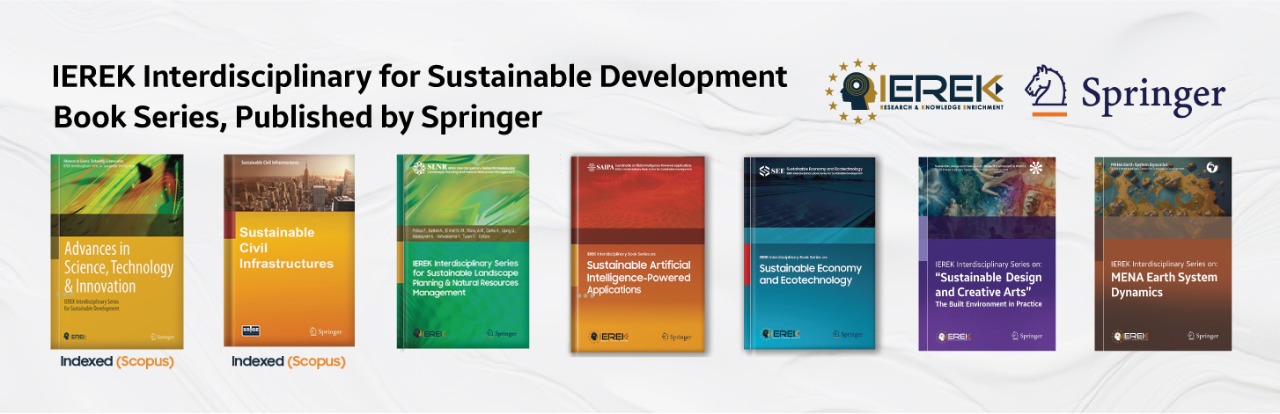
Advances in Science, Technology and Innovation (ASTI), an IEREK interdisciplinary book series published by Springer Nature. (SCOPUS indexed)
Publisher: Springer Nature (IEREK Interdisciplinary book series)
Indexing: SCOPUS indexed; some titles in Web of Science (ISI)
Focus: Emerging research in science, technology, and innovation for sustainable development, addressing UN SDGs.

An IEREK interdisciplinary book series published by Springer Nature, focusing on the built environment in practice.
Publisher: Springer Nature
Focus: Sustainable design, architecture, landscape architecture, urban design, public art, visual and fine arts, creative practices, environmental communication, and interdisciplinary research addressing sustainable and resilient built environments through practical and innovative approaches.
Key Areas: Sustainable Design, Architecture, Landscape Architecture, Urban Design, Creative Arts, Visual Arts, Public Art, Environmental Communication, Eco-Art, Sustainable Materials, Circular Economy, Fashion Design, Interdisciplinary Design Research, and Built Environment Practice.
Internationally peer-reviewed, open-access journals published by IEREK Press. Covering a wide range of disciplines including sustainability, architecture, engineering, and environmental sciences.
Journal on:
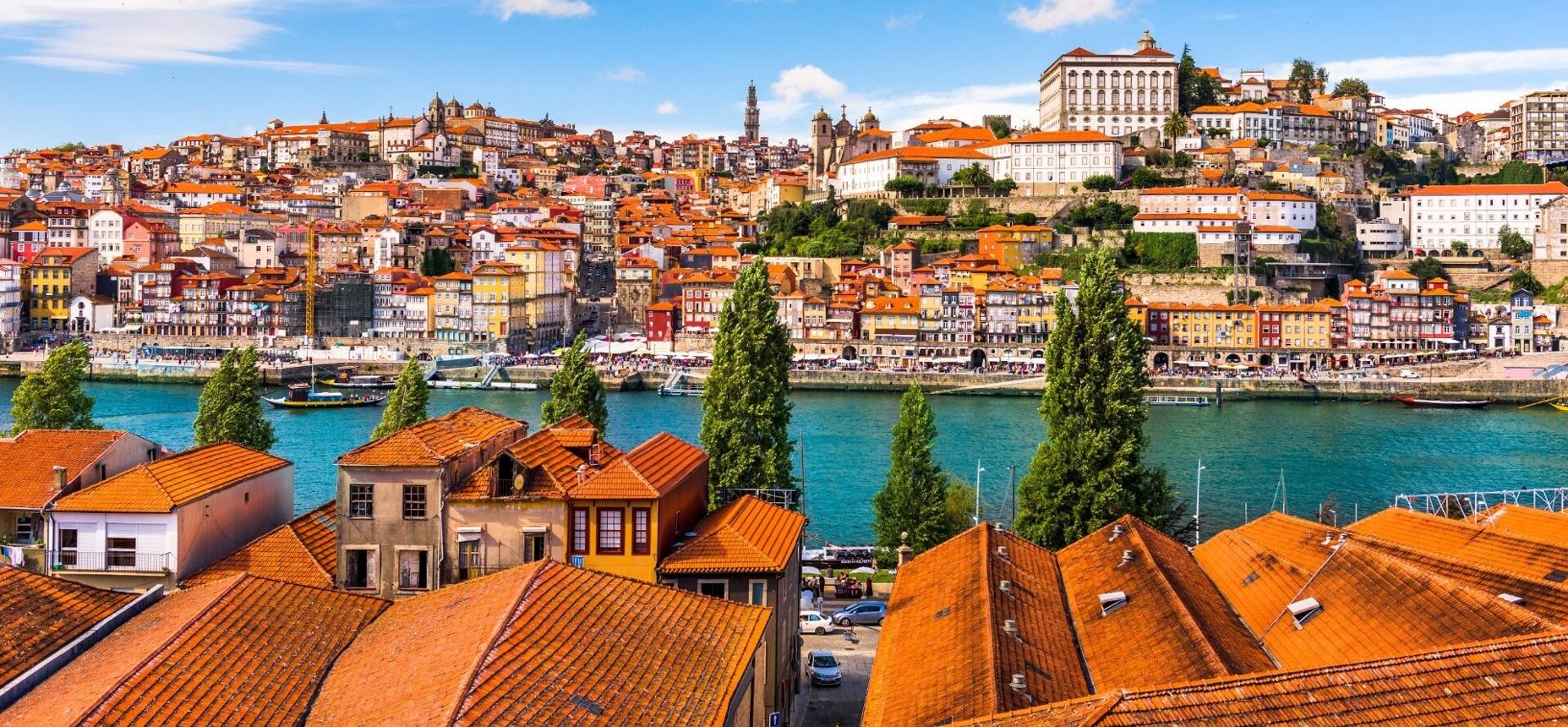
Why Visit: Explore Porto’s historic heart, recognised as a UNESCO World Heritage Site for its architectural and cultural significance.
Highlights: Historic streets, traditional Portuguese architecture, charming squares, and scenic views along the Douro River.

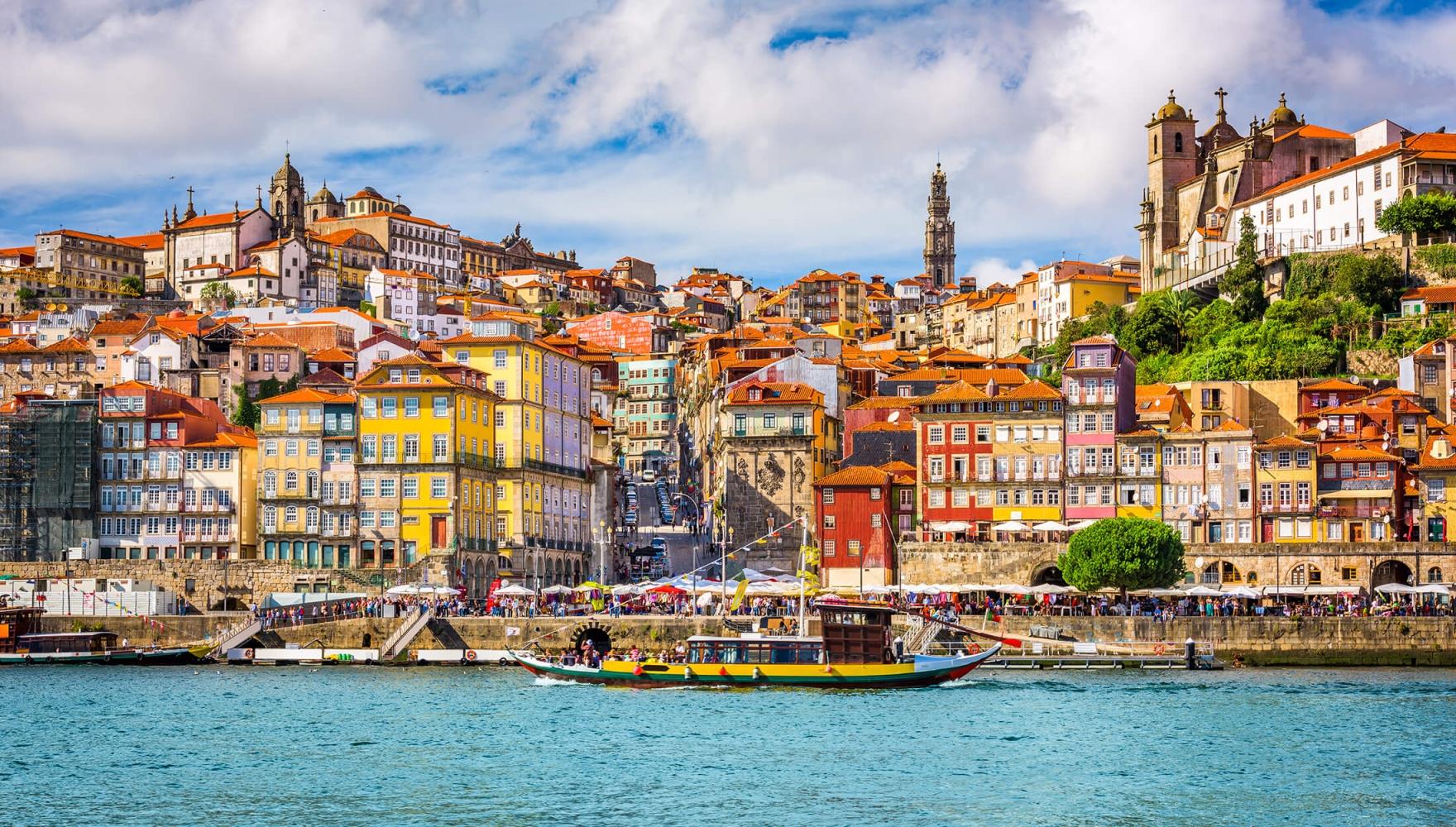
Why Visit: Discover one of Porto’s most picturesque riverside neighbourhoods, known for its colourful buildings and lively atmosphere.
Highlights: Douro River views, traditional cafés and restaurants, waterfront promenades, and narrow historic streets.

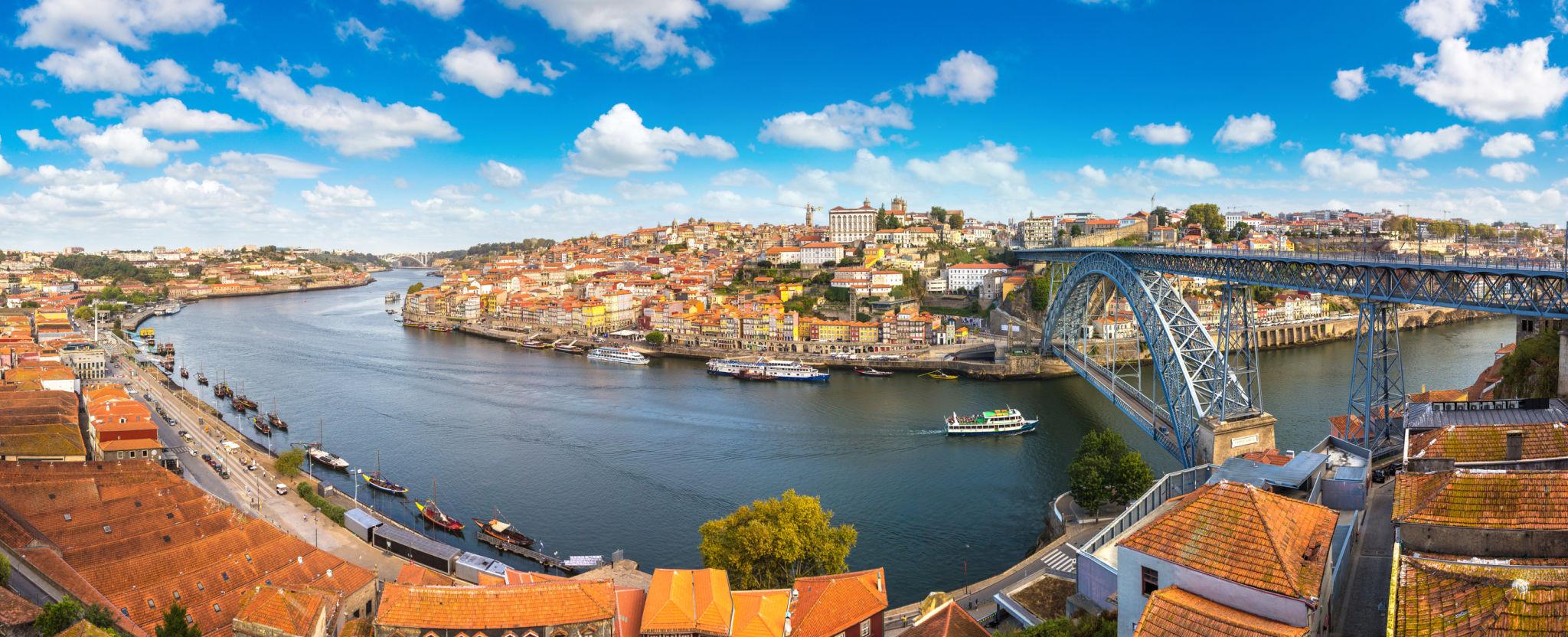
Why Visit: Visit one of Porto’s most recognisable landmarks, connecting Porto with Vila Nova de Gaia across the Douro River.
Highlights: Impressive iron architecture, panoramic river views, and excellent photography opportunities from the upper deck.

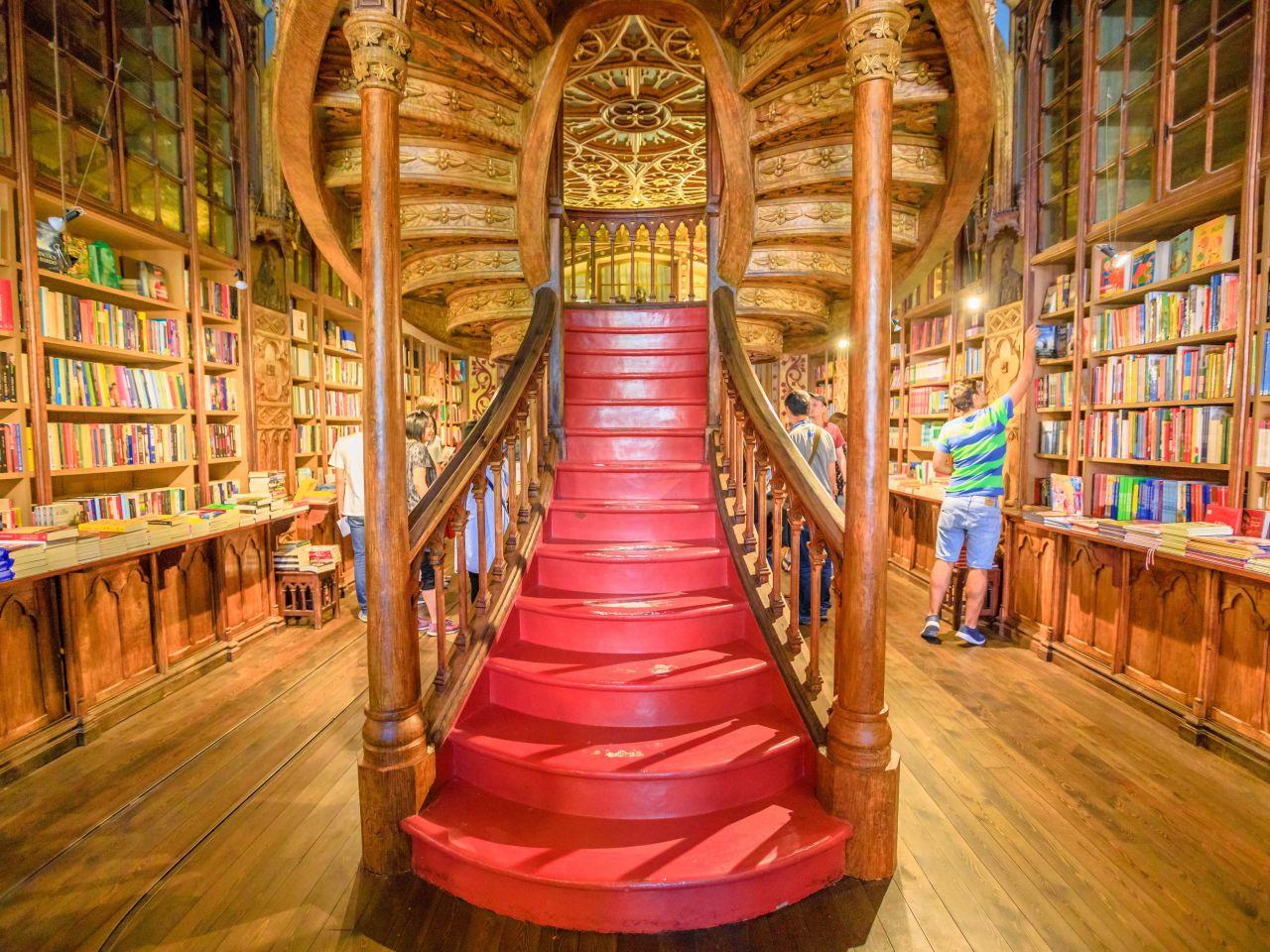
Why Visit: Experience one of Portugal’s most celebrated bookshops, admired for its distinctive architecture and historic atmosphere.
Highlights: Ornate interiors, intricate woodwork, a striking staircase, and an extensive collection of books.

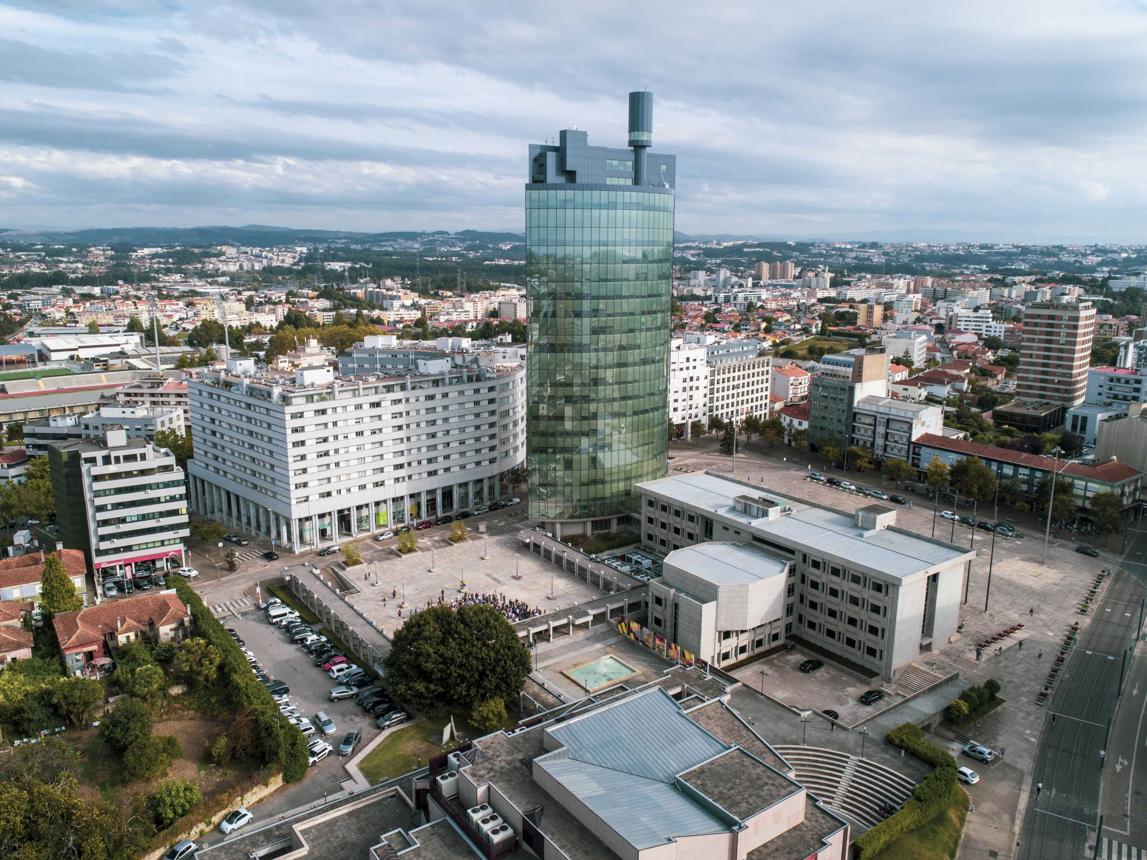
Why Visit: Explore Maia’s urban centre and discover a more local perspective on life in the Porto metropolitan area.
Highlights: Public squares, cafés, shopping areas, green spaces, and opportunities to experience everyday Portuguese culture.

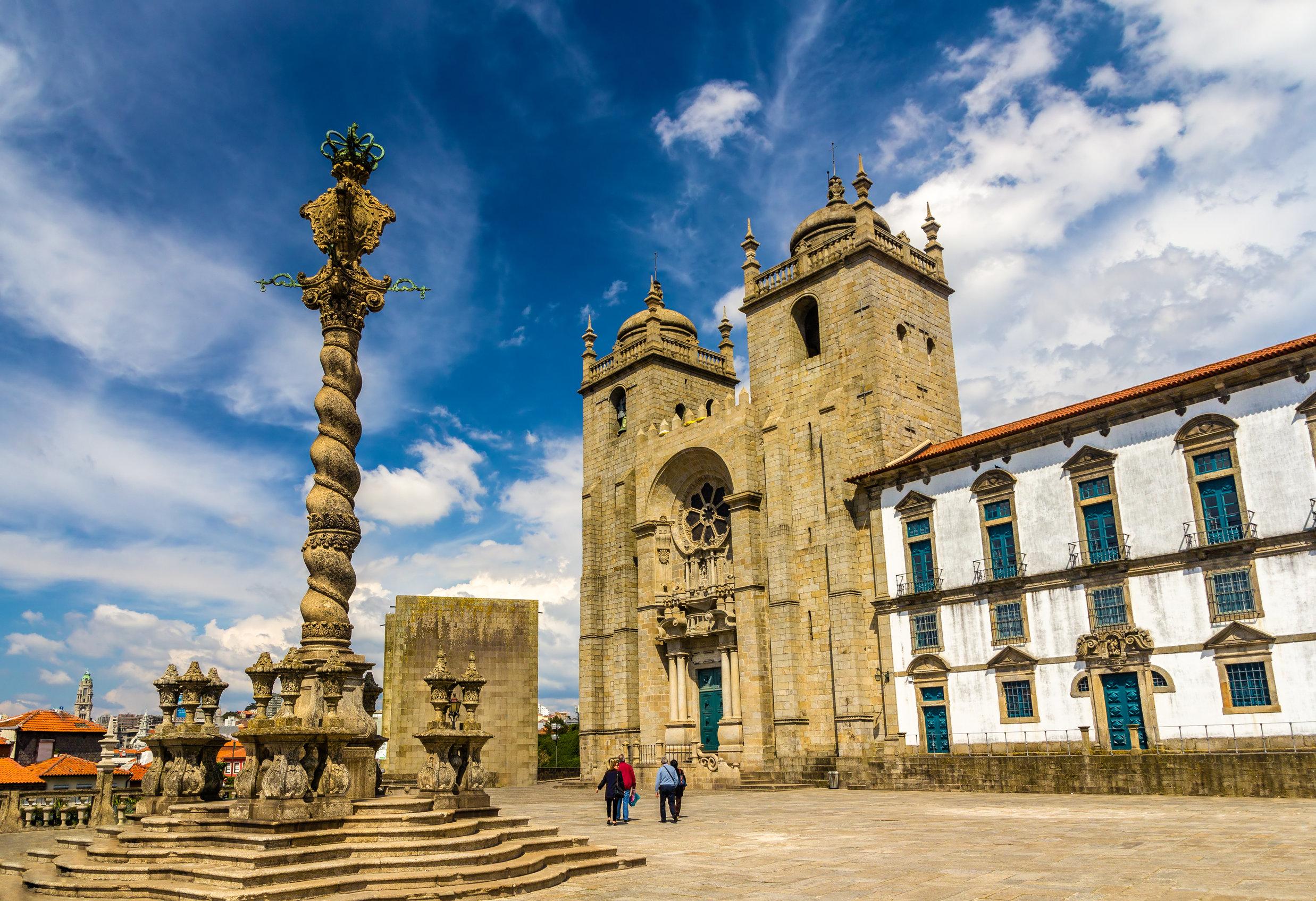
Why Visit: Visit one of Porto’s oldest and most important religious monuments, overlooking the historic city centre.
Highlights: Romanesque architecture, historic cloisters, decorative azulejo tiles, and views over Porto’s rooftops.

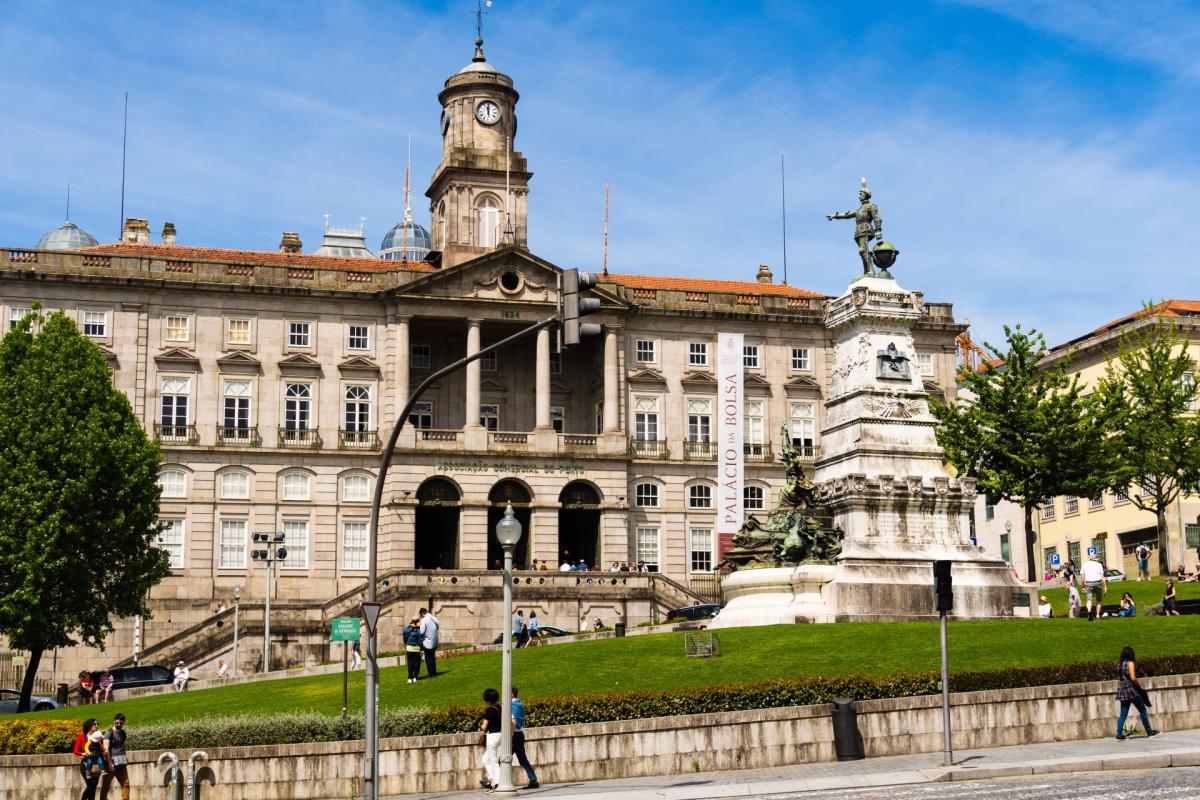
Why Visit: Discover a remarkable 19th-century building that reflects Porto’s commercial history and architectural heritage.
Highlights: Elaborately decorated halls, neoclassical design, and the impressive Arabian Hall, inspired by Moorish architecture.

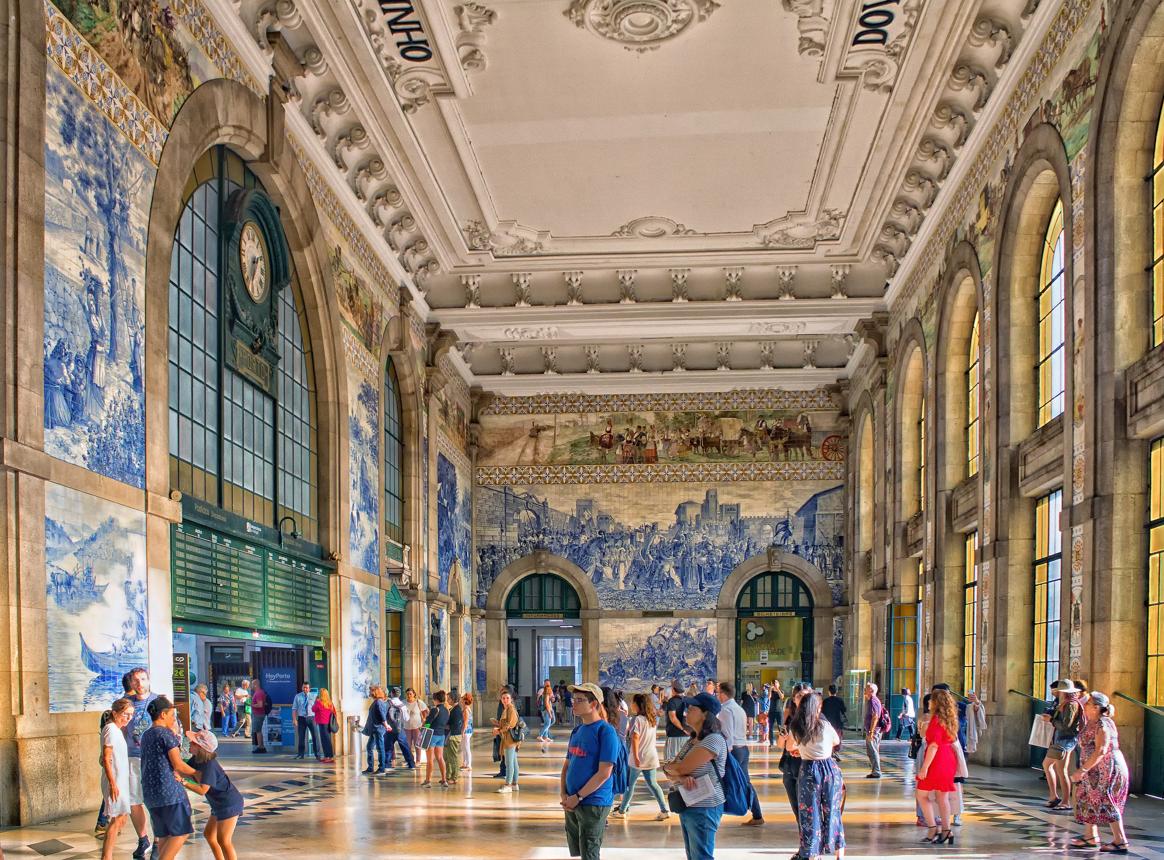
Why Visit: Visit a historic railway station renowned for its artistic interior and architectural heritage.
Highlights: Large panels of traditional Portuguese azulejo tiles depicting historical events and scenes from Portuguese life.

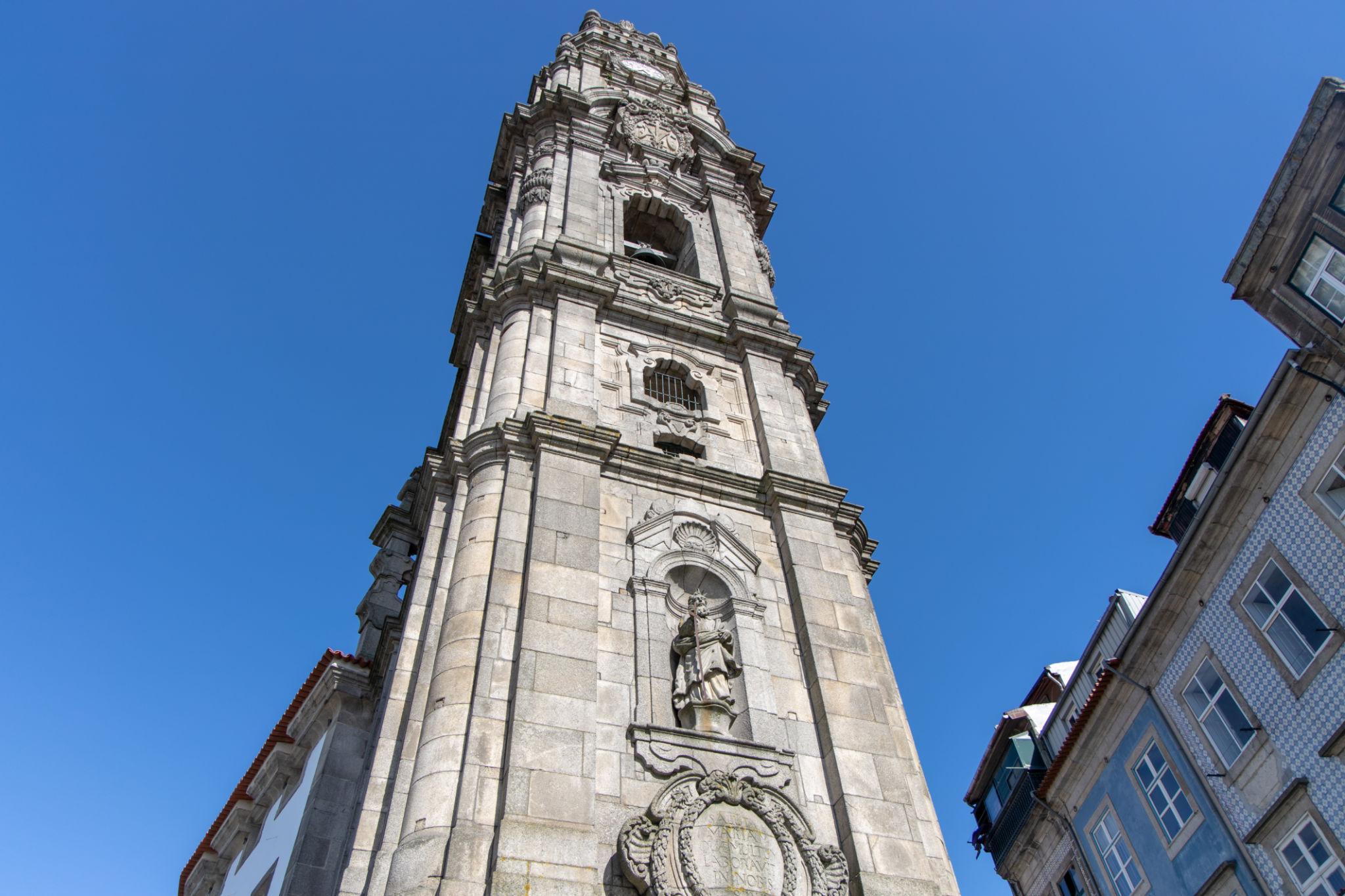
Why Visit: See one of Porto’s defining landmarks and enjoy elevated views across the historic city.
Highlights: Baroque architecture, a historic church, and panoramic views from the tower’s viewing platform.

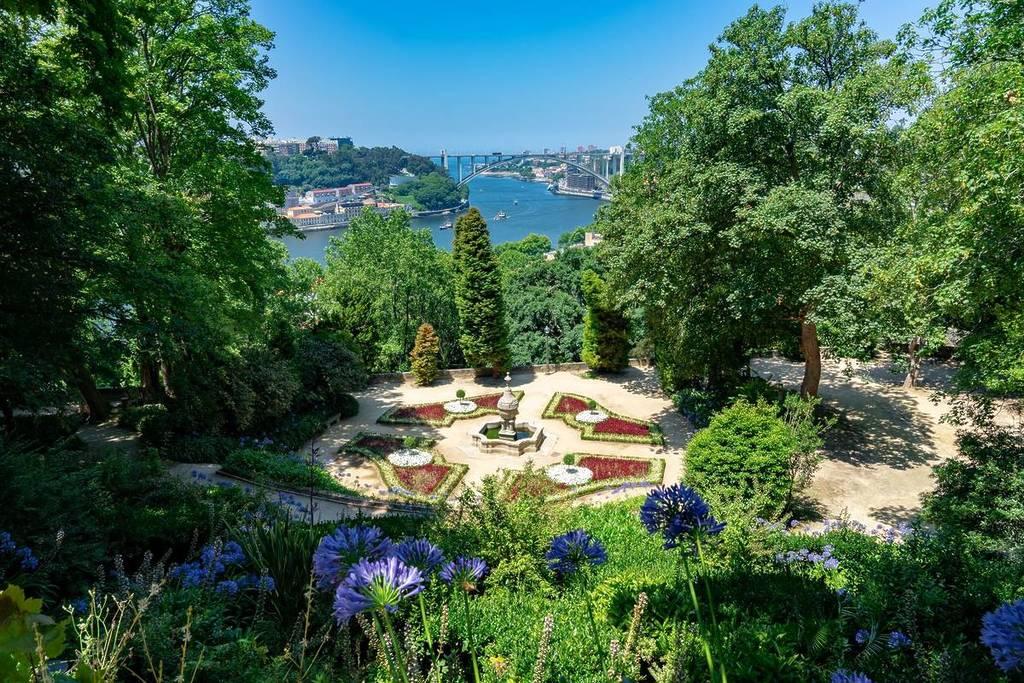
Why Visit: Enjoy a peaceful green space overlooking the Douro River, offering a break from the busy city centre.
Highlights: Landscaped gardens, walking paths, mature trees, and scenic viewpoints across the river and surrounding area.

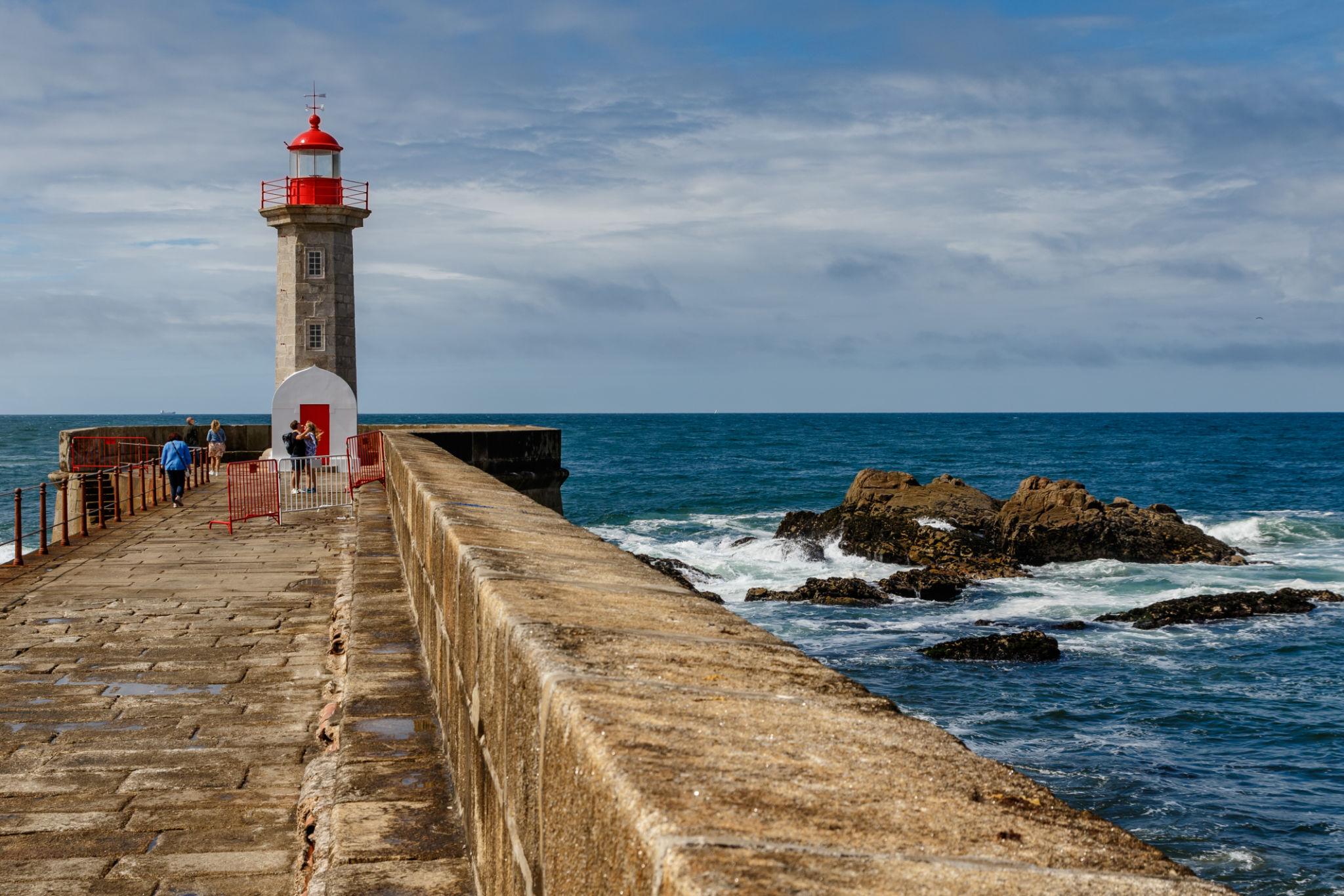
Why Visit: Explore the coastal area where the Douro River meets the Atlantic Ocean, known for its relaxed atmosphere and waterfront scenery.
Highlights: Ocean views, seaside promenades, cafés, beaches, and attractive walking routes along the coast.

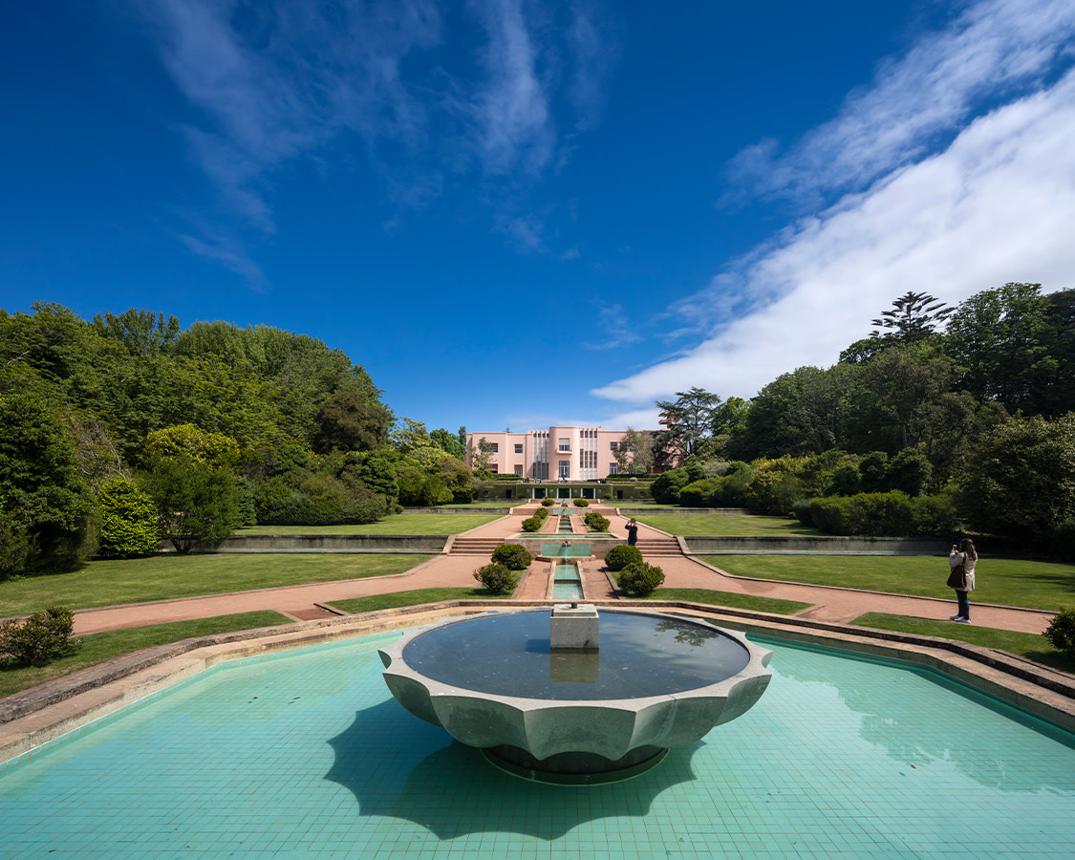
Why Visit: Experience a leading cultural destination combining contemporary art, architecture, and landscaped gardens.
Highlights: Contemporary art exhibitions, the Art Deco Serralves Villa, extensive parkland, and outdoor sculptures.

Why Visit: Visit a popular Atlantic beach near Porto, ideal for enjoying the coastline and experiencing the area’s maritime atmosphere.
Highlights: Sandy shores, surfing opportunities, seaside walks, and nearby restaurants known for fresh seafood.

AudiMAX - Heidelberg University, Germany
05 Oct 2027 / 07 Oct 2027 read moreUniversity of Maia, Portugal (Hybrid Conference)
09 Nov 2027 / 11 Nov 2027 read moreUniversity of Maia, Portugal (Hybrid Conference)
09 Nov 2027 / 11 Nov 2027 read more

Prof. Fernando Paulino
Associate Professor of the University of Maia, and Coordinator of the Maia Pole of the CIAC - Center for Research in Arts and Communication (Portugal).
Subscribe to our newsletter
Join IEREK community