facebook
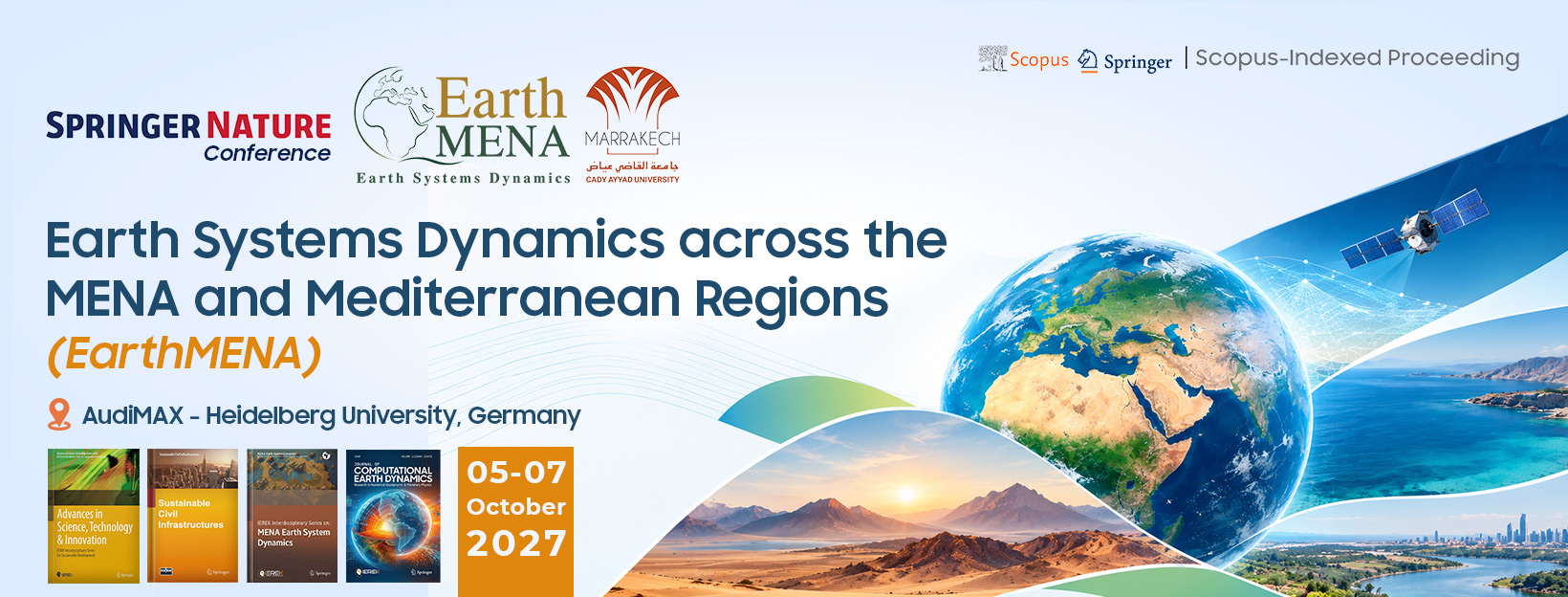
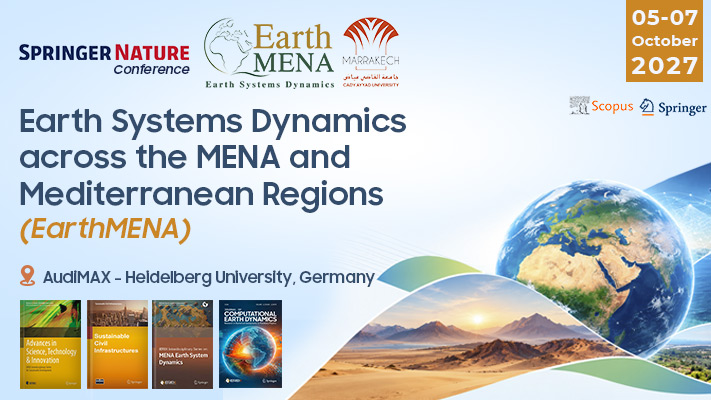
Earth Systems Dynamics across the MENA and Mediterranean Regions (EarthMENA)

Call For Abstracts

  • 05, Oct / 07, Oct 2027
  • AudiMAX - Heidelberg University, Germany
Conference Email
[email protected]
Introduction

The MENA and Mediterranean regions face an unprecedented convergence of environmental challenges, ranging from rapid urbanization and escalating water scarcity to the increasing frequency of climate-induced natural hazards. As planetary-scale shifts accelerate, the vulnerability of the region’s natural resources and infrastructure requires a more rigorous, evidence-based approach to environmental stewardship and regional resilience.

To address these complexities, it is essential to bridge the gap between regional environmental realities and global scientific innovation. This requires a strategic shift toward multidisciplinary collaboration, integrating high-level geospatial intelligence, advanced computational modeling, and cross-border resource management. By fostering a synthesis of data-driven insights and actionable policy, we can transform these systemic challenges into opportunities for sustainable regional development.

Springer Nature is proud to announce the 1st Earth Systems Dynamics across the MENA and Mediterranean Regions (EarthMENA) Conference, hosted in the historic scientific hub of Heidelberg, Germany, specifically at the prestigious AudiMAX of Heidelberg University, from October 5 to 7, 2027. This milestone event is proudly held as an official Springer Nature Conference, uniting leading international minds to advance planetary and regional geosciences. This year, the conference proudly introduces the Special Track on Computational Earth Dynamics, placing the integration of digital modeling and advanced analytics at the forefront of our scientific mission. This event is held in collaboration with leading scientific institutions including Cadi Ayyad University, Mediterranea University of Reggio Calabria, University of Palermo, and University of Pisa.

The conference will feature a dedicated Springer Nature exhibition booth showcasing scientific technologies, publishing resources, and software innovations, alongside interactive hands-on workshops designed to provide participants with practical training in advanced geosciences and digital tools.

Expanding the Scientific Frontier

While continuing to build upon the foundational tracks established last year—including geology, meteorology, climatology, oceanography, and environmental science—the 2027 congress introduces a pivotal new focus: the Special Track on Computational Earth Dynamics.

As the world faces accelerating planetary-scale changes, the integration of advanced modeling and computational power is essential for predicting environmental shifts and managing natural resources. This edition marks a milestone in the field with two major announcements:

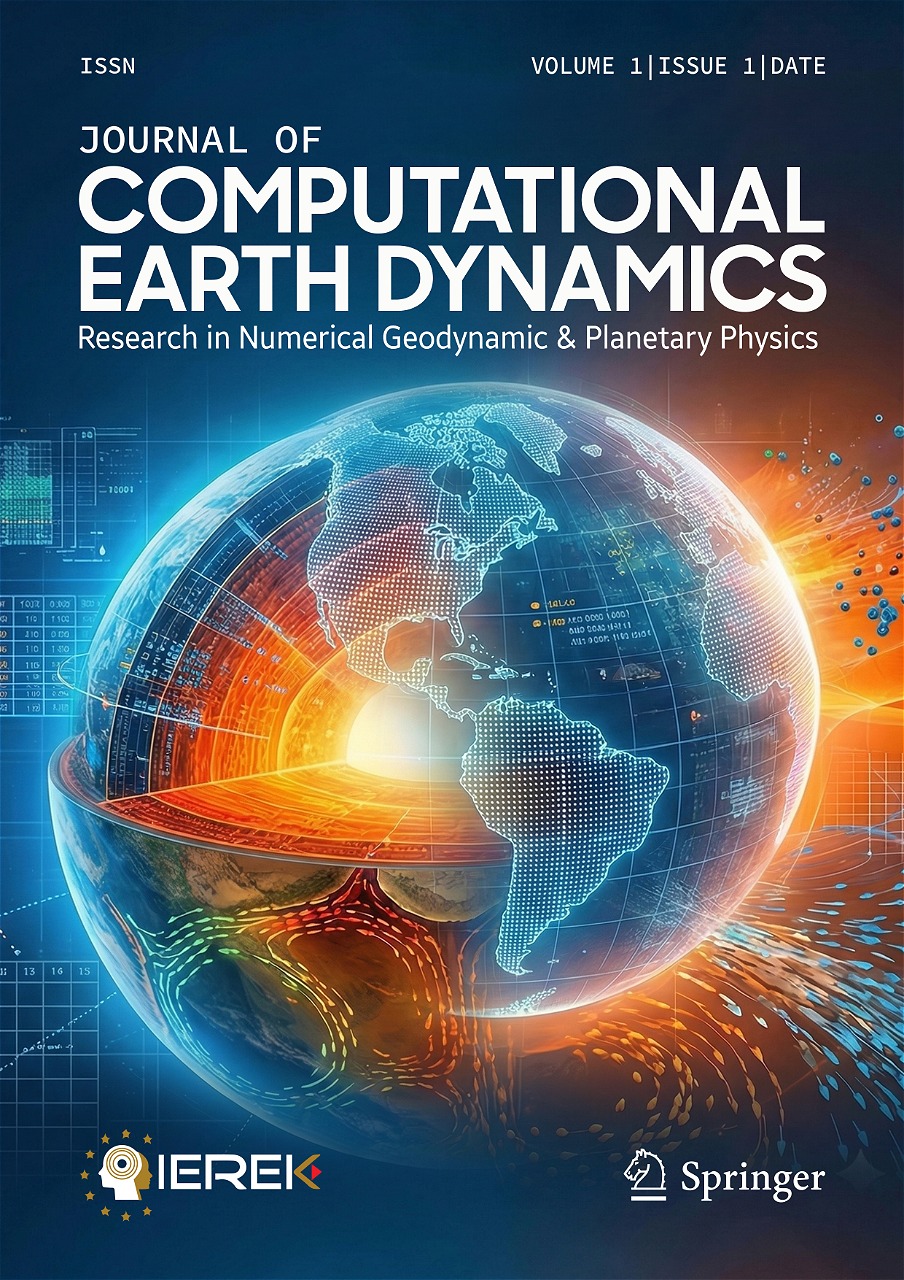
The launch of the new peer-reviewed journal: Computational Earth Dynamics.
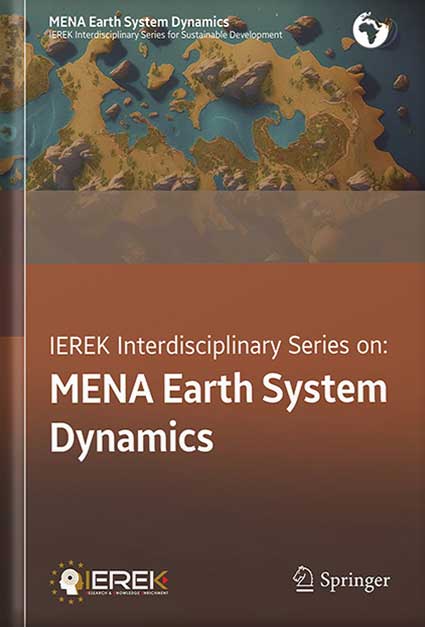
The introduction of the prestigious book series: MENA Earth System Dynamics.

Conference Scope

EarthMENA 2027 serves as a premier forum for the examination of natural resources, analyzing their geological settings, origins, and spatial-temporal distributions. The scope of the congress has evolved to address the increasing complexity of Earth’s systems through a multidisciplinary lens. Key themes include:

  • Climate Change & Mitigation: Strategies for addressing rising temperatures and sea-level changes.
  • Resource Management: Balancing the demand for natural resources with ecological stability.
  • Seismotectonics & Disaster Resilience: Enhancing regional preparedness for natural hazards.
  • Biodiversity Conservation: Protecting the ecosystems that underpin human livelihoods.
  • Computational Modeling: Utilizing data-driven approaches to simulate and solve complex Earth system interactions.

Statement of Purpose

The core mission of the EarthMENA is to drive sustainable development and resilience across the MENA region and its adjacent areas. By providing a platform for the exchange of forward-thinking strategies and the formation of cross-border partnerships, EarthMENA 2027 empowers participants to turn substantive dialogue into actionable solutions.

We invite you to join us in Heidelberg to contribute to a resilient future, supported by the world’s leading scientific publishers and a community dedicated to excellence in the Geosciences.

PLENARY KEYNOTE & SPRINGER NATURE ANNOUNCEMENT

Special Session: The Future of Digital Geosciences

This premier session, attended by the Springer Nature Earth Sciences Editorial Team, marks the formal commencement of our new publishing initiatives:

  • Official Launch: The peer-reviewed journal Computational Earth Dynamics (CED).
  • Series Introduction: The book series MENA Earth System Dynamics.
  • Editorial Forum: A dedicated session on "Advancing Scientific Impact through Computational Open Science," providing attendees direct engagement with Springer editors.
Conference Topics
  • 1. Track A: SPECIAL TRACK – Computational Earth Dynamics

    Part 1: Advanced Numerical Modeling of Earth Systems

    1.1. High-Performance Computing (HPC) and Parallel Algorithms
    1.2. Multi-scale Modeling of Lithospheric and Mantle Deformation
    1.3. Computational Fluid Dynamics (CFD) for Atmospheric Flows
    1.4. Non-linear Earth System Processes and Complexity Theory
    1.5. Finite Element Analysis (FEA) in Geodynamical Simulations
    1.6. Modeling of Coupled Thermo-Hydro-Mechanical-Chemical (THMC) Processes

    Part 2: Data-Model Fusion and Predictive Analytics

    2.1. Physics-Informed Neural Networks (PINNs) for Earth Dynamics
    2.2. Data Assimilation Techniques for Real-time Monitoring
    2.3. Uncertainty Quantification (UQ) in Complex Simulations
    2.4. Large-scale Digital Simulations of MENA Tectonic Scenarios
    2.5. Predictive Analytics for Long-term Resource Depletion
    2.6. Bayesian Inference and Stochastic Modeling in Geosciences
    2.7. FAIR Data Principles and Open Science in Earth System Dynamics

    Part 3: Earth System Interactions & Geoprocesses

    3.1. Deep Carbon and Nitrogen Cycles: Fluxes and Storage
    3.2. Transboundary Climate Feedback Mechanisms and Teleconnections
    3.3. Earth System Sensitivity and Thresholds (Tipping Points)
    3.4. Earth–Life Interactions and Coupled Lithosphere-Biosphere Dynamics
    3.5. Geochemical Fingerprinting of Large-scale Earth Processes
    3.6. Quantitative Stratigraphy and Basin Systems Analysis

  • 2. Track B: Technology, Data, and the Digital Earth

    Part 4: Geospatial Technologies & AI

    4.1. Remote Sensing and UAVs for Environmental Monitoring
    4.2. GIS and Satellite Navigation (GNSS) for Decision Making
    4.3. Artificial Intelligence (AI) and Machine Learning in Earth Sciences
    4.4. Big Data Analytics, Digital Earth Platforms, and Cloud Computing
    4.5. Cartography, Geovisualization, and Spatial Data Visualization
    4.6. Hyperspectral Imaging and Advanced Sensor Fusion

    Part 5: Computational Modeling and Multi-Hazard Engineering

    5.1. Earthquake Engineering: Source-to-Structure Connection
    5.2. Structural Health Monitoring (SHM) and Geodetic Data Integration
    5.3. Seismic Hazard and Soil-Structure Interaction (SSI)
    5.4. Multi-Hazard Engineering in a Changing Climate
    5.5. Digital Twins for Earth System and Infrastructure Modeling
    5.6. Sustainable Construction Materials and Carbon Feedback Loops

    Part 6: Geo-Data Communication, Geo-Education & Ethics

    6.1. Open Science, Data Sharing, and Visualization
    6.2. Geoscience Education and Curriculum Development
    6.3. Science Communication: Bridging Earth System Data and Policy
    6.4. Geotourism and the Socio-Economic Impact of Geoparks
    6.5. Ethics in Geosciences (Geo-ethics)
    6.6. Preserving Geological Records and Natural History Collections

  • 3. Track C: The Solid Earth & Planetary Evolution

    Part 7: Geodynamics & Geo-Resources

    7.1. Tectonic Activity and Seismicity in the MENA Region
    7.2. Volcanism and Geothermal Energy Potential
    7.3. Crustal Evolution, Mineralogy, and Petrology
    7.4. Mineral Resources and Energy Transition (Critical Minerals)
    7.5. Rock Mechanics and Geotechnical Engineering for Infrastructure
    7.6. Conservation of Geoheritage and Geoparks Development

    Part 8: Deep Earth Processes & Solid Earth Geophysics

    8.1. Seismic Tomography and Mantle Dynamics
    8.2. Geomagnetism and Paleomagnetism
    8.3. Deep Earth Chemistry and Isotope Geochemistry
    8.4. Heat Flow and Thermal Evolution of the Lithosphere
    8.5. Lithospheric Imaging and Deep Crustal Studies
    8.6. Geophysical Inversion and Subsurface Imaging Techniques

    Part 9: Planetary Geosciences & Analog Environments

    9.1. Planetary Geology: Comparative Study of Earth, Mars, and the Moon
    9.2. Arid Deserts as Planetary Analog Environments
    9.3. Impact Cratering and Meteoritics in the MENA Region
    9.4. Remote Sensing of Planetary Surfaces
    9.5. Astrobiology and Life in Extreme Earth Environments
    9.6. Planetary Resource Utilization and Space Mining Ethics

  • 4. Track D: Climate, Water, and Surface Dynamics

    Part 10: Climate Dynamics & Atmospheric Sciences

    10.1. Regional Climate Modeling and Projections for MENA
    10.2. Transboundary Atmospheric Circulation and Dust Storm Dynamics
    10.3. Extreme Weather Events and Disaster Risk Reduction (DRR)
    10.4. Carbon Sequestration and Nature-Based Climate Solutions
    10.5. Climate Change Adaptation for Arid and Semi-Arid Environments
    10.6. Renewable Energy Integration and Decarbonization Pathways
    10.7. Cryosphere Changes and Teleconnection Impacts on MENA Climate

    Part 11: Hydrology, Oceanography, and the Water-Energy Nexus

    11.1. Integrated Water Resources Management (IWRM) in Arid Regions
    11.2. Groundwater Depletion and Aquifer Recharge Dynamics
    11.3. Desalination Technologies and Regional Water Security
    11.4. Marine Geosciences, Ecosystems, and Seafloor Processes
    11.5. Coastal Geomorphology, Sea-Level Rise, and Management
    11.6. The Water-Energy-Food Nexus in the MENA Region

    Part 12: Earth Surface Processes, Soil Science, and Land Management

    12.1. Arid Geomorphology and Landform Evolution
    12.2. Desertification, Land Degradation, and Ecosystem Restoration
    12.3. Digital Soil Mapping (DSM) and Geostatistics
    12.4. Soil Hydrology and Water-Soil-Nutrient Interactions
    12.5. Precision Agriculture and Sustainable Land Management (SLM)
    12.6. Biogeography and Conservation of Arid Ecosystems

  • 5. Track E: Resilient Societies & The Anthropocene

    Part 13: Urban Dynamics and Environmental Sustainability

    13.1. Urbanization, Megacity Growth, and Sustainable Planning

    13.2. Waste Management, Circular Economy, and Pollution Remediation

    13.3. Thermodynamic Modeling of the Urban Heat Island (UHI) Effect

    13.4. Geo-Politics, Territoriality, and Resource Connectivity

    13.5. Science-Policy Interfaces: Translating Data for Legislation

    13.6. Smart Cities and Geoinformatics for Urban Resilience

    Part 14: Natural Hazards & Risk Management

    14.1. Flooding and Flash-Flood Risk in Arid Basins

    14.2. Landslides, Rockfalls, and Slope Stability

    14.3. Tsunami Modeling and Coastal Vulnerability

    14.4. Dust and Sandstorms: Sources, Dynamics, and Forecasting

    14.5. Early Warning Systems (EWS) and Multi-Hazard Mapping

    14.6. Socio-Economic Vulnerability, Human Toll, and Disaster Recovery

  • 6. Track F: Geological History & Quaternary Earth Systems

    Part 15: Sedimentology, Stratigraphy & Earth History

    15.1. Sedimentology and Sedimentary Processes
    15.2. Stratigraphy, Chronostratigraphy, and Geological Correlation
    15.3. Depositional Environments and Facies Analysis
    15.4. Paleontology, Micropaleontology, and Paleobiology
    15.5. Geochronology and Geological Dating
    15.6. Palaeogeography and Ancient Earth Environments
    15.7. Diagenesis and Sedimentary Rock Evolution
    15.8. Carbonate and Clastic Sedimentary Systems

    Part 16: Quaternary Earth Systems & Human–Earth Interactions

    16.1. Quaternary Geology and Environmental Change
    16.2. Palaeoenvironmental Reconstruction
    16.3. Palaeohydrology and Past Hydrological Systems
    16.4. Ancient Landscapes and Human–Environment Interactions
    16.5. Geoarchaeology and Archaeological Geosciences
    16.6. Human Responses to Past Climate and Environmental Change

Publishing Opportunities
Conference Banner
ASTI

Computational Earth Dynamics (CED) Journal

Publisher: Springer Nature 

Focus: computational science, artificial intelligence, machine learning, big data, and climate modeling to understand and predict complex Earth System dynamics. The journal particularly encourages research addressing climate change, environmental challenges, and sustainability in the MENA region, while welcoming studies across the broader geophysical domain.

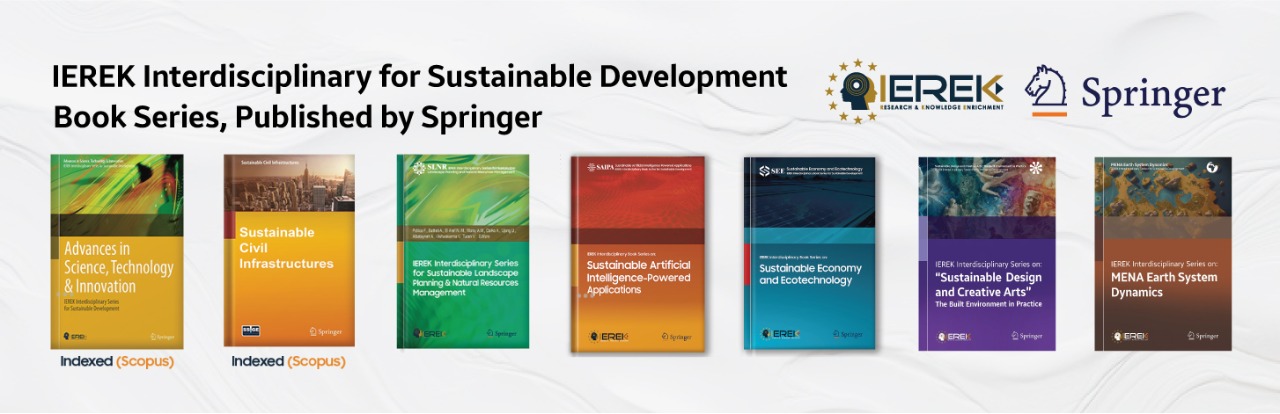
📚 Springer Series

All accepted submissions to the conference, after a rigorous double-blinded peer-review process by the respective Editorial Board, will be published in one of the following:

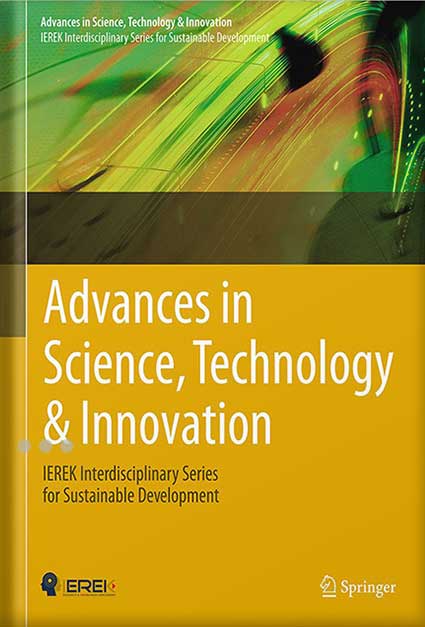
Advances in Science, Technology, and Innovation (ASTI)

Advances in Science, Technology and Innovation (ASTI), an IEREK interdisciplinary book series published by Springer Nature. (SCOPUS indexed)

Publisher: Springer Nature (IEREK Interdisciplinary book series)

Indexing: SCOPUS indexed; some titles in Web of Science (ISI)

Focus: Emerging research in science, technology, and innovation for sustainable development, addressing UN SDGs.

Sustainable Civil Infrastructures (SUCI)

Publisher: Springer (Peer-reviewed book series)

Indexing: EI Compendex, SCImago, SCOPUS, zbMATH

Focus: Sustainable engineering materials and designs for civil infrastructures, addressing impacts of weather extremes and improving well-being.

MESD

MENA Earth System Dynamics (MESD)

Focus: Environmental and developmental challenges in the MENA region.

Key Areas: Earth Systems Science, Geotechnics, and Geoinformatics specific to MENA.

Goal: Publish scientific breakthroughs and innovative solutions for a sustainable MENA Future.

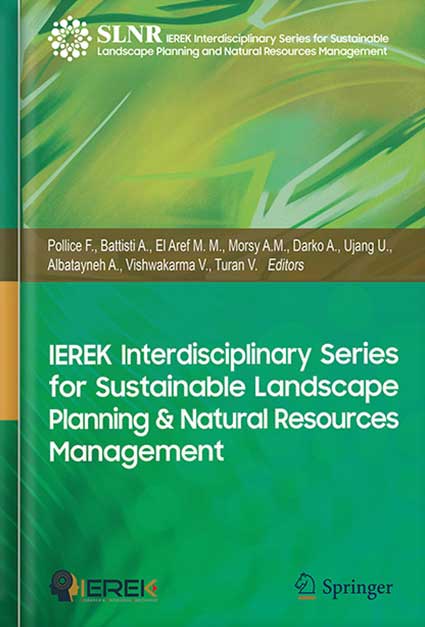
Sustainable Landscape Planning and Natural Resources Management (SLNR)

Publisher: Springer (Peer-reviewed book series)

Focus: Groundbreaking research at the intersection of sustainable landscape planning and natural resources management.

Key Areas: Landscape ecology, green urbanism, urban regeneration, land restoration, energy management, nature conservation, geosciences, civil engineering, and water management.

📰 IEREK Press Journals

Internationally peer-reviewed, open access journals published by IEREK Press. Covering a wide range of disciplines including sustainability, architecture, engineering, and environmental sciences.

Journal on: 

  • Environmental Science & Sustainable Development (ESSD)
  • The Proceedings of the Academic Research Community on Social and Behavioral Sciences (ARChive-SR)
  • Proceedings of Science and Technology (Resourceedings)
  • BAHETH International Journal.
Conference Venue

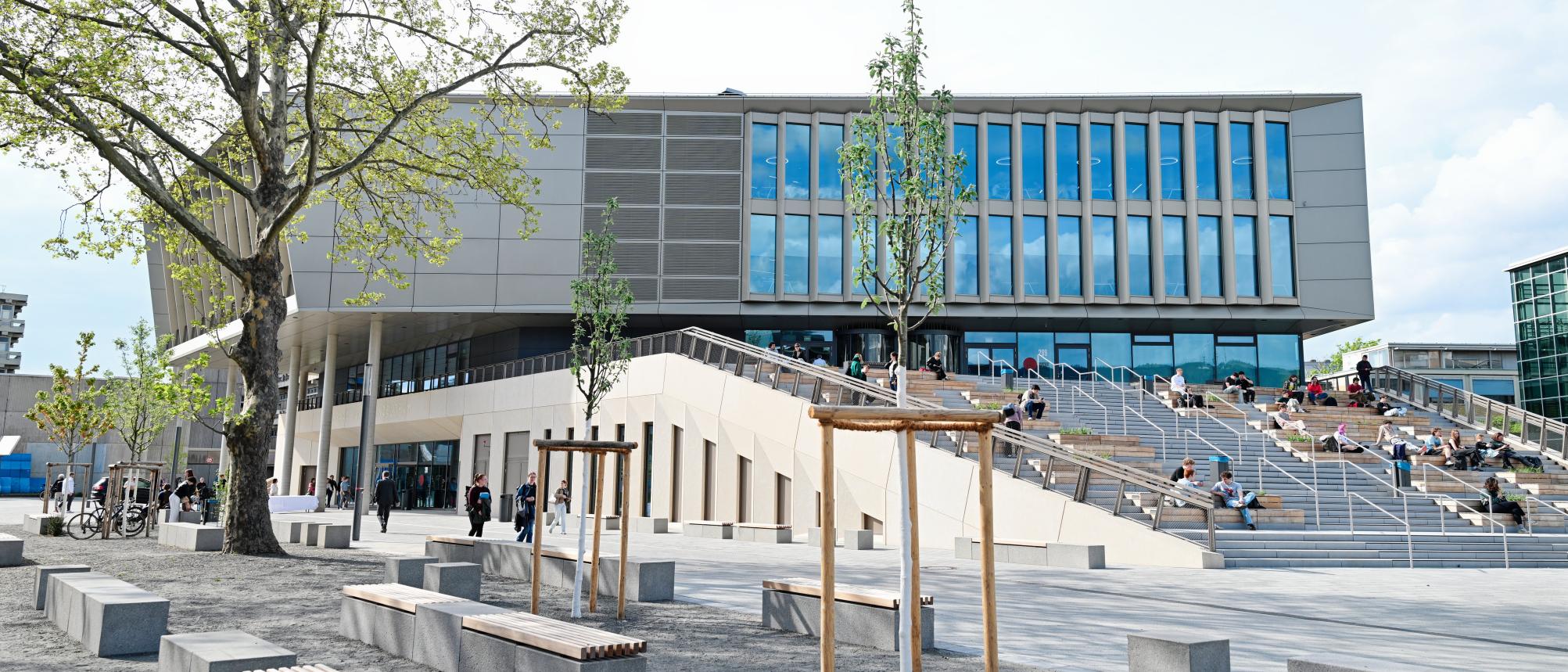
AudiMAX – Heidelberg University, Germany

AudiMAX – Heidelberg University, Germany is a modern and versatile conference venue at Heidelberg University, designed to accommodate academic conferences, scientific presentations, workshops, and large-scale events. Located in Heidelberg, one of Germany’s renowned centers of research and innovation, audiMAX provides a professional setting that brings together researchers, academics, students, and professionals from diverse fields. With its spacious auditorium and suitable facilities for presentations and knowledge exchange, the venue offers an ideal environment for international conferences and interdisciplinary collaboration.

Explore Heidelberg on the map:

Important Dates
Title Date
Abstract Submission Deadline (1st round) 31 Jan 2027
Last Notification for Abstract Acceptance & Approval to present 10 Feb 2027
Early Payment Deadline 15 Mar 2027
Regular Payment Deadline 15 May 2027
Late Payment Deadline 30 July 2027
Full Paper Submission Deadline 05 Aug 2027
Notification of preliminary acceptance/ rejection of submitted paper 25 Aug 2027
Letter of Visa (for delegates who need visa entry) payment required  30 Jul 2027
Conference Program 05 Sep 2027
Conference Launch 05 Oct 2027
Registration & Fees

General Instructions

  1. Payment Note: 

    Payments through the website are currently unavailable due to ongoing website enhancements. IEREK offers alternative payment methods, including bank transfer and secure third-party online payment links.

  2. Expenses:

    The registration fee does not cover accommodation or travel expenses. A list of accommodation options can be suggested by our team if available. Please contact [email protected] for inquiries.

  3. Benefits:

    We recommend that all authors take advantage of the benefits that IEREK offers, including various attendance types, publishing opportunities, and opportunities for discounts and waivers.

  4. Membership:

    We are pleased to inform all applicants that they can use their previous publications to register for an IEREK membership, which offers a special discount.

  5. Collaborative Discounts:

    IEREK offers a special discount to applicants from collaborative universities that have signed an MoU with IEREK to host or co-host one of its conferences.

  6. Income-Based Discounts

    IEREK also provides special discounts to authors from low and medium-income countries.

  7. Publication Accessibility:

    The disclosed fees are for the conference participation (Publication is free of charge, but only the conference participants can be considered for publishing in the conference proceedings).

  8. Book Series/ Journal(s) Discounts:

    Some of the disclosed conference fees may vary depending on the book series and/or journal(s) presented as a publication outlet, as we encourage submission to newly founded book series and/or journal(s) by presenting a discounted rate for the conference's fees.

Types of Applications, Attendance, and Registration

IEREK offers many types of registrations that are diverse in registration fees; applicants can choose the type they are familiar with as follows:

  1. Academic:

    Participants who are PhD holders, post-doctoral researchers, and universities’ affiliated professors and experts in the field.

  2. Students:

    Must provide proof of enrollment in a university by providing an enrollment certificate and/or a valid university ID (with issue/expiry date) etc.

  3. Professionals:

    Participants who are not affiliated with universities such as practitioners, policymakers, entrepreneurs, etc.

  4. Companions/Co-authors:

    Have access to the event to enjoy the discussions, coffee breaks, and lunch as a co-author or audience.

IEREK Community

IEREK Community members receive 25% off the Regular payment stage.

If you are a returning author, published researcher, institutional partner, or active contributor to IEREK activities, you may be eligible for exclusive Community benefits. Visit the IEREK Community Section to learn more and check your eligibility.

Physical Attendance

Type of Registration Early Payment Deadline
15 Mar 2027
Regular Payment Deadline
15 May 2027
Late Payment Deadline
30 July 2027
Scopus indexed-ASTI Book by Springer or SUCI Book by Springer
Student 300 € 350 € 400 €
Academic 350 € 400 € 450 €
Professional 400 € 450 € 500 €
Co-author/ Audience 150 € 200 € 250 €
SLNR Book by Springer or MESD Book by Springer
Student 250 € 300 €  350 € 
Academic
Professional
Co-author/ Audience 150 € 200 € 250 €
Open Access IEREK Press Journals
Student 200 € 250 € 300 €
Academic 250 € 300 € 350 €
Professional 300 € 350 € 400 €
Co-author/ Audience 150 € 200 € 250 €

IEREK offers various types of participation. Applicants can apply for in-person attendance to benefit fully from conference discussions and knowledge exchange.

IEREK also offers virtual attendance for authors to present their research papers online; however, we strongly encourage all applicants to attend the conference in person.

The physical fee covers:

  • The Conference Kit, which includes a softcopy of the abstract book, Conference notebook, IEREK pen, and Conference Flyers/Printouts.
  • IEREK Participation/Contribution Certificate
  • Consideration for publication in the IEREK-Springer interdisciplinary series (ASTI series by Springer) or IEREK Press, or any special issues available according to the type of registration in the table above.
  • A Preliminary Acceptance Letter
  • Lunches and Coffee Breaks

* Each research paper should have one main author who should pay the full fee (Author fees) regardless of attendance. Co-authors, each, have their fees to pay to attend the event. This applies to online attendance as well as physical attendance.

* A research paper fee allows only one author, whether main or co-author, to attend the conference and receive only one conference kit. Extras can be requested for an additional fee.

Online Attendance

Type of Registration Early Payment Deadline
15 Mar 2027
Regular Payment Deadline
15 May 2027
Late Payment Deadline
30 July 2027
Scopus indexed-ASTI Book by Springer or SUCI Book by Springer
Student 250 € 300 € 350 €
Academic 300 € 350 € 400 €
Professional 350 € 400 € 450 €
Co-author/ Audience 100 € 150 € 200 €
SLNR Book by Springer
Student 200 € 250 €  300 € 
Academic
Professional
Co-author/ Audience 100 € 150 € 200 €
Open Access IEREK Press Journals
Student 150 € 200 € 250 €
Academic 200 € 250 € 300 €
Professional 250 € 300 € 350 €
Co-author/ Audience 100 € 150 € 200 €

IEREK offers virtual attendance, providing authors with a unique link to join the conference sessions and present their papers as per the announced program.

The online fee covers:

  • IEREK Participation/Contribution soft copy Certificate.
  • Preliminary Acceptance Letter.
  • Consideration for publication in the IEREK-Springer interdisciplinary series (ASTI series by Springer) or IEREK Press, or any special issues available according to the type of registration in the table above.
  • Access to conference recordings.

* Each research paper should have one main author who should pay the full fee (Author fees) regardless of attendance.

* Co-authors, each, have their fees to pay to attend the event. This applies to online attendance as well as physical attendance.

Discounts and Waiving Opportunities

    1. 15%: Participants who come from co-partner universities who have already signed an MOU with IEREK can receive a 15% discount. Authors should mention the key person who signed the agreement with IEREK. You are welcome to inquire if your university has an agreement with IEREK or not yet.
    2. 15%: Participants affiliated with universities in the hosting country on the regular registration fee.
    3. 20%: Waiving with 20% from the announced fees for low-income countries according to the World Bank classification mentioned in the document below. (applicable to the regular payment stage)
    4. 25%: If multiple abstracts are submitted by the same first author to the conference, a 25% discount is applied to each additional submission according to the deadline for payments.

* If an author is eligible for more than one discount, IEREK will apply only the highest discount. Discounts cannot be combined.

* Authors should contact the conference manager through this email [email protected] to consider the discount and waiving for all the above cases so that the conference manager can provide an exclusive invoice for each case.

Proof of capability to get the discount:

  • A copy of a student enrollment card for 2026 is essential.
  • Proof of affiliation to the partnering university is to be provided.
  • Proof of previous publication through IEREK conferences. 
  • A copy of passport for authors from low-income countries. Added below is the list of low and middle-income countries according to the World Bank classification.

Countries List

Afghanistan, Algeria, Angola, Bangladesh, Benin, Bhutan, Bolivia, Burkina Faso, Burundi, Cabo Verde, Cambodia, Cameroon, Central African Republic, Chad, Comoros, Congo, Congo Dem. Rep., Côte d'Ivoire, Djibouti, Egypt, Eritrea, Eswatini, Ethiopia, Gambia, Ghana, Guinea, Guinea-Bissau, Haiti, Honduras, India, Iran, Jordan, Kenya, Kiribati, Kyrgyz Republic, Lao PDR, Lebanon, Lesotho, Liberia, Madagascar, Malawi, Mali, Mauritania, Micronesia, Mongolia, Morocco, Mozambique, Myanmar, Nepal, Nicaragua, Niger, Nigeria, Pakistan, Papua New Guinea, Philippines, Rwanda, Samoa, Turkey, São Tomé and Principe, Senegal, Sierra Leone, Solomon Islands, Somalia, South Sudan, Sri Lanka, Sudan, Syria, Tajikistan, Tanzania, Timor-Leste, Togo, Tunisia, Uganda, Ukraine, Uzbekistan, Vanuatu, Vietnam, Yemen, Zambia, Zimbabwe
Publication Period

IEREK puts a lot of effort into expediting the peer review process to publish articles as quickly as possible. This requires prompt responses from all authors to the editors' comments, if any. Your swift response is highly appreciated to advance the production process and get your articles online. We prioritize the first author to respond as per our formula. The conference proceedings will be divided into multiple books, with the first one scheduled for publication within 6 months after the conference date. We encourage all authors to aim for publication in the first release.

Possibilities for Extra Fees

  1. Authors may request that their kits be delivered, for an additional fee decided by the courier, and upon request. Alternatively, authors located in Egypt can pick them up from IEREK headquarters in Alexandria.
  2. Additional Conference Kit (Excluding Delivery). *Contact us for a quotation on shipping fees.
  3. Gala Dinner, social programs, and other activities.

💳 Payment & Administration

Registration and financial transactions for this conference are managed through our strategic partners, working in close academic partnership with IEREK to ensure seamless delivery of conference services and publication standards.

iDirect

iDirect

Publishing Direct Conferences CO. LLC

COEUS

COEUS

Strategic Financial Partner

Both entities work in close academic partnership with IEREK to ensure the highest standards of financial transparency, conference administration, and publication quality.

IEREK community

IEREK Community is a reflection of our appreciation for the scholars, institutions, and research groups who continuously contribute to the growth and excellence of IEREK’s academic network. Through exclusive rates and added privileges, we aim to make participation more accessible while strengthening long-term collaboration, research continuity, and institutional partnerships within our global community.

Eligible members of the IEREK Community receive a 25% discount during the Regular payment stage and may benefit from special discounts on other IEREK conferences.

The IEREK Community includes:

  • Previous attendees of IEREK conferences

  • Loyal authors who consistently participate in multiple editions of the same conference

  • Authors who have published in IEREK conference proceedings or journals

  • Researchers registering as a group submission

  • Faculty members and researchers from universities with current or past partnership agreements with IEREK

  • Universities and academic institutions located in the hosting country of the conference

  • Active authors who continuously support and engage with IEREK’s activities on social media (sharing, promoting, and contributing to community visibility)

  • Academics who support IEREK as moderators, keynote or guest speakers, reviewers, or editors

Authors should contact the conference manager at [email protected] to request consideration for discounts in any of the above cases.

Authors' Instructions

IEREK has an unyielding policy regarding plagiarism. We believe that copying/taking the ideas and work of other Authors without permission and credit is fraudulent. The Reviewing committee and IEREK employees have the authority to reject a paper during its reviewing process, based on the paper being subjected to either minor or major plagiarism.

Authors must refer to, and abide by, the following instructions in submitting their abstracts/ papers:

Step 1: Abstract Submission Process

  • The author should prepare and submit an Abstract of at least 150 – 300 words through the website.
  • The abstract should be concise and clearly state the proposed research study's purpose, results, and conclusions.
  • The author should select the most relevant topic for the paper from the corresponding conference topics.
  • The author can use/download an Abstract Writing Template prior to submission
  • To submit your abstract, you first need to (1) click on the “Register” button on the conference page, (2) click on “Submit Now” and:
    • Select the Topic in which you are making the submission
    • Insert the title of your study in the "Paper Title" section
    • Insert the full abstract in the "Abstract" section/upload a file in the .pdf, .doc, .docm, or .docx format
    • Add in writing 3 – 5 keywords that define the field, subfield, topic, and research area covered by the article to help other researchers understand and find your work.
    • Provide the names, affiliations, and E-mails of all authors/ co-authors involved
    • Confirm your submission by ticking having read the instructions and “submit Abstract”

Step 2.1: Abstract Acceptance

  • After acceptance of your abstract of at least (150 – 300 words), you will receive a proforma invoice and specific instructions to complete the payment online or by bank transfer (See Conference Fees) to confirm your participation,
  • Once your abstract has been accepted, please refer to the important dates tab and carefully review the announced dates to avoid late payment, as late payment comes at an extra charge (early bird/regular/late).
  • After successfully completing payment, you will be issued upon request with the following:
    • A signed/ stamped abstract acceptance letter
    • Please note that acceptance of participation, abstract submission, and extended abstract/short paper submissions all have different deadlines. To stay up to date and avoid paying extra fees, or delaying your paper, please carefully review the important dates tab.
    • Receipt of Payment/ Payment Invoice
    • Visa Invitation Letter, if needed
  • After abstract acceptance, you may be given the option to extend the abstract to publish your work in the conference proceedings in ASTI published by Springer Nature (indexed in Scopus/SCImago) (optional not obligatory).

    This is not a prerequisite for presenting your work at the conference. Meaning, you can present your submitted abstract without intending to publish your work.

Step 2.2: Abstract Extension / Short Paper (Optional)

  • Short papers should be a minimum of 6 pages and contain 4,000 words, excluding references and submitted before the paper submission deadline, in English, and fit within one of the conference topics.
  • The Extended abstract i.e., the short paper should follow the research paper structure as follows: Abstract (+keywords), Introduction, problem statement, and study aim, Review of the Literature, Methodology, results and conclusion/ discussion, References list using the Paper Writing Template.
  • The submission (short paper i.e. extended abstract) should be made following the same procedure followed for the abstract or sent to the conference email.
  • Here: Authors may need more pages than the allotted maximum of 6 to insert figures, tables, appendixes, etc. In this case, they can submit regular papers (max. 12 pages) with the same fixed fee. For a detailed outline of the fees, please refer to the payment table in the conference fees tab.
  • The conference does welcome Arabic submissions (with abstracts written in the english language), which will only be considered for publication in BAHETH by IEREK Press.

يمكنك تقديم بحثك باللغة العربية (مع كتابة الملخص باللغة الأنجليزية)، وسيتم نشرها بعد المراجعة في مجلة باحث (مجلة علمية محكمة تنشر أبحاثا أكاديمية في مجالات الهندسة والتكنولوجيا)

Step 3: Rigorous Peer Review Process (double-blind)

This process can only be initiated after payment completion and confirmation:

  • If submitted, the extension (short paper) will be preliminarily checked (iThenticate plagiarism/ similarity screening Software, readability, and scope) and it will be peer-reviewed. If similarity issues are detected, the following will apply:
    • % from all sources: 10-15%
    • % from one source: 3-5%
    • Higher than 30% (all sources): Reject completely
    • Lower than 30% (all sources): Ask for revision to decrease the similarities
  • IEREK has an unyielding policy regarding plagiarism. We believe that copying/ taking the ideas and work of other Authors without permission and credit is fraudulent. The Reviewing committee and IEREK employees have the authority to reject a paper during its reviewing process, on the basis of the paper being subjected to either minor or major plagiarism.
  • Each paper/ chapter is evaluated by a minimum of two reviewers, after which a final decision by the responsible Editor is made. There is no maximum to the number of times a paper can be reviewed, depending on the quality of the submission.
  • If your short paper is accepted by the Editors for publishing with comments/ requested modifications, our Editors (publishing department) will contact you once a decision is made and you will be asked to revise and correct it. After resubmission, it will be re-checked. Note: There may be more than one round of peer review and the decision rests with the editors of the title. Missed deadlines may result in complete exclusion/ rejection from the final publication.
  • If your short paper is accepted for publishing without edits/ comments, the corresponding author will be contacted to provide the final version of their chapters/ papers following Springer Guidelines and sign the Springer consent-to-publish (CTP) form to authorize publication in the conference proceedings.
  • A back-and-forth process: modifications will be sent back to the responsible Editor/ Series Editor and another round of evaluation conducted where needed. Participants/ Authors should regularly check their emails (Junk/ Spam folders).
  • If you are not interested in publishing an extended abstract in the proceedings in ASTI by Springer Nature, please inform the conference support ([email protected]).

Step 4: Extended paper 

  • After the conference, the authors of the best papers will be invited to submit an extended version of their research, 8 – 12+ pages in length, (optional) of their short papers for publishing in an edited volume to be published by Springer Nature.
  • Publishing your short paper (i.e., extended abstract) in the conference proceedings does not prevent the submission of the full version for publishing consideration after the conference if the similarity percentages (SR%) in Step 3 are taken into account.
Participants’ Instructions

Registration

To help the organizers plan for inter-disciplinary dialogue, participants are requested to choose from the Conference themes/ Topics upon registration.

They must also refer to, and abide by, the following instructions in registering and/ or submitting their contributions:

NOTE: If you are contributing as an Author of a submitted abstract (for publishing consideration and/or presentation), and regardless of attendance, the fee for the registration is the same. See and Conference Fees for more information.

Types of Participation

  1. Attend/ Present Virtually and Publish in Conference proceedings

Organized from the comfort of your own home, the conference offers a virtual attendance option for your convenience. That said, participants will have a chance to present their abstract/research, online, and have their work considered for publication in the proceedings.

Virtual presenters are required to submit an abstract and extend this abstract following the “author instructions” below and before the deadline (see Important Dates). At least one author must pay the registration fee (see Conference Fees).

For any reason, authors may wish to submit pre-recorded video presentations no later than 15 days prior to the conference. Alternatively, they may wish to record a voice-over PowerPoint presentation for submission to the conference organizers.

  1. Attend/ Present in-person and Publish in indexed Conference proceedings 

Organized in ROMA EVENTI - FONTANA DI TREVI, offering a Physical attendance option for your convenience. That said, participants will have a chance to present their abstract/research, on campus, and have their work considered for publication in the ASTI Series by Springer as part of the conference proceedings.

See Author Instructions and Conference Fees for more information.

    3. Non-presenting participant

Non-presenting participants may also wish to attend the conference as Audience Members or Co-authors contributing to an already submitted abstract/ paper.

Notes to consider:
Send in your questions if you have any to the conference coordinator at the email [email protected]

Benefits Of Attending

Attending a conference dramatically enhances both your professional and personal development. They help you sharpen the saw, meet and converse with industry experts, expand your resources and grow your professional network. IEREK Conference will help you:

1. Open Discussions: We bring together leading academic scientists, from different universities and countries, to exchange and share their experiences and research results.

2. Internationally Accredited Certificate: The participants are granted internationally recognized certificates acknowledged by IEREK, the University, and Partnering Organizations.

3. Publication: Selected high-quality manuscripts will be published, after peer review, in the Advances in Science, Technology & Innovation (ASTI) book series by Springer or by IEREK Press Journals, both of which are indexed in world-renowned databases.

4. Research Technologies: Conferences can expand your resources by providing a great opportunity to promote gathered information on new technologies related to your research.

5. Networking: You can engage with industry experts to discuss with them the very latest research projects they could be working on and increase your chances of collaboration in future projects.

6. Academic Reputation: Attending many conferences will make you a known figure in academic circles and an active member of the academic community.

7. Conference Abstracts Material: Delegates will receive the conference Abstracts book in a digital format.

Your Trip To Heidelberg, Germany

🏰 Top Attractions in Heidelberg, Germany

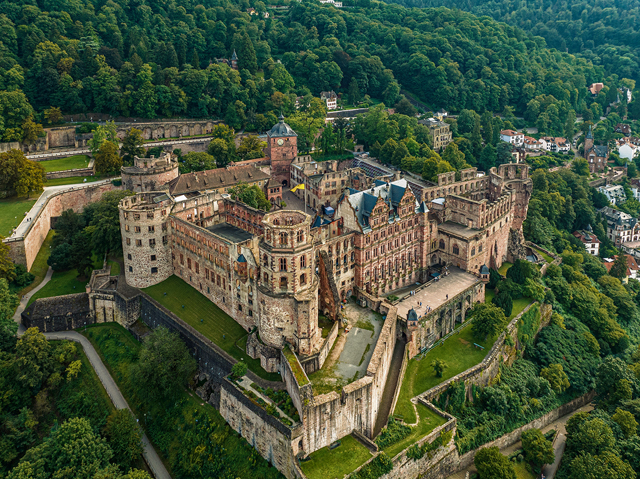
1. Heidelberg Castle (Schloss Heidelberg)

  • Why Visit: One of the most famous ruins in Germany, perched majestically on the hillside.

  • Highlights: Renaissance architecture, stunning views of the Old Town, and the world's largest wine barrel.

2. Old Town (Altstadt)

  • Why Visit: The heart of Heidelberg, rich in charm, history, and culture.

  • Highlights: Narrow cobblestone streets, historic buildings, boutiques, and cafés.

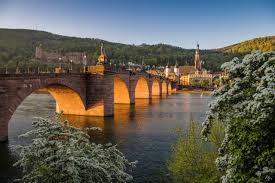
3. Old Bridge (Alte Brücke)

  • Why Visit: Iconic sandstone bridge over the Neckar River.

  • Highlights: Great photo opportunities, views of the castle, and the famous bridge monkey statue.

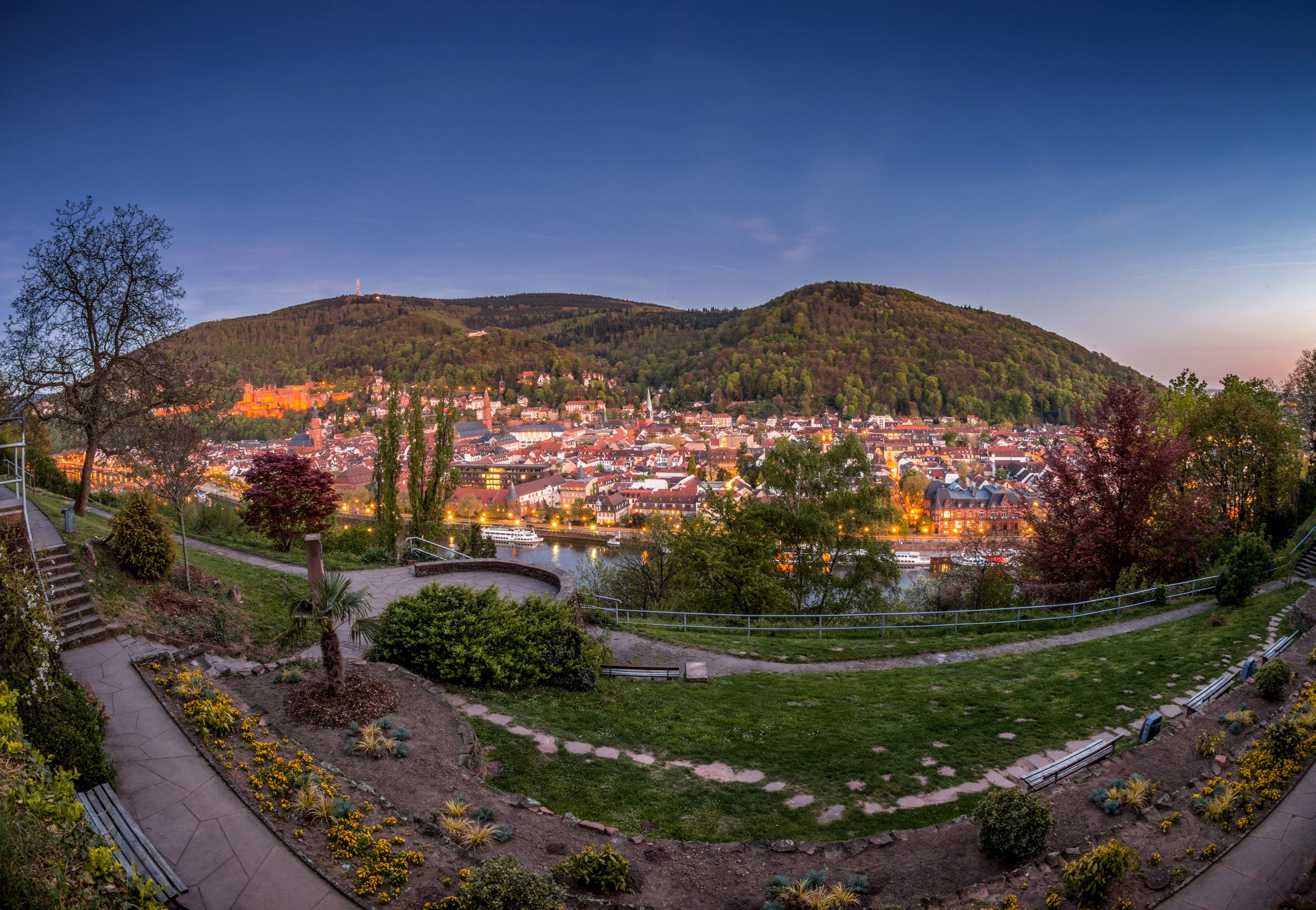
4. Philosophenweg (Philosopher’s Walk)

  • Why Visit: Scenic walking path across the river from the Old Town.

  • Highlights: Panoramic views of the city and castle; perfect for romantic strolls or photography.

Travel Information

How to Get to Heidelberg

Heidelberg is one of Germany’s most historic and picturesque university cities, located on the River Neckar in the southwest of the country. Known for its historic Old Town, Heidelberg Castle, and one of Europe’s oldest universities, the city combines a rich academic tradition with beautiful landscapes and a lively cultural atmosphere. Its central location makes Heidelberg easily accessible from major German and European cities.

By Plane

Heidelberg does not have its own international airport, but several nearby airports provide convenient access to the city.

Frankfurt Airport (FRA) – Recommended for International Travelers

Frankfurt Airport is the main international gateway to Heidelberg and is approximately 80 km from the city. It offers extensive connections to destinations across Europe and worldwide.

Getting to Heidelberg from Frankfurt Airport:
  • Train: Connections from Frankfurt Airport to Heidelberg are available, usually with a connection in Mannheim. The journey takes approximately 1 hour, depending on the connection.
  • Shuttle/Bus: Shuttle services are also available, with journey times of approximately 60 minutes, depending on traffic and service.
Other Nearby Airports
  • Mannheim City Airport (MHG): Approximately 18 km from Heidelberg, although it has a limited flight network.
  • Karlsruhe/Baden-Baden Airport (FKB): Approximately 90 km from Heidelberg.
  • Stuttgart Airport (STR): Approximately 120 km from Heidelberg.

For international conference participants, Frankfurt Airport is generally the most practical option because of its extensive international connections.

By Train – Recommended

Traveling by train is one of the easiest ways to reach Heidelberg. Heidelberg Hauptbahnhof (Heidelberg Central Station) is well connected to Germany’s regional and long-distance rail network, including ICE and IC services.

Frankfurt~ 50–60 minutes
Stuttgart~ 40–60 minutes
Mannheim~ 15–20 minutes
Karlsruhe~ 40–60 minutes
Paris~ 3–4 hours

From Heidelberg Hauptbahnhof, the historic Old Town can be reached in approximately 10 minutes by tram or bus.

Travel Tip: For international visitors arriving at Frankfurt Airport, taking the train is often the most convenient option, as it avoids road traffic and provides an easy connection to Heidelberg’s public transport network.

By Car

Heidelberg is well connected to Germany’s motorway network and can be reached conveniently by car.

  • A5: Connects Heidelberg with Frankfurt, Karlsruhe, and other major cities along the Rhine Valley.
  • A6: Provides connections toward Mannheim, Stuttgart, and southern Germany.
  • B37 / B3: Provide access to Heidelberg and the city center from surrounding areas.
Parking

Parking in Heidelberg’s historic center is limited. Visitors arriving by car are generally advised to use one of the city’s public parking garages and continue into the Old Town on foot or by public transport.

Important Note: Heidelberg’s former low-emission zone was lifted in March 2023. The city no longer operates the environmental zone that previously covered parts of Heidelberg.

By Bus

Long-distance buses provide an economical option for reaching Heidelberg from other German and European cities.

Services such as FlixBus connect Heidelberg with destinations across Germany and Europe. Depending on the route, buses generally arrive at or near Heidelberg Central Bus Station (ZOB), located close to Heidelberg Hauptbahnhof.

From the central station, visitors can continue to the Old Town by tram or bus in approximately 10 minutes.

Getting Around Heidelberg

Heidelberg is a compact and highly walkable city. The Old Town, major landmarks, restaurants, and cultural attractions can easily be explored on foot.

The city also has an extensive public transport network of trams and buses, making it easy to travel between Heidelberg Hauptbahnhof, the city center, the Old Town, and other districts.

For conference participants, arriving by train and using public transportation within the city is generally the easiest option, particularly if staying near the city center. 

Accommodation
Important Note: The following hotels are provided as recommendations for your convenience only. Please be advised that these hotels are not official partners, and we do not provide accommodation for attendees. Booking and expenses are the sole responsibility of the participant.
 
Hotel Recommendations: Near AudiMAX – Heidelberg University
 
Arthotel Heidelberg

Star Rating: 4 ★

Location: Heidelberg Old Town, near Heidelberg University

Google Maps / Info

Hotel Zum Ritter St. Georg

Star Rating: 4 ★

Location: Heidelberg Old Town

Google Maps / Info

Hotel Weisser Bock

Star Rating: 3 ★

Location: Heidelberg Old Town

Google Maps / Info

HIP Hotel Heidelberg

Star Rating: 4 ★

Location: Heidelberg Old Town

Google Maps / Info

Premier Inn Heidelberg City Centre

Star Rating: 3 ★

Location: Central Heidelberg

Google Maps / Info

Leonardo Hotel Heidelberg City Center

Star Rating: 4 ★

Location: Bergheim, Central Heidelberg

Google Maps / Info
Visa Application

- For participants who need Entry Visas to the country where the conference will be held, IEREK will issue the corresponding invitation letter for accepted applicants to facilitate visa issuance.

- Please notice that we will endeavor to assist you in obtaining a visa but the responsibility is yours and the decision rests solely with the appropriate Embassy.

Invitation Letter Issuance Process

1- In case the participant is an author who has submitted a research paper to the conference, it must get accepted by the Scientific Committee

2- Required participation fees must be paid

3- The participant should send the following information to the conference's official email:

* A clear copy of passport

* Passport number

* Full name as written in your passport.

* Date of Issuing and Expiration

* Date of Birth

* Email address of the nearest Embassy/Consulate to you

* Mobile Number including country code

4- Conference coordinator will issue the needful invitation letter and send a copy to the participant's email, in addition to another one to the corresponding email address of embassy/consulate

5- The participant should print out the invitation letter along with all other required documents by the embassy/consulate and apply for VISA

Refund Policy

 A.Physical Attendance

Delegates in any event who cancel their registration due to special circumstances will receive refunds according to the following plan:

Cancellation Policy

Up to 60 days before the event

Up to 50 days before the event

Up to 40 days before the event

39 days before the event

Penalty

20%

50%

70%

100%

EXCEPTION

A refund is not possible if

-An acceptance letter has been issued (Authors only)

-If the paper proceeds to the peer review process, a refund cannot be issued (Authors only)

-The proceedings of the event have been published (Authors only)

-A visa invitation letter has been issued (All participants)

Visa Rejection Cases

Reason and proof of rejection must be submitted. If the reason for rejection is due to an error on our part, the participant will be refunded their full fee with a deduction of a 20% administration fee.

Documents to be issued by IEREK to acquire a visa are as follows:

*Final Acceptance Letter (Authors only)

*Visa Invitation Letter

*Invoice/proof of payment

We encourage all authors and attendees to ensure their having acquired all documents (those applicable) mentioned.

If the reason for rejection is not related to any of the aforementioned and is an error on the participant’s part, the following will apply:

*Authors: may choose to let their co-author present his/her research on his/her behalf free of charge. If the author does not have a co-author, a member of the scientific committee shall present on the author’s behalf.

*Audience members/Registrants: will only be allowed to attend another similar event of their choosing that is organized by IEREK free of charge.

Partners