



Urban Planning & Architectural ...
Online Conference
20 Oct 2026 / 22 Oct 2026 read more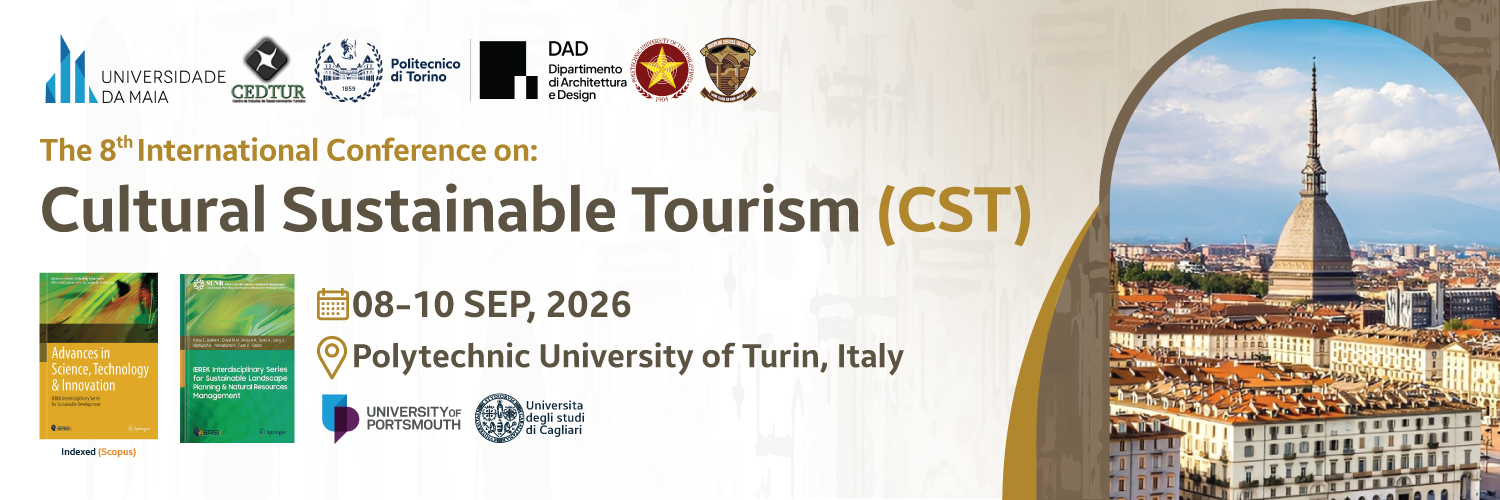

Prof. Eduardo Gonçalves
Professor of Tourism and Leisure, University of Maia, CEGOT and CIAC, Portugal.

Prof. Francesco Novelli
Associate Professor, Department of Architecture and Design (DAD), Polytechnic University of Turin, Italy.

Prof. Arch. Luca Lanini
Professor at DESTeC of the University of Pisa in Architectural and Urban Design.
President of the Master degree in Building Engineering-Architecture of the University of Pisa.

Prof. António José Pinheiro
Professor at the University of Maia and Researcher of the Centre of Studies in Geography and Spatial Planning (CEGOT).
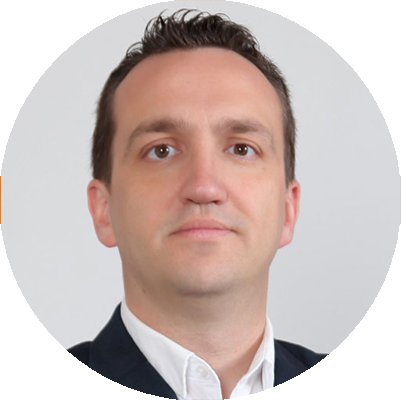
Prof. Hugo Martins
Assistant Professor at University of Maia and Researcher at CEGOT, Portugal.
Conference Coordinator
[email protected]
Whatsapp: (+20)1000028021
Subscribe to our newsletter

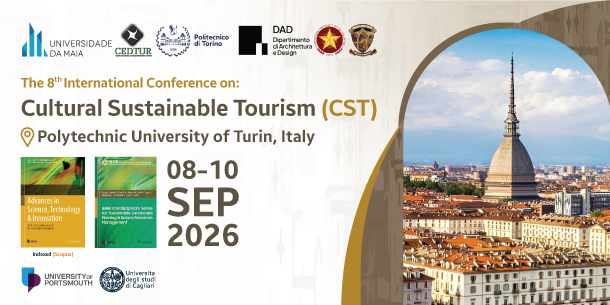
The Eighth Edition of the Cultural Sustainable Tourism (CST) conference is set to be hosted on September 8th-10th, 2026. Building upon the great success of its seven preceding editions, CST 2026 marks itself as a reference on the intersection of culture, tourism, and sustainability. Previous conferences have diligently explored the preservation of cultural heritage, the environmental impacts of tourism, the economic benefits for local communities, and the burgeoning role of digital integration in enhancing the tourist experience. These discussions have cemented the understanding that cultural tourism, when managed responsibly, is an indispensable tool for heritage conservation, community empowerment, and economic development.
However, the contemporary landscape of travel and cultural exchange is rapidly evolving, presenting unprecedented challenges and opportunities. Global shifts, including the accelerating impacts of climate change on vulnerable cultural sites, the rise of over-tourism in popular destinations, and the increasing demand for authentic and transformative travel experiences, necessitate a paradigm shift. Traditional approaches to sustainability, while important, are now recognized as foundational, compelling us to move towards a more active, restorative, and regenerative model of cultural tourism, eco-tourism, religious tourism and Transnational cultural tourism. This demands that our engagements not only minimize harm but actively contribute to the revitalization of cultural ecosystems, both tangible tourism and intangible tourism, and the well-being of host communities.
Therefore, CST 2026, therefore, will focus on "Regenerative models of future tourism." This overarching theme in the tourism sector aims to actively enhance cultural integrity, ecological health, and social equity, leaving destinations more vibrant and resilient than before. We aim to explore how cultural tourism can become a genuine force for positive change, moving beyond mere preservation to active regeneration.
This conference will serve as an important interdisciplinary platform, which is useful for academics, cultural heritage experts, tourism professionals, policymakers, local communities, and technologists. CST's goal is to collectively define and implement the next generation of cultural sustainable tourism, concluding innovative solutions and collaborative strategies. Through keynote sessions, insightful panel discussions, and high-quality research presentations, CST 2026 will facilitate a rich dialogue among stakeholders, promoting initiatives that enhance cultural authenticity, build community resilience, and contribute meaningfully to global sustainability goals.
This topic focuses on strategies that empower local communities in the planning, development, and benefits of cultural tourism. It emphasizes equitable distribution of benefits, fostering social inclusion, and ensuring tourism respects and enhances local livelihoods and cultural values.
1.1. Community-Based Tourism Models and Best Practices
1.2. Fair Benefit Sharing Mechanisms in Cultural Tourism
1.3. Capacity Building for Local Cultural Entrepreneurs
1.4. Indigenous Cultural Tourism and Self-Determination
1.5. Gender Equality and Youth Inclusion in Tourism
1.6. Resolving Conflicts Between Tourism and Local Livelihoods
1.7. Promoting Cultural Exchange and Mutual Respect
1.8. Accessibility and Inclusivity for Diverse Visitors
1.9. Empowering Women Through Cultural Tourism Initiatives
This theme dives into the evolving nature of authenticity in cultural experiences and the role of co-creation between tourists and local communities. It examines innovative storytelling techniques that preserve cultural narratives while enhancing immersive and meaningful visitor interactions, including traditional tourism practices.
2.1. The Shifting Paradigms of Cultural Authenticity
2.2. Participatory Cultural Experiences and Workshops
2.3. Digital Storytelling and Narrative Preservation
2.4. Safeguarding Intangible Cultural Heritage in Tourism
2.5. Local Voices and Narrative Ownership in Tourism
2.6. Co-creating Cultural Itineraries and Products
2.7. Experiential Learning in Cultural Tourism
2.8. Balancing Commercialization with Cultural Integrity and Traditional Tourism
This topic focuses on the development of environmentally responsible tourism that directly supports conservation efforts and offers deep connections with natural and cultural heritage. It explores how cultural tourism can be seamlessly integrated with ecological principles for mutual benefit.
3.1. Principles and Best Practices of Eco-Tourism
3.2. Integration of Culture and Nature in Tourist Experiences
3.3. Wildlife Conservation and Tourism
3.4. Sustainable Trail Development and Management
3.5. Ecological Footprint Reduction of Tourism Operations
3.6. Certification and Standards for Eco-Cultural Tourism
3.7. Education and Awareness in Nature-Based Tourism
This theme explores innovative governance models and policy interventions necessary for promoting sustainable and regenerative cultural tourism. It examines multi-stakeholder collaboration, regulatory frameworks, and ethical guidelines to ensure long-term cultural and environmental integrity.
4.1. Integrated Destination Management for Cultural Tourism
4.2. Policy Coherence for Cultural and Environmental Protection
4.3. Public-Private Partnerships in Heritage Management
4.4. International Cooperation and Global Standards
4.5. Regulatory Frameworks for Over-Tourism Management
4.6. Ethical Codes and Visitor Conduct Guidelines
4.7. Legal Protection for Intangible Cultural Heritage
4.8. Performance Indicators for Sustainable Cultural Tourism Governance
This topic explores approaches that go beyond minimizing negative impacts, focusing on how tourism can actively restore and enhance cultural sites, ecosystems, and community well-being. It emphasizes leaving a positive legacy and fostering mutual benefit between visitors and hosts.
5.1. Beyond Sustainability: Principles of Regenerative Cultural Tourism
5.2. Measuring and Evaluating Regenerative Impacts
5.3. Community-Led Regenerative Tourism Initiatives
5.4. Case Studies in Cultural Site Regeneration
5.5. Financial Mechanisms for Regenerative Cultural Projects
5.6. Visitor Engagement in Regenerative Practices
5.7. Restorative Cultural Experiences and Itineraries
5.8. Ethical Frameworks for Regenerative Cultural Tourism
This theme focuses on developing robust methodologies and metrics to assess the multi-faceted impacts of cultural tourism. It moves beyond economic indicators to include social, environmental, and cultural well-being, ensuring accountability and continuous improvement for regenerative goals.
6.1. Holistic Impact Assessment Frameworks
6.2. Social Return on Investment (SROI) in Cultural Tourism
6.3. Environmental Footprint Measurement Tools
6.4. Cultural Carrying Capacity Monitoring
6.5. Community Well-being Indicators
6.6. Data Analytics for Sustainable Tourism Planning
6.7. Best Practices in Reporting and Transparency
6.8. Participatory Monitoring and Evaluation by Local Communities
This theme addresses the critical impacts of climate change on tangible and intangible cultural heritage and explores adaptation strategies for tourism destinations. It focuses on building resilience, mitigating risks, and integrating climate action into cultural tourism planning.
7.1. Climate Vulnerability Assessment of Cultural Sites
7.2. Nature-Based Solutions for Heritage Protection
7.3. Disaster Risk Reduction for Cultural Destinations
7.4. Sustainable Materiality in Heritage Restoration
7.5. Carbon Footprint Reduction in Cultural Tourism Operations
7.6. Climate-Resilient Infrastructure for Cultural Sites
7.7. Traditional Knowledge in Climate Adaptation
7.8. Funding for Climate Adaptation in Cultural Tourism
This topic dives specifically into the sustainable management and interpretation of monumental heritage sites, from ancient ruins to architectural marvels. It focuses on the delicate balance between conservation, visitor access, and enhancing the cultural understanding of these iconic landmarks.
8.1. Conservation Strategies for Monumental Heritage
8.2. Innovative Interpretation and Storytelling at Monuments
8.3. Visitor Management and Crowd Control at Iconic Sites
8.4. Adaptive Reuse of Large Heritage Structures
8.5. Digital Documentation and 3D Modeling of Monuments
8.6. Economic Sustainability of Heritage Sites
8.7. Public-Private Partnerships in Monument Management
8.8. Community Involvement in Monumental Heritage Preservation
This theme explores the intertwined relationship between cultural and natural heritage in tourism. It examines how cultural landscapes, sacred sites, and biodiversity can be managed holistically, promoting their conservation and sustainable use through tourism.
9.1. UNESCO World Heritage Sites and Sustainable Management
9.2. Sacred Sites and Spiritual Tourism Management
9.3. Indigenous Land Stewardship and Tourism
9.4. Biodiversity Conservation in Cultural Landscapes
9.5. Nature-Culture Linkages in Visitor Interpretation
9.6. Geotourism and Cultural-Geological Connections
9.7. Protecting Intangible Cultural Practices Tied to Nature
9.8. Integrated Planning for Cultural and Natural Protected Areas
This topic investigates the role of creative industries, contemporary arts, traditional crafts, and gastronomy in enhancing cultural tourism. It explores how these sectors can foster local economies, promote cultural expression, and offer unique, immersive experiences for visitors.
10.1. Artisan Trails and Craft Cooperatives
10.2. Performing Arts and Cultural Festivals in Tourism
10.3. Film-Induced Tourism and Creative Place-Making
10.4. Design and Innovation in Cultural Product Development
10.5. Digital Arts and Cultural Experiences
10.6. Artist Residencies and Cultural Exchange Programs
10.7. Funding and Support for Local Creative Economies
10.8. Gastronomy Tourism and Culinary Heritage Preservation
10.9. Cultural Education and Skill Development through Tourism
This topic explores the unique intersection of faith, pilgrimage, and cultural heritage in tourism. It examines how religious sites and spiritual journeys can be managed sustainably, fostering interfaith dialogue, preserving sacred traditions, and benefiting local communities.
11.1. Sustainable Management of Sacred Sites and Pilgrimage Routes
11.2. Cultural Interpretation of Religious Heritage
11.3. Interreligious Dialogue and Tourism
11.4. Community Engagement in Religious Tourism Development
11.5. Economic Benefits and Challenges of Religious Tourism
11.6. Ethical Considerations in Spiritual Journeys
11.7. Authenticity and Commodification in Religious Tourism
11.8. Role of Technology in Enhancing Religious Tourism Experiences
This theme focuses on the sustainable development of cultural tourism in distinct geographical landscapes, such as deserts and coastal regions. It explores how unique environmental characteristics intertwine with local cultures, heritage, and livelihoods to offer specialized and responsible tourism experiences.
12.1. Desert Cultural Heritage and Eco-Tourism
12.2. Sustainable Coastal Cultural Tourism Development
12.3. Indigenous Cultures in Specific Landscapes
12.4. Managing Environmental Impacts in Sensitive Regions
12.5. Balancing Conservation and Tourism in Unique Ecosystems
12.6. Community-Based Tourism in Desert and Coastal Areas
12.7. Traditional Livelihoods and Tourism Diversification
12.8. Climate Resilience in Unique Cultural Landscapes
This theme explores the development and management of large-scale cultural routes and corridors that span multiple countries, such as the historic Silk Road. It addresses the complexities of cross-border collaboration, shared heritage interpretation, and sustainable regional tourism development.
13.1. Collaborative Governance for Transnational Routes
13.2. Shared Heritage Interpretation Across Borders
13.3. Sustainable Infrastructure Along Cultural Corridors
13.4. Economic Development and Local Benefits Along Routes
13.5. Digital Mapping and Navigation of Heritage Routes
13.6. Preserving Intangible Heritage Along Shared Paths
13.7. Marketing and Branding of Cultural Routes
13.8. Conflict Resolution and Cooperation in Transnational Tourism
This topic addresses the challenges of over-tourism in popular cultural destinations and explores innovative management strategies. It focuses on dispersal techniques, carrying capacity assessment, technological solutions, and policy interventions to ensure positive visitor and resident experiences, including management of seasonal variations.
14.1. Carrying Capacity Assessment for Cultural Sites
14.2. Visitor Dispersal Strategies and Alternative Routes
14.3. Demand Management and Pricing Strategies
14.4. Technology for Real-Time Crowd Management
14.5. Resident-Visitor Relations and Community Acceptance
14.6. Marketing Strategies for Lesser-Known Cultural Sites
14.7. Behavioral Nudges for Responsible Visitor Conduct
14.8. Impact Assessment of Over-Tourism on Cultural Integrity and Seasonal Tourism Management
This topic focuses on environmentally responsible transportation solutions tailored for cultural tourism. It explores green mobility options, efficient public transport, pedestrian-friendly infrastructure, and low-carbon travel alternatives to reduce tourism's ecological footprint.
15.1. Low-Carbon Travel Options to Cultural Sites
15.2. Integrated Public Transport for Heritage Areas
15.3. Micro-Mobility Solutions in Historic Districts
15.4. Pedestrianization and Walkability Initiatives
15.5. Cycling Routes Connecting Cultural Attractions
15.6. Electric and Hybrid Vehicle Adoption in Tourism Fleets
15.7. Smart Parking and Traffic Management at Cultural Sites
15.8. Policy Incentives for Sustainable Tourist Mobility
This topic explores how digital tools and technologies are transforming cultural tourism experiences and management. It includes augmented and virtual reality, artificial intelligence, blockchain, and data analytics for personalized, accessible, and sustainable cultural engagement.
16.1. Augmented and Virtual Reality for Immersive Cultural Experiences
16.2. AI-Driven Personalization in Cultural Itineraries
16.3. Blockchain for Cultural Heritage Traceability and Ticketing
16.4. Smart Cultural Destinations and Visitor Flow Management
16.5. Digital Archives and Preservation of Cultural Assets
16.6. Gamification in Cultural Heritage Interpretation
16.7. Cybersecurity and Data Privacy in Smart Tourism
16.8. Technology for Accessible Cultural Tourism
This topic explores hospitality as a cultural interface within sustainable tourism systems, focusing on how accommodation and food services contribute to cultural continuity, place identity, and community engagement in heritage destinations. It emphasizes hospitality’s role in shaping culturally responsible visitor experiences while supporting the preservation and revitalization of cultural assets.
17.1. Heritage Hospitality and Adaptive Reuse for Cultural Continuity
17.2. Place-Based Hospitality and Cultural Identity in Destinations
17.3. Community-Integrated Hospitality Models in Heritage Areas
17.4. Hospitality as a Medium for Cultural Interpretation and Storytelling
17.5. Culinary Heritage and Food as Intangible Cultural Capital
17.6. Hospitality’s Role in Visitor Behavior and Cultural Responsibility
17.7. Regenerative Hospitality in Cultural Districts and Historic Cores
17.8. Human Capital in Cultural Hospitality: Skills, Training, and Cultural Sensitivity
17.9. Hospitality-Led Revitalization of Declining Heritage Destinations
Payments through the website are currently unavailable due to ongoing website enhancements. IEREK offers alternative payment methods, including bank transfer and secure third-party online payment links.
The registration fee does not cover accommodation or travel expenses. A list of accommodation options can be suggested by our team if available. Please contact [email protected] for inquiries.
We recommend that all authors take advantage of the benefits that IEREK offers, including various attendance types, publishing opportunities, and opportunities for discounts and waivers.
We are pleased to inform all applicants that they can use their previous publications to register for an IEREK membership, which offers a special discount.
IEREK offers a special discount to applicants from collaborative universities that have signed an MoU with IEREK to host or co-host one of its conferences.
IEREK also provides special discounts to authors from low and medium-income countries.
The disclosed fees are for the conference participation (Publication is free of charge, but only the conference participants can be considered for publishing in the conference proceedings).
Some of the disclosed conference fees may vary depending on the book series and/or journal(s) presented as a publication outlet, as we encourage submission to newly founded book series and/or journal(s) by presenting a discounted rate for the conference's fees.
IEREK offers many types of registrations that are diverse in registration fees; applicants can choose the type they are familiar with as follows:
Participants who are PhD holders, post-doctoral researchers, and universities’ affiliated professors and experts in the field.
Must provide proof of enrollment in a university by providing an enrollment certificate and/or a valid university ID (with issue/expiry date) etc.
Participants who are not affiliated with universities such as practitioners, policymakers, entrepreneurs, etc.
Have access to the event to enjoy the discussions, coffee breaks, and lunch as a co-author or audience.
IEREK Community members receive 25% off the Regular payment stage.
If you are a returning author, published researcher, institutional partner, or active contributor to IEREK activities, you may be eligible for exclusive Community benefits. Visit the IEREK Community Section to learn more and check your eligibility.
| Type of Registration | Early Payment Deadline 30 Apr 2026 |
Regular Payment Deadline 30 June 2026 |
Late Payment Deadline 30 Jul 2026 |
|---|---|---|---|
| Scopus indexed-ASTI Book by Springer | |||
| Student / Early Career Researcher | 300 € | 350 € | 400 € |
| Academic | 350 € | 400 € | 450 € |
| Professional / Industry | 400 € | 450 € | 500 € |
| Co-author/ Audience | 150 € | 200 € | 250 € |
| Open Access IEREK Press Journals | |||
| Student / Early Career Researcher | 200 € | 250 € | 300 € |
| Academic | 250 € | 300 € | 350 € |
| Professional / Industry | 300 € | 350 € | 400 € |
| Co-author/ Audience | 150 € | 200 € | 250 € |
IEREK offers various types of participation. Applicants can apply for in-person attendance to benefit fully from conference discussions and knowledge exchange.
IEREK also offers virtual attendance for authors to present their research papers online; however, we strongly encourage all applicants to attend the conference in person.
The physical fee covers:
* Each research paper should have one main author who should pay the full fee (Author fees) regardless of attendance. Co-authors, each, have their fees to pay to attend the event. This applies to online attendance as well as physical attendance.
* A research paper fee allows only one author, whether main or co-author, to attend the conference and receive only one conference kit. Extras can be requested for an additional fee.
| Type of Registration | Early Payment Deadline 30 Apr 2026 |
Regular Payment Deadline 30 June 2026 |
Late Payment Deadline 30 Jul 2026 |
|---|---|---|---|
| Scopus indexed-ASTI Book by Springer | |||
| Student / Early Career Researcher | 250 € | 300 € | 350 € |
| Academic | 300 € | 350 € | 400 € |
| Professional / Industry | 350 € | 400 € | 450 € |
| Co-author/ Audience | 100 € | 150 € | 200 € |
| Open Access IEREK Press Journals | |||
| Student / Early Career Researcher | 150 € | 200 € | 250 € |
| Academic | 200 € | 250 € | 300 € |
| Professional / Industry | 250 € | 300 € | 350 € |
| Co-author/ Audience | 100 € | 150 € | 200 € |
IEREK offers virtual attendance, providing authors with a unique link to join the conference sessions and present their papers as per the announced program.
The online fee covers:
* Each research paper should have one main author who should pay the full fee (Author fees) regardless of attendance.
* Co-authors, each, have their fees to pay to attend the event. This applies to online attendance as well as physical attendance.
* If an author is eligible for more than one discount, IEREK will apply only the highest discount. Discounts cannot be combined.
* Authors should contact the conference manager through this email [email protected] to consider the discount and waiving for all the above cases so that the conference manager can provide an exclusive invoice for each case.
Afghanistan, Algeria, Angola, Bangladesh, Benin, Bhutan, Bolivia, Burkina Faso, Burundi, Cabo Verde, Cambodia, Cameroon, Central African Republic, Chad, Comoros, Congo, Congo Dem. Rep., Côte d'Ivoire, Djibouti, Ecuador, Egypt, Eritrea, Eswatini, Ethiopia, Gambia, Ghana, Guinea, Guinea-Bissau, Haiti, Honduras, India, Iran, Jordan, Kenya, Kiribati, Kyrgyz Republic, Lao PDR, Lebanon, Lesotho, Liberia, Madagascar, Malawi, Mali, Mauritania, Micronesia, Mongolia, Morocco, Mozambique, Myanmar, Nepal, Nicaragua, Niger, Nigeria, Pakistan, Papua New Guinea, Philippines, Rwanda, Samoa, São Tomé and Principe, Senegal, Sierra Leone, Solomon Islands, Somalia, South Sudan, Sri Lanka, Sudan, Syria, Tajikistan, Tanzania, Timor-Leste, Togo, Tunisia, Turkey, Uganda, Ukraine, Uzbekistan, Vanuatu, Vietnam, Yemen, Zambia, Zimbabwe
IEREK puts a lot of effort into expediting the peer review process to publish articles as quickly as possible. This requires prompt responses from all authors to the editors' comments, if any. Your swift response is highly appreciated to advance the production process and get your articles online. We prioritize the first author to respond as per our formula. The conference proceedings will be divided into multiple books, with the first one scheduled for publication within 6 months after the conference date. We encourage all authors to aim for publication in the first release.
Registration and financial transactions for this conference are managed through our strategic partners, working in close academic partnership with IEREK to ensure seamless delivery of conference services and publication standards.


Both entities work in close academic partnership with IEREK to ensure the highest standards of financial transparency, conference administration, and publication quality.
| Title | Date |
|---|---|
| Abstract Submission Deadline | 20 July 2026 |
| Last Notification for Abstract Acceptance & Approval to present | 30 July 2026 |
| Early Payment Deadline | 30 April 2026 |
| Regular Payment Deadline | 30 June 2026 |
| Late Payment Deadline | 30 July 2026 |
| Full Paper Submission Deadline | 15 Aug 2026 |
| Notification of preliminary acceptance/ rejection of submitted paper | 30 Aug 2026 |
| Letter of Visa (for delegates who need visa entry) payment required | 15 Aug 2026 |
| Conference Program | 17 Aug 2026 |
| Conference Launch | 08 Sep 2026 |
IEREK has an unyielding policy regarding plagiarism. We believe that copying/taking the ideas and work of other Authors without permission and credit is fraudulent. The Reviewing committee and IEREK employees have the authority to reject a paper during its reviewing process, based on the paper being subjected to either minor or major plagiarism.
Authors must refer to, and abide by, the following instructions in submitting their abstracts/ papers:
This is not a prerequisite for presenting your work at the conference. Meaning, you can present your submitted abstract without intending to publish your work.
This process can only be initiated after payment completion and confirmation:
Registration
To help the organizers plan for inter-disciplinary dialogue, participants are requested to choose from the Conference themes/ Topics upon registration.
They must also refer to, and abide by, the following instructions in registering and/ or submitting their contributions:
NOTE: If you are contributing as an Author of a submitted abstract (for publishing consideration and/or presentation), and regardless of attendance, the fee for the registration is the same. See and Conference Fees for more information.
Types of Participation
Organized from the comfort of your own home, the conference offers a virtual attendance option for your convenience. That said, participants will have a chance to present their abstract/research, online, and have their work considered for publication in the proceedings.
Virtual presenters are required to submit an abstract and extend this abstract following the “author instructions” below and before the deadline (see Important Dates). At least one author must pay the registration fee (see Conference Fees).
For any reason, authors may wish to submit pre-recorded video presentations no later than 15 days prior to the conference. Alternatively, they may wish to record a voice-over PowerPoint presentation for submission to the conference organizers.
Organized in Luxor and Aswan, Egypt, offering a Physical attendance option for your convenience. That said, participants will have a chance to present their abstract/research, on campus, and have their work considered for publication in the ASTI Series by Springer as part of the conference proceedings.
See Author Instructions and Conference Fees for more information.
3. Non-presenting participant
Non-presenting participants may also wish to attend the conference as Audience Members or Co-authors contributing to an already submitted abstract/ paper.
Notes to consider:
Send in your questions if you have any to the conference coordinator at the email [email protected]
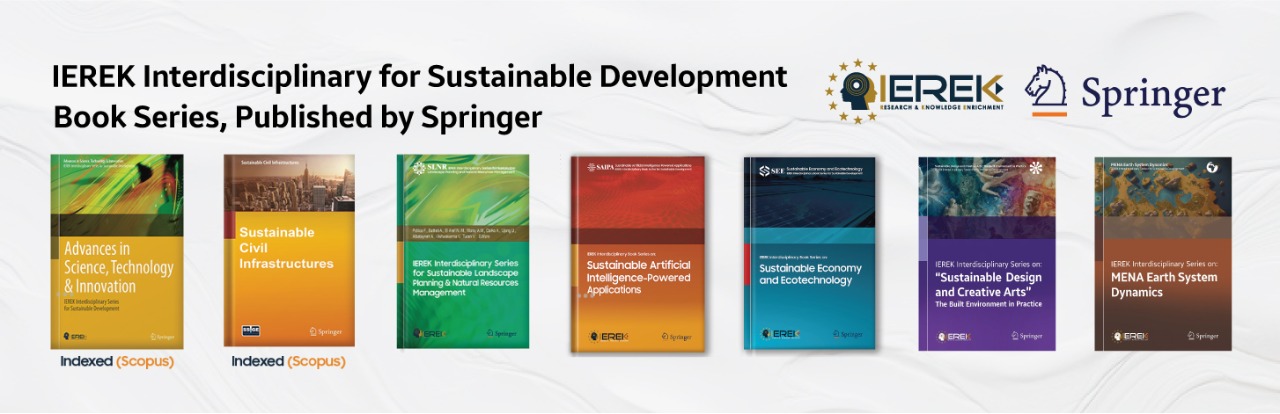
All accepted submissions to the conference, after a rigorous double-blinded peer-review process by the respective Editorial Board, will be published in one of the following:
Advances in Science, Technology and Innovation (ASTI), an IEREK interdisciplinary book series published by Springer Nature. (SCOPUS indexed)
Publisher: Springer Nature (IEREK Interdisciplinary book series)
Indexing: SCOPUS indexed; some titles in Web of Science (ISI)
Focus: Emerging research in science, technology, and innovation for sustainable development, addressing UN SDGs.
An IEREK interdisciplinary book series published by Springer Nature, focusing on the built environment in practice.
Publisher: Springer Nature
Focus: Sustainable design, architecture, landscape architecture, urban design, public art, visual and fine arts, creative practices, environmental communication, and interdisciplinary research addressing sustainable and resilient built environments through practical and innovative approaches.
Key Areas: Sustainable Design, Architecture, Landscape Architecture, Urban Design, Creative Arts, Visual Arts, Public Art, Environmental Communication, Eco-Art, Sustainable Materials, Circular Economy, Fashion Design, Interdisciplinary Design Research, and Built Environment Practice.
Internationally peer-reviewed, open access journals published by IEREK Press. Covering a wide range of disciplines including sustainability, architecture, engineering, and environmental sciences.
Journal on:
Attending a conference dramatically enhances both your professional and personal development. They help you sharpen the saw, meet and converse with industry experts, expand your resources and grow your professional network. IEREK Conference will help you:
1. Open Discussions: We bring together leading academic scientists, from different universities and countries, to exchange and share their experiences and research results.
2. Internationally Accredited Certificate: The participants are granted internationally recognized certificates acknowledged by IEREK, the University, and Partnering Organizations.
3. Publication: Selected high-quality manuscripts will be published, after peer review, in the Advances in Science, Technology & Innovation (ASTI) book series by Springer or by IEREK Press Journals, both of which are indexed in world-renowned databases.
4. Research Technologies: Conferences can expand your resources by providing a great opportunity to promote gathered information on new technologies related to your research.
5. Networking: You can engage with industry experts to discuss with them the very latest research projects they could be working on and increase your chances of collaboration in future projects.
6. Academic Reputation: Attending many conferences will make you a known figure in academic circles and an active member of the academic community.
7. Conference Abstracts Material: Delegates will receive the conference Abstracts book in a digital format.

Fernando Jorge Faria Paulino is an Associate Professor at the University of Maia (UMAIA), where he heads the Department of Communication Sciences and Information Technologies. He holds a PhD in Cultural Anthropology, specializing in Tourism, and has a solid background in Visual Anthropology. He is the Coordinator of the CIAC/UMAIA Hub - Research Center in Arts and Communication (CIAC), a research unit funded by the Foundation for Science and Technology (FCT) and internationally classified as Very Good.
At UMAIA, he also directs the Multimedia Center and Laboratory (CLM) and coordinates the LabCCom – Communication Sciences Laboratory | Multiplatform Studio, where he is also head of the Digital Heritage Laboratory. Professor Paulino's work focuses on the relationships between culture, visual representation, and tourism, with a particular emphasis on sustainable cultural tourism. His research explores how audiovisual media, documentary practices, and digital storytelling can contribute to the preservation, interpretation, and revaluation of cultural heritage and local identities. His approach highlights the role of visual communication in promoting more responsible, inclusive, and culturally rooted tourism models.
His areas of expertise include cultural anthropology, visual anthropology, and the anthropology of tourism. He also divides his work between audiovisual communication, documentary filmmaking, and new media. He is the author of numerous scientific publications, including articles, books, and book chapters, many of which are present in quality indexes such as Scopus.
He has directed several documentary and hypermedia projects focused on cultural heritage and tourism contexts. Professor Paulino is also a visiting professor at several international universities and has served as a jury member at international film festivals, notably the Cannes Corporate Media & TV Awards (tourism film festival), reinforcing his strong involvement with the academic and professional communities in the fields of visual culture and sustainable tourism.
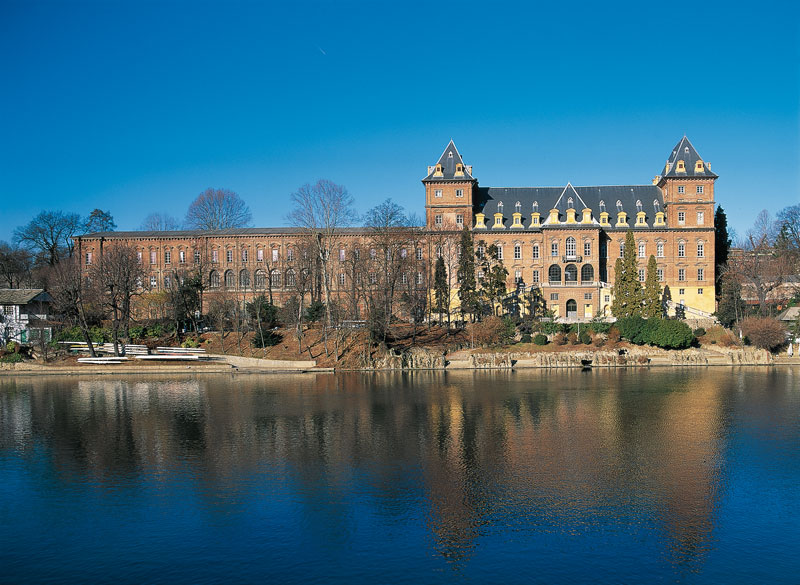
Valentino Castle (Castello del Valentino) is a historic landmark in Turin and part of the UNESCO World Heritage Site of the Residences of the Royal House of Savoy. Originally a riverside residence, it was transformed in the 17th century into an elegant French-inspired château. Today, the castle is home to Politecnico di Torino, where historic heritage and contemporary education, research, and architectural practice come together.
Mole Antonelliana:
Built in the 19th century, originally intended as a synagogue, it is now a symbol of Turin and houses the National Cinema Museum.

Royal Palace of Turin (Palazzo Reale):
Dating back to the 16th century, this was the residence of the House of Savoy and a center of royal power.
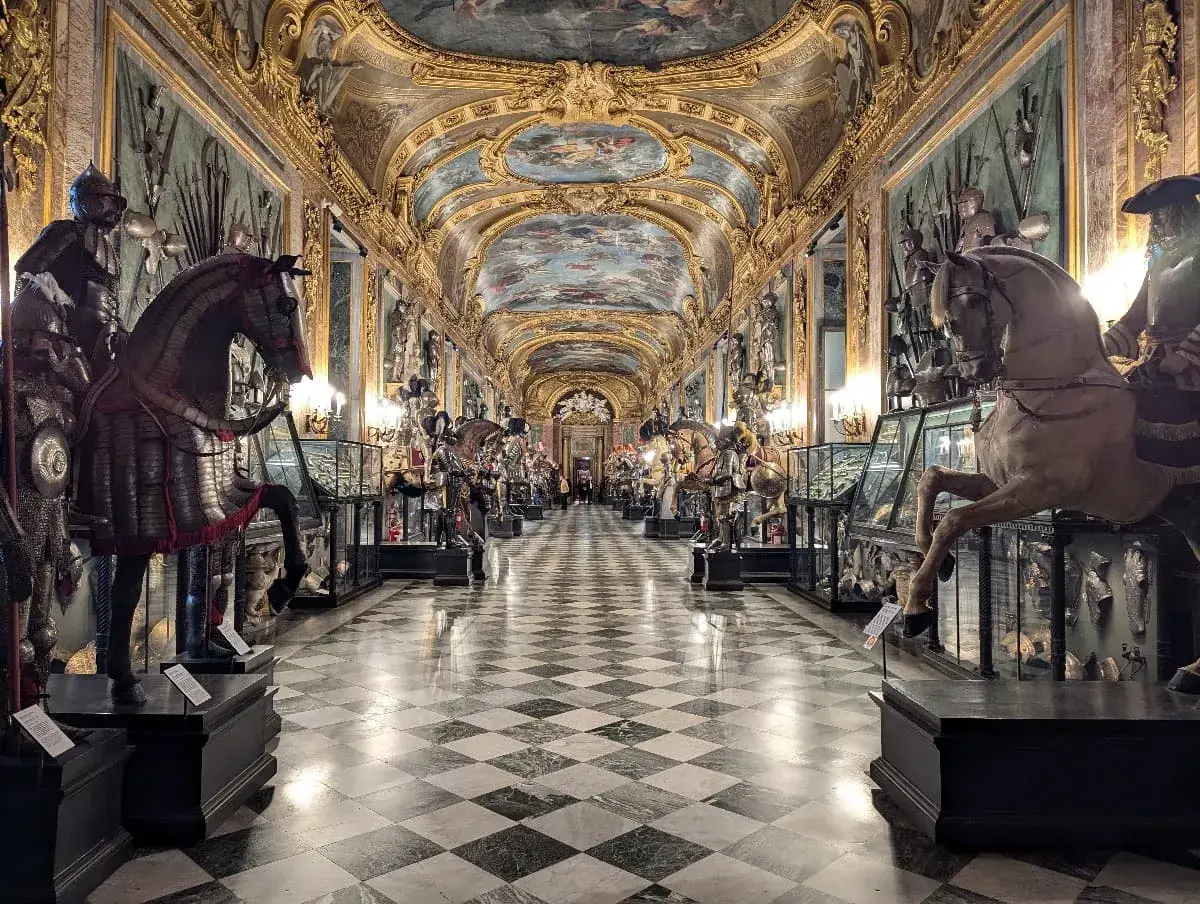
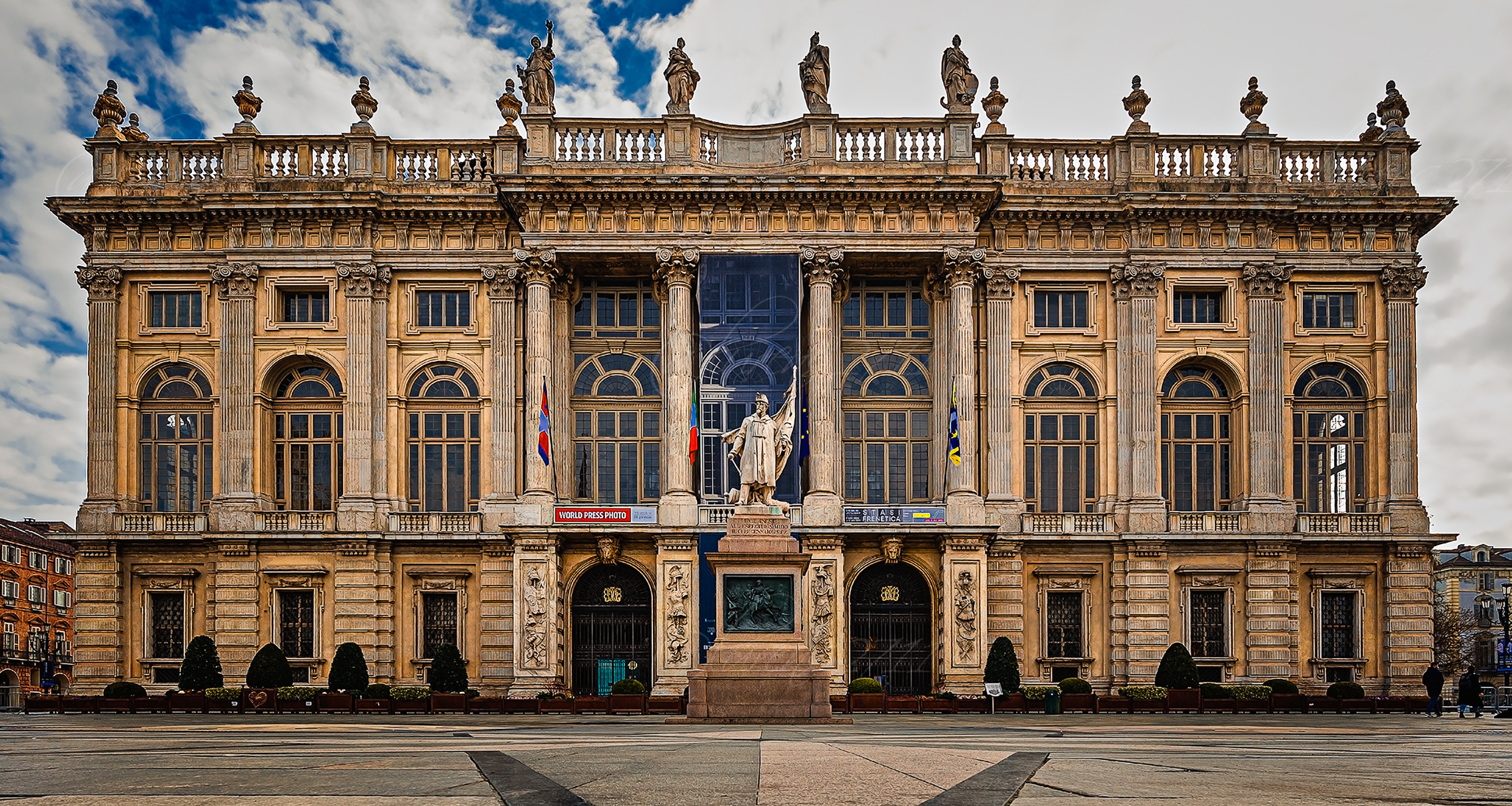
Palazzo Madama:
A historic palace with roots in Roman and medieval times, later transformed with a baroque facade in the 17th century.
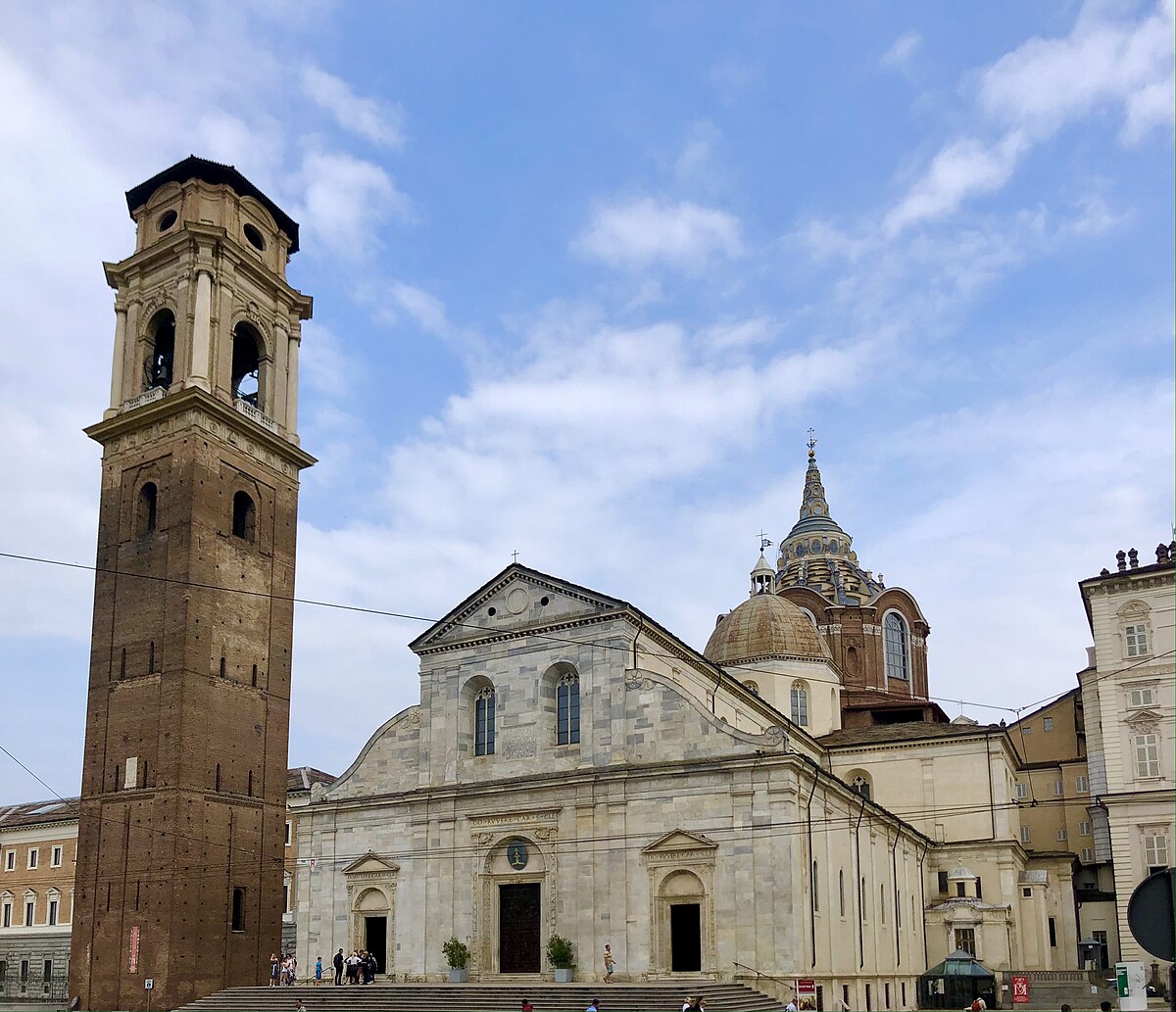
Turin Cathedral (Duomo di San Giovanni):
Constructed in the late 15th century, it is renowned for safeguarding the Shroud of Turin.
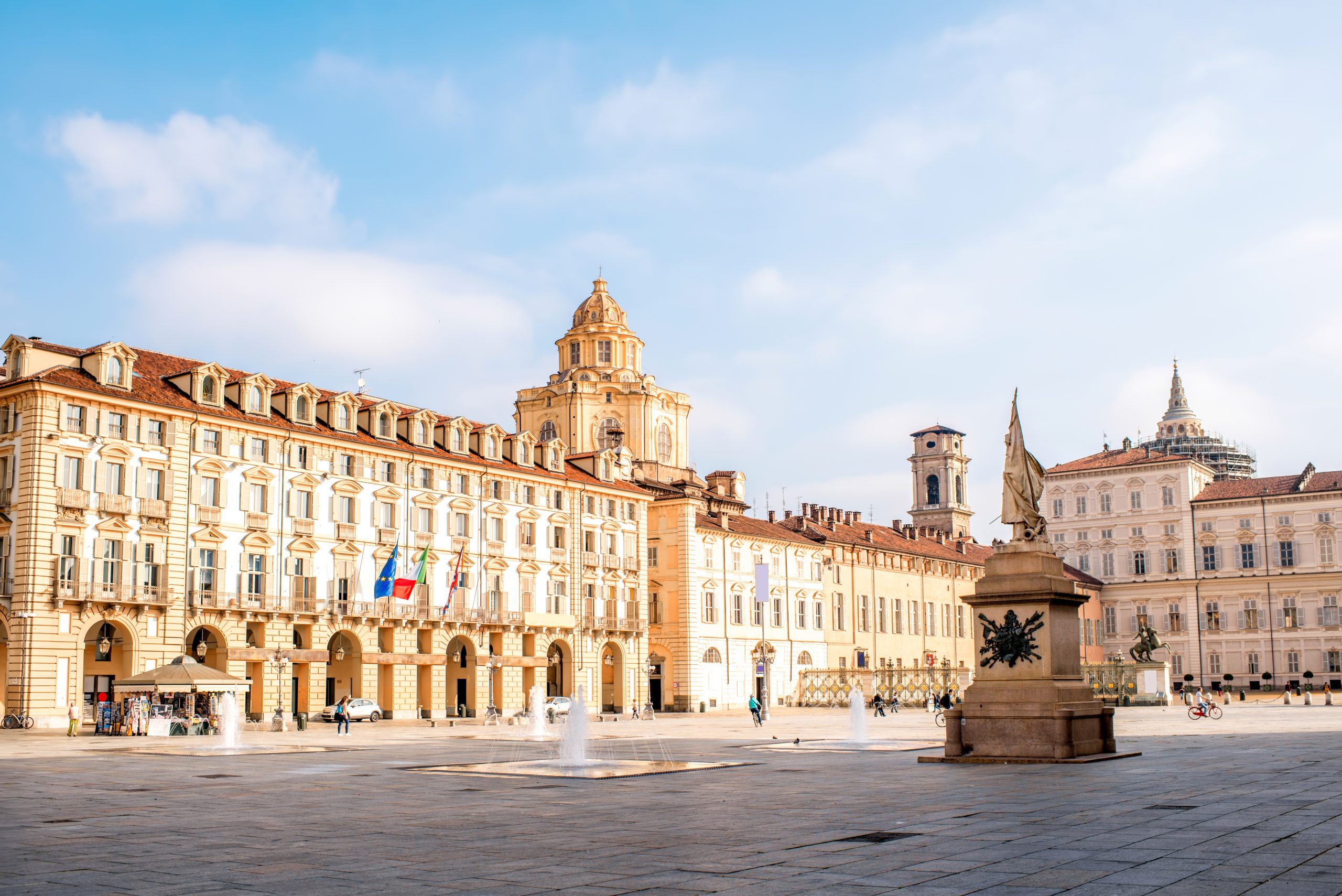
Piazza Castello:
The historic heart of Turin since the 16th century, surrounded by royal and civic buildings.
Valentino Castle:
Built in the 17th century along the Po River, this castle features Renaissance architecture and is part of Valentino Park.
Turin is an elegant city in northern Italy, known for its royal heritage, refined architecture, and peaceful atmosphere. Once the first capital of Italy, it features landmarks like the Royal Palace of Turin and the renowned Egyptian Museum of Turin. Surrounded by the Alps, Turin offers a unique blend of history, culture, and scenic beauty.
By Plane:
Turin is served primarily by Turin-Caselle Airport (TRN), also known as Sandro Pertini Airport, located about 16 km north of the city.
By Train (Recommended)
Turin is a major hub for Italy’s high-speed rail network (Frecciarossa and Italo), making it one of the most efficient ways to arrive.
By Car
Turin is surrounded by a ring road (A55) and is easily accessible via several major motorways:
Important Note on Driving: Much of the historic center is a ZTL (Zona a Traffico Limitato). Unauthorized vehicles are banned from entering between 7:30 AM and 10:30 AM on weekdays. If your hotel is inside this zone, be sure to provide your license plate to them in advance to avoid heavy fines.
By Bus
Long-distance buses like FlixBus and Itabus arrive at the Autostazione Corso Bolzano (located right next to the Porta Susa train station). This is often the most budget-friendly option for traveling from other Italian or European cities.
Important Note: The following hotels are provided as recommendations for your convenience only. Please be advised that these hotels are not official partners, and we do not provide accommodation for attendees. Booking and expenses are the sole responsibility of the participant.
Best Quality Hotel Politecnico
B&B HOTEL Torino Orbassano
Hotel Dock Milano
Turin Palace Hotel
Hotel Miramonti
ART HOTEL OLYMPIC
Hotel Genio
Liberty Hotel
Hotel Castello
Hotel Glis
Invitation Letter Issuance Process
1- In case the participant is an author who has submitted a research paper to the conference, it must get accepted by the Scientific Committee
2- Required participation fees must be paid
3- The participant should send the following information to the conference's official email:
* A clear copy of passport
* Passport number
* Full name as written in your passport.
* Date of Issuing and Expiration
* Date of Birth
* Email address of the nearest Embassy/Consulate to you
* Mobile Number including country code
4- Conference coordinator will issue the needful invitation letter and send a copy to the participant's email, in addition to another one to the corresponding embassy/consulate
5- The participant should print out the invitation letter along with all other required documents by the embassy/consulate and apply for VISA
For IEREK's Provious Publications, Please Click here
- Cultural Sustainable Tourism (CST) - 1st Edition

- Cultural Sustainable Tourism (CST) - 2nd Edition
- Cultural Sustainable Tourism (CST) - 3rd Edition
- Cultural Sustainable Tourism (CST) - 4th Edition
- Cultural Sustainable Tourism (CST) - 5th Edition
- Cultural Sustainable Tourism (CST) - 6th Edition
|
Cancellation Policy |
Up to 60 days before the event |
Up to 50 days before the event |
Up to 40 days before the event |
39 days before the event |
|
Penalty |
20% |
50% |
70% |
100% |
EXCEPTION
A refund is not possible if
-An acceptance letter has been issued (Authors only)
-The proceedings of the event have been published (Authors only)
-All matters have been finalized (accommodation/travel expenses paid for)
Visa Rejection Cases
Reason and proof of rejection must be submitted. If the reason for rejection is due to an error on our part, the participant will be refunded their full fee with a deduction of a 20% administration fee.
Documents to be issued by IEREK to acquire a visa are as follows:
*Final Acceptance Letter (Authors only)
*Visa Invitation Letter
*Invoice/proof of payment
We encourage all authors and attendees to ensure their having acquired all documents (those applicable) mentioned.
If the reason for rejection is not related to any of the aforementioned and is an error on the participant’s part, the following will apply:
*Authors: may choose to let their co-author present his/her research on his/her behalf free of charge. If the author does not have a co-author, a member of the scientific committee shall present on the author’s behalf.
*Audience members/Registrants: will only be allowed to attend another similar event of their choosing that is organized by IEREK free of charge.
*IMPORTANT: Please note that minor changes will take place and the program be updated accordingly. All participants should regularly check the program until the event launch.
- Prof. Eduardo Gonçalves
Associate Professor at the University of Maia; Researcher at the Centre for Geography and Spatial Planning Studies (CEGOT)
- Prof. António José Pinheiro
Professor at the University of Maia; Researcher at the Centre for Geography and Spatial Planning Studies (CEGOT)
Advisory Committee
- Dr. Tarek Teba
Associate Professor in Architectural Heritage, Portsmouth School of Architecture, Art and Design, University of Portsmouth, United Kingdom
- Prof. Jocelyn A. Rivera-Lutap
United Architects of the Philippines (Education); College Quality Assurance Coordinator, College of Architecture, Design and the Built Environment, Polytechnic University of the Philippines
- Prof. Óscar Lima da Silva
Professor at the University of Maia, Portugal
- Prof. Fernando Faria Paulino
Professor at the University of Maia, Portugal
- Prof. António D.V.T. Melo
Professor at the University of Maia, Portugal
- Prof. João Pedro Mendonça
Full-time Researcher at the Centre for Studies in Geography and Spatial Planning (CEGOT), Portugal
- Prof. Hugo Oliveira Martins
Assistant Professor at the University of Maia; Full Researcher at the Centre for Studies in Geography and Spatial Planning (CEGOT), Portugal












Prof. Eduardo Gonçalves
Professor of Tourism and Leisure, University of Maia, CEGOT and CIAC, Portugal.
Prof. Francesco Novelli
Associate Professor, Department of Architecture and Design (DAD), Polytechnic University of Turin, Italy.
Prof. Arch. Luca Lanini
Professor at DESTeC of the University of Pisa in Architectural and Urban Design.
President of the Master degree in Building Engineering-Architecture of the University of Pisa.
Prof. António José Pinheiro
Professor at the University of Maia and Researcher of the Centre of Studies in Geography and Spatial Planning (CEGOT).
Prof. Hugo Martins
Assistant Professor at University of Maia and Researcher at CEGOT, Portugal.
Conference Coordinator
[email protected]
Whatsapp: (+20)1000028021
Subscribe to our newsletter
Join IEREK community