The iDirect Interdisciplinary Conference on Sustainable Design and Creative Arts (SDCA) brings together a new generation of architects, designers, artists, and engineers who are reshaping the built environment. This event is a collaborative platform where sustainable principles meet the innovative power of the creative arts, including architectural design, interior design, materials, environmental design, graphic arts, fashion, graphic design, cinematography, and moral philosophy.
This conference invites practitioners and researchers to share real-world case studies, emerging technologies, and artistic approaches that not only minimize our ecological footprint but also enhance human well-being and a sense of place. This conference is a call to action, demonstrating that a beautiful, functional, and economically viable built environment is inherently a sustainable one.
The Scope
This interdisciplinary platform explores the practical and aesthetic dimensions of sustainability in the built environment and beyond. We welcome research and case studies that bridge theory and practice, demonstrating how creative and artistic approaches lead to more resilient, livable, and beautiful spaces.
The conference topics include, but are not limited to, the following key areas:
Sustainable Architecture and Urban Design: Creating energy-efficient buildings through bioclimatic and passive design, and the use of eco-friendly materials and ethical labor practices in construction.
Interior and Environmental Design: The role of interiors and decor in creating healthy, low-impact spaces through material selection, natural light, and biophilic design.
Sustainable Construction and Building Materials: Using eco-friendly materials, reducing waste, and implementing ethical labor practices; research into new bio-based, recycled, and low-carbon materials.
Urban Green Spaces: The role of green roofs, vertical gardens, and urban parks in improving air quality, managing stormwater, and enhancing biodiversity.
Adaptive Reuse and Circular Economy: Transforming existing buildings to reduce the need for new construction and implementing strategies for reusing and recycling building materials.
Health and Well-being in Design: Focusing on design choices that promote physical and mental health, such as access to daylight, clean air, and safe recreational spaces.
Smart and Resilient Urban Environments: Using sensors and connected systems to create cities that can monitor and respond to issues like energy demand, waste management, and public safety in real time, and integrating smart technologies for self-sufficient urban environments.
Public Art for Sustainability: How public installations, sculptures, and murals raise environmental awareness.
Eco-Art and Land Art: Using natural materials and landscapes as a medium for artistic expression that highlights ecological principles.
Fashion and Sustainable Textiles: Exploring the use of ethical materials, zero-waste design, and upcycling to create a more sustainable fashion industry.
Moral and Graphic Arts: The role of graphic design, illustrations, and comics in communicating complex environmental and social issues.
Cinematography and Environmental Storytelling: Using film and visual media to tell compelling stories about climate change, conservation, and sustainable lifestyles.
Aesthetics of Sustainability: Exploring the visual and sensory appeal of sustainable materials and designs across all disciplines.
Technology and Innovation: The use of AI, generative design, and advanced analytics for building performance evaluation, and for discovering more efficient and innovative design approaches.
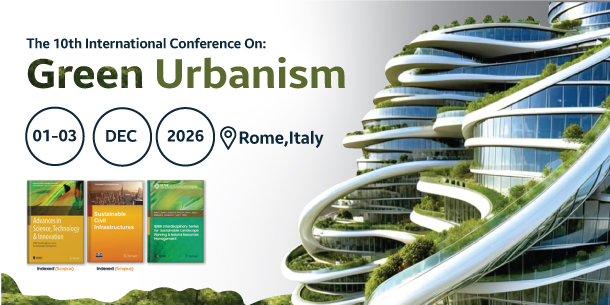
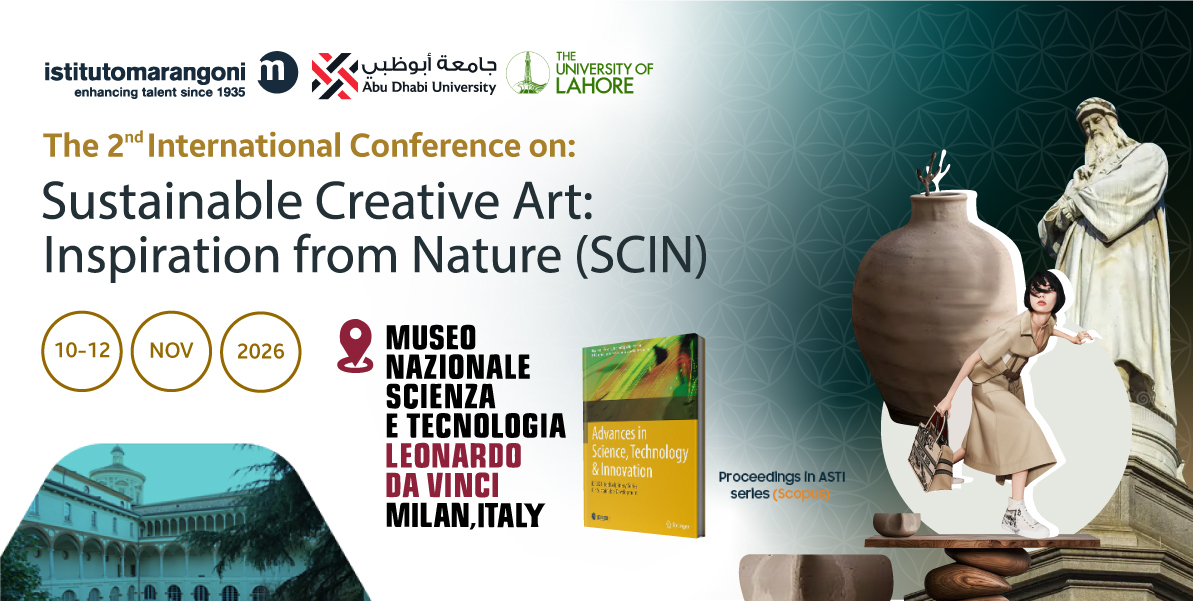
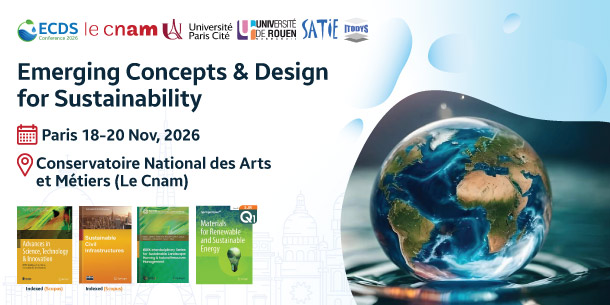
The conference is open year-round. Once authors submit their papers, iDirect manages the peer-review process and organizes online sessions where authors can present their research. Accepted papers are published through the selected venue. For those wishing to present in person, options are available at upcoming conferences. Authors are encouraged to choose the nearest upcoming event via IEREK’s conferences [link] or contact the SDCA Conference coordinator for guidance, including information about possible discounts.
Conference Topics
1. Sustainable Architecture and Urban Design
Creating energy-efficient buildings through bioclimatic and passive design, and the use of eco-friendly materials and ethical labor practices in construction.
2. Interior and Environmental Design
The role of interiors and decor in creating healthy, low-impact spaces through material selection, natural light, and biophilic design.
3. Sustainable Construction and Building Materials
Using eco-friendly materials, reducing waste, and implementing ethical labor practices; research into new bio-based, recycled, and low-carbon materials.
4. Urban Green Spaces
The role of green roofs, vertical gardens, and urban parks in improving air quality, managing stormwater, and enhancing biodiversity.
5. Adaptive Reuse and Circular Economy
Transforming existing buildings to reduce the need for new construction and implementing strategies for reusing and recycling building materials.
6. Health and Well-being in Design
Focusing on design choices that promote physical and mental health, such as access to daylight, clean air, and safe recreational spaces.
7. Smart and Resilient Urban Environments
Using sensors and connected systems to create cities that can monitor and respond to issues like energy demand, waste management, and public safety in real time, and integrating smart technologies for self-sufficient urban environments.
8. Public Art for Sustainability
How public installations, sculptures, and murals raise environmental awareness.
9. Eco-Art and Land Art
Using natural materials and landscapes as a medium for artistic expression that highlights ecological principles.
10. Fashion and Sustainable Textiles
Exploring the use of ethical materials, zero-waste design, and upcycling to create a more sustainable fashion industry.
11. Moral and Graphic Arts
The role of graphic design, illustrations, and comics in communicating complex environmental and social issues.
12. Cinematography and Environmental Storytelling
Using film and visual media to tell compelling stories about climate change, conservation, and sustainable lifestyles.
13. Aesthetics of Sustainability
Exploring the visual and sensory appeal of sustainable materials and designs across all disciplines.
14. Technology and Innovation
The use of AI, generative design, and advanced analytics for building performance evaluation, and for discovering more efficient and innovative design approaches.
Benefits of Attending
Participating in an iDirect conference offers a streamlined path to publishing your research while enhancing your professional reputation. Our unique model provides a direct link between your work and publication in a prestigious book series, all from a year-round online platform.
Key Benefits
Direct Path to Publication: All papers accepted through the rigorous peer-review process are submitted for publication in a corresponding Springer Nature book series. This offers authors a direct, efficient path to a high-impact publication, cementing their work in a respected, indexed volume.
International Recognition: Authors receive an internationally recognized soft-copy certificate of participation and contribution, which adds a valuable credential to their curriculum vitae.
Focused Academic Discussion: Our dedicated online sessions bring together a global community of experts to exchange and share their research. It is a fantastic opportunity to discuss your work with leading academic scientists and gain insights that could inspire future research.
Expanded Network: While our conferences are online, they provide an opportunity for networking and collaboration. You can engage directly with professors and peers during online discussions, building connections that can lead to future collaborative projects.
Boosting Your Academic Profile: Publishing with Springer Nature and presenting your work in an iDirect conference will significantly enhance your academic reputation. It demonstrates your active role in the global research community and contributes to your professional visibility.
Permanent Access to Content: Accepted papers are published in a book series that is permanently archived on the websites of both Springer Nature and IEREK, ensuring your work is immediately and continuously available to the international scientific community.
Registration & Fees
A single participation fee of 150 Euros covers all types of involvement in an iDirect Interdisciplinary Conference, whether you are an author, co-author, or a general audience member. This all-inclusive fee provides a direct, year-round path for your research to be published with Springer Nature.
The participation fee covers the following:
Paper Submission and Peer-Review: The fee includes the full, double-blind peer-review process for a single paper.
Publication Opportunity: Accepted papers will be submitted for publication in the corresponding Springer book series. Publication is included in the fee.
Online Presentation: Authors will be invited to present their paper in a dedicated online session with other authors.
Access to Recordings: All participants will receive access to the recordings of the online sessions.
Certificates: You will receive a soft-copy participation certificate and a preliminary acceptance letter.
Discounts and Waivers
Despite the single low fee, we are pleased to offer special discounts to applicants from our collaborative university partners and from low and middle-income countries.
Collaborative Discounts: A special discount is offered to applicants from universities that have signed a partnership agreement with IEREK.
Income-Based Discounts: Special waivers and discounts are available for authors from low and middle-income countries, as classified by the World Bank.
To apply for a discount, please contact the iDirect Conference coordinator at the email provided on the conference page.
Optional Attendance Upgrades
While iDirect conferences are hosted online, authors have the option to present their work in person at one of IEREK’s upcoming physical conferences. This option is available for an additional fee to cover conference expenses.
Authors' Instructions
At IEREK, we have a strict policy against plagiarism. Copying another author's work or ideas without proper credit is considered fraudulent. Our review committee has the authority to reject any paper, at any stage of the review process, if it is found to have plagiarized content.
To ensure a smooth process, please follow these steps for your paper submissions.
Step 1: Full Paper Submission & Review
After your paper is preliminarily accepted, you will receive an acceptance letter and a proforma invoice. Payment is required to confirm your participation and to initiate the full paper review process.
Full Paper Guidelines:
Your paper must be written in English, be a minimum of 6 pages long, and align with a conference topic.
The paper should follow a standard research structure: Abstract (with keywords), Introduction, Literature Review, Methodology, Results, Conclusion, and References.
You can submit a regular paper of up to 12 pages at no extra charge.
Your submission can be made through the website or sent to the conference email.
Peer Review Process:
We use a double-blind peer-review process. Papers are evaluated by a minimum of two reviewers and a final decision is made by the responsible Editor.
All submissions are screened for plagiarism using the iThenticate software. Papers with a similarity score above 30% will be rejected.
You may be asked to revise your paper to reduce a lower similarity score or to address reviewer comments.
Missed deadlines for revisions may result in the complete rejection of your paper from publication.
Step 2: Publication & Presentation
Upon full paper acceptance, you will be contacted to finalize your submission.
Publication:
If your paper is accepted for publication, you will be asked to provide a final version that follows Springer's guidelines and to sign a consent-to-publish (CTP) form.
Your paper will then be published in the corresponding iDirect book series with Springer Nature.
Presentation:
You have two options for presenting your work. You can attend a special online session organized to discuss submitted papers.
Alternatively, you can present your work in person at one of IEREK’s upcoming conferences. This option requires paying the difference in fees.
Please inform the conference support team if you do not intend to publish an extended paper in the proceedings.
Refund Policy
Due to the nature of the year-round, online iDirect conferences, all refunds are subject to a penalty based on the time elapsed since the payment was made. Please note that no refunds will be provided to participants after their papers have been submitted for publication.