

Urban Planning & Architectural ...
Online Conference
20 Oct 2026 / 22 Oct 2026 read more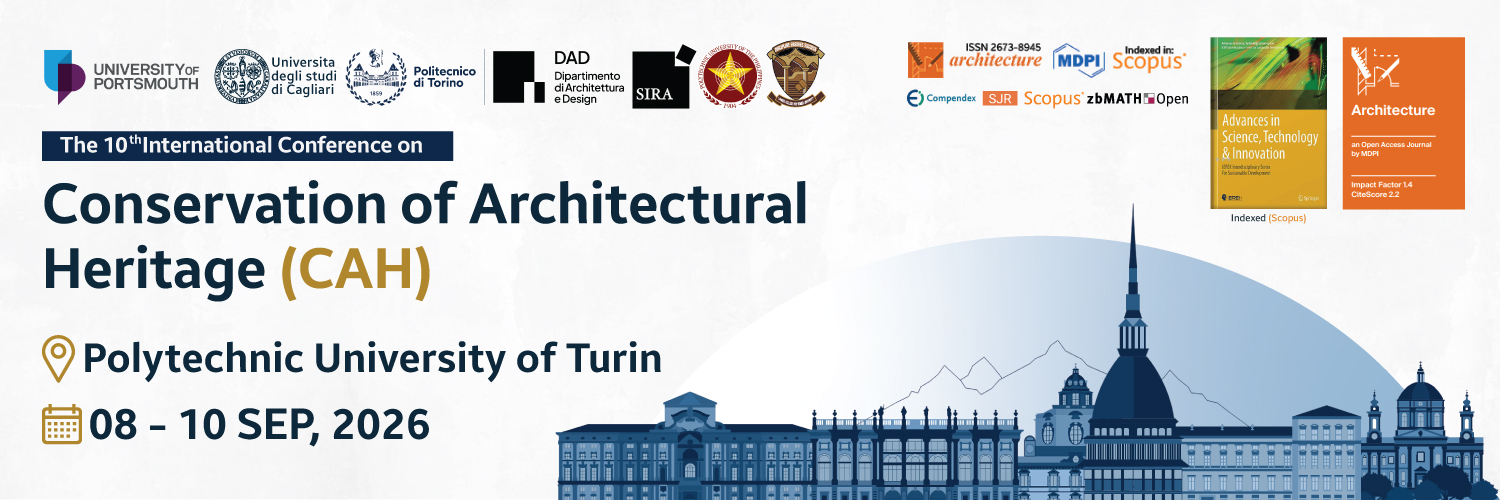
Associate Professor in Architectural Heritage, Portsmouth School of Architecture, Art and Design, University of Portsmouth, UK.
Assistant Professor, Department of Civil-Environmental and Architectural Engineering, University of Cagliari, Italy.

Associate Professor, Department of Architecture and Design (DAD), Polytechnic University of Turin, Italy.
Nessma Farouk
Conference Coordinator
[email protected]
(+20) 3 5763827 | (+20) 3 5763828
(+20)1000028021
Subscribe to our newsletter

“Architectural conservation is something that embraces not just architecture in all its various forms, but a vast range of other subjects – environmental politics, urban planning, urban economics and tourism, and even war destructions and renewal [...] Conservation is, and has always been, an integral part of modern society and its environment, like all the modern environments, did not just happened”.
(Miles Glendinning 2013)
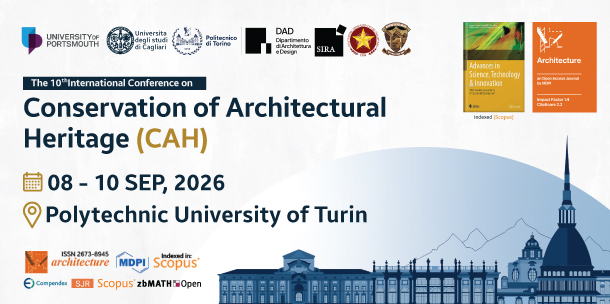
Starting from this concept, the 10th edition of the International Conference on “Conservation of Architectural Heritage” (CAH) aims at bringing together academics and professionals who care about heritage from different points of view and share their visions in protecting, preserving, and enhancing cultural heritage for the future. The conference has proven its success year by year, and this 10th edition, held in collaboration with the University of Portsmouth, the University of Cagliari, and the Polytechnic University of Turin, will stand out by discussing all the Art and Science of Heritage.
The conference will be held at the Polytechnic University of Turin, where magnificent history meets industrial reinvention and modernist experimentation. The city is a place where each era has inscribed its mark on the urban fabric like layers of a palimpsest. From its Roman foundations and Savoy palaces to its Liberty façades and pioneering industrial complexes, Turin embodies the coexistence of monumental power, artistic flourish, and working-class innovation. The city’s transformation of factories into cultural hubs, its stewardship of UNESCO-listed royal residences, and its ongoing debates around conserving modernist icons reveal heritage not as a static inheritance but as a dynamic field of negotiation. Hosting our conference here places us in a living laboratory of heritage, where conservation, adaptive reuse, and cultural identity are not abstract debates but visible realities shaping the city’s past, present, and future.
Architectural and Cultural Heritage is testimony to past societies’ values, achievements, as well as political, social, and economic systems. Such heritage is represented in tangible and intangible forms and at landscape, urban, and architectural scales. Across these scales, it embodies both material and immaterial values and informs current and future societies with invaluable information about their history and identity. Unfortunately, cultural sites are no longer the same as they used to be. They are exposed to losing their authenticity and identity bit by bit due to many decay factors. The different levels of scale and the wide range of chronologies introduce different challenges that academics and professionals respond to in our contemporary time. For example, the concepts of archaeology, history, and identity are not the same between historic and modern heritage sites, which present an additional challenge to conserve and protect heritage that is not commonly seen as a legacy of the past (e.g., modern heritage). Furthermore, 19th- and 20th-century conservation approaches are sometimes not enough alone to achieve holistic and appropriate conservation, where community contemporary social values and input are essential in valuing, interpreting, and preserving heritage assets. Thus, it is important to advocate the need for equal consideration and in-depth studies for our heritage, considering its time, scales, and values. In addition, there is unprecedented recognition of culture within the Sustainable Development Goals, which will play a crucial role. In becoming a fundamental discourse within Sustainability, Cultural Heritage research will employ techniques and methodologies belonging to the Arts and Humanities, Architecture, Restoration and Conservation, Creative Practices, along with Sciences, Technology, and Engineering.
Thus, the conference will not only talk about heritage but also about how to interpret and preserve it, considering the diversity of scales, typologies, uses, periods of construction, and state of conservation, as well as how to link it to the broader topics of sustainability, accessibility, and assessment of values. In doing so, the conference will start by identifying concepts and topics of cultural heritage and its subtle link with the communities and/or the environment.
This year, the conference will have three special sessions:
Modern Heritage Interpretation and Conservation
How do we preserve the heritage of modernity? This session examines the interpretation, analysis, and conservation of modern architecture, military sites, and industrial landscapes—heritage that is innovative, contested, and environmentally vulnerable, but still shaping our identities today. Join leading voices as we explore fresh approaches to interpretation, adaptive reuse, sustainable conservation, and community engagement, ensuring that the legacy of the 20th and 21st centuries is not only protected but celebrated and reimagined for the future. We will be rethinking narratives of modernity, addressing both material fragility and ecological pressures. By sharing case studies and forward-looking approaches, the session invites dialogue on how modern heritage can be protected, reimagined, and made relevant for future generations.
Digital and Creative Heritage
In an era where technology is reshaping how we document, conserve, and experience cultural heritage, this session explores the transformative potential of digital and creative practices. From advanced documentation and conservation tools such as HBIM and 3D modelling, to immersive storytelling through film, media, augmented, and virtual reality, participants will engage with innovative approaches that bridge scholarship, practice, and public imagination. The session invites contributions that demonstrate how digital methods not only safeguard architectural heritage but also open new pathways for interpretation, accessibility, and community engagement. By showcasing pioneering projects and critical reflections, we aim to spark dialogue on how creative technologies can enrich conservation practice, democratize heritage knowledge, and foster deeper connections between people and place.
Intersecting Perspectives on the Future of Religious Architectural Heritage: New Functions and Transformation Processes
Quel avenir pour quelles églises? What Future for Which Churches? (Morisset, Noppen, Coomans, 2006)
Twenty years ago, the authors of this well-known publication brought to public attention an issue that has since become a matter of significant concern and a priority on the agendas of church-owning bodies and institutions. This urgency was clearly reaffirmed by the 2018 Bishops’ Conference and further articulated through the subsequent drafting of the Guidelines on the Decommissioning and Ecclesiastical Reuse of Churches. This session aims to foster a broad and critical reflection on religious architectural heritage by exploring international approaches to church reuse, as addressed in Italy and in other countries. Through diverse perspectives and with the utmost openness to different religious confessions, the discussion seeks to assess ongoing transformation processes and emerging new functions for sacred buildings.
Selected papers of the conference will be published in a book series under the title of Advances in Science, Technology, & Innovation (ASTI) by Springer. Others will be published in the Resourceedings journal by IEREK Press. Best papers will have the opportunity to be published in the Architecture MDPI Journal under the Topical collection titled “The Conservation of Architectural and Urban Heritage: Sustainable and Creative Strategies”
Scope
The 10th edition of the “Conservation of Architectural Heritage (CAH)” conference comprehensively covers the topic of heritage's creative and technical conservation, preservation, and community engagement. In addition, it aims to bring the topic of conservation considering archaeological, historic, modern, and contemporary heritage, as well as the diversity of scales: landscape, urban, and architectural ones. This will be explored within the umbrella of sustainability and accessibility, discussing the relations between cultural heritage preservation and development. The conference envelops interdisciplinary and co-creative methods of the conservation of both tangible heritage sites in the form of architectural landmarks, civic and military heritage, and associated intangible aspects of heritage. It touches upon the significance, authenticity, and identity of cultural heritage and the economic impact that its conservation brings. Encompassing various methods of heritage preservation, the conference also covers citizens’ as well as governmental policy implementation & NGOs’ role in the process. Furthermore, tourism’s impact on heritage sites, innovative design methods, and climate change adaptations are integral to the conference focus. The conference aspires to investigate the use of traditional and advanced digital tools and their contribution to the documentation, interpretation, conservation, and community engagement with tangible and intangible heritage.
1.1. Preservation And Conservation for the Wide Range of Heritage (Different Geographies, Different Historic/Modern Periods)
1.2. Different approaches and practices for different types of heritage
1.3. Cultural Awareness, Legislation, Charters and Recommendations for Heritage Protection
1.4. The governmental and NGO Role in the Conservation of the Cultural Heritage
2.1. Authenticity, Identity, and Significance of Cultural Heritage
2.2. Value of Heritage Sites to Residents and Their Sense of Belonging
2.3. UNESCO Sites: Preservation and Management Strategies
2.4. Socio-Economic Values in Reuse Strategies
2.5. Intangible Cultural Heritage Assets
2.6. Heritage Valuation and Interpretation
3.1. Archeological heritage from antiquity to modernity
3.2. Industrial heritage and environmental implications
3.3. Defence and Military Heritage and its Legacy
3.4. Nineteenth- and Twentieth-Century Heritage and its Legacy
3.5. Abandoned Villages: New Strategies and Perspectives for Repopulation
3.6. Post-Crisis Heritage Conservation and Management
3.7. Dark/ Difficult Heritage Conservation and Management
4.1. Innovative and Sustainable Technological Methods and New Materials in Creative Experiments.
4.2. Non-Destructive Diagnostics and New Techniques for Decay Assessment and Preservation.
4.3. Digital Transition: From Archives to HBIM
4.4. Digital Heritage approaches and strategies
4.5. Mapping, Photogrammetry, and Gamification Techniques.
4.6. Creative and Digital heritage approaches
5.1. Reuse strategies of urban areas and built heritage
5.2. Sustainable Governance Strategies for Maintaining and Investing in Heritage Assets.
5.3. Tourism for cultural heritage and sustainable tourism practices
5.4. Museology and its Impact on Tourist Attraction and Economic Benefit
5.5. Historical Landscapes as Cultural Heritage
5.6. Refugees' Ephemeral Heritage and Heritage Mobility
5.7. Cultural heritage and hospitality
6.1. The Community Role in the Reconstruction and Conservation of War-Devastated Heritage Sites
6.2. Social participation in historical areas development plans and in regenerating heritage
6.3. The Role of Women in the Conservation of Cultural Heritage
6.4. Raising awareness about the preservation value of architectural heritage.
6.5. Co-creation practices and the preservation of tangible and intangible heritage.
6.6. Role of Cultural heritage in migration phenomena
7.1. Cultural Heritage for All (Universal Accessibility)
7.2. Sustainability impact assessment
7.3. Adaptation to climate changes
7.4. Long-Term Strategies and Awareness Campaigns
7.5. Tangible and Intangible Heritage Accessibility in Conservation and Community Engagement
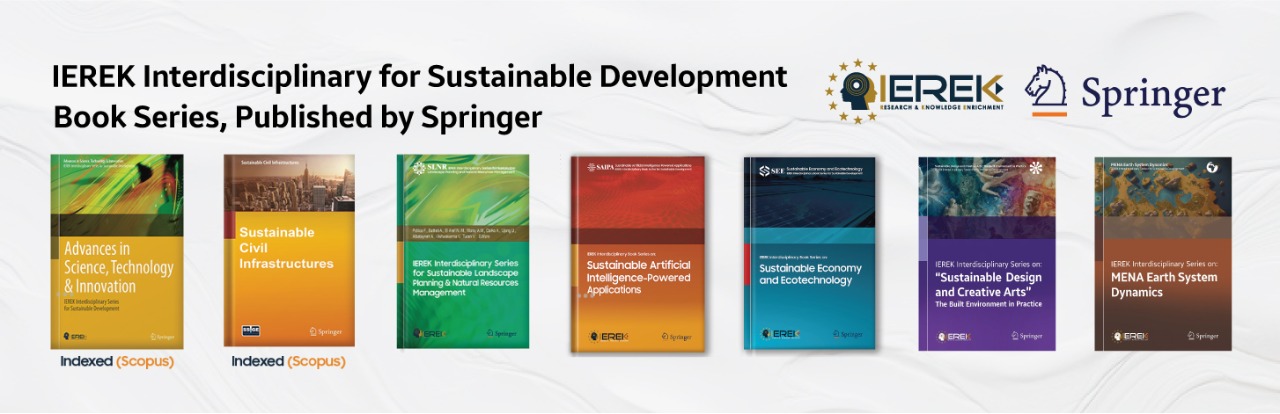
All accepted submissions to the conference, after a rigorous double-blinded peer-review process by the respective Editorial Board, will be published in:
Advances in Science, Technology and Innovation (ASTI), an IEREK interdisciplinary book series published by Springer Nature. (SCOPUS indexed)
Publisher: Springer Nature (IEREK Interdisciplinary book series)
Indexing: SCOPUS indexed; some titles in Web of Science (ISI)
Focus: Emerging research in science, technology, and innovation for sustainable development, addressing UN SDGs.
Journal: Architecture by MDPI
Special Issue: "Strategies for Architectural Conservation and Adaptive Reuse" (Q1 Scopus)
Publisher: MDPI
Focus: This Topical Collection is in collaboration with the IEREK International Conference on the Conservation of Architectural Heritage and aims to serve as a platform to assemble such recent and innovative research findings and draw attention to different approaches relating to the field of adaptive reuse and architectural conservation.
Best papers from the International Conference on the Conservation of Architectural Heritage (CAH) 2026 will be published in the Architecture special issue: The Conservation of Architectural and Urban Heritage: Sustainable and Creative Strategies" by MDPI. Architecture is an international, peer-reviewed, open access journal on studies related to architectural research published quarterly online by MDPI. Through an open access mode, the Topical Collection intends to continuously disseminate this knowledge widely at a time when the heritage context is facing critical challenges posed by urbanization and the need for economic development. Read more.
Any participant in the CAH2026 Conference interested in publishing their paper in the special collection will receive a 50% discount on the fees listed on the MDPI website.
An IEREK interdisciplinary book series published by Springer Nature, focusing on the built environment in practice.
Publisher: Springer Nature
Focus: Sustainable design, architecture, landscape architecture, urban design, public art, visual and fine arts, creative practices, environmental communication, and interdisciplinary research addressing sustainable and resilient built environments through practical and innovative approaches.
Key Areas: Sustainable Design, Architecture, Landscape Architecture, Urban Design, Creative Arts, Visual Arts, Public Art, Environmental Communication, Eco-Art, Sustainable Materials, Circular Economy, Fashion Design, Interdisciplinary Design Research, and Built Environment Practice.
Internationally peer-reviewed, open access journals published by IEREK Press. Covering a wide range of disciplines including sustainability, architecture, engineering, and environmental sciences.
Journal on:
Architecture special issue: Strategies for Architectural Conservation and Adaptive Reuse by MDPI (Q1 Scopus Indexed)
Best papers from the International Conference on the Conservation of Architectural Heritage (CAH) 2026 will be published in the Architecture special issue: The Conservation of Architectural and Urban Heritage: Sustainable and Creative Strategies" by MDPI.
Any participant in the CAH2026 Conference interested in publishing their paper in the special collection will receive a 50% discount on the fees listed on the MDPI website.
Topical Collection Information
Social, economic and industrial developments have left architectural compounds and urban areas disposed of or at risk of abandonment. Architectural and urban adaptive reuse has been sought as a solution, but a large body of literature draws attention to the consequences of economically driven regeneration in establishing social and economic restructuring, causing the marginalisation of underprivileged communities, and how such schemes could encourage the commodification of historic assets. In addition, the lack of community engagement in adaptive reuse and conservation strategies affects the outcomes of these processes, which results in new areas that do not represent the values and aspirations of contemporary communities. Therefore, appropriate strategies for architectural and urban conservation and adaptive reuse are crucial for activating the role of heritage, as a cultural product, and design, as a creative practice, in promoting sustainable growth and stimulating urban and rural regeneration and community resilience within the historic context.
With the emergence of key international initiatives such the UNESCO Historic Urban Landscape HUL approach for appropriate adaptive reuse strategies, it has become apparent that heritage assets are critical catalysts that stimulate environmental, economic and community regeneration of the historic built environment; thus, the sensitive and innovative reuse of historic buildings and areas is needed, and by doing so, promoting locally accepted regeneration, community appreciation and the preservation and management of these heritage assets. This emphasises the need to juxtaposition research and practice with community engagement to synthesise impactful adaptive reuse strategies and schemes that reconnect communities to their heritage and help them understand their past and communal identity, consequently enhancing their wellbeing.
With the emergence of community-led approaches and tools for the interpretation and valuation of cultural heritage (e.g. critical heritage, cultural mapping, etc.), adaptive reuse strategies have been diversified, using design and conservation as tools to regenerate historic and heritage places while promoting their tangible and intangible heritage dimensions. Thus, this Topical Collection is in collaboration with the IEREK International Conference on the Conservation of Architectural Heritage and aims to serve as a platform to assemble such recent and innovative research findings and draw attention to different approaches relating to the field of adaptive reuse and architectural conservation. Through an open access mode, the Topical Collection intends to continuously disseminate this knowledge widely at a time when the heritage context is facing critical challenges posed by urbanisation and the need for economic development. The discussion in this Topical Collection intends to cover diverse types of historic and modern heritage and to focus on (but is not limited to) the following thematic areas:
For more information, click here!
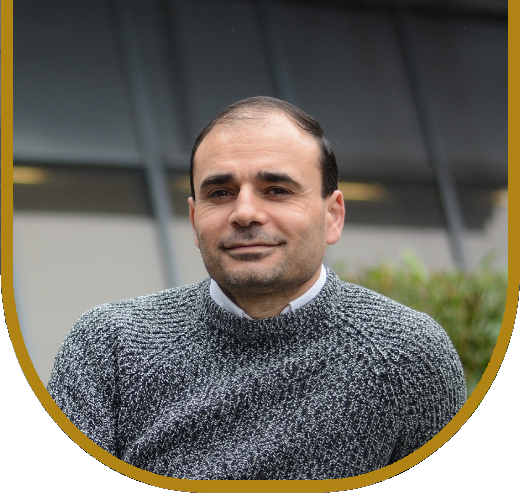
Dr. Tarek Teba is an Associate Professor in Architectural Heritage in School of Architecture, University of Portsmouth and the Chair for ICOMOS UK Digital Technology National Committee. Tarek is the Course leader of MA Architecture: Building and Heritage Conservation and the co-chair of the University of Portsmouth Heritage Research Hub. Tarek’s research concerns the conservation of tangible and intangible heritage through creating the balance between contemporary values via community engagement and historic, aesthetic and cultural values. Tarek explores methodological approaches to preserve the cultural and contemporary social values embedded in heritage assets and cities. He uses community engagement and cultural mapping as an informing tool and a virtual modelling and digital heritage approaches as a vehicle to deliver adaptation and development strategies.
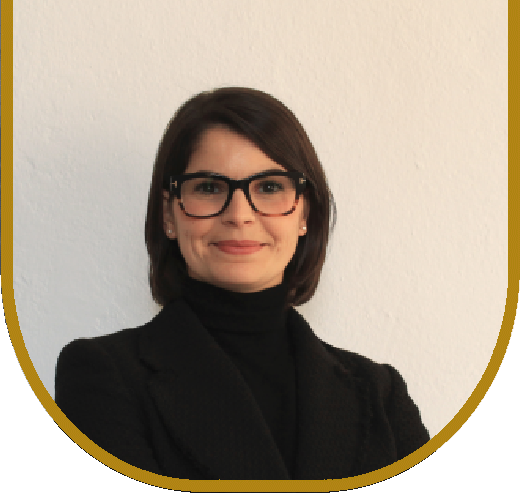
Elisa is Assistant Professor type A in the field of Restoration at the Department of Civil-Environmental and Architectural Engineering, University of Cagliari. She is a Conservator of Architectural and Environmental Heritage, a PhD in Civil Engineering and Architecture (in collaboration with the University of Edinburgh – Scottish Centre for Conservation Studies), and Specialist in Architectural and Landscape Heritage (University of Naples Federico II). She is currently a member of SIRA - Italian Society for Architectural Conservation/ Restoration, of ReUSO ETS Association and of AIPAI - Association for Industrial Archaeological Heritage.
Elisa’s research concerns the protection, conservation, enhancement and sustainable re-use projects of the historical-architectural heritage with a particular interest in heritage in the state of ruination, in rural and urban contexts both nationally and internationally; disused (and not) defense and military complexes and structures with perspectives of restoration and dual-use; conventual religious architecture and industrial archaeology studied from a typological, historical-cultural and architectural points of view; abandoned villages in Sardinia for the proposal of future scenarios through a multidisciplinary approach; HBIM, technological tools and development of innovative approaches to support the scientific research and the restoration project. The interdisciplinary methodology of investigation of the historic built environment, on the architectural, urban and territorial scales, concerns the application of indirect and direct methods of analysis (including non-destructive diagnostic techniques and tools) supported by archaeometric, mineropetrographic and mensiochronological studies referring to traditional masonry construction techniques, studies of the archaeology of elevations and urban stratigraphy for the definition of relative and absolute chronologies, with particular attention to minor historic centers.
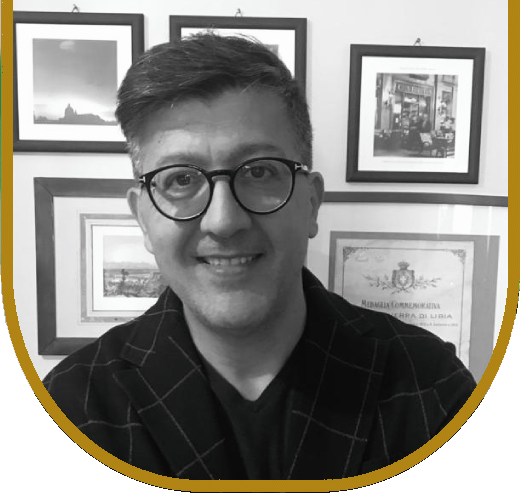
Prof. Francesco Novelli is an Associate Professor at the Department of Architecture and Design (DAD), Polytechnic University of Turin, Italy. His academic and research activities focus on the fields of architectural heritage conservation, sustainable restoration, and urban regeneration. He has extensive experience in developing strategies that integrate innovative technologies with traditional preservation methods to ensure the long-term resilience and adaptive reuse of historic environments. Prof. Novelli has participated in numerous national and international research projects, collaborating with universities, cultural institutions, and professional organizations to promote interdisciplinary approaches to architectural conservation and urban sustainability. His work bridges the gap between academic research and practical application, exploring how cultural heritage can serve as a driver for sustainable development and social innovation. At the Polytechnic University of Turin, he teaches courses in architectural restoration, building conservation, and heritage management, guiding students in combining historical knowledge with contemporary design practices. He has also contributed to several scientific publications and conferences, sharing his insights on topics such as conservation methodologies, documentation of historic buildings, and the relationship between heritage, technology, and community identity. Prof. Novelli continues to play an active role in advancing the dialogue between heritage preservation and sustainability, emphasizing the importance of cultural continuity in shaping future urban environments.
Valentino Castle (Castello del Valentino) is a historic landmark in Turin and part of the UNESCO World Heritage Site of the Residences of the Royal House of Savoy. Originally a riverside residence, it was transformed in the 17th century into an elegant French-inspired château. Today, the castle is home to Politecnico di Torino, where historic heritage and contemporary education, research, and architectural practice come together.
| Title | Date |
|---|---|
| Abstract Submission Deadline (Final Round) | 20 July 2026 |
| Last Notification for Abstract Acceptance & Approval to present | 30 July 2026 |
| Early Payment Deadline | 30 April 2026 |
| Regular Payment Deadline | 30 June 2026 |
| Late Payment Deadline | 30 July 2026 |
| Paper Submission Deadline | 08 Oct 2026 |
| Notification of acceptance/ rejection of submitted paper | From 30 Jul 2026 |
| Letter of Visa (for delegates who need visa entry) *payment required* | 15 Aug 2026 |
| Conference Program | 15 Aug 2026 |
| Conference Launch | 08 Sep 2026 |
Payments through the website are currently unavailable due to ongoing website enhancements. IEREK offers alternative payment methods, including bank transfer and secure third-party online payment links.
The registration fee does not cover accommodation or travel expenses. A list of accommodation options can be suggested by our team if available. Please contact [email protected] for inquiries.
We recommend that all authors take advantage of the benefits that IEREK offers, including various attendance types, publishing opportunities, and opportunities for discounts and waivers.
We are pleased to inform all applicants that they can use their previous publications to register for an IEREK membership, which offers a special discount.
IEREK offers a special discount to applicants from collaborative universities that have signed an MoU with IEREK to host or co-host one of its conferences.
IEREK also provides special discounts to authors from low and medium-income countries.
The disclosed fees are for the conference participation (Publication is free of charge, but only the conference participants can be considered for publishing in the conference proceedings).
Some of the disclosed conference fees may vary depending on the book series and/or journal(s) presented as a publication outlet, as we encourage submission to newly founded book series and/or journal(s) by presenting a discounted rate for the conference's fees.
IEREK offers many types of registrations that are diverse in registration fees; applicants can choose the type they are familiar with as follows:
Participants who are PhD holders, post-doctoral researchers, and universities’ affiliated professors and experts in the field.
Must provide proof of enrollment in a university by providing an enrollment certificate and/or a valid university ID (with issue/expiry date) etc.
Participants who are not affiliated with universities such as practitioners, policymakers, entrepreneurs, etc.
Have access to the event to enjoy the discussions, coffee breaks, and lunch as a co-author or audience.
IEREK Community members receive 25% off the Regular payment stage.
If you are a returning author, published researcher, institutional partner, or active contributor to IEREK activities, you may be eligible for exclusive Community benefits. Visit the IEREK Community Section to learn more and check your eligibility.
| Type of Registration | Early Payment Deadline 30 Apr 2026 |
Regular Payment Deadline 30 June 2026 |
Late Payment Deadline 30 Jul 2026 |
|---|---|---|---|
| Scopus indexed-ASTI Book by Springer | |||
| Student / Early Career Researcher | 300 € | 350 € | 400 € |
| Academic | 350 € | 400 € | 450 € |
| Professional / Industry | 400 € | 450 € | 500 € |
| Co-author/ Audience | 150 € | 200 € | 250 € |
| Open Access IEREK Press Journals | |||
| Student / Early Career Researcher | 200 € | 250 € | 300 € |
| Academic | 250 € | 300 € | 350 € |
| Professional / Industry | 300 € | 350 € | 400 € |
| Co-author/ Audience | 150 € | 200 € | 250 € |
IEREK offers various types of participation. Applicants can apply for in-person attendance to benefit fully from conference discussions and knowledge exchange.
IEREK also offers virtual attendance for authors to present their research papers online; however, we strongly encourage all applicants to attend the conference in person.
The physical fee covers:
* Each research paper should have one main author who should pay the full fee (Author fees) regardless of attendance. Co-authors, each, have their fees to pay to attend the event. This applies to online attendance as well as physical attendance.
* A research paper fee allows only one author, whether main or co-author, to attend the conference and receive only one conference kit. Extras can be requested for an additional fee.
| Type of Registration | Early Payment Deadline 30 Apr 2026 |
Regular Payment Deadline 30 June 2026 |
Late Payment Deadline 30 Jul 2026 |
|---|---|---|---|
| Scopus indexed-ASTI Book by Springer | |||
| Student / Early Career Researcher | 250 € | 300 € | 350 € |
| Academic | 300 € | 350 € | 400 € |
| Professional / Industry | 350 € | 400 € | 450 € |
| Co-author/ Audience | 100 € | 150 € | 200 € |
| Open Access IEREK Press Journals | |||
| Student / Early Career Researcher | 150 € | 200 € | 250 € |
| Academic | 200 € | 250 € | 300 € |
| Professional / Industry | 250 € | 300 € | 350 € |
| Co-author/ Audience | 100 € | 150 € | 200 € |
IEREK offers virtual attendance, providing authors with a unique link to join the conference sessions and present their papers as per the announced program.
The online fee covers:
* Each research paper should have one main author who should pay the full fee (Author fees) regardless of attendance.
* Co-authors, each, have their fees to pay to attend the event. This applies to online attendance as well as physical attendance.
* If an author is eligible for more than one discount, IEREK will apply only the highest discount. Discounts cannot be combined.
* Authors should contact the conference manager through this email [email protected] to consider the discount and waiving for all the above cases so that the conference manager can provide an exclusive invoice for each case.
Afghanistan, Algeria, Angola, Bangladesh, Benin, Bhutan, Bolivia, Burkina Faso, Burundi, Cabo Verde, Cambodia, Cameroon, Central African Republic, Chad, Comoros, Congo, Congo Dem. Rep., Côte d'Ivoire, Djibouti, Egypt, Eritrea, Eswatini, Ethiopia, Gambia, Ghana, Guinea, Guinea-Bissau, Haiti, Honduras, India, Iran, Jordan, Kenya, Kiribati, Kyrgyz Republic, Lao PDR, Lebanon, Lesotho, Liberia, Madagascar, Malawi, Mali, Mauritania, Micronesia, Mongolia, Morocco, Mozambique, Myanmar, Nepal, Nicaragua, Niger, Nigeria, Pakistan, Papua New Guinea, Philippines, Rwanda, Samoa, Turkey, São Tomé and Principe, Senegal, Sierra Leone, Solomon Islands, Somalia, South Sudan, Sri Lanka, Sudan, Syria, Tajikistan, Tanzania, Timor-Leste, Togo, Tunisia, Uganda, Ukraine, Uzbekistan, Vanuatu, Vietnam, Yemen, Zambia, Zimbabwe
IEREK puts a lot of effort into expediting the peer review process to publish articles as quickly as possible. This requires prompt responses from all authors to the editors' comments, if any. Your swift response is highly appreciated to advance the production process and get your articles online. We prioritize the first author to respond as per our formula. The conference proceedings will be divided into multiple books, with the first one scheduled for publication within 6 months after the conference date. We encourage all authors to aim for publication in the first release.
Registration and financial transactions for this conference are managed through our strategic partners, working in close academic partnership with IEREK to ensure seamless delivery of conference services and publication standards.


Both entities work in close academic partnership with IEREK to ensure the highest standards of financial transparency, conference administration, and publication quality.
IEREK Community is a reflection of our appreciation for the scholars, institutions, and research groups who continuously contribute to the growth and excellence of IEREK’s academic network. Through exclusive rates and added privileges, we aim to make participation more accessible while strengthening long-term collaboration, research continuity, and institutional partnerships within our global community.
Eligible members of the IEREK Community receive a 25% discount during the Regular payment stage and may benefit from special discounts on other IEREK conferences.
The IEREK Community includes:
Previous attendees of IEREK conferences
Loyal authors who consistently participate in multiple editions of the same conference
Authors who have published in IEREK conference proceedings or journals
Researchers registering as a group submission
Faculty members and researchers from universities with current or past partnership agreements with IEREK
Universities and academic institutions located in the hosting country of the conference
Active authors who continuously support and engage with IEREK’s activities on social media (sharing, promoting, and contributing to community visibility)
Academics who support IEREK as moderators, keynote or guest speakers, reviewers, or editors
Authors should contact the conference manager at [email protected] to request consideration for discounts in any of the above cases.
IEREK has an unyielding policy regarding plagiarism. We believe that copying/taking the ideas and work of other Authors without permission and credit is fraudulent. The Reviewing committee and IEREK employees have the authority to reject a paper during its reviewing process, based on the paper being subjected to either minor or major plagiarism.
Authors must refer to, and abide by, the following instructions in submitting their abstracts/ papers:
This is not a prerequisite for presenting your work at the conference. Meaning, you can present your submitted abstract without intending to publish your work.
This process can only be initiated after payment completion and confirmation:
Registration
To help the organizers plan for inter-disciplinary dialogue, participants are requested to choose from the conference themes/ Topics upon registration.
They must also refer to, and abide by, the following instructions in registering and submitting their abstracts/ papers:
Types of Participation
Organized from the comfort of your own home, the conference offers a virtual attendance option for your convenience. That said, participants will have a chance to present their abstract/research, online, and have their work considered for publication in the proceedings.
Virtual presenters are required to submit an abstract and extend this abstract following the “author instructions” below and before the deadline (see Important Dates). At least one author must pay the registration fee (see Conference Fees).
For any reason, authors may wish to submit pre-recorded video presentations no later than 15 days prior to the conference. Alternatively, they may wish to record a voice-over PowerPoint presentation for submission to the conference organizers.
Organized at the University of Portsmouth, UK, offering a Physical attendance option for your convenience. That said, participants will have a chance to present their abstract/research, on campus, and have their work considered for publication in the ASTI Series by Springer as part of the conference proceedings.
See Author Instructions and Conference Fees for more information.
3. Non-presenting participant
Non-presenting participants may also wish to attend the conference as Audience Members or Co-authors contributing to an already submitted abstract/ paper.
Attending a conference dramatically enhances both your professional and personal development. They help you sharpen the saw, meet and converse with industry experts, expand your resources and grow your professional network. IEREK Conference will help you:
1. Open Discussions: We bring together leading academic scientists, from different universities and countries, to exchange and share their experiences and research results.
2. Internationally Accredited Certificate: The participants are granted internationally recognized certificates acknowledged by IEREK, the University, and Partnering Organizations.
3. Publication: Selected high-quality manuscripts will be published, after peer review, in the Advances in Science, Technology & Innovation (ASTI) book series by Springer or by IEREK Press Journals, both of which are indexed in world-renowned databases.
4. Research Technologies: Conferences can expand your resources by providing a great opportunity to promote gathered information on new technologies related to your research.
5. Networking: You can engage with industry experts to discuss with them the very latest research projects they could be working on and increase your chances of collaboration in future projects.
6. Academic Reputation: Attending many conferences will make you a known figure in academic circles and an active member of the academic community.
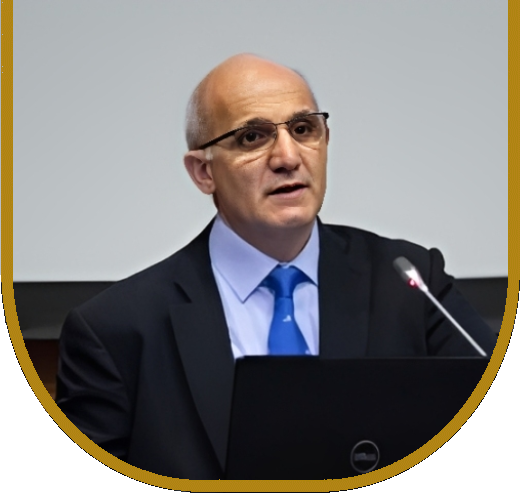
Dr. Marinos Ioannides is the founder and holder of the UNESCO Chair on Digital Cultural Heritage and Director of the Digital Heritage Research Lab at the Cyprus University of Technology. He holds an MSc in Computer Science and PhD in Engineering from the University of Stuttgart, Germany, specializing in 3D volumetric reconstruction from digitized data. He is the founder of the first-of-its-kind Research Center on Digital Cultural Heritage in Cyprus. He has secured over €12 million in highly competitive EU-funded projects since 2013, including the EU projects MSCA ITN-DCH, ViMM and ERA-Chair Mnemosyne. He is the main author of the EU Study VIGIE2020/654 on Quality in 3D Digitisation of tangible cultural heritage and the key contributor to the innovative “Memory Twin” methodology. His achievements have earned him international awards such as the EU KIT, IBM and Tartessos Prizes. Since 2020, he has also been a corresponding member of the German Archaeological Institute. His leadership has firmly positioned him as an advisor to the European Commission and his country Cyprus as a global hub in the area of digital cultural heritage.
Dr. Kin Hong Ip is a Research Assistant Professor at the University of Macau and Head of the Heritage Conservation Team at the State Key Laboratory of Internet of Things for Smart City. She holds a Ph.D. in Conservation of Architectural Heritage from the University of Technology Sydney. With over 20 years of experience in cultural heritage conservation, Dr. Ip specializes in the conservation and restoration of historic buildings, traditional materials, and the impacts of climate change on heritage architecture. She previously worked at the Macao Cultural Affairs Bureau and the Macao Museum of Art, contributing to the conservation of both movable and immovable cultural heritage. Dr. Ip has led numerous conservation projects at Macao’s World Heritage sites, including the Ruins of St. Paul’s, St. Dominic’s Church, and Mandarin’s House, as well as several adaptive reuse projects. She is also actively involved in heritage conservation education and research, having supervised master's and Ph.D. students and directed the Heritage Conservation Laboratory at Macau University of Science and Technology. Currently, she oversees 12 major heritage conservation projects under a collaboration between the Palace Museum, the Cultural Affairs Bureau of Macao, and the University of Macau. She is a member of ICOMOS China, the Association for Preservation Technology International (APTi), and the Scientific and Technological Committee of the Alliance for Cultural Heritage in Asia (ACHA).
Born in 1969, trained as an architectural technician and self-thought designer Gerco Meijer ran his Office for heritage development, bunkerQ in the Netherlands. He was confronted with large scale developments at heritage sites, The Dutch Water defence line in particular. Later on he took up jobs as a management assistant at a monument owning foundation and worked as a consultant for sustainable development of heritage. Through the years he developed the Heritage Development Model, a database helping with managing and strategic aspects of owning heritage. In 2025 he took up the opportunity to become head heritage at Limburgs Landschap. A provincial private foundation which owns 10.000 ha of land and about 85 buildings on heritage sites. The continuous maintenance and facilitation of future orientated use are now his main responsibilities.
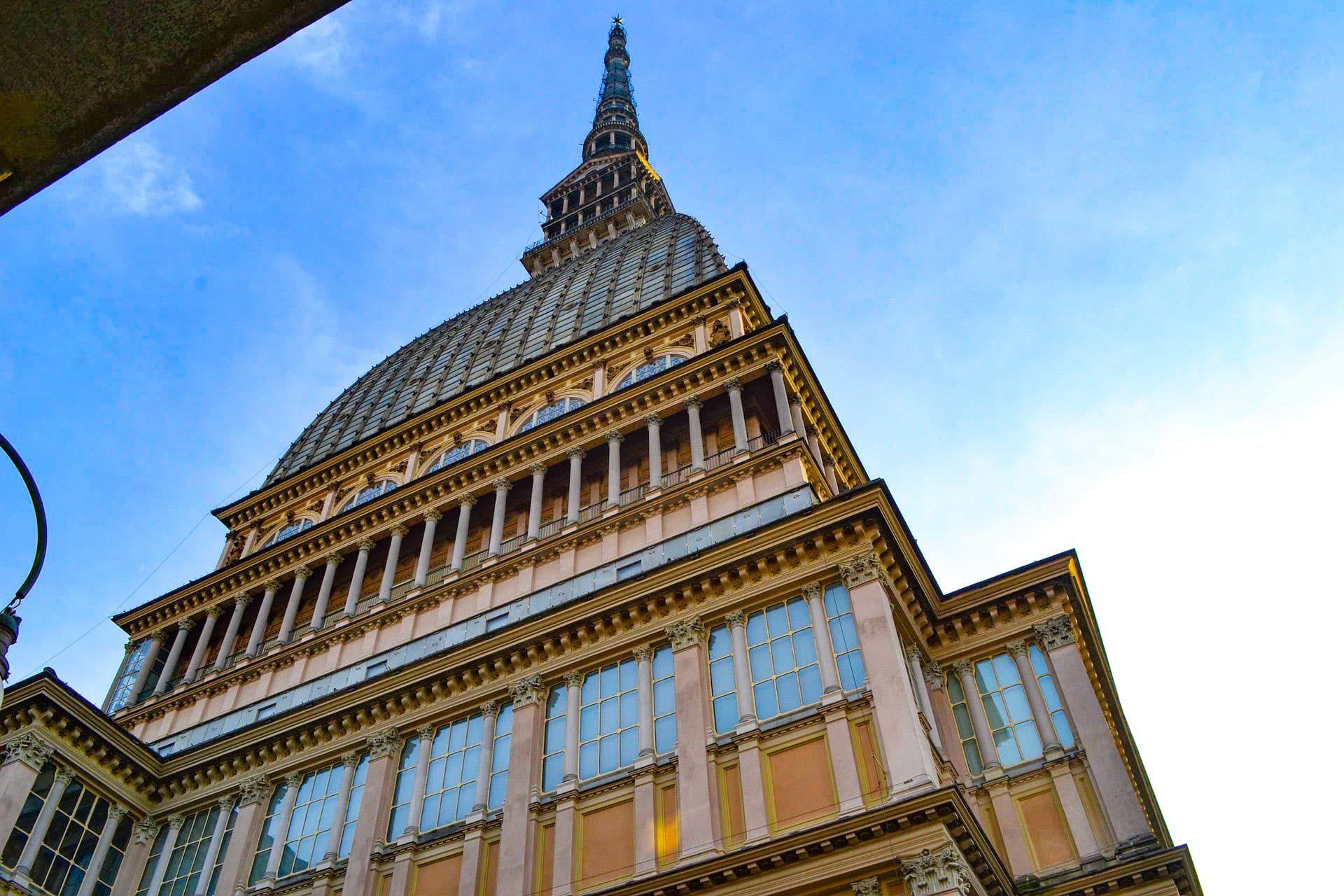
Mole Antonelliana:
Built in the 19th century, originally intended as a synagogue, it is now a symbol of Turin and houses the National Cinema Museum.
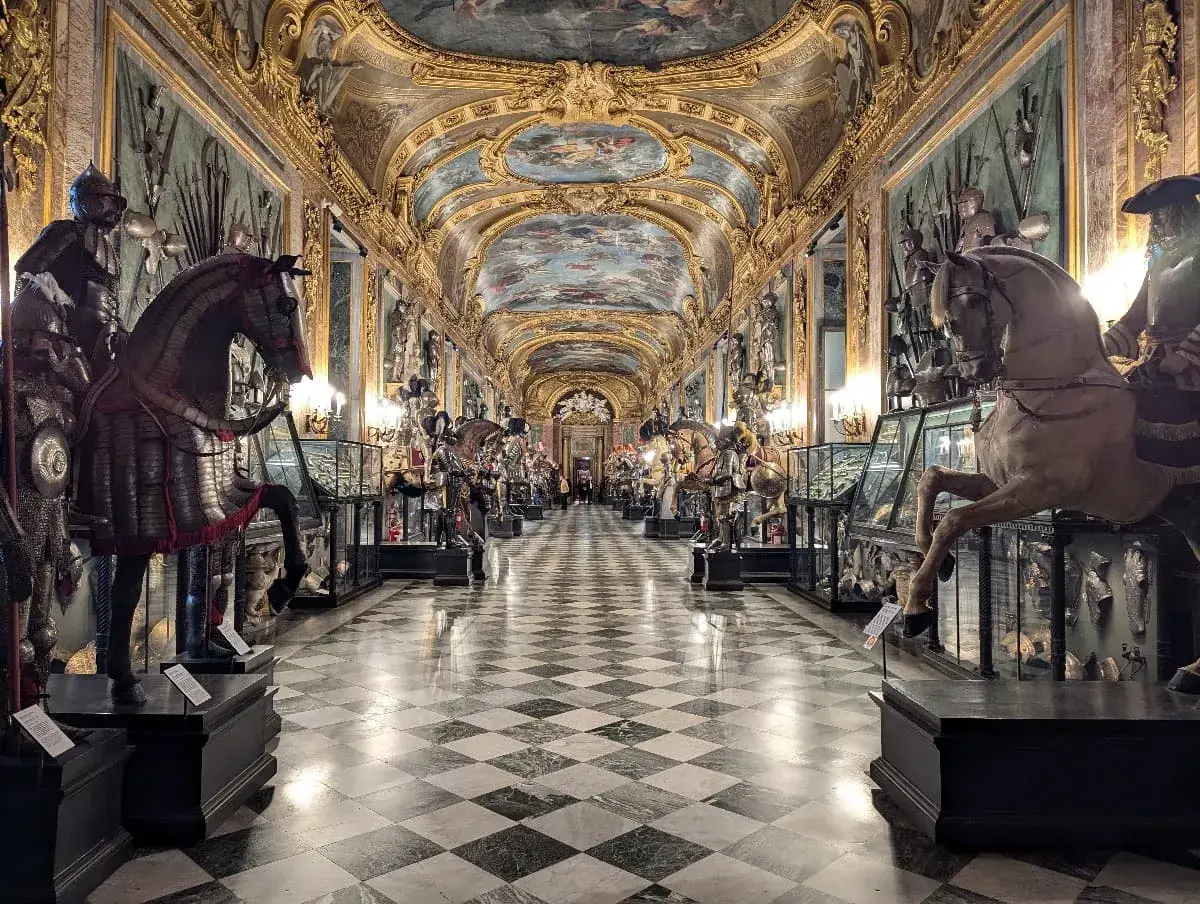
Royal Palace of Turin (Palazzo Reale):
Dating back to the 16th century, this was the residence of the House of Savoy and a center of royal power.
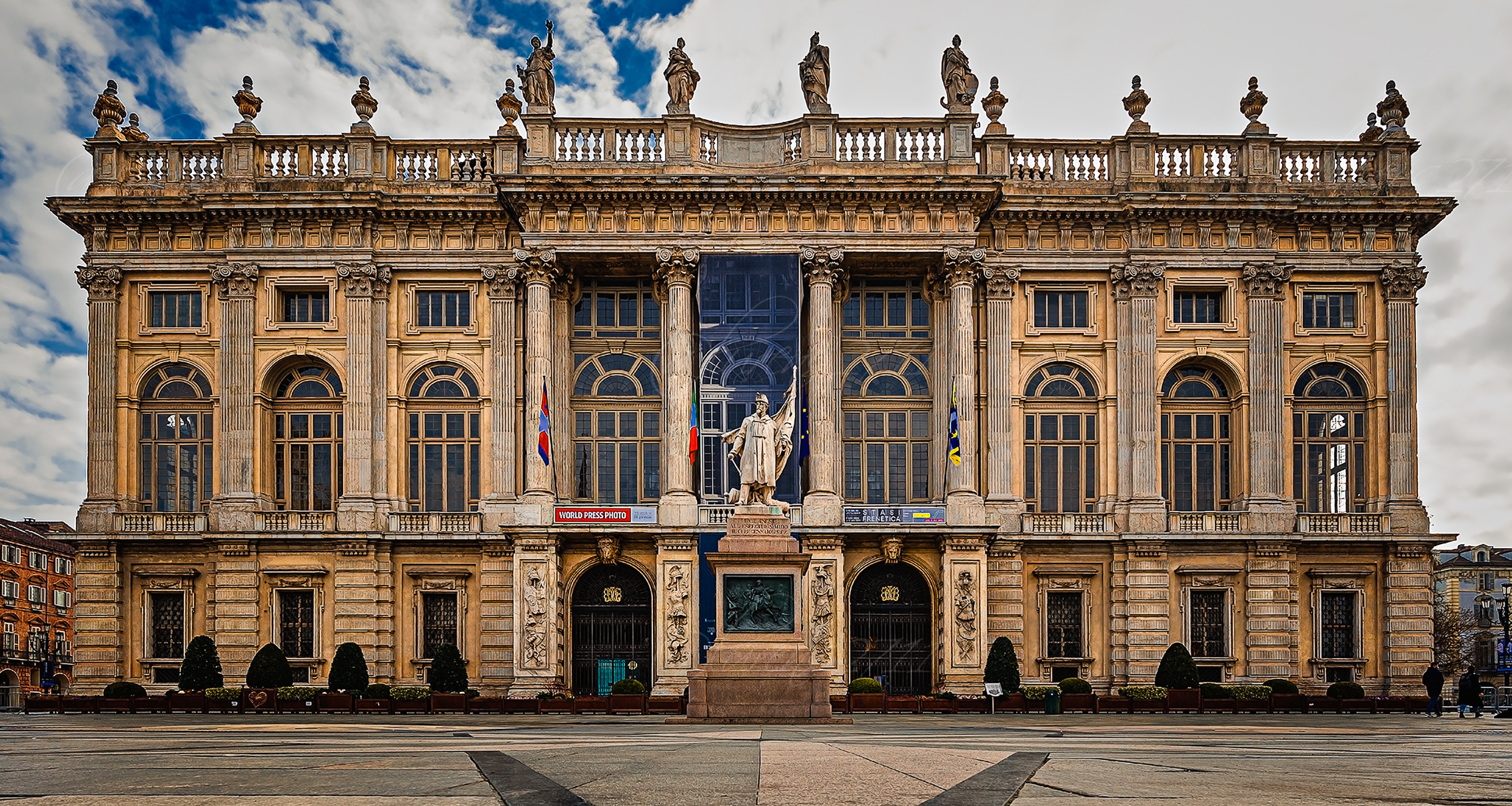
Palazzo Madama:
A historic palace with roots in Roman and medieval times, later transformed with a baroque facade in the 17th century.
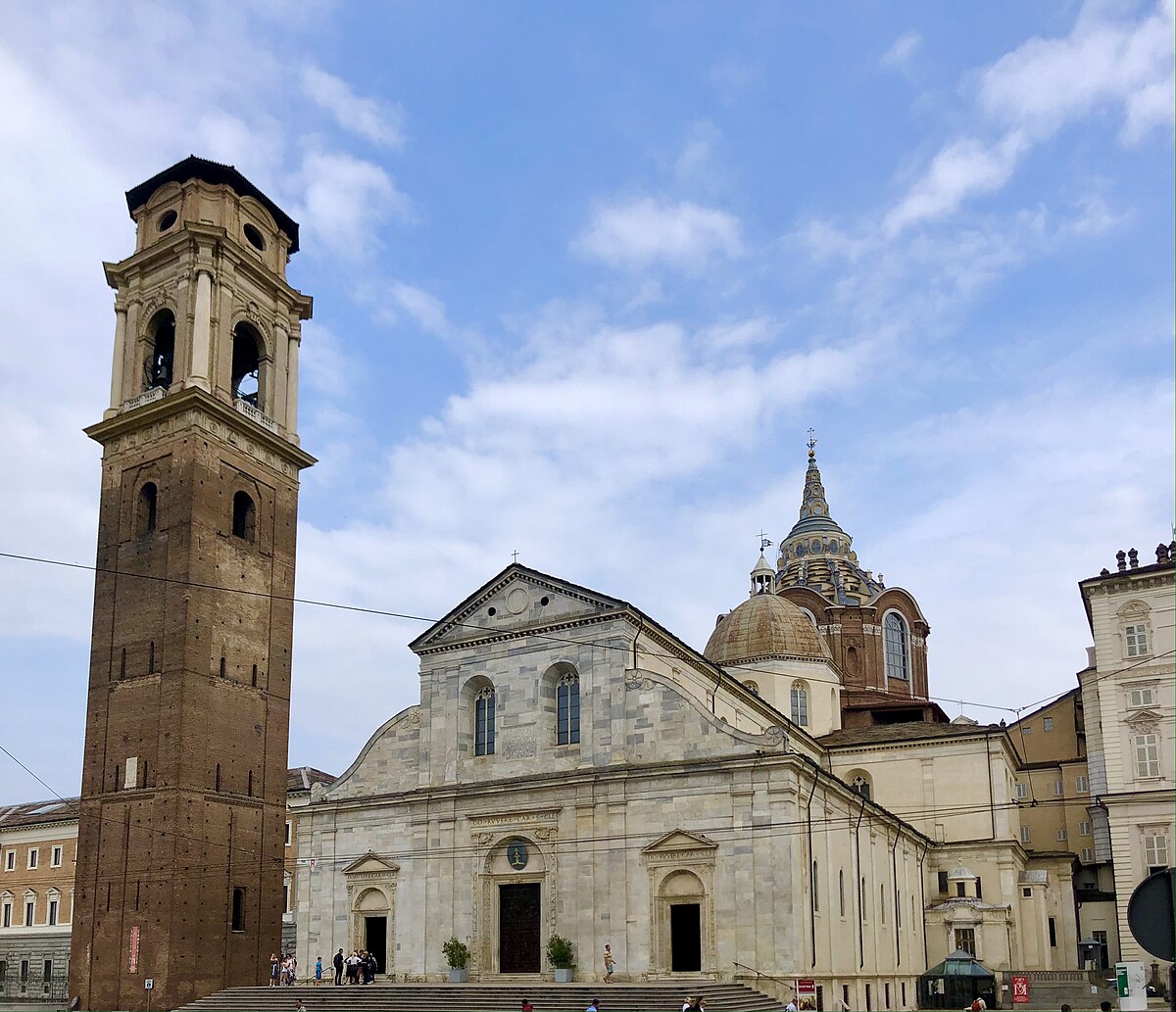
Turin Cathedral (Duomo di San Giovanni):
Constructed in the late 15th century, it is renowned for safeguarding the Shroud of Turin.
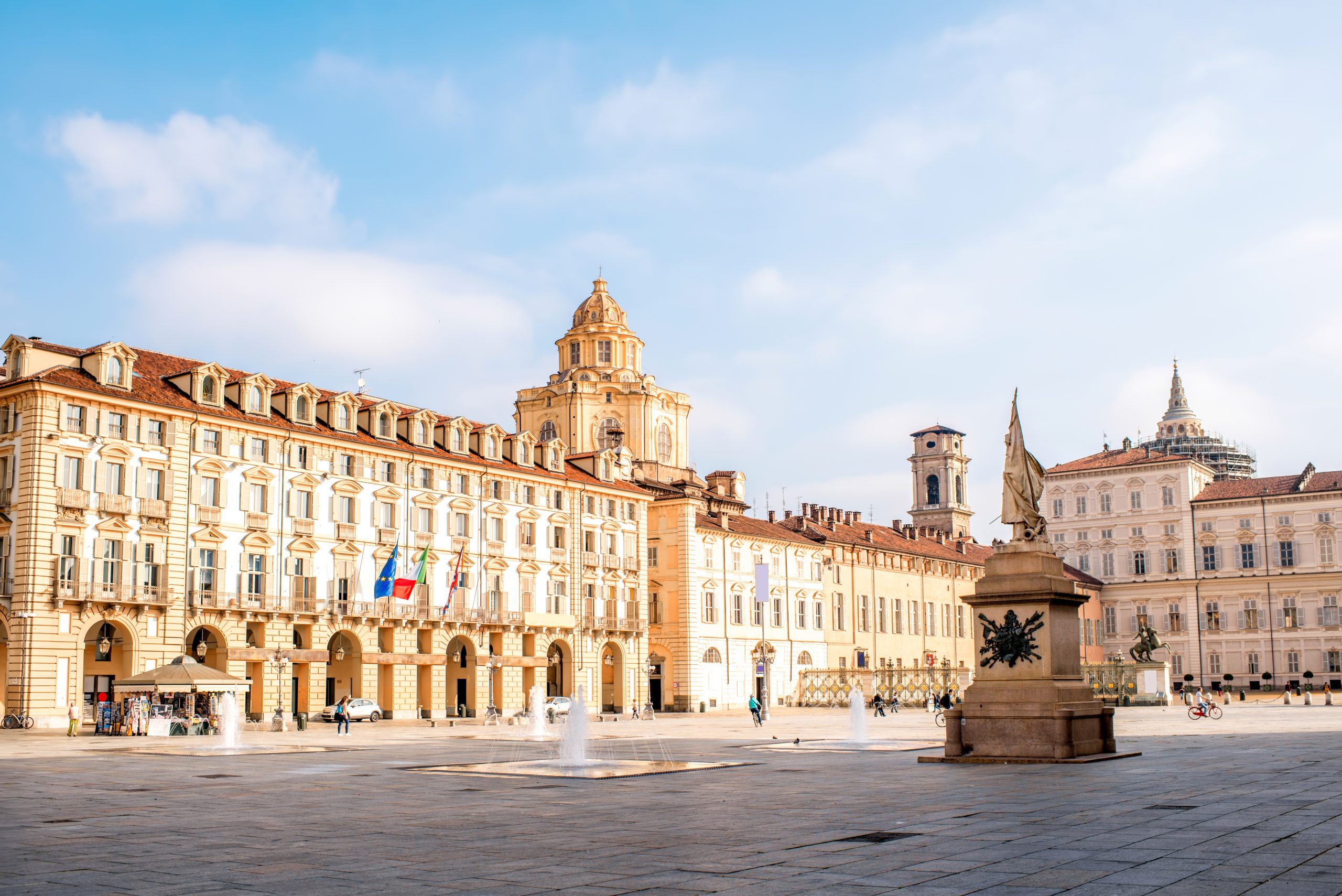
Piazza Castello:
The historic heart of Turin since the 16th century, surrounded by royal and civic buildings.
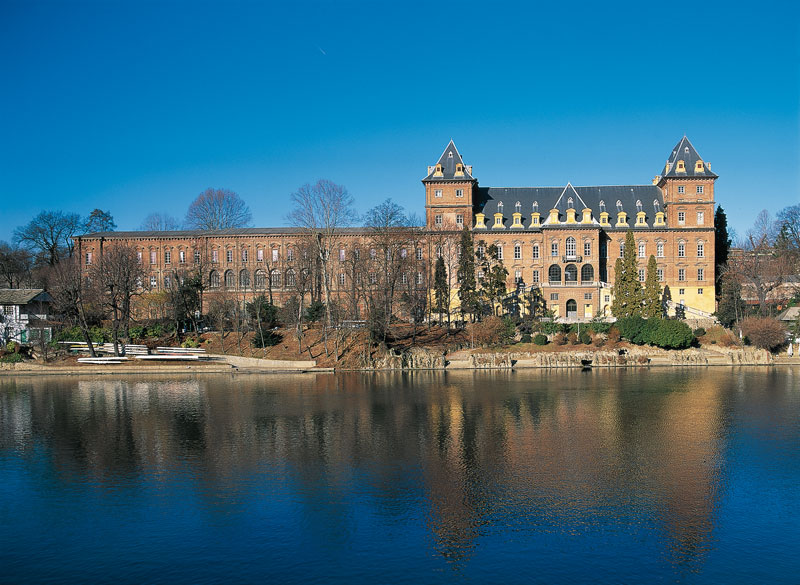
Valentino Castle:
Built in the 17th century along the Po River, this castle features Renaissance architecture and is part of Valentino Park.
Turin is an elegant city in northern Italy, known for its royal heritage, refined architecture, and peaceful atmosphere. Once the first capital of Italy, it features landmarks like the Royal Palace of Turin and the renowned Egyptian Museum of Turin. Surrounded by the Alps, Turin offers a unique blend of history, culture, and scenic beauty.
By Plane:
Turin is served primarily by Turin-Caselle Airport (TRN), also known as Sandro Pertini Airport, located about 16 km north of the city.
By Train (Recommended)
Turin is a major hub for Italy’s high-speed rail network (Frecciarossa and Italo), making it one of the most efficient ways to arrive.
By Car
Turin is surrounded by a ring road (A55) and is easily accessible via several major motorways:
Important Note on Driving: Much of the historic center is a ZTL (Zona a Traffico Limitato). Unauthorized vehicles are banned from entering between 7:30 AM and 10:30 AM on weekdays. If your hotel is inside this zone, be sure to provide your license plate to them in advance to avoid heavy fines.
By Bus
Long-distance buses like FlixBus and Itabus arrive at the Autostazione Corso Bolzano (located right next to the Porta Susa train station). This is often the most budget-friendly option for traveling from other Italian or European cities.
Important Note: The following hotels are provided as recommendations for your convenience only. Please be advised that these hotels are not official partners, and we do not provide accommodation for attendees. Booking and expenses are the sole responsibility of the participant.
Best Quality Hotel Politecnico
B&B HOTEL Torino Orbassano
Hotel Dock Milano
Turin Palace Hotel
Hotel Miramonti
ART HOTEL OLYMPIC
Hotel Genio
Liberty Hotel
Hotel Castello
Hotel Glis
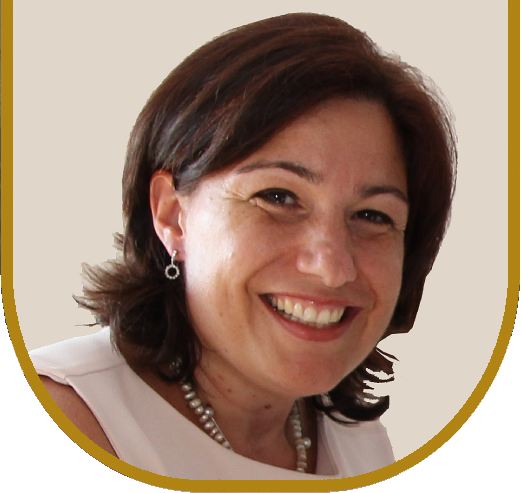
Donatella is an Associate Professor of Restoration at the Department of Civil-Environmental and Architectural Engineering, University of Cagliari. She is an Engineer, Ph.D. in Conservation of Architectural Heritage, and Specialist in the Restoration of Monuments at the Milan Polytechnic, ICOMOS and ICOFORT Expert Member, member of the Italian Society for Architectural Conservation/ Restoration (SIRA), member of the Organizing Committee of the School of Specialization in Architectural Heritage and Landscape and member of the Academic Board of the PhD in Civil Engineering and Architecture (University of Cagliari) and of the PhD of National Interest in Defense against natural hazards and ecological transition of the built Heritage (University of Catania).
Donatella’s research focuses on the recognition and analysis of cultural heritage, even in terms of National Risk Charter and UNESCO Management Plans; archaeology, archaeometry, archaeology of built heritage and urban stratigraphy; framework and quality of restoration project for cultural heritage. Since 2018 she has been the scientific manager of the Collaboration Agreement signed on 18 September 2018 between the University of Cagliari and the Ministry of Defence - General Secretariat of Defence on research and training activities in the field of engineering and architecture, full member of the Scientific Technical Committee and coordinator of the project technical boards. Currently, she works on mensiocronological study of monumental architecture in Sardinia, and in particular, of wide urban conventual complexes, rural churches, fortified systems and city walls, and modern military architectures, including the development of information systems for management and interpolation of data. In parallel, she conducts research on the history of protection in Italy and the sustainable use and reuse of defense and military Heritage.
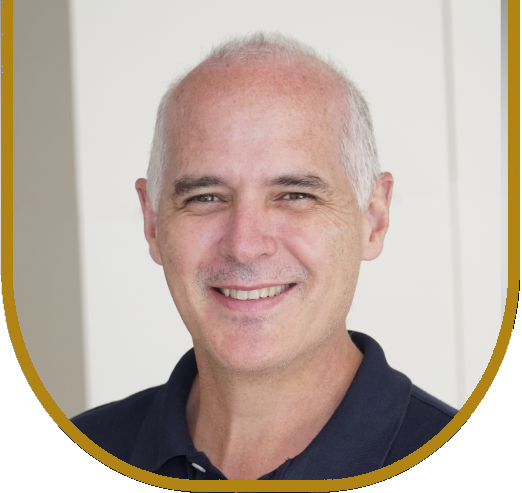
Professor Santana Quintero has contributed to conserving precious world heritage sites worldwide thanks to his innovative digital documentation methods. He is cross-appointed in the Department of Civil and Environmental Engineering and the Azrieli School of Architecture & Urbanism, both in the Faculty of Engineering and Design at Carleton University. Also, Carleton Immersive Media Studio Lab (CIMS) faculty member. Besides his academic work in Canada, he served as the immediate past Secretary-General of the International Council of Monuments and Sites (ICOMOS), treasurer of ICOMOS Canada, and he is one the Honorary President of the ICOMOS Scientific Committee on Heritage Documentation (CIPA).
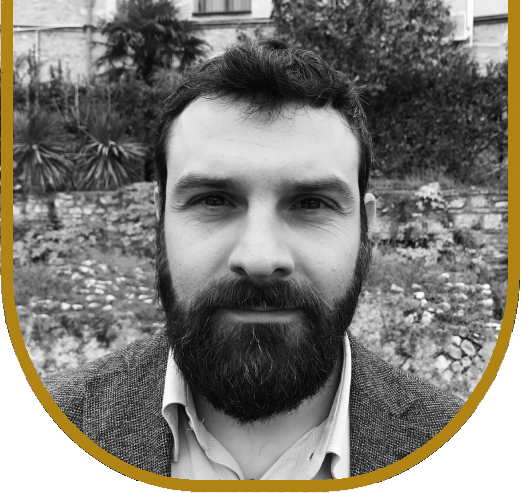
Emanuele Morezzi is an Associate Professor of Architectural Preservation and Restoration and a member of the board of the PhD in Architectural Heritage and Landscape of the Polytechnic University of Turin. Since 2010, he has been a professor in Bachelor and M.Sc. programs in courses about the theory and history of restoration and design studios. His main areas of research concern buildings in the state of ruins. In this field, he has directed his interests towards archaeological heritage with several projects in collaboration with museums and archaeological parks and towards dissonant heritage with ongoing projects of national and international character. He is a founding member of the international research center FoRS - Focus on Ruskin Studies.
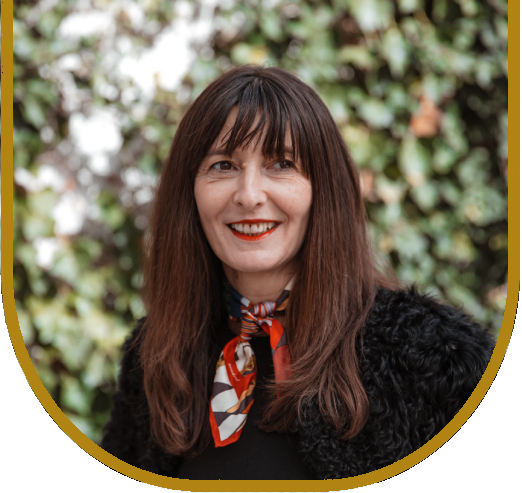
Dr. Spela Hudnik is an Associate Professor at the University of Ljubljana Faculty of Architecture, bringing more than 20 years of expertise in architecture, research, and education. She co-founded MONOCHROME ARCHITECTS in 1986 and holds a Ph.D. from the University of Ljubljana. Her work primarily focuses on global spatial transformations, encompassing social and cultural contexts, heritage, border regions, postindustrial spaces, and military architecture. She collaborates with international institutions and is actively involved in EU research projects, including Marie-Curie, Creative Europe, and HEI- TRANSFROM. Dr. Hudnik, known for her innovative and multidisciplinary approach, organized the Architecture Biennale Ljubljana. Her studio's projects stretch across Europe with a focus on sustainable architecture, highlighted by her longstanding role on the scientific committee of the GA Global Award of Sustainable Architecture in Paris. She engages in international workshops and holds visiting professorships in multiple European cities.
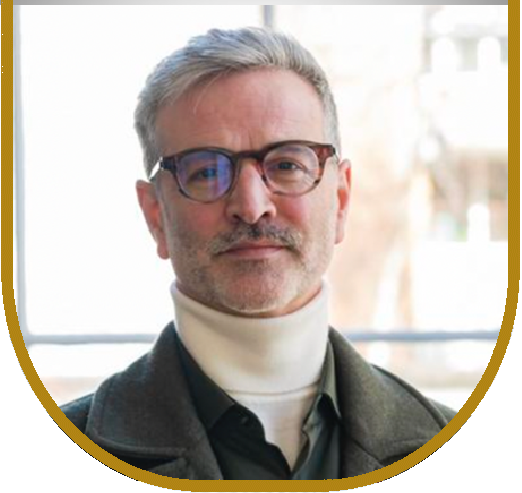
Oliver Kinnane is Head of the School of Architecture, Planning, and Environmental Policy at University College Dublin. Oliver has a keen interest in conserving our built heritage. His research bridges conservation and science. Currently he leads a team of researchers (Walker, Hofheinz, and Engel-Purcell) focused on the testing of traditional building fabrics and the detailed analysis of the hygrothermal properties of the materials they were constructed with (FabTrads project). A follow on project (TradFabs) goes beyond the characterization of walls by individual materials and tests and analyses optimum retrofit options for traditional and historic structures considering their complex hygrothermal performance.
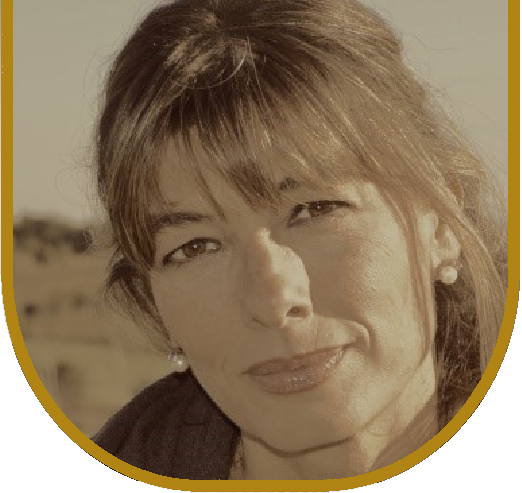
Bianca Gioia Marino, architect, a specialist in Monument Restoration and PhD in Conservation of Architectural Heritage, is Full Professor of Architectural Restoration at the Department of Structures for Engineering and Architecture (DiST), University of Naples Federico II. She is an expert member and coordinator of ICOFORT and member of the Teaching Board of the Doctorate in Architecture at DiARC. You are a teacher at the School of Specialization in Architectural and Landscape Heritage of Naples. You are the author of over one hundred essays, you are the scientific director of a PRIN project; scientific director of the FREQUENZE2 conservation|restoration|architecture series, as well as member of scientific and editorial committees of class A magazines.
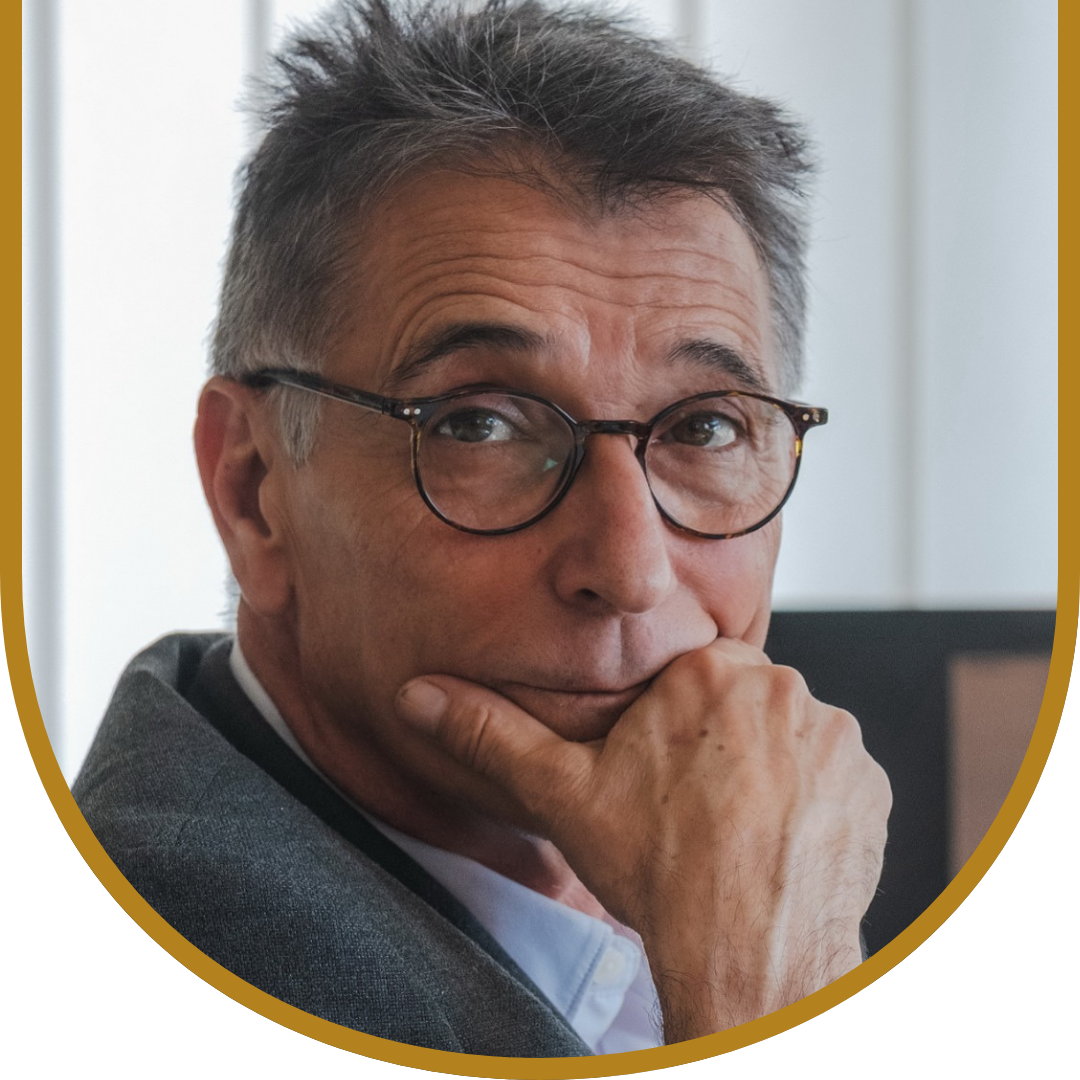
Andrés Martínez Medina, Ph.D. in Architecture from the Polytechnic University of Valencia since 1995, is a Full Professor of Modern Architectural Heritage at the University of Alicante. He is an expert in the history and heritage of 20th century architecture in the Spanish Mediterranean, with special attention to military heritage. He has published books, chapters, articles and communications at specialized international conferences. Of his production, the books stand out: 'Arquitectura del sol – Sunland architecture' (2002), 'Drawings and architecture of Miguel López González, 1932-1968' (2008), 'Architectures for the defense of the Mediterranean coast, 1936-1939' (2016) and 'Notebook of Nueva Tabarca' (2021).
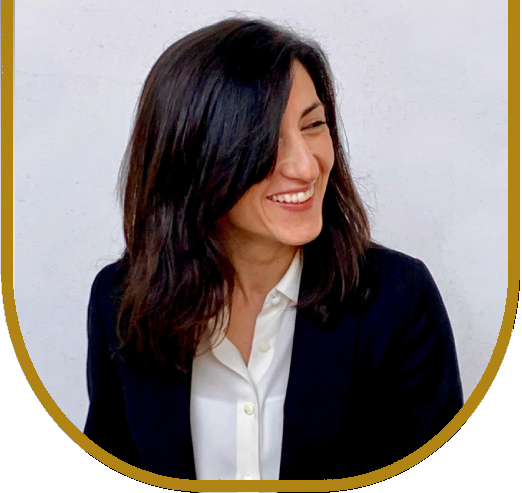
Sara Di Resta is an Associate Professor of Architectural Preservation at Università Iuav di Venezia. Architect, Ph.D. in ‘Conservation of Architectural Heritage’, her research activities are focused on the conservation of 20th-century heritage and on the architectural language in conservation design. She is responsible for Education and Internalization of SSIBAP - the Specialization School on Architectural and Environmental Heritage in Venice. In 2017 she won a Gold Medal at the VI Domus International Prize for Architectural Conservation. She is an executive board member of Docomomo Italia and former executive board member of SIRA - the Italian Society of Architectural Conservation.
Valentina is an Assistant professor in Restoration (Department of Civil-Environmental Engineering and Architecture, University of Cagliari). She is a Conservator of Architectural and Environmental Heritage and holds a Ph.D. (2017) in Technologies for Conservation and Restoration of Cultural Heritage (University of Cagliari). Valentina is also the author of publications on the protection, conservation, and enhancement of the historical-architectural heritage, with particular attention to fortified heritage and historical production landscape; other interests include the reuse of former ancient prisons, both nationally and internationally, the urban conservation methodologies and gender studies applied to the heritage preservation field. She is a lecturer at the School of Specialisation in Architectural and Landscape Heritage (University of Cagliari), co-director of the book series “Continuità”, published by UNICApress, and consultant for heritage conservation.
Marie-Thérèse van Thoor (PhD) is trained as an architectural historian and works as an associate professor at the section of Heritage & Architecture of TUDelft. Her publications, research, education, and Ph.D. supervision expose theory and practice both in architectural history and heritage studies. The focus of her work lies in Dutch pre-war architecture, in particular the work of G.T. Rietveld, post-war public buildings, UNESCO World Heritage and cultural values (assessment). She was co-editor and co-author of publications about the restoration and transformation of the Sanatorium Zonnestraal and the Rijksmuseum Amsterdam, and editor-in-chief of the academic journal Bulletin KNOB.
Dr. Kanika Bansal is presently working as a Professor & Dean of Academics with the Chitkara School of Planning & Architecture (CSPA), Chitkara University, Punjab, India. She completed her Doctoral studies at GNDU, Amritsar in “Built Heritage Conservation in the Colonial Hill Towns of India”. With more than two decades of professional and academic experience, Dr. Bansal excels in academic leadership, teaching, research, consulting, training, and mentorship through her innovative initiatives for student and faculty development. She has been bestowed with several awards for her contribution in the field of academics and research such as the Academic Achiever Award, Women Researcher Award, and Emerging Leader Award, to name a few. She has to her credit three design patents granted, many research publications in reputed national & international Journals and conferences, and has been invited as a resource person in various national and international forums.
Architect, PhD in History and Conservation of Cultural Heritage, Full Professor of Restoration. Vice Dean of the Faculty of Engineering and Architecture, Director of the School of Specialization in Architectural and Landscape Heritage, and Director of the “Cagliari Accessibility Lab” Interdepartmental Center. Visiting professors in Italian and European universities. The more recent researchs topics concern the relationship between Ancient and New, the reuse of abandoned buildings, specifically of Heterotopic spaces (prisons, asylums, hospitals), the contribution of women in the field of conservation, as well as conservation and restoration questions, at the urban and architectural scale.
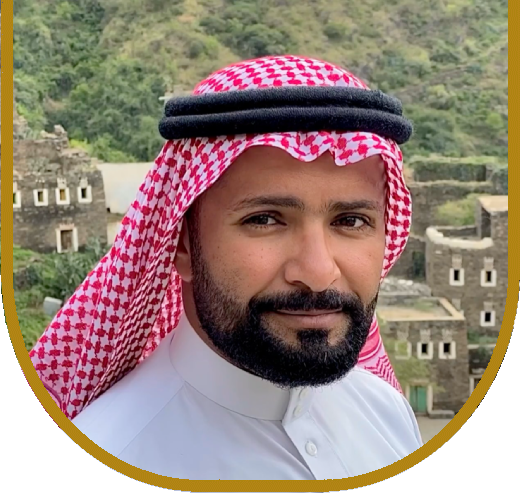
Sultan Almutery, an architect and academic since 2007, specializes in architectural and urban conservation. Holding a PhD in Urban Studies from Université Jean Moulin Lyon III, he has contributed to heritage projects and academic curricula, emphasizing the integration of traditional and modern design. At first at King Saud University and currently in the Royal Institute of Traditional Arts.
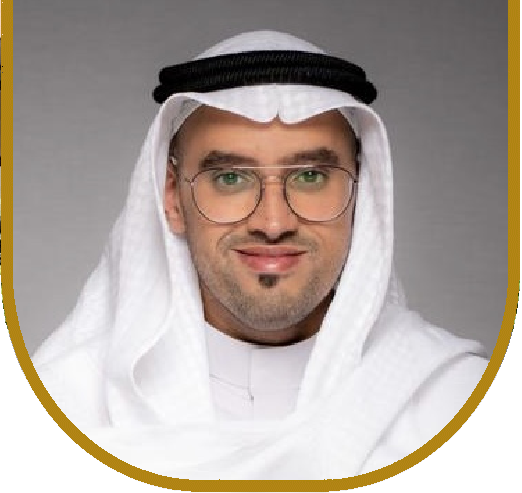
An architectural academic with scientific and practical experience in the management and preservation of tangible and intangible cultural heritage. Experience in developing educational and training programs, especially those related to traditional arts and cultural heritage. Specializing in the fields of cultural heritage documentation and architectural conservation of cultural heritage sites.

Dr. Qian Du is a lecturer at the Department of Architecture, School of Design, Shanghai Jiao Tong University. She currently serves as the course director of the M.Arch. (International) program and the vice director of the International Research Centre for Architectural Heritage Conservation (IRCAHC) at SJTU. Dr. Du's research interests include the theory of architectural conservation, conservation technology, history of building technology, and conservation for traditional rural settlements, with a particular focus on the comparison of conserving and revitalizing architectural heritage in cross-cultural contexts. She actively participates in architectural heritage conservation practices in China and traditional village revitalization efforts.
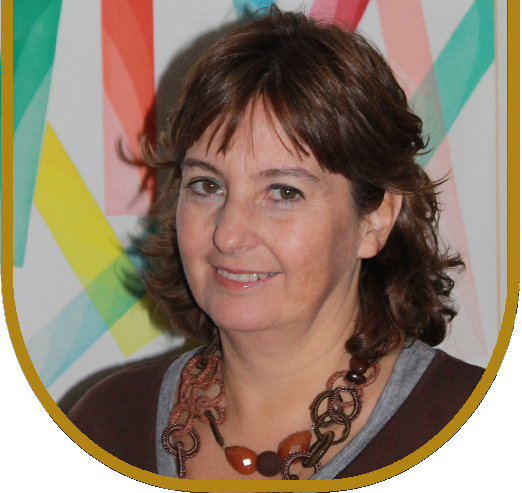
Marina Docci is Associate Professor of Architectural Restoration at Sapienza University of Rome. She teaches in Architecture master's degree course and is member of the Doctoral Board in History, Representation and Restoration of Architecture. Currently, she is a member of the Board of Directors and vice-president of AIPAI- Italian Association for Industrial Archaeological Heritage (2022-2025), member of SIRA-Italian Society for the Restoration of Architecture. She carries out her research in the field of conservation and enhancement of cultural heritage, focusing on the analysis and evaluation of the transformation processes both of the city and its architecture, particularly on the knowledge and recovery of disused industrial heritage. She is the author of numerous publications and a member of the editorial board of the scientific journals «Patrimonio Industriale» and «Bollettino del Centro di Studi per la Storia dell’Architettura».
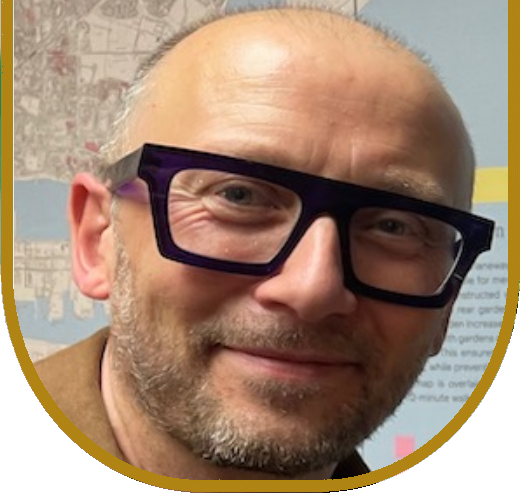
Dr Philip Crowe is University College Dublin (UCD) Assistant Professor for Climate Responsive Design in the School of Architecture, Planning and Environmental Policy (APEP) and the School of Civil Engineering. He is co-Director of UCD Centre for Irish Towns; Programme Director of the MSc in Architecture, Urbanism and Climate Action; and Director of Research in UCD APEP. Philip is working on a range of EU and nationally funded research projects relating to town revitalization, vacancy and adaptive reuse, compact urban growth, urban resilience, heritage reactivation, and citizen participation in processes of change. He was Director of Sustainable Design at M.CO (Dublin) 2003-2012.

Dr. Zeynep Aktüre is a restoration architect teaching architectural and urban design and history, conservation in archaeological sites, and management of heritage sites at Izmir Institute of Technology (IZTECH). Her current research and publications are on the UNESCO World Heritage Programme; conservation history, modern uses and digital visualizations of cultural heritage sites and monuments; politics of cultural heritage, and museum studies. She is a member of the Turkish National Commission for UNESCO’s Tangible Heritage Committee (Vice President), ICOMOS ISC on Places of Religion and Ritual, ICOMOS Turkey National Committee, Mediterranean Studies Association, and Society of Architectural Historians (SAH), among others.
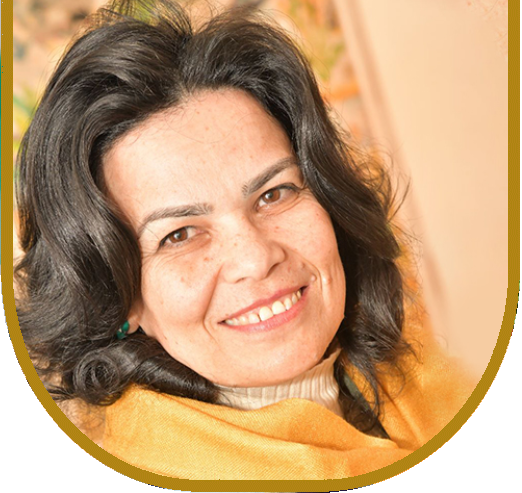
Nevin Gharib, a Professor of Architecture and Heritage Preservation, serves as the Acting Dean & Vice Dean for Education and Student Affairs at the Department of Architecture, Faculty of Fine Arts, Alexandria University. She holds a BSc (1994) and an MSc (1999) from Alexandria University, followed by a PhD (2003) in a program of Data Collection at The University of Rome I La Sapienza, Italy (awarded by Alexandria University). Her research papers are published in international journals, including the “International Journal for Housing Science”. Since 2017, she has led the “City Transformation Lab” at Alexandria University. Nevin actively participated in international cooperation projects, such as Erasmus+KA2 IMPAQT, KassAlex with Kassel University (Germany), and the MIDDLE EASTERN HERITAGE COLLABORATIVE RESEARCH HUB with Portsmouth University (UK). She is the Principal Investigator for two other funded projects from the EU & DAAD. Additionally, Nevin contributes to the Scientific Committee for Examination of Scientific Production for the Positions of Professors and Assistant Professors in Architecture and Urban Planning at the Supreme Council of Universities under the Ministry of Higher Education in Egypt. Her involvement extends to organizing national and international workshops across various cities from 2013 to 2024.
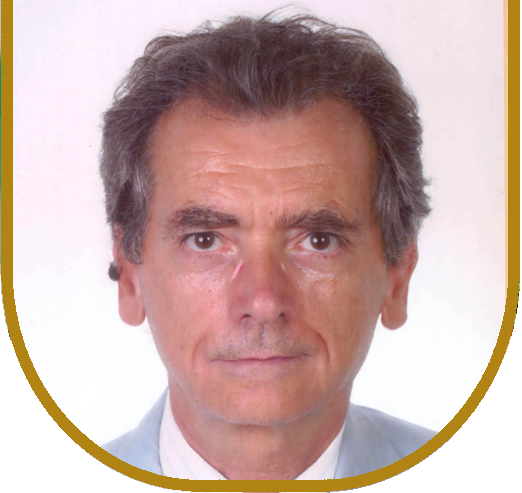
Pietro Matracchi, architect, associate professor of Architectural Restoration at the Department of Architecture of the University of Florence. His scientific achievements are characterised by studies on the analysis of the architectural artifacts. He developed an architectural diagnostics that aims to increase the knowledge both of the construction techniques and of the construction phases related to the building site operational aspects, focusing also the conservation problems of the materials and structures. In the field of architectural diagnostics of monumental buildings, he provides consultancy services for both public and private institutions.
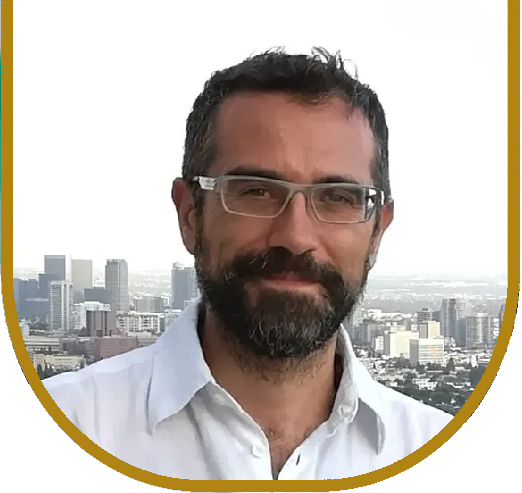
Edoardo Currà is associate professor of architectural engineering at Sapienza University in Rome. He is president of AIPAI-TICCIH Italia, the Italian association for archaeological and industrial heritage. He coordinates studies and programmes related to the knowledge of modern architecture, the relationships between technology, construction and industrial culture.
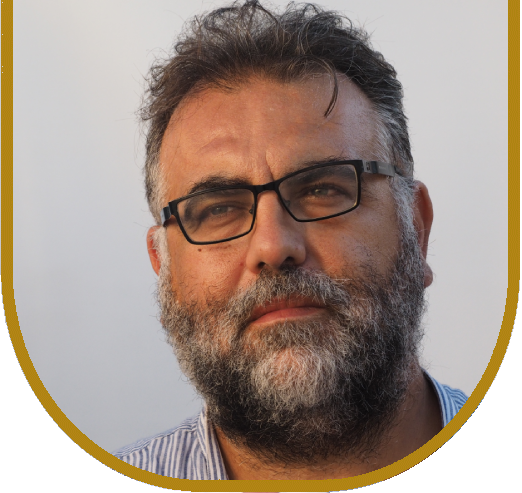
Dr Architect and Civil Engineer of Spain, author of dozens of Master Plans and heritage restoration works in Spain and abroad, including the castles of La Mota, Ponferrada and Cornatel in Castilla y León, the Renaissance walls of Ibiza, the Royal Hospital in Santiago de Compostela or the walls of Almazán, Soria and Talavera, for which he has received numerous national and international awards. He is the author of 12 books and more than a hundred published studies on the history of fortification and urban planning and on research methodology and heritage restoration. He is a Master and PhD lecturer at several Spanish universities, a consultant for UNESCO, and is currently Vice-President of the International Committee of ICOMOS-ICOFORT.
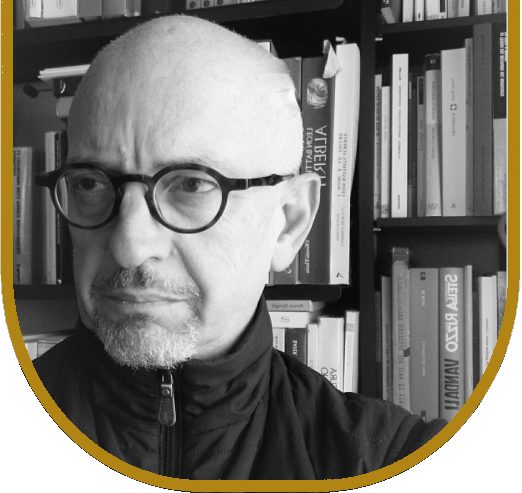
Andrea Ugolini is an associate professor of architectural restoration. His research and teaching focus on the conservation and management of cultural heritage, with a particular emphasis on masonry ruins and archaeological sites. Since 2007, he has pursued a professional career in these areas. As an expert, Ugolini has taken part in excavation projects in Italy and abroad, and he has recently contributed to the preparation of the master plan and several conservation projects for the Etruscan site of Populonia. He is responsible for agreements with the Ministry of Cultural Heritage for the development of plans for preventive and planned conservation of archaeological sites.
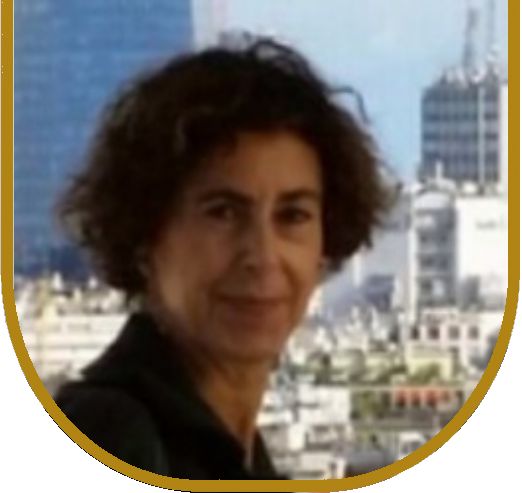
Valeria Pracchi, Ph.D., Full Professor in Architectural Restoration, is currently deputy director of the Post Graduate Degree - School of Architectural and Landscape Heritage in Politecnico of Milan. She is a member of the scientific society SIRA (Italian Society for the Restoration of Architecture) since its foundation. She participated in several national and international research projects; she organized or participated as a speaker in more than 60 scientific conferences in Italy and abroad and authored over one hundred and twenty essays, and 4 monographs and edited 4 books. In the last years, her research mainly focus on the energy efficiency in historic buildings.
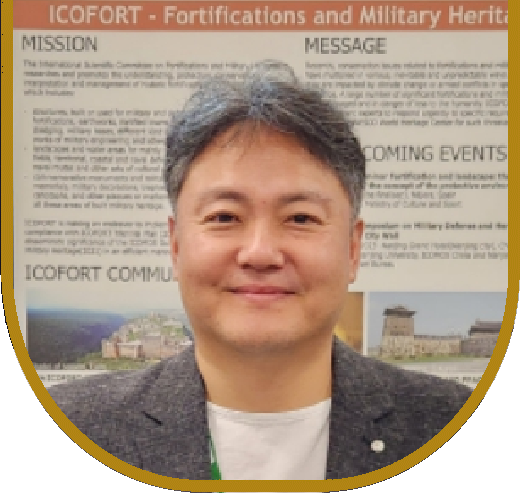
Dr. CHO Doo-Won is a World Heritage expert esp. in field of Fortifications and Military Heritage and has lectured on conservation principles, conservation and management focused on World Heritage at several universities in Korea since 2015. He successfully led a project on World Heritage Nomination of Namhansanseong (2010-2014) of ROK. He is currently serving as a Vice President of ICOMOS KOREA (2024-2026), a board member of ICOMOS International (2024-2026) and served as President of ICOMOS-ICOFORT (2023-2025), General Secretary, Asia-Pacific Regional Coordinator (2019-2022), and Vice-President (2015-2019) of ICOMOS-ICOFORT. He participated in the formulation of ‘ICOMOS Guidelines on Fortifications and Military Heritage (2021)’ prepared by ICOFORT and of ‘the Korean Conservation Principles on Cultural Heritage through value-based approaches’ as one of task force members designed by Korea Heritage Service & ICOMOS Korea (2021-2022).
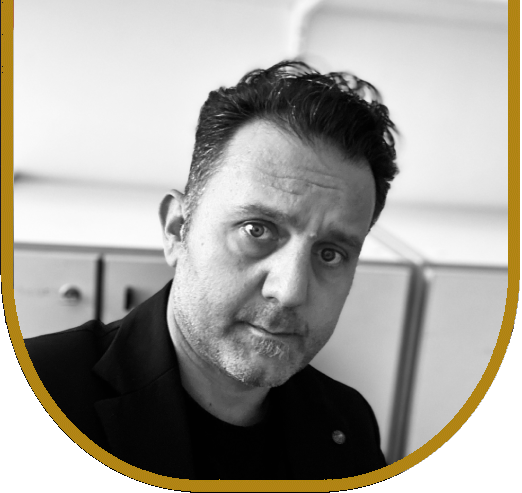
He is the author of several essays and studies relating to the theory and practice of architectural preservation. In particular, in recent years the research activities have been aimed, on the one hand, at investigating the role of the reuse of architecture in the conservation project, investigating its methodological and theoretical aspects, also in relation to the intersections of this theme with other disciplines; the encounter and contamination of the discipline of restoration with the social sciences, however, has also characterized and stimulated research on the so-called "difficult heritages", deepening how this concept is translated in the context of the intervention on the pre-existing architecture. The most recent research activities are addressed to the study of the depopulation processes of small towns in Italian southern inner areas and strategies for the conservation and enhancement of abandoned heritage, with particular reference to the Calabria region (Italy). He is a member of the Scientific Committee of the open access journal “ArcHistoR - Architecture History Restoration”, and of “Intrecci – International Journal of Architectural Conservation and Restoration”. He is also editor and member of the Scientific Secretary of the Journal “Storia urbana” (Franco Angeli Editore).
Paolo Vitti is a practicing architect and historian of architecture: He is an expert in ancient and modern architecture, restoration of cultural heritage sites, sustainable architecture, construction history, and museum design. Prof. Vitti is particularly interested in the use of traditional building techniques and their relationship with sustainable architecture. His professional experience includes the documentation, study, and conservation of several sites in Italy, Greece, Turkey, Tunisia, Cyprus, Palestine, and Morocco. He has worked in such monuments as the Colosseum, the Domus Tiberiana on the Palatine Hill, the archeological sites of Paestum and Sybaris, and Maqam en Nabi Musa in Jericho. His restoration of the Armenian Church and Monastery in Nicosia (Cyprus) has received the "European Heritage Award/Europa Nostra Award" in 2015. His book "Building Roman Greece. Innovation in Vaulted Construction in the Peloponnese" received Grand Prix "European Union Cultural Heritage Award / Europa Nostra" 2014 and "The Erma di Bretschneider Award in Archeology for the Research" 2014. He is a Board Member of Europa Nostra, the pan European Association for Cultural Heritage, and part of the expert group for several activities, including the action addressed to mitigate and adapt to climate change. From 2002 to 2015 tutor at the Course of Restoration of Monuments at the Sapienza University of Rome. From 2010 to 2016 adjunct professor at the University of Rochester “Italian Studies in Tuscany” program in Arezzo. Visiting Associate Professor of Ancient Architecture at the University of Rome Tre from 2014 to 2020. In 2015, instructor of Cultural Heritage Management for the Specialization in Archeology at the University of Padua. and in 2018 Visiting professor at the Specialization in Archeology of the University of Salerno. In 2017/22 he held several courses on Architectural Conservation in Morocco.
Ever since 1996 Gerrit Meijer has been involved to heritage. Private houses, Industrial complexes, churches, and forts. Previously through his own company bunkerQ and now through Hylkema Erfgoed in Utrecht, the Netherlands. He has been a designer, thinker and advisor. Art projects like ‘chestnut’ and ‘shelter for a shelter’, architectural projects on Fort ’t Hemeltje and Fort Vechten, economic survey ‘raming instandhouding Nieuwe Hollandse Waterlinie’, database design ‘Heritage Development Model’ and large scale landscape masterplans like ‘defense park Hoek van Holland’. He is a board member of ICOMOS Netherlands and European coordinator for ICOFORT, the ICOMOS ISC on military heritage.
Coordinator of the College of Architecture; Scientific Manager of the Non-destructive Diagnostics Laboratory. Member of the Board of CHG (Construction History Group) Polito. Among the research carried out as Scientific Director, we highlight: Instead of Restoration: culture and practice of maintenance as a preventive or accompanying tool (2013-15); Technologies applied to the valorization and conservation of cultural heritage: Italy-Algeria bilateral project (Ministry of Foreign Affairs, 2016); Save the traditional Village: with Shanghai Jiao Tong University (China, since 2016); European Erasmus+ project: ERAMCA (Environmental risk assessment and mitigation on Cultural Heritage assets in Central Asia), responsible for the Restoration area since 2020. You have designed and directed numerous restoration interventions in Italy.

Lecturer in Architectural Conservation, Director PhD in Architecture by Research and Depute Director, Scottish Centre for Conservation Studies, Stoica is a registered architect and urbanist specializing in the historic environment. Her research, teaching, and consultancy work focuses on the evolving field of theory and methodology of conservation approaches for built heritage as a dynamic system of both physical (man-made & natural) and social elements. Expert Member of ICOMOS ISC TheoPhilos, member of Forum UNESCO – University and Heritage and Una Europa SSC Cultural Heritage.

Background: Degree in Forest Sciences, and PhD in Wood Sciences. Current position: Research Director at National Research Council of Italy , Institute of BioEconomy (CNR – IBE). Head of the Laboratory of Wood Anatomical Characterisation. Research interests: Researches on anatomical wood characterisation, with a particular attention to wood in cultural heritage. Special focus on historic timber structures; on waterlogged archaeological wood; and wooden statues. Teaching activity: Teacher of “Wood anatomy and wood identification” at the University of Florence. National and international collaborations with several universities, visiting professor at ESB (F), Bournemouth Univ. (UK) and Yangzhou Univ. (CN).
Professore Associato di Restauro (CEAR-11/B). Si occupa principalmente di archeologia dell’architettura per le costruzioni storiche e contemporanee e di interventi di conservazione del patrimonio materiale e immateriale delle aree mediterranee. Membro di Comitato Internazionale Pemanente RIPAM (Rencontre Internationale sur le Patrimoine Méditerranéen) dal 2013, Sira (Società Italiana per Il Restauro dell’Architettura) dal 2013 e ISCUM (Istituro Storia della Cultura Materiale) dal 1989, ha pubblicato diversi libri con Franco Angeli (Milano), EGIG (Genova), EPC (Roma) e oltre 300 articoli su riviste italiane e straniere. Dal 2011 dirige le attività nell’Area di Archeologia Industriale Tiziano Mannoni. Svolge la sua attività di ricerca e di didattica presso il DAD (Dipartimento di Architettura e Design) dell’Università di Genova. Associate Professor of Restoration (CEAR-1/1 B). She is mainly concerned with archaeology of architecture for historical and contemporary buildings and with the restoration and conservation of the tangible and intangible heritage of Mediterranean areas. Member of the International Pemanent Committee RIPAM (Rencontre Internationale sur le Patrimoine Méditerranéen) since 2013,Member Sira (Italian Society for the Restoration of Architecture) since 2013 and Member ISCUM (Institute for the History of Material Culture) since 1989, she has published several books with Franco Angeli (Milan), EGIG (Genoa), EPC (Rome) and over 300 articles in Italian and foreign journals. Scientific director of the “Tiziano Mannoni” Industrial Archeology Area. She carries out his research and teaching activities at DAD (University of Genoa).

Kevin Santus is a Ph.D. Architect, currently a Research Fellow and Adjunct Professor in Architectural Design at the Department of Architecture and Urban Studies at Politecnico di Milano. His academic work focuses on the intersection of architecture, ecology, and urban transformations, with particular attention to climate vulnerabilities. His publications and participation in international seminars focus on the impacts of the climate crisis on morphological and typological elements of design, as well as the related methodological and theoretical implications. Recently, his work has delved into the work of architects in rural areas, focusing on their relationship with local materials and reuse strategies. In addition to his academic activity, he co-founded the collective Fragile Fortuna, served as a research consultant at the Brookfield Sustainability Institute in Toronto (2022-2023), and contributes as a writer for DOMUSweb.
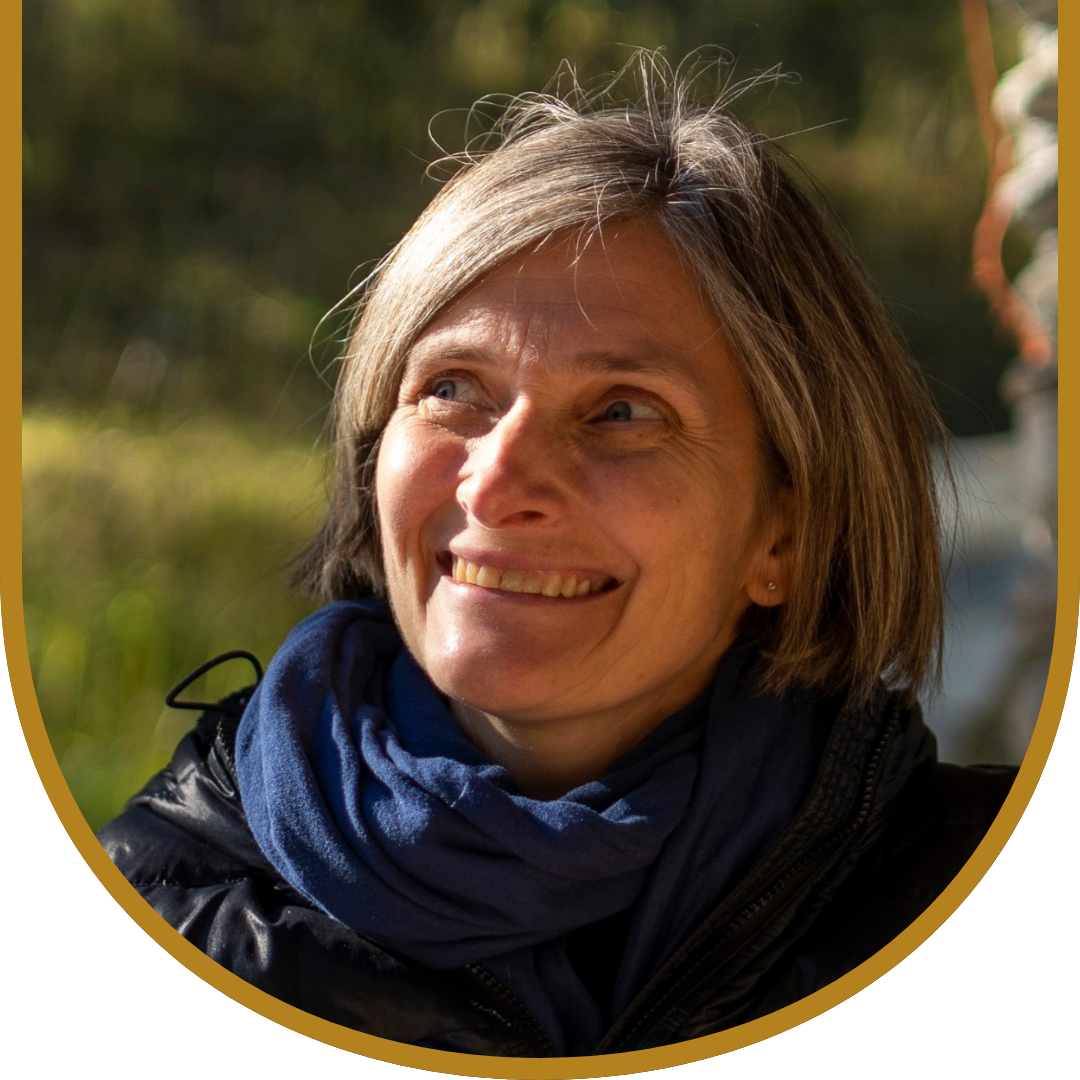
Michela Benente is an architect, researcher, and associate professor of restoration at the Politecnico di Torino. She deals with the enhancement of cultural heritage with a focus on accessibility and inclusion, on which she has conducted research projects (with particular reference to communication and transmission of cultural heritage, museums, and cultural sites). He has collaborated and carries out research with numerous Italian institutions, including the Musei Reali Torino, Museo Egizio di Torino, Museo Nazionale Etrusco di Villa Giulia di Roma and with the Consulta per le Persone in Difficoltà (Council for People in Difficulty) for the evaluation of accessible projects, in particular in relation to cultural heritage. She is a member of the research group that won a national Prin PNRR project in 2023 and an international Horizon Europe project on the collaboration between Neuroscience and Museography. She is the author of articles on these topics at national and international level and has participated as a speaker at conferences and congresses.
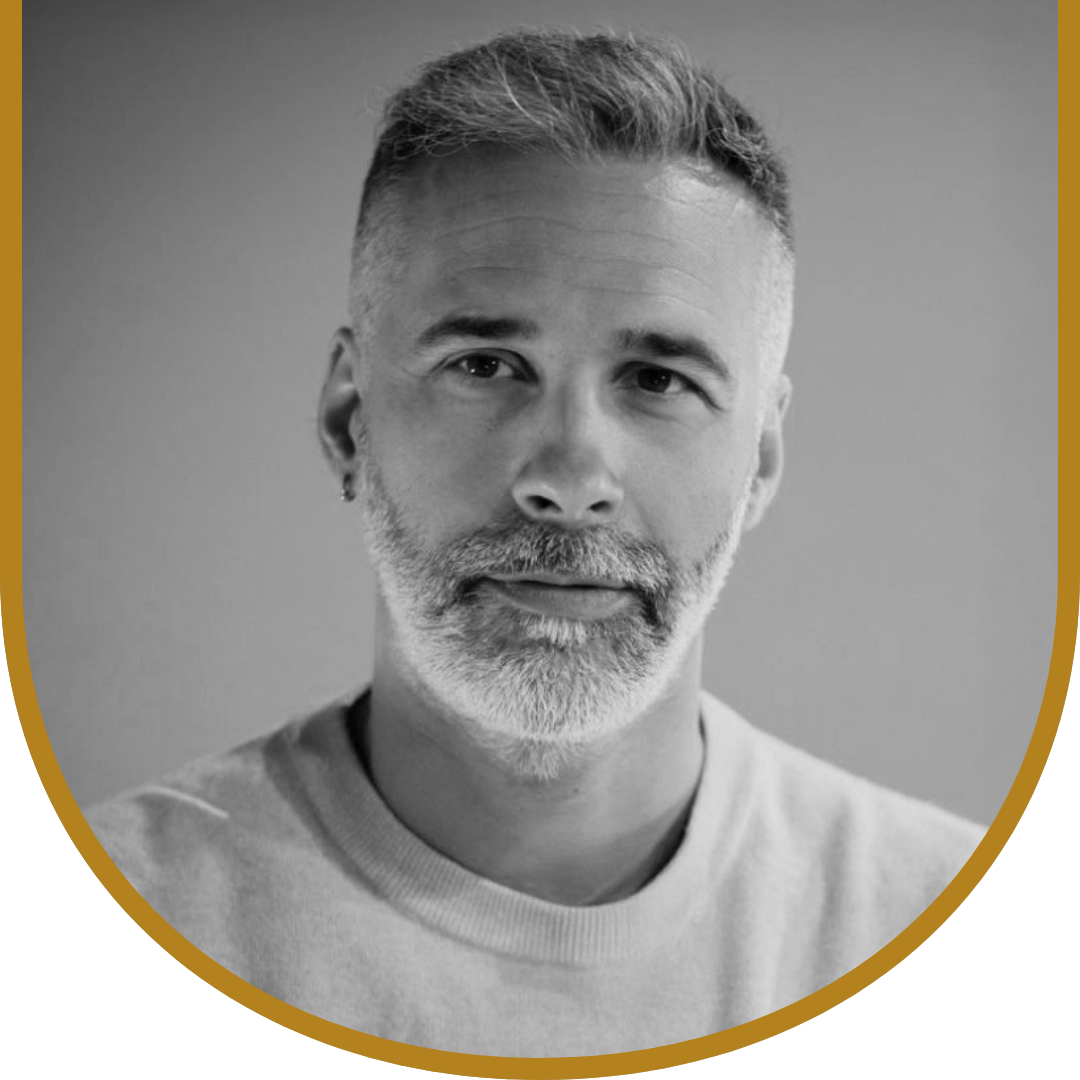
Angelo Giuseppe Landi is an Associate Professor of Architectural Restoration at the Polytechnic of Milan. His primary research focuses on building systems in historical architecture, with a particular emphasis on artificial lighting, a topic on which he has authored numerous publications and organised conferences. Within this field, he has investigated the development of urban gas lighting networks in the Kingdom of Lombardy-Venetia, analysing the physical components of these public networks alongside their complex economic and cultural contexts. His most recent work centres on the city of Cremona, ranging from historical-archival studies and on-site surveys to urban-scale investigations and the characterisation of local construction methods. After reconstructing the architectural histories of Palazzo Magio Grasselli and Palazzo Fodri, he analysed the structural behaviour of the fired brick and earth mortar construction techniques typical of the Po Valley. On an urban scale, he is actively researching the construction techniques of Cremona's architectural heritage, focusing specifically on wooden structures dating from the Middle Ages to the 18th century. Additionally, in the municipality of Arquata del Tronto (AP), he has conducted diagnostic surveys and researched construction techniques to propose strategies for the reuse and restoration of the Medieval Fortress and the Church of San Francesco.
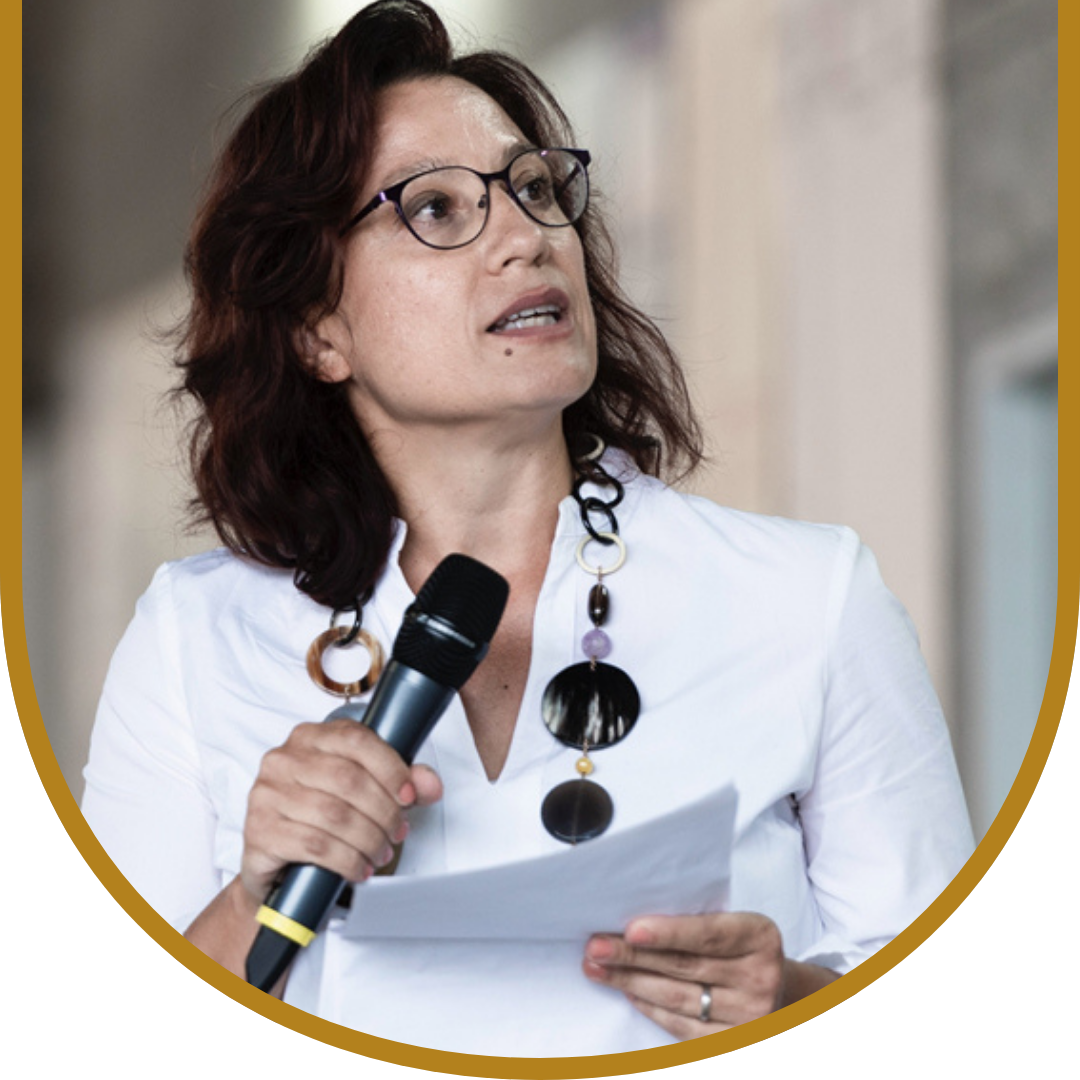
Francesca Albani is an architect and full professor of architectural restoration at the Polytechnic University of Milan, where she is also the coordinator of the Teaching Board for the PhD in Conservation of the Built Heritage and a member of the scientific committee of the Department of Architecture and Urban Studies. Since 2003, she has been working on issues related to architectural, urban, and cultural landscape restoration, focusing on both traditional and twentieth-century architecture. She teaches at the Polytechnic of Milan and the Academy of Architecture in Mendrisio. She is the author of numerous books, essays, and scientific articles published in major national and international journals.
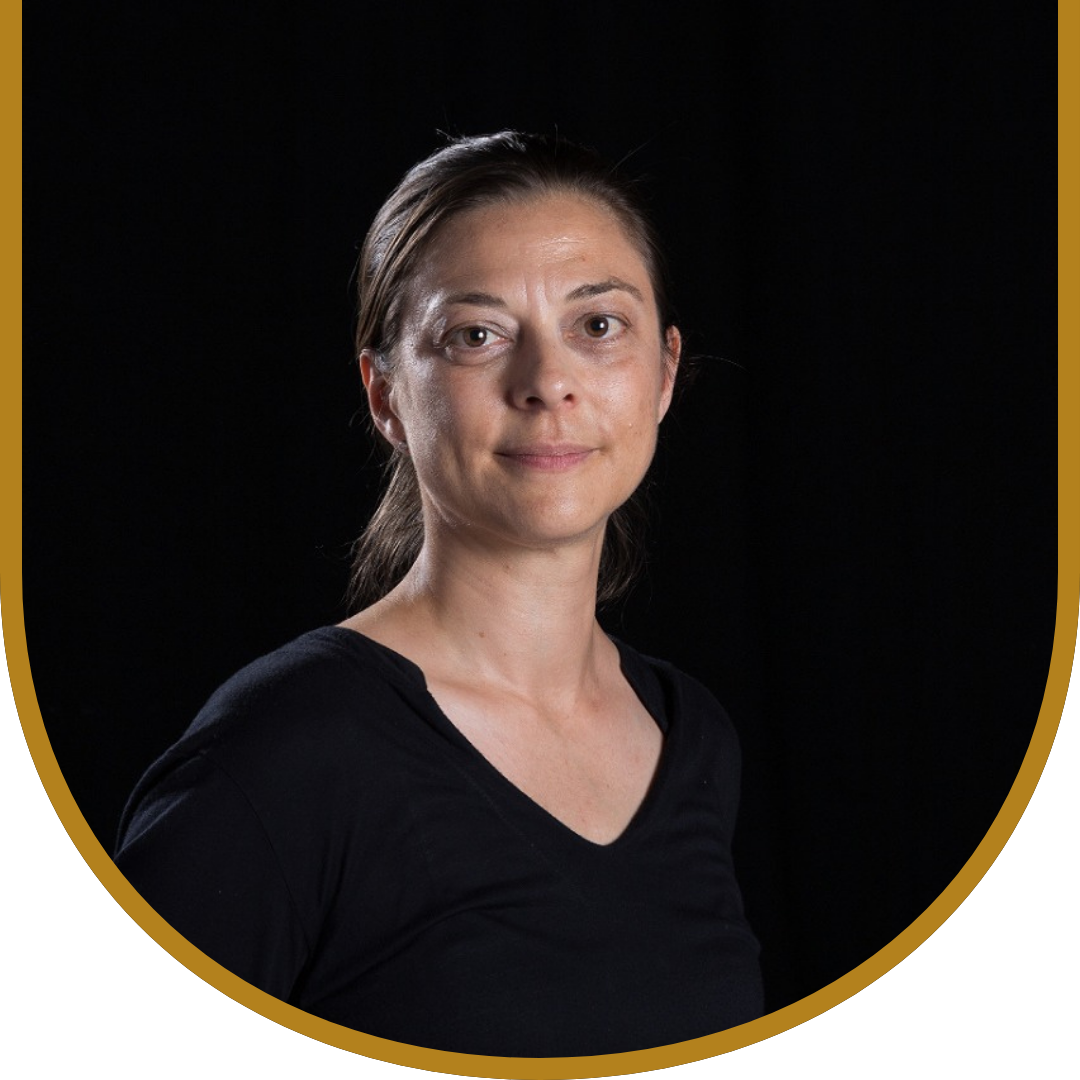
Maria Rita Pais, PhD, is an architect, researcher, and curator examining the intersection of "Hard-Heritage" and art as a historical document. As an Associate Professor and PhD Coordinator at Universidade Lusófona, she leads research on bunker architecture and memory politics—a trajectory distinguished by the 19th Távora Prize (2023). Her curatorial practice, including the FAD Award-winning Viagem ao Invisível (2020) and her role as an FCT jury member (2025–26), decodes architectural memory through artistic records. Globally, she co-coordinated the Marie Curie SOS Climate Waterfront project, collaborating with institutions like the Bartlett to explore architectural theory within the Anthropocene.
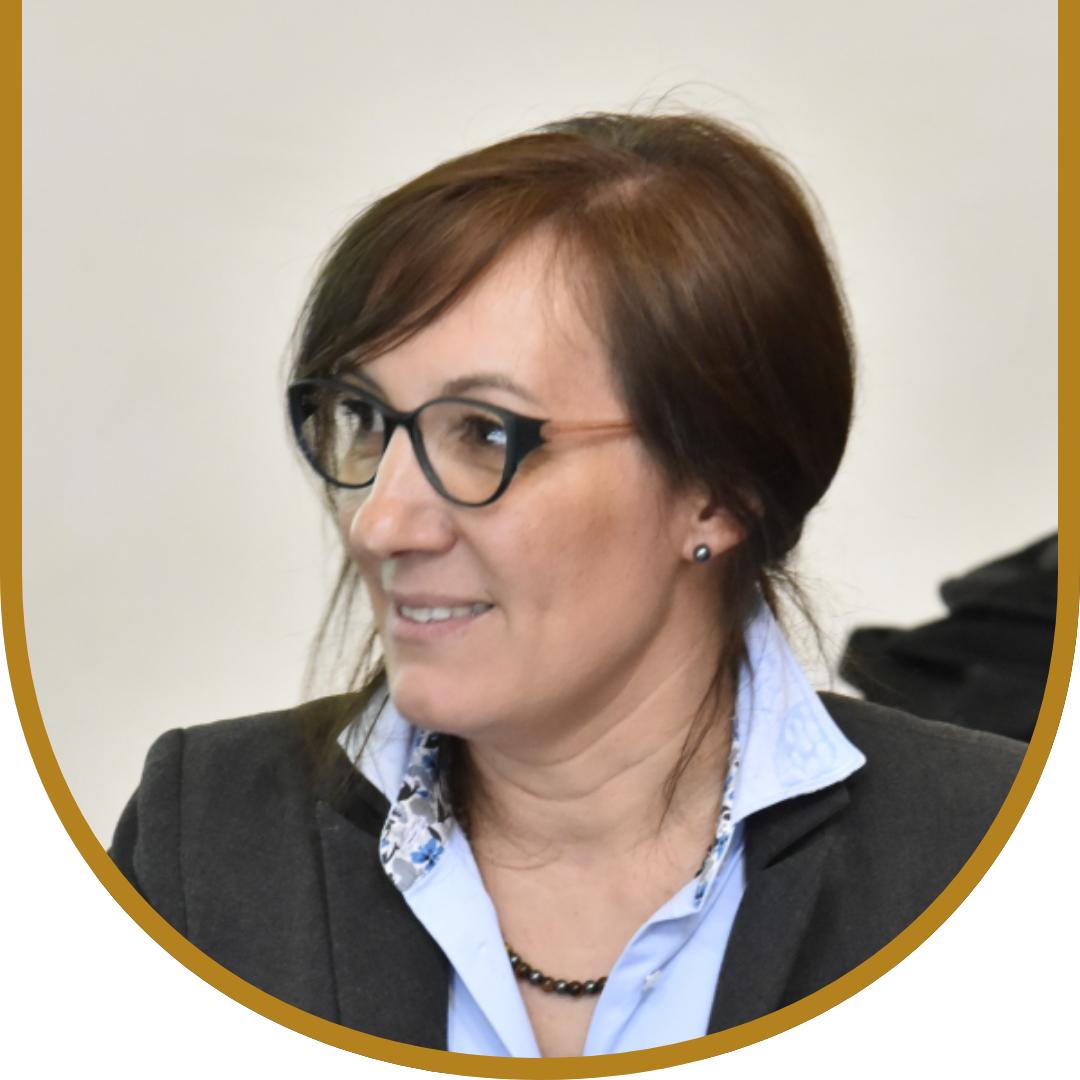
Sara Fasana, building engineer, architect and PhD in building Engineering, is associate professor of Architectural Engineering at the Department of Structural, Geotechnical and Building Engineering (DISEG) at the Politecnico di Torino. Co-founder of SintesiLab, an integrated experimental laboratory for sustainable technological innovation, she conducts research on the widespread, modern and contemporary built heritage, with a particular focus on devising compatible methods and solutions (supported by experimental investigation) for the maintenance, planned conservation and restoration of buildings of architectural and environmental value. She participates in national and international research projects, including those concerning UNESCO World Heritage sites.
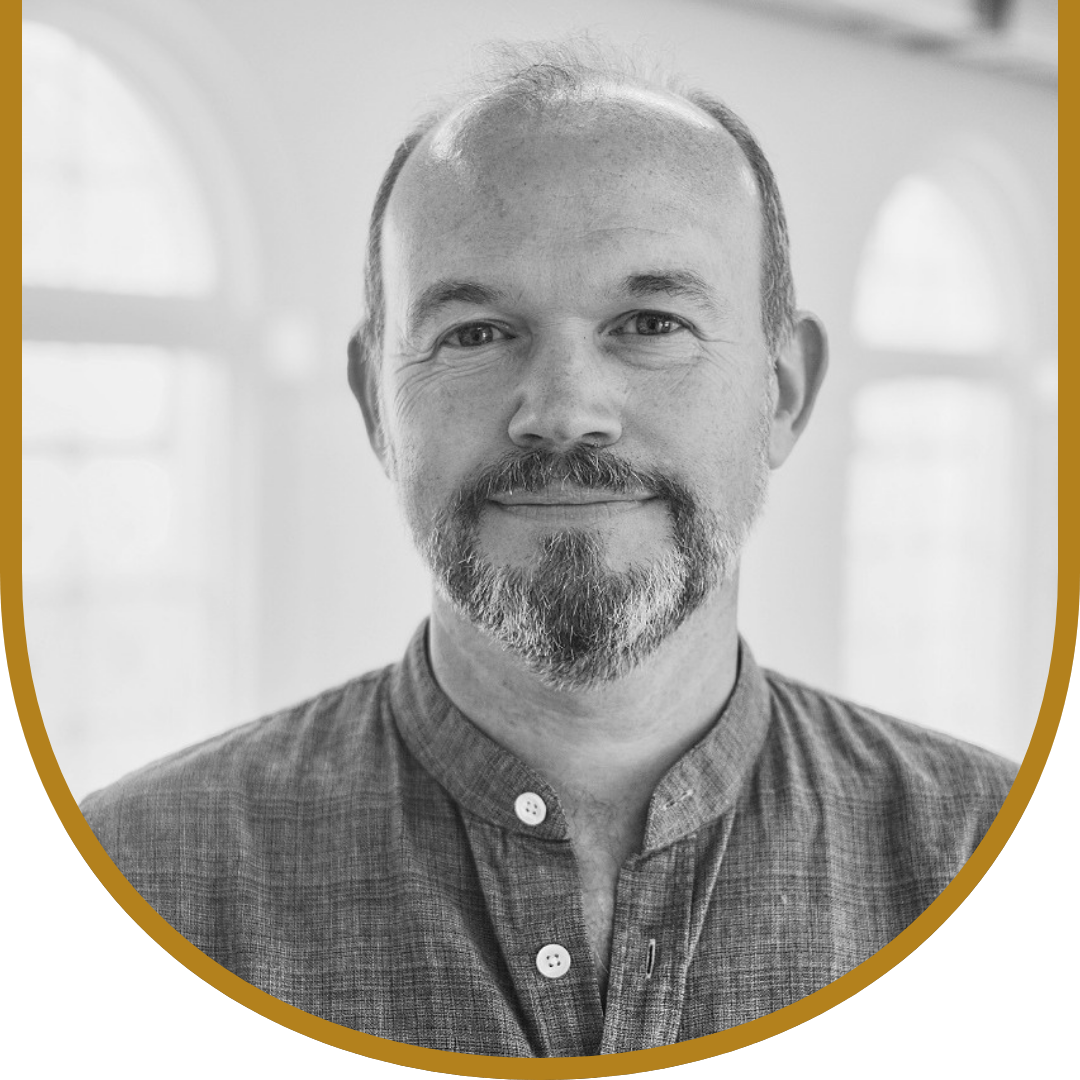
Dr Chris Whitman is a senior lecturer at the Welsh School of Architecture, Cardiff University and a qualified architect with over 20 years’ experience in both practice and academia. Since 2007 his research has focused on the comfort and energy use in traditional and historic buildings. His PhD focused on the impacts of the sustainable retrofit of historic timber-framed buildings in the UK, an area that he continues to research with funding from Historic England since 2019. Prior to entering academia, he was a director at Edward Cullinan Architects, now Cullinan Studio. Currently he is the lead of the Welsh School of Architecture’s History, Heritage and Conservation Research and Scholarship Group. His teaching includes work on MSc in Sustainable Building Conservation, for which he leads the module “Energy use in historic Building”. His is a signatory and coordinator for Heritage Declares a Climate and Ecological Emergency https://heritagedeclares.org/ a non-affiliated group of heritage practitioners who have come together to urge the sector to react more quickly and effectively to the climate and ecological emergency.
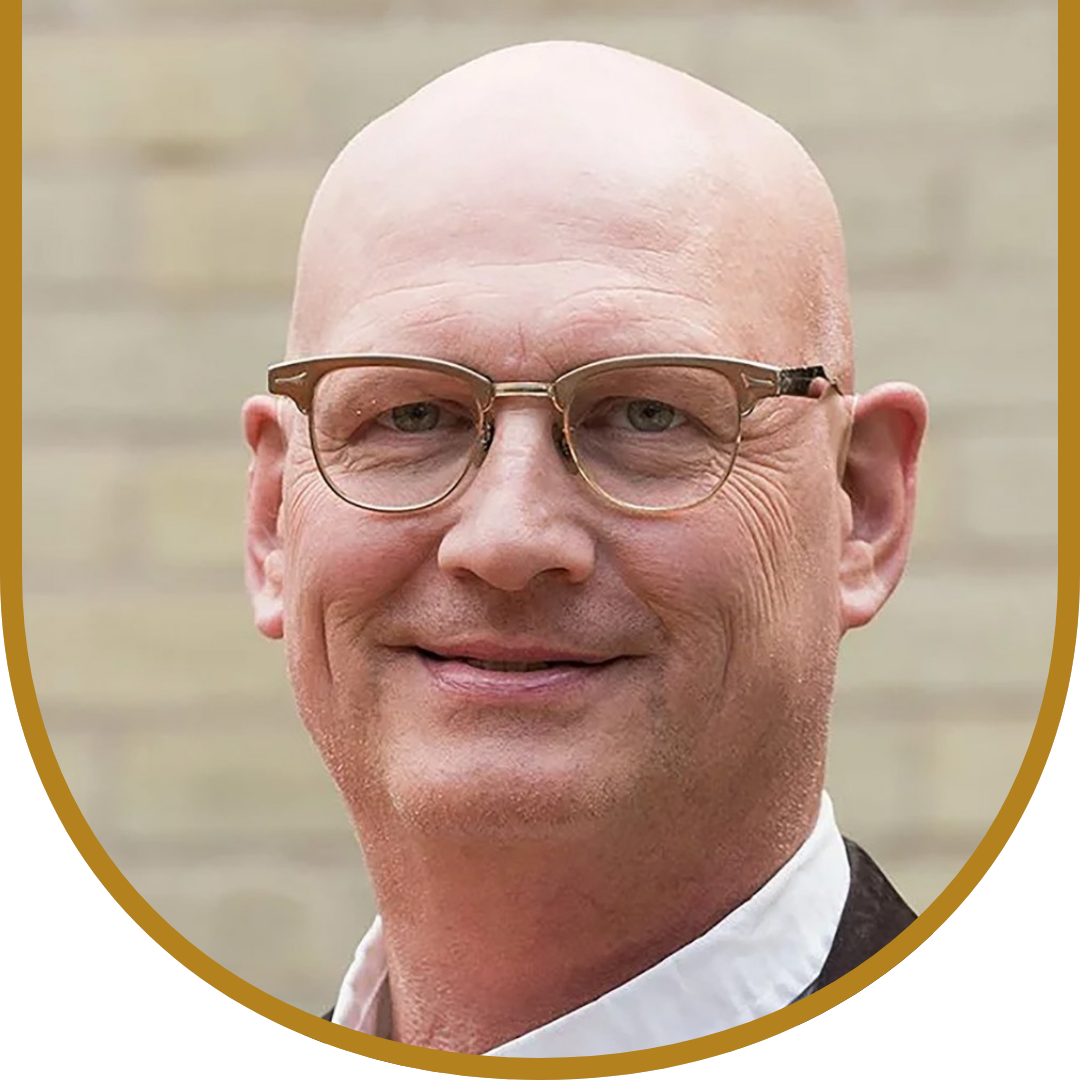
William Kenneth Krueger, architectural professional and educator at the University of Wisconsin-Milwaukee's School of Architecture and Urban Planning, with a passion for Historic Preservation technologies. As Director of Documentation at UWM SARUP Historic Preservation Institute, he trains students in various documentation methods, from traditional practices to modern technologies. His expertise includes LiDAR documentation and has collaborated with international institutes. Working on significant projects in Italy, including sites around Mt. Vesuvius and Amelia. Work performed in England is at the Herstmonceux Castle in Sussex. As former Vice President of SIGHTLINE LLC, he developed guidelines for laser scanning data adopted by Wisconsin state authorities. His professional experience includes historic preservation consultation for the City of Milwaukee and project liaison work for terra cotta restoration projects.
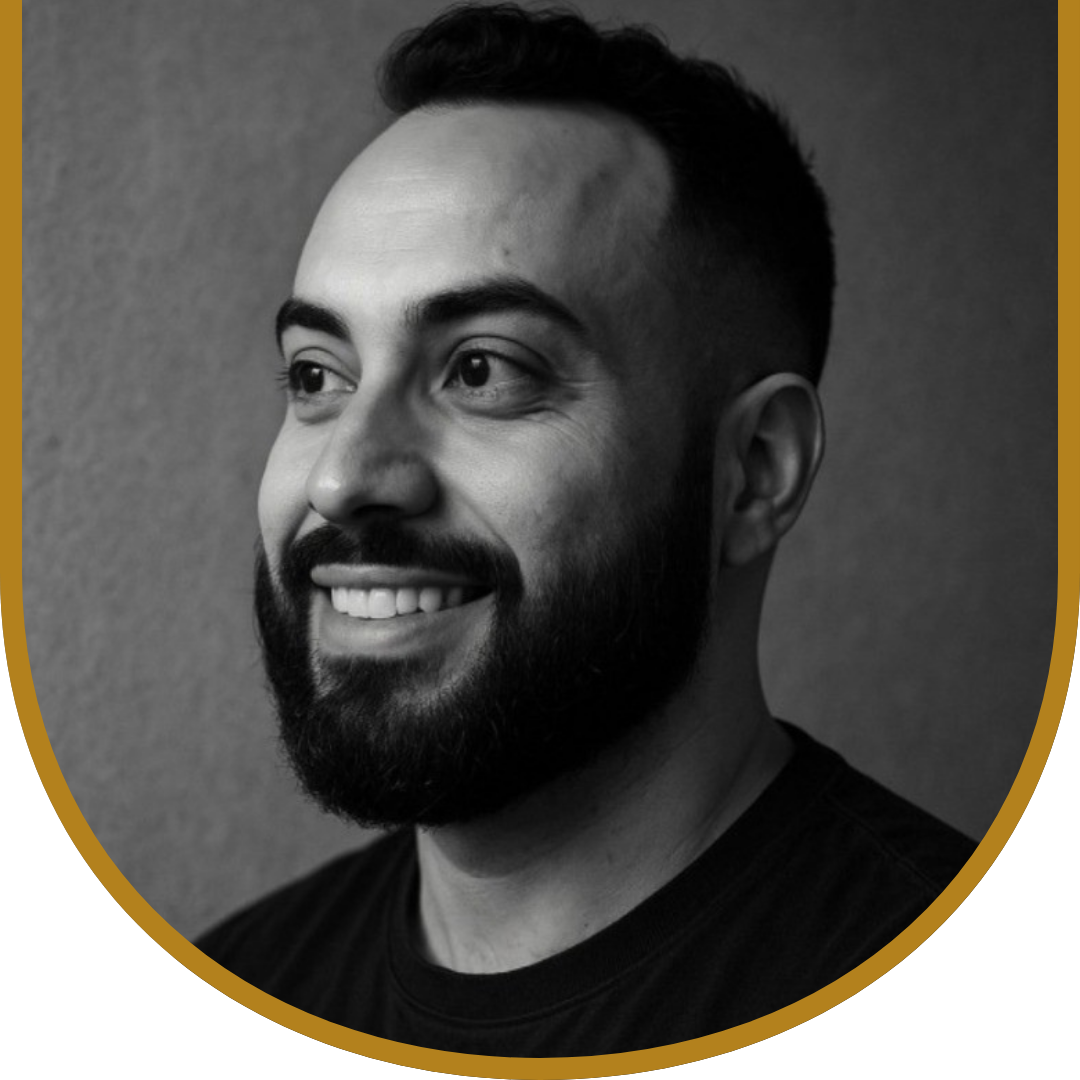
Alessandro Raffa, architect and PhD, is an Assistant Professor at Politecnico di Torino, where he coordinates AIDAD, a research centre investigating artificial intelligence, data, and design. He was a Fondazione Benetton Fellow (2020) and a Fulbright Visiting Research Scholar at the University of Florida (2023–24), and was a member of the UNESCO Chair on Mediterranean Cultural Landscapes and Communities of Knowledge (2022–24) at the University of Basilicata. He teaches at Politecnico di Milano and the Accademia Adrianea, and he is an Associate Researcher at Fondazione Eni Enrico Mattei. His research explores design agency across multiple scales in heritage contexts, with a focus on the complex entanglements between ecological and digital transitions.
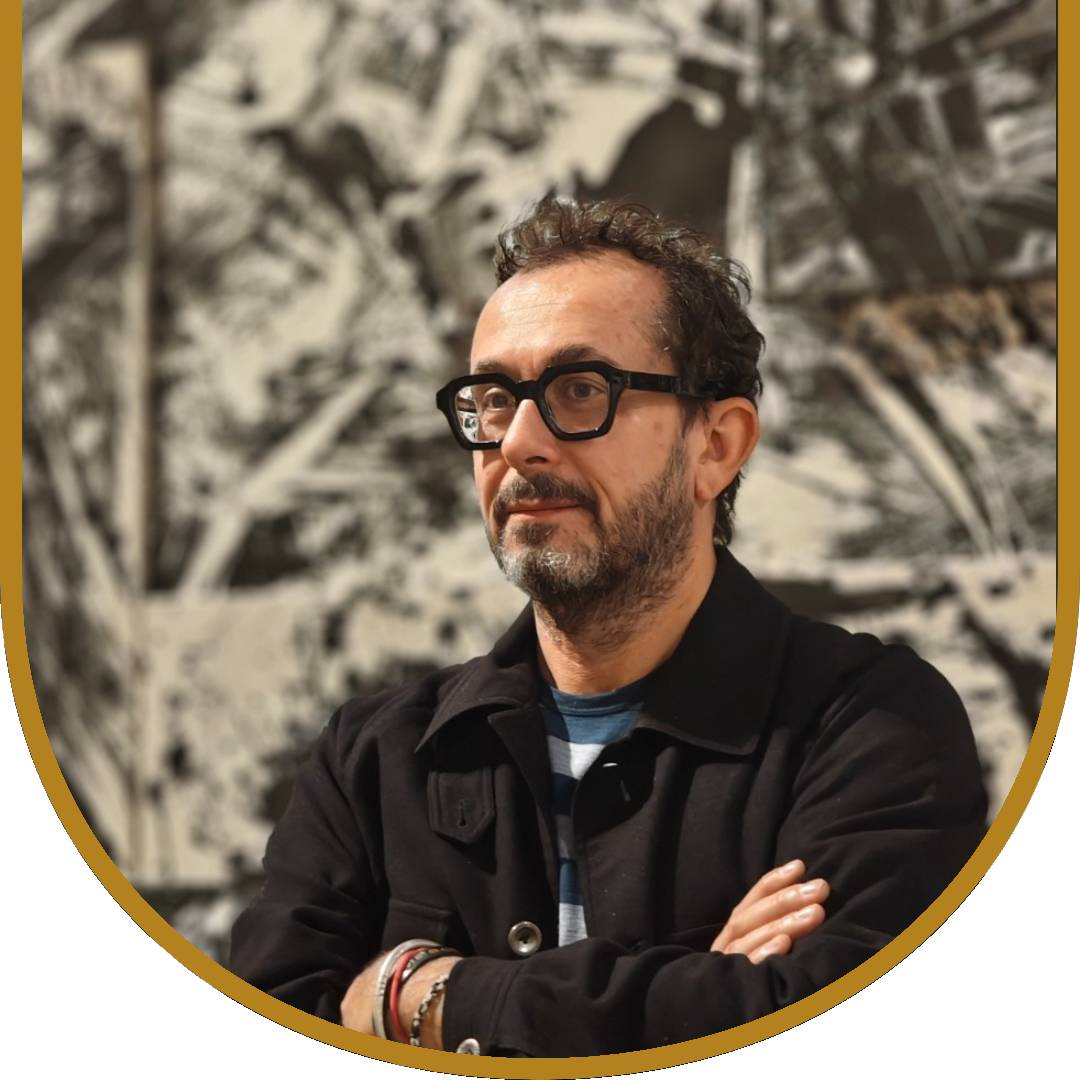
Francesco Leoni graduated in Architecture from the Politecnico di Milano with a thesis in architectural design and museum design. He began his professional career primarily in the fields of retail architecture and interior design, collaborating with F&P Architetti in Milan, and subsequently worked as Contact Architect for David Chipperfield Architects on its projects in Italy. In 2003, he was awarded a PhD scholarship at the Marche Polytechnic University, where he further developed his research in museum design and exhibition design, building upon the interests established during his previous professional experience. At the same time, he joined the teaching staff of the Piranesi Award—now the Piranesi Prix de Rome, of which he is currently Curator —and of the International Master's Program in Architecture and Museography for Archaeology: Strategic Design and Innovative Management of Archaeological Heritage. Through these activities, he has further expanded his research in architectural design for archaeological sites and Cultural Heritage. He is the author of numerous publications and monographs and has presented his research at national and international conferences. He is currently a Researcher in Interior Architecture and Exhibition Design at the Politecnico di Torino.
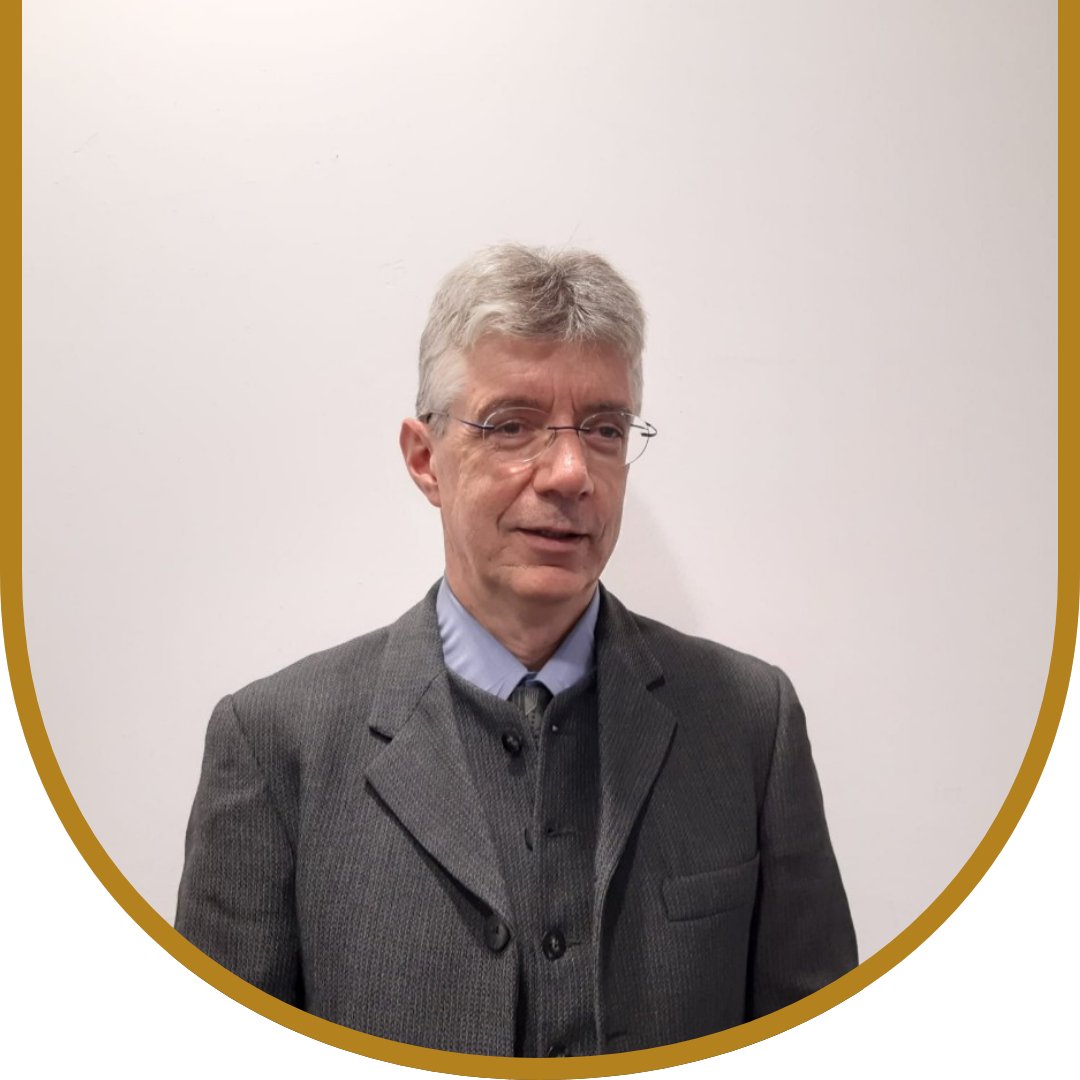
Associate professor at Polytechnic University of Turin, Ph.D. in Building Engineering, postgraduate diploma in History, Analysis and Evaluation of Architectural and Environmental Heritage from the School of Specialisation (now School of Architectural and Landscape Heritage). Graduated in Architecture (under the supervision of prof. Aimaro Oreglia d'Isola; his thesis was exhibited at the 3rd International Architecture Exhibition in Paris). He has coordinated (and coordinate) research groups on national / international projects. He is the co-holder of several patents resulting from applied research and holds the copyright for an integrated digital platform (4main10ance) for the conservation and scheduled maintenance of cultural heritage. Author of numerous scientific publications in the fields of technical architecture and the conservation and maintenance of built heritage. He has served on various committees (UNI Standards, Ecclesiastical C. H. and the Built Heritage of the VCO Prov., e.g.). Lectures on the Master's degree course at the School of Specialisation in Architectural Heritage and Landscape at the Polytechnic University of Turin.
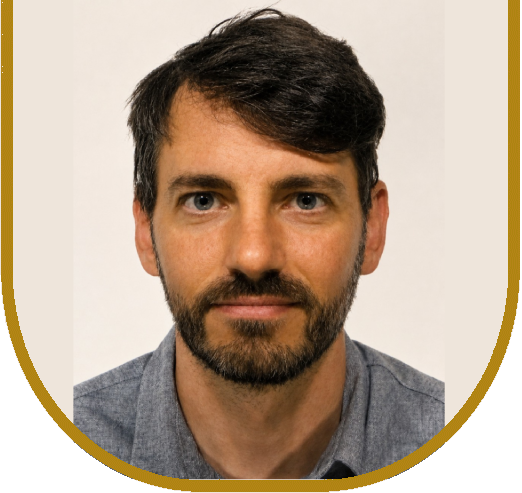
Architect, PhD in Architectural Composition and Assistant Professor of Architectural and Urban Design at DAStU-Politecnico di Milano. Professor and researcher at Accademia Adrianea di Architettura e Archeologia in Rome and Scientific Curator of Piranesi Prix de Rome. He has taught at Università degli Studi di Napoli “Federico II” and was visiting professor on the Master Universitario en Conservación del Patrimonio Arquitectónico at ETSA - Universitat Politècnica de València. His research is focused on architectural heritage and cultural landscape. This research is documented through publications, participation in exhibitions, conferences and workshops. He was awarded first prize at RE-LIVE 2025 (SITdA, Madrid 2026) and City’Scape Award (Triennale di Milano, 2023); received special mentions at Piranesi Prix de Rome et d’Athènes (Rome, 2023), EcoTech Green Award (Padua, 2019), International Design Call The Grand Villa Adriana. Designing the UNESCO Buffer Zone (Rome, 2018).
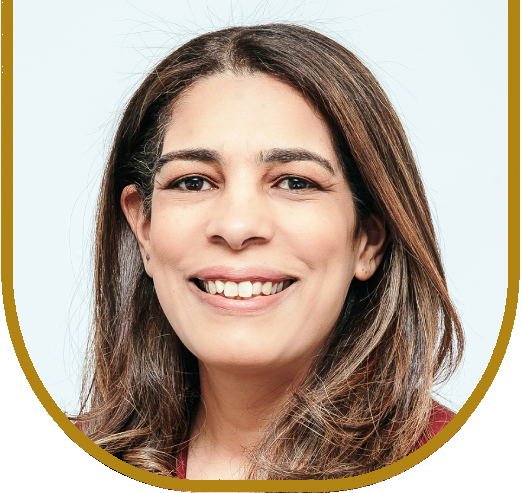
Professor Gehan Selim is the Hoffman Wood Chair of Architecture at the University of Leeds. She was a Fellow of the Senator George Mitchell Institute for Global Peace, Security and Justice (2017/18). Her interdisciplinary research bridges architecture, urban politics, and digital heritage. She is leading several funded research projects with an extensive portfolio of research in the Global South. She is the author of Perpetuation of Collective Memory in Architecture and the Built Environment (Routledge, 2027) and co-author of Ecomuseums and Living Heritage in China: Reclaiming Memory and Identity (Routledge, 2026).
For IEREK's Previous Publications, Please Click here
- Conservation of Architectural Heritage (CAH) held on a Nile cruise from Luxor to Aswan in November 2015.

- Conservation of Architectural Heritage (CAH) -2nd Edition held on a Nile cruise from Aswan to Luxor in February 2018.

- Conservation of Architectural Heritage (CAH) -3rd Edition held at the Nubian Museum, Aswan in February 2019.

- Conservation of Architectural Heritage (CAH) -4th Edition held on a Nile cruise sailing from Aswan to Luxor in February 2020.
- Conservation of Architectural Heritage (CAH) - 5th Edition held as an Online Conference in February 2021.
- Conservation of Architectural Heritage (CAH) - 6th Edition held as a Hybrid Conference in collaboration with Palermo University, Sicily, Italy in May 2022.
- Conservation of Architectural Heritage (CAH) - 7th Edition held as a Hybrid Conference in collaboration with the University of Portsmouth, UK in Sep 2023.
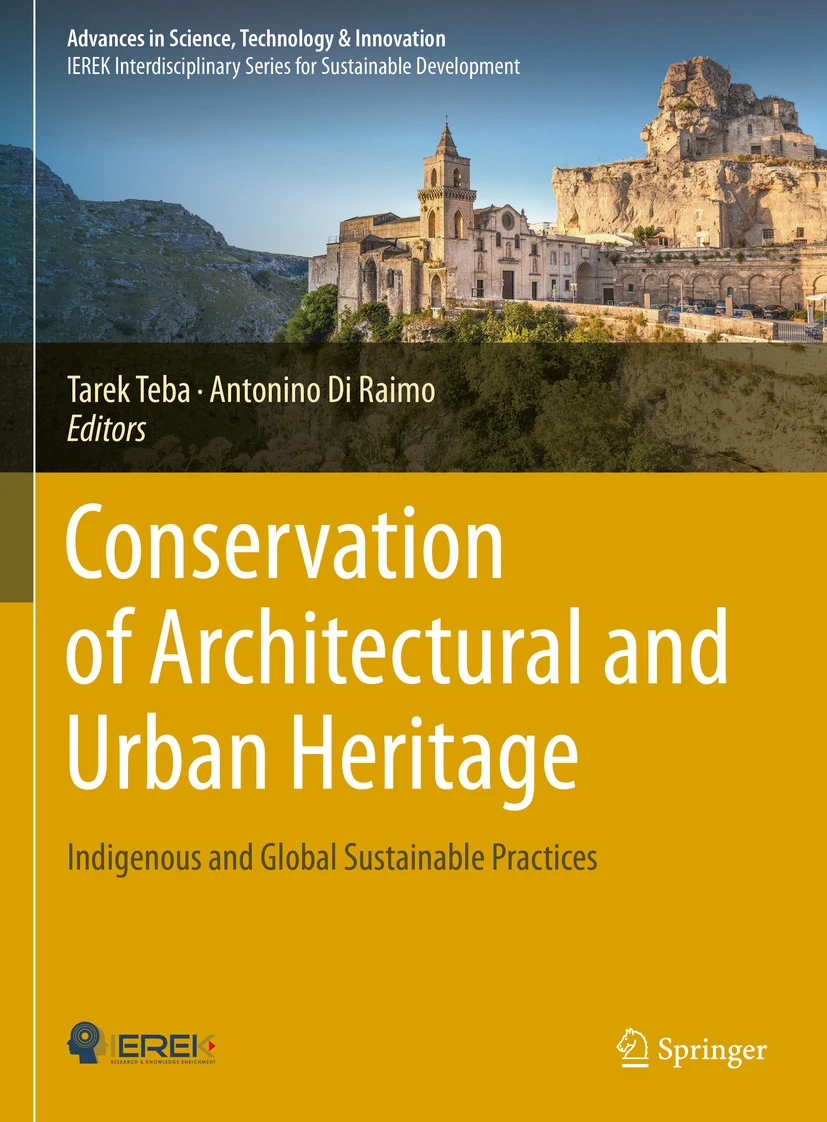
The International Conference on Conservation of Architectural Heritage was held aboard the Grand Palm Nile Cruise, for 5 days, which had sightseeing trips for the historical, cultural, and architectural sites. As well as holding of the “Folk Art Gallery” by Amr Bayoumi & Ola Bayoumi. The conference was chaired by Professor Douglas C. Comer (the Co- president of ICAHM for ICOMOS.) and organized by IEREK.
The opening session was held onboard the Nile cruise right after the arrival of the delegates and the visit of Luxor temple, which was opened by a welcoming word from the CEO of IEREK. It was then followed by Prof. Douglas C. Comer (the Co- president of ICAHM for ICOMOS.), Prof. Ahmed Rashed (former head of Architecture Department at the British University in Egypt, and the founding director of (CSFS)), Prof. Antonella Versace (Professor at University Kore of Enna, Italy), and finally Mr. Mohamed Badr (Governor of Luxor).
After an introduction about the conference and its delegates was made, the conference officially started with the sessions.
The plenary session titled “Development and Promotion of the Architectural Heritage through Tourism Forms” was run by the following professors:
– Prof. Douglas Comer (Principal, Cultural Site Research and Management, Inc. “CSRM” & Conference Chairman)
-Prof. Antonella Versaci (Kore University of Enna, Italy & Scientific Coordinator of the Conference)
-Prof. Ahmed Rashed (British University in Egypt “BUE”)
-Dr. Monica Hanna (American University in Cairo “AUC”, Egypt)
-Dr. Mohammed Assem Hanafy (University of Alexandria, Egypt)
-Hamdy Elsetouhy (Researcher and Specialist in Conservation)
The first day included a guided tour to Luxor temple. Later there was an optional trip to the light and sound show at Karnak Temple.
On the second day, the delegates moved to the west bank of Luxor to visit the Colossi of Memnon, Hatshepsut’s Temple, as well as an Alabaster factory and bought some alabaster-made souvenirs. Later, there was an optional trip to the Valley of the Kings.
The third day included a visit to Edfu temple in Edfu city, followed later by a visit to Kom Ombo temple when the Nile Cruise reached the city of Kom Ombo. The fourth and last day was spent in Aswan where visits were made to the High Dam, a modern-age site, followed by a visit using motor boats to Philae Temple on Agilkia Island. Following that, the attendees were given the option to visit the botanical island and a Nubian village.
Check this conference’s overview here:
https://www.ierek.com/events/conservation-architectural-heritage-cah#overview
The 2nd International conference on the Conservation of Architectural Heritage in Egypt has been successfully held in Aswan: one of the most significant historical cities existing today.
This conference witnessed the attendance of planners, environmentalists, archeologists, architects, engineers, tourists, policy makers and stakeholders who are interested in the conservation of architectural heritage. Having been filled with participants from diversified fields, approximately 80 full paper submissions were received and 50 of them were presented over several sessions.
Authors attending came from different backgrounds and cultures to discuss research on the conservation of archaeological, architectural and urban landscapes, and multi-disciplinary research on complex Cultural Heritage sites. Held on a Nile Cruise that Sailed from Aswan to Luxor, the conference was attended by authors from Australia, Kuwait, Lebanon, Saudi Arabia, Greece, Egypt and more. With Professor Douglas C. Comer, an archaeologist and the co-president of the United States Committee for ICOMOS (US/ICOMOS), as the Chairperson of the conference, promising conclusions have been reached and recommendations made.
The first day included a guided tour to Luxor temple. Later there was an optional trip to the light and sound show at Karnak Temple.
On the second day, the delegates moved to the west bank of Luxor to visit the Colossi of Memnon, Hatshepsut’s Temple, as well as an Alabaster factory and bought some alabaster-made souvenirs. Later, there was an optional trip to the Valley of the Kings.
The third day included a visit to Edfu temple in Edfu city, followed later by a visit to Kom Ombo temple when the Nile Cruise reached the city of Kom Ombo. The fourth and last day was spent in Aswan where visits were made to the High Dam, a modern-age site, followed by a visit using motor boats to Philae Temple on Agilkia Island. Following that, the attendees were given the option to visit the botanical island and a Nubian village.
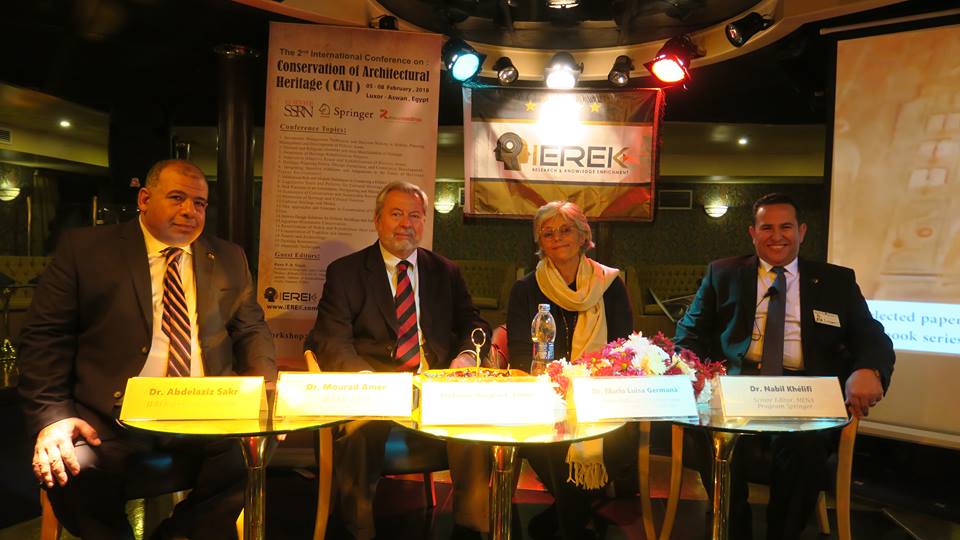
Check this conference’s overview here:
https://www.ierek.com/events/conservation-architectural-heritage-cah-2#overview
The 3rd International Conference on “Conservation of Architectural Heritage (CAH)” was held from on 19th to 22nd of February 2019 in association with Faculty of Engineering at Shoubra - Benha Unversity. The conference included many discussions, covered extremely important topics, and presented new scientific values in the scope of conserving the architectural heritage. For the third time, it was a very successful conference that cannot be forgotten.
The international conference was held in Aswan, Egypt, specifically at The Nubian Museum, which is considered to be a gateway to the history of Nubia and one of the most attractive touristic sites in Aswan.
This year, the conference was held under the patronage of Dr. Khaled Abdel Ghaffar (Minister of Higher Education and Scientific Research), Prof. Hussein El-Maghraby (President of Benha University), and The Supreme Council of Antiquities. It was also chaired by Prof. Ragab Megahed (Dean of Faculty of Engineering at Shoubra - Benha Unversity).
First Day: Opening Ceremony and Keynote Speeches
The opening ceremony started with greetings and short-introductions by:
Prof. Tarek Tawfik, General Director of the Grand Egyptian Museum
Prof. Ferdinando Trapani, Associate professor in Urban Planning, Università degli Studi di Palermo, Italy
Prof. Francesco Alberti, Associate professor of Urban planning and design at University of Florence, DIDA - Department of Architecture
Prof. Hussein El-Maghraby, President of Benha University
Dr. Abdel Moneim Saeed, General Director of Aswan and Nubian Antiquities
Dr. Ossama A.W Abd El Maguid, The Head Director of Nubia Museum
The opening ceremony witnessed highly-important speeches especially by the 2 Italian professors Ferdinando Trapani & Francesco Alberti who stressed on the necessity of collaboration and knowledge exchange between Egypt & Italy in the scope of conservation and preservation. The professors also presented the model of "conservation of heritage in Palermo" at the conference, which is considered a living example of exchanging knowledge between 2 great civilizations.
After the lunch break, authors (researchers) started to present a demo of their research paper in oral presentations while session chairman and moderators listen, discuss, and evaluate.
Second Day: The Parallel Sessions Continued & Start of the Workshop
Starting from the 2nd day, remaining authors (researchers) continued presenting their research papers while other participants (students) joined the accompanying workshop titled “Site Management of The Archaeological Sites”.
This workshop examined the interchangeable relationship between the archaeological sites and the historic monuments, and how they affect each other.
At the Nubian Museum, the workshop students obtained great lectures by well-known professors from the University of Benha, such as Prof. Khaled Abd El Hady, Prof. Mostafa Atalla, Prof. Amr Hanafy, Dr. Mona yehia, and Prof. Sadek Saad.
Third Day: Workshop Continued & Site Visit
The day started early with a tour visit to The Unfinished Obelisk (The largest known ancient obelisk and is located in the northern region of the stone quarries of ancient Egypt in Aswan), where a lecture was given by Prof. Khaled Abd El Hady, in addition to group work with participants.
Another tour visit to Temple of ISIS was also organized. Moreover, after lunch, the last visit was made to The Temple of Kom Ombo where all workshop participants enjoyed the scenes and gained a lot of knowledge about heritage in Egypt.
Fourth Day: Pin Up Presentation
At The Nubian Museum, many discussions and group work feedback have taken place regarding what they have seen and learned through this conference and accompanying workshop.
Finally, group photos of all conference participants were taken.
Check this conference’s overview here:
The 4th International Conference on the Conservation of Architectural Heritage in Egypt has been successfully held in Aswan: one of the most significant historical cities existing today.
This conference witnessed the attendance of planners, environmentalists, archeologists, architects, engineers, tourists, policymakers, and stakeholders who are interested in the conservation of architectural heritage. Having been filled with participants from diversified fields, approximately 60 full paper submissions were received and 30 of them were presented over several sessions.
Authors attending came from different backgrounds and cultures to discuss research on the conservation of archaeological, architectural and urban landscapes, and multi-disciplinary research on complex Cultural Heritage sites. Held on a Nile Cruise that Sailed from Aswan to Luxor. The conference was attended and moderated by the Stella kostopoulou from the Aristotle University of Thessaloniki (AUTh), Greece.
It was also moderated by:
Fabio Pollice from the University of Salento, Lecce, Italy.
Ferdinando Trapani from the University of Palermo, Palermo, Italy.
Luca Lanini from the University of Pisa, Pisa, Italy.
The first day was spent in Aswan where visits were made to the High Dam, a modern-age site, followed by a visit using motorboats to Philae Temple on Agilkia Island. Following that, the conference opening ceremony.
The second day included a visit to Kom Ombo temple when the Nile Cruise reached the city of Kom Ombo followed later by a visit to Edfu temple in Edfu city,
The third day included a guided tour to the Luxor temple and Karnak Temple.
On the last day, the delegates moved to the west bank of Luxor to visit the Colossi of Memnon, Hatshepsut’s Temple, as well as an Alabaster factory and bought some alabaster-made souvenirs. Later, a trip to the Valley of the Kings.
Check this conference’s page here:
- For participants who need Entry Visas to the country where the conference will be held, IEREK will issue the corresponding invitation letter for accepted applicants to facilitate visa issuance.
- Please notice that we will endeavor to assist you in obtaining a visa but the responsibility is yours and the decision rests solely with the appropriate Embassy.
Invitation Letter Issuance Process
1- In case the participant is an author who has submitted a research paper to the conference, it must get accepted by the Scientific Committee
2- Required participation fees must be paid
3- The participant should send the following information to the conference's official email:
* A clear copy of passport
* Passport number
* Full name as written in your passport.
* Date of Issuing and Expiration
* Date of Birth
* Email address of the nearest Embassy/Consulate to you
* Mobile Number including country code
4- Conference coordinator will issue the needful invitation letter and send a copy to the participant's email, in addition to another one to the corresponding email address of embassy/consulate
5- The participant should print out the invitation letter along with all other required documents by the embassy/consulate and apply for VISA
|
Cancellation Policy |
Up to 60 days before the event |
Up to 50 days before the event |
Up to 40 days before the event |
39 days before the event |
|
Penalty |
20% |
50% |
70% |
100% |
EXCEPTION
A refund is not possible if
-An acceptance letter has been issued (Authors only)
-The proceedings of the event have been published (Authors only)
-All matters have been finalized (accommodation/travel expenses paid for)
-A visa invitation letter has been issued (All participants)
Visa Rejection Cases
Reason and proof of rejection must be submitted. If the reason for rejection is due to an error on our part, the participant will be refunded their full fee with a deduction of a 20% administration fee.
Documents to be issued by IEREK to acquire a visa are as follows:
*Final Acceptance Letter (Authors only)
*Visa Invitation Letter
*Invoice/proof of payment
We encourage all authors and attendees to ensure their having acquired all documents (those applicable) mentioned.
If the reason for rejection is not related to any of the aforementioned and is an error on the participant’s part, the following will apply:
*Authors: may choose to let their co-author present his/her research on his/her behalf free of charge. If the author does not have a co-author, a member of the scientific committee shall present on the author’s behalf.
*Audience members/Registrants: will only be allowed to attend another similar event of their choosing that is organized by IEREK free of charge.









Associate Professor in Architectural Heritage, Portsmouth School of Architecture, Art and Design, University of Portsmouth, UK.
Assistant Professor, Department of Civil-Environmental and Architectural Engineering, University of Cagliari, Italy.
Associate Professor, Department of Architecture and Design (DAD), Polytechnic University of Turin, Italy.
Nessma Farouk
Conference Coordinator
[email protected]
(+20) 3 5763827 | (+20) 3 5763828
(+20)1000028021
Subscribe to our newsletter
Join IEREK community