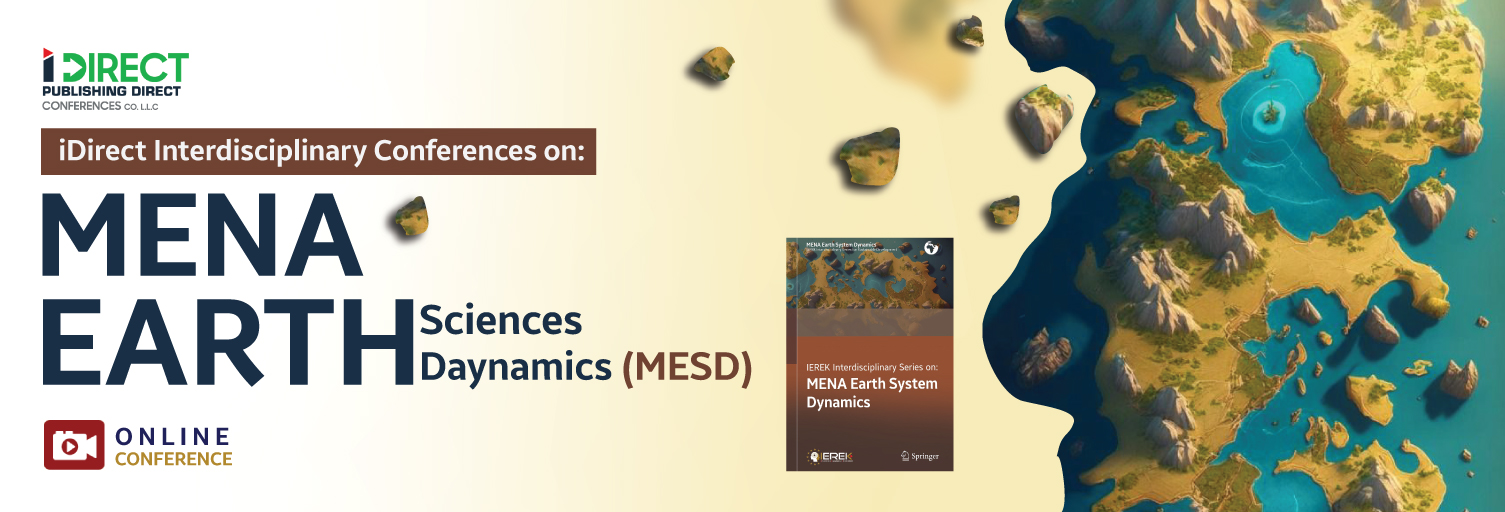
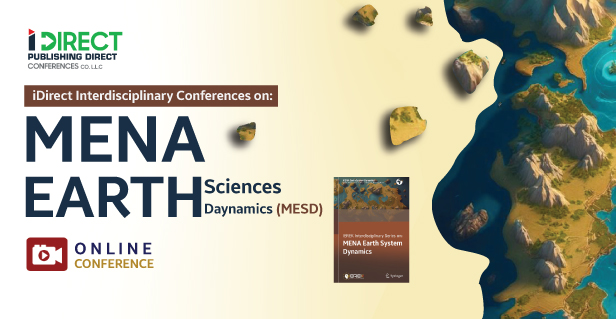
The Middle East and North Africa (MENA) region faces complex challenges deeply rooted in its physical and environmental landscape. From water scarcity and climate change to seismic activity and resource management, Earth science dynamics are profoundly shaping the region's future. The MENA Earth Science Dynamics Conference (MESD) serves as an indispensable platform for addressing these issues. This annual event gathers a diverse community of scientists, policymakers, industry leaders, and community stakeholders committed to fostering collaboration, sharing knowledge, and advancing innovative solutions. The MESD conference embodies a collective dedication to tackling the MENA region's unique environmental concerns while contributing to broader global sustainability goals. Through insightful presentations and engaging discussions, the congress aims to inspire and empower participants to build a more resilient and sustainable future for the region and its people.
The scope
The MENA Earth Science Dynamics Conference (MESD) is a dedicated forum for examining the foundational principles of Earth's interconnected systems and translating that knowledge into tangible, cutting-edge solutions for the MENA region. The congress’s scope is broad and interdisciplinary, encouraging submissions that address the region's specific environmental and societal challenges.
The conference topics include, but are not limited to, the following key areas:
Climate Dynamics and Atmospheric Science: Advanced research into atmospheric circulation patterns, their influence on MENA weather and climate, and climate change mitigation strategies.
Hydrology and Water Resources: Investigating surface and subsurface hydrological dynamics, including groundwater flow in arid and semi-arid regions, and strategies for water resource management.
Geological and Tectonic Processes: Research on the geological settings of natural resources and the dynamics of seismology, plate tectonics, and volcanology in the region.
Oceanic and Marine Sciences: Understanding oceanic currents and marine-atmospheric interactions in the Red Sea, Arabian Gulf, and Mediterranean Sea.
Resource Management and Sustainability: Examining the geological settings, origins, and distributions of natural resources, with a focus on sustainable extraction and use.
Natural Disaster Resilience: Understanding and mitigating natural hazards such as earthquakes, tsunamis, and desertification in the region.
Biodiversity and Ecosystems: The interplay between geological processes, climate variability, and ecosystem evolution, and strategies for conservation.
Geospatial Technology and Remote Sensing: Applications of GIS, remote sensing, and satellite imagery for monitoring environmental changes, mapping resources, and assessing hazards.
Data Analytics in Earth Sciences: Developing integrated frameworks for quantifying Earth system components and their interactions in diverse MENA environments using advanced data analysis.
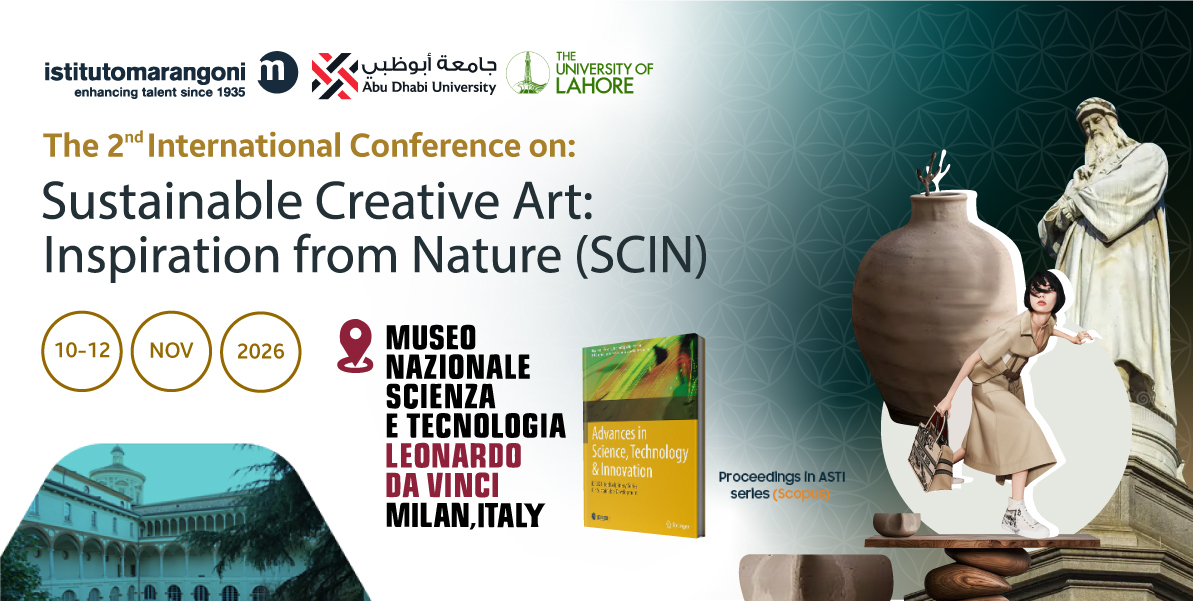
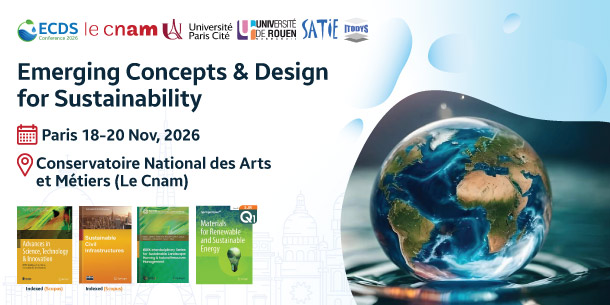
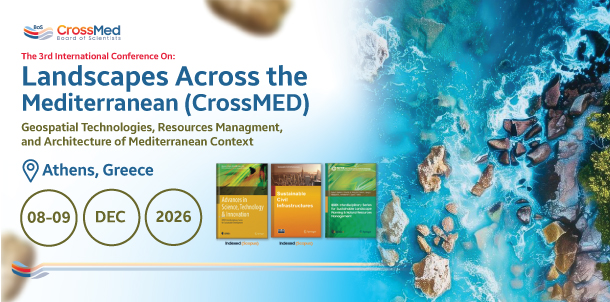
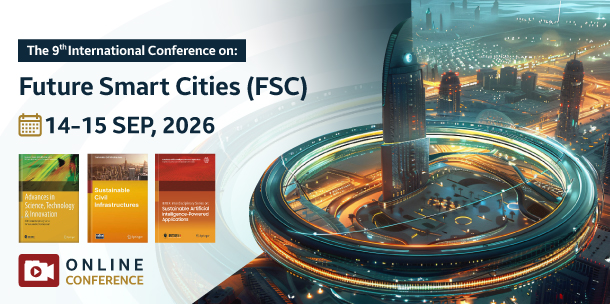
The conference is open year-round. Once authors submit their papers, iDirect manages the peer-review process and organizes online sessions where authors can present their research. Accepted papers are published through the selected venue. For those wishing to present in person, options are available at upcoming conferences. Authors are encouraged to choose the nearest upcoming event via IEREK’s conferences [link] or contact the MESD Conference coordinator for guidance, including information about possible discounts.
Conference Topics
1. Climate Dynamics and Atmospheric Science
Advanced research into atmospheric circulation patterns, their influence on MENA weather and climate, and climate change mitigation strategies.
2. Hydrology and Water Resources
Investigating surface and subsurface hydrological dynamics, including groundwater flow in arid and semi-arid regions, and strategies for water resource management.
3. Geological and Tectonic Processes
Research on the geological settings of natural resources and the dynamics of seismology, plate tectonics, and volcanology in the region.
4. Oceanic and Marine Sciences
Understanding oceanic currents and marine-atmospheric interactions in the Red Sea, Arabian Gulf, and Mediterranean Sea.
5. Resource Management and Sustainability
Examining the geological settings, origins, and distributions of natural resources, with a focus on sustainable extraction and use.
6. Natural Disaster Resilience
Understanding and mitigating natural hazards such as earthquakes, tsunamis, and desertification in the region.
7. Biodiversity and Ecosystems
The interplay between geological processes, climate variability, and ecosystem evolution, and strategies for conservation.
8. Geospatial Technology and Remote Sensing
Applications of GIS, remote sensing, and satellite imagery for monitoring environmental changes, mapping resources, and assessing hazards.
9. Data Analytics in Earth Sciences
Developing integrated frameworks for quantifying Earth system components and their interactions in diverse MENA environments using advanced data analysis.
Benefits of Attending
Participating in an iDirect conference offers a streamlined path to publishing your research while enhancing your professional reputation. Our unique model provides a direct link between your work and publication in a prestigious book series, all from a year-round online platform.
Key Benefits
Direct Path to Publication: All papers accepted through the rigorous peer-review process are submitted for publication in a corresponding Springer Nature book series. This offers authors a direct, efficient path to a high-impact publication, cementing their work in a respected, indexed volume.
International Recognition: Authors receive an internationally recognized soft-copy certificate of participation and contribution, which adds a valuable credential to their curriculum vitae.
Focused Academic Discussion: Our dedicated online sessions bring together a global community of experts to exchange and share their research. It is a fantastic opportunity to discuss your work with leading academic scientists and gain insights that could inspire future research.
Expanded Network: While our conferences are online, they provide an opportunity for networking and collaboration. You can engage directly with professors and peers during online discussions, building connections that can lead to future collaborative projects.
Boosting Your Academic Profile: Publishing with Springer Nature and presenting your work in an iDirect conference will significantly enhance your academic reputation. It demonstrates your active role in the global research community and contributes to your professional visibility.
Permanent Access to Content: Accepted papers are published in a book series that is permanently archived on the websites of both Springer Nature and IEREK, ensuring your work is immediately and continuously available to the international scientific community.
Registration & Fees
A single participation fee of 150 Euros covers all types of involvement in an iDirect Interdisciplinary Conference, whether you are an author, co-author, or a general audience member. This all-inclusive fee provides a direct, year-round path for your research to be published with Springer Nature.
The participation fee covers the following:
Paper Submission and Peer-Review: The fee includes the full, double-blind peer-review process for a single paper.
Publication Opportunity: Accepted papers will be submitted for publication in the corresponding Springer book series. Publication is included in the fee.
Online Presentation: Authors will be invited to present their paper in a dedicated online session with other authors.
Access to Recordings: All participants will receive access to the recordings of the online sessions.
Certificates: You will receive a soft-copy participation certificate and a preliminary acceptance letter.
Discounts and Waivers
Despite the single low fee, we are pleased to offer special discounts to applicants from our collaborative university partners and from low and middle-income countries.
Collaborative Discounts: A special discount is offered to applicants from universities that have signed a partnership agreement with IEREK.
Income-Based Discounts: Special waivers and discounts are available for authors from low and middle-income countries, as classified by the World Bank.
To apply for a discount, please contact the iDirect Conference coordinator at the email provided on the conference page.
Optional Attendance Upgrades
While iDirect conferences are hosted online, authors have the option to present their work in person at one of IEREK’s upcoming physical conferences. This option is available for an additional fee to cover conference expenses.
Authors' Instructions
At IEREK, we have a strict policy against plagiarism. Copying another author's work or ideas without proper credit is considered fraudulent. Our review committee has the authority to reject any paper, at any stage of the review process, if it is found to have plagiarized content.
To ensure a smooth process, please follow these steps for your paper submissions.
Step 1: Full Paper Submission & Review
After your paper is preliminarily accepted, you will receive an acceptance letter and a proforma invoice. Payment is required to confirm your participation and to initiate the full paper review process.
Full Paper Guidelines:
Your paper must be written in English, be a minimum of 6 pages long, and align with a conference topic.
The paper should follow a standard research structure: Abstract (with keywords), Introduction, Literature Review, Methodology, Results, Conclusion, and References.
You can submit a regular paper of up to 12 pages at no extra charge.
Your submission can be made through the website or sent to the conference email.
Peer Review Process:
We use a double-blind peer-review process. Papers are evaluated by a minimum of two reviewers and a final decision is made by the responsible Editor.
All submissions are screened for plagiarism using the iThenticate software. Papers with a similarity score above 30% will be rejected.
You may be asked to revise your paper to reduce a lower similarity score or to address reviewer comments.
Missed deadlines for revisions may result in the complete rejection of your paper from publication.
Step 2: Publication & Presentation
Upon full paper acceptance, you will be contacted to finalize your submission.
Publication:
If your paper is accepted for publication, you will be asked to provide a final version that follows Springer's guidelines and to sign a consent-to-publish (CTP) form.
Your paper will then be published in the corresponding iDirect book series with Springer Nature.
Presentation:
You have two options for presenting your work. You can attend a special online session organized to discuss submitted papers.
Alternatively, you can present your work in person at one of IEREK’s upcoming conferences. This option requires paying the difference in fees.
Please inform the conference support team if you do not intend to publish an extended paper in the proceedings.
Refund Policy
Due to the nature of the year-round, online iDirect conferences, all refunds are subject to a penalty based on the time elapsed since the payment was made. Please note that no refunds will be provided to participants after their papers have been submitted for publication.