
Urban Planning & Architectural ...
Online Conference
20 Oct 2026 / 22 Oct 2026 read more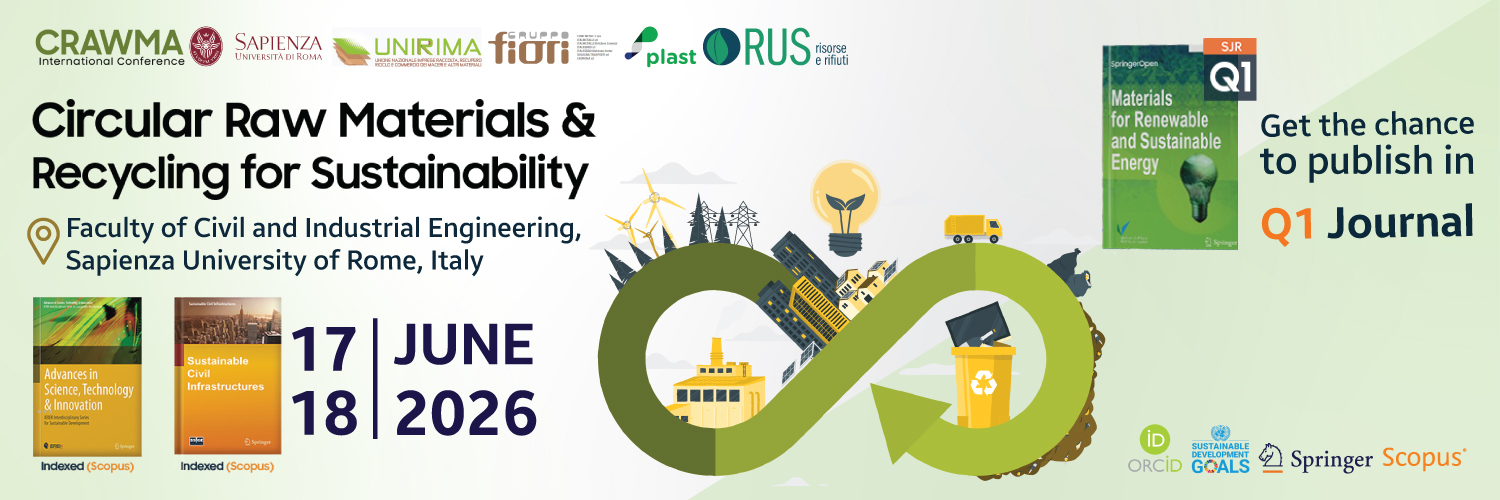
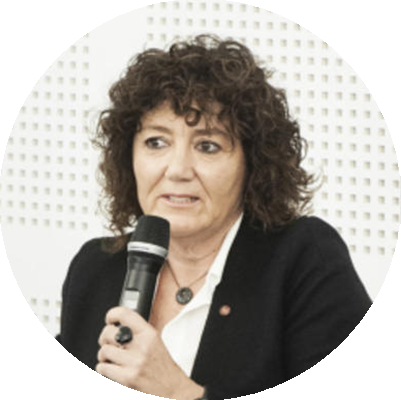
Full Professor of Raw Materials Engineering, Department of Chemical Engineering Materials & Environment, Sapienza University of Rome
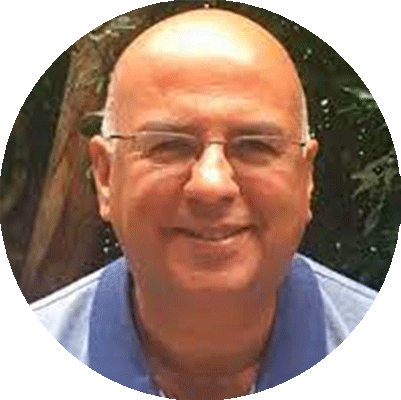
Research Director Université Paris Cité & CNRS (UMR 7086), ITODYS Lab

Full professor in Inorganic Chemistry, Università del Piemonte Orientale
Conference Coordinator
[email protected]
(+20) 3 5763827 | (+20) 3 5763828
Whatsapp: (+20)1000028021
Subscribe to our newsletter
Q1 Journal | Impact Factor 5.5 | Springer Nature
Selected conference papers may be invited for extension and publication in the MRSE journal with APC discounts and fee support.
The sustainable use of resources, aligned with Sustainable Development Goal 12 (SDG 12) of the 2030 Agenda, has become a global priority, serving as the crucial balance point between the SDGs aimed at socio-economic growth and those focused on environmental protection and resource conservation. Achieving this equilibrium requires a comprehensive and technologically advanced approach to raw materials management, integrating both primary raw materials, which remain essential for securing strategic supply chains and enabling the digital and ecological transition, and secondary raw materials, which contribute to reducing dependency on virgin resources while closing material loops through efficient, high-performance recycling processes.
The Circular RAW Materials (CRAWMA) conference provides a platform for researchers, scientists, engineers, industry leaders, economists and policymakers to discuss the latest innovations, strategies and advancements in circular raw materials management, recycling technologies, urban mining and critical raw material supplychains, which are essential for key industrial sectors and emerging technologies. By connecting experts across disciplines, CRAWMA highlights cutting-edge research and technologies, along with economic, policy and societal perspectives, supporting sustainable raw materials management in alignment with SDG 12.
Conference Scope
CRAWMA explores the scientific and technological fundamentals of the circular approach to raw materials management, emphasizing the transition from linear to circular supply chains through innovation in recycling and recovery processes. The conference focuses on the sustainable use of both primary and secondary raw materials, aiming to close material loops and reduce dependency on virgin resources.
1.1 Data analysis and material flow indicators on raw materials production, consumption and recycling.
1.2 Resource mapping and availability of primary and secondary raw materials.
1.3 Raw materials for the digital and ecological transition: demand, challenges and sustainable sourcing.
1.4 Circular economy models in renewable energy raw material supply chains
1.5 Strategies for integrating secondary raw materials into sustainable industrial processes.
1.6 Effective and smart reuse strategies: from eco-design to implementation
2.1 Recycling-oriented characterization methods for raw material recovery optimization.
2.2 Advances in mechanical recycling, including disassembly, comminution, screening and separation methods.
2.3 Sensor-based sorting technologies.
2.4 Chemical and biotechnological recycling methods.
2.5 Process monitoring and quality control in recycling.
2.6 Case studies on recycling processes applied to agricultural, industrial, municipal and mining waste streams, including components from renewable energy systems.
2.7 Green technologies and methodologies for enhancing energy and resource efficiency in production systems.
3.1 Mapping urban areas for identifying valuable secondary raw material sources.
3.2 Urban mining vs. ore mining: challenges and benefits.
3.3 Raw material recovery from municipal waste, including packaging waste (plastic, glass, paper, aluminum, steel, wood).
3.4 Complex end-of-life products (e.g., Waste from Electrical and Electronic Equipment - WEEE, End of Life Vehicles - ELVs, etc.) recovery.
3.5 Construction and Demolition Waste valorization and processing, including innovative deconstruction and selective dismantling methods for maximizing raw material recovery.
3.6 Textile waste management and valorization strategies.
4.1 New methodologies and technological innovations in CRM extraction and processing.
4.2 Sustainable sourcing and substitution strategies.
4.3 CRM management and recycling in renewable energy systems.
4.4 Efficient CRM recovery from diverse waste streams: industrial, urban and mining sources.
4.5 Circular economy pathways for securing resilient and sustainable CRM supply chains.
5.1 Global and regional policies for raw material sustainability in circular economy frameworks.
5.2 Education and capacity building for sustainable resource management.
5.3 International cooperation through global recycling networks and standard harmonization.
5.4 Behavioral change and consumer awareness through responsible consumption, public engagement and social acceptance of recycled materials.
6.1 AI-based optimization systems for waste collection, sorting and material recovery.
6.2 Machine learning models for forecasting resource demand and waste generation patterns.
6.3 Blockchain-enabled AI tools for enhancing transparency and traceability in circular supply chains.
6.4 Policy, ethical and governance implications of implementing AI in circular resource systems.
7.1 Economic assessment of circular economy business models and market scalability.
7.2 Green finance mechanisms and investment frameworks supporting circular transitions.
7.3 Comparative analysis of cost-effectiveness between circular and traditional production systems.
7.4 Role of economic policies (e.g., EPR, carbon taxes) in incentivizing circular innovation and sustainable practices.
7.5 Emerging skillsets, workforce transitions and vocational training needs in circular economy sectors.
Materials for Renewable and Sustainable Energy (MRSE) is an international, high-impact, peer-reviewed Open Access journal published by Springer Nature, focusing on advanced research in Energy and Materials Science.
Special Issue: Titled "Progressive Approaches to Green Energy and Sustainable Raw Material Utilization"
This special issue will highlight advancements in recycling technologies and examine inventive methods for disassembly, separation, and sorting to recover high-quality materials from complex waste streams. Contributions are encouraged in areas such as urban mining, significant raw material recovery, construction and demolition waste valorization, and the characterization of materials using advanced analytical tools.
Guest Editors:
For full details on the journal’s aims, scope, and APC rates, please visit the Materials for Renewable and Sustainable Energy (MRSE) journal website. APC discounts and waiver information are available on the “Fees and Funding” page.
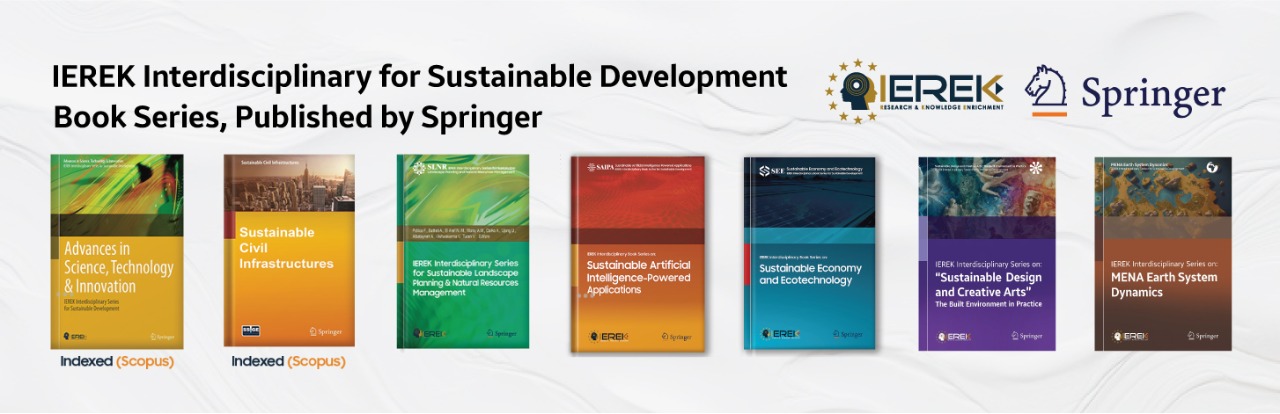
All accepted submissions to the conference, after a rigorous double-blinded peer-review process by the respective Editorial Board, will be published in one of the following:
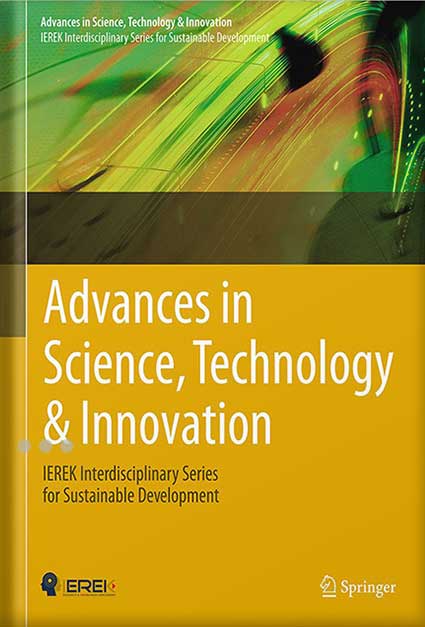
Advances in Science, Technology and Innovation (ASTI), an IEREK interdisciplinary book series published by Springer Nature. (SCOPUS indexed)
Publisher: Springer Nature (IEREK Interdisciplinary book series)
Indexing: SCOPUS indexed; some titles in Web of Science (ISI)
Focus: Emerging research in science, technology, and innovation for sustainable development, addressing UN SDGs.
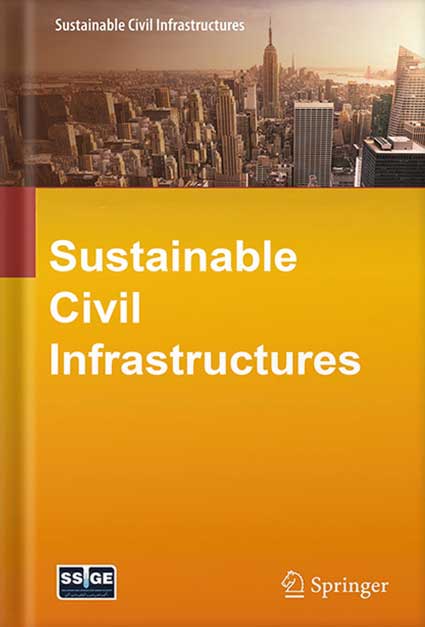
Publisher: Springer (Peer-reviewed book series)
Indexing: EI Compendex, SCImago, SCOPUS, zbMATH
Focus: Sustainable engineering materials and designs for civil infrastructures, addressing impacts of weather extremes and improving well-being.
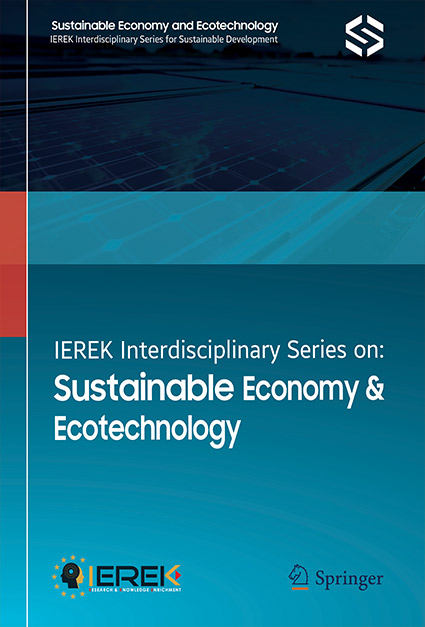
Publisher: Springer (Peer-reviewed book series)
Focus: Advancing research and practical solutions at the intersection of economy, technology, and environmental sustainability.
Key Areas: Sustainable economy, ecotechnology, circular economy, sustainable business, green finance, environmental preservation, sustainable mobility, sustainable marketing, urban sustainability, ecological management, and socio-economic development.
**This publication option is offered exclusively to all participants in Special Session 1: Sustainable Economy and Eco-Technology.
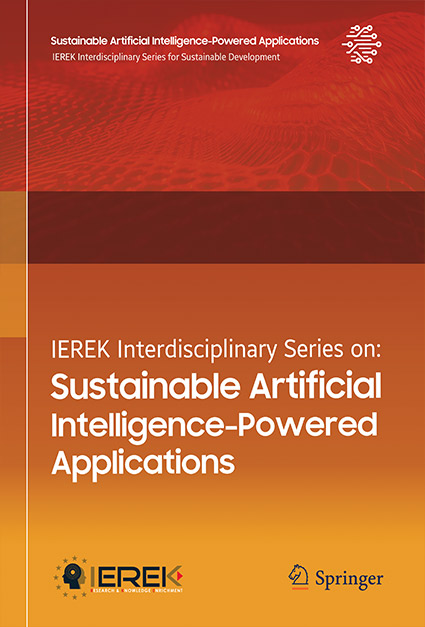
Publisher: Springer (Peer-reviewed book series)
Focus: Advancing interdisciplinary research and applications of artificial intelligence to support sustainability and the achievement of global development goals.
Key Areas: Artificial intelligence; sustainable development; machine learning; smart cities; renewable energy; precision agriculture; environmental monitoring; climate modeling; Internet of Things (IoT).
**This publication option is offered exclusively to all participants in Special Session 2: Sustainable AI-Powered Applications.
Internationally peer-reviewed, open access journals published by IEREK Press. Covering a wide range of disciplines including sustainability, architecture, engineering, and environmental sciences.
Journal on:
Participating journal: Materials for Renewable and Sustainable Energy (MRSE) is an international, high-impact, peer-reviewed Open Access journal published by Springer Nature, focusing on advanced research in Energy and Materials Science.
The sustainable development and application of materials for renewable energy technologies is critical for advancing a circular economy and meeting SDG 12 Responsible Consumption and Production under the 2030 Agenda. This special issue aims to highlight cutting-edge research on materials that enable renewable energy solutions, with a focus on their design, processing, recycling, and performance optimization.
We welcome contributions that explore novel materials, advanced characterization methods, and sustainable utilization strategies that directly support renewable energy generation, storage, and conversion. The emphasis is on materials science and engineering innovations that can transform industries and communities toward a sustainable future.
Guest Editors:
For full details on the journal’s aims, scope, and APC rates, please visit the Materials for Renewable and Sustainable Energy (MRSE) journal website. APC discounts and waiver information are available on the “Fees and Funding” page.
Key areas of interest include:
Join us in shaping practical solutions for a sustainable materials economy. Submit your work and contribute to advancing green energy and resource efficiency.
| Title | Date |
|---|---|
| Abstract Submission Deadline (3rd Round Extension) | 30 Apr 2026 |
| Letter of Visa (for delegates who need visa entry) *payment required | 10 Apr 2026 |
| Last Notification for Abstract Acceptance & Approval to present | 15 Apr 2026 |
| Early Payment Deadline | 17 Feb 2026 |
| Regular Payment Deadline | 25 Apr 2026 |
| Paper Submission Deadline | 20 May 2026 |
| Notification of acceptance/ rejection of submitted paper | 10 Jun 2026 |
| Late Payment Deadline | 17 May 2026 |
| Conference Program | 17 May 2026 |
| Conference Launch | 17 Jun 2026 |
The registration fee does not cover accommodation or travel expenses. A list of accommodation options can be suggested by our team if available. Please contact [email protected] for inquiries.
We recommend that all authors take advantage of the benefits that IEREK offers, including various attendance types, publishing opportunities, and opportunities for discounts and waivers.
We are pleased to inform all applicants that they can use their previous publications to register for an IEREK membership, which offers a special discount.
IEREK offers a special discount to applicants from collaborative universities that have signed an MoU with IEREK to host or co-host one of its conferences.
IEREK also provides special discounts to authors from low and medium-income countries.
The disclosed fees are for the conference participation (Publication is free of charge, but only the conference participants can be considered for publishing in the conference proceedings).
Some of the disclosed conference fees may vary depending on the book series and/or journal(s) presented as a publication outlet, as we encourage submission to newly founded book series and/or journal(s) by presenting a discounted rate for conferences’ fees
IEREK offers many types of registrations that are diverse in registration fees; applicants can choose the type they are familiar with as follows:
Participants who are PhD holders, post-doctoral researchers, and universities’ affiliated professors and experts in the field.
Must provide proof of enrollment in a university by providing an enrollment certificate and/or a valid university ID (with issue/expiry date) etc.
Participants who are not affiliated with universities such as practitioners, policymakers, entrepreneurs, etc.
Have access to the event to enjoy the discussions, coffee breaks, and lunch as a co-author or audience.
IEREK Community members receive 25% off the Regular payment stage.
If you are a returning author, published researcher, institutional partner, or active contributor to IEREK activities, you may be eligible for exclusive Community benefits. Visit the IEREK Community Section to learn more and check your eligibility.
| Type of Registration | Early Payment Deadline 17 Feb 2026 |
Regular Payment Deadline 25 April 2026 |
Late Payment Deadline 17 May 2026 |
|---|---|---|---|
| Scopus indexed-ASTI Book by Springer | |||
| Student/Early Career Researcher | 300 € | 350 € | 400 € |
| Academic | 350 € | 400 € | 450 € |
| Professional/Industry | 400 € | 450 € | 500 € |
| Co-author/ Audience | 150 € | 200 € | 250 € |
| Scopus-indexed MRSE Q1 Journal Publication Fee | |||
| APC price | 1890 € | ||
| 50% for Developing Countries | 945 € | ||
| SAIPA Book or SEE Book by Springer | |||
| Student/Early Career Researcher | 250 € | 300 € | 350 € |
| Academic | |||
| Professional/Industry | |||
| Co-author/ Audience | 150 € | 200 € | 250 € |
| Open Access IEREK Press Journals | |||
| Student / Early Career Researcher | 200 € | 250 € | 300 € |
| Academic | 250 € | 300 € | 350 € |
| Professional / Industry | 300 € | 350 € | 400 € |
| Co-author/ Audience | 150 € | 200 € | 250 € |
IEREK also offers virtual attendance for authors to present their research papers online; however, we strongly encourage all applicants to attend the conference in person.
The physical fee covers:
* Each research paper should have one main author who should pay the full fee (Author fees) regardless of attendance. Co-authors, each, have their fees to pay to attend the event. This applies to online attendance as well as physical attendance.
* A research paper fee allows only one author, whether main or co-author, to attend the conference and receive only one conference kit. Extras can be requested for an additional fee.
| Type of Registration | Early Payment Deadline 17 Feb 2026 |
Regular Payment Deadline 25 April 2026 |
Late Payment Deadline 17 May 2026 |
|---|---|---|---|
| Scopus indexed-ASTI Book by Springer | |||
| Student/Early Career Researcher | 250 € | 300 € | 350 € |
| Academic | 300 € | 350 € | 400 € |
| Professional/Industry | 350 € | 400 € | 450 € |
| Co-author/ Audience | 100 € | 150 € | 200 € |
| Scopus-indexed MRSE Q1 Journal Publication Fee | |||
| APC price | 1890 € | ||
| 50% for Developing Countries | 945 € | ||
| SAIPA Book or SEE Book by Springer | |||
| Student/Early Career Researcher | 200 € | 250 € | 300 € |
| Academic | |||
| Professional/Industry | |||
| Co-author/ Audience | 100 € | 150 € | 200 € |
| Open Access IEREK Press Journals | |||
| Student / Early Career Researcher | 150 € | 200 € | 250 € |
| Academic | 200 € | 250 € | 300 € |
| Professional / Industry | 250 € | 300 € | 350 € |
| Co-author/ Audience | 100 € | 150 € | 200 € |
IEREK offers virtual attendance, providing authors with a unique link to join the conference sessions and present their papers as per the announced program.
The online fee covers:
* Each research paper should have one main author who should pay the full fee (Author fees) regardless of attendance.
* Co-authors, each, have their fees to pay to attend the event. This applies to online attendance as well as physical attendance.
* Participants can use only one type of discount opportunity, which meets their preferences.
* Authors should contact the conference manager through this email [email protected] to consider the discount and waiving for all the above cases so that the conference manager can provide an exclusive invoice for each case.
Afghanistan, Algeria, Angola, Bangladesh, Benin, Bhutan, Bolivia, Burkina Faso, Burundi, Cabo Verde, Cambodia, Cameroon, Central African Republic, Chad, Comoros, Congo, Congo Dem. Rep., Côte d'Ivoire, Djibouti, Egypt, Eritrea, Eswatini, Ethiopia, Gambia, Ghana, Guinea, Guinea-Bissau, Haiti, Honduras, India, Iran, Jordan, Kenya, Kiribati, Kyrgyz Republic, Lao PDR, Lebanon, Lesotho, Liberia, Madagascar, Malawi, Mali, Mauritania, Micronesia, Mongolia, Morocco, Mozambique, Myanmar, Nepal, Nicaragua, Niger, Nigeria, Pakistan, Papua New Guinea, Philippines, Rwanda, Samoa, São Tomé and Principe, Senegal, Sierra Leone, Solomon Islands, Somalia, South Sudan, Sri Lanka, Sudan, Syria, Tajikistan, Tanzania, Timor-Leste, Togo, Tunisia, Uganda, Ukraine, Uzbekistan, Vanuatu, Vietnam, Yemen, Zambia, Zimbabwe
IEREK puts a lot of effort into expediting the peer review process to publish articles as quickly as possible. This requires prompt responses from all authors to the editors' comments, if any. Your swift response is highly appreciated to advance the production process and get your articles online. We prioritize the first author to respond as per our formula. The conference proceedings will be divided into multiple books, with the first one scheduled for publication within 3 months after the conference date. We encourage all authors to aim for publication in the first release.
For participants who need Entry Visas to the country where the conference will be held, IEREK will issue the corresponding invitation letter for accepted applicants to facilitate visa issuance. Please notice that we will attempt to assist you in obtaining a visa but the responsibility is yours and the decision rests solely with the appropriate Embassy. For the requirements of issuing a visa letter please read more here!
Registration and financial transactions for this conference are managed through our strategic partners, working in close academic partnership with IEREK to ensure seamless delivery of conference services and publication standards.


Both entities work in close academic partnership with IEREK to ensure the highest standards of financial transparency, conference administration, and publication quality.
IEREK Community is a reflection of our appreciation for the scholars, institutions, and research groups who continuously contribute to the growth and excellence of IEREK’s academic network. Through exclusive rates and added privileges, we aim to make participation more accessible while strengthening long-term collaboration, research continuity, and institutional partnerships within our global community.
Eligible members of the IEREK Community receive a 25% discount during the Regular payment stage and may benefit from special discounts on other IEREK conferences.
The IEREK Community includes:
Previous attendees of IEREK conferences
Loyal authors who consistently participate in multiple editions of the same conference
Authors who have published in IEREK conference proceedings or journals
Researchers registering as a group submission
Faculty members and researchers from universities with current or past partnership agreements with IEREK
Universities and academic institutions located in the hosting country of the conference
Active authors who continuously support and engage with IEREK’s activities on social media (sharing, promoting, and contributing to community visibility)
Academics who support IEREK as moderators, keynote or guest speakers, reviewers, or editors
Authors should contact the conference manager at [email protected] to request consideration for discounts in any of the above cases.
IEREK has an unyielding policy regarding plagiarism. We believe that copying/taking the ideas and work of other Authors without permission and credit is fraudulent. The Reviewing committee and IEREK employees have the authority to reject a paper during its reviewing process, based on the paper being subjected to either minor or major plagiarism.
Authors must refer to, and abide by, the following instructions in submitting their abstracts/ papers:
This is not a prerequisite for presenting your work at the conference. Meaning, you can present your submitted abstract without intending to publish your work.
This process can only be initiated after payment completion and confirmation:
Registration
To help the organizers plan for inter-disciplinary dialogue, participants are requested to choose from the conference themes/ Topics upon registration.
They must also refer to, and abide by, the following instructions in registering and/ or submitting their contributions:
NOTE: If you are contributing as an Author of a submitted abstract (for publishing consideration and/or presentation), and regardless of attendance, the fee for the registration is the same. See and Conference Fees for more information.
Types of Participation
1. Attend/ Present in-person or Online and Publish in indexed Conference proceedings
The conference offers a Physical attendance option for your convenience. That said, participants will have a chance to present their abstract/research, on campus, and have their work considered for publication in the ASTI Series by Springer as part of the conference proceedings.
See Author Instructions and Conference Fees for more information.
2. Registration to publish in the proceedings without presenting/ attending
If your full paper is accepted, it may be published in the conference proceedings book in the Advances in Science, Technology & Innovation Book Series by Springer (indexed in Scopus) even if you are not attending the conference. In this case, the accepted work will not be included in the final conference program. See Author Instructions and Publishing Opportunities for more information.
3. Non-presenting participant
Non-presenting participants may also wish to attend the conference as Audience Members or Co-authors contributing to an already submitted abstract/ paper. See Conference Fees for more information.
Notes to consider:
* Attendance online and in-person are possible upon confirmation with the conference secretariat/ coordinator at [email protected] and following Conference Fees covered.
* The participation fee is uninform for all options presented above.
* For participants wishing to attend in-person, a visa invitation letter will be provided upon request, for which case a copy of your passport will be required. The invitation letter can only be provided after acceptance and full payment.
* Before planning your trip, be sure to check travel restrictions to the conference’s hosting country. Visit travel information and restrictions, and send in your questions if you have any to the conference coordinator at the email [email protected]
Attending a conference dramatically enhances both your professional and personal development. They help you sharpen the saw, meet and converse with industry experts, expand your resources and grow your professional network. IEREK Conference will help you:
1. Open Discussions: We bring together leading academic scientists, from different universities and countries, to exchange and share their experiences and research results.
2. Internationally Accredited Certificate: The participants are granted internationally recognized certificates acknowledged by IEREK, the University, and Partnering Organizations.
3. Publication: Selected high-quality manuscripts will be published, after peer review, in the Advances in Science, Technology & Innovation (ASTI) book series by Springer or IEREK Press Journals, both of which are indexed in world-renowned databases.
4. Research Technologies: Conferences can expand your resources by providing a great opportunity to promote gathered information on new technologies related to your research.
5. Networking: You can engage with industry experts to discuss with them the very latest research projects they could be working on and increase your chances of collaboration in future projects.
6. Academic Reputation: Attending many conferences will make you a known figure in academic circles and an active member of the academic community.
7. Conference Abstracts Material: Delegates will receive the conference Abstracts book in soft copy.
Sustainable AI-Powered Applications
As the world faces increasing environmental challenges, artificial intelligence (AI) is rapidly reshaping how we manage materials and build a circular economy. Integrating AI into resource management can significantly enhance efficiency, minimize waste, and reduce environmental impact.
AI-driven technologies are transforming material tracking, smart sorting, and predictive maintenance in recycling systems. These applications also bolster supply chain transparency, ensuring responsible material use. This special session will explore the dynamic intersection of AI, circular resource management, and sustainability, offering a collaborative platform for researchers, industry leaders, and policymakers.
Join us as we investigate how AI can achieve a smarter, more sustainable future, supporting circular economy principles through innovation. We will specifically focus on AI-based optimization systems for waste collection, sorting and material recovery, machine learning models for forecasting resource demand and waste generation patterns, blockchain-enabled AI tools for enhancing transparency and traceability in circular supply chains, and the policy, ethical and governance implications of implementing AI in circular resource systems. All accepted submissions to this special session will be published in the Sustainable Artificial Intelligence-Powered Applications (SAIPA) book series by Springer. You can find more information about the book series here: https://link.springer.com/series/17457.
Scope
The session "Artificial Intelligence for a Circular Economy: Enhancing Resource Efficiency and Sustainability" unites academics, industry professionals, and sustainability experts. It examines AI's specific role in advancing circular economy models, particularly its integration with waste management and material recycling, highlighting AI applications that support resource efficiency and material recovery.
This session will address critical global challenges by exploring how AI optimizes recycling processes, enhances supply chain circularity, and supports the transition toward sustainable material management practices.
Statement of Purpose
This session aims to gather researchers, AI specialists, sustainability practitioners, and policymakers to discuss AI's transformative role in circular economy strategies. Participants are encouraged to share research, innovative applications, and policy recommendations leveraging AI to optimize material use, improve recycling efficiency, and achieve sustainable industry practices.
Topics:
1. AI-based optimization systems for waste collection, sorting and material recovery
2. Machine learning models for forecasting resource demand and waste generation patterns
3. Blockchain-enabled AI tools for enhancing transparency and traceability in circular supply chains
4. Policy, ethical and governance implications of implementing AI in circular resource systems
Special Session: Sustainable Economy and Eco-Technology
The global transition to a circular economy is more than an environmental necessity; it's a profound economic transformation. This shift demands new business models, innovative financial incentives, and robust policy frameworks. While circular practices inherently reduce waste and enhance resource efficiency, their successful large-scale adoption and financial viability depend critically on well-defined economic strategies and supportive market conditions.
The economic benefits of circular systems are clear, offering significant cost savings through waste reduction, new revenue streams from secondary materials, and increased resource efficiency. However, achieving a truly circular economy necessitates overcoming challenges related to market demand for recycled materials, establishing effective funding mechanisms, and ensuring the financial sustainability of moving away from linear production. This special session will delve into these crucial economic aspects.
In this special session, economists, policymakers, and industry experts will explore the financial models, policy frameworks, and economic impacts of circular economy strategies. Discussions will cover the economic assessment of circular economy business models, green finance mechanisms, cost-effectiveness analysis, the role of economic policies (like EPR and carbon taxes) in incentivizing circular innovation, and emerging skillsets and workforce transitions. All accepted submissions to this special session will be published in the Sustainable Economy and Ecotechnology book series by Springer. You can find more information about the book series here: https://link.springer.com/series/17458.
Scope
The "Economic Strategies and Market Impacts of Circular Resource Management" session brings together diverse experts to examine the circular economy's financial aspects. It will explore cost structures, market dynamics, and economic incentives driving sustainable industry transformation.
This session will specifically explore how economic policies and financial strategies encourage circular system adoption. Discussions will address the economic viability of circular supply chains, green finance, and the broader economic implications for workforce development and market evolution.
Statement of Purpose
This session aims to connect circular economy strategies with economic sustainability, engaging policymakers, financial experts, and industry stakeholders. Discussions will focus on investment models, financial incentives, and regulatory frameworks.
Participants can present market analyses, business case studies, and economic models demonstrating circular practices' economic benefits. The session also provides a platform to discuss adoption barriers and financial risks, ensuring a balanced approach to growth and environmental responsibility.
Topics:
1. Economic assessment of circular economy business models and market scalability
2. Green finance mechanisms and investment frameworks supporting circular transitions
3. Comparative analysis of cost-effectiveness between circular and traditional production systems
4. Role of economic policies (e.g., EPR, carbon taxes) in incentivizing circular innovation and sustainable practices
5. Emerging skillsets, workforce transitions and vocational training needs in circular economy sectors

Mariachiara Zanetti drives research activities in the “Environmental Engineering” group of Politecnico di Torino. She is Member of the World Economic Forum and Associate Member of the Third World Organization for Women in Science. She is the environmental advisor of several national and international industries and she holds 5 patents on waste and water and wastewater treatments. From 2019 Prof. Zanetti is co-founder of a Start-up working in Environmental Biotechnology field. She has performed several research and institutional visits in the University of China, South Africa, Egypt, Korea, Chile, Ethiopia, Indonesia, USA, Brasil, Ecuador, Europe. She develops applied research in Environmental Sanitary Engineering by means of private and/or public financial grants and she is involved in the organization of many research teams. Her main scientific activity is focused on environmental technologies for wastewater treatment, waste recycle and reuse, contaminated land characterization and cleaning, environmental risk analysis. She managed several projects financed by public and private entities aimed at the development of new technologies in order to achieve the environmental sustainability of human activities. She is the environmental advisor of several national and international industries, and she holds 3 patents on waste and water and wastewater treatments. From 2019 Prof. Zanetti is co-founder of a Start-up working in Environmental Biotechnology field. Prof. Zanetti has (co-)authored over 300 referred publications in ISI journals, congress proceedings and book volumes, 154 Scopus indexed.
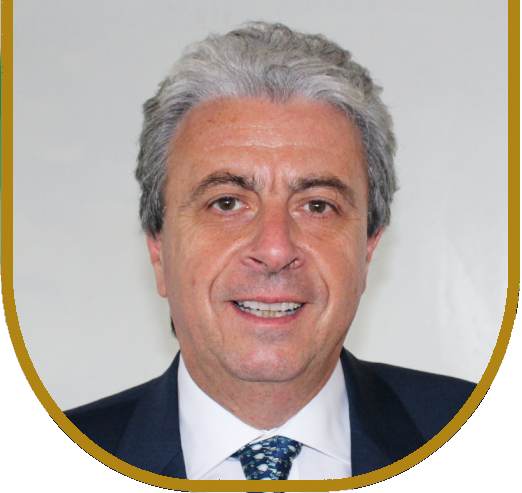
Giuseppe Bonifazi Full Professor of Raw Material Engineering at La Sapienza – University of Rome (Italy) in the Faculty of Civil and Industrial Engineering (Department of Chemical Material and Environmental Engineering) since 1983. For about 45 years he studied particles and particulates solids characterization of different origin and characteristics, developing and implementing mechanical strategies and multi- and hyper-spectral sensing technologies addressed to their compositional, morphological and morphometrical characterization. Such an approach has been successfully applied to natural and synthetic particulate solids characterisation, mineral phases recognition and further ore minerals classification and modelling, in respect of the beneficiation strategies to adopt, identification and classification set up of procedures addressed to recycled particulate solids (glass, aluminium, plastics, etc). He has been and is member of several international scientific associations. He joined, as Principal Investigator or project partner, to several national, European (Erasmus + Capacity Building, Life, Collaborative, Craft, Growth) and International Projects focused of particulates solid materials characterization and processing. He has co-authored more than 400 peer-reviewed publications in international journals.
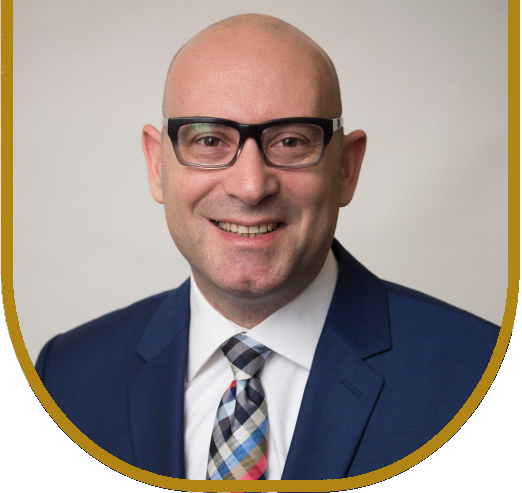
Dr. Costas Velis is an internationally recognized expert at Imperial College London, specializing in circular economy, waste and resources management, with a particular focus on preventing plastic pollution and advancing measurable and tangible circularity. Prior to joining Imperial College London, he was based at University of Leeds since 2012, where he pioneered circular economy initiatives across the university and established the Circular Economy & Resource Recovery (CERRY) network. Dr. Velis recently chaired the Community of Practice on Harmonisation of Plastic Pollution Quantification Models and Methodologies, mandated by the United Nations Environment Programme (UNEP) and administered by the Global Partnership on Marine Litter (GPML) between 2021 and 2024. He also serves on the Policy and Innovation Forum of the Chartered Institution of Wastes Management (CIWM), contributing to strategic discussions shaping the future of the sector. Between 2016 and 2022, he led the Task Force on Marine Litter established by the International Solid Waste Association (ISWA) to address plastic pollution resulting from mismanaged waste in the Global South. His research team has led or significantly contributed to the development of several internationally recognized plastic pollution quantification models, including P2O, WFD, ISWA Plastic Pollution Calculator, SPOT, and PLAST, as well as the landmark OECD Global Plastics Outlook. His research has been published in leading journals such as Nature, Science, The Lancet, Environmental Science & Technology, and Journal of Hazardous Materials, and has frequently been featured in major international media outlets including the BBC and The Conversation. Dr. Velis currently serves as Editor-in-Chief of the journal Waste Management & Research and is a member of the editorial boards of several leading scientific journals. He has also been appointed Specialty Chief Editor for Waste Management at Frontiers in Sustainability. In addition, he actively contributes to the scientific community through peer review activities, research assessment panels, and participation in international scientific committees. A Chartered Waste Manager and member of several professional bodies, Dr. Velis was recently elected to the Steering Committee of the Scientists’ Coalition for an Effective Plastic Treaty. His expertise has led to invitations to deliver keynote and invited lectures worldwide, including in New York, Singapore, Buenos Aires, Vienna, Copenhagen, Munich, Geneva, Luanda, and Athens. He was also a core author of the first Global Waste Management Outlook commissioned by UNEP, chaired the Waste Atlas Database Scientific Committee, and contributed to the methodological protocol for SDG target 11.6.1. Notably, the global waste management and plastic pollution model SPOT provided the first global estimate for this indicator, which was included in the official 2022 United Nations Sustainable Development Goals reporting.
*IMPORTANT: Please note that minor changes could take place and the program will be updated accordingly. All participants should regularly check the program until the event launch.
Rome stands as one of the finest and oldest cities in the world. The history of Rome spans over 2500 years and it has been a centre of power, politics, culture and development since its inception. Creation of the city is steeped in legend and mythology and there are various different accounts of how this majestic place was built. Various Roman emperors and Casers have ruled mighty Rome and this is the place where the colossal Roman Empire grew from.
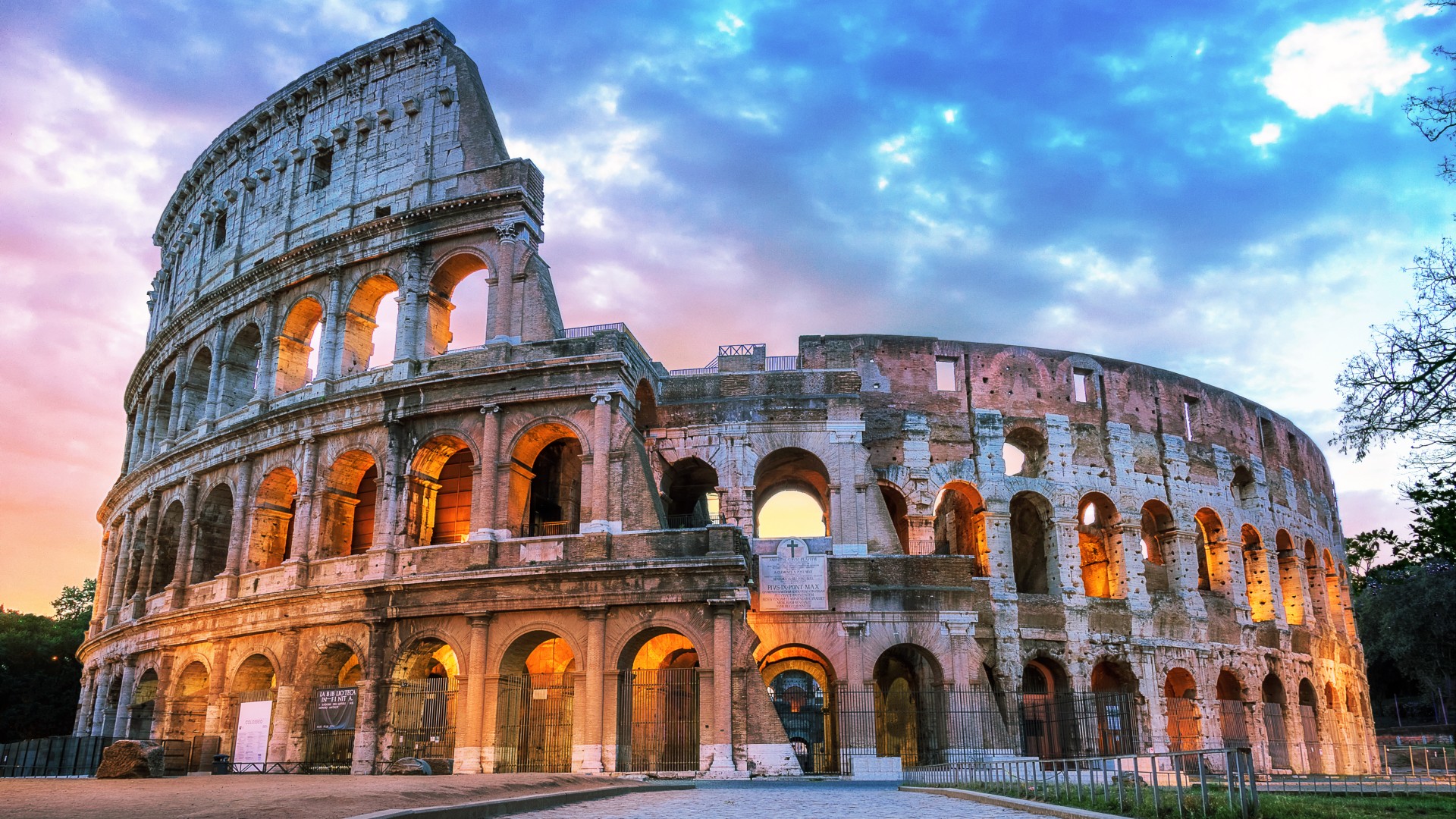
This mighty structure is one of the most renowned and iconic landmarks in the world and a trip to Rome would not be complete without visiting the Colosseum.
Also known as the Flavian Amphitheatre, the Colosseum was constructed between 70-80 AD and at its peak was estimated to hold 80,000 spectators.

Rome holds a small country within a country – The Vatican.
This independent state is one of the most important religious sites in the world and St. Peter’s Square is an iconic place where many significant events have taken place.
Located at the front of the Vatican state, the square is actually circular and is framed by two huge sets of colonnades – Standing on these columns are beautiful statues of various religious figures and previous popes.
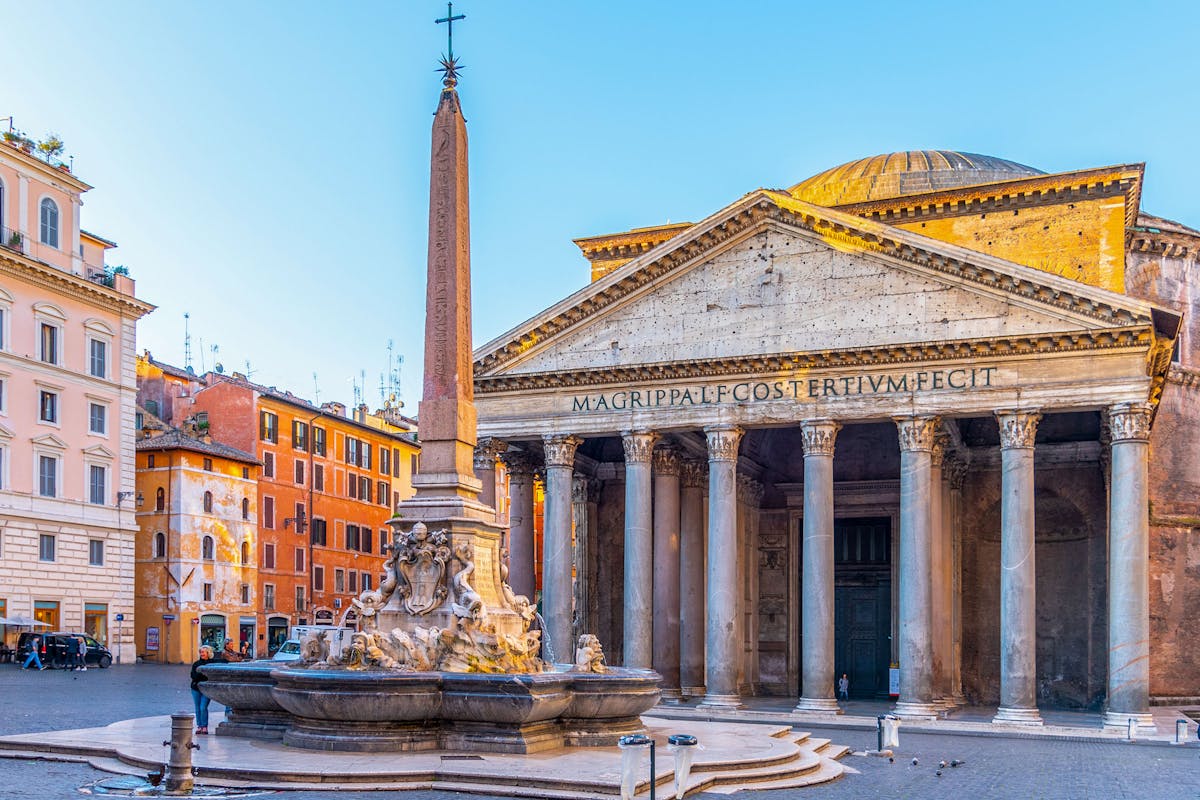
The mighty Pantheon stands as one of the best preserved ancient Roman buildings in the world and is one of Rome’s most famous attractions.
Constructed in 118 AD by emperor Hadrian, the building that stands today was actually built on the site where an earlier temple stood that was commissioned by Agrippa.
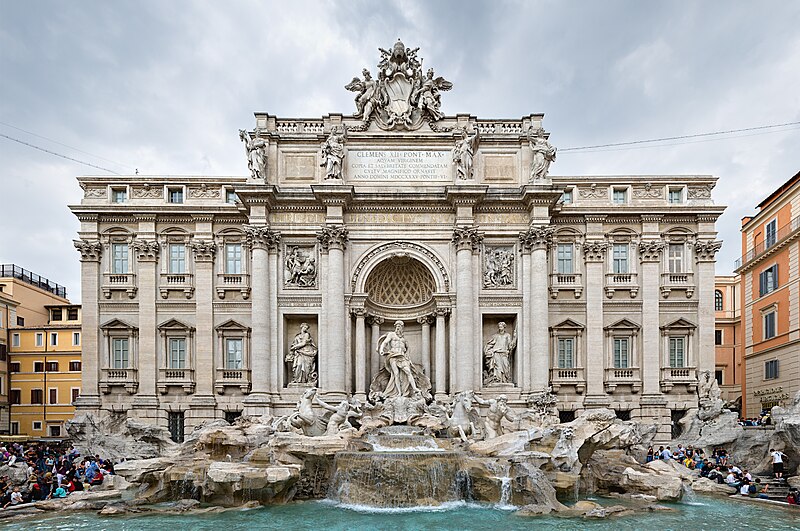
There are not many other fountains in the world as lavishly decorated and sculptured as the Trevi fountain.
Constructed in 1762 by Nicola Salvi, the fountain pays tribute to the Roman God Oceanus who can be seen riding his chariot pulled by Tritons and taming several Hippocamps.
The detail of the sculptures is simply wonderful and the whole facade and fountain are a true work of art.

Part of the Vatican museum complex, the Sistine Chapel is one of the most renowned religious chapels in the world and has a stunning amount of detail and iconography.
Situated in the Apostolic Palace in the Vatican City, the Sistine Chapel was extensively restored in the 1400’s and the place where the papal enclave takes place – It is here that a new pope is selected.
The Sistine Chapel is particularly famous for its extensive and detailed decorations including the Last Judgement fresco by Michelangelo and the ceiling artwork.
Important Note: The following hotels are provided as recommendations for your convenience only. Please be advised that these hotels are not official partners, and we do not provide accommodation for attendees. Booking and expenses are the sole responsibility of the participant.
- For participants who need Entry Visas to the country where the conference will be held, IEREK will issue the corresponding invitation letter for accepted applicants to facilitate visa issuance.
- Please notice that we will endeavor to assist you in obtaining a visa but the responsibility is yours and the decision rests solely with the appropriate Embassy.
Invitation Letter Issuance Process
1- In case the participant is an author who has submitted a research paper to the conference, it must get accepted by the Scientific Committee
2- Required participation fees must be paid
3- The participant should send the following information to the conference's official email:
* A clear copy of passport
* Passport number
* Full name as written in your passport.
* Date of Issuing and Expiration
* Date of Birth
* Email address of the nearest Embassy/Consulate to you
* Mobile Number including country code
4- Conference coordinator will issue the needful invitation letter and send a copy to the participant's email, in addition to another one to the corresponding email address of embassy/consulate
5- The participant should print out the invitation letter along with all other required documents by the embassy/consulate and apply for VISA
|
Cancellation Policy |
Up to 60 days before the event |
Up to 50 days before the event |
Up to 40 days before the event |
39 days before the event |
|
Penalty |
20% |
50% |
70% |
100% |
EXCEPTION
A refund is not possible if
-An acceptance letter has been issued (Authors only)
-The proceedings of the event have been published (Authors only)
-A visa invitation letter has been issued (All participants)
Visa Rejection Cases
Reason and proof of rejection must be submitted. If the reason for rejection is due to an error on our part, the participant will be refunded their full fee with a deduction of a 20% administration fee.
Documents to be issued by IEREK to acquire a visa are as follows:
*Final Acceptance Letter (Authors only)
*Visa Invitation Letter
*Invoice/proof of payment
We encourage all authors and attendees to ensure their having acquired all documents (those applicable) mentioned.
If the reason for rejection is not related to any of the aforementioned and is an error on the participant’s part, the following will apply:
*Authors: may choose to let their co-author present his/her research on his/her behalf free of charge. If the author does not have a co-author, a member of the scientific committee shall present on the author’s behalf.
*Audience members/Registrants: will only be allowed to attend another similar event of their choosing that is organized by IEREK free of charge.









Full Professor of Raw Materials Engineering, Department of Chemical Engineering Materials & Environment, Sapienza University of Rome
Research Director Université Paris Cité & CNRS (UMR 7086), ITODYS Lab
Full professor in Inorganic Chemistry, Università del Piemonte Orientale
Conference Coordinator
[email protected]
(+20) 3 5763827 | (+20) 3 5763828
Whatsapp: (+20)1000028021
Subscribe to our newsletter
Join IEREK community