


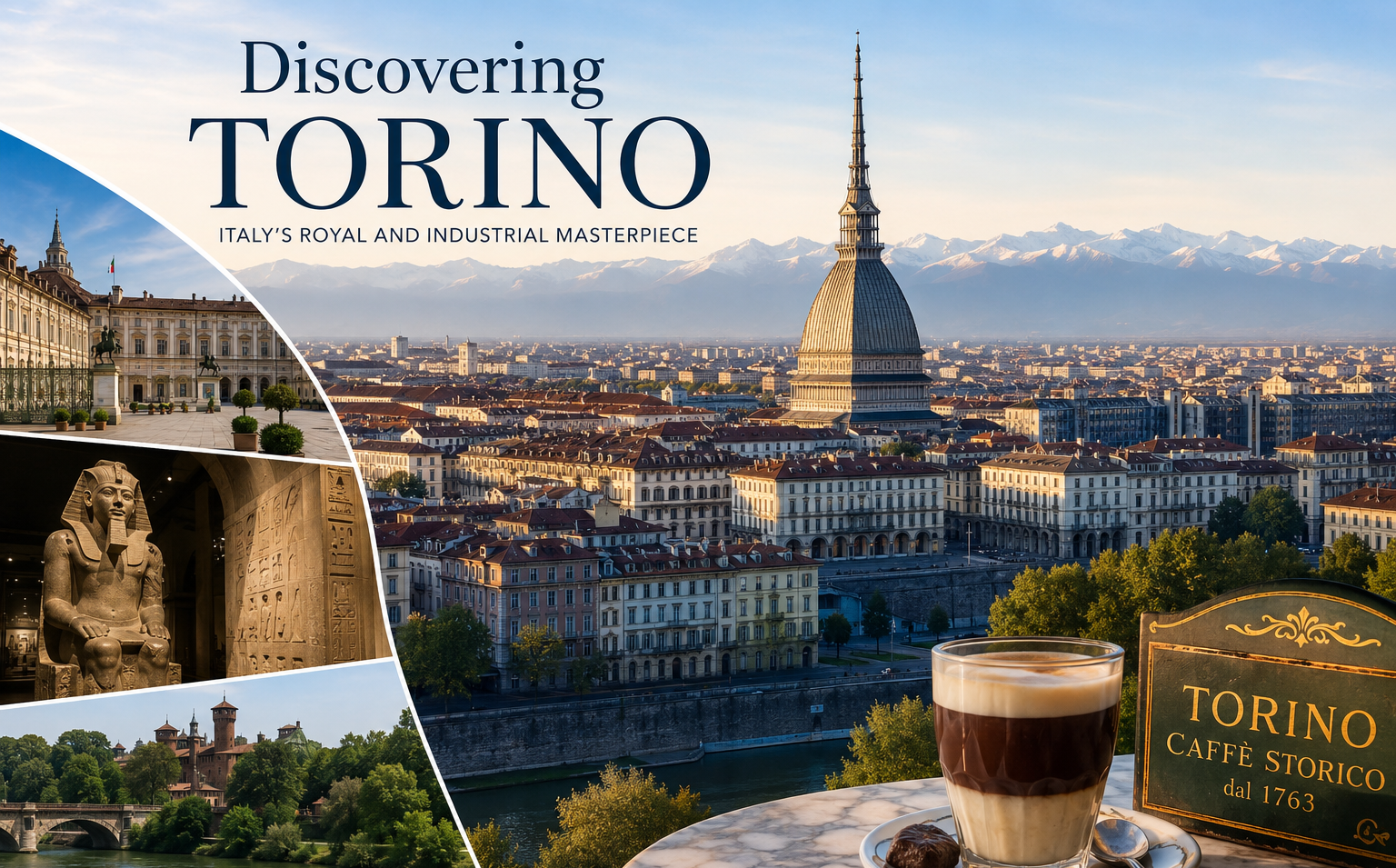

Discovering Torino begins at the foot of the Alps, where this elegant Italian city captivates visitors with its grand architecture, rich history, and refined urban layout. Unlike the bustling atmosphere of some southern Italian cities, Torino boasts wide, tree-lined boulevards, majestic Baroque squares, and historic arcades that stretch for miles. It is a place where royal heritage meets modern innovation, offering an inspiring destination for travelers, scholars, and culture enthusiasts alike.
The Majestic Mole Antonelliana
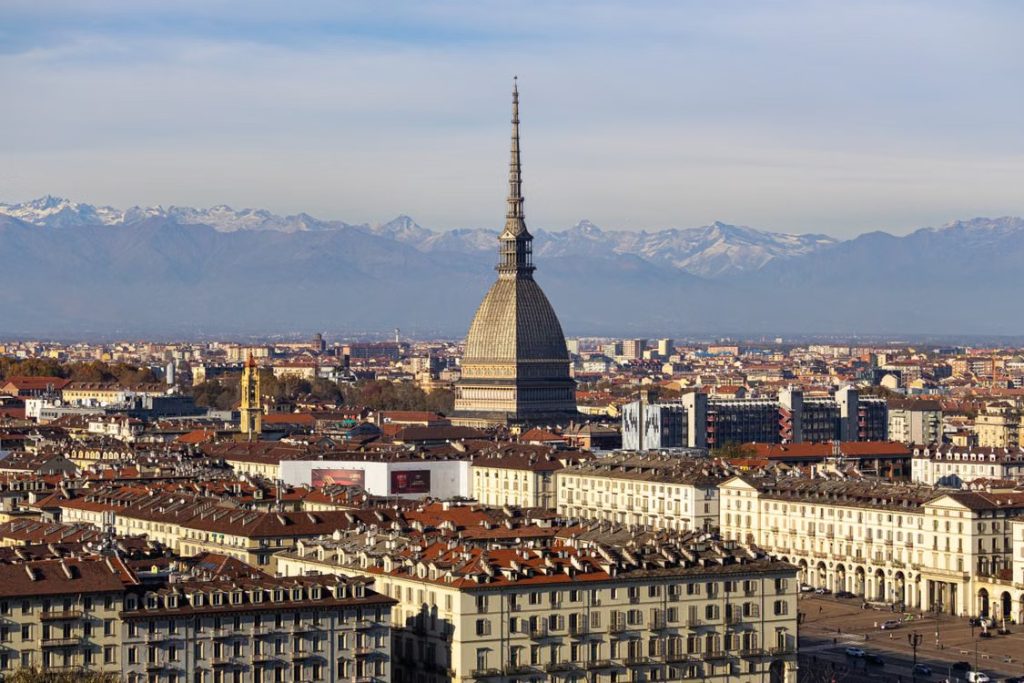
No visit to Torino is complete without gazing up at the Mole Antonelliana, the defining symbol of the city skyline. Originally conceived as a Jewish synagogue in the 19th century, this towering architectural marvel features a soaring spire and a unique structural design that pushed the engineering limits of its time.
Today, the interior houses the National Museum of Cinema, one of the most remarkable film museums in the world. Visitors can take a glass elevator right through the heart of the building up to the dome’s observation deck, which provides breathtaking panoramic views over the rooftops of the city and out toward the snow-capped Alpine peaks.
The Royal Palace and Piazza Castello
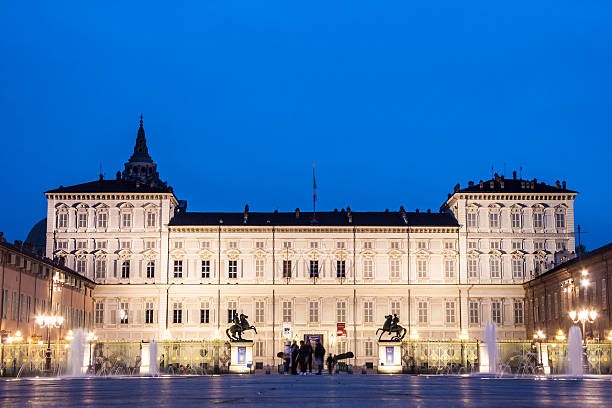
As the historic seat of the House of Savoy, Torino served as the first capital of a unified Italy, and its royal heritage is still palpable. Piazza Castello acts as the grand political and cultural center of the city.
Flanked by striking historic porticos, the square provides access to the Royal Palace of Torino (Palazzo Reale). Walking through the lavish state apartments reveals centuries of opulent art, tapestries, and royal collections. Directly behind the palace, the tranquil Royal Gardens offer a peaceful green escape right in the middle of the urban grid.
The Historic Caffè Culture and Egyptian Museum
Discovering Torino is not complete without experiencing its world-famous café culture. Often regarded as the birthplace of the modern espresso machine and the beloved chocolate-and-coffee drink, bicerin, the city invites visitors to slow down and savor its historic atmosphere. Spending an afternoon in one of Torino’s 19th-century cafés, such as Al Bicerin or Caffè Mulassano, feels like stepping back into the era of writers, politicians, and artists who helped shape European history.
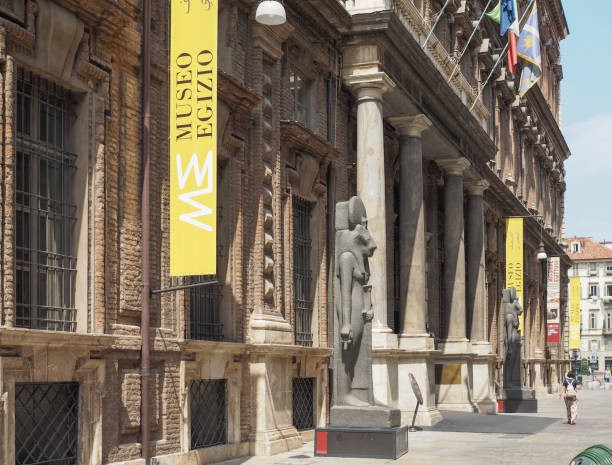
Just a short walk away lies the Museo Egizio (Egyptian Museum). Established in the 19th century, it is the oldest museum in the world dedicated entirely to ancient Egyptian civilization and houses one of the largest collections of authentic artifacts outside Cairo. From monumental statues and remarkably preserved mummies to the renowned Turin King List, the museum offers an unforgettable journey through one of history’s greatest civilizations.
Strolling Along the Po River and Valentino Park
For those looking to enjoy Torino’s natural side, a walk along the River Po leads straight to the expansive Parco del Valentino. This lush riverside park is home to botanical gardens, shaded walking paths, and the Borgo Medievale—a faithful reconstruction of a medieval village and castle built for a 19th-century Italian exhibition. It is a favorite spot for locals to relax, cycle, and enjoy views of the historic bridges crossing the river.
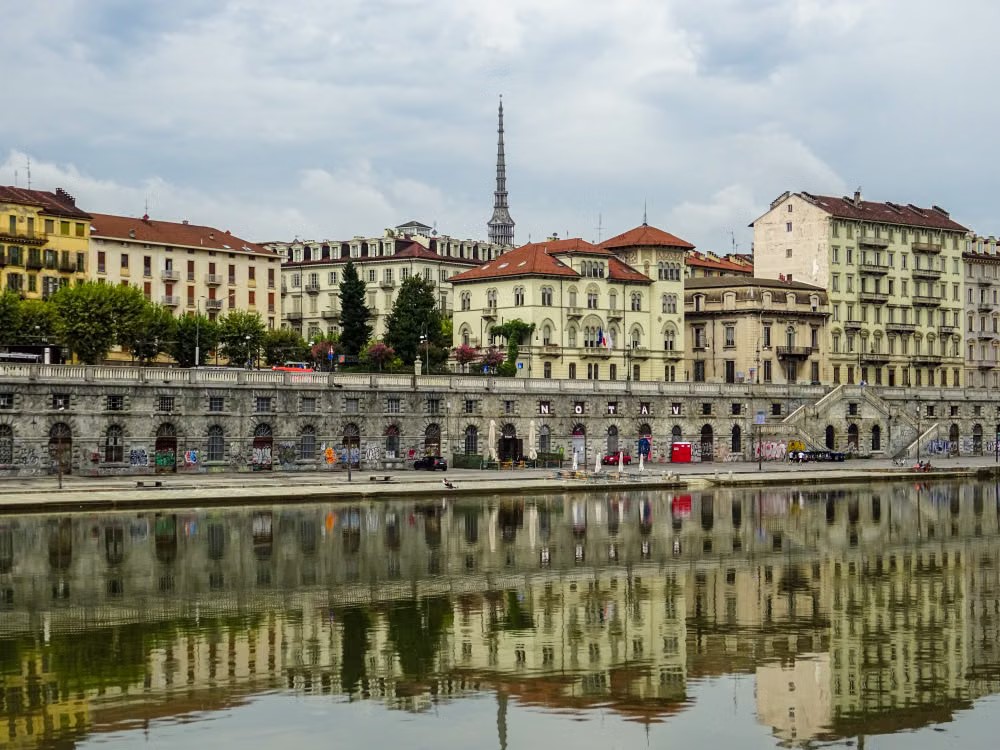
The unique synthesis of historical preservation, architectural heritage, and modern academic progress makes Torino an ideal host city for global collaboration. These themes will converge during a major upcoming academic gathering featuring three jointly held conferences: the 8th edition of the CST conference, the 10th edition of the CITAA conference, and the 10th edition of the CAH conference, on the 8th-10th of September, 2026. These events will bring together international researchers, experts, and professionals to discuss cutting-edge advancements in architecture, heritage, and sustainable tourism within a city that continually honors its past while looking toward the future.
