



Introduction
The textile and fashion industries have always been about creativity, culture, and craftsmanship. But behind the beauty of clothes lies a serious environmental problem. The way we make fabrics and dye them has caused pollution, overuse of water, and significant waste. Now, change is on the horizon, and it’s coming from innovation and a renewed focus on sustainable practices.
Innovative, sustainable materials and cleaner dyeing techniques are reshaping how fashion is designed and produced—combining environmental responsibility with creative expression. This shift isn’t just good for the planet; it also creates better-quality garments that people can feel proud to wear.
Why the Textile World Needs Change
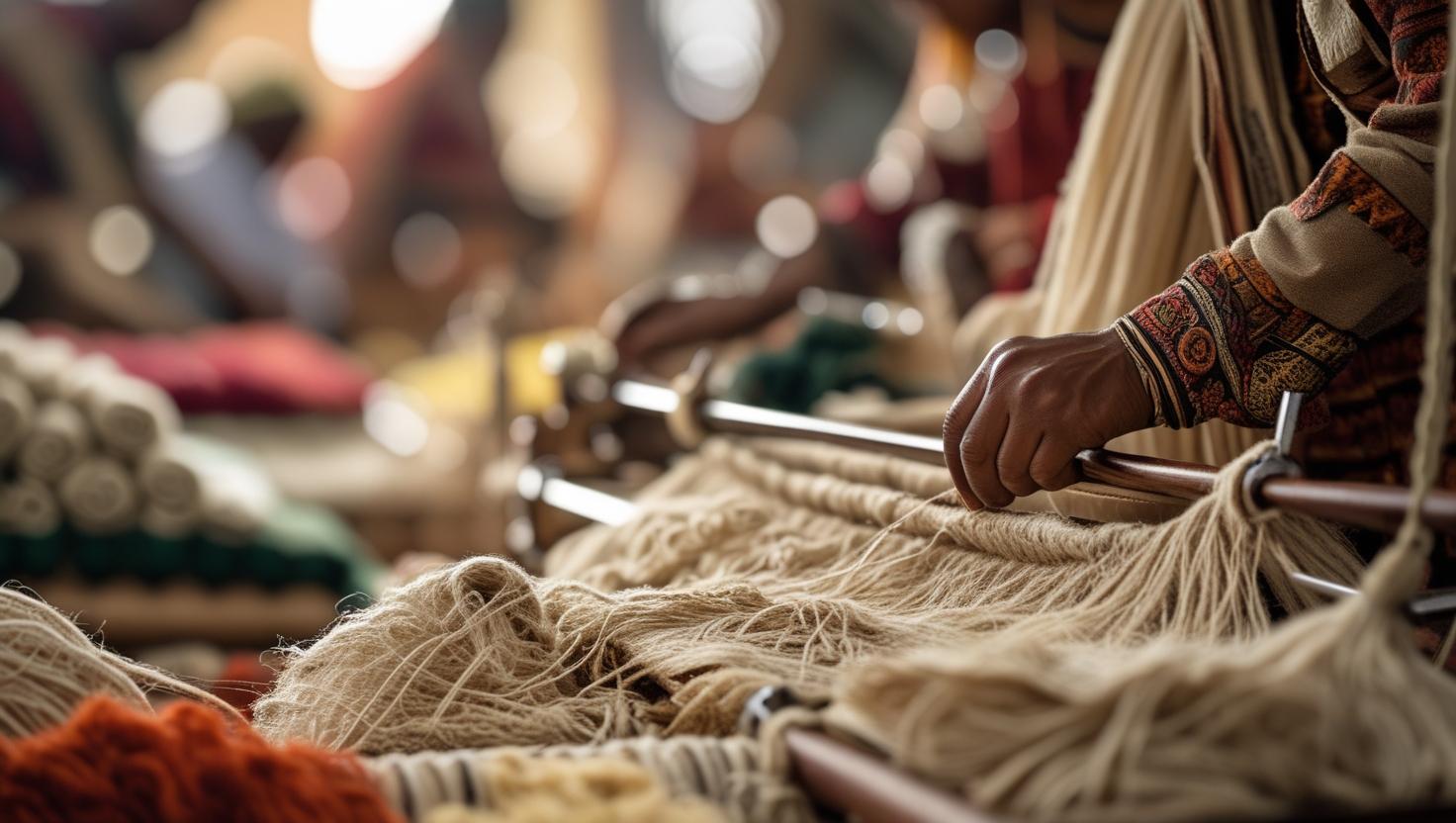
Traditional textile production has long posed serious environmental challenges. It’s one of the world’s top contributors to water pollution and carbon emissions. Just a few facts:
- Around 10% of global carbon emissions come from the fashion industry
- Fabric dyeing contributes to 20% of the world’s industrial water pollution
- Tons of unsold or unused clothing end up in landfills every year
With climate change, water scarcity, and growing awareness among shoppers, the industry needs new ways of doing things. And that’s where eco-friendly materials and processes come in.
What Makes a Fabric Sustainable?
A truly sustainable fabric is one that’s:
- Sourced in a way that doesn’t harm the environment
- Produced with little or no harmful chemicals
- Able to break down naturally or be recycled
Truly sustainable textiles take into account their environmental and social impact across the entire lifecycle—from sourcing and manufacturing to wear and disposal.
Popular Eco-Friendly Fabrics You Should Know
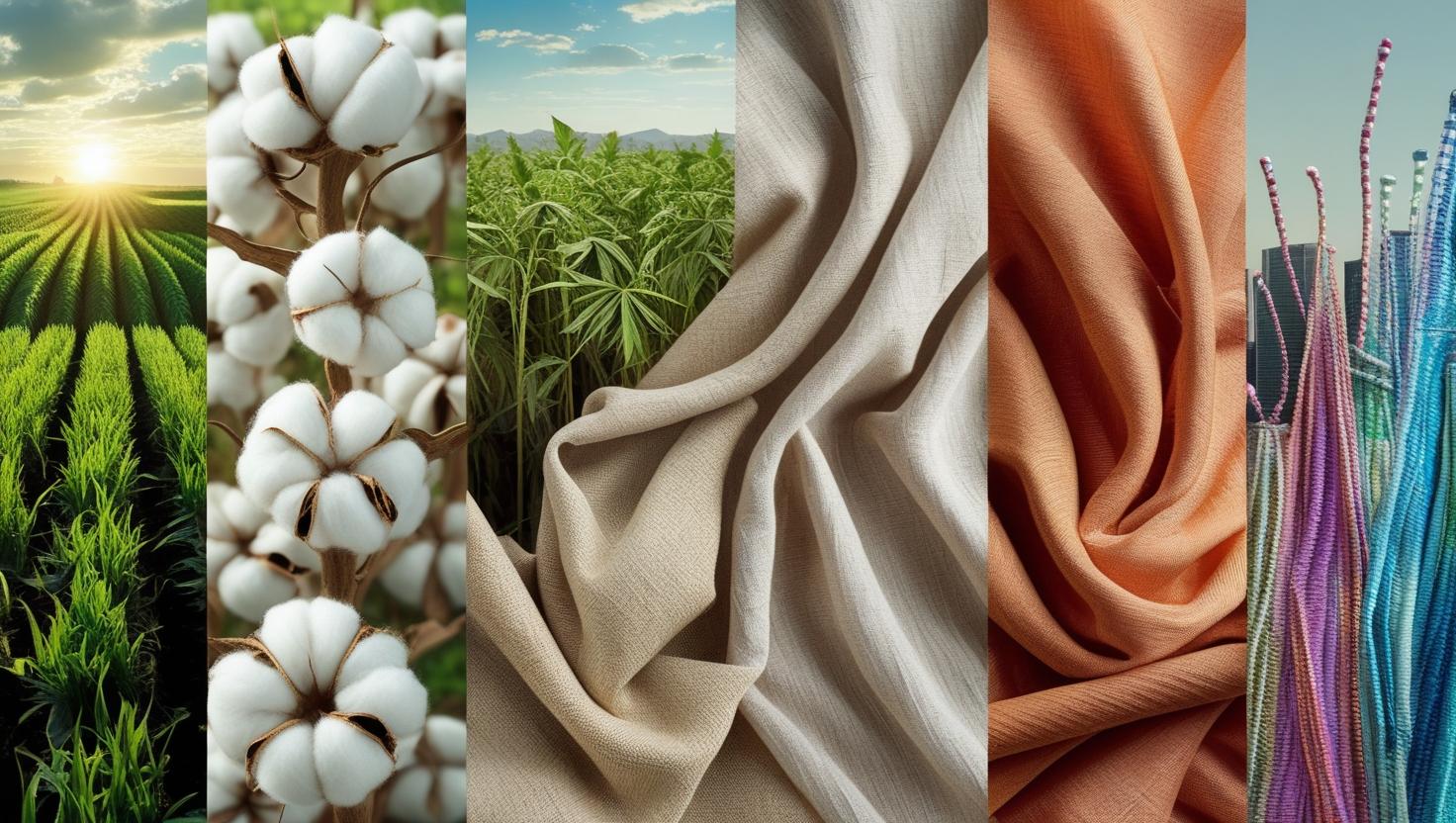
Organic Cotton
This type of cotton is grown without harmful chemicals. It uses far less water and helps keep the soil healthy. It feels just like regular cotton but is better for the environment and farmers.
Hemp
A fast-growing plant that doesn’t need pesticides or much water. Hemp fabric is strong, breathable, and naturally resistant to bacteria. It’s one of the most eco-conscious materials out there.
Linen (Flax)
Made from the flax plant, linen requires very little irrigation. It’s cool, comfortable, and biodegrades easily when disposed of properly.
Recycled Polyester
Instead of using new plastic, this fabric is made from recycled bottles or fabric scraps. It keeps waste out of landfills and oceans, and reduces the need for virgin petroleum.
Groundbreaking Fabrics That Feel Like the Future
Piñatex
Made from the fibers of pineapple leaves, this material is an eco-friendly alternative to leather. It’s soft, durable, and completely plant-based.
Orange Fiber
Created from citrus peel waste, this silky fabric turns fruit leftovers into fashion. Luxury designers are already embracing it.
Mushroom Leather (Mycelium)
This futuristic fabric is made from the roots of mushrooms. It can be grown in labs, shaped like traditional leather, and fully composted after use.
The Problem With Dyeing Clothes
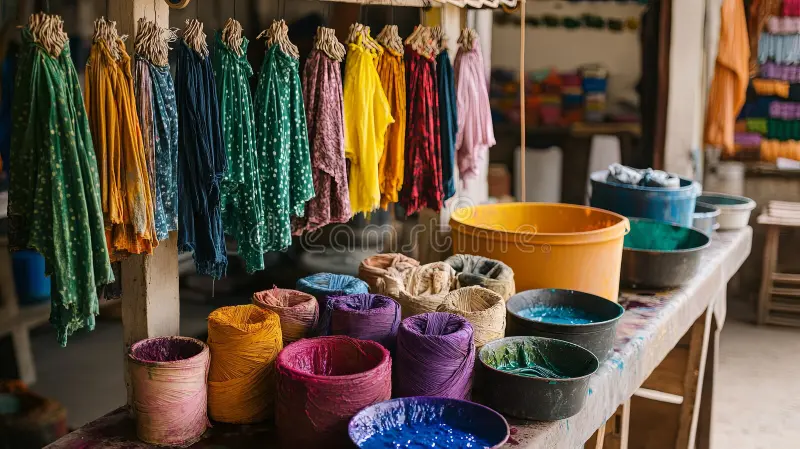
Dyeing fabrics is one of the most damaging parts of making clothes. Most dyeing processes involve:
- Huge amounts of water
- Toxic chemicals that harm rivers and soil
- Factory wastewater that’s often dumped untreated
This part of the process needs just as much attention as the fabrics themselves.
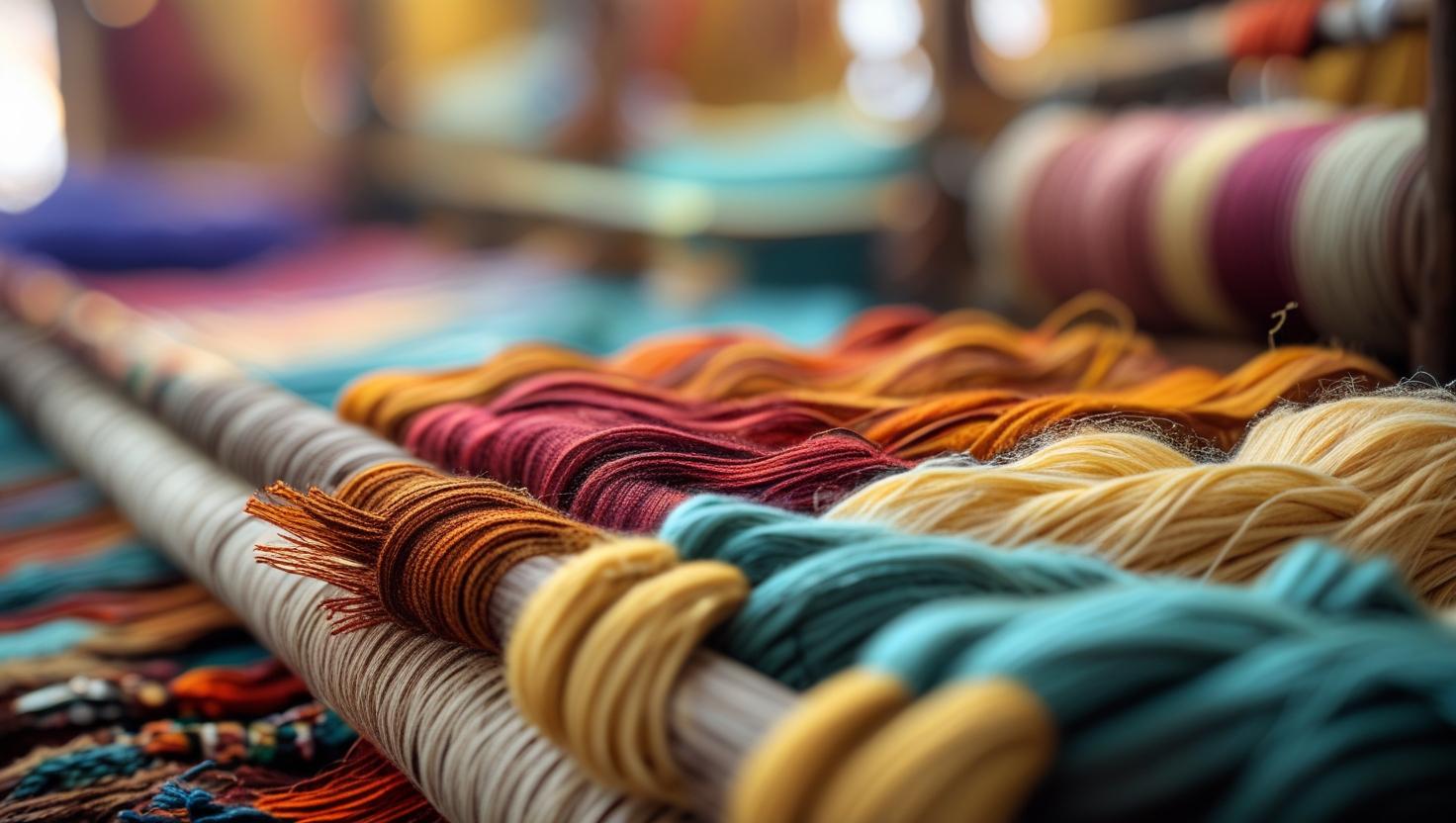
Smarter Ways to Dye Fabrics
Thankfully, better solutions are already here:
Natural Dyes
These come from plants, roots, and minerals. They’re non-toxic and biodegradable. Colors may vary more than synthetic dyes, but that’s part of their charm.
Waterless Dyeing
Some companies now use carbon dioxide or sound waves instead of water to dye clothes. This new tech cuts down water use by as much as 95%.
Bio-Dyes
These are created by bacteria or algae in controlled labs. They use less energy and don’t need harmful chemicals.
Digital Printing
Rather than soaking fabric in dye, this method prints color directly onto it. It’s precise, waste-free, and perfect for custom designs.
These emerging dyeing techniques offer cleaner, more sustainable alternatives to conventional methods.
Who’s Leading the Way?
Some brands are already putting these sustainable innovations into practice:
- Patagonia – Longtime leader in using recycled materials and ethical practices
- Stella McCartney – Known for using cruelty-free and futuristic materials like mushroom leather
- Eileen Fisher – Focuses on timeless design and closed-loop production
- Adidas – Uses ocean plastic and has partnered with environmental groups to reduce waste
These companies prove that style and sustainability can go hand in hand.
What’s Holding Us Back?
Despite all the progress, there are still some hurdles:
- Sustainable materials often cost more
- Recycling systems for fabrics are limited
- Many factories still use outdated, polluting processes
- Fast fashion continues to encourage wasteful habits
But change is coming thanks to education, demand from consumers, and innovation.
How You Can Support the Movement
You don’t need to be a designer or activist to make a difference. Here are a few simple ways to help:
- Buy less, choose better
- Support brands that care about sustainability
- Look for certifications like GOTS, OEKO-TEX, or Fair Trade
- Wash clothes in cold water and skip the dryer when you can
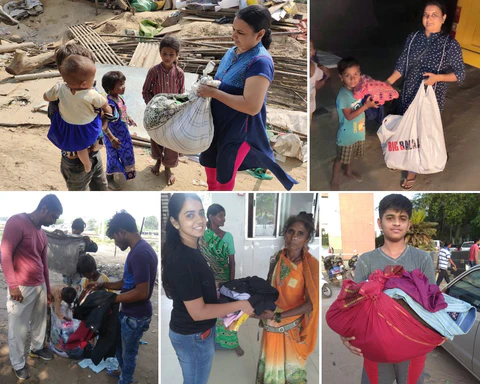
- Donate or recycle your old clothes instead of throwing them away
Conclusion: The Future of Fashion Is Greener
The textile industry is finally starting to clean up its act—and it’s happening through imagination, responsibility, and a drive to do better. Whether it’s pineapple leather, waterless dyeing, or simply choosing a shirt made from recycled cotton, every innovation brings us closer to a more thoughtful way of dressing.
The goal isn’t perfection, it’s progress. One sustainable choice at a time, we can turn fashion into a force for good.
We encourage readers and professionals interested in fashion, architecture, and other creative arts to participate in the upcoming conference: Sustainable Creative Art: Inspiration from Nature (SCIN) – 2nd Edition.
Scheduled for 21–24 July 2026 at the National Museum of Science and Technology Leonardo da Vinci in Milan, Italy, this conference welcomes the international community of artists and scholars.
We are honored to host esteemed university representatives from around the world as they share their invaluable insights and expertise. Renowned designers in architecture and other disciplines including artists, fashion designers, and influential figures will also contribute their knowledge and experiences.
