


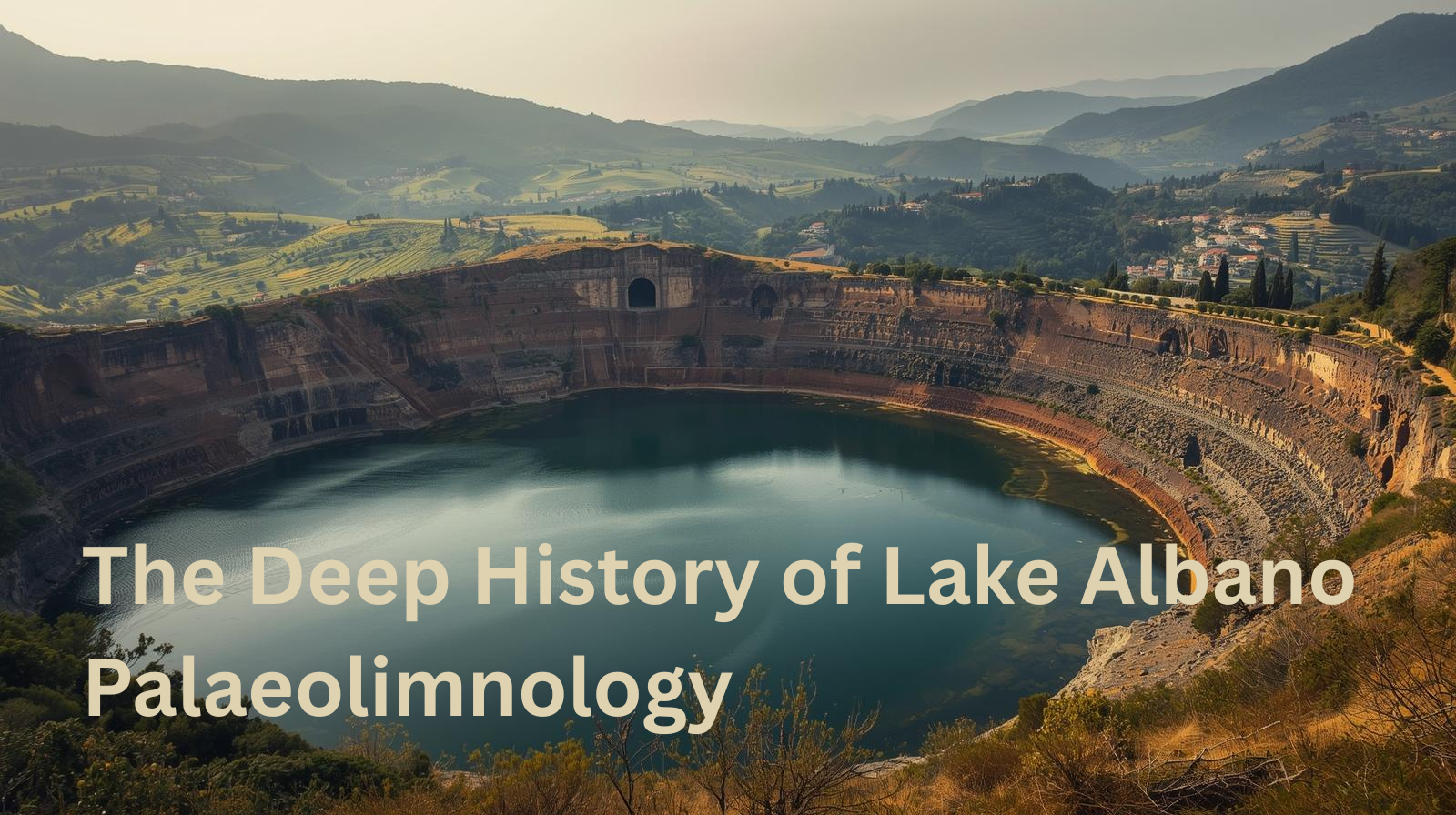

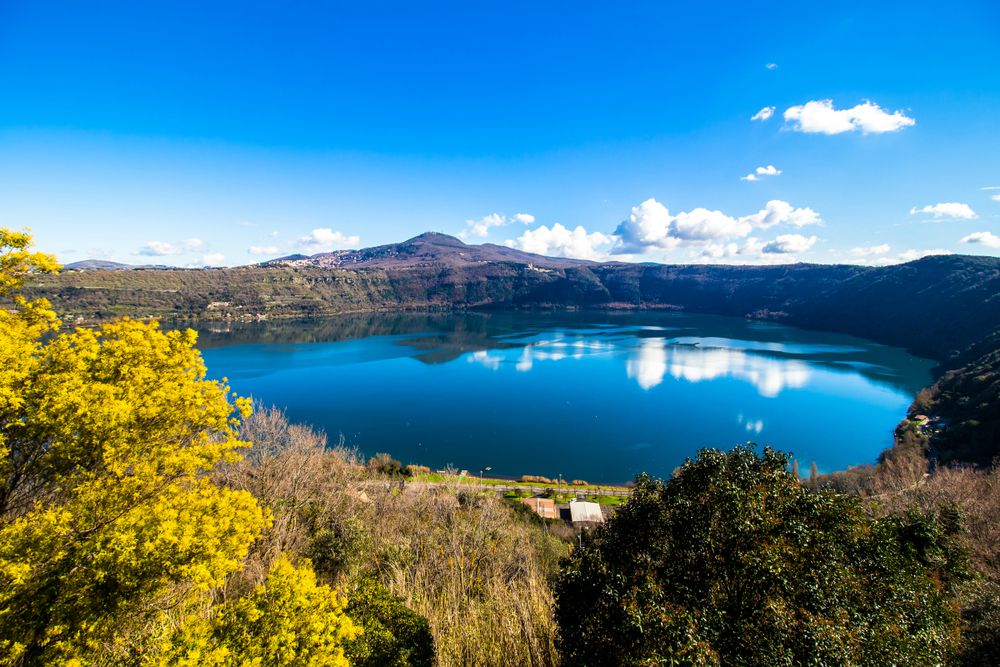
Lake Albano Palaeolimnology reveals that this small volcanic crater lake, nestled in the Alban Hills (Colli Albani) just 20 km southeast of Rome, is far more than a picturesque retreat. For researchers, it represents a unique and invaluable archive of Quaternary environmental change, volcanism, and human–environment interaction in Central Italy. Its formation as a polygenetic maar, the most recent center of the Colli Albani volcano, provides a distinct geological context for limnological study(1). The deep, anoxic sediments of this lake have preserved a high-resolution record of climate shifts, volcanic activity, and, crucially, the environmental impact of the Roman civilization. This rich sedimentary record is the foundation of Lake Albano Palaeolimnology, a field that continues to yield critical insights into the region’s past.
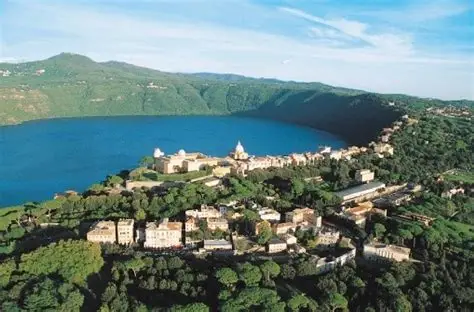
A Geological Marvel: The Maar Lake and Volcanic Hazard
The geological history of Lake Albano Palaeolimnology is intrinsically linked to the Colli Albani volcanic district. Formed by the fusion of two ancient volcanic craters, the lake is the deepest volcanic crater lake in Central Italy, reaching a maximum depth of 170 meters(2). The term ‘maar’ signifies a broad, low-relief volcanic crater caused by a phreatomagmatic eruption, an explosion resulting from magma interacting with groundwater.
Research into the volcanology of the Albano maar has revealed a complex history of eruptions and associated hazards. Notably, studies have focused on the potential for catastrophic overflows and the release of magmatic gases, similar to the limnic eruptions observed in the African Rift Valley (e.g., Lake Nyos)(3). The lake’s meromictic classification, where layers of water do not intermix, is a key factor in this hazard assessment, as it allows for the accumulation of dissolved gases in the deep hypolimnion. Understanding the lake’s hydrogeochemistry, particularly the concentrations of Na, K, Mg, and Ca, is essential for monitoring its stability and assessing volcanic risk(4).
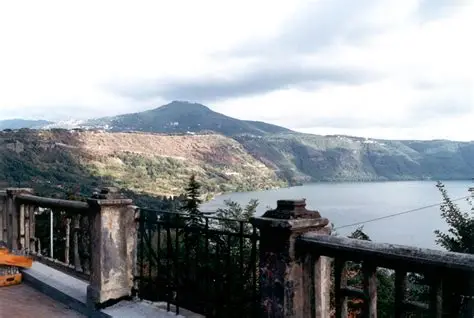
Roman Engineering and Environmental Legacy: The Ancient Drain Tunnel
The historical dimension of Lake Albano Palaeolimnology is perhaps best illustrated by the ancient Roman engineering intervention. Both historical records and geological evidence point to a catastrophic overflow event in 398 B.C.E. Following this, the Romans engineered a remarkable feat: a 1.5 km long drain-tunnel excavated through the maar crater wall(5). This tunnel, still functional today, was designed to regulate the lake’s level, preventing future floods and providing a controlled water source for irrigation.
The sedimentary record offers a powerful proxy for studying the environmental legacy of the Roman era. Palaeolimnological techniques, such as the analysis of ostracods and stable isotopic compositions, allow researchers to reconstruct the Late Pleistocene and Holocene environmental conditions(6). Changes in sediment composition, pollen, and diatom assemblages reflect land-use changes, deforestation, and the onset of eutrophication driven by human activity, providing a long-term perspective on the ecological footprint of one of the world’s most influential civilizations.
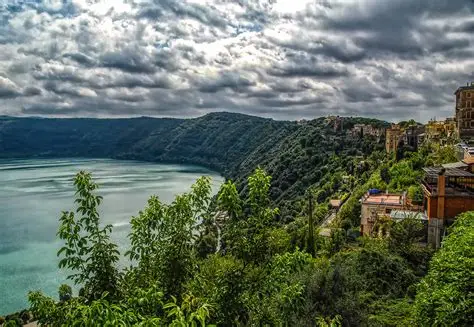
The Eutrophication History: A Case Study in Lake Albano Palaeolimnology
Over recent centuries, Lake Albano Palaeolimnology has revealed a pattern of progressive eutrophication, driven by increased nutrient loading from surrounding urban development and intensive water extraction(7). Palaeolimnological studies have been instrumental in reconstructing this history, using sediment cores to track changes in biological and chemical indicators over the past three centuries(8).
The study of chlorophyll concentration, a direct measure of phytoplankton biomass, is a current area of research, with scientists investigating rapid and alternative methods for freshwater monitoring(9). The ongoing research on the lake’s water chemistry and trophic evolution serves as a critical case study for managing volcanic lakes globally, especially those under intense anthropogenic pressure. The challenges facing Lake Albano, including water level fluctuations and pollution, underscore the need for coordinated action and specific studies for sustainable management(10).
Experience Lake Albano Palaeolimnology Firsthand: The MESC Congress Field Trip
For researchers and academics interested in the unique geological and limnological characteristics of this site, Lake Albano is a featured destination for the upcoming MENA Earth Science Congress (MESC). The pre-congress field trip offers a unique opportunity to visit the Colli Albani volcanic district, examine the ancient Roman drain tunnel, and discuss the latest findings in Lake Albano Palaeolimnology with leading experts. This on-site experience provides invaluable context to the sedimentary record and the ongoing environmental challenges facing this historic lake.
Conclusion: The Future of Lake Albano Palaeolimnology
From its violent volcanic origins to its role as a mirror reflecting the environmental legacy of the Roman Empire, Lake Albano Palaeolimnology stands as a compelling multidisciplinary research field, bridging geology, archaeology, and environmental science. The field of Lake Albano Palaeolimnology continues to bridge geology, history, and environmental science, providing data crucial for understanding past climate, assessing current volcanic hazards, and informing future conservation strategies. The lake’s deep sedimentary archive remains a vital resource for the global scientific community.
Resources for Further Research
- MENA Earth Systems Sciences Congress 2026| Lake Albano Trip
- Volcanology, history and myths of the Lake Albano maar (Colli Albani volcano, Italy)(1)
- Lake Albano: bathymetry and level changes (2)
- Lago Albano, the “anti-Nyos-type” lake: The past as a key for the future (3)
- Water chemistry of Lake Albano (Italy) (4)
- Volcanic activity of the Lake Albano Maar in Roman history (5)
- The Influence of Biological and Environmental Factors on the Stable Isotopic Composition of Ostracods – the Late Pleistocene Record from Lake Albano, Central Italy (6)
- What future for Lazio’s lakes of Alban Hills? The situation of the Albano’s Lake (7)
- Palaeolimnological studies of the eutrophication of volcanic Lake Albano (Central Italy)(8)
- The Case Study of Lake Albano (Central Italy)(9)
- Water chemistry and trophic evaluation of Lake Albano (Central Italy): a four year water monitoring study (10)
