

Introduction: When Stone Remembers
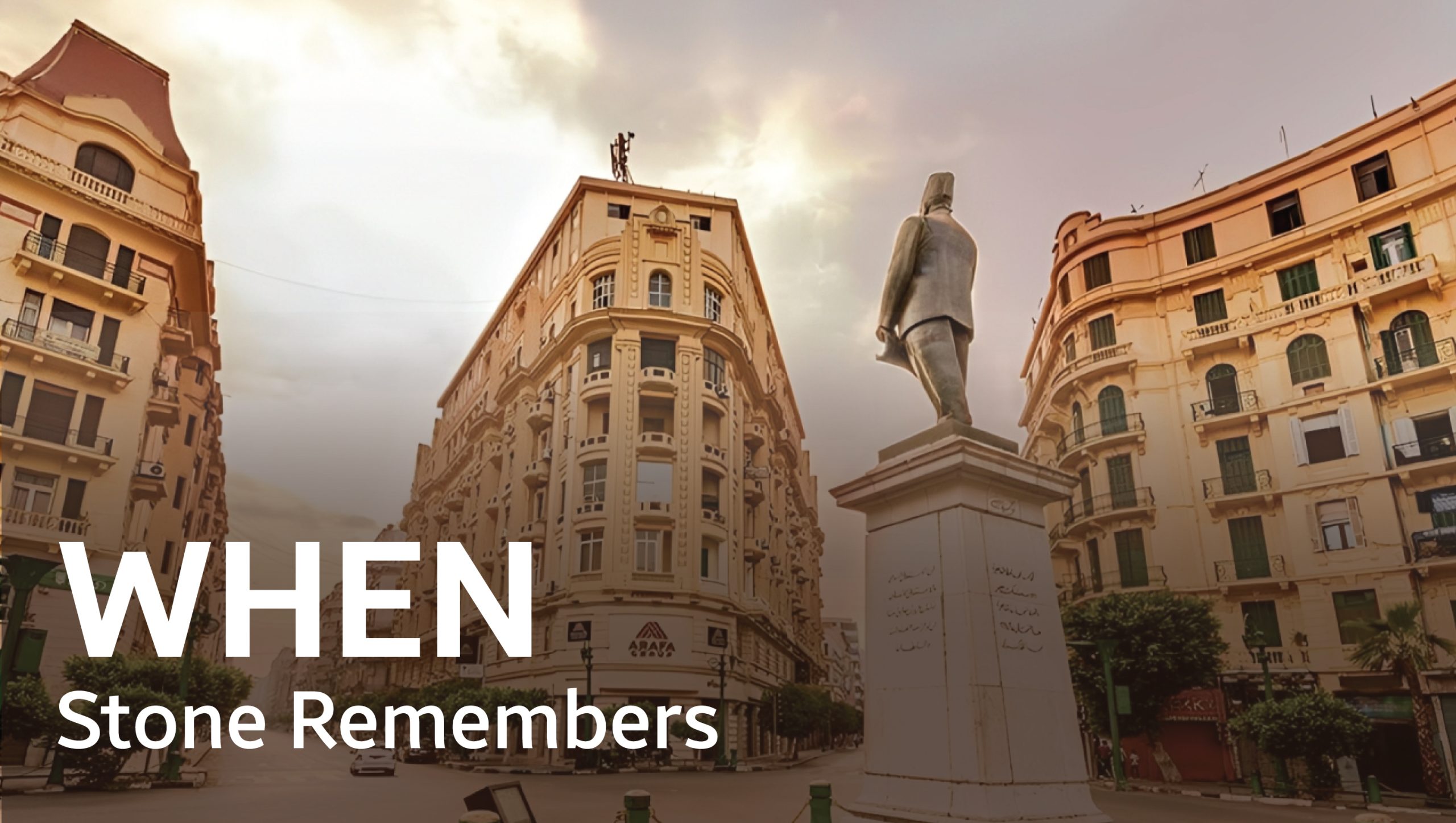
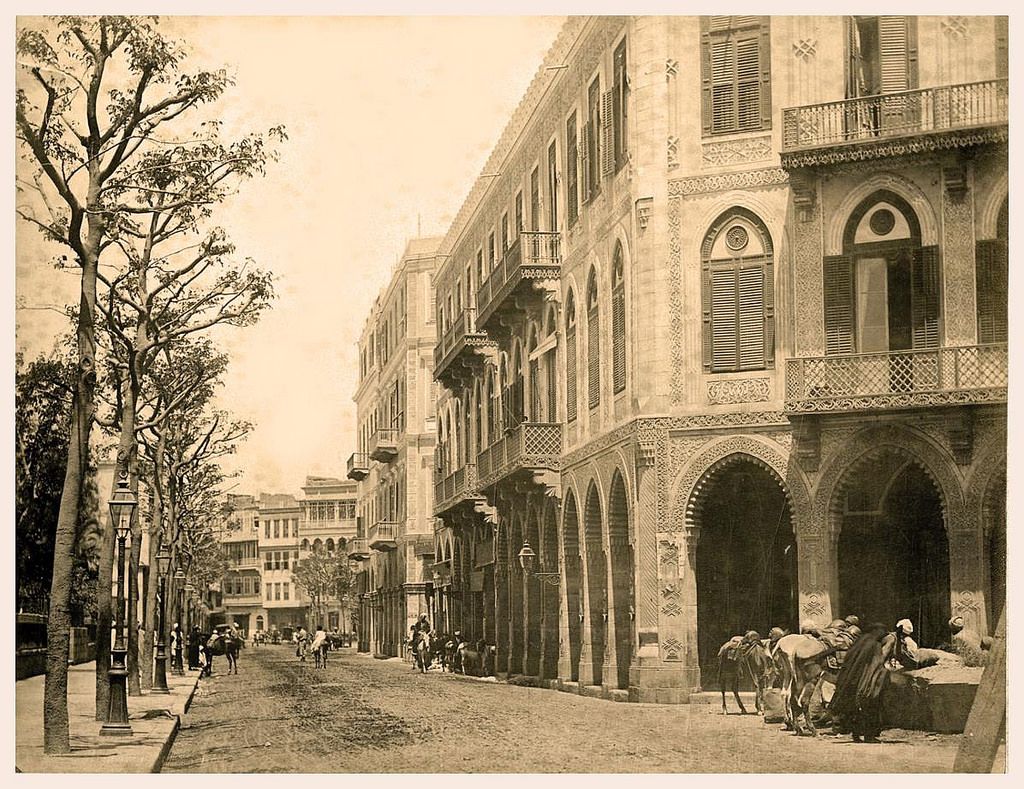
In the heart of Egypt’s capital lies a district that refuses to fade into memory. Urban Regeneration in Downtown Cairo is reshaping the area, giving new life to historic neighborhoods while embracing modern innovation. Downtown Cairo, historically known as Khedivial Cairo, was once envisioned as a cosmopolitan masterpiecean urban dream inspired by European boulevards yet deeply rooted in Egyptian identity. Grand facades, intricate balconies, and sweeping staircases once symbolized ambition and elegance.
Over time, however, many of these architectural treasures were neglected, repurposed as storage spaces, or left to deteriorate. Today, a powerful shift is underway.
Downtown Cairo is experiencing a new chapter of Urban Regeneration, where the past is not erased but repurposed. This is the story of Investing in Beauty, where Heritage Revitalization becomes a catalyst for Sustainable Development and Urban Innovation.
The Shift: Adaptive Reuse as a Strategy for Renewal
Rather than demolishing historic structures, developers and urban planners are embracing Adaptive Reuse a strategy that preserves architectural identity while introducing contemporary functions.
Adaptive Reuse means:
-
Retaining historic facades and structural elements
-
Upgrading infrastructure for modern safety and efficiency
-
Designing interiors that meet the needs of today’s economy
Step inside one of these restored buildings and the contrast is striking.
Behind a 19th-century entrance, you may find:
-
Open-plan tech offices
-
Digital workstations and collaborative hubs
-
Contemporary art installations
-
Minimalist cafés beneath ornate ceilings
The architectural DNA of the past now supports the digital and creative economy of the future.
This is gentle regeneration a careful transformation that respects history while embracing progress.
From Warehouses to Hubs of Innovation
Many Khedivial buildings once reduced to warehouses are now vibrant centers of activity.
Today, they host:
-
Tech startups and incubators
-
Creative agencies
-
Co-working spaces for freelancers
-
Cultural venues and art galleries
What was once abandoned space now fuels entrepreneurship.
Young innovators are choosing Downtown Cairo not just for affordability, but for atmosphere. The character of these buildings high ceilings, tall windows, historic textures creates an inspiring environment that modern glass towers simply cannot replicate.
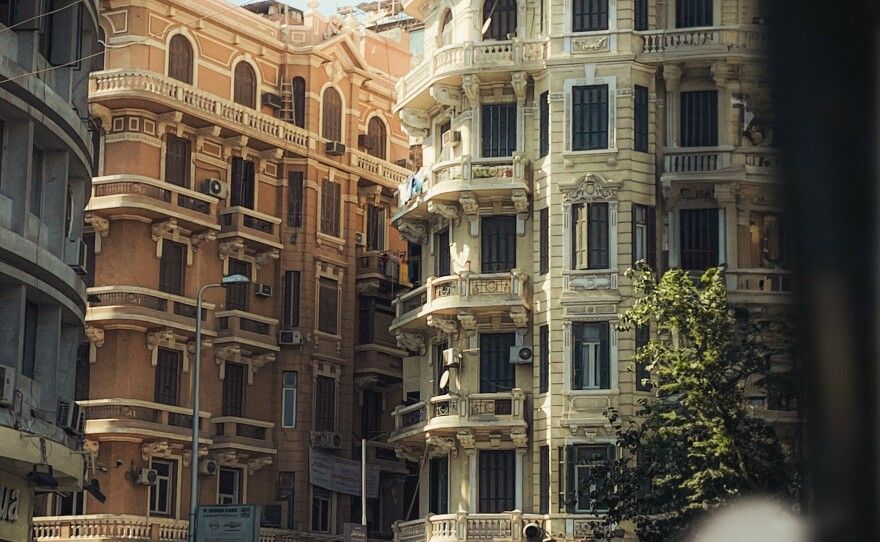
This is Urban Regeneration aligned with the aspirations of a new generation.
Investing in Beauty: A New Urban Value
For decades, urban development focused primarily on efficiency and expansion. Beauty was often considered secondary.
But cities are learning an important lesson: beauty generates value.
When historic architecture is restored rather than demolished:
-
Property values increase sustainably
-
Tourism is strengthened
-
Creative industries flourish
-
Public spaces become more vibrant
Investing in beauty means recognizing that aesthetic identity is an economic asset. Downtown Cairo’s transformation proves that preserving visual heritage can coexist with economic growth.
The result is a district that feels authentic not artificially designed.
Sustainability Beyond the Environment
When discussing Sustainability, we often think of renewable energy and green infrastructure. But Sustainable Development also includes cultural and economic resilience.
Adaptive Reuse contributes to sustainability by:
-
Reducing demolition waste
-
Preserving embodied carbon within existing buildings
-
Minimizing new construction materials
-
Maintaining historical continuity
In simple terms, the greenest building is often the one already standing.
By preserving Khedivial Cairo, the city reduces environmental impact while strengthening its identity. Sustainability here is not only ecological it is social and cultural.
Youth, Innovation, and Urban Life
Every year on October 31st, the world celebrates World Cities Day, a global initiative encouraging cities to reflect on inclusive and sustainable urban development.
This year’s sub-theme, “Innovation and Urban Life for Youth,” resonates deeply with Downtown Cairo’s revival.
Young entrepreneurs, designers, and artists are driving this transformation. They are:
-
Launching startups in restored heritage buildings
-
Hosting exhibitions and cultural events
-
Creating digital platforms from historic offices
-
Redefining how urban life is experienced
Khedivial Cairo is no longer just a memory of the past it is becoming a laboratory for youth-driven Urban Innovation.
This alignment between heritage and youth energy embodies the spirit of World Cities Day.
Preserving Identity While Embracing Modernity
Modernization often risks erasing character. Across the world, cities have replaced historic districts with uniform high-rises that could exist anywhere.
Downtown Cairo offers a different model.
Instead of choosing between preservation and progress, it integrates both.
Historic facades remain intact, while interiors evolve to support:
-
Digital economies
-
Creative industries
-
Contemporary dining experiences
-
Cultural entrepreneurship
This balance strengthens the district’s uniqueness.
Identity becomes a competitive advantage not a constraint.
The Social and Economic Ripple Effect
Heritage Revitalization extends beyond architecture. It reshapes communities.
When abandoned buildings become active spaces:
-
Streets feel safer and more lively
-
Local businesses benefit from increased foot traffic
-
Employment opportunities expand
-
Community pride grows
The transformation of Downtown Cairo demonstrates how Urban Regeneration can stimulate economic growth without sacrificing memory.
It proves that preservation and profitability are not opposing forces they can reinforce one another.
A Model for Sustainable Urban Futures
The revival of Khedivial Cairo reflects a broader global movement toward responsible city-making.
Cities facing similar challenges aging infrastructure, neglected historic districts, youth unemployment can draw lessons from this approach:
-
Prioritize Adaptive Reuse over demolition
-
Integrate heritage into economic strategy
-
Support youth-led innovation
-
Treat beauty as infrastructure
Urban Innovation does not require abandoning history. On the contrary, it thrives when rooted in authentic context.
Downtown Cairo shows that Sustainable Development can be both forward-thinking and deeply respectful of the past.
