


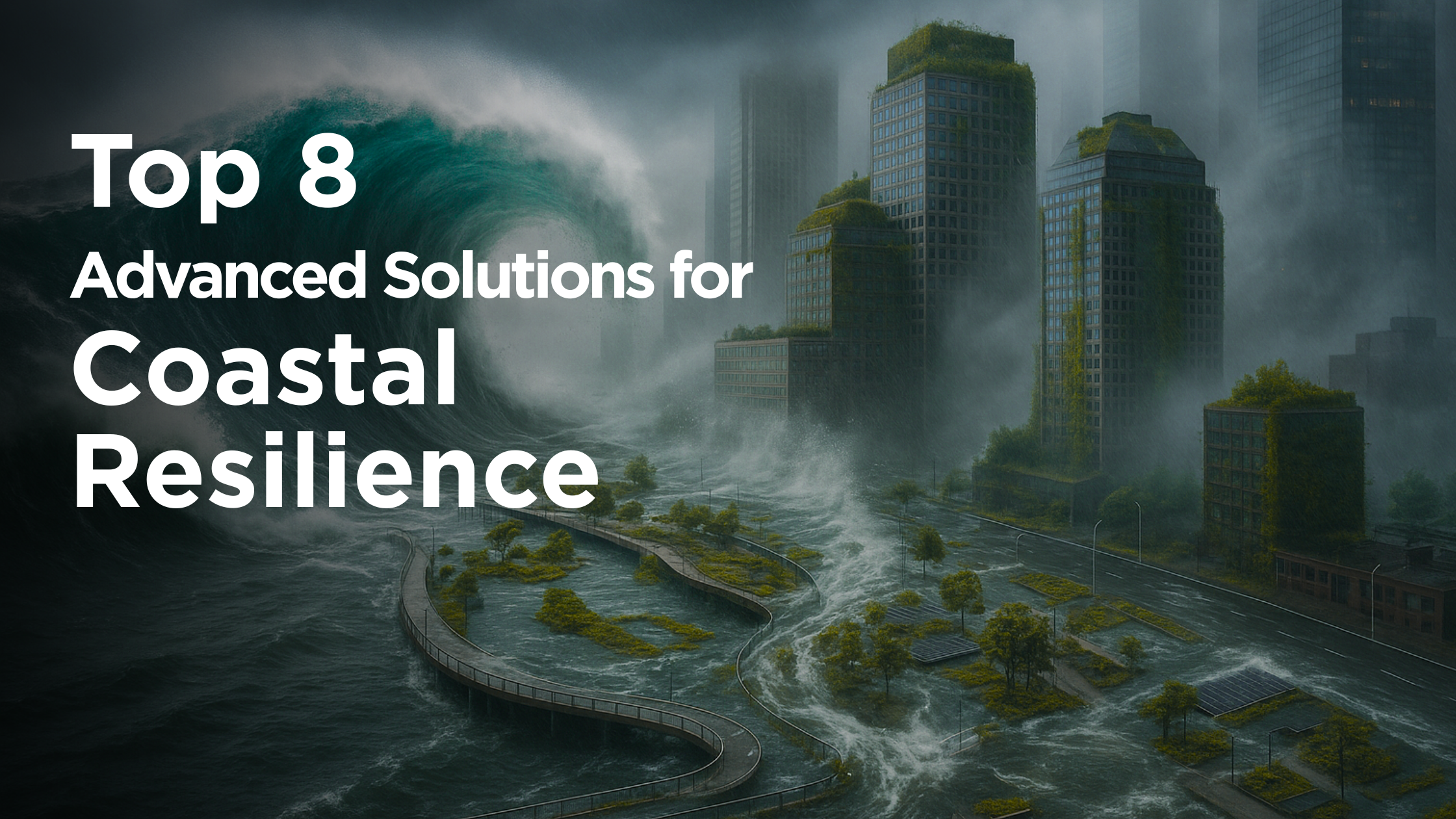

Have you ever walked along a coastline and wondered what the future holds for these beautiful and bustling edges of our world? Why are once-thriving coastal towns facing increased flooding? What’s causing fish stocks to vanish and coral reefs to bleach into ghostly white? Coastal areas, once havens of beauty and biodiversity, are now at the frontline of environmental upheaval.
The Rising Threat to Coastal Life
The future of our coastlines is increasingly imperiled by a singular, pervasive danger: rising seas. This relentless consequence of global warming poses a fundamental threat to the very existence and viability of coastal areas worldwide.
Rising sea levels, driven by melting glaciers and the thermal expansion of ocean water, are not just a gradual change; they are a foundational force amplifying other coastal hazards and creating entirely new challenges. This silent swell leads to the permanent loss of land through inundation, effectively redrawing coastlines and displacing communities. Furthermore, the intrusion of saltwater into vital freshwater aquifers and coastal river systems contaminates drinking water and damages agriculture, undermining the very resources that sustain coastal populations.
—————————
Coastal resilience is becoming an urgent priority as coastal regions around the globe face it. In response, a range of advanced solutions is being implemented that combine engineering innovations, nature-based methods, and technological tools.
Innovative Engineering Approaches
1. Hybrid Coastal Structures
Long before modern engineering, humans relied on what nature offered and simple construction to protect shores. Ancient Egyptians, Romans, and Asian civilizations built rudimentary seawalls and used natural materials to slow erosion. Their knowledge laid the foundation for today’s coastal defenses.
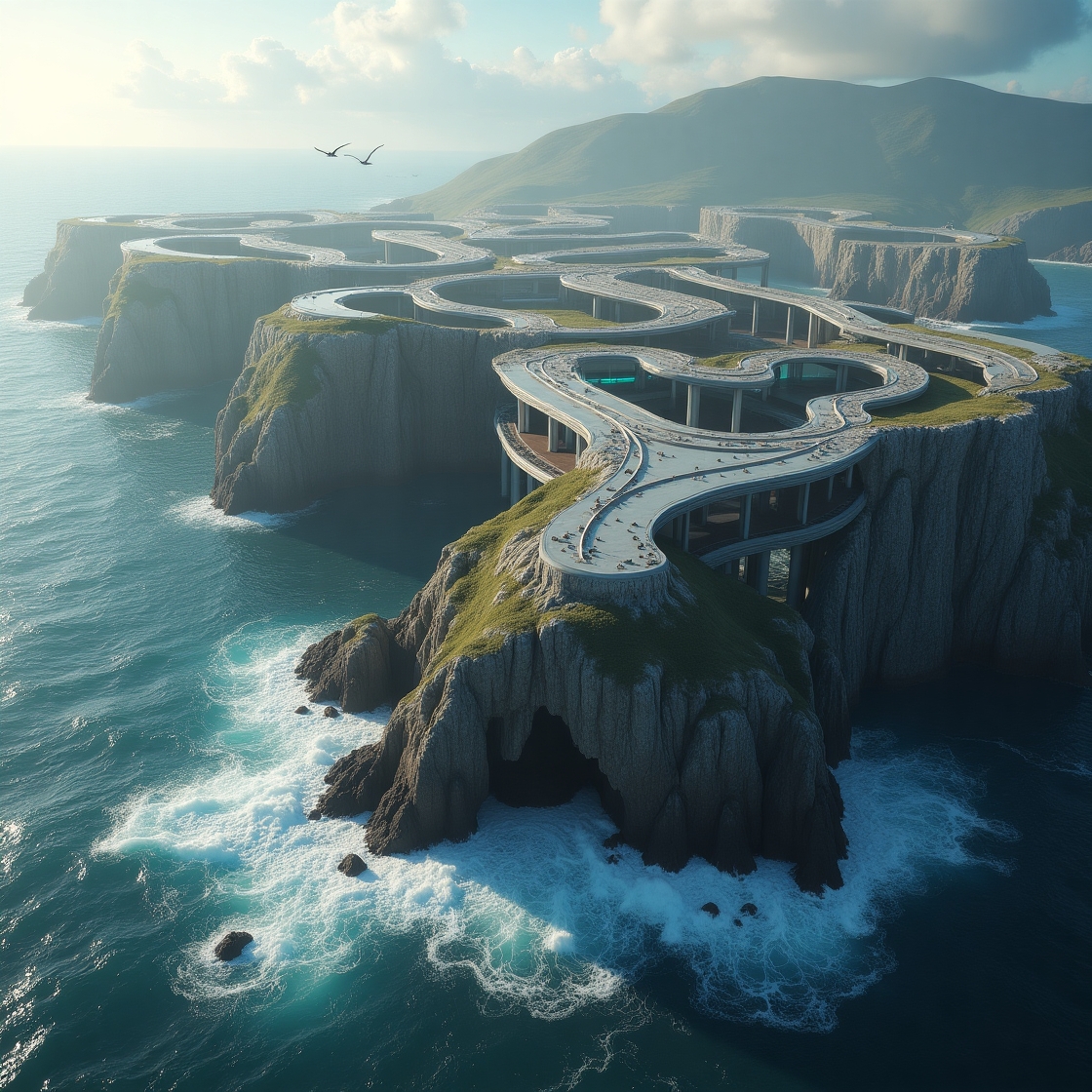
Traditional hard infrastructure, such as seawalls and bulkheads, is evolving into hybrid systems that blend concrete with natural components. These hybrid coastal structures incorporate living organisms—like oysters and corals—to dissipate wave energy and support marine biodiversity.
2. The Sand Engine Technique
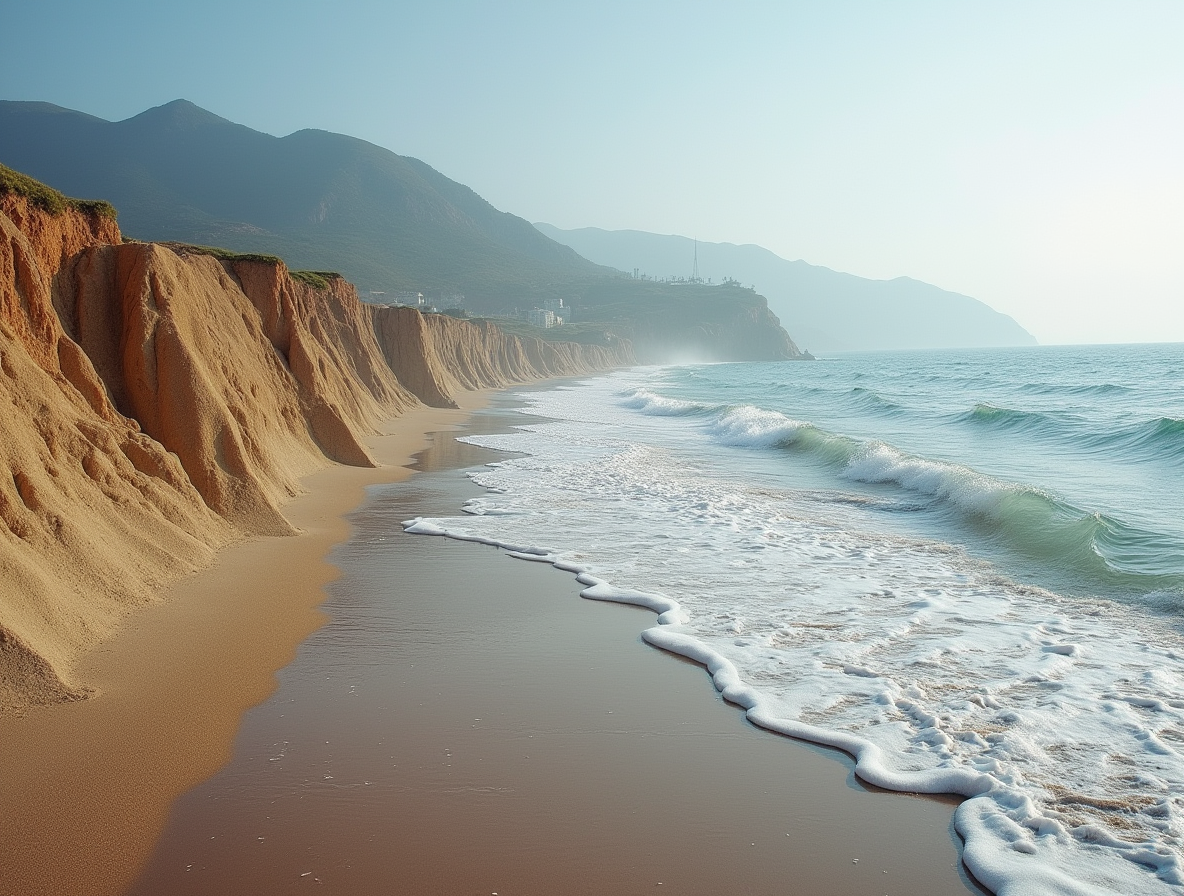
The Sand Engine (or Sand Motor) involves placing large quantities of sand along vulnerable coastlines. Natural forces such as wind, waves, and tides then redistribute the sand, gradually reinforcing the shoreline. This technique, pioneered in the Netherlands with a 128-hectare sand peninsula, reduces the frequency of artificial beach nourishment and supports sustainable coastal resilience.
Nature-Based Solutions
3. Living Breakwaters
Living breakwaters are built to reduce wave energy while fostering marine ecosystems. Along Tottenville Beach on Staten Island, artificial reef structures have been deployed to both limit storm surge damage and create marine habitats. Funded through Superstorm Sandy recovery efforts, these breakwaters exemplify how nature-based infrastructure strengthens coastal resilience by stabilizing shorelines and enhancing biodiversity.
4. Mangrove Restoration
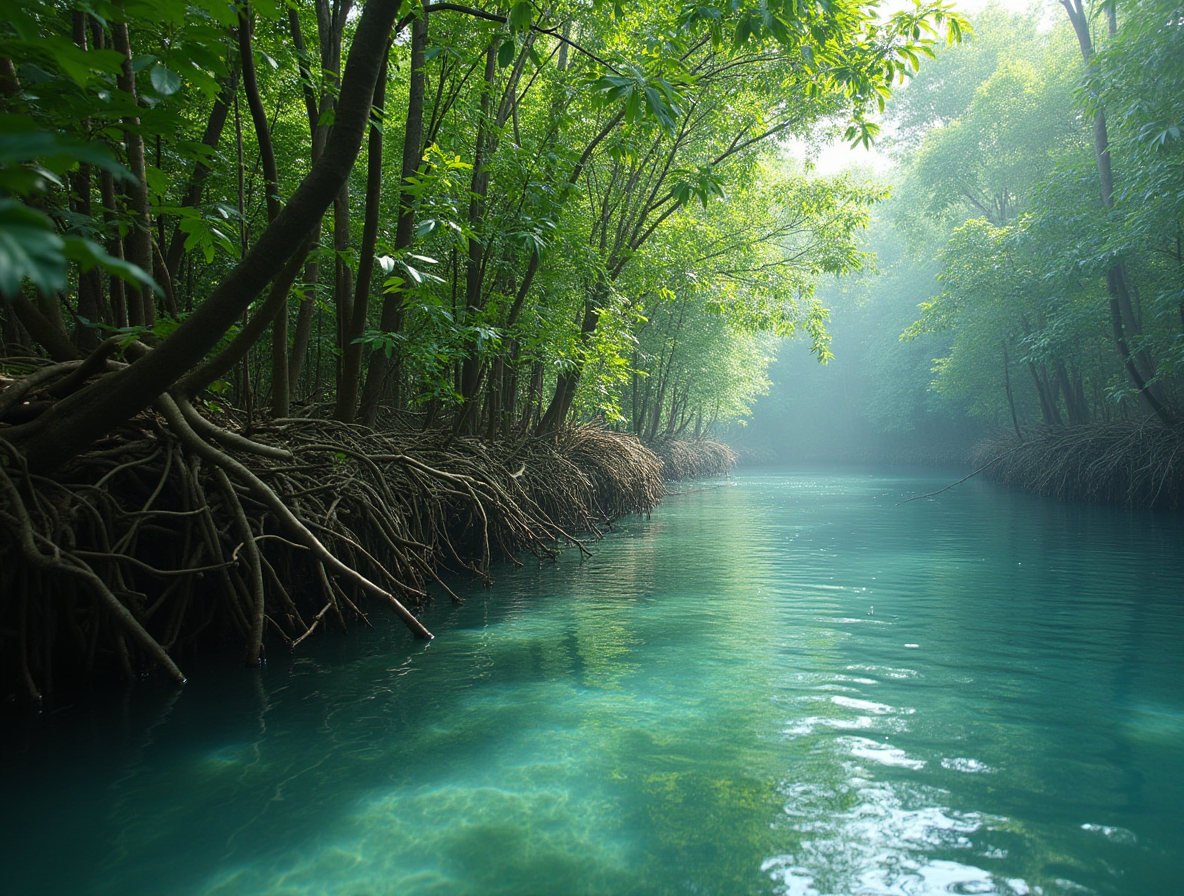
Mangrove forests offer natural protection by absorbing wave impact and preventing erosion. Restoring these ecosystems not only stabilizes the coast but also enhances biodiversity. As climate threats grow, investing in mangrove conservation has become a vital nature-based method to improve coastal resilience.
Technological Innovations
5. Urban Digital Twins
Urban digital twins are detailed virtual replicas of cities used to analyze environmental risks. By integrating these models with geospatial dashboards, planners can identify vulnerable infrastructure and simulate the effects of sea-level rise and flooding. A project in Florida demonstrated how such tools can guide planning and improve coastal resilience in urban settings.
6. Advanced Monitoring Tools
Technologies like satellite imagery and Geographic Information Systems (GIS) enable precise tracking of coastal changes. These tools help identify risk-prone zones, prioritize intervention areas, and allocate resources more efficiently—all of which are essential for maintaining and improving coastal resilience.
Community and Policy Initiatives
7. Indigenous Knowledge Integration
Incorporating indigenous ecological practices into coastal planning provides time-tested, sustainable strategies. Architect Julia Watson highlights examples like Myanmar’s floating gardens and Mexico’s chinampas, which offer climate-adaptive methods rooted in tradition. Leveraging these insights can strengthen coastal resilience through culturally relevant and ecologically sound practices.
8. Community-Driven Projects
Grassroots actions are playing a growing role in coastal protection. In North Cove, Washington, residents constructed cobble berms to counteract erosion, successfully reclaiming lost land. These bottom-up initiatives prove that local communities are crucial actors in enhancing coastal resilience, often leading innovative efforts when larger institutions lag behind.
Conclusion
Achieving long-term coastal resilience demands a comprehensive approach—combining engineered defenses, nature-based solutions, emerging technologies, and community engagement. Each method plays a vital role in defending coastal zones from the accelerating impacts of climate change. By implementing and scaling these advanced strategies, we can protect both human settlements and natural ecosystems for generations to come.
Explore critical topics like geohazards, climate change adaptation, oceanography, and disaster resilience at the MENA Earth Science Congress (MESC) in April 2026, Rome! This conference will showcase advanced research and foster collaboration. Join us to shape the future of Earth science in the MENA region and beyond. Visit our showcase for updates!
