

The Water Revolution: Rethinking the World’s Most Vital Resource
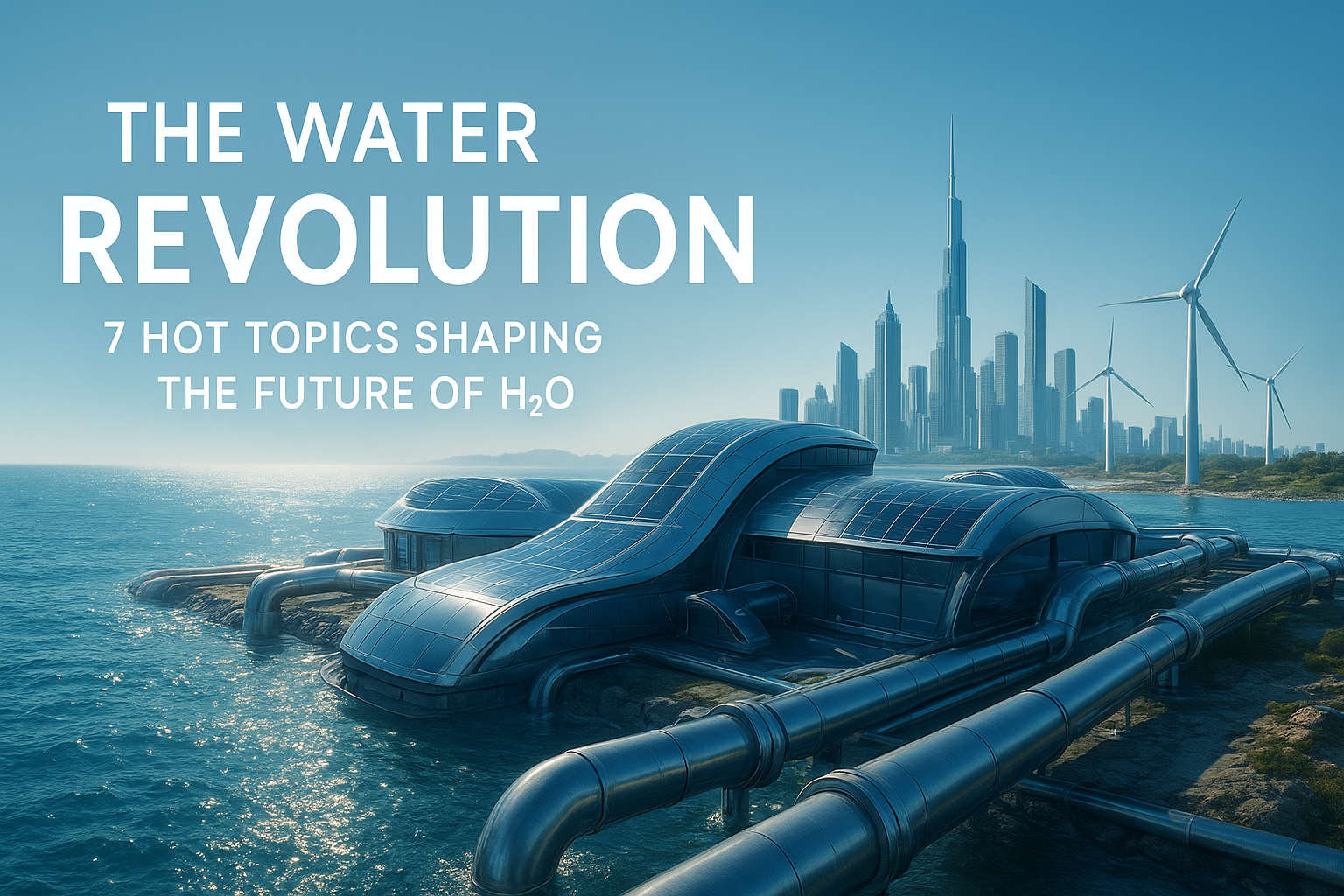
Water defines civilization. It powers industries, grows food, and sustains life. Yet in the 21st century, it has also become a defining challenge. The so-called Water Revolution: Smart Water Management and Sustainable Solutions isn’t about idealism — it’s about necessity. Across science, policy, and technology, the world is rethinking how to manage every drop more intelligently. This urgent transformation will be among the main themes discussed at the 3rd International Conference on Environmental Design, Material Science, and Engineering Technologies (EDMSET 2026), organized by IEREK in collaboration with Abu Dhabi University and Istituto Marangoni, Dubai, from 12–14 May 2026 in Abu Dhabi, UAE.
Understanding the Global Water Crisis
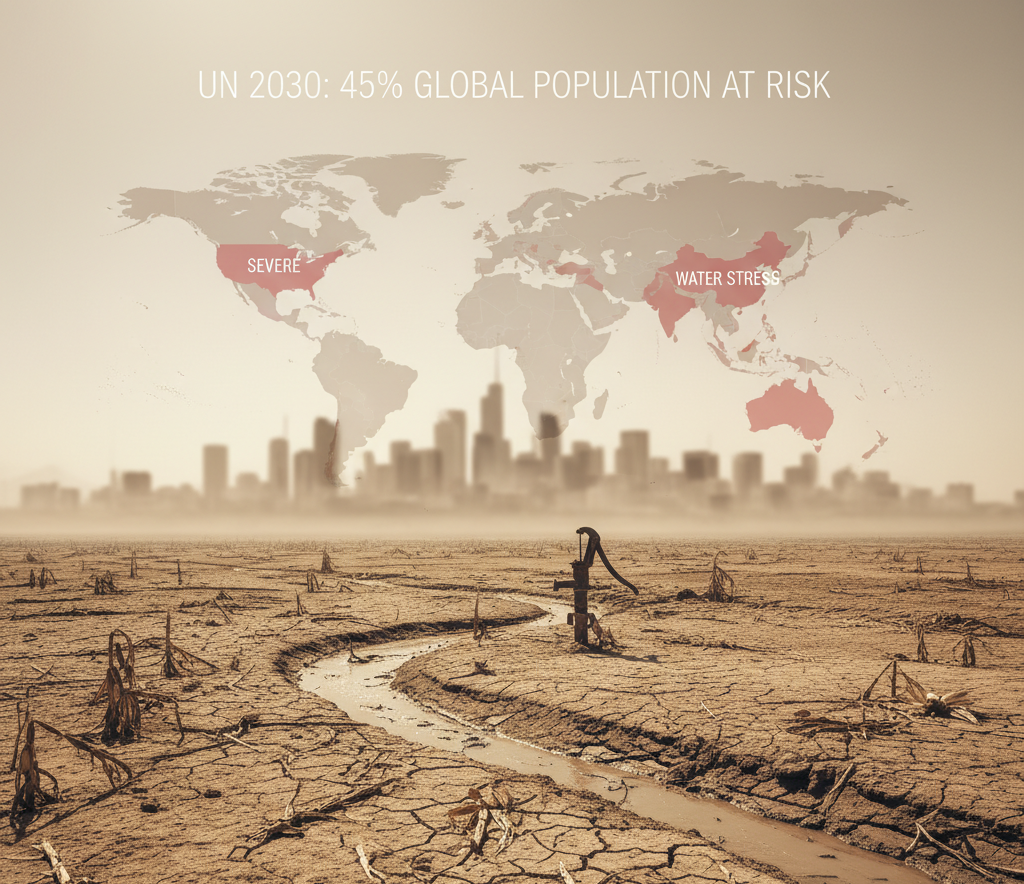
Water scarcity is not a distant problem; it’s a present reality. The UN estimates that by 2030, nearly half the global population will live in water-stressed areas. Agriculture consumes around 70% of freshwater, often inefficiently, while urban demand rises fast. Add pollution and climate instability, and we’re left with a strained, fragmented system in urgent need of reform.
Smart Water Management Systems
Modern water systems are moving from reactive to predictive. Through AI, sensors, and real-time data analytics, utilities can now locate leaks, monitor quality, and forecast demand with precision. Cities like Amsterdam and Singapore are pioneering “digital water networks,” where every meter and valve feeds data into an intelligent control center. This shift cuts waste, saves energy, and ensures long-term stability — not through guesswork, but through evidence.
Desalination Technologies
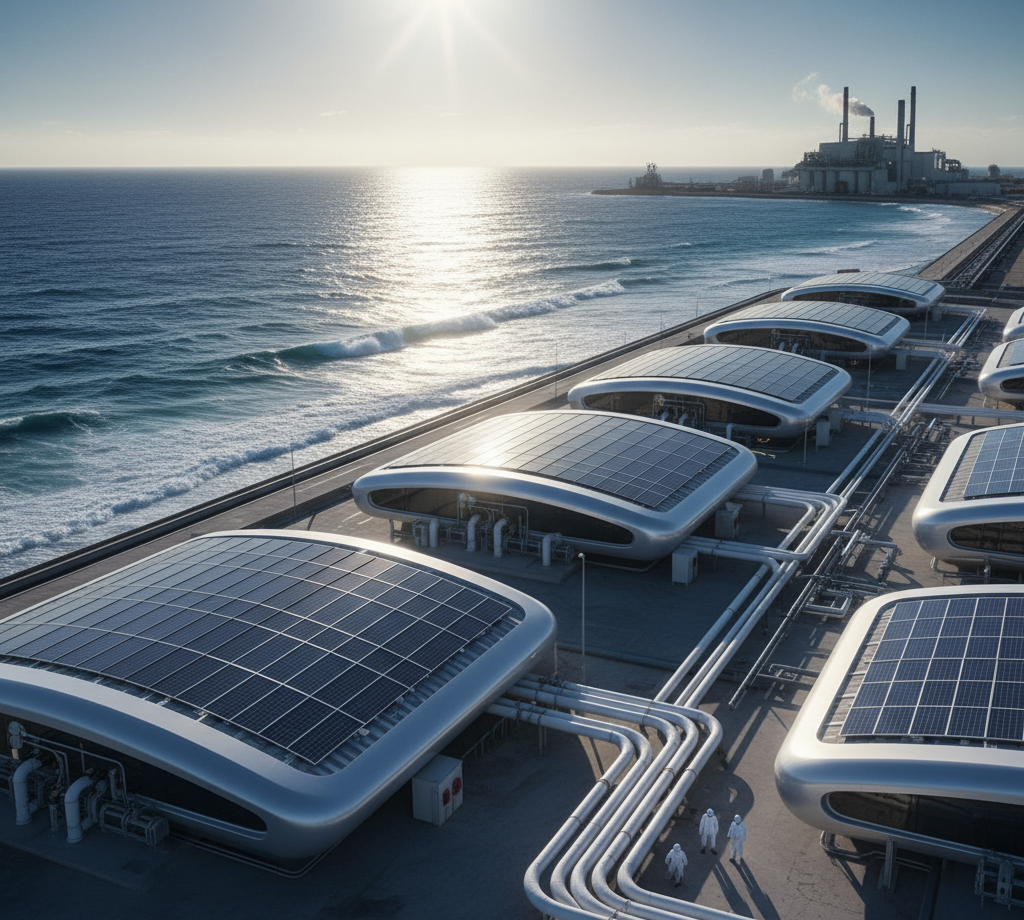
Desalination has evolved from a high-cost emergency measure to a serious long-term solution. The key is efficiency. Traditional plants consumed enormous energy and produced harmful brine, but recent breakthroughs — graphene membranes, solar-powered systems, and zero-liquid discharge — are rewriting that equation. While not a one-size-fits-all fix, desalination is becoming a vital supplement for coastal nations investing in innovation.
Water Recycling and Reuse
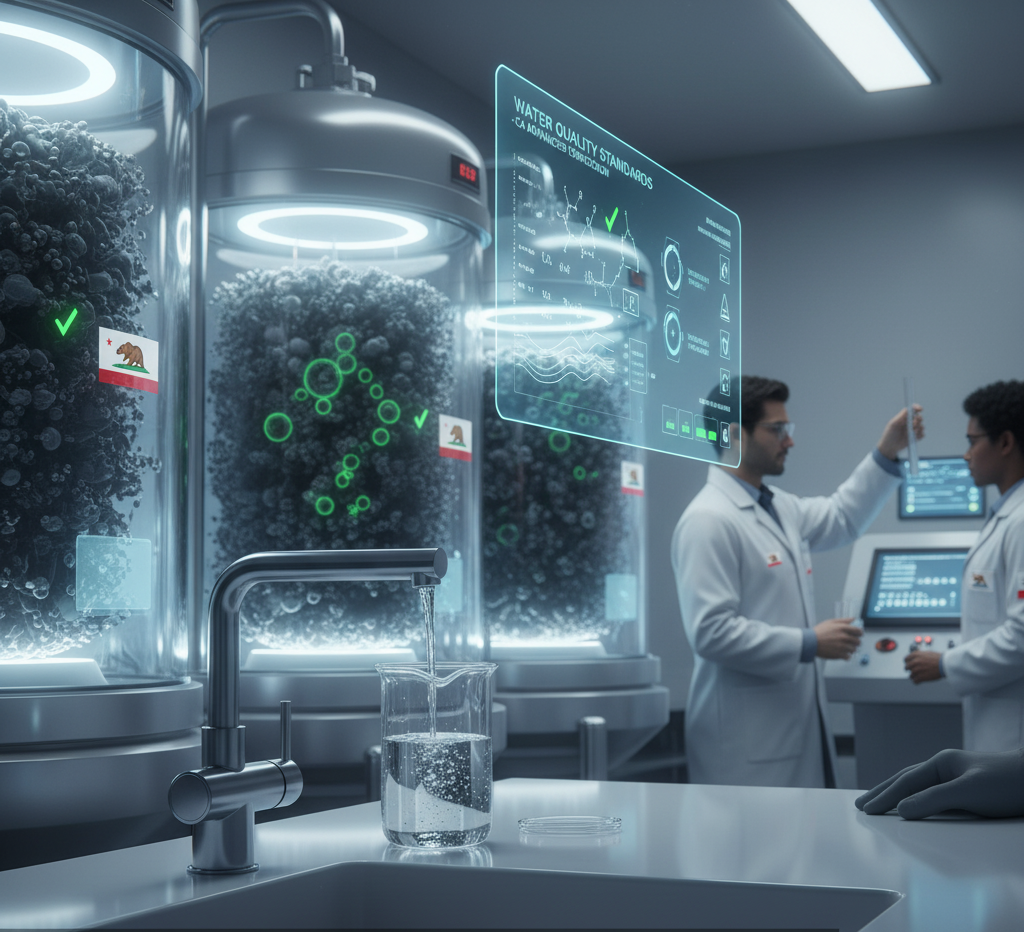
The stigma around recycled water is fading fast. With modern purification technologies, treated wastewater can meet drinking standards — and already does in many countries. Over 85% of treated wastewater can be safely reused — a practice already adopted in several regions. In places like California, advanced treatment technologies integrate recycled water into urban supply systems. This isn’t futuristic; it’s efficient resource management that challenges outdated perceptions about purity and safety.
Climate Change and Water Security
Climate change reshapes where and when water appears. Extended droughts in one region coincide with destructive floods in another. Infrastructure built for past conditions can’t cope with these extremes. The solution lies in adaptive systems — reservoirs designed to capture erratic rainfall, wetlands restored to absorb floods, and diversified water portfolios that blend natural and technological approaches.
Groundwater Depletion and Restoration
Groundwater supports 40% of global irrigation, yet many aquifers are shrinking beyond recovery. Over-pumping, poor irrigation, and urban sprawl are major contributors. Techniques like managed aquifer recharge, where treated water or stormwater is injected into depleted layers, show measurable progress in regions such as Spain and California.
Blue Infrastructure and Urban Design
Instead of pushing water away, forward-thinking cities are learning to work with it. Blue infrastructure — ponds, rain gardens, wetlands, and permeable streets — absorbs runoff, reduces flooding, and cools urban heat. Cities like Copenhagen and Rotterdam are turning these systems into living laboratories for climate adaptation, creating greener, more resilient public spaces.
The Economics of Water
Water is both priceless and undervalued. Mispricing leads to overuse, but full privatization risks inequality. The balance lies in transparent pricing systems that reflect environmental costs without limiting access to basic needs. Economists now frame water as both an economic good and a social right — two roles that must coexist for true sustainability.
Emerging Technologies in Water Purification
Access to clean drinking water remains inconsistent. But new methods — nanofiltration membranes, solar stills, and microbial purification systems — are replacing chemical-heavy processes with affordable, low-energy alternatives. These decentralized solutions are transforming communities where clean water access determines economic opportunity.
Policy, Governance, and Responsibility
Technology alone won’t solve scarcity. Governance — how water is allocated, priced, and protected — plays a defining role. Policies aligned with UN Sustainable Development Goal 6 aim to ensure clean water and sanitation for all, but enforcement remains uneven. Linking science, law, and social equity is key to ensuring both access and accountability.
The Human Element – Communities and Behavior
The conversation about water isn’t purely technical; it’s social. Communities that understand the value of water use it differently. From collective rainwater harvesting to awareness-driven conservation, behavioral change remains the simplest, most effective starting point. It’s not about guilt — it’s about literacy.
The Future of Water Innovation
By 2050, water systems could look radically different. Expect AI-integrated management, closed-loop recycling, and bio-based purification materials that mimic natural filtration. Meanwhile, rewilding rivers and wetlands will restore ecological balance. The future of water will merge digital innovation with natural resilience — a theme that EDMSET 2026 in Abu Dhabi will explore through research, collaboration, and forward-looking design.
Conclusion
The Water Revolution is not a slogan; it’s an ongoing transformation. From smarter systems to equitable governance, this shift is happening quietly but with global implications. The coming decades will determine whether water remains a renewable resource — or becomes a privilege. EDMSET 2026 will serve as a platform for scientists, engineers, and policymakers to share insights and innovations that secure a sustainable, equitable water future.
FAQs
1. Why is the “Water Revolution” happening now?
Because old systems are breaking down under modern pressures — climate, population, and consumption — forcing innovation across all levels. The Water Revolution: Smart Water Management and Sustainable Solutions represents this global shift toward resilience and intelligent resource use.
2. Which cities are leading in smart water management?
Singapore, Amsterdam, and Barcelona are notable examples of cities using real-time monitoring to manage supply and reduce waste.
3. What’s the main drawback of desalination?
Energy consumption and brine disposal, though emerging technologies are reducing both significantly.
4. Is recycled water really safe to drink?
Yes. Advanced purification methods produce water that meets or exceeds drinking standards, and it’s already in use globally.
5. What’s the single most important factor in water sustainability?
Integration — combining technology, governance, and community engagement rather than treating them separately.
