

The 2023 Ocean Temperature Crisis and Its Global Impacts
The Year the Oceans Redefined Climate Reality

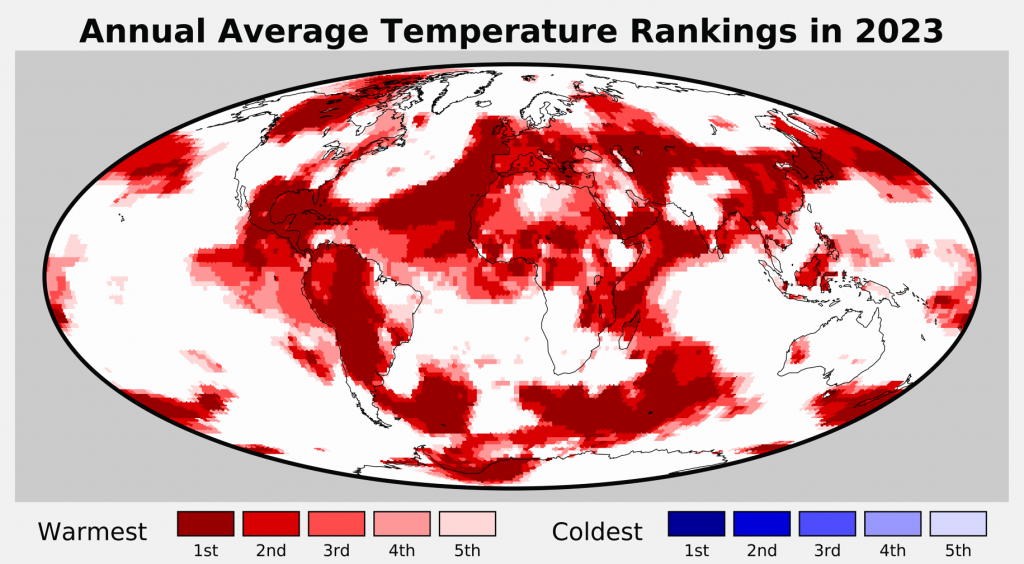
The year 2023 will be remembered in the annals of oceanography not for a new record, but for the wholesale shattering of our existing climate frameworks. The data is unequivocal: we are now confronting a new and dangerous reality of extreme marine heatwaves, defined by unprecedented intensity, spatial extent, and global synchronization. For the research community, this is not merely an observation; it is a fundamental challenge to our understanding of Earth’s climate system and a mandate to redefine the frontiers of our work.
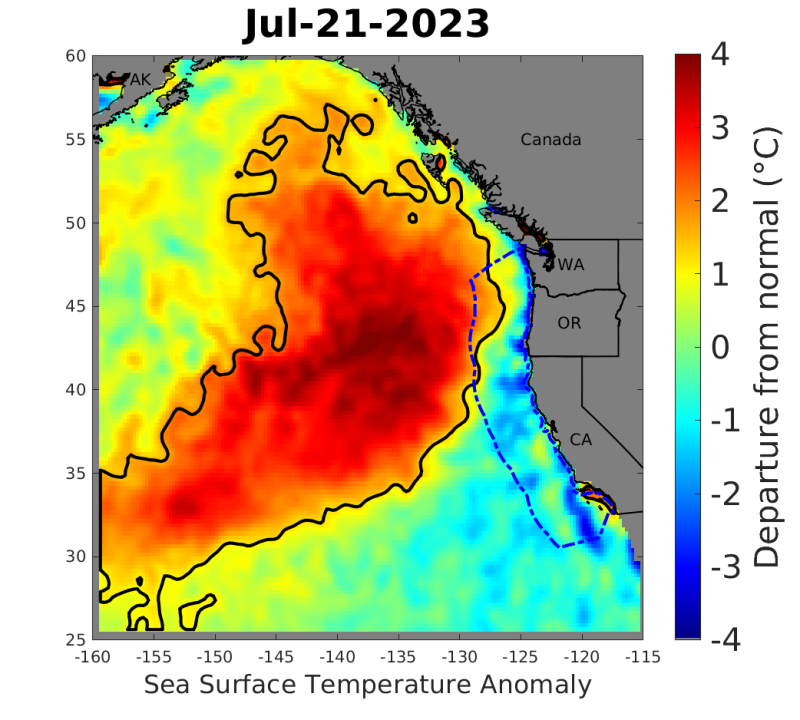
The statistics on ocean temperature in 2023 are staggering. In the North Atlantic, surface temperatures soared up to 5°C above the long-term average, an anomaly that sits in the “Category 5” (ultra extreme) classification. Off the coast of Florida, the Manatee Bay buoy recorded a shocking 38.4°C (101.1°F), a potential world record more akin to a hot tub than a marine environment. These were not isolated incidents. Globally, 48% of the ocean surface experienced marine heatwaves on any given day in September 2023. This is the new baseline of extreme ocean heat we must now study. Such extremes are not just numbers; they trigger cascading biological crises, from coral bleaching to ecosystem collapse.

Ecological Impacts of Extreme Marine Heatwaves
The immediate, first-order consequence of such extreme ocean heat is the devastating impact on marine life, leading to widespread marine ecosystem impacts. The mass coral bleaching events are the most visible tragedies, but the damage runs deeper. Kelp forests, which act as vital “underwater forests,” are collapsing, and foundational species like krill are disappearing from their historical habitats, threatening the entire Antarctic food web.
For the academic community, the second-order questions are now pressing and demand an interdisciplinary response. The physical and biogeochemical cycles of the ocean are being profoundly altered. Key climate change research questions now include:
- Atmospheric & Cryospheric Teleconnections: How does a persistent North Atlantic MHW alter the jet stream, influencing continental weather patterns? How does it accelerate the melt of the Greenland ice sheet through warmer ocean-ice interactions?
- The Biological Carbon Pump: How does thermal stratification from marine heatwaves inhibit nutrient upwelling, starving phytoplankton at the base of the food web and weakening the ocean’s capacity to sequester carbon?
- Deoxygenation and Acidification: How does intense surface heating exacerbate the formation of oxygen minimum zones (OMZs) and compound the effects of ocean acidification, creating multi-stressor environments that are lethal to many species?
Answering these questions requires a new generation of climate modeling. The events of 2023 have effectively rendered many of our previous predictive models conservative, revealing a critical gap in our ability to forecast the non-linear dynamics of these powerful marine heatwaves.
Climate System Feedbacks and Global Consequences
This new reality demands urgent innovation in our research methodologies. While satellite SST provides crucial macro-level data, it is the integration with in-situ measurements from the global ARGO float network, autonomous underwater vehicles (AUVs), and long-term ecological research (LTER) sites that will unlock a deeper understanding.
This presents significant oceanography challenges. We must ask ourselves:
- Are our current observational networks dense enough to capture the fine-scale thermal stratification and sub-surface deoxygenation events that accompany these heatwaves?
- Are we fully leveraging AI and machine learning for advanced pattern recognition, attribution studies, and the development of early-warning systems for marine heatwaves?
- How can we better integrate paleoceanographic data to understand past warm periods and contextualize the unprecedented nature of today’s extreme ocean heat?
This is a problem that transcends disciplinary silos. It calls for robust collaboration between physical oceanographers, marine biologists, biogeochemists, climate modelers, and social scientists. The challenges posed by modern marine heatwaves are too vast for any single lab or institution to tackle alone. International, cross-disciplinary consortia, such as those fostered by the World Climate Research Programme (WCRP), are not just beneficial; they are essential for progress in Earth system science.
A Call to the Academic Community: Defining the Next Decade of Research
The record-breaking ocean temperatures of 2023 were not a fleeting anomaly. They were a declaration, a clear signal that our planet’s largest ecosystem is undergoing a rapid and dangerous state shift. This is a defining moment for the Earth sciences. It is a call to be bold in our research questions, innovative in our methods, and radically collaborative in our approach.
As we analyze the terabytes of data from this landmark year, we must collectively focus on understanding the mechanisms, predicting the cascading consequences, and informing the urgent mitigation and adaptation strategies required to navigate this new reality. The intellectual challenge is immense, but the necessity of our work has never been clearer.
Step Into the Future of Earth Sciences
The challenges ahead demand bold ideas and united action. At the MENA Earth Systems Sciences Congress (MESC), you’ll engage with world-leading experts, explore innovative solutions, and help shape strategies that will define our planet’s future.
