



Introduction
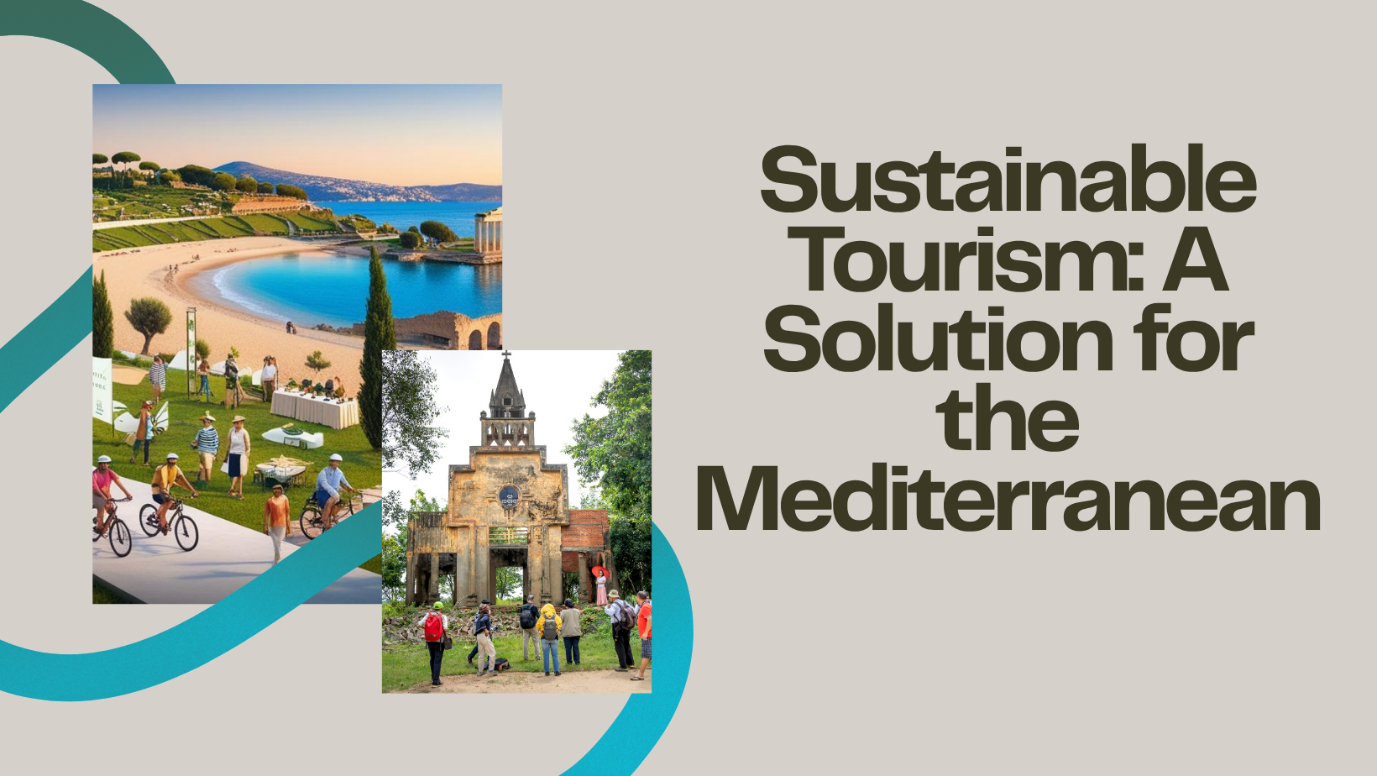
The Mediterranean region is world-renowned for its stunning coastlines, rich cultural heritage, and vibrant local communities. It attracts over 300 million tourists each year, putting immense strain on its delicate ecosystems and centuries-old cultural sites. However, the rapid growth of mass tourism has led to overcrowding, environmental degradation, and cultural heritage loss. As a solution, sustainable tourism practices have become increasingly important to preserve the natural and cultural assets of the region while supporting local economies.
Environmental Degradation
Mass tourism has led to chronic overcrowding in many Mediterranean destinations, leading to environmental degradation. Excessive litter, pollution, and habitat destruction are common consequences of uncontrolled tourism growth. For example, the once pristine beaches of the Costa Brava region in Spain have become overcrowded and polluted due to the influx of tourists. Similarly, historical sites and forests throughout the Mediterranean region are facing damage from large numbers of visitors.
Cultural Heritage Loss
Over-tourism has also led to cultural heritage loss in the Mediterranean region. The erosion of traditional practices and the loss of local identity are common consequences of mass tourism. For instance, the famous Cinque Terre region in Italy is struggling to preserve its cultural heritage as an increasing number of tourists visit each year. Local artisans and historical sites are struggling to keep up with the demand, leading to a loss of traditional practices and cultural significance.
Sustainable Tourism as a Solution
Sustainable tourism is defined as a type of tourism that minimizes negative impacts on the environment and cultural heritage while maximizing economic benefits for local communities. Examples of eco-tourism initiatives in the Mediterranean region include community-driven nature reserves, visitor caps, and support for local artisans. Such practices help strike a balance between ecological preservation and economic resilience. For instance, agrotourism experiences on Greek islands provide a sustainable alternative to traditional tourist accommodations, promoting local agriculture and the preservation of rural landscapes.
Practical Examples:
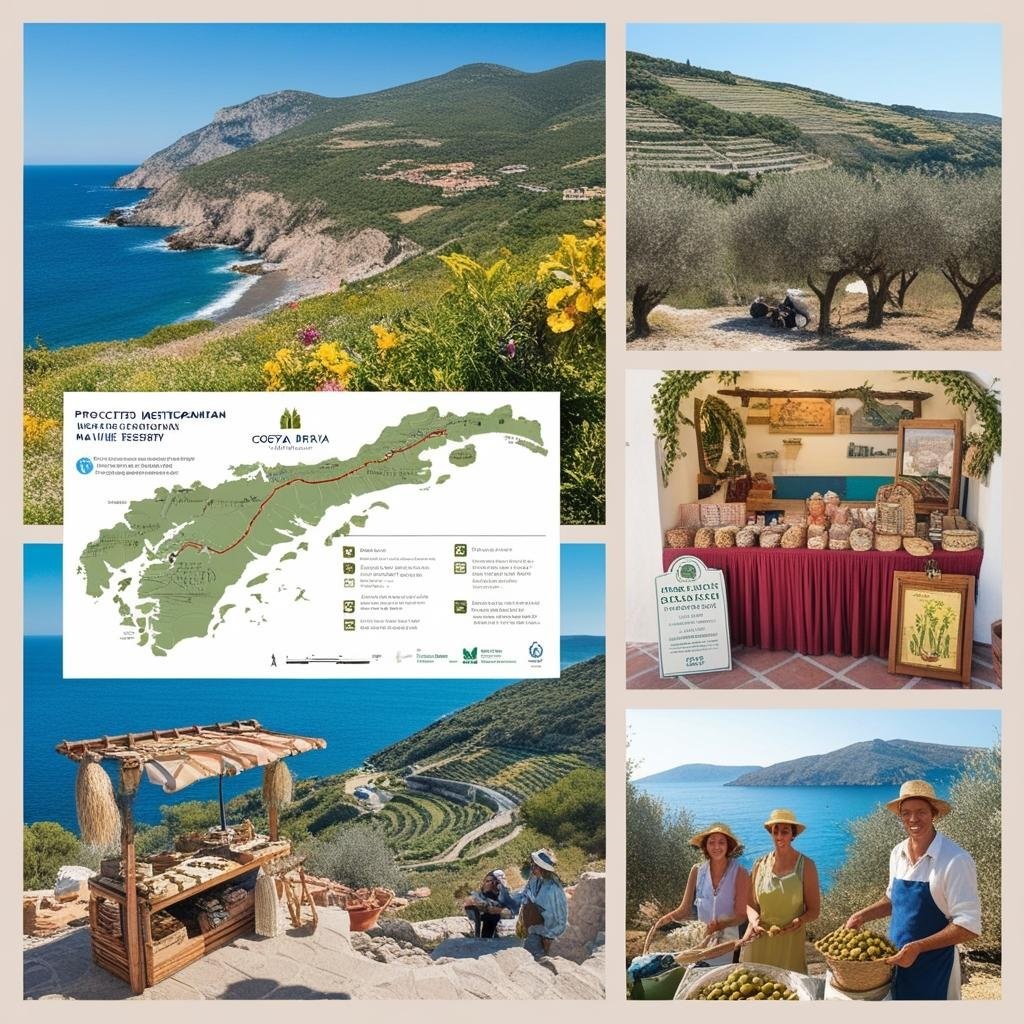
- Community-driven nature reserves in Costa Brava, Spain: These initiatives involve the local community in the management and conservation of natural areas, providing a sustainable alternative to traditional tourist experiences.
- Visitor caps and support for local artisans in Cinque Terre, Italy: By limiting the number of visitors to the area, local businesses can benefit from the increased demand without sacrificing cultural heritage. Support for local artisans also promotes traditional practices and helps preserve the region’s unique identity.
- Agrotourism experiences on Greek islands: These initiatives provide a sustainable alternative to traditional tourist accommodations, promoting local agriculture and the preservation of rural landscapes.
Challenges and Future Directions
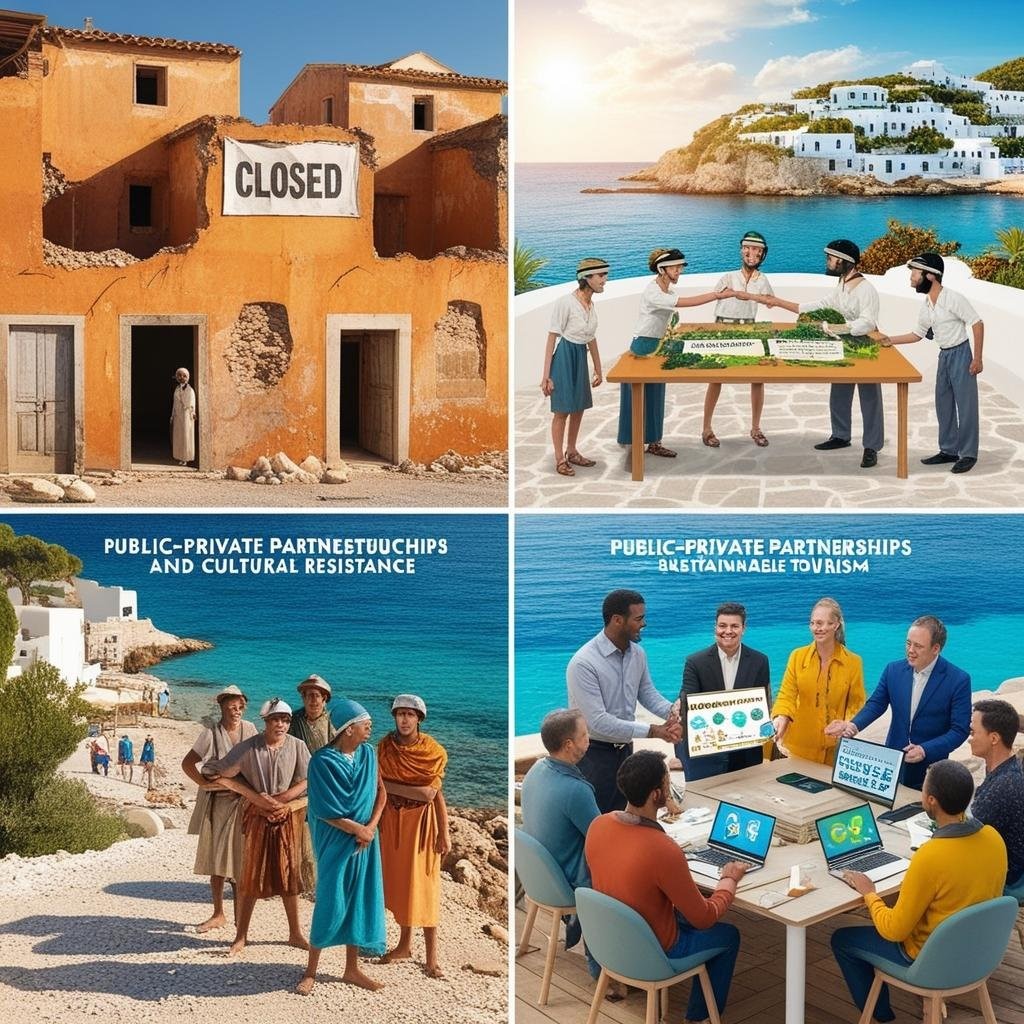
Despite the benefits of sustainable tourism, there are still challenges to overcome in implementing these practices. Lack of infrastructure, limited resources, and cultural resistance to change are common obstacles. Potential solutions include public-private partnerships, educational campaigns, and policy changes. Future directions for sustainable tourism in the Mediterranean region may involve more innovative approaches, such as virtual tours and remote experiences, which can help reduce the environmental impact of traditional tourism while still promoting cultural exchange and economic development.
Conclusion
In conclusion, sustainable tourism practices offer a solution to the environmental degradation and cultural heritage loss caused by mass tourism in the Mediterranean region. By supporting local economies and preserving natural and cultural assets, eco-tourism initiatives can help promote a more responsible and sustainable tourism industry. We urge tourists and policymakers to support these practices and work towards a more sustainable future for the region.
This blog aligns closely with the themes of the 2nd edition of the “Landscapes Across the Mediterranean” (CrossMED) conference, to be held in Granada, Spain. Bringing together voices from academia, practice, and policy, the event offers a unique space to explore forward-thinking approaches to sustainable development and landscape preservation. For those engaged in these critical conversations, the conference presents a valuable opportunity to contribute, connect, and collaborate on shaping the future of the Mediterranean region.
