


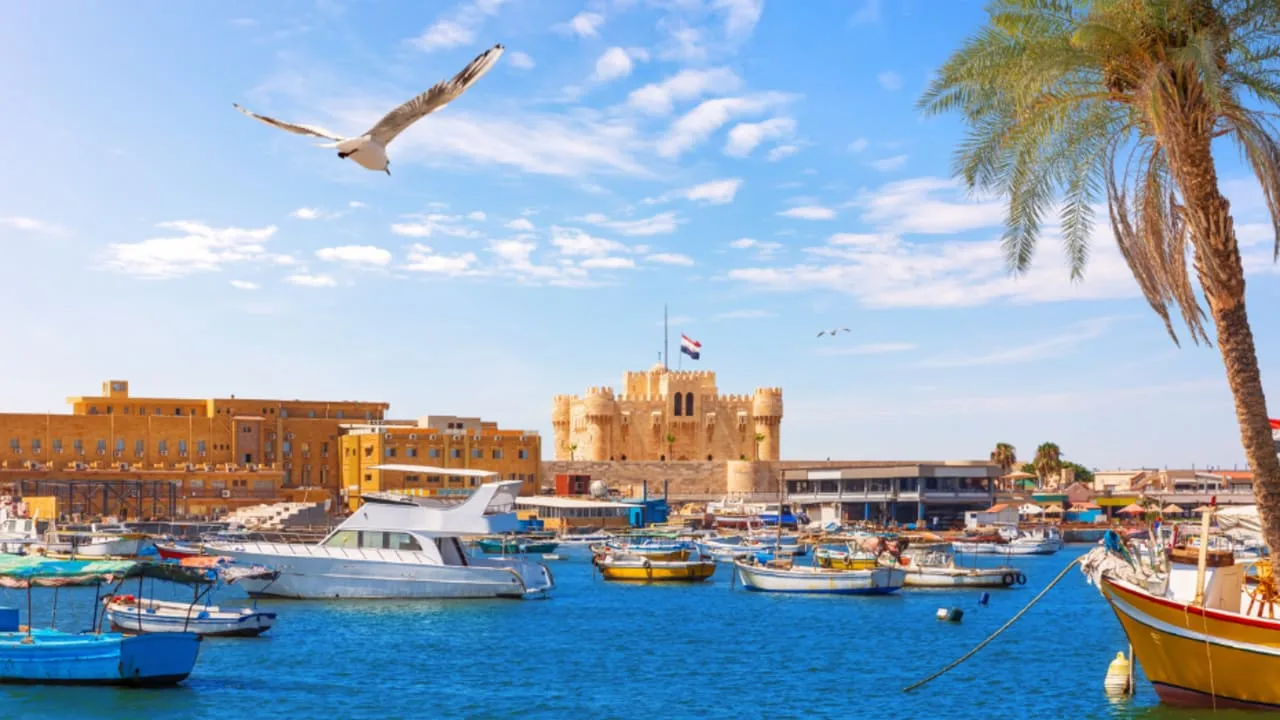

Alexandria, the ancient port city hugging Egypt’s Mediterranean coast, holds a legacy of civilization spanning over 2,000 years. From the lighthouse of Pharos, one of the Seven Wonders of the Ancient World, to the renowned Library of Alexandria, this city has long stood as a beacon of history, culture, and strategic importance. But today, Alexandria is in danger—not from war or neglect, but from the encroaching sea.
As climate change accelerates and sea levels rise, Alexandria faces a drowning future, and the world needs to pay attention. This is more than a local crisis—it’s a global wake-up call about the cost of climate inaction.
In this long-form SEO article, we will delve into the causes, consequences, and solutions surrounding Alexandria’s climate crisis, why this city is especially vulnerable, and what must be done to save it.
-
A City Built on Low-Lying Land
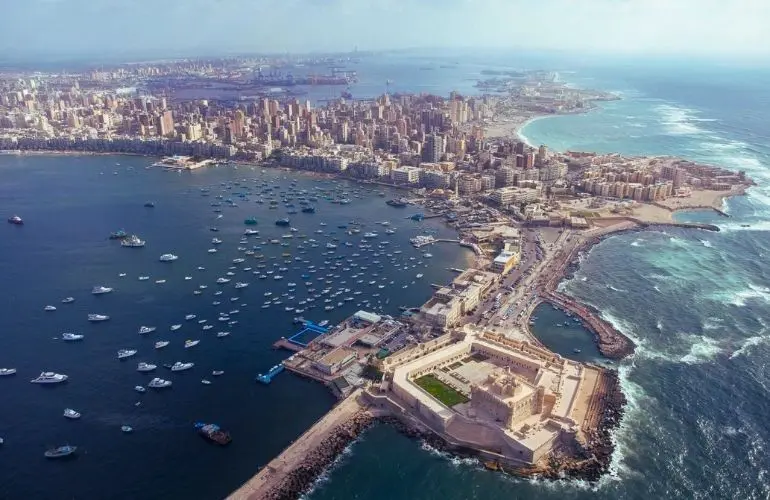
Alexandria is perched on Egypt’s northern coast, with much of the city lying barely a meter or two above sea level. While this gave ancient sailors easy access to its harbors, it now places the city at high risk of coastal flooding. According to climate models, a sea-level rise of just 0.5 meters could submerge entire neighborhoods.
What makes Alexandria particularly vulnerable is its low elevation combined with population density. Over 5 million residents live in and around the metropolitan area. The city’s infrastructure, homes, archaeological sites, and livelihoods are all at risk.
-
Climate Change and Sea-Level Rise: The Science Explained
The main driver behind Alexandria’s looming submersion is climate change. As global temperatures rise due to increased greenhouse gas emissions, two major processes contribute to sea-level rise:
- Thermal expansion: As water warms, it expands.
- Melting glaciers and ice sheets: Especially in Greenland and Antarctica.
Even with moderate emissions scenarios, the Mediterranean Sea is expected to rise significantly. In fact, scientists confirm the Mediterranean region is warming 20% faster than the global average, making Alexandria one of the most threatened coastal cities globally.
-
Historical Sites at Risk of Vanishing
Alexandria isn’t just any city; it’s a living museum. The threat of flooding and erosion puts at risk:
- The Catacombs of Kom el Shoqafa
- The Roman Amphitheatre
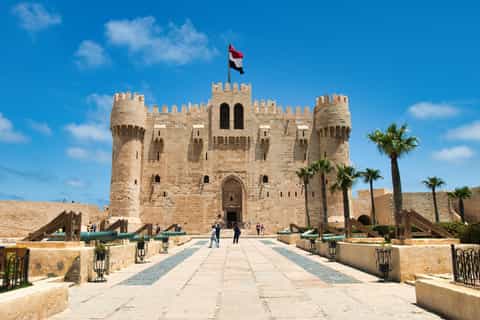
- The Citadel of Qaitbay (built on the site of the ancient lighthouse)
- Greco-Roman ruins, scattered across the coastline
Losing these treasures would mean the erasure of heritage that belongs to all humanity.
-
The Sinking Land: Subsidence Compounds the Problem
While rising seas are the headline threat, subsidence, the gradual sinking of land, is also a major contributor. Alexandria’s land has been slowly sinking due to:
- Excessive groundwater extraction
- Urban development on soft soil
- Natural tectonic processes
This double hit of rising water and sinking ground accelerates the city’s drowning.
-
Urban Growth Meets Environmental Neglect
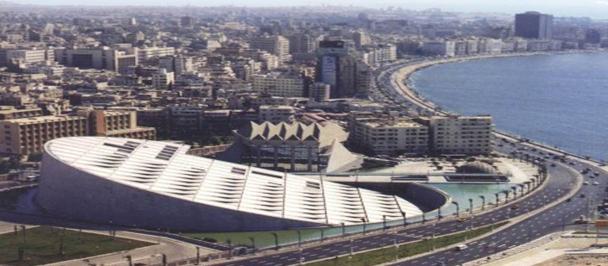
Rapid, unregulated urban expansion has led to:
- Concrete replacing wetlands (which once absorbed floodwaters)
- Overburdened sewage systems
- Pavement blocking natural drainage routes
With climate change already stressing the system, Alexandria’s poor urban planning is proving to be a disaster multiplier.
-
The Human Cost: Displacement and Economic Loss
If Alexandria floods, the impact will be devastating for its people. Experts estimate that even partial inundation could displace hundreds of thousands. The city is a hub for industry, trade, and agriculture, and flooding would mean:
- Loss of jobs and income
- Destruction of homes and businesses
- Pressure on public health and emergency services
For a developing country like Egypt, such a blow could be economically crippling.
-
Protecting Alexandria: What Is Being Done?
Egyptian authorities are not ignoring the crisis. Recent efforts include:
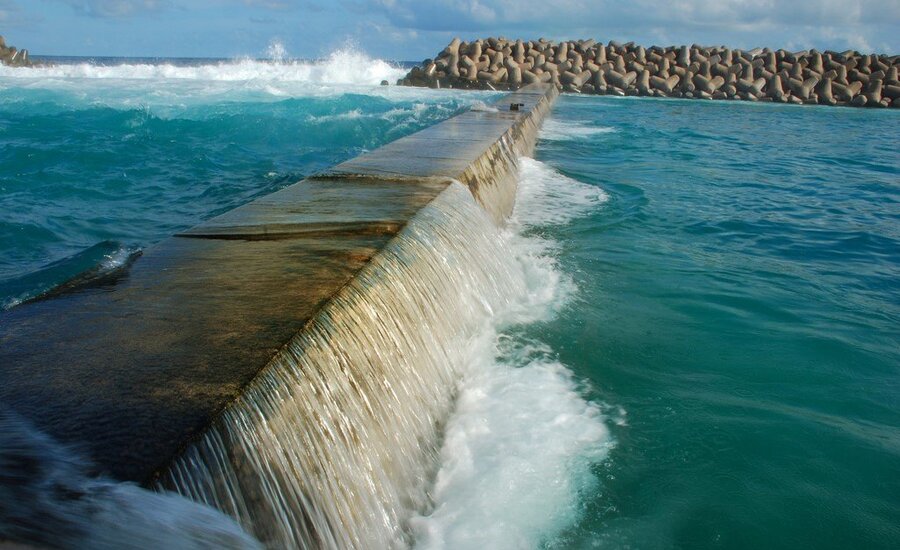
- Sea walls and breakwaters to defend the coast
- Improved drainage systems
- Restoration of the protective Abu Qir wetlands
But these solutions are often underfunded or temporary. Experts stress that Alexandria needs long-term, integrated climate resilience plans, not short-term band-aids.
-
Global Responsibility: Why the World Must Care
Alexandria’s fate is a global concern. Coastal cities around the world, from Jakarta to Miami, face similar threats. What happens in Alexandria could serve as:
- A case study for climate adaptation
- A warning about the cost of inaction
- A rallying cry for climate justice
Many argue that wealthier, high-emitting nations should help fund adaptation in vulnerable areas like Alexandria, where the climate impact exceeds national responsibility.
-
Solutions for a Sustainable Future
So, what can truly save Alexandria from drowning?
Nature-Based Solutions
- Restoring wetlands and mangroves
- Allowing natural sediment flows to rebuild deltas
Smart Urban Planning
- Ban on new construction in flood-prone zones
- Development of floating or elevated structures
- Use of permeable surfaces to enhance water absorption
International Funding and Partnerships
- Grants from the Green Climate Fund
- Collaboration with UN-Habitat and the World Bank
- Investment in early warning systems
Community Involvement
- Public education campaigns
- Community-led climate adaptation projects
- Training locals in resilience and response tactics
-
A City Worth Saving
Alexandria is more than its buildings and coastline. It is a cultural treasure, a testament to human achievement, and a home to millions. Allowing it to drown would be a global failure, not just environmentally, but ethically.
This ancient city once stood at the intersection of history and progress. Now, it stands at the crossroads of survival and loss.
Conclusion: Will We Let Alexandria Drown?
Alexandria’s story is not yet over. But if urgent action isn’t taken, it could become one of the first major cities lost to climate change. The signs are clear. The science is undeniable. And the responsibility is collective.
The time to act is now—not only to protect Alexandria but to safeguard our planet’s other coastal gems from a similar fate.
We encourage readers and professionals interested in urban and rural resilience to participate in the upcoming conference: Geographic Perspectives on Climate Change Mitigation in Urban and Rural Environments – 2nd Edition.
Scheduled for 25–27 November 2025. This event will bring together experts from geography, urban planning, and environmental science to discuss sustainable solutions, disaster risk reduction, and climate-smart urban design, crucial topics in a rapidly changing world.
Let’s not be the generation remembered for letting a city of legends sink into silence.
