


Water scarcity, flooding, and degraded water quality are among the most urgent challenges facing communities and ecosystems around the world. Climate change amplifies these pressures, requiring not only technological innovation but also Nature-Based Solutions for Water Resilience that work with natural systems to sustain water resources and strengthen adaptive capacity.
This article explores how nature-based solutions for water resilience are being integrated into sustainable water management practices and highlights a successful real-world case study demonstrating their effectiveness.
What Are Nature-Based Solutions in Water Management?
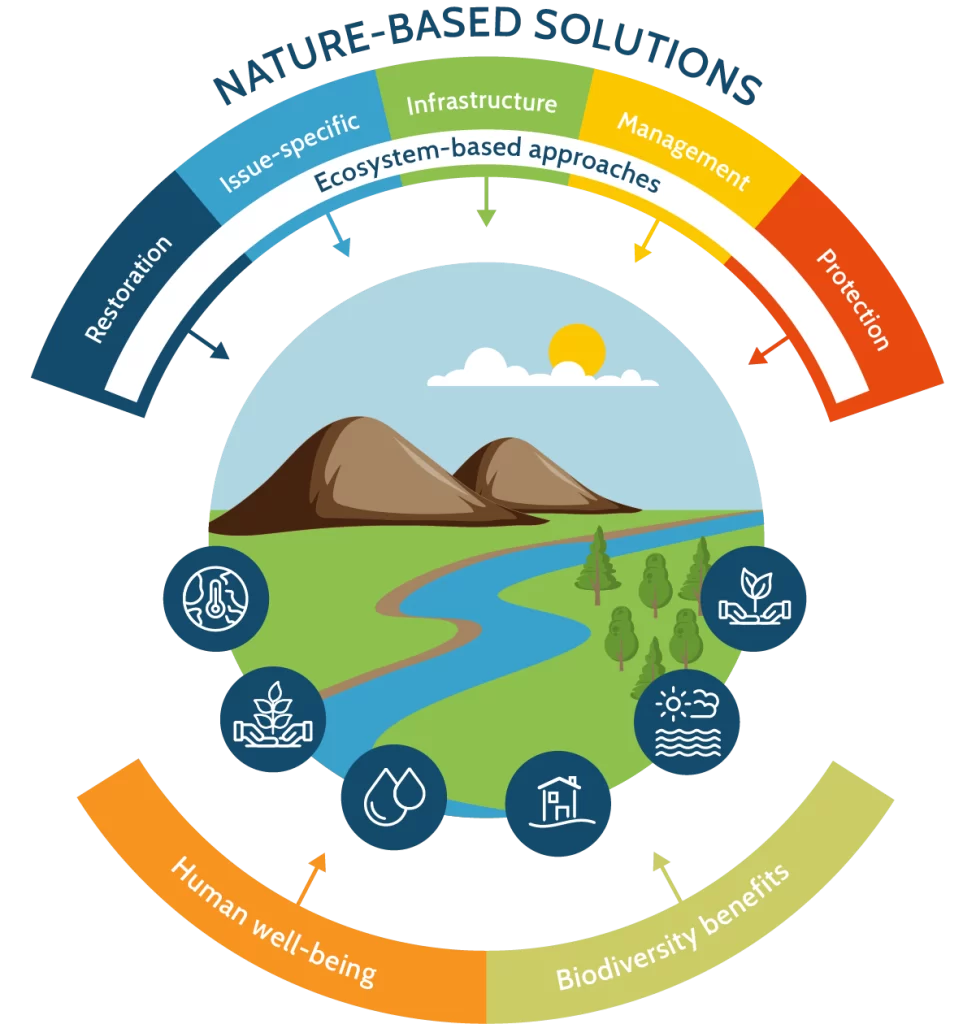
Nature-based solutions refer to ecosystem-inspired strategies that use natural processes to address water challenges such as stormwater management, water purification, and drought adaptation. Unlike traditional grey infrastructure like concrete channels or pipes these solutions harness the power of landscapes, vegetation, and soils to manage and restore water systems.
Key elements include:
-
Wetlands and riparian buffers that filter pollutants
-
Green infrastructure such as rain gardens and permeable pavements
-
Urban greening that enhances infiltration and reduces runoff
-
Reforestation and watershed restoration that protect long-term water supply
By embedding nature into planning, cities and regions can enhance water security, improve biodiversity, and strengthen climate resilience.
Why Nature-Based Approaches Matter
Climate change is altering rainfall patterns, increasing the frequency of extreme weather events, and stressing water supplies. Traditional infrastructure alone often fails to adapt dynamically to these changes. Nature-based strategies offer flexibility and multifunctionality by:
-
Reducing flood risk by absorbing excess rainfall
-
Improving water quality through natural filtration
-
Recharging groundwater by increasing infiltration
-
Supporting local ecosystems and biodiversity
Moreover, these solutions can enhance urban livability, public health, and social well-being, making them valuable beyond pure engineering outcomes.
Case Study: Curitiba, Brazil – Green Infrastructure for Flood Control
Background
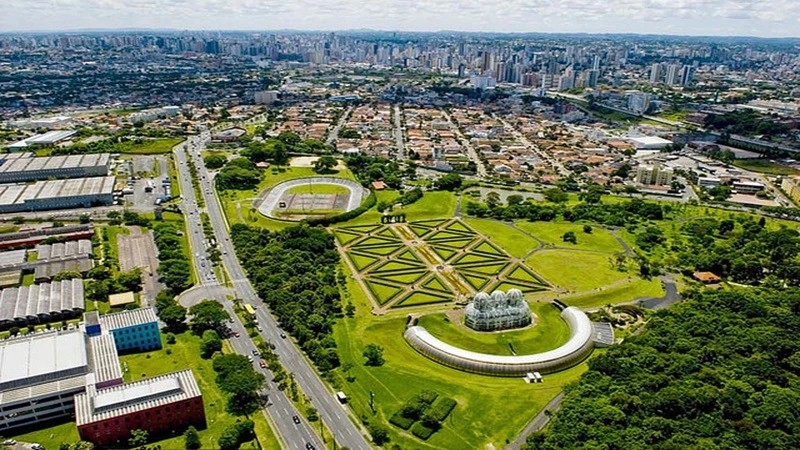
Curitiba, a major city in southern Brazil, historically experienced severe urban flooding due to rapid development and impermeable surfaces. Traditional stormwater systems struggled to cope with intense rainfall events, causing property damage and environmental degradation.
Nature-Based Implementation
Rather than expanding conventional drainage infrastructure, Curitiba adopted a comprehensive green infrastructure strategy that included:
-
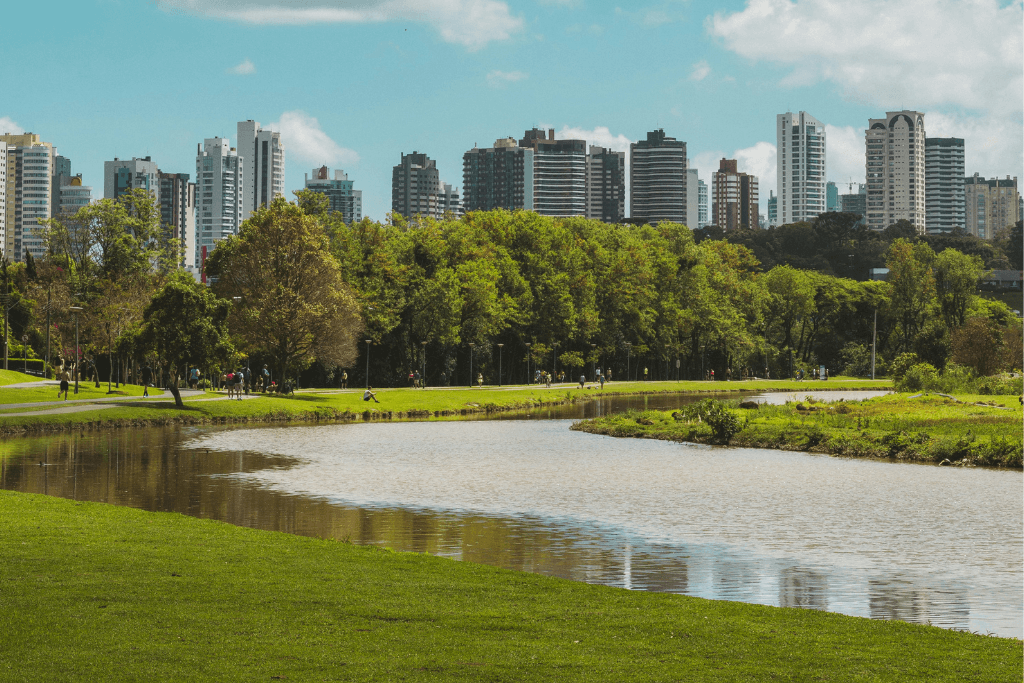
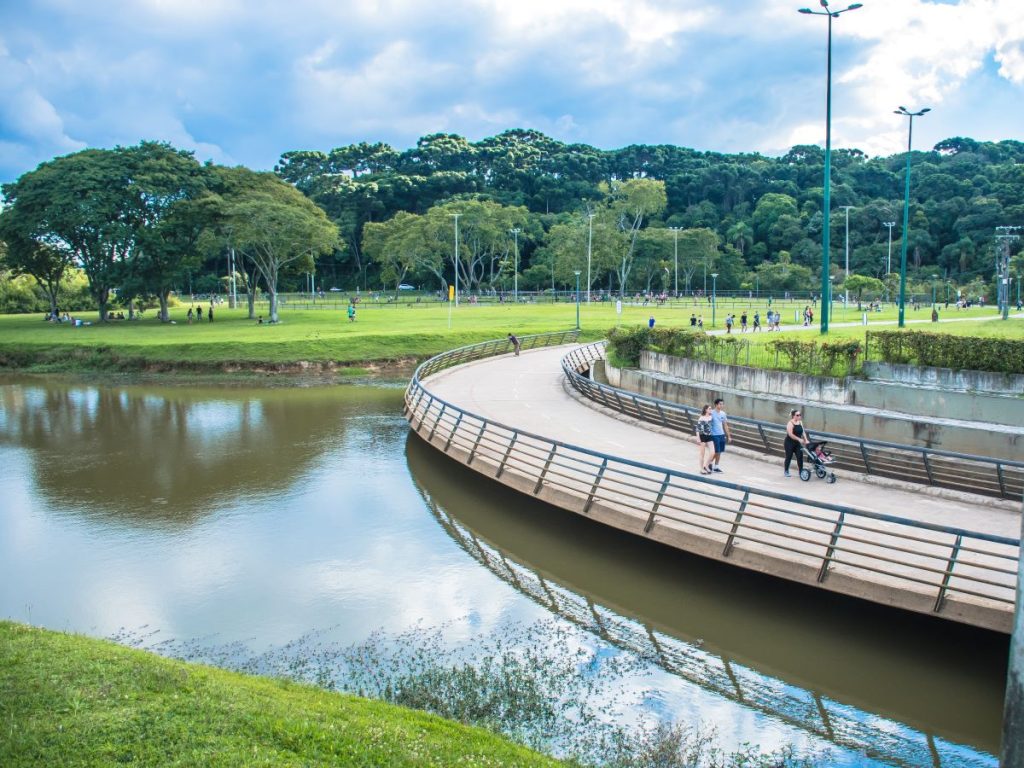
Construction of linear parks and green corridors along flood-prone areas
-
Retention ponds and lakes designed to capture and store stormwater
-
Urban wetlands planted with native vegetation to filter runoff naturally
-
Expansion of urban forests and tree-lined streets to reduce surface runoff
Each park and green space was designed not only as flood control but also as a recreational amenity for residents. By combining engineered landforms with ecological systems, the city effectively changed its water cycle dynamics.
Measurable Outcomes
The impact of this approach has been substantial:
-
Significant reduction in flood damages during intensive storms
-
Improved water quality in rivers and streams by reducing sediment and pollutants
-
Increased public access to green space, improving quality of life
-
Greater urban biodiversity and ecosystem connectivity
Curitiba’s model demonstrates how urban landscape design can serve dual purposes protecting communities while enhancing natural systems.
Integrating Policy, Community, and Planning
Successful nature-based water management is not just about planting trees or building wetlands—it requires policy support, community engagement, and integrated planning. Key enablers include:
-
Regulatory frameworks that prioritize green infrastructure
-
Funding mechanisms for long-term ecosystem maintenance
-
Educational programs that empower residents to participate
-
Cross-sector collaboration among planners, engineers, ecologists, and stakeholders
When communities understand and co-create solutions, outcomes tend to be more sustainable and widely supported.
Conclusion
Nature-based solutions offer a practical, adaptable, and sustainable path to better water management. Curitiba’s experience shows that water challenges can become opportunities for innovation. These perspectives align with the themes of the Sustainable Water Management and Resource Adaptation (SWMRA) – 3rd edition conference, held in collaboration with the Faculty of Civil and Industrial Engineering at Sapienza University of Rome.
Frequently Asked Questions (FAQ)
1. What is the main benefit of nature-based water solutions?
Nature-based solutions provide multi-benefit outcomes including flood control, improved water quality, ecosystem restoration, and enhanced urban spaces often more cost-effectively than traditional infrastructure.
2. Are nature-based solutions suitable for all cities?
Yes, with appropriate design tailored to local climate and geography. Even dense urban areas can integrate green roofs, rain gardens, and permeable streets to reduce runoff.
3. How do these solutions help with climate change adaptation?
By increasing landscape resilience such as improving soil water retention and reducing heat effects nature-based approaches help communities adapt to increased variability in rainfall and drought.
4. Is community involvement important?
Absolutely. Local stewardship and engagement ensure that nature-based systems are maintained and valued over time.
5. Can these solutions reduce infrastructure costs?
In many cases, yes. Over long time horizons, natural systems can lower maintenance costs and reduce the need for expensive upgrades to traditional infrastructure.
