

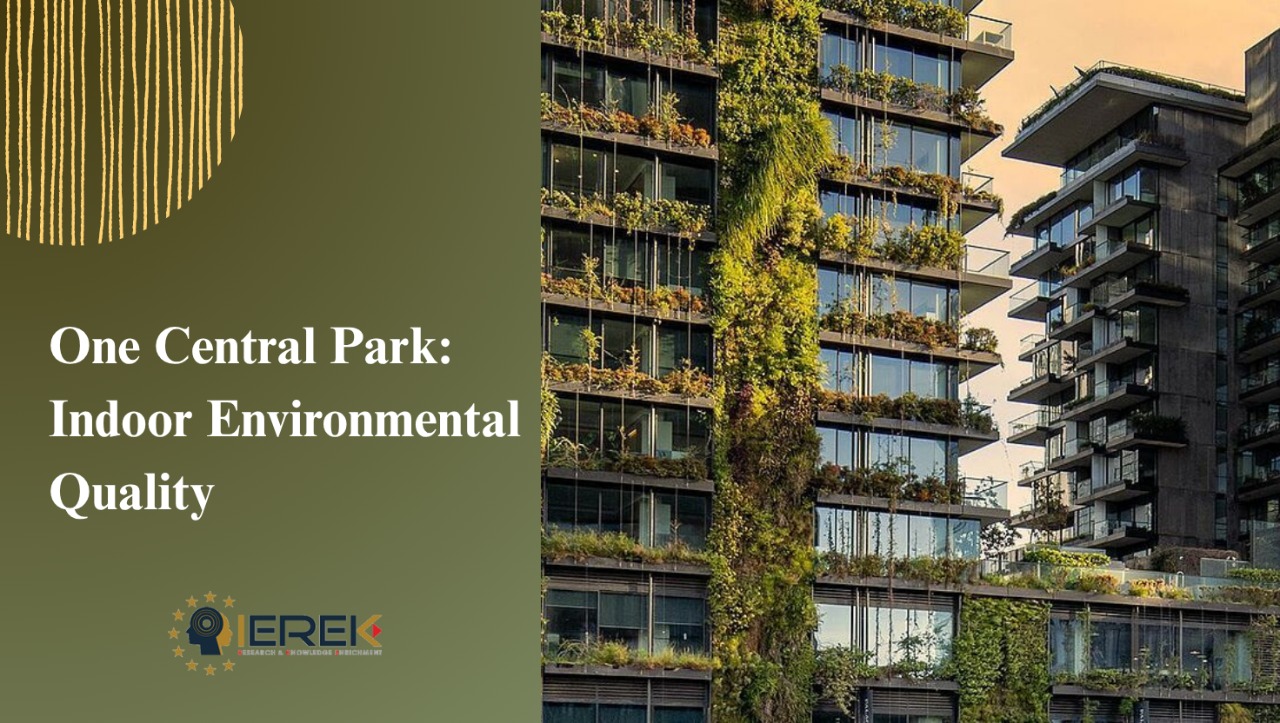

In the heart of Sydney’s vibrant Chippendale neighborhood rises one of the world’s most admired sustainable developments: One Central Park. Famous for its dramatic vertical gardens and futuristic architecture, this mixed-use residential and commercial complex is more than an urban landmark—it’s a global benchmark for how indoor environmental quality in One Central Park is elevated through intelligent, biophilic design.
As cities grapple with the challenges of rapid urbanization, climate change, and public health, One Central Park proves that the built environment can support both beauty and well-being.
Known for its dramatic vertical gardens and bold architecture, this mixed-use residential and commercial complex is more than just an urban icon—it’s a global example of how indoor environmental quality in One Central Park is elevated through thoughtful, integrated design.
Daylighting and Natural Illumination
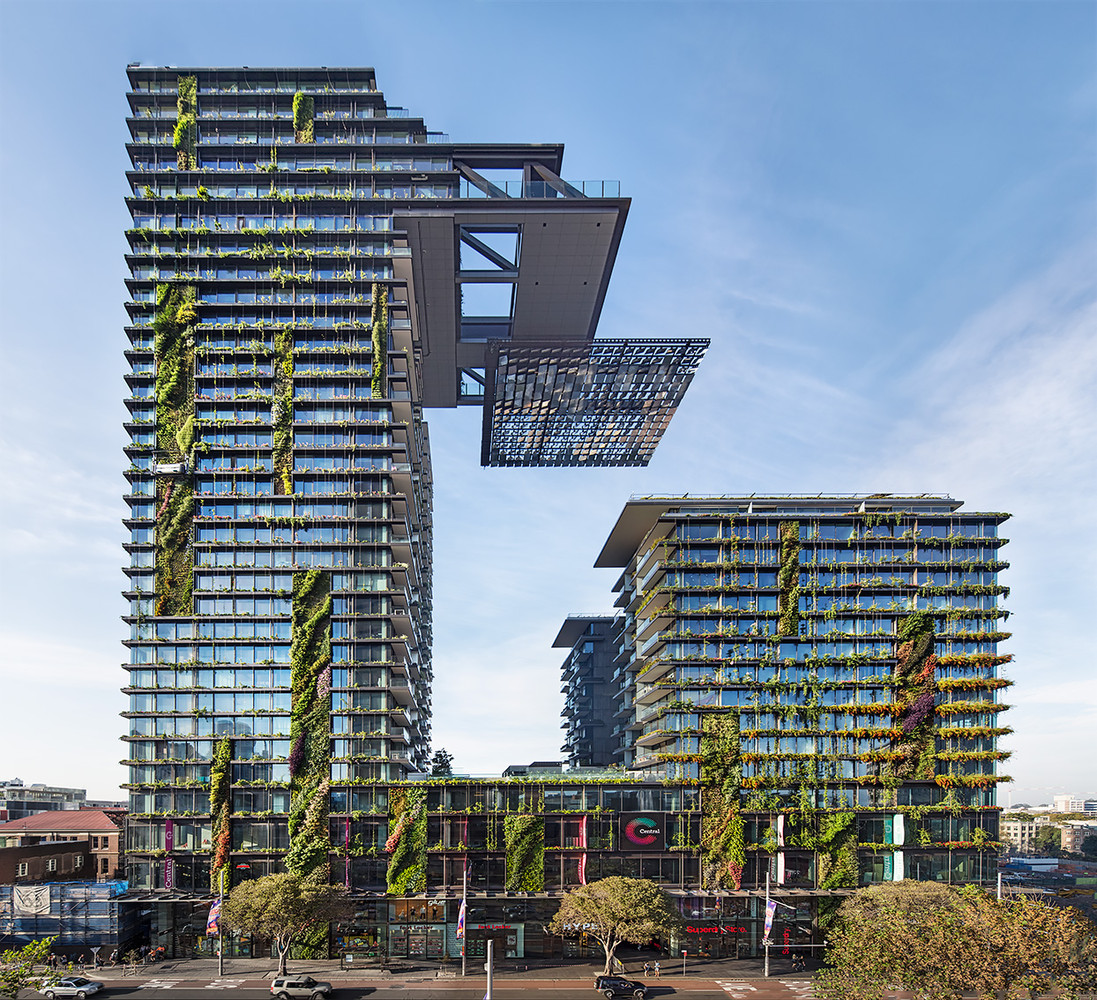
At the core of One Central Park’s sustainability strategy is its commitment to natural light. The building features a state-of-the-art heliostat system motorized mirrors installed on a neighboring tower and a massive cantilevered panel that reflects sunlight into otherwise shaded spaces.
Benefits:
-
Reduces reliance on artificial lighting
-
Supports circadian rhythms and mental well-being
-
Enhances visual comfort and interior ambiance
This innovation ensures daylight reaches even the lower levels of the structure, creating healthy, well-lit indoor environments throughout.
Vertical Gardens and Air Quality
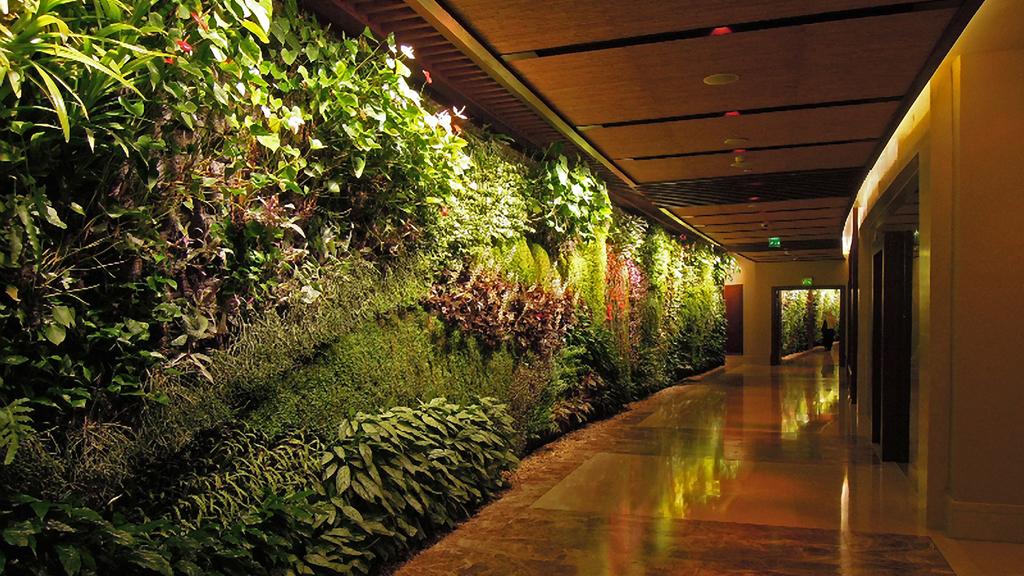
One Central Park’s most iconic feature is its lush green façade, boasting more than 35,000 plants across 250 species of native Australian flora. Designed in collaboration with renowned botanist Patrick Blanc, these vertical gardens aren’t just visually stunning—they function as living air filters.
IEQ Benefits:
-
Absorb CO₂ and airborne pollutants
-
Enhance humidity and oxygen levels indoors
-
Reduce local temperatures and mitigate urban heat island effect
The façade also establishes a calming visual connection with nature, enhancing residents’ mental wellness.
The Sky Garden: A Sanctuary Above the City
The Sky Garden boosts indoor environmental quality in One Central Park by providing natural air filtration, passive cooling, and access to greenery.
Suspended high above Sydney’s streets on a cantilevered section of the tower, the Sky Garden serves as a communal oasis for residents. This elevated landscape does more than offer panoramic views—it’s a vital contributor to indoor comfort, environmental quality, and emotional well-being.
A Vertical Oasis for Residents
Lushly planted with native species, flowering shrubs, and small trees, the Sky Garden offers residents a peaceful, immersive experience in nature.
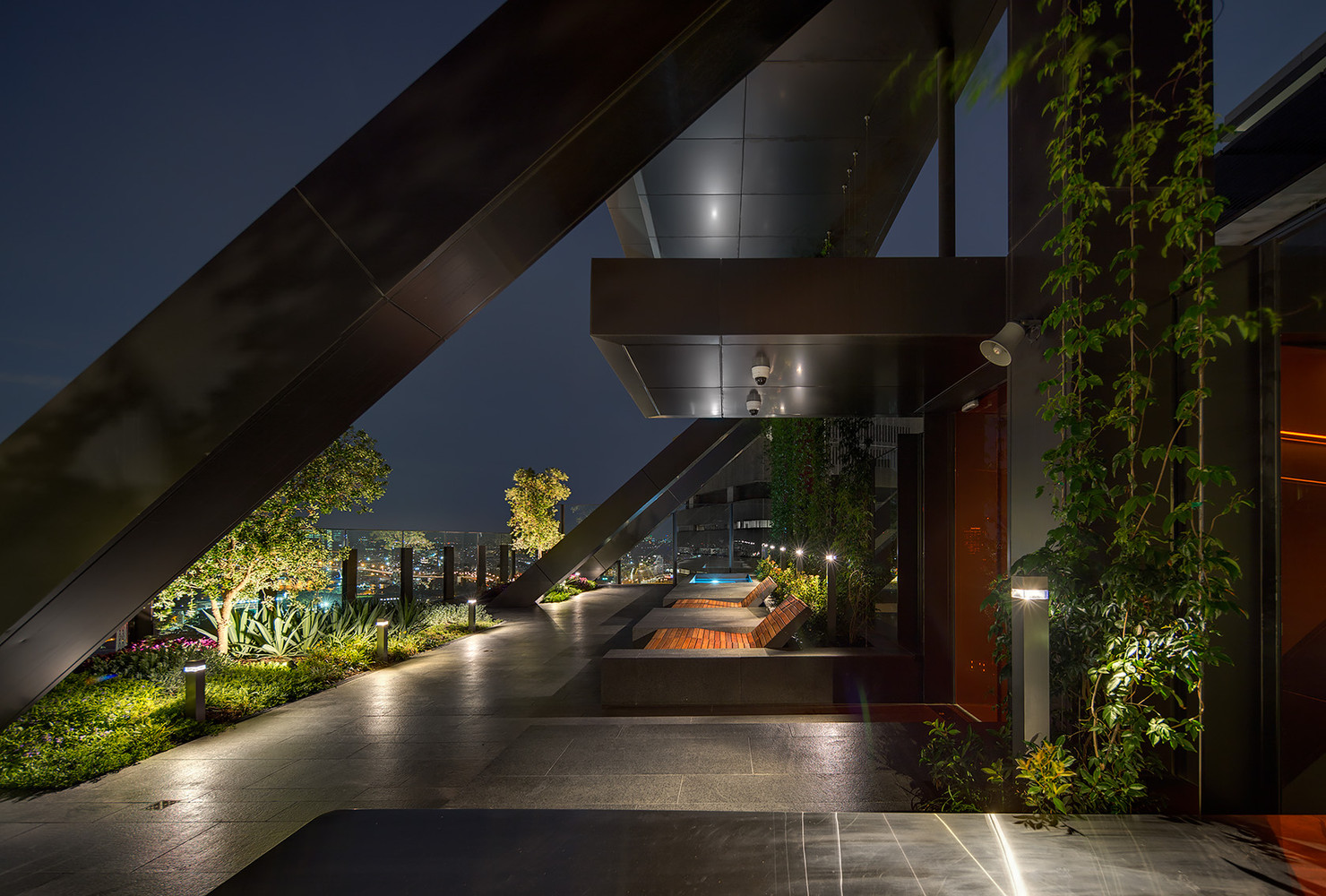
IEQ Contributions:
-
Natural air filtration and oxygenation
-
Spaces for relaxation and mental restoration
-
A thermal buffer, reducing solar heat gain in nearby indoor areas
Microclimate Regulation
The Sky Garden acts as a microclimate moderator, helping regulate wind flow, reduce turbulence, and absorb solar radiation.
Environmental Benefits:
-
Enhances passive cooling
-
Provides shading and reduces solar gain
-
Encourages cross-ventilation on upper floors
Biophilic Design in Action
The Sky Garden exemplifies biophilic design, an architectural philosophy that reintroduces natural elements into the built environment.
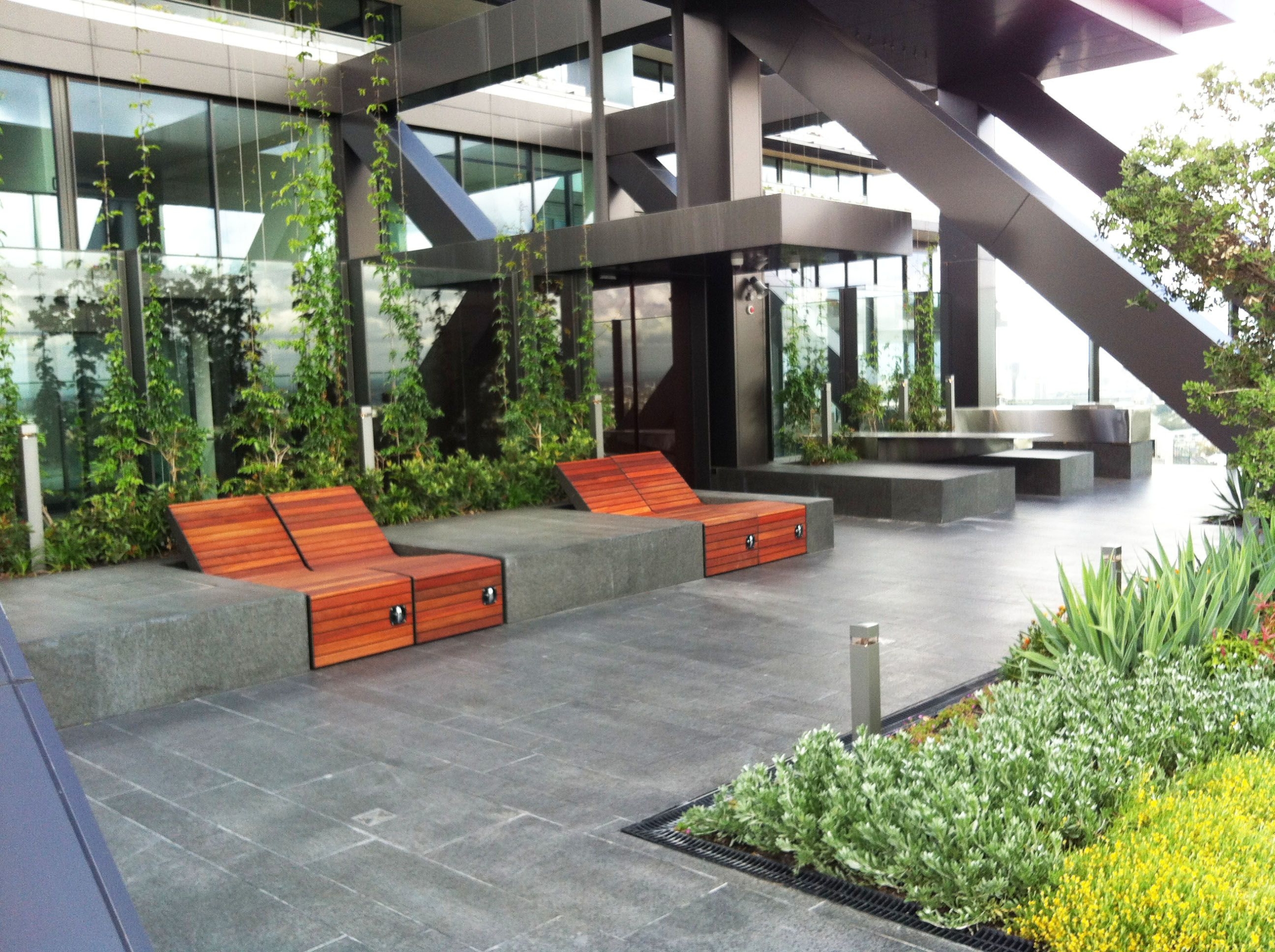
Human-Centric Impacts:
-
Improves mood and cognitive function through nature exposure
-
Creates space for wellness activities like yoga, reading, and meditation
-
Encourages community interaction and strengthens social bonds
Smart Ventilation and Thermal Comfort
Thermal comfort at One Central Park is achieved through a mix of natural ventilation, high-performance glazing, and external shading systems. Operable windows allow for fresh air circulation, while strategic shading minimizes overheating.
Key Features:
-
Cross-ventilation reduces dependence on mechanical cooling
-
Use of low-emission materials improves indoor air quality
-
Zoned climate control allows for individualized comfort
These passive and active systems work together to deliver consistent indoor comfort across all seasons.
Acoustic Comfort
Despite its location in a bustling urban setting, One Central Park ensures a tranquil indoor atmosphere through thoughtful acoustic design.
Noise-Reducing Elements:
-
Double-glazed windows for thermal and acoustic insulation
-
Green walls and dense landscaping to absorb street-level noise
-
Interior acoustic materials—including carpets and sound-absorbing panels for added quiet
These elements create a calm, restorative living experience for residents and office tenants alike.
Smart Building Technology and Environmental Monitoring
One Central Park integrates smart building systems that respond dynamically to occupants’ needs and environmental conditions.
Smart Features:
-
Automated lighting, shading, and HVAC controls
-
Real-time monitoring of temperature, humidity, and CO₂ levels
-
Mobile app access for personalized control of indoor environments
This responsive infrastructure ensures a healthy, adaptive indoor experience that supports well-being and energy efficiency.
Conclusion: A Blueprint for Future Cities
One Central Park redefines what it means to live and work in a healthy building. Its design proves that indoor environmental quality isn’t just a technical measure -it’s a lived experience shaped by nature, light, air, comfort, and connectivity.
From its striking vertical gardens to its Sky Garden oasis and adaptive building systems, One Central Park offers a powerful blueprint for future-ready cities. As urban density and climate challenges grow, buildings like this show that high-performance design can—and must—put people first.
As cities continue to densify, indoor environmental quality in One Central Park serves as a benchmark for architects and urban planners aiming to merge health, sustainability, and innovation in high-performance buildings.
The 10th edition of the International Conference on Urban Planning and Architectural Design for Sustainable Development (UPADSD) will take place in collaboration with Università degli Studi di Firenze from October 21st to 23rd, 2025.
This conference will showcase modern methods in sustainable urban planning and architectural development, presenting innovative research from global contributors. Researchers, professionals, academics, and practitioners are invited to join us in Florence for this significant gathering.
