


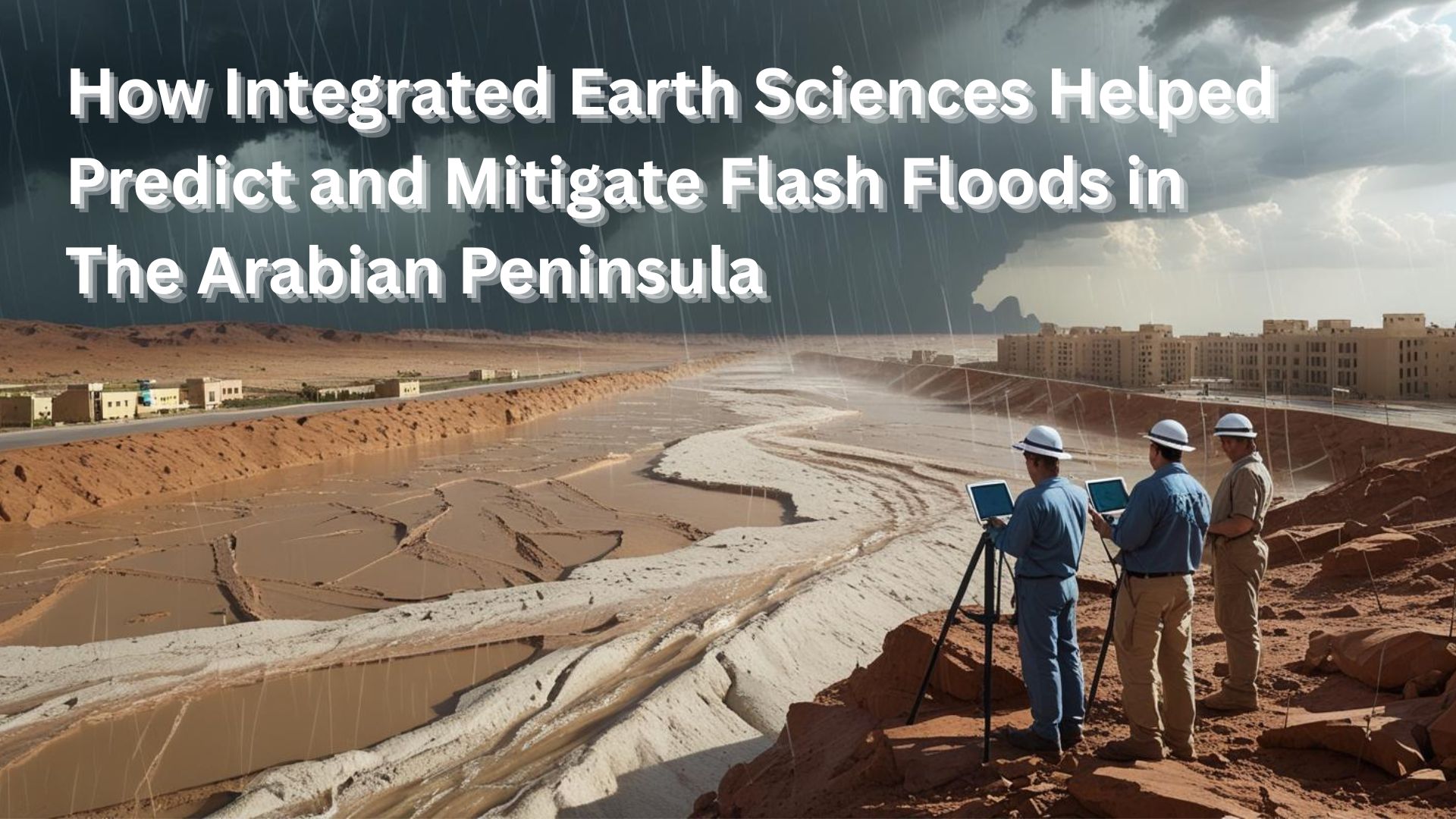
How Integrated Earth Sciences Helped Predict and Mitigate Flash Floods in the Arabian Peninsula

Flash floods in the Arabian Peninsula are a paradox: sudden, destructive deluges in an arid land. These powerful events, fueled by intense rainfall and unforgiving terrain, pose a significant threat. A critical question emerges for academics and researchers: How can we better predict and manage them? This blog post explores the vital role of integrated earth sciences – a blend of atmospheric modeling, hydrological insights, and hydrodynamic simulations – in revolutionizing our ability to foresee and tackle these challenges. Our focus: Earth Sciences Predict Floods in the Arabian Peninsula is central to building a more resilient future for the region.
These scientific tools are not theoretical; they are already being used on the ground, with measurable success in the region.
Real-World Triumphs: Science in Action
Theory finds its true power in practice. The Arabian Peninsula has provided challenging yet invaluable proving grounds for integrated earth sciences in flash flood prediction and mitigation. Two compelling examples stand out:
The Jeddah Deluge: A Forecast That Made a Difference (November 24, 2022)
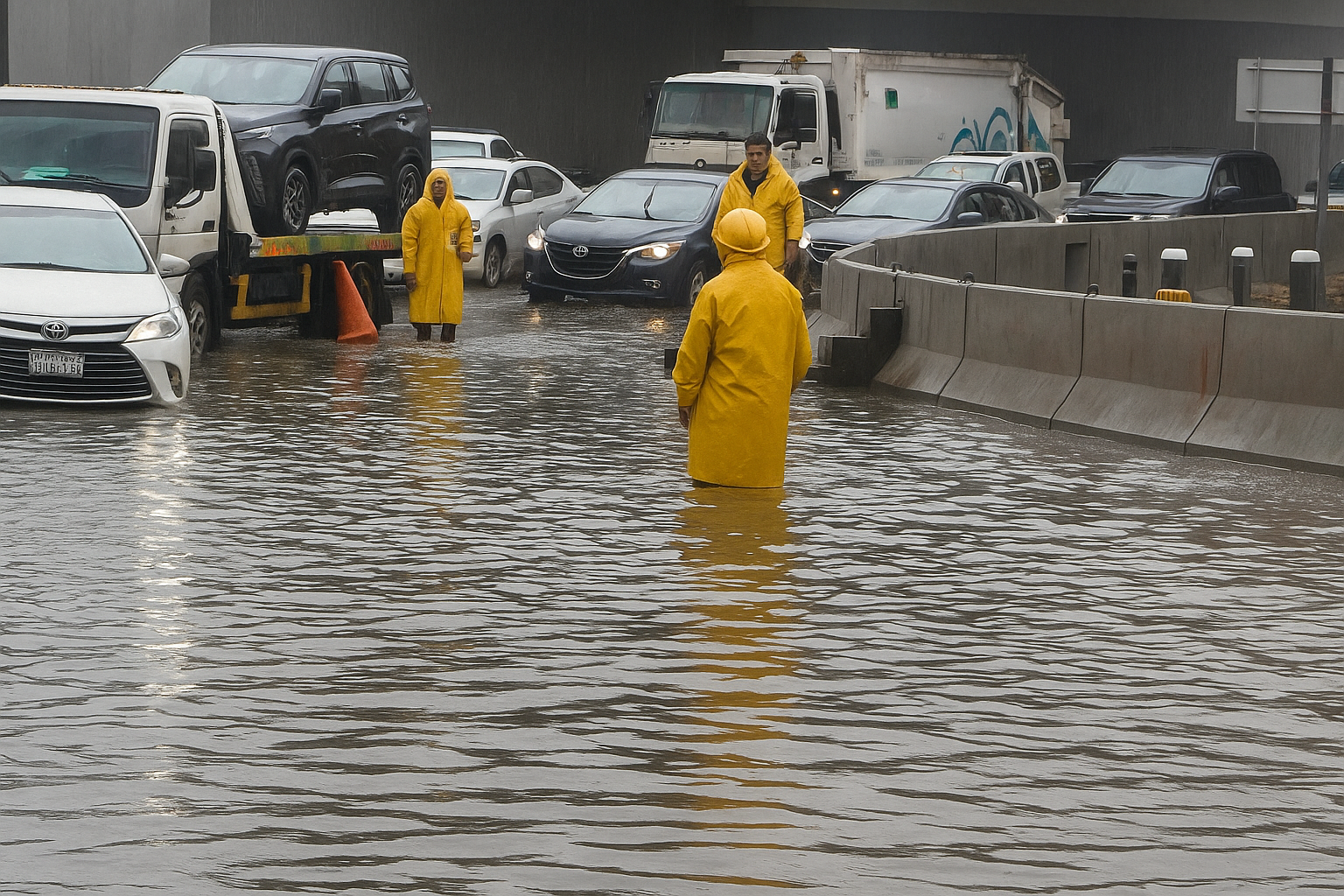
The extreme rainfall event in Jeddah on November 24, 2022, caused widespread flash floods. Its impact was significantly mitigated by a cutting-edge operational forecasting system [1]. This system integrates numerical weather prediction, distributed hydrological modeling, and 2D hydrodynamic modeling. This approach yielded remarkable accuracy: forecasts aligned perfectly with radar data, and flood predictions were highly precise. Over 95% of reported flood incidents fell within high or extreme warning zones issued more than 12 hours in advance. This demonstrates Earth Sciences Predict Floods in the Arabian Peninsula by providing timely, accurate warnings, enabling proactive measures, and protecting lives and property.
UAE’s Summer Surges: Turning Threat into Opportunity (Summer 2022)
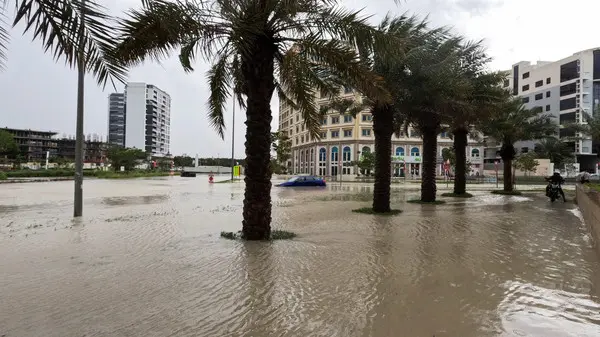
Summer 2022 saw significant flash floods in the UAE. These events, while challenging, highlighted a unique opportunity: harnessing floodwaters. In arid regions, flash floods can be a valuable, albeit fleeting, water resource. Intelligent management can channel this rapid runoff to replenish vital groundwater aquifers [2]. This shifts the focus from mere defense to strategic resource utilization. This innovative perspective underscores another facet of integrated earth sciences. By understanding the interplay of hydrology and geology, infrastructure can be designed not only to protect against floods but also to capture precious water for long-term security. This dual benefit beautifully illustrates Earth Sciences Predict Floods in the Arabian Peninsula, transforming a natural hazard into a sustainable water management solution.
Beyond the Horizon: Future Flood Resilience
Insights from Jeddah and the UAE offer a clear roadmap for a more resilient future. The success of integrated earth sciences in flood prediction and mitigation underscores the need for continued investment in research and technological advancement, including refining models and integrating real-time data. Effective flood management demands greater collaboration among earth scientists, hydrologists, meteorologists, urban planners, and policymakers. The MESC serves as a vital platform for fostering these interdisciplinary partnerships, enabling knowledge exchange and best practices. This continuous evolution is fundamental to answering Earth Sciences Predict Floods in the Arabian Peninsula on an even grander scale.
Looking ahead, AI and machine learning hold immense promise for enhancing flood prediction speed and accuracy. Nature-based solutions, like restoring wadi systems and creating green infrastructure, offer sustainable alternatives that manage floodwaters while providing co-benefits. Ultimately, a holistic application of integrated earth sciences, combining technological innovation with ecological wisdom, will be key to a flood-resilient and water-secure future for the Arabian Peninsula. Our unwavering dedication to understanding Earth Sciences Predict Floods in the Arabian Peninsula will be the bedrock of regional environmental resilience.

The Takeaway: A Resilient Future, Built on Science
Flash floods in the Arabian Peninsula remain a formidable challenge, yet one increasingly met with sophisticated, integrated earth science approaches. From advanced atmospheric modeling to precise hydrological and hydrodynamic simulations, the scientific community is making significant strides in predicting and mitigating these destructive events. The case studies from Jeddah and the UAE vividly demonstrate the tangible benefits of such integrated methodologies, not just in providing timely warnings but also in revealing clever ways to manage precious water resources.
As these innovations evolve, governments, research institutions, and local stakeholders must align their efforts to turn these lessons into policies. The future of water security in arid regions depends not just on science but on our shared commitment to applying it wisely.
As climate change impacts escalate, the collaborative spirit fostered by platforms like the MENA Earth Systems Sciences Congress becomes indispensable. By embracing interdisciplinary research, championing technological breakthroughs, and cultivating a deep, holistic understanding of our planet, we can continue to sharpen our strategies and build communities that are not just prepared but truly resilient. The answer to Earth Sciences Predict Floods in the Arabian Peninsula is a dynamic journey, fueled by our unwavering commitment to scientific excellence and the powerful synergy of working together.
References
[1] S. Sofia et al., “The operational flash-flood forecasting system for the Kingdom of Saudi Arabia: A case study of the 24th November 2022 flash flood in Jeddah,” EGU23, the 25th EGU General Assembly, May 2023. Available: https://ui.adsabs.harvard.edu/abs/2023EGUGA..25.7434S/abstract
[2] J. P. Terry et al., “The rain deluge and flash floods of summer 2022 in the United Arab Emirates: Causes, analysis and perspectives on flood-risk reduction,” Journal of Arid Environments, vol. 215, August 2023. Available: https://www.sciencedirect.com/science/article/abs/pii/S0140196323000848
