


Harnessing the Wind: Breakthroughs in Turbine Design
Advancing Renewable Energy Through Smarter, More Efficient Wind Technology

Imagine standing in an open field, the wind gently pushing against your body. Now, picture that invisible force generating electricity for an entire town. Welcome to the magic of wind turbines—giant mechanical marvels that are leading the charge in the renewable energy revolution.
With the world racing to reduce carbon emissions and fight climate change, wind energy has become a hero in the green movement. But to meet rising demand, improvements in Wind Turbine Design and Efficiency have become essential. These turbines are now faster, smarter, and more capable than ever before. So, how exactly have they changed? And how are these changes shaping the future of clean energy?
Let’s find out.
The Evolution of Wind Turbines
From Traditional Mills to Modern Giants
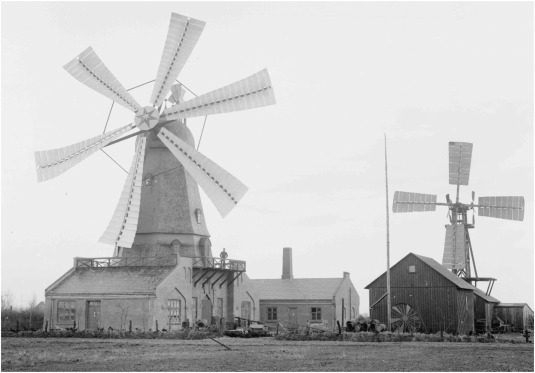
Wind energy isn’t a new idea. For centuries, people used windmills to grind grain and pump water. But turning wind into electricity through advanced Wind Turbine Design and Efficiency? That’s a modern feat. Early wind turbines in the 1800s looked like oversized pinwheels. Today, we’ve got mega-machines standing over 300 feet tall, with blades longer than the wingspan of a Boeing 747.
Key Historical Breakthroughs
-
1887: First wind turbine for electricity by James Blyth in Scotland.
-
1980s: Commercial wind farms emerge.
-
2020s: AI-powered, floating offshore turbines hit the market.
Core Components of a Wind Turbine
Understanding a turbine’s parts is key to grasping how innovations in Wind Turbine Design and Efficiency work—each upgraded component plays a role in boosting overall performance.
Rotor Blades
These catch the wind and spin the rotor. The bigger and more aerodynamic, the better.
Nacelle and Generator
Houses the gearbox and generator—converting mechanical energy to electricity.
Tower and Base
Tall towers capture stronger winds and improve output. Bases must anchor the massive structures securely.
Control Systems
Brains of the operation. They monitor wind conditions and adjust blade angles or shut down when needed.
Game-Changing Design Innovations
Longer, Lighter, Smarter Blades
Using carbon fiber and resin composites, today’s blades are ultra-light and ultra-strong. They’re also longer, helping capture more energy from the wind.
Direct-Drive Technology
Instead of using gearboxes, direct-drive systems cut friction and wear, boosting efficiency and reducing maintenance.
Aerodynamic Refinements
Sharper tips, curved edges, and reduced drag all lead to smoother, quieter, and more efficient blade rotation.
Efficiency Through Technology
Real-Time Sensors and Predictive Maintenance
Think of this like a turbine wearing a fitness tracker. Sensors provide data to prevent breakdowns before they happen.
AI and Machine Learning in Turbine Operations
AI predicts wind patterns and adjusts turbine operations in real-time. It learns the best settings to maximize energy capture daily.
Digital Twins for Performance Optimization
Digital twins are virtual replicas of turbines. Engineers use them to simulate wear, stress, and upgrades without touching the real thing.
Offshore Wind Turbines – A New Frontier
Floating Turbines Explained
Instead of being planted on the seabed, floating turbines rest on buoyant platforms. They open up deep-sea areas for energy harvesting.
Efficiency Gains in Marine Environments
Offshore winds are faster and more consistent, which means turbines out at sea produce more power.
Challenges and Technological Fixes
Saltwater corrosion and installation costs are major hurdles—but new coatings, robotic maintenance, and prefab platforms are addressing them.
Urban Wind Turbine Designs
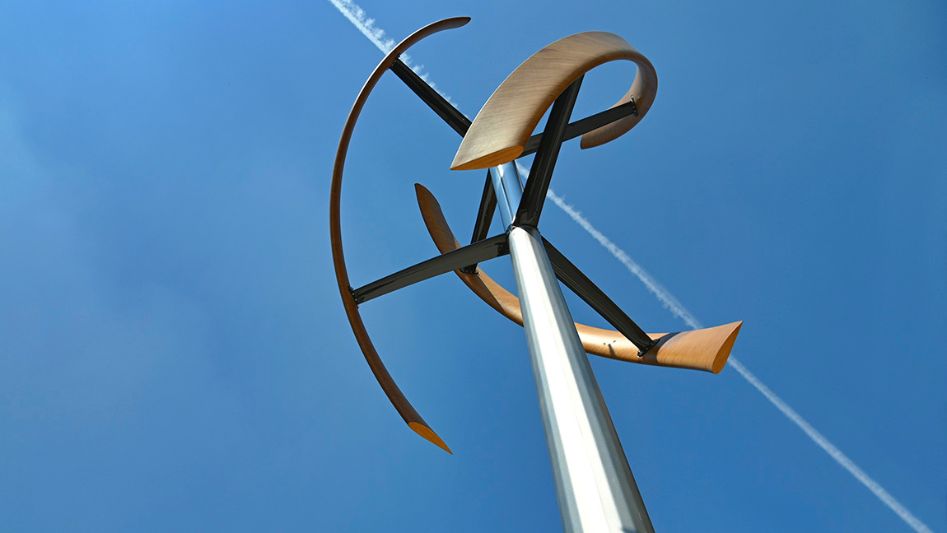
Vertical Axis Wind Turbines (VAWTs)
Smaller and quieter, VAWTs spin around a vertical axis and can work even in low, turbulent winds—perfect for city rooftops.
Integration into Urban Infrastructure
Some architects now build turbines into the structure of skyscrapers and bridges.
Noise and Aesthetic Considerations
Modern turbines are whisper-quiet and can be designed to blend with cityscapes.
Enhancing Wind Energy Storage and Use
Wind-Battery Integration
Storing excess wind energy ensures power is available even when the wind isn’t blowing.
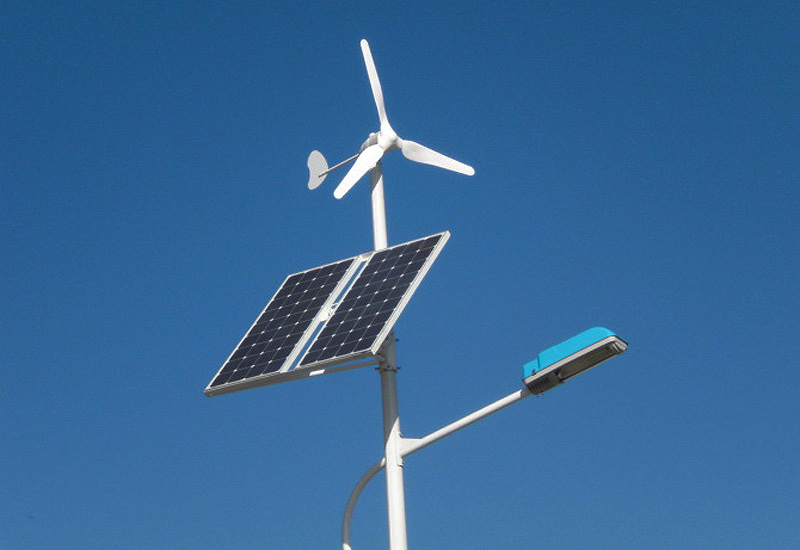
Hybrid Systems (Wind + Solar)
Using wind at night and solar during the day balances out renewable production.
Grid Stability and Smart Distribution
Environmental and Wildlife Considerations
Bird and Bat Protection
Radar-based shutdown systems and blade paint patterns reduce bird and bat collisions.
Sustainable Materials and Blade Recycling
Research is underway to make fully recyclable blades from thermoplastics and eco-resins.
Reducing Carbon Footprint During Production
Green manufacturing techniques, like using renewable energy in factories, are becoming standard.
The Economics of Efficiency
Lowering Levelized Cost of Energy (LCOE)
Thanks to innovation, wind energy is now among the cheapest electricity sources worldwide.
Cost-Effective Maintenance Through Innovation
Smart systems mean fewer repairs and faster fixes, reducing operational costs.
Government Subsidies and Incentives
Grants, tax credits, and renewable energy mandates make wind projects more financially viable.
Wind Power’s Role in Renewable Energy Transition
How Wind Complements Solar and Hydro
Wind fills in when solar can’t—like at night or on cloudy days. Together, they make a perfect renewable combo.
Meeting Global Emissions Targets
Wind energy is crucial for nations aiming to go carbon-neutral by 2050.
Decentralized Energy for Developing Regions
Smaller, mobile turbines can bring electricity to remote or off-grid communities, transforming lives.
Policy and Regulation Shaping the Future
Government and International Support
Policies like the U.S. Production Tax Credit and EU Green Deal fuel wind innovation.
Environmental Policies Driving Innovation
Stricter emissions rules are pushing companies to adopt wind faster.
Public Acceptance and Community Engagement
Education, noise reduction, and revenue-sharing programs help gain local support.
Research and Development Trends in Wind Turbine Design and Efficiency
Blade Morphing and Smart Materials
Future blades may twist and flex mid-flight to optimize performance, just like birds’ wings.
Next-Gen Floating Foundations
Engineers are testing lightweight, cheaper foundations that work in deeper oceans.
Modular and Scalable Designs
Easier transport and assembly, even in remote areas, makes wind more accessible globally.
Challenges That Remain
Intermittency and Energy Storage
No wind = no power. But batteries, hydrogen, and better grid systems are helping.
Land Use and Local Opposition
Turbines take up space and face opposition—but community engagement and offshore tech help balance this.
Supply Chain and Raw Materials
Securing rare earth metals and scaling up blade manufacturing are still hurdles to overcome.
The Future of Wind Turbine Technology
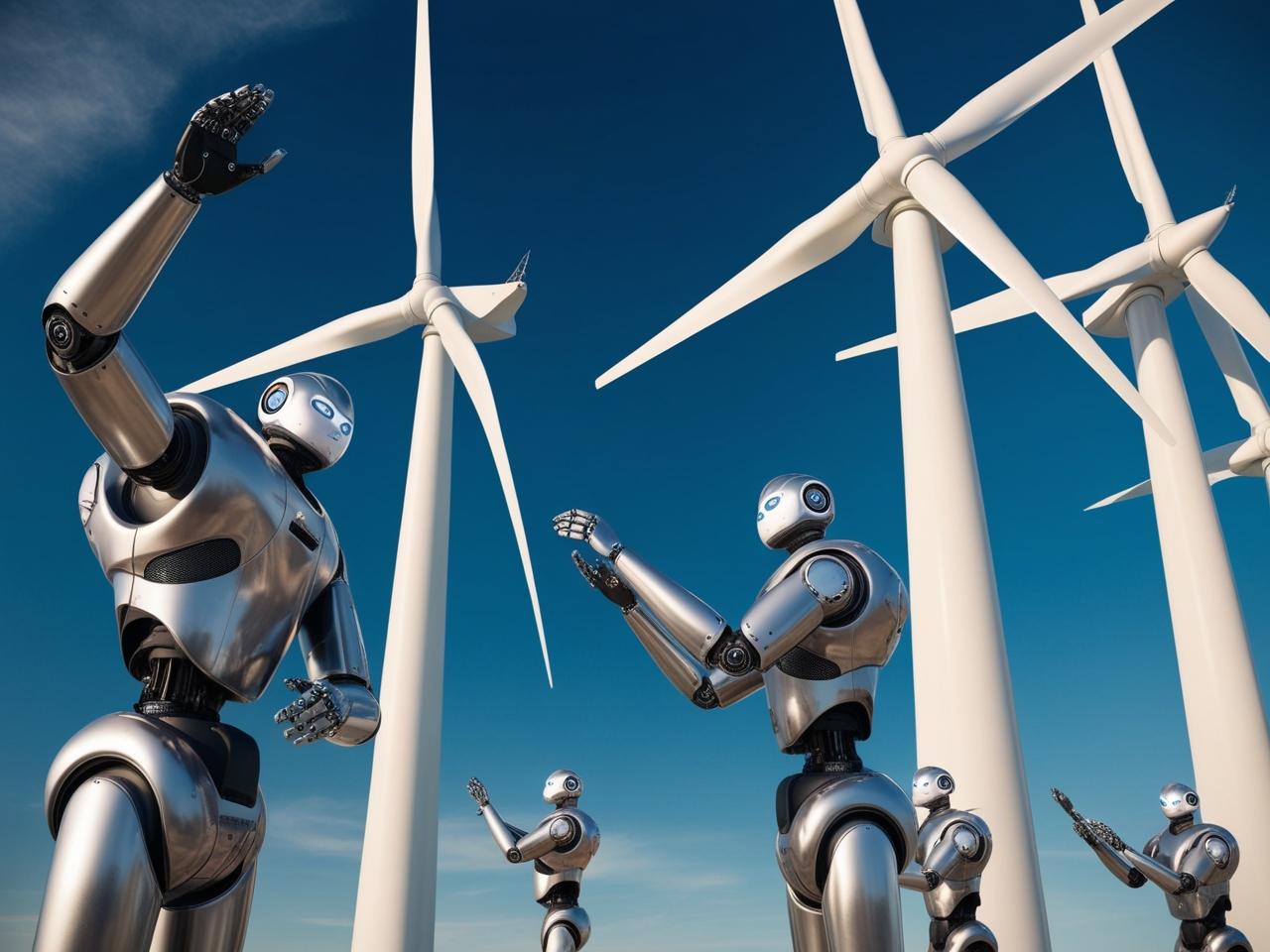
Autonomous Maintenance Robots
Think of it as Roombas for turbines. Drones and bots will inspect and fix turbines without human help.
Integration with Smart Cities
Wind turbines will communicate with other systems to optimize local power use.
Wireless Energy Transmission Possibilities
Scientists are exploring ways to beam electricity without cables—yes, like Tesla dreamed.
Conclusion
If you’re passionate about the future of sustainable technologies and renewable energy innovations, don’t miss the 3rd International Conference on Environmental Design, Material Science, and Engineering Technologies (EDMSET). This prestigious event will be held in May 2026 at the Louvre Museum, Abu Dhabi, United Arab Emirates, bringing together global researchers, engineers, and industry experts to explore the latest advancements shaping our world.
FAQs
1. What makes modern wind turbines more efficient?
Longer blades, smarter controls, and direct-drive systems all contribute to higher energy output and lower maintenance.
2. How much energy can one turbine generate?
A large offshore turbine can produce 12-15 megawatts—enough to power thousands of homes annually.
3. Can wind turbines work without government subsidies?
Increasingly, yes. In many areas, wind is already cost-competitive with fossil fuels, even without subsidies.
4. Is offshore wind really the future?
Yes, because it taps into stronger, steadier winds and avoids land-use conflicts.
5. How do wind turbines affect the environment?
They produce clean energy but can impact birds and landscapes. However, new tech is minimizing these effects.
