


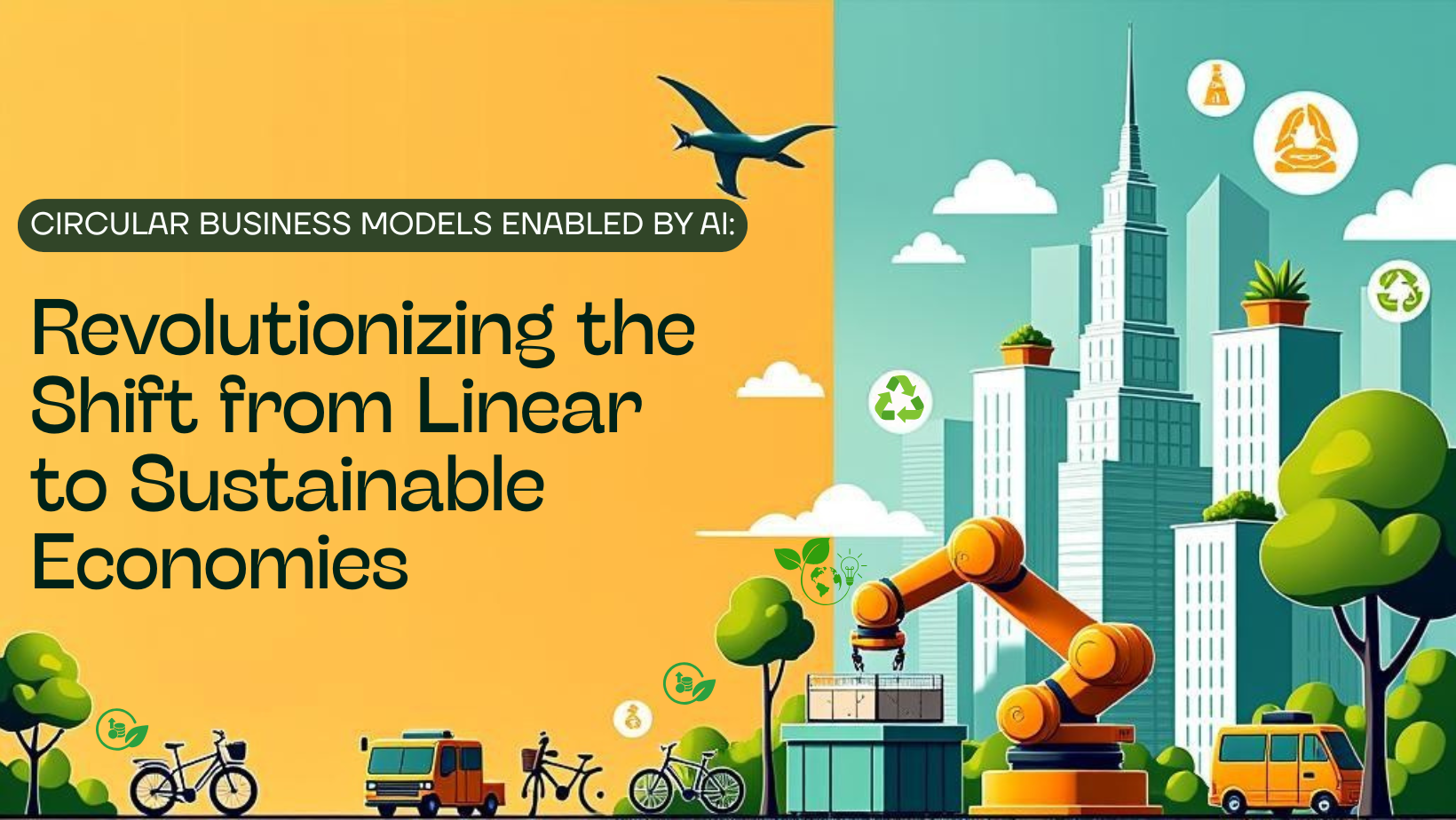
AI Circular Business Models: Driving Sustainable Innovation
How Artificial Intelligence is Revolutionizing the Shift from Linear to Circular Economies

Circular Business Models Enabled by AI: Revolutionizing the Shift from Linear to Sustainable Economies
In today’s fast-evolving business landscape, Artificial Intelligence (AI) is no longer just a tool for automation or optimization—it’s a transformative force reshaping entire business models. One of the most promising developments in this realm is the emergence of circular business models enabled by AI, particularly the shift from linear consumption to Product-as-a-Service (PaaS) and the sharing economy.
This comprehensive guide explores how AI is catalyzing the transition to sustainable, service-oriented business strategies by driving efficiency, trust, and accountability.
![AI technologies bring a data-driven backbone to circular models,]() What Are Circular Business Models?
What Are Circular Business Models?
 What Are Circular Business Models?
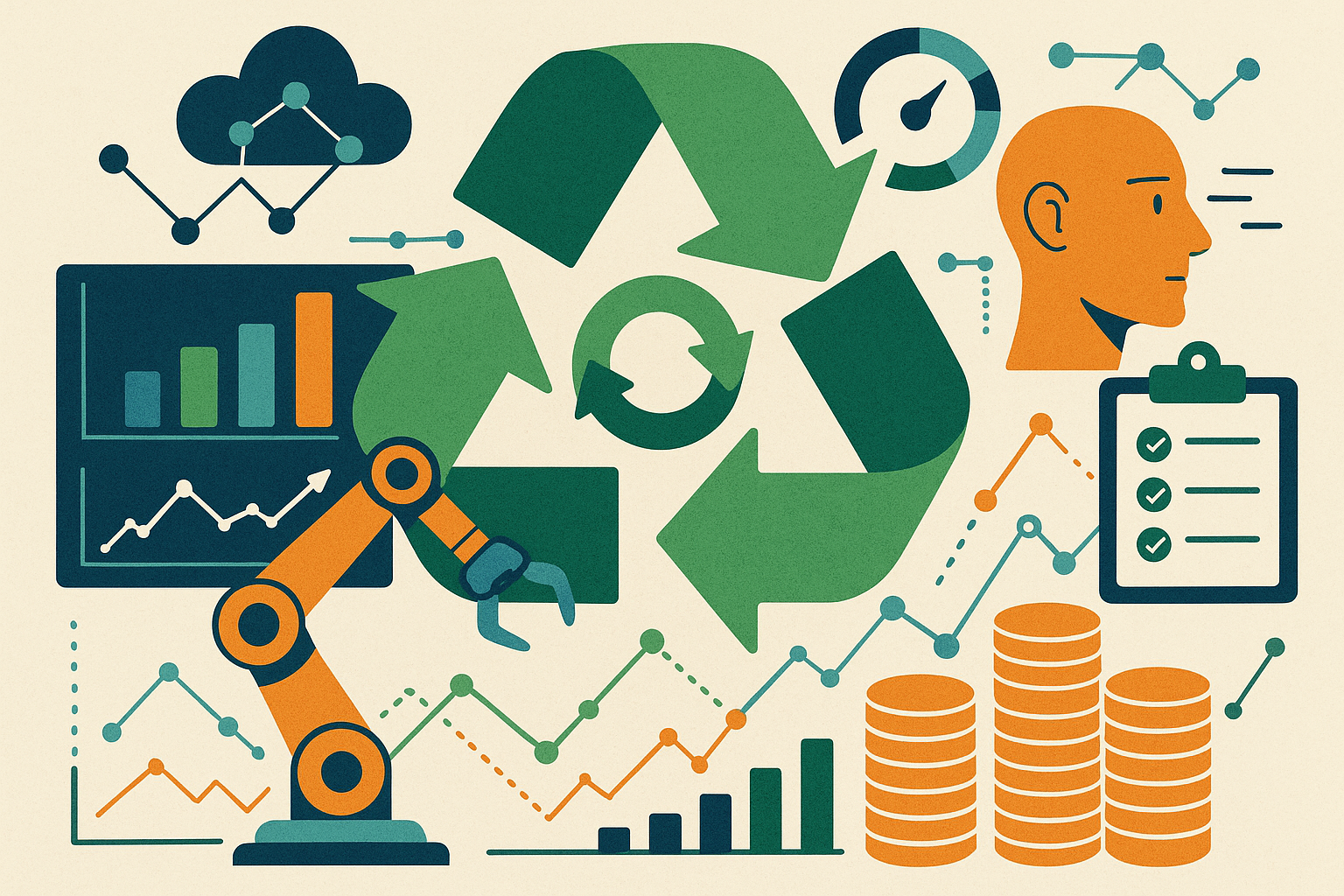
Before diving into the role of AI, it’s essential to understand the circular economy. Unlike the traditional linear model of “take, make, dispose,” the circular model emphasizes reuse, repair, recycling, and repurposing to extend the lifecycle of products and reduce waste.
Circular business models integrate these principles into the core of how businesses operate. Examples include:
- Product-as-a-Service (PaaS): Instead of selling products, companies rent or lease them while retaining ownership.
- Sharing Economy: Platforms enable peer-to-peer sharing of assets like vehicles, homes, or tools.
- Reverse Logistics: Products are collected post-use for recycling or refurbishment.
How AI Powers the Circular Economy
AI technologies bring a data-driven backbone to circular models, enabling smarter resource use, predictive analytics, and real-time decision-making.
-
Predictive Maintenance in PaaS Models
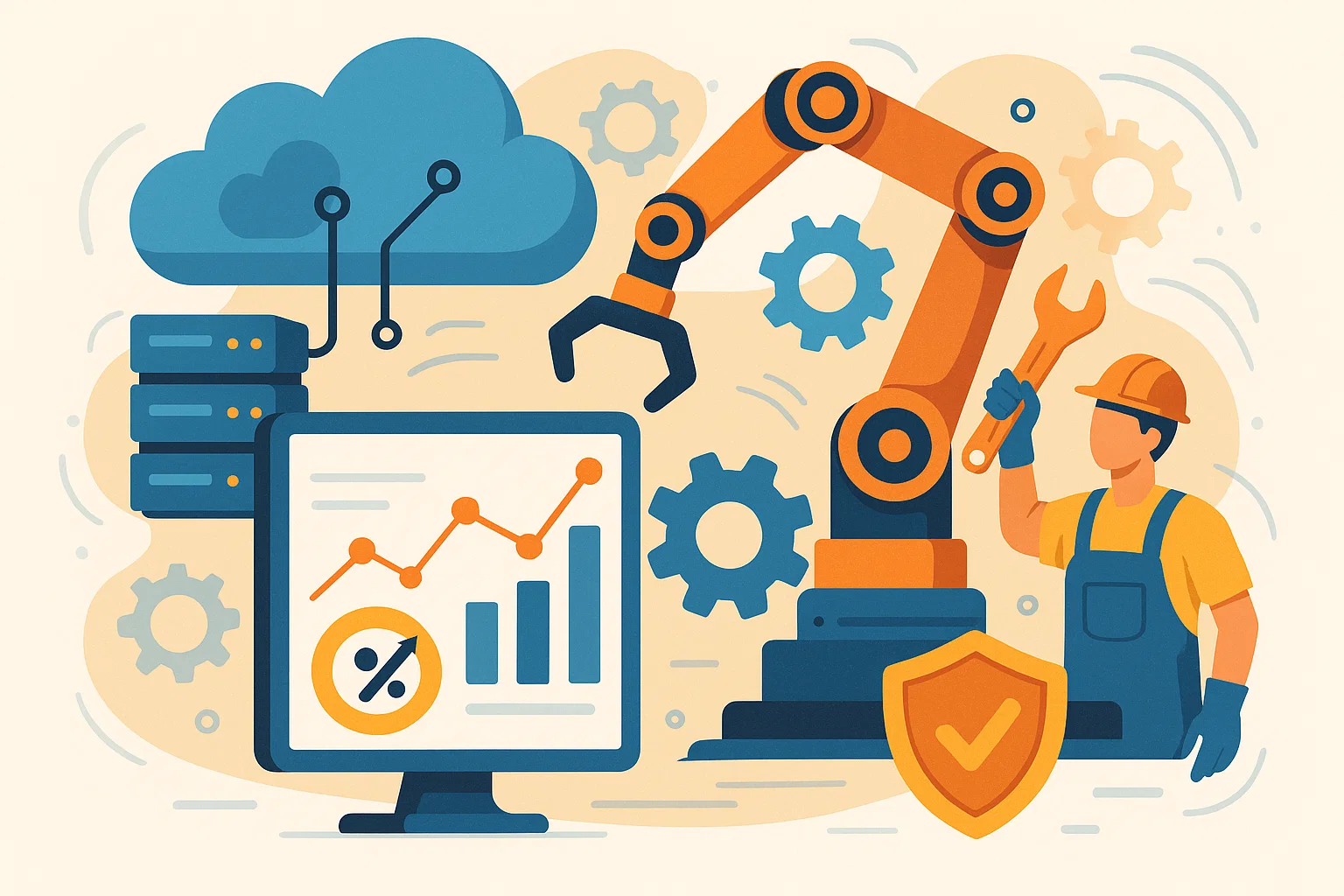
AI-enabled predictive maintenance is revolutionizing manufacturing and industrial sectors. Through sensors and machine learning algorithms, businesses can predict when equipment needs repair or replacement. As a result, they minimize downtime and extend asset life.
✅ Example: Instead of selling machines, manufacturers can lease them with guaranteed uptime. AI helps them monitor wear and tear remotely, ensuring service reliability.
-
Enabling Product-as-a-Service with Smart Data
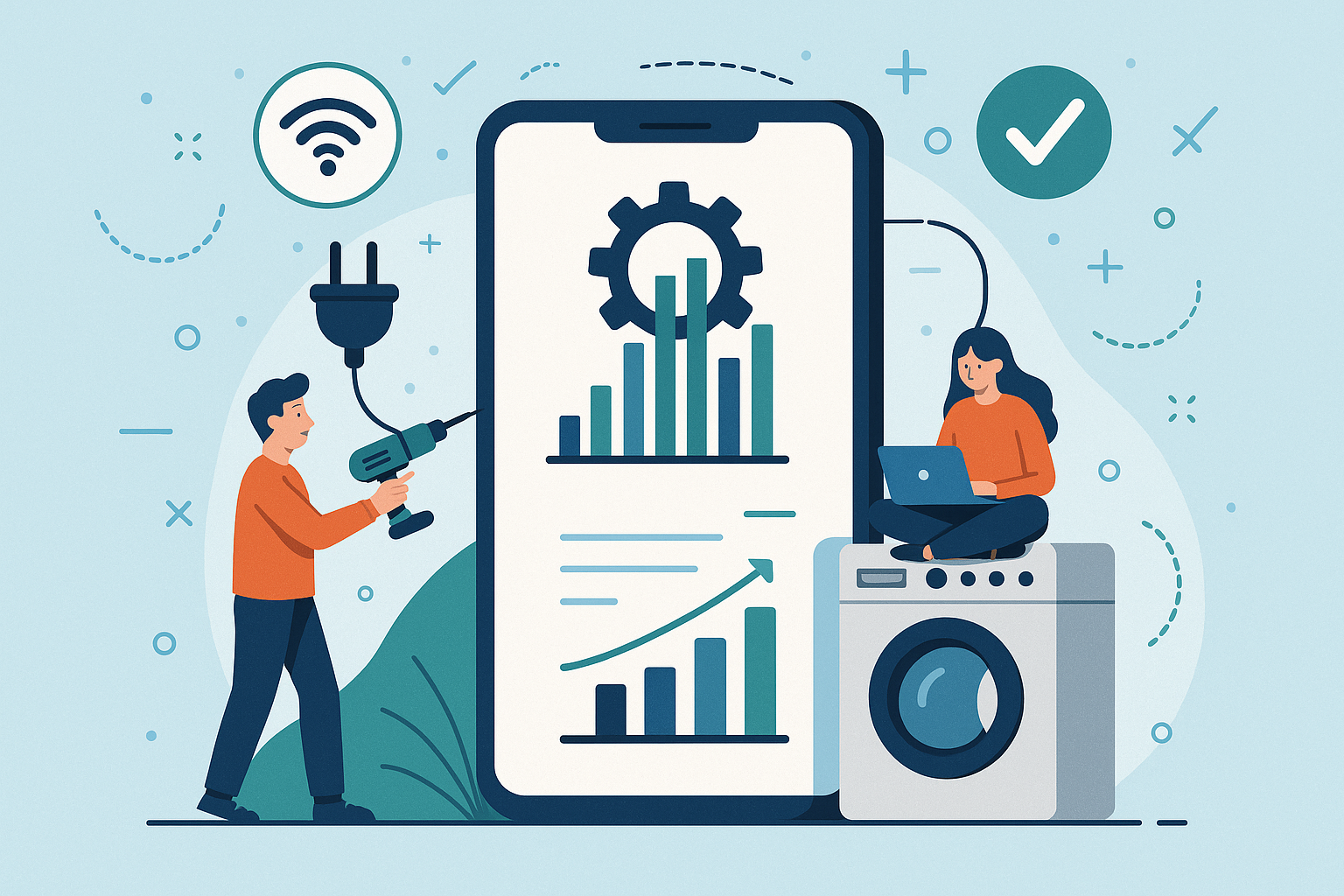
AI plays a crucial role in turning products into services. Here’s how:
- Real-time monitoring via IoT and AI helps track product usage.
- Dynamic pricing algorithms adjust service fees based on demand, wear, or location.
- Customer insights help personalize offerings, increasing loyalty and reducing churn.
With AI, businesses maintain control of assets, continuously improve user experiences, and reduce environmental impact by reusing and refurbishing products.

-
Trust and Transparency in the Sharing Economy
One major challenge in the sharing economy is trust. However, AI tackles this with several advanced tools:
- Identity verification using facial recognition or document scanning.
- Behavioral analytics to detect fraud or misuse.
- Reputation systems that use sentiment analysis from user reviews.
For instance, Airbnb and Uber already use these systems to foster consumer trust, which is vital when people rent out private homes or vehicles to strangers.
-
Demand Forecasting and Inventory Optimization
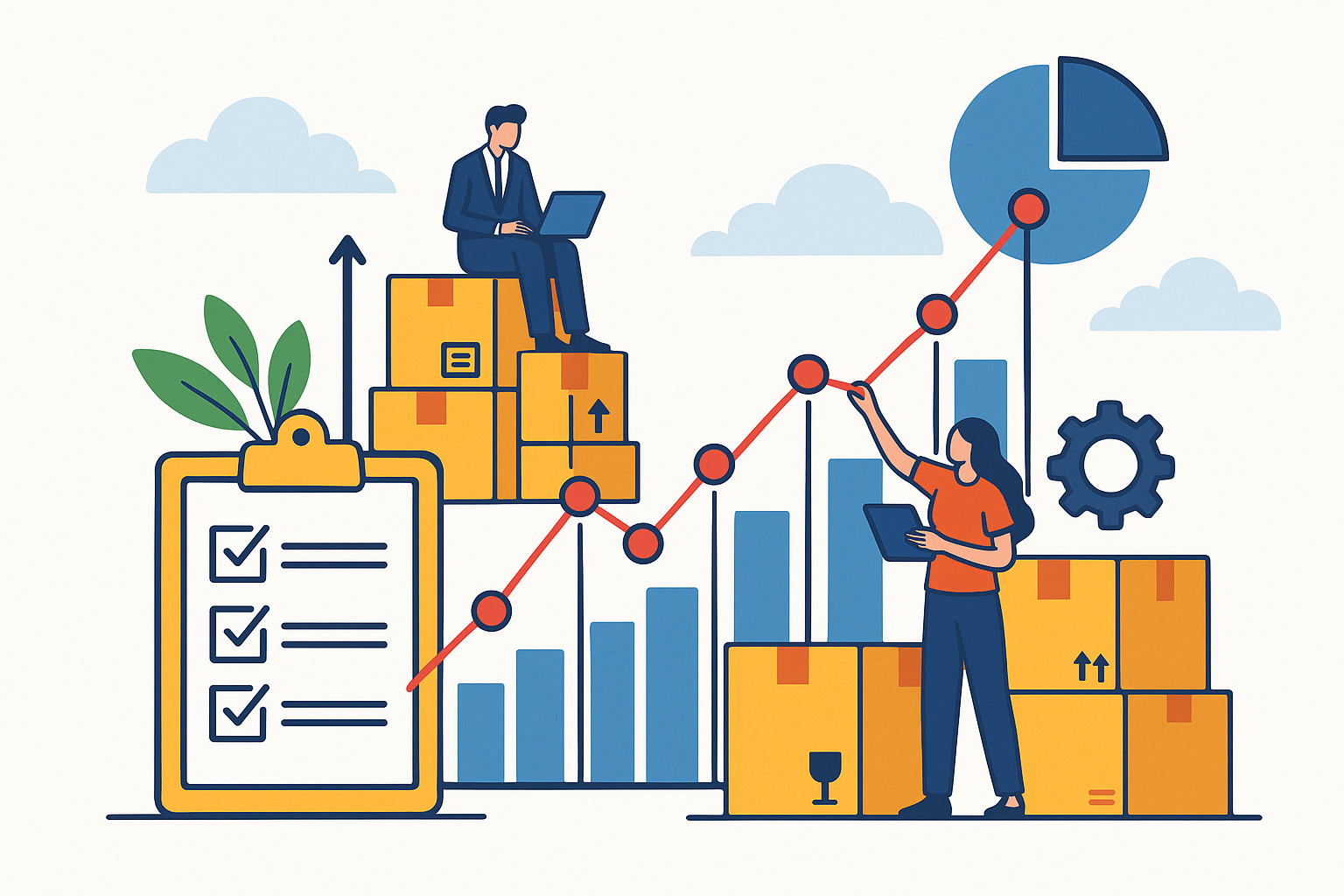
AI-driven demand forecasting ensures that supply meets actual usage patterns, thereby eliminating waste. It also helps companies avoid overproduction, which is a key issue in traditional linear models.
Consequently, retailers can adjust inventory in real-time, while manufacturers can scale production sustainably. This not only optimizes resource use but also strengthens circularity by avoiding unnecessary waste.
-
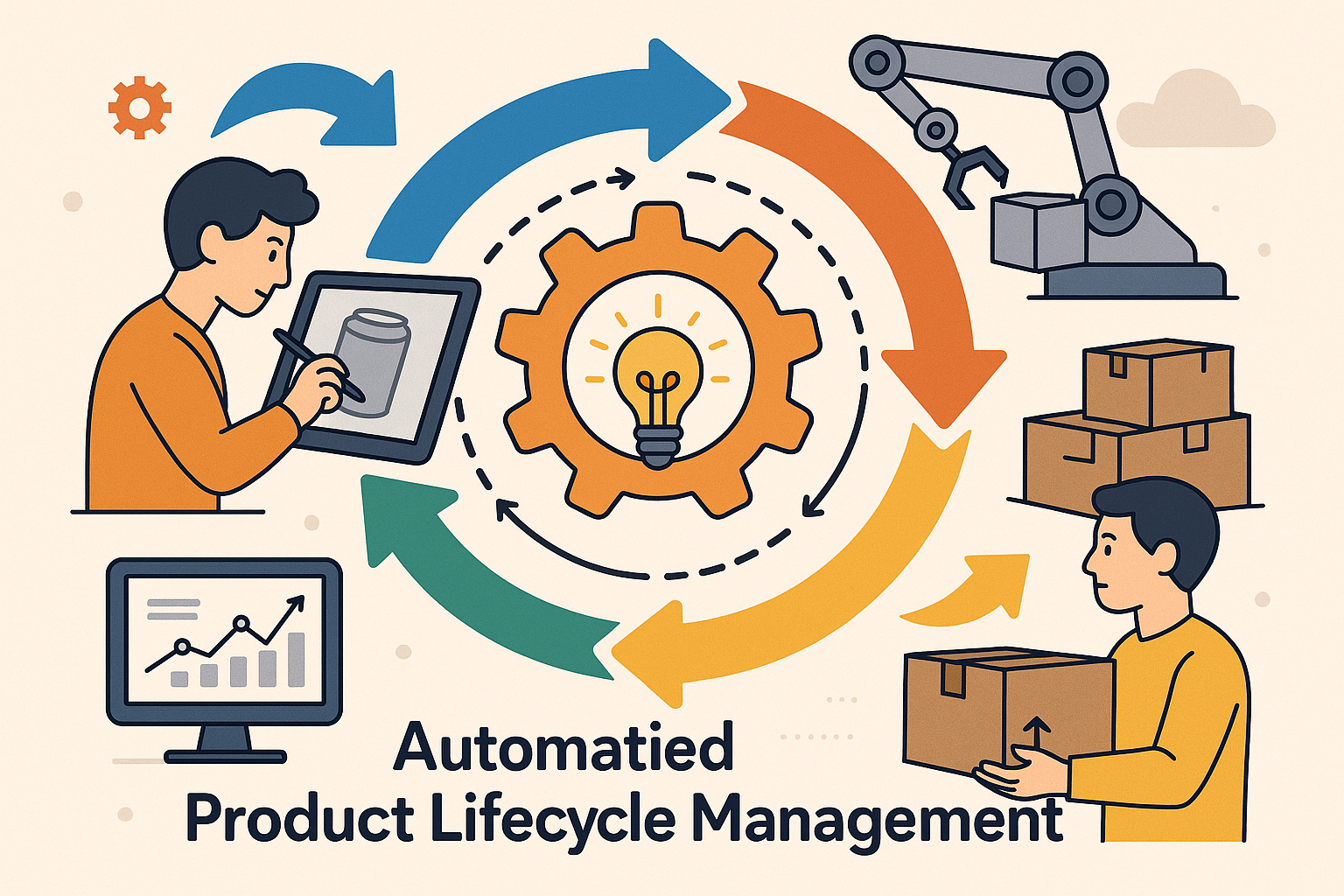
Automated Product Lifecycle Management
AI integrates across the product lifecycle, offering insights from design to end-of-life. For example:
- Design for disassembly: AI helps create products that are easier to repair or recycle.
- Material optimization: Algorithms suggest sustainable alternatives.
- End-of-life tracking: Companies can monitor when and how to reclaim products.
Altogether, this supports a closed-loop system, where raw materials are continually cycled.

-
Enhancing Consumer Behavior Through AI Insights
AI analyzes massive datasets to understand consumer usage patterns. As a result, companies can:
- Encourage product sharing or re-use via tailored marketing.
- Design incentive models that reward sustainable behavior.
- Identify areas of product misuse to educate or redesign accordingly.
This alignment of consumer behavior with sustainability goals is key to the circular economy’s success.
-
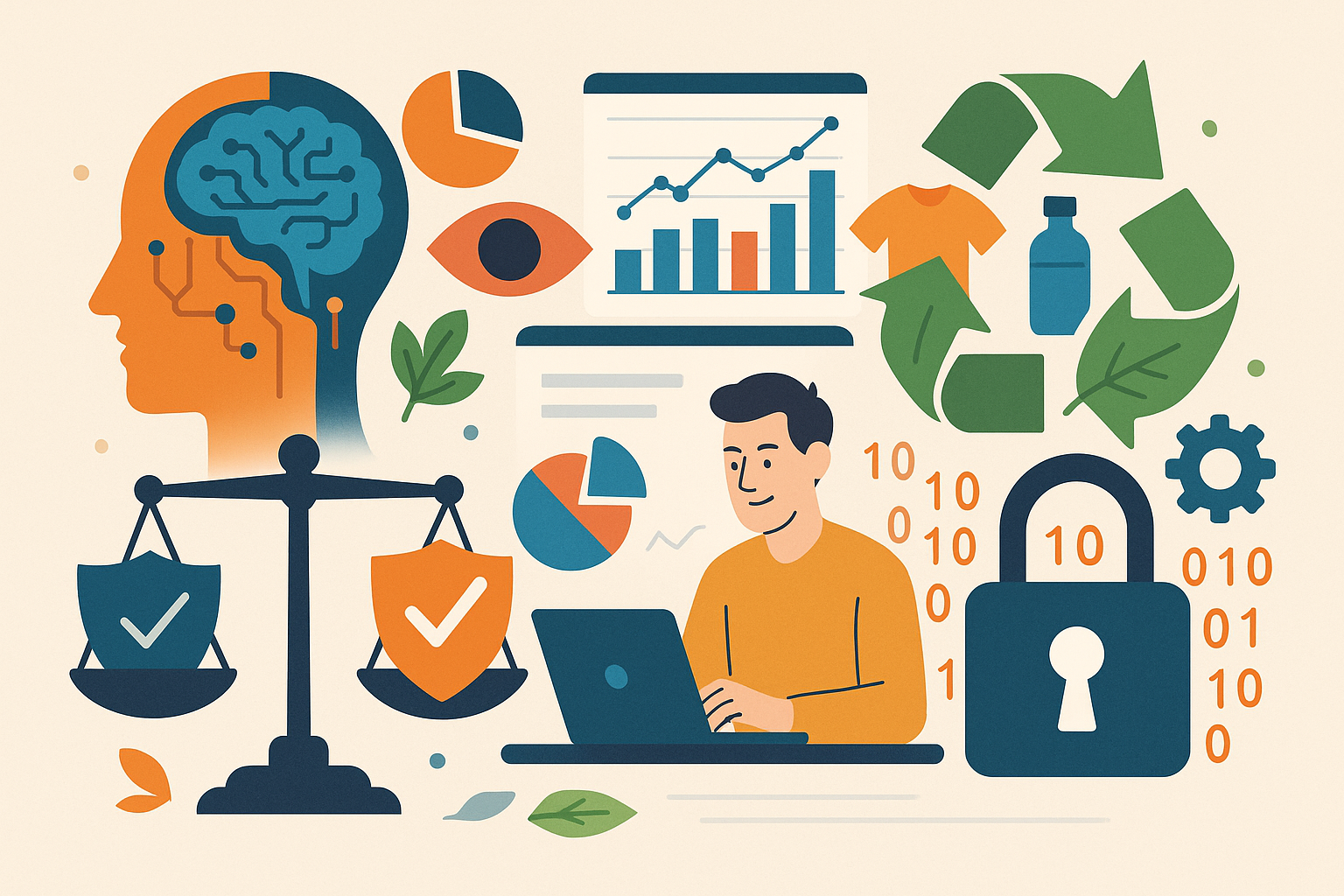
Data Ethics in AI-Driven Circular Models
With AI collecting vast amounts of personal and usage data, data is a top concern.
Therefore, businesses must consider:
- Data privacy regulations (e.g., GDPR).
- Consent and transparency: How data is collected, stored, and used.
- Bias in AI models: Ensuring fair access and treatment across user demographics.
A responsible approach to AI builds long-term trust, which is critical in models where customers allow companies to monitor assets or behaviors.
-
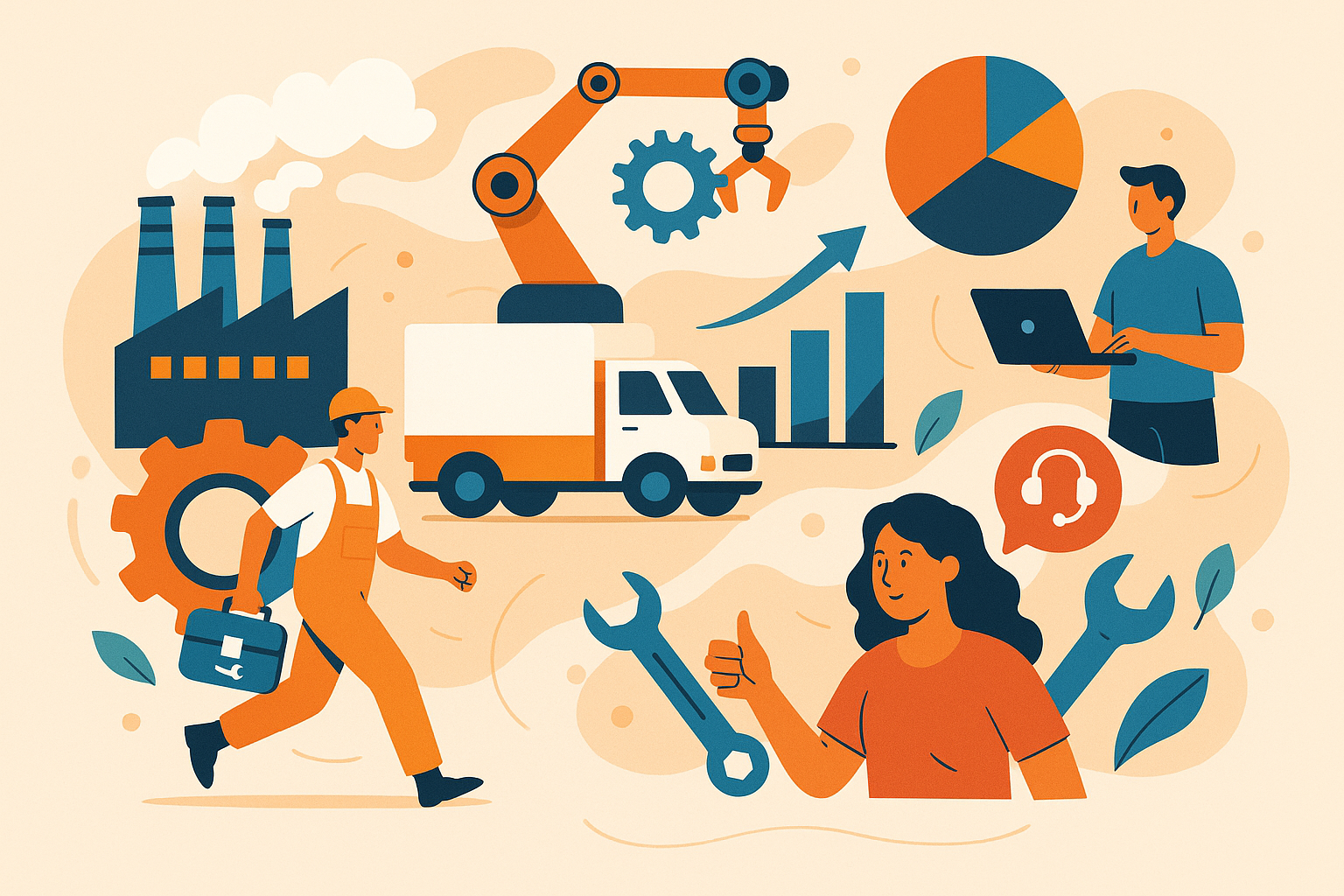
Servitization: A Paradigm Shift for Manufacturers
Servitization refers to the transformation from selling products to delivering outcomes. Fortunately, AI facilitates this shift by:
- Offering usage-based contracts.
- Monitoring performance remotely.
- Providing proactive customer service based on AI predictions.
✅ Example: A company sells cooling as a service, not air conditioners. AI ensures optimal temperature regulation, energy efficiency, and maintenance—all wrapped into a service contract.
-
Case Study: AI in Circular Business Practice
Philips Lighting (Signify)
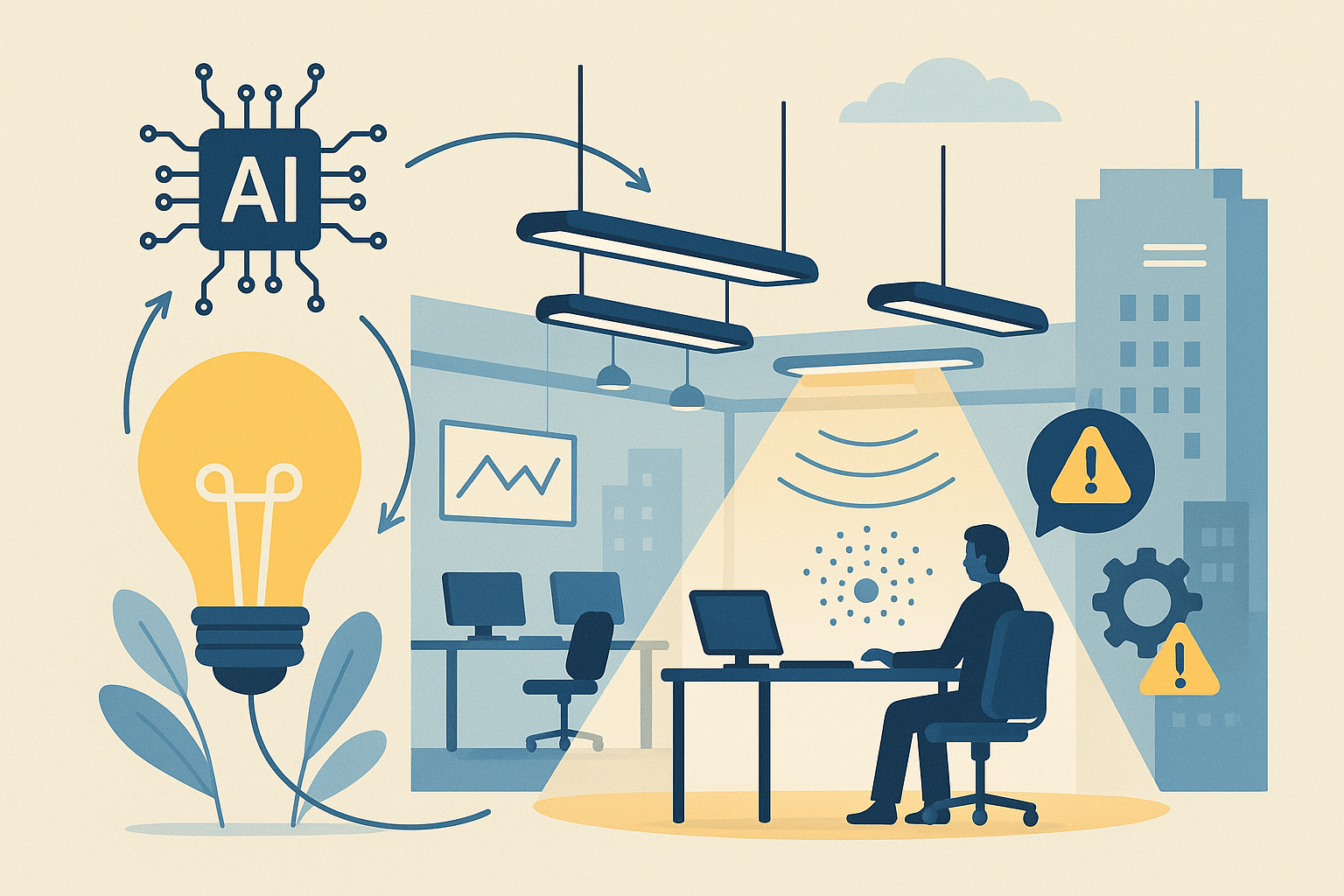
Instead of selling lighting fixtures, Philips offers “Lighting as a Service” to businesses and municipalities. AI is used to:
- Analyze energy usage patterns.
- Automate dimming or brightening based on occupancy.
- Trigger predictive maintenance alerts.
This reduces energy costs, enhances sustainability, and eliminates the need for customers to worry about infrastructure upkeep.
-
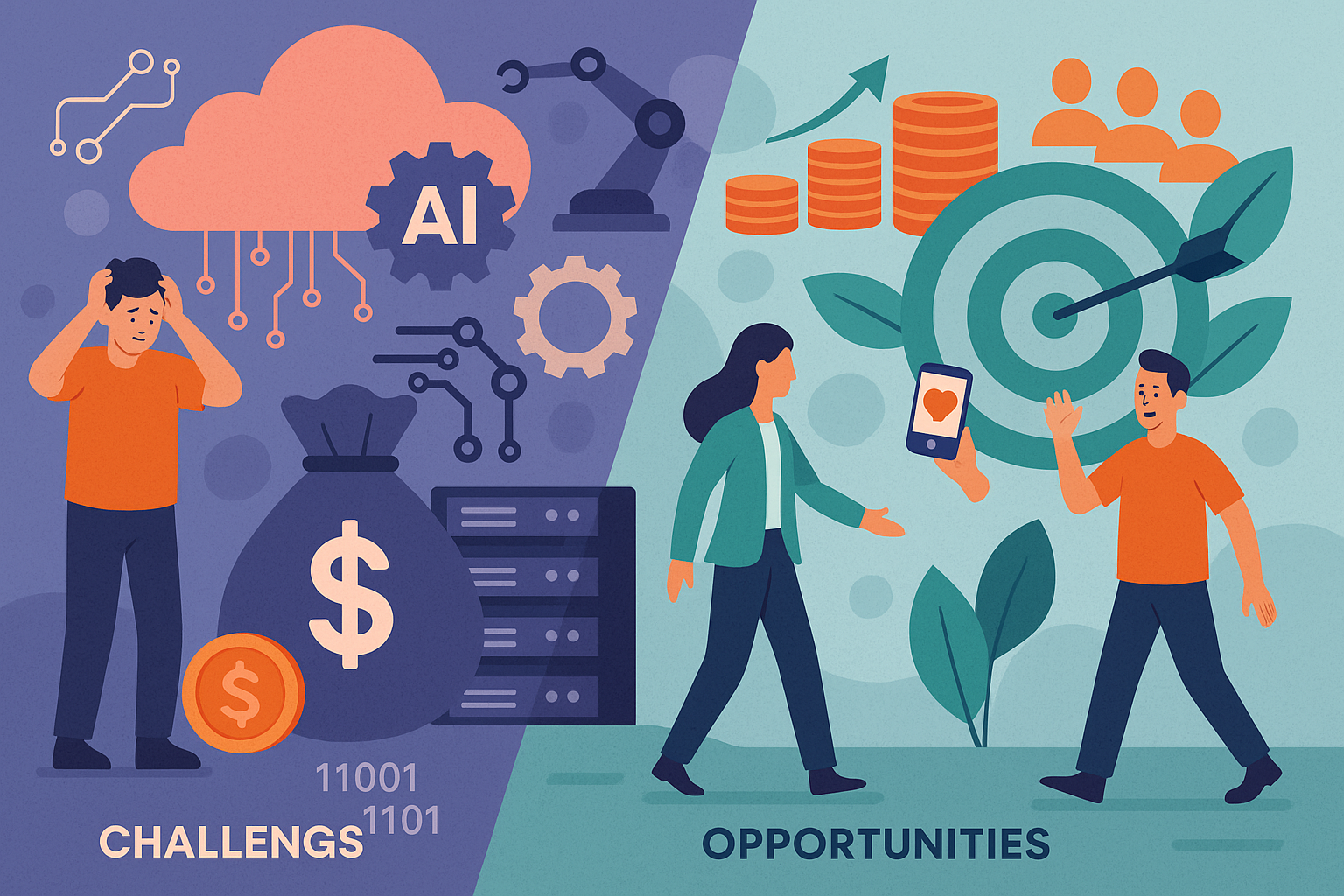
Challenges and Opportunities Ahead
Challenges:
- Upfront costs of implementing AI and IoT infrastructure.
- Data management complexities.
- Customer education and behavior change.
Opportunities:
- New revenue streams through servitization.
- Stronger brand loyalty via personalized services.
- Greater alignment with ESG goals and stakeholder expectations.
Conclusion: The Future Is Circular—and Intelligent
The shift toward circular business models enabled by AI isn’t just a passing trend—it’s a revolution in how we design, deliver, and consume goods and services. From predictive maintenance in industrial equipment to AI-fueled sharing platforms, companies are discovering smarter, more sustainable ways to grow.
AI is the connective tissue powering this transformation. It offers the ability to monitor, predict, personalize, and optimize—all in real-time—creating a seamless bridge between profitability and responsibility.
Therefore, businesses that adopt AI-driven circular models are not only reducing their environmental impact but also future-proofing their operations for a world where sustainability is non-negotiable.
Are you ready to join the AI-powered circular revolution? The future is no longer linear—it’s intelligent, efficient, and circular.
Let’s discuss more at the Disrupting for Good: AI, Entrepreneurship, and Sustainable Circular Economy – 2nd Edition conference and explore how we can collectively build a smarter, greener future.
