


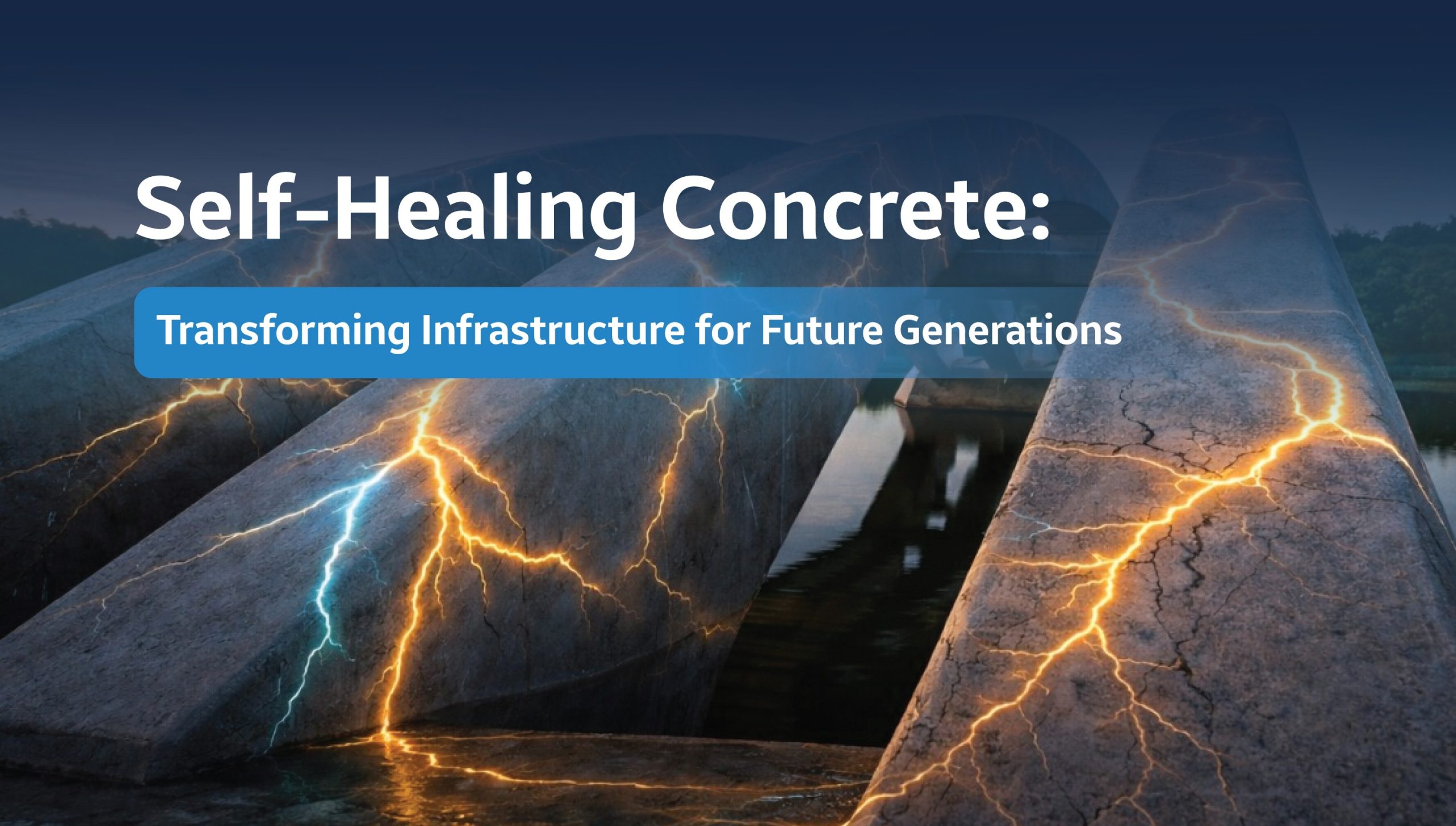

What Is Self-Healing Concrete in Sustainable Infrastructure?
Imagine bridges capable of repairing themselves, buildings that resist material degradation for centuries, and, consequently, significantly reduced maintenance costs. In this context, self-healing concrete emerges as a promising advancement in construction materials. In contrast to conventional concrete, which inevitably develops micro-cracks that facilitate the ingress of water and aggressive agents, self-healing concrete incorporates embedded biological, chemical, or mechanical healing agents that enable autonomous crack repair. Moreover, this biomimetic strategy draws inspiration from natural healing mechanisms observed in biological systems such as skin and bone, thereby enhancing structural durability and extending service life.
How Self-Healing Concrete Works
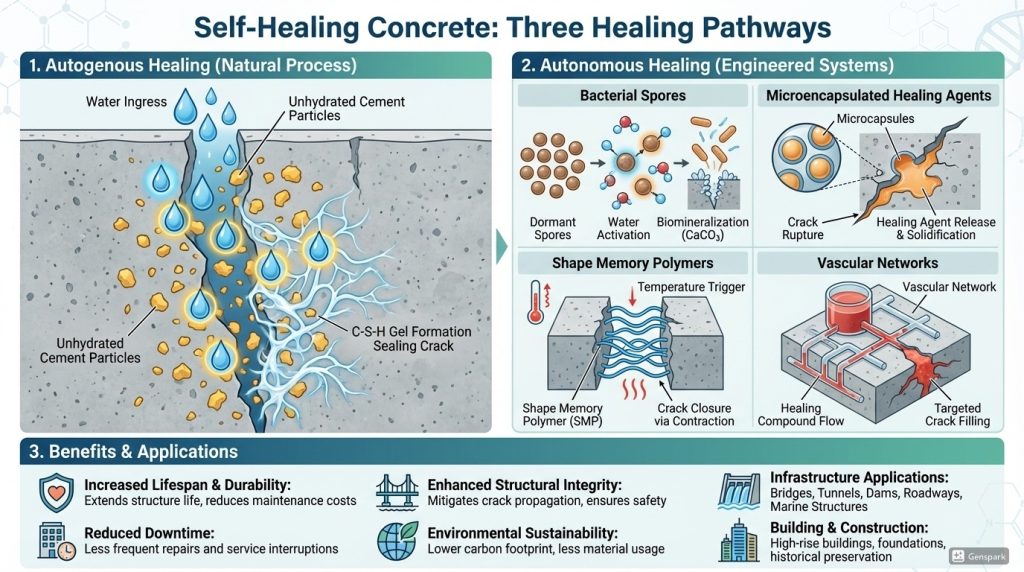
- Autogenous Healing:
Concrete naturally heals small cracks through continued hydration of unreacted cement particles, forming calcium silicate hydrate (C-S-H) gel. - Engineered Autonomous Healing:
- Bacterial spores activate when water enters cracks.
- Microcapsules release healing agents precisely at damage points.
- Shape memory polymers respond to temperature changes.
- Vascular networks circulate repair compounds continuously.
- Smart Integration:
Sensors detect cracks and trigger healing, creating intelligent infrastructure.
![]()
Global Impact of Self-Healing Concrete on Infrastructure
Infrastructure Renaissance:
- Transport: Bridges, highways, and tunnels last 150+ years with fewer repairs.
- Urban Development: Skyscrapers and residential buildings require minimal maintenance.
- Marine Structures: Ports and seawalls resist corrosion and sea-level impacts.
Environmental Benefits:
- Reduces cement demand and CO₂ emissions by 40–50%.
- Minimizes raw material extraction and waste.
- Enables circular economy principles in construction.
Economic Gains:
- Cuts maintenance costs by 40–60%.
- Extends asset lifespan, offering 200% ROI.
- Reduces traffic disruptions and insurance costs.
Key Advantages of Self-Healing Concrete Technology
- Durability: Extends service life to 150–200 years; crack healing efficiency 90–95%.
- Cost Savings: Lifecycle costs reduced despite modestly higher initial investment.
- Safety: Prevents water ingress, protects steel reinforcement, and maintains structural integrity.
- Sustainability: Bio-based agents sequester CO₂; long lifespan reduces carbon footprint.
- Minimal Maintenance: Repairs occur autonomously, reducing labor and inspection needs.
- Adaptability: Performs in Arctic, tropical, arid, and marine environments.
- Smart Infrastructure: IoT integration allows real-time monitoring and predictive maintenance.
Viral Innovations
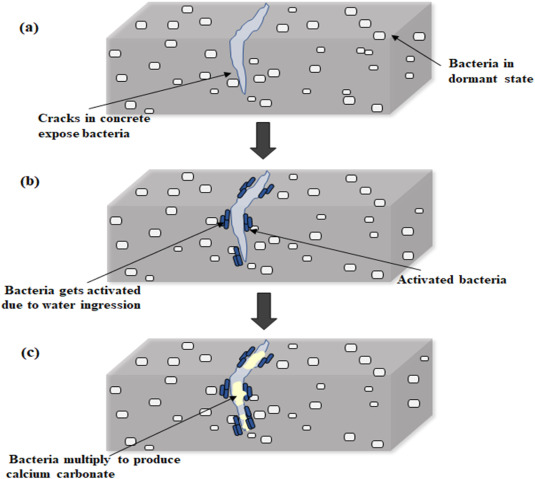
- Bacterial Bioconcrete:
- Bacillus bacteria lie dormant until cracks form, then produce calcium carbonate to seal fissures.
- Healing occurs within 7–14 days, with up to 200-year viability.
- Real-world projects: Ecuadorian highways, Amsterdam canals.
![Bacterial bioconcrete repairing cracks through microbial calcium carbonate formation.]()
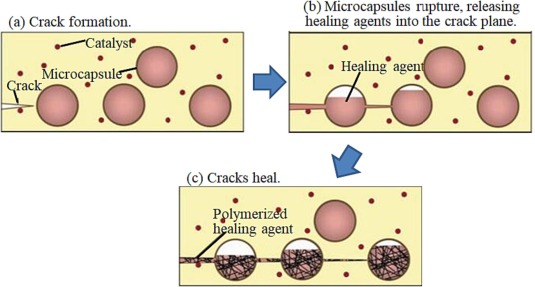
- Microencapsulation:
- Capsules containing healing agents rupture at crack sites, sealing them in hours.
- Applications: UK highways, Singapore’s Marina Bay infrastructure.
- Customizable for traffic, marine, or seismic zones.
![Microencapsulation system in concrete releasing healing agents to seal cracks.]()
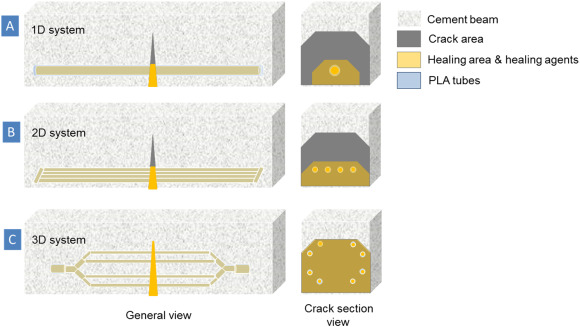
- Vascular Networks:
- Bio-inspired channels deliver healing agents continuously.
- Unlimited repair cycles, preventive maintenance, and real-time monitoring.
- Applications: Bridges, flood barriers, skyscrapers.
![Vascular network system in concrete enabling continuous self-healing of cracks.]()
Global Impact: Transforming Our World
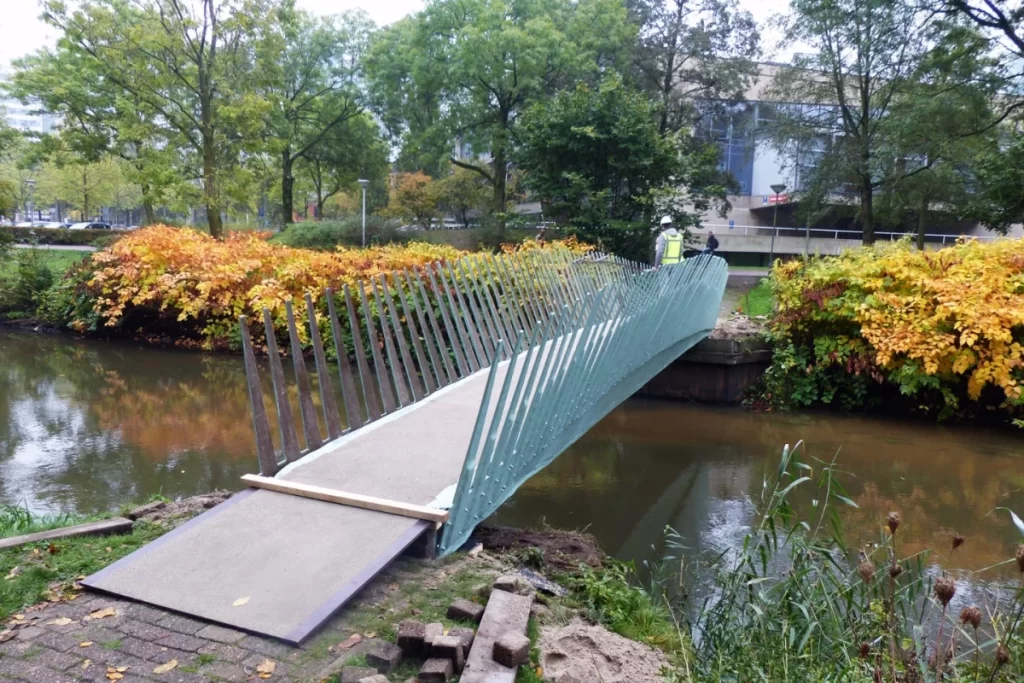
- Netherlands: 50+ bridges using bacterial and capsule systems.
![]()
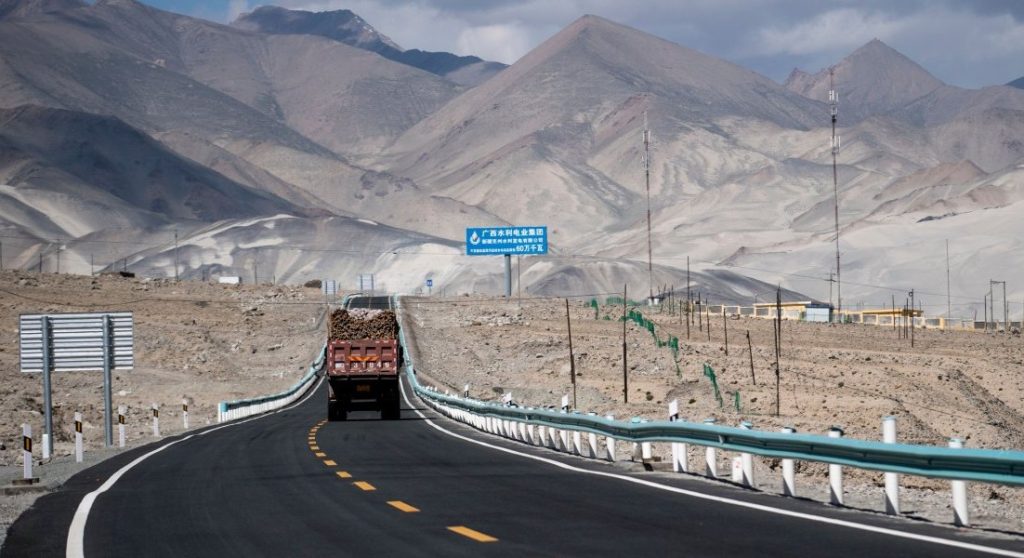
- China: Belt and Road Initiative uses healing concrete in highways and ports.
![]()
Market Growth and Economic Opportunities in Self-Healing Concrete
- Market Growth: $1.2B (2024) → $12.5B (2030) → $45B (2035).
- ROI: Governments save 40–60% on maintenance; developers gain 15–25% property value increase.
- Startups: CarbonCure, BioMason, Smart Healing, EcoCrete lead innovations.
Challenges and Future Directions for Self-Healing Concrete
- Technical: Standardized testing, capsule distribution, and bacterial viability solutions underway.
- Economic: Initial cost offset by subsidies, insurance incentives, and lifecycle savings.
- Regulatory: Fast-track approvals, pilot programs, and international standards.
- Public Awareness: Education campaigns, demos, and competitions promote adoption.
The Future of Self-Healing Infrastructure
2026–2030: 25% adoption, building code updates, real-time monitoring.
2030–2040: 60–70% adoption, retrofits of existing infrastructure, carbon-negative concrete.
2040–2050: Fully autonomous buildings, 300+ year lifespans, smart cities.
Beyond Earth: Mars and lunar bases use self-healing concrete for extreme environments.
Conclusion: Building a Resilient Future
Self-healing concrete is more than a material; it’s a paradigm shift. It addresses:
- Economic Sustainability: Reduces $4.5 trillion global maintenance burden.
- Environmental Responsibility: Cuts emissions, saves resources, enables carbon sequestration.
- Social Equity: Ensures reliable infrastructure for all communities.
The infrastructure renaissance has begun. The question is how fast we embrace it. Self-healing concrete ensures bridges, buildings, and cities that last centuries, creating a resilient, sustainable future for generations.
This topic aligns with the core themes of the Sustainability in Creative Industries (SCI) – 5th Edition conference, the conference will be Online In Collaboration with Universitas Ciputra Indonesia on 03-04 November 2026, which brings together researchers and practitioners to explore innovative, responsible, and transformative approaches that embed sustainability across creative sectors. By fostering dialogue on sustainable practices, the conference offers an essential platform for advancing knowledge exchange and inspiring collaborative solutions in sustainable media production and creative industries.
