


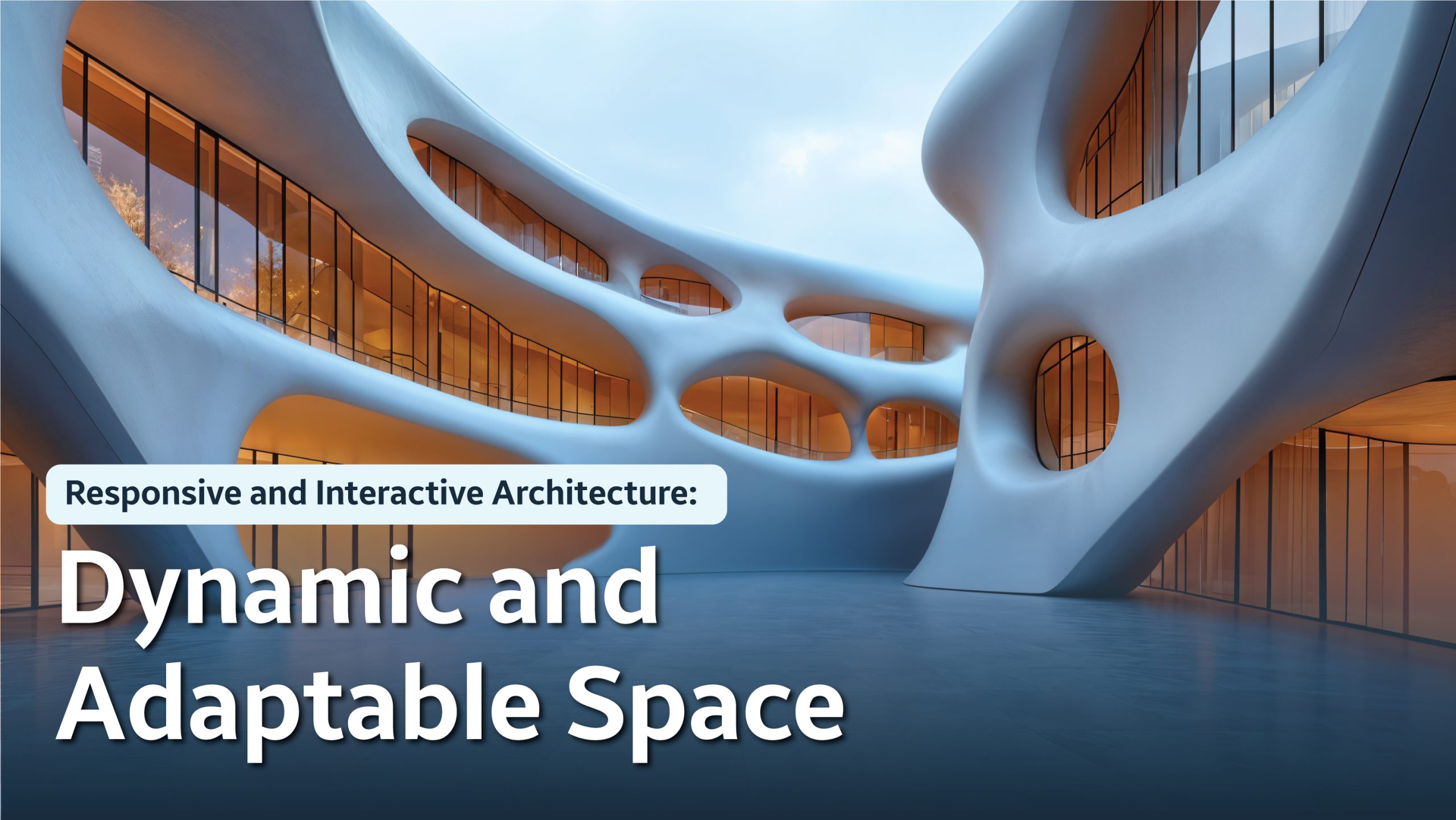

In today’s architectural landscape, the idea of responsive and interactive spaces is reshaping how we interact with the built environment. This shift marks a movement toward architecture that behaves less like a static structure and more like a dynamic system capable of learning and evolving. Unlike static buildings, responsive architecture adapts, reacts, and engages with both its users and surroundings. This approach enhances functionality, comfort, and user experience, while also promoting sustainability and innovation.
Responsive and interactive design is more than a trend—it represents the future of architecture, where spaces are dynamic, intelligent, and user-centered.

What is Responsive Architecture?
By continuously adapting its form or function, a responsive structure minimizes the need for manual intervention.
Responsive and interactive design is more than a trend—it signals a fundamental shift toward dynamic, intelligent, and genuinely user-centered environments. These buildings are designed to react to light, temperature, humidity, or occupancy, creating flexible and efficient spaces.
For instance, a building façade might open or close depending on sunlight to regulate interior temperature. Similarly, interiors may reconfigure layouts to accommodate varying functions or crowd sizes. Responsive architecture makes buildings feel alive, providing a more intuitive and comfortable experience for occupants.
The Role of Interactive Design
Interactive architecture extends responsiveness by engaging users directly. Through sensors, artificial intelligence, and smart systems, interactive buildings can monitor behavior and respond accordingly.
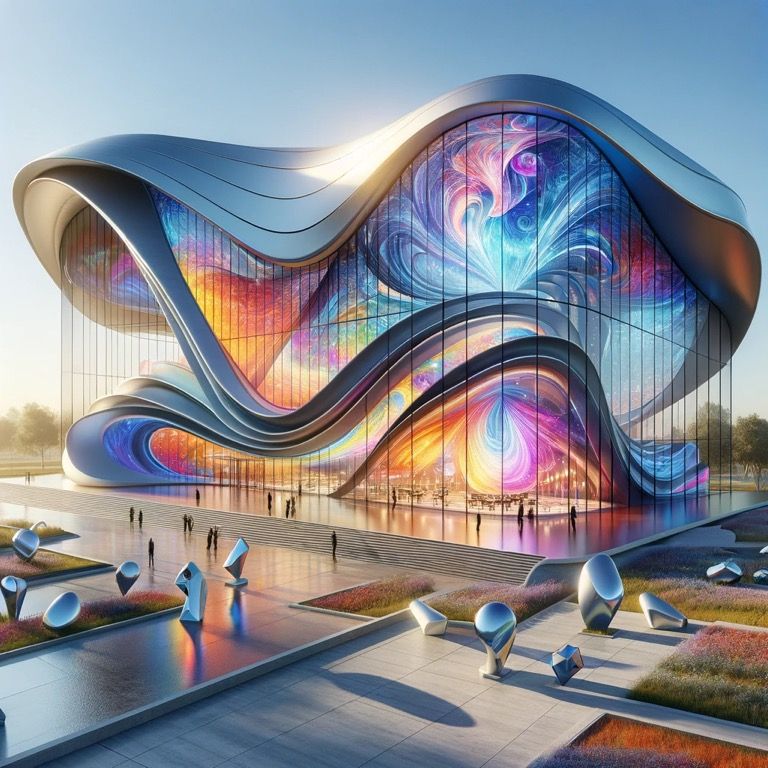
For example, interactive façades can shift their opacity based on user proximity, while public installations may alter lighting patterns as people move through them.
Examples include offices that adjust lighting and temperature based on occupancy patterns, or public installations where movement triggers visual or auditory changes. Interactive architecture transforms buildings into active participants, enhancing the connection between users and their environment.
Principles of Responsive and Interactive Spaces
Several foundational principles guide the successful implementation of responsive and interactive environments:
- Adaptability: Spaces must change according to activities or environmental shifts.
- User-Centricity: Designs should prioritize comfort, convenience, and engagement.
- Sustainability: Adaptive systems often optimize energy usage and reduce waste.
- Flexibility: Structures must allow future modifications without costly reconstruction.
- Technology Integration: Sensors, automation, and AI enable real-time adaptability.
Technologies Behind Dynamic Architecture
Modern responsive architecture depends on advanced technologies:
- Building Management Systems (BMS): Automate lighting, climate, and ventilation.
- IoT Sensors: Monitor movement, light, temperature, and air quality.
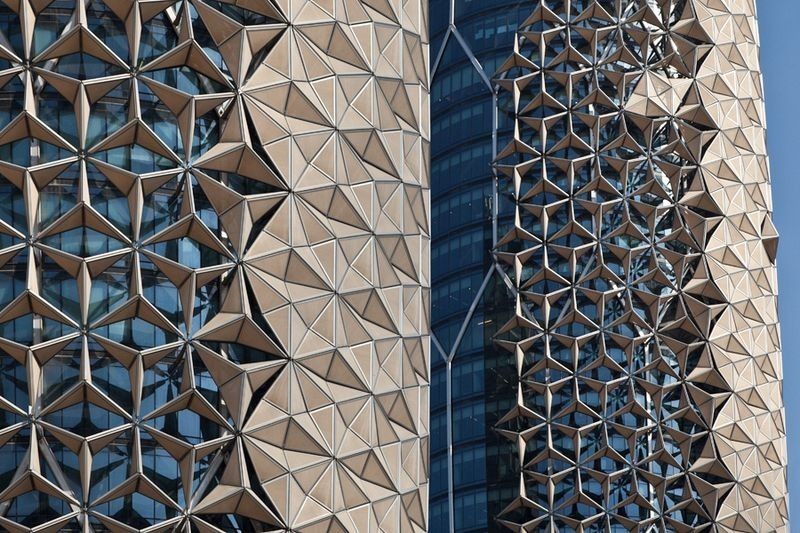
- Kinetic Facades: Exterior panels that move to regulate sunlight and airflow.
- Artificial Intelligence: Predicts user behavior for proactive adjustments.
- Interactive Surfaces: Floors, walls, and ceilings that respond to touch or motion.
These technologies allow spaces to react intelligently, creating a seamless experience for users.
Benefits of Responsive Architecture
Responsive and interactive design offers numerous advantages:
- Enhanced User Experience: Spaces feel intuitive and comfortable.
- Energy Efficiency: Automation reduces energy consumption.
- Optimized Space Use: Flexible layouts maximize usability.
- Environmental Integration: Buildings can adapt to climate and weather, lowering ecological impact.
- Innovation: Encourages creative and experimental forms in architecture.
Examples of Adaptive Spaces
Several projects showcase the potential of dynamic architecture:
- Al Bahar Towers, Abu Dhabi: Kinetic façades adjust to sunlight, improving thermal performance.
- Smart Offices: Modular walls and furniture adapt to occupancy patterns.
- Interactive Plazas: Public spaces respond to pedestrian movement, offering engaging experiences.
- Adaptive Roof Systems: Roofs open or close according to weather conditions, enhancing comfort and efficiency.
These examples demonstrate the versatility of responsive design in both public and private spaces.
Designing Adaptable Spaces
Architects use specific strategies to create responsive environments:
- Modular Construction: Enables easy reconfiguration of interior spaces.
- Sensor Integration: Tracks environmental and human data for real-time response.
- Data-Driven Design: Uses insights to optimize layouts and performance.
- Dynamic Systems: Lighting, HVAC, and façades adjust automatically.
- Participatory Design: Occupants can interact with spaces, fostering engagement and ownership.
Challenges in Implementation
While promising, responsive architecture faces challenges:
- High Costs: Advanced technologies increase initial investment.
- Maintenance Requirements: Sensors and adaptive systems require regular upkeep.
- User Adaptation: Occupants may need guidance to interact effectively with dynamic spaces.
- Data Privacy: Collecting user data raises security concerns.
Despite these challenges, the benefits in sustainability, efficiency, and experience often outweigh the drawbacks.
Sustainability and Environmental Impact
A major advantage of responsive architecture is its positive environmental effect. By optimizing daylight, ventilation, and temperature, these buildings reduce energy consumption. Automated shading can cut HVAC energy use by 30–40%, while smart lighting systems minimize electricity use without sacrificing comfort. Responsive design is inherently aligned with eco-friendly and climate-conscious architecture.
Future Trends
The future of interactive architecture includes:
- AI-Powered Spaces: Buildings that anticipate occupant needs.
- Biophilic Integration: Incorporating living systems and natural feedback.
- Augmented Reality: Interactive surfaces with digital overlays for navigation and engagement.
- Smart Cities: Urban environments that respond to weather, traffic, and human behavior.
These trends point toward buildings that are not just structures but intelligent, adaptive partners in daily life.
Conclusion
Responsive and interactive architecture is redefining the future of built environments by merging technology, adaptation, and meaningful user engagement. By combining technology, adaptability, and user-focused design, architects are creating spaces that react intelligently to people and their surroundings.
From kinetic façades and modular interiors to interactive public spaces, dynamic architecture enhances comfort, efficiency, and sustainability. It transforms buildings from passive structures into living, evolving environments that truly serve the people who inhabit them.
In the modern era, architecture is no longer static—it is responsive, interactive, and profoundly human-centered, shaping the way we live, work, and interact with the world around us.
We encourage readers and professionals interested in architecture, fashion, and other creative arts to participate in the upcoming conference: Sustainable Creative Art: Inspiration from Nature (SCIN) – 2nd Edition.
Scheduled for 10–12 November 2026 at the National Museum of Science and Technology Leonardo da Vinci in Milan, Italy, this conference welcomes the international community of artists and scholars.
We are honored to host esteemed representatives from universities worldwide, who will share their invaluable insights and expertise. Renowned designers in architecture and other disciplines including artists, fashion designers, and influential figures will also contribute their knowledge and experiences.
