

Water and energy power every part of modern life, but they also depend on each other in critical ways.
This interconnection, known as the Water-Energy Nexus Tech, has become a pressing challenge in sustainable development.
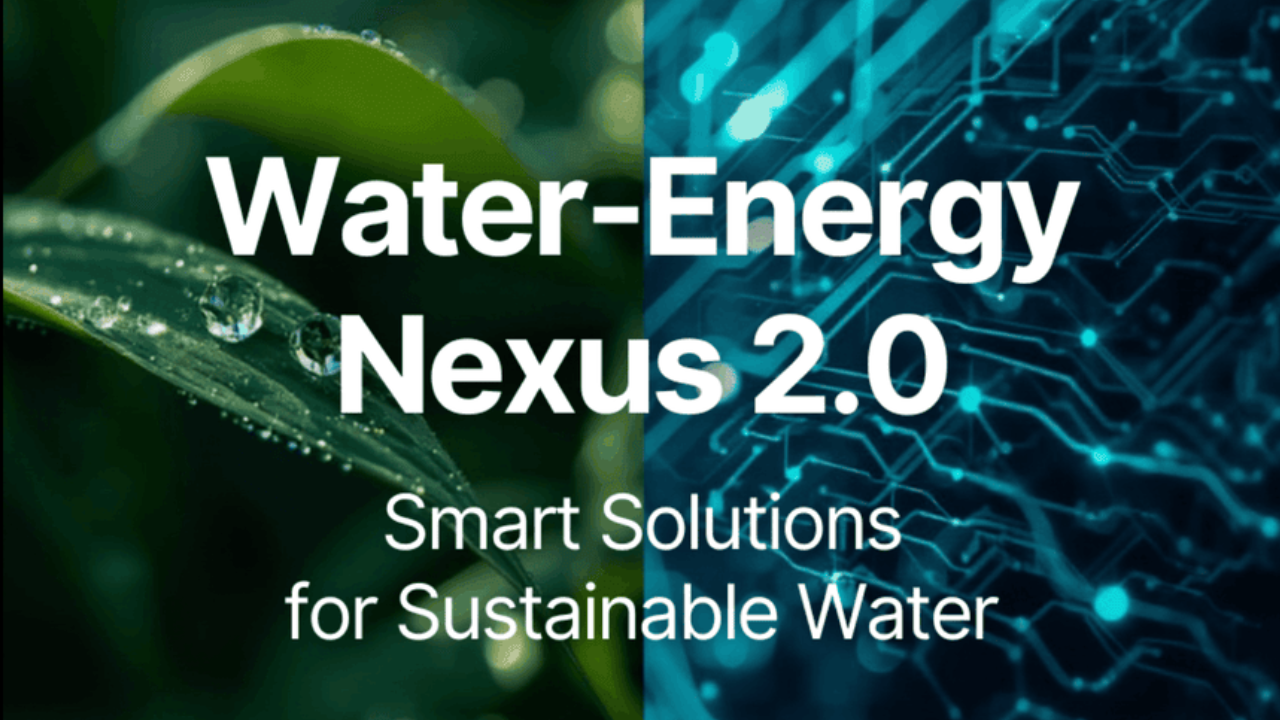
A new era of Water-Energy Nexus 2.0 is emerging, driven by IoT, AI, and data analytics.
These tools are making water and energy systems more efficient, connected, and sustainable.
This article explores how digital transformation is reshaping water management and building lasting resilience.
Understanding the Modern Water-Energy Nexus
The Interconnected Nature of Water and Energy Systems
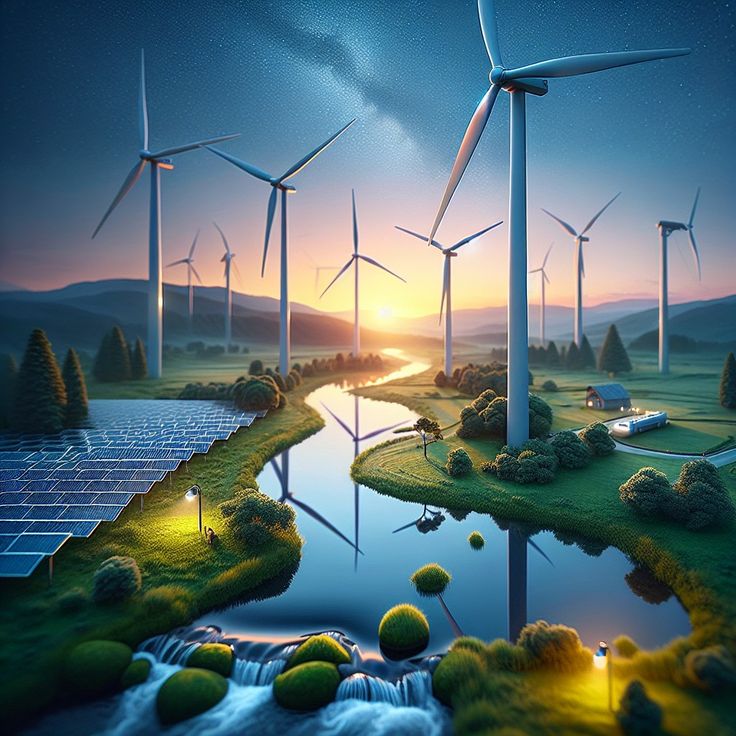
Water and energy are tightly linked.
Every drop of water we drink, use, or recycle requires energy for treatment and transport.
Every kilowatt of electricity, in turn, often relies on water for cooling, cleaning, and production.
When one system faces stress, whether from climate change, droughts, or power shortages, the other quickly feels the impact.
This makes efficient coordination and real-time data sharing essential for modern infrastructure.
Challenges of Traditional Management Models
Historically, water and energy systems have been managed separately.
This siloed approach leads to inefficiency, higher costs, and waste.
A lack of data integration often means delayed responses to leaks, equipment failures, or resource shortages.
Smart technologies are bridging these gaps, connecting networks, and enabling predictive action rather than reactive repair.
Smart Technologies Driving the Shift
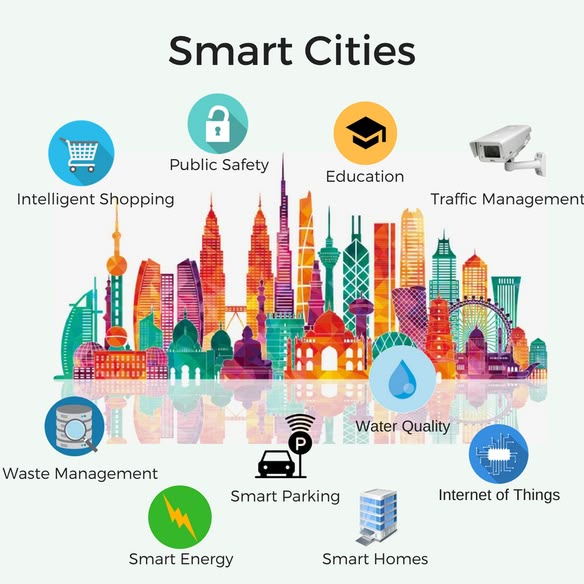
Digital transformation is revolutionizing how cities manage water and energy.
The Water-Energy Nexus Tech allows utilities to integrate IoT sensors, AI, and data analytics, improving efficiency, reducing waste, and building more resilient infrastructure.
Internet of Things (IoT) in Water Monitoring
IoT devices act as the “nervous system” of smart water networks.
Sensors track water pressure, flow, and quality in real time, detecting leaks and contamination before they escalate.
Utilities can immediately adjust operations, reducing both water loss and energy waste.
For example, smart meters in urban areas now provide consumers with instant feedback on usage, encouraging conservation and accountability.
Artificial Intelligence and Predictive Analytics
AI enhances efficiency by analyzing massive datasets to identify patterns and predict future problems.
Algorithms can forecast equipment breakdowns, anticipate demand spikes, and optimize pumping schedules for minimum energy use.
In cities like Barcelona and Singapore, AI-powered water systems have already reduced operational costs and improved distribution precision.
Smart Grids and Energy-Efficient Water Systems
Smart grids connect water utilities and energy providers through shared data platforms.
They automatically balance demand, reroute power, and optimize energy distribution during peak hours.
This synchronization not only reduces operational costs but also supports the integration of renewable energy sources.
The Role of Data and Automation
Data is now the lifeblood of sustainable water management.
Every pump, sensor, and pipeline generates valuable insights that can guide smarter decisions and improve resource resilience.
Real-Time Insights for Better Decision-Making
Cloud-based systems consolidate data from multiple points in the network, offering a complete operational view.
Decision-makers can monitor consumption, identify anomalies, and plan for future infrastructure needs with precision.
Real-time dashboards allow utilities to react instantly to leaks or contamination events, minimizing risk.
Automation in Water Distribution and Treatment
Automation replaces manual control with responsive systems.
Smart pumps adjust flow rates based on demand; filtration units modify operations to maintain water quality automatically.
This reduces human error and energy consumption while maintaining consistent service levels.
The result: cleaner water, lower energy bills, and a smaller environmental footprint.
Global Examples of Smart Water Management
Around the world, cities are proving how digital technologies can drive water-energy efficiency and resilience.
Cities Leading in Digital Water Solutions
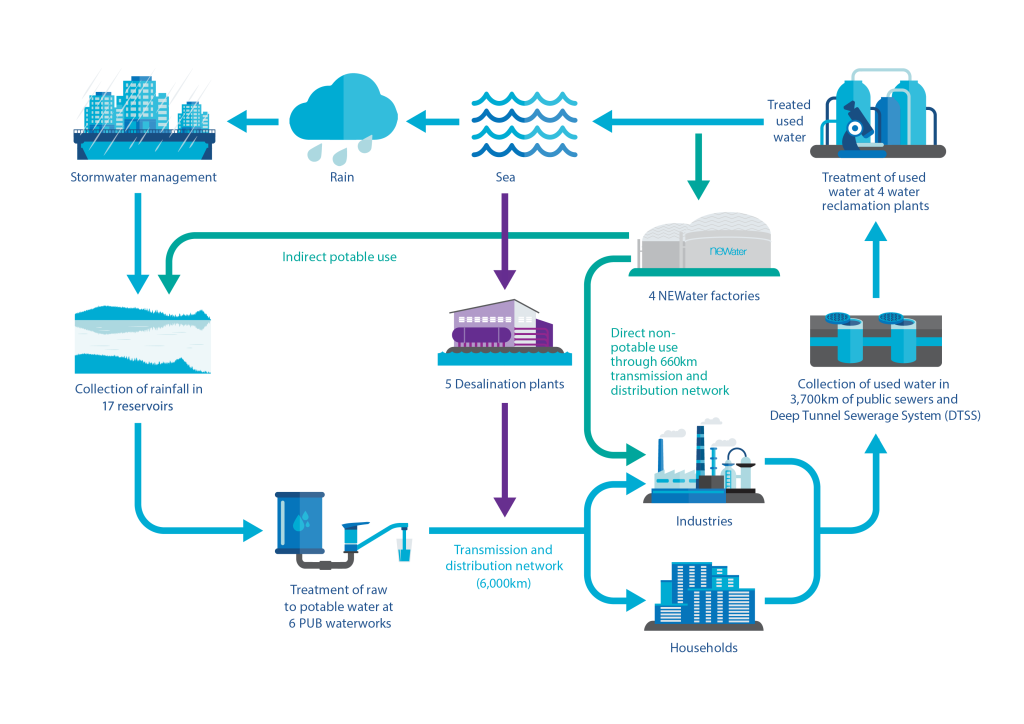
Singapore’s Smart Water Grid uses IoT sensors and advanced analytics to monitor water networks in real time, reducing non-revenue water to below 5%.
In Copenhagen, wastewater treatment plants are now energy-positive producing more energy than they consume through optimized biogas recovery and automation.
These models show that smart infrastructure is both environmentally and economically beneficial.
Lessons from Integrated Resource Management
Successful projects share three principles: integration, innovation, and investment.
By aligning water, energy, and climate policies, nations can reduce emissions, lower costs, and strengthen their resilience to climate shocks.
Collaborative data sharing between utilities and governments remains the cornerstone of success.
Building a Sustainable Future Through Innovation
The future of the water-energy nexus depends on how well we combine technology, policy, and community action.
Policy, Investment, and Technology Alignment
Governments play a critical role in fostering innovation.
Subsidies for smart grids, investments in renewable-powered treatment plants, and incentives for data transparency encourage private-sector collaboration.
Public-private partnerships are accelerating the shift toward digital sustainability.
Empowering Communities for Water Resilience
Technology alone isn’t enough.
Empowering communities through education, real-time data access, and transparent systems builds long-term resilience.
When citizens understand their consumption patterns and have tools to act, sustainability becomes a shared mission.
Conclusion
The Water-Energy Nexus Tech 2.0 is more than a trend; it’s a transformation.
By merging digital intelligence with sustainable design, we can create smarter cities, protect resources, and ensure a cleaner future.
The themes discussed in this article strongly connect with the upcoming Sustainable Water Management and Resource Adaptation (SWMRA) – 3rd Edition conference, organized in collaboration with the Faculty of Civil and Industrial Engineering, Sapienza University of Rome.
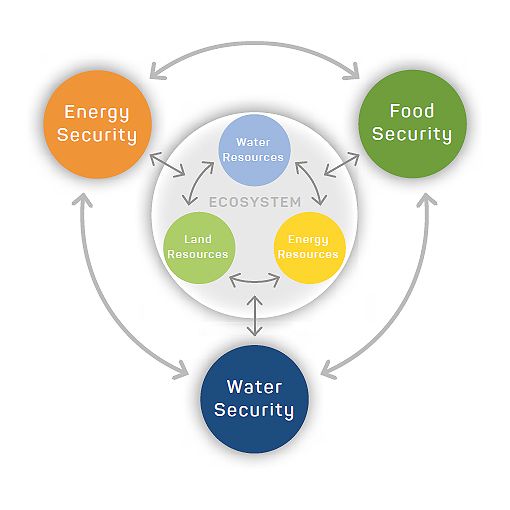
This event focuses on water-energy security, resource adaptation, and the integration of smart technologies for sustainable development.
It provides a valuable platform for researchers, professionals, and policymakers to share innovative ideas and advance the Water-Energy Nexus 2.0 through digital transformation and resilient infrastructure.
Frequently Asked Questions (FAQ)
1. What is the water-energy nexus?
The water-energy nexus refers to the interconnection between water and energy systems.
Water is needed to produce and transport energy, while energy is required to treat, pump, and distribute water.
Managing these resources together improves efficiency and sustainability.
2. How does technology improve water management?
Smart technologies like IoT, AI, and automation enable real-time monitoring, predictive maintenance, and efficient resource allocation.
They help utilities detect leaks, reduce energy consumption, and ensure cleaner, more reliable water supplies.
3. What are examples of smart water technologies?
Examples include smart meters, AI-powered forecasting tools, automated treatment systems, and cloud-based data dashboards.
These technologies provide insight and control that traditional systems lack.
4. Which cities are leading in smart water management?
Singapore, Copenhagen, and Barcelona are global leaders.
They use digital tools to minimize water loss, recover energy from wastewater, and maintain near-zero operational waste.
5. How can communities support sustainable water use?
Communities can contribute by conserving water, adopting smart home technologies, and participating in local sustainability programs.
Education and awareness remain key to long-term change.
