



Introduction
Climate change poses one of the most urgent challenges to global food security, reshaping how and where crops can thrive. Agriculture depends on predictable weather, stable temperatures, and reliable water resources—conditions that are now increasingly uncertain. As temperatures rise, rainfall patterns shift, and extreme weather events intensify, the vulnerability of farming systems grows, threatening food production, rural livelihoods, and economic stability worldwide. To address these challenges, building climate-resilient agricultural systems has become essential, ensuring that farming practices can adapt and withstand the changing environmental conditions.
-
How Climate Change Affects Agriculture
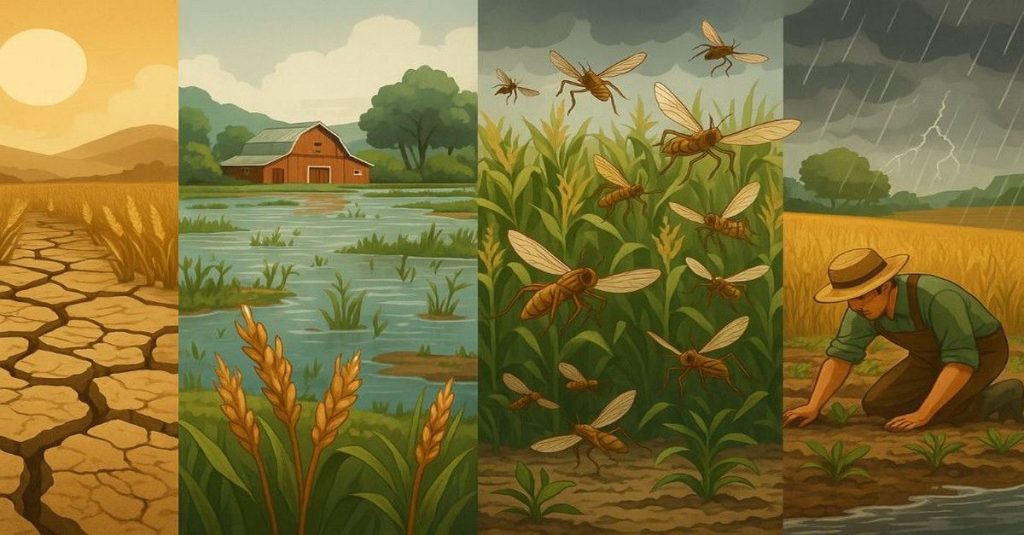
Agriculture is deeply intertwined with climate. Rising temperatures accelerate evaporation, deplete soil moisture, and reduce crop yields. Altered rainfall patterns trigger both droughts and floods, damaging crops and degrading fertile land.
While elevated CO₂ levels can stimulate photosynthesis, these short-term benefits are overshadowed by heat stress, nutrient loss, and increased pest infestations. Extreme weather events—from cyclones to wildfires—further disrupt planting cycles and destroy rural infrastructure, leading to higher food prices and global supply chain instability.
-
The Concept of Agricultural Vulnerability
Agricultural vulnerability is assessed through three main components: exposure, sensitivity, and adaptive capacity.
- Exposure refers to how much a region or farming system is affected by climate hazards such as droughts or floods.
- Sensitivity indicates how severely these hazards impact agricultural output, depending on the type of crops or livestock involved.
- Adaptive capacity measures the ability of farmers or communities to respond to climate risks through resources, knowledge, and technology.
Regions with high exposure and sensitivity but low adaptive capacity—such as parts of Sub-Saharan Africa and South Asia—are considered the most at risk.
-
Key Agricultural Systems at Risk
The impacts of climate change vary across different agricultural systems, affecting crops, livestock, fisheries, and horticulture in distinct ways:
- Crop production: Staples like rice, maize, and wheat face yield losses under higher temperatures and irregular rainfall.
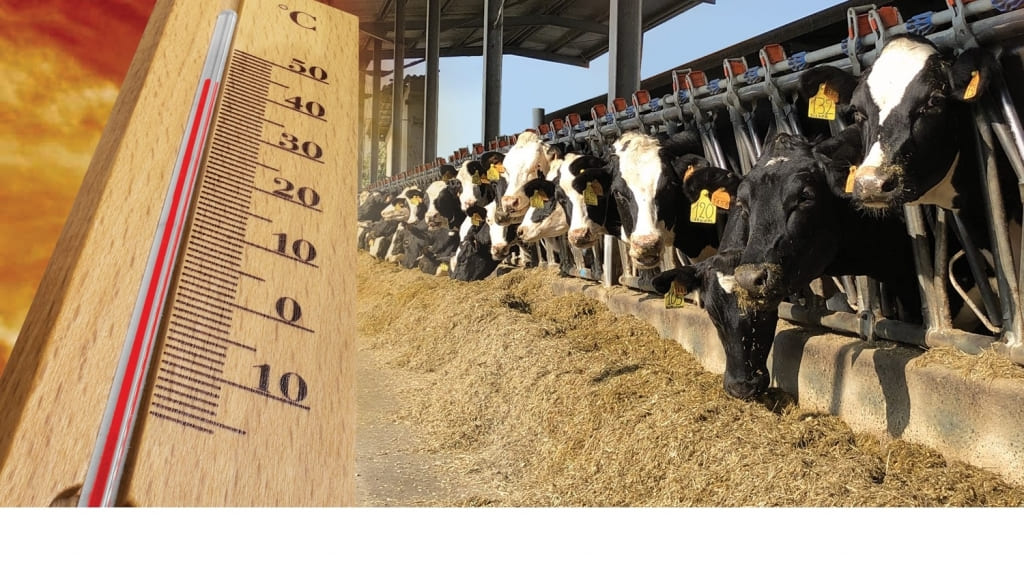
• Livestock farming: Heat stress and water scarcity affect animal health, fertility, and feed availability.
• Fisheries: Rising sea temperatures and ocean acidification threaten marine biodiversity and food chains.
• Horticulture: Fruits and vegetables, highly sensitive to climate variation, risk declines in quality and productivity.
These interconnected risks demonstrate that agricultural vulnerability is not isolated—it reverberates through ecosystems, markets, and communities.
-
Economic and Social Consequences
The consequences of agricultural vulnerability extend far beyond the farm. Reduced yields and food shortages lead to rising food prices, while smallholder farmers—who produce most of the world’s food—face severe income losses. This drives rural poverty, migration, and even conflict over natural resources.
Food insecurity becomes a pressing issue in low-income nations, where climate change directly threatens human health, nutrition, and stability.
-
Building Climate-Resilient Agriculture
To reduce vulnerability, countries are adopting climate-smart agricultural practices that enhance resilience and sustainability.
- Crop diversification reduces dependency on a single yield and increases food security.
- Conservation agriculture, including minimal tillage and crop rotation, improves soil health and water retention.
- Water-efficient technologies such as drip irrigation and rainwater harvesting optimize limited water resources.
- Agroforestry integrates trees into farms, improving biodiversity and providing shade.
- Drought- and heat-resistant crop varieties developed through biotechnology are helping farmers adapt to changing conditions.

-
Technology and Innovation for Adaptation
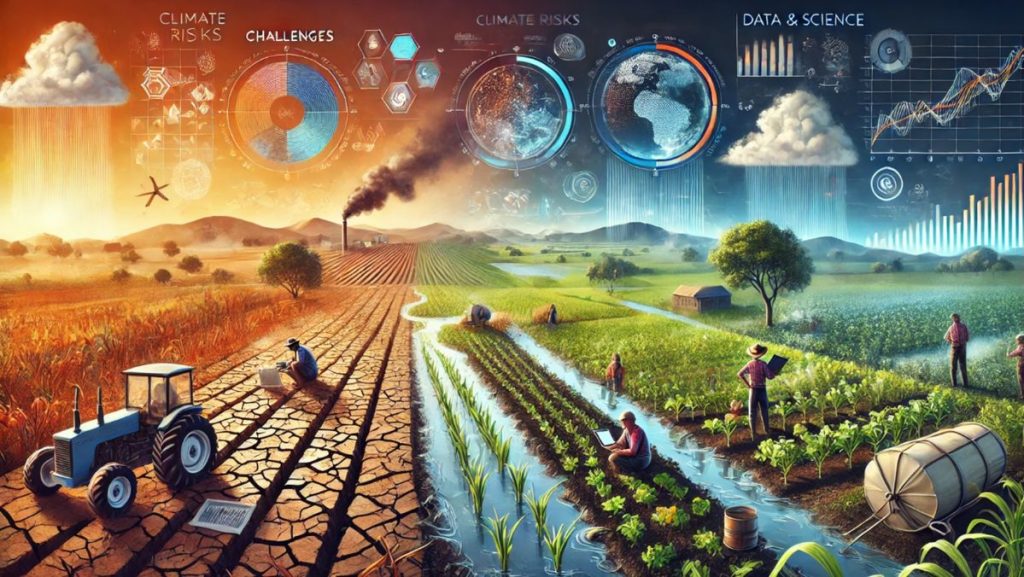
Modern technology is transforming the way farmers anticipate and adapt to climate risks. Remote sensing, GIS mapping, and AI-driven predictive models enable early detection of crop stress and weather shifts. Smart farming applications and data analytics empower farmers to make informed decisions, optimize resources, and minimize losses.
Beyond productivity, these innovations contribute to sustainable farming systems, reducing carbon emissions and promoting precision agriculture that aligns with global climate goals.
-
Policy Support and Global Cooperation
Effective policy frameworks are essential to support farmers and rural communities. Governments and global organizations are investing in adaptation projects, climate education, and financial incentives through programs like the Green Climate Fund (GCF).
Public-private partnerships and community-based initiatives ensure that adaptation solutions are locally relevant, scalable, and inclusive. Strong institutions and supportive policies can transform agriculture into a proactive force for climate resilience.
Conclusion
Understanding and addressing agricultural vulnerabilities to climate change is essential for building a sustainable future. Agriculture stands on the frontlines of global warming—but it also holds many of the solutions.
Through innovation, sustainable practices, and supportive policy, we can build resilient food systems capable of withstanding environmental shocks while nourishing a growing population.
Ultimately, climate-resilient agriculture is not merely about survival—it’s about thriving in balance with nature, ensuring food security, equity, and sustainability for generations to come.
Eventually the 2nd Edition of The Geographic Perspectives on Climate Change Mitigation in Urban and Rural Environments conference is officially scheduled to take place from November 25–27, 2025, in Rome, Italy, at Sapienza University. This conference presents a valuable opportunity for researchers to showcase their work and publish their research papers in the field of climate change mitigation and sustainable development.
For more details, visit our website.
