




The Magic of Granada: Where East Meets West
Nestled at the foot of the Sierra Nevada mountains in southern Spain, Granada stands as a living testament to centuries of diverse cultural influences. This enchanting Andalusian city effortlessly blends Moorish splendor with Spanish charm, creating an atmosphere unlike anywhere else in Europe.
The city’s unique position at the crossroads of civilizations has created a rich tapestry of architectural styles, culinary traditions, and cultural practices. From the Islamic heritage that dominated for over seven centuries to the Catholic reconquest that transformed the city’s landscape, Granada offers visitors a journey through time with every cobblestone step.
The Crown Jewel: The Alhambra Palace Complex
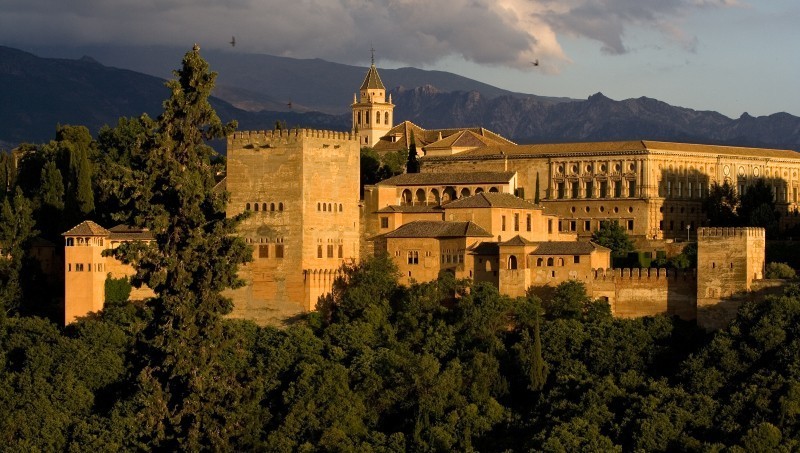
No visit to Granada would be complete without exploring the magnificent Alhambra, a UNESCO World Heritage Site that stands majestically on a fortified hilltop overlooking the city. This sprawling complex represents the pinnacle of Moorish architecture and served as the residence of the Nasrid Dynasty rulers for 250 years until the Christian reconquest in 1492.
Within the Nasrid Palaces, the Court of the Lions stands as one of the most impressive examples of Islamic architecture, with its fountain supported by twelve marble lions symbolizing strength and power. The delicate stucco work, intricate geometric patterns, and poetic inscriptions throughout these palaces reflect the sophisticated artistry of Andalusian Islamic culture.
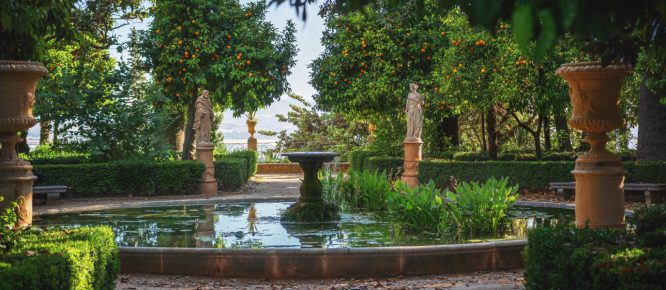
Adjacent to the fortress lies the Generalife, a summer palace with spectacular gardens designed as a peaceful retreat. The Patio de la Acequia (Court of the Water Channel) is particularly striking, with its long pool bordered by pavilions, flowerbeds, and fountains creating a sensory paradise.
Historic Neighborhoods: Albaicín and Sacromonte
The Albaicín, Granada’s medieval Arabic quarter and a UNESCO World Heritage Site, is characterized by narrow, winding streets and traditional whitewashed houses with inner courtyards known as “carmenes.” The most famous viewpoint, Mirador de San Nicolás, offers spectacular panoramic views of the Alhambra set against the backdrop of the Sierra Nevada mountains.
Rising above the Albaicín is Sacromonte, known for its cave dwellings carved into the mountainside. Historically home to Granada’s Gitano (Roma) community, this area is the birthplace of the city’s distinctive flamenco tradition, the Zambra Granadina. Visitors can explore cave museums or attend authentic flamenco performances in atmospheric venues.
El Realejo, the former Jewish quarter, features colorful street art and beautifully preserved buildings like the Casa de los Tiros, while Plaza Campo del Príncipe forms the heart of this neighborhood with its popular tapas bars.
Hidden Gems: Beyond the Major Attractions
While the Alhambra dominates most visitors’ itineraries, Granada offers many lesser-known attractions worth exploring:
- Carmen de los Mártires: A stunning 19th-century villa surrounded by lush gardens that combine English, French, and Romantic landscaping styles.
- El Bañuelo: One of the oldest and best-preserved Arab baths in Spain, dating back to the 11th century with beautiful star-shaped skylights.
- Patio de los Perfumes: A scent-filled oasis housing a boutique perfumery where visitors can participate in perfume-making workshops.
A Gastronomic Paradise: Granada’s Food Culture
One of Granada’s most beloved traditions is its free tapas culture. Unlike most Spanish cities, ordering a drink in Granada typically comes with a complimentary small plate of food, allowing visitors to sample local specialties while keeping costs down.
Must-try dishes include berenjena a la miel (fried eggplant with honey), remojón granadino (cod and orange salad), and jamón de Trevelez (mountain-cured ham). For an authentic experience, visit the traditional bars along Calle Navas or in Plaza Bib-Rambla.
Practical Tips for Visitors
Granada’s historic center is compact and best explored on foot, though comfortable shoes are essential for navigating the steep streets. The city offers an efficient bus network, with buses C1 and C2 connecting the center with the Alhambra and Albaicín.
The Alhambra limits daily visitors, so purchasing tickets well in advance is essential, particularly during high season. The general ticket includes the Nasrid Palaces, Generalife Gardens, and Alcazaba.
The best times to visit are spring (April-June) and autumn (September-October), when temperatures are pleasant and crowds are smaller.
Conclusion
Granada remains one of Spain’s most captivating cities, a place where diverse cultures have converged to create something truly unique. From the sublime architecture of the Alhambra to the authentic flamenco performances in Sacromonte caves, from the winding streets of the Albaicín to the innovative tapas served in local bars, Granada offers visitors an immersive experience in Andalusian culture.
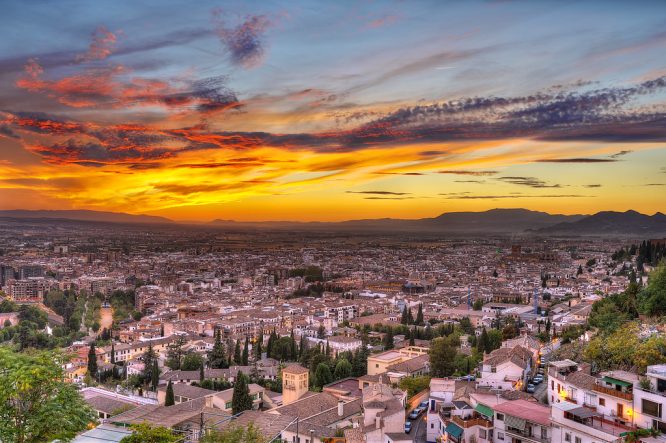
For those attending the upcoming “Landscapes Across the Mediterranean (CrossMED) – 2nd Edition“ conference in Granada, you have the perfect opportunity to combine intellectual enrichment with cultural exploration. As you engage in scientific discussions about Mediterranean landscapes, we hope you’ll join us to discover the extraordinary historic city of Granada that awaits just beyond the conference halls.
