



From Saving to Thriving: What Regenerative Tourism Really Means
Tourism used to be about “not ruining things.” Now? It’s about making them better. That’s the radical promise of regenerative tourism in historic urban landscapes — not preservation for its own sake, but co-creating thriving futures for places that carry centuries of memory.
Imagine a traveler not just walking through history but leaving behind something valuable — clean air, restored murals, and revived crafts. That’s the vision.
Not Just “Green”: Why Regeneration Goes Further Than Sustainability
If sustainability is “don’t make it worse,” regeneration is “make it awesome again.”
It’s about more than solar panels — it’s about purposeful people, revived traditions, and empowered locals.
Rethinking Tourists as Temporary Citizens
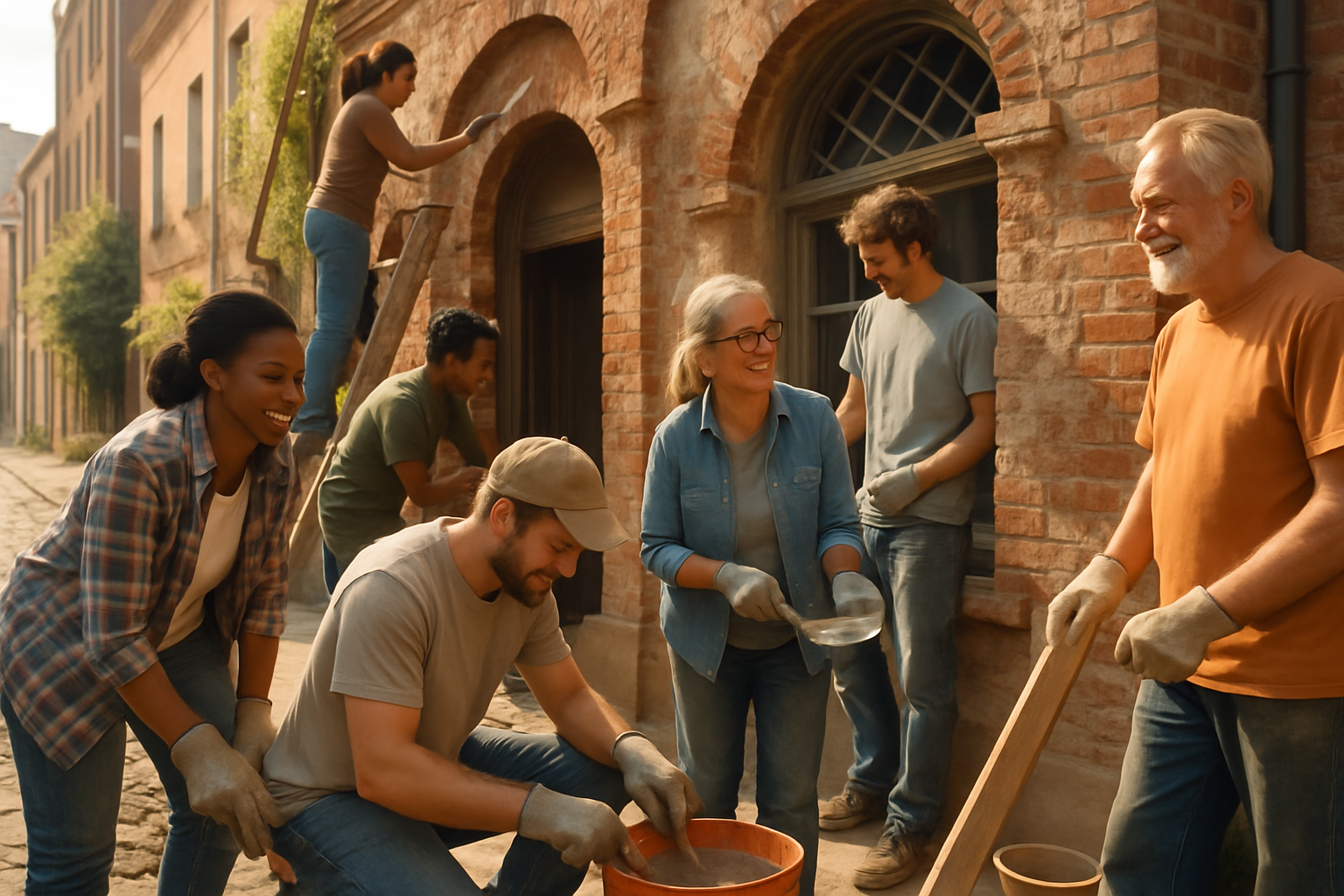
Regenerative models reframe tourists not as spectators, but as active participants.
You’re not just snapping photos — you’re contributing to cultural continuity. You’re stepping into someone else’s narrative with care, curiosity, and contribution.
Tourism as a Tool for Cultural Survival
In many heritage cities, tourism supports:
-
Traditional weavers
-
Storytellers
-
Historic bakeries
It’s not just economic — it’s cultural CPR.
When Popularity Becomes a Problem: The Overtourism Crisis
Let’s be real: Overtourism crushes souls. Think:
-
Crowded alleys
-
Inflated rents
-
Souvenir shops replacing bakeries
Regenerative tourism flips that script: fewer, better, more mindful guests.
Reciprocity Over Revenue
What if every visit added value instead of extracting it?
From funding restoration to volunteering, regenerative tourism is built on mutual benefit.
Embedding Cultural Intelligence in Every Visit
You don’t just see a place — you understand it.
-
Pre-arrival education
-
Resident-led tours
-
Real conversations beyond “Where’s the best rooftop bar?”
Nature as a Stakeholder, Not Just Scenery
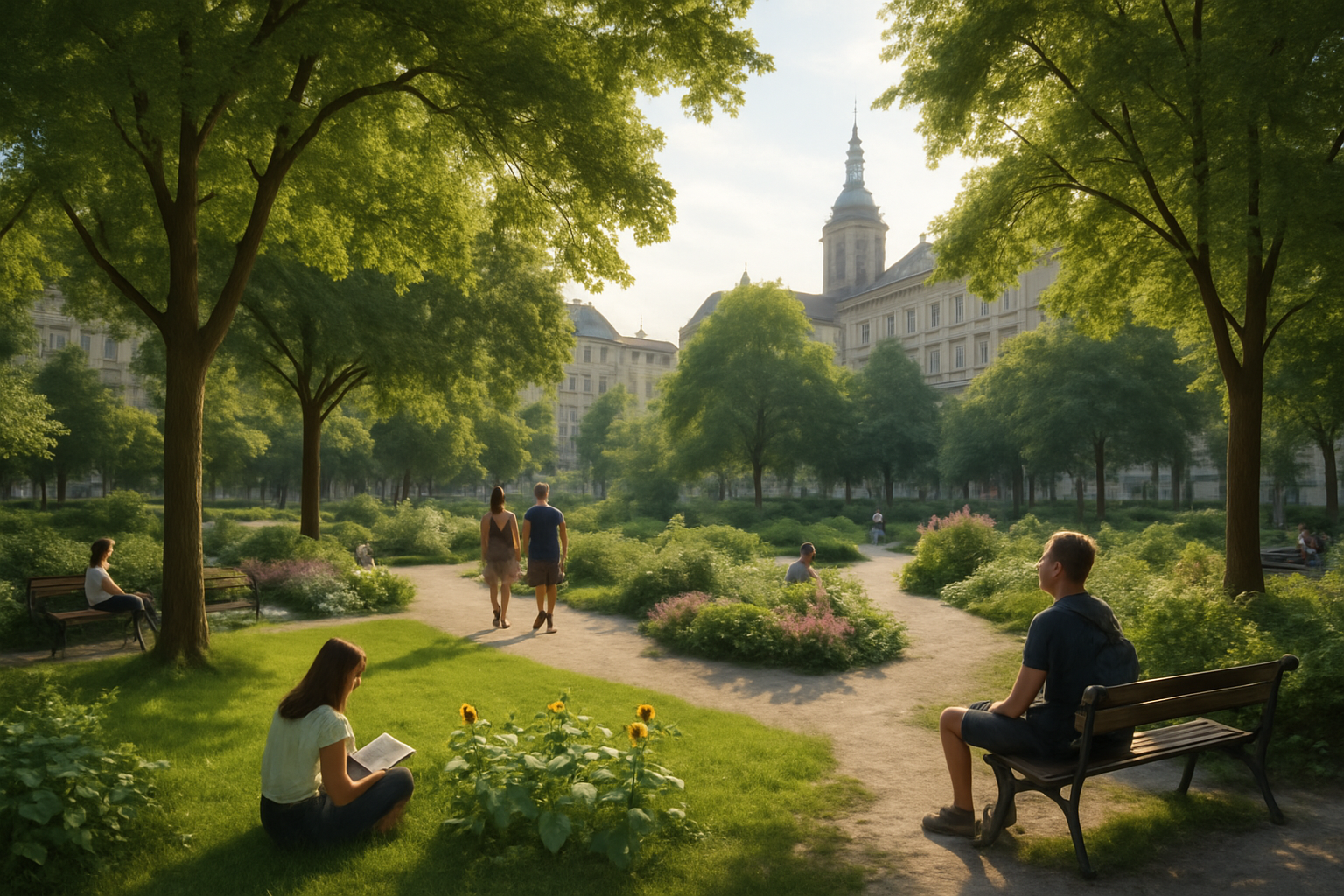
In historic cities where parks are rare, regeneration means:
-
Green pockets
-
Edible streets
-
Nature corridors
Turning stone cities into eco-urban sanctuaries.
Case Studies That Prove It’s Possible
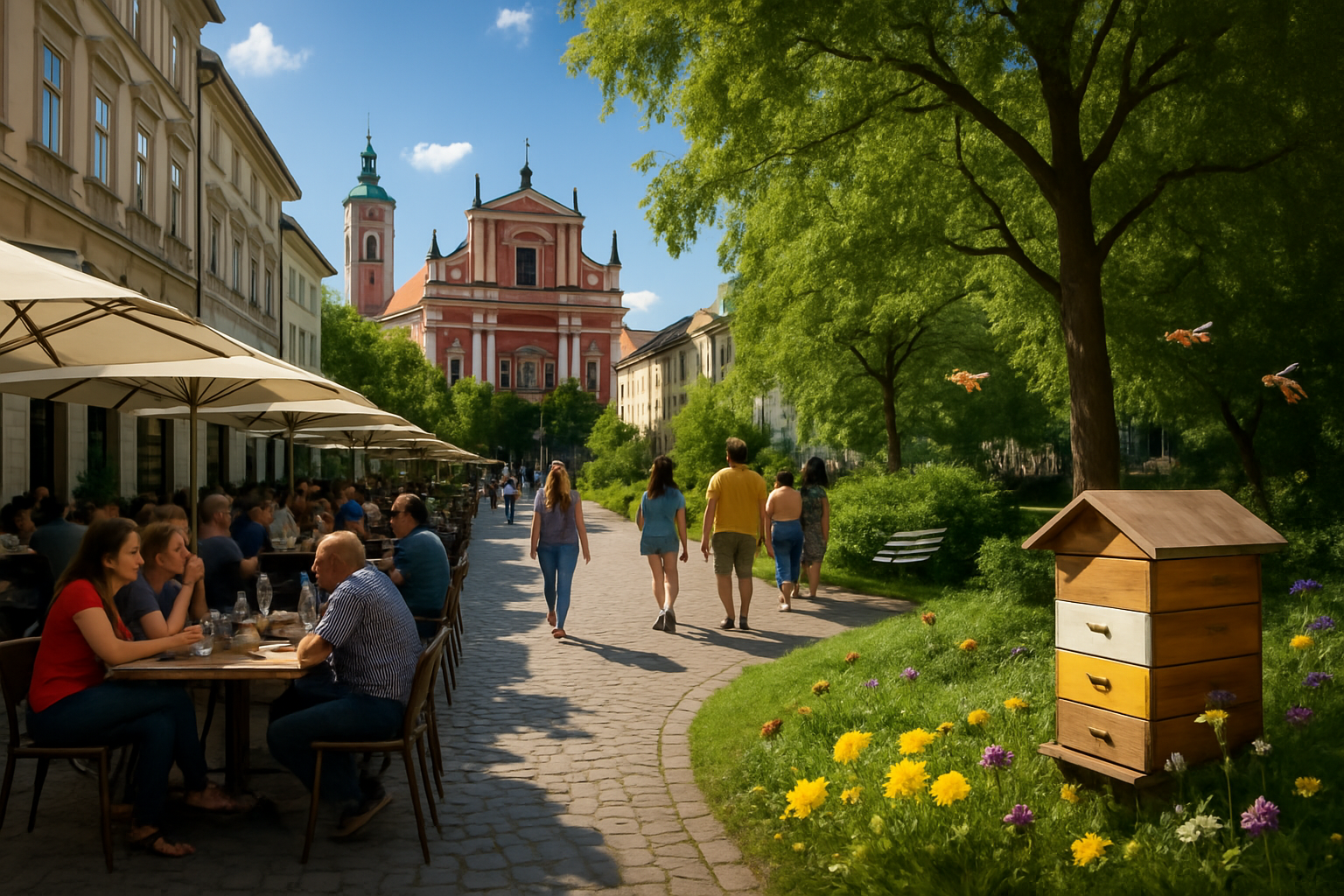
Ljubljana, Slovenia – Green Capital with a Medieval Core
-
Car-free historic center
-
Rooftop gardens, bees, and smart waste systems
-
Locals reclaiming their city
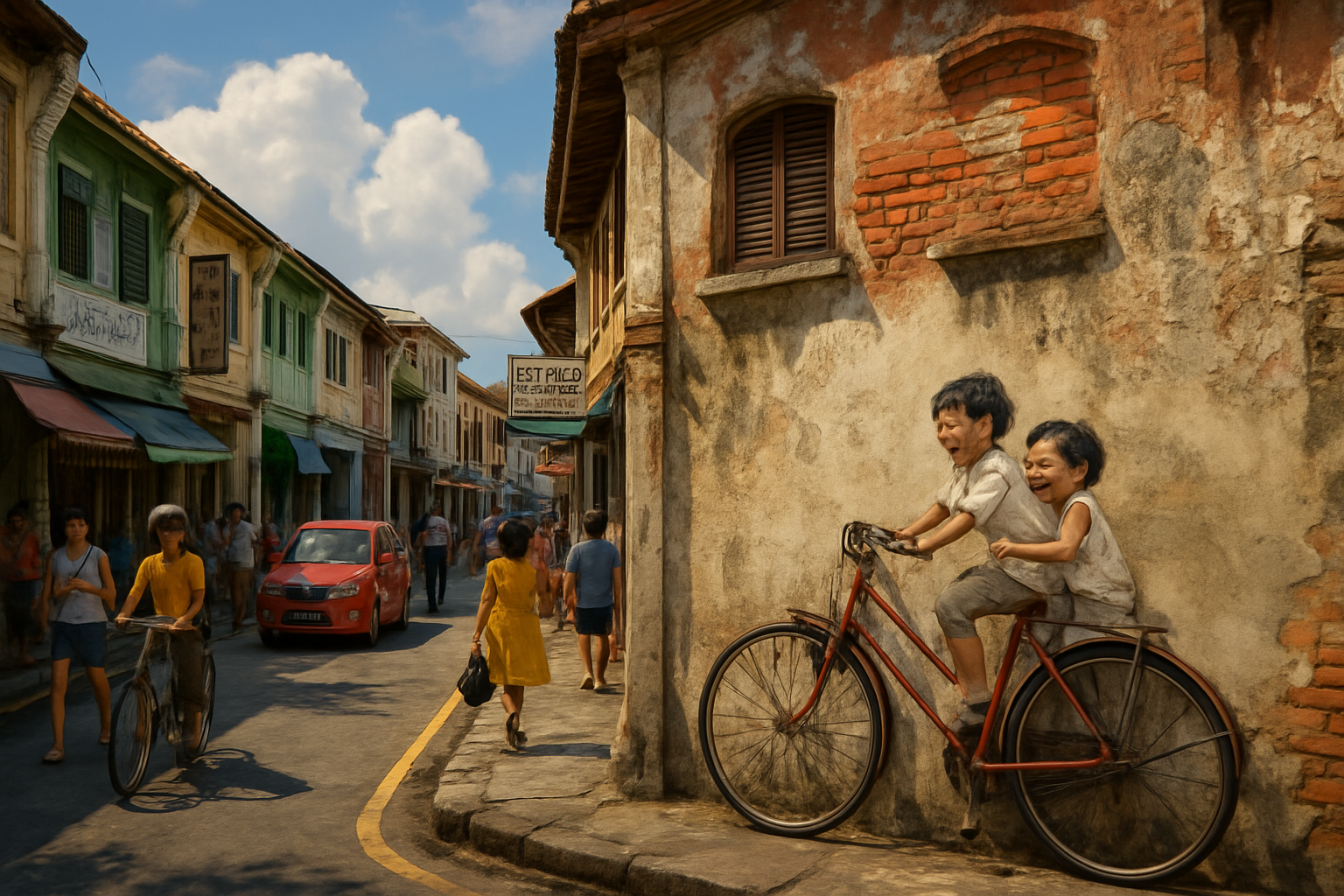
George Town, Penang – Street Art Meets Heritage
-
Crumbling shophouses turned into public art canvases
-
Heritage-themed cafés and community-run inns
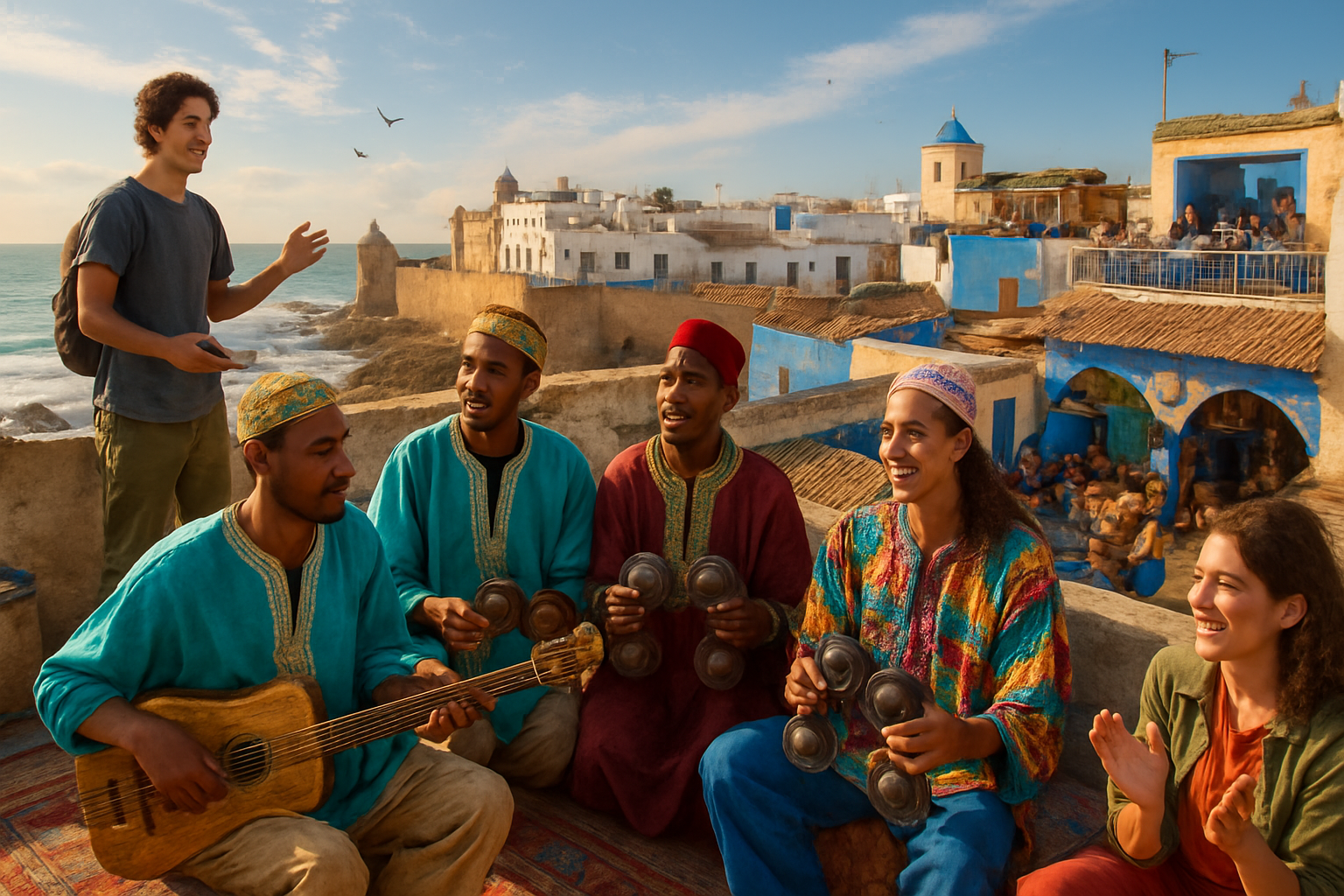
Essaouira, Morocco – Music, Memory, and Coastal Renewal
-
Gnaoua music, artisan cooperatives, dune regeneration
-
Youth-led eco-tours and rooftop concerts
Tech-Powered Regeneration
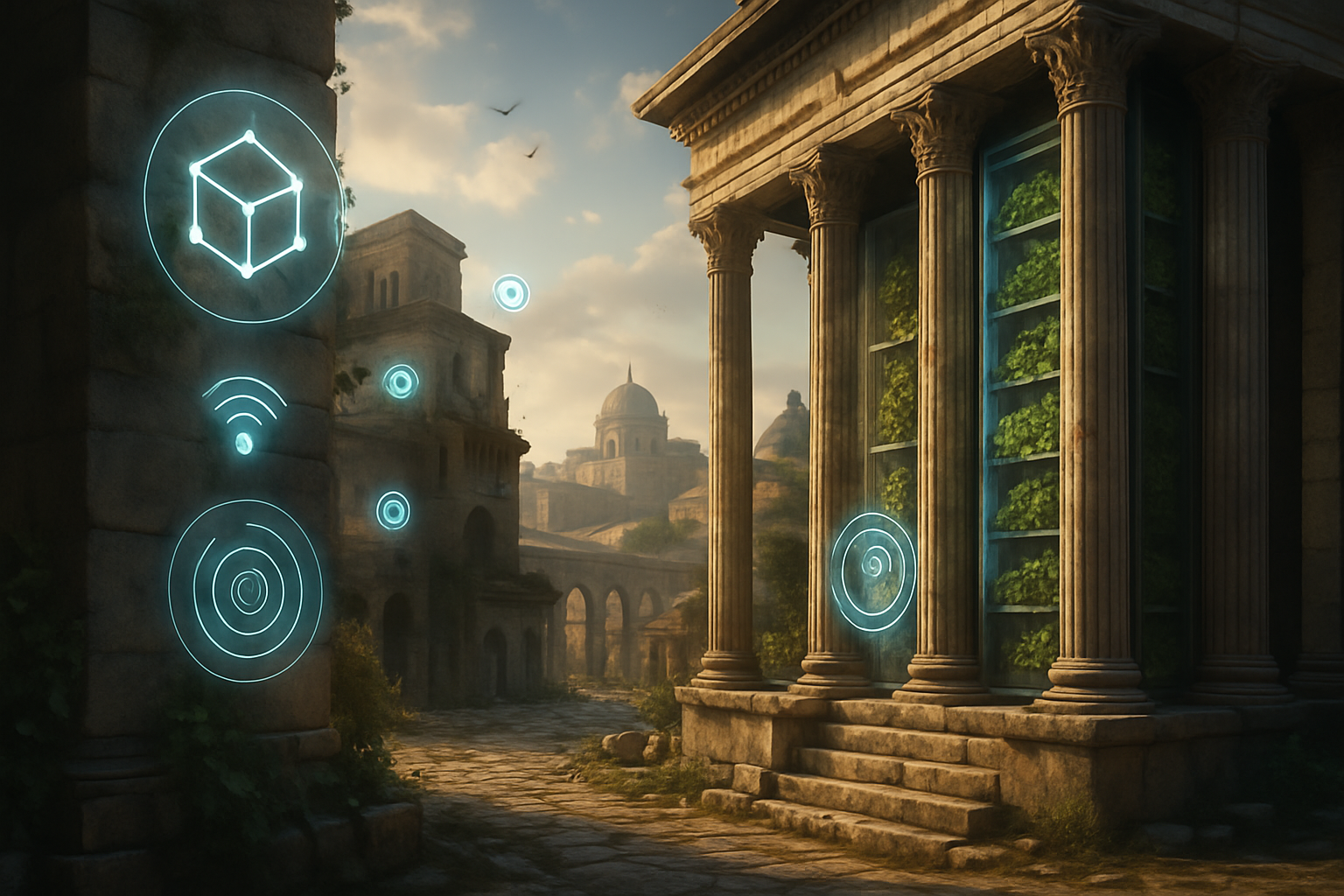
Slow Tourism Apps and Digital Detours
AI-powered guides suggest:
-
Artisan districts
-
Low-impact trails
-
Local festivals
Bioclimatic Architecture
Modern restoration inspired by ancient ventilation techniques, not just modern air conditioning.
Destination Stewardship Councils
Multi-stakeholder groups co-govern tourism:
-
Artists
-
Historians
-
Farmers
Not just managing flow, but curating experiences.
Hyperlocal Tourism in Action
Craft Markets as Cultural Ecosystems
In cities like Oaxaca and Fez:
-
Markets double as cultural schools and economic incubators.
Restorative Food Tours
-
Heirloom recipes
-
Indigenous ingredients
-
Grandma-style cooking — without plastic waste
How Do We Know It’s Working?
Legacy Over Likes
New metrics focus on:
-
Heritage restoration per dollar spent
-
Community pride over pressure
Feelings Matter
Cities like Amsterdam and Barcelona now ask locals:
“How does tourism make you feel?”
The Dark Side: Real Barriers
The Growth-at-All-Costs Trap
If success is measured in arrivals alone, regeneration will always seem like failure — until we redefine success.
When “Charming” Becomes “Chic”
Beware of greenwashing.
True regenerative tourism uplifts all residents, not just property investors.
A Glimpse Into the Future
Cities as Living Labs
Historic cities are testing:
-
Vertical farming
-
Citizen-powered air sensors
-
Blockchain-based heritage funds
Cultural Rewilding
Rewild not just landscapes, but languages, rituals, and identities — with tourism as the catalyst.
Conclusion: From Footprint to Fingerprint
Regenerative tourism leaves more than footprints. It leaves fingerprints — on:
-
Communities
-
Ecosystems
-
Hearts
It’s time we stop asking: “How many came?”
And start asking: “What did they help heal?”
FAQs
1. What’s the biggest win of regenerative tourism?
Not just saving heritage — helping it thrive.
2. Isn’t this just luxury tourism in disguise?
No — regeneration means inclusive, not expensive.
3. How do cities start this journey?
By engaging locals, using smart data, and redefining success. For cities with deep-rooted identities, regenerative tourism in historic urban landscapes starts with listening to both residents and place-based heritage.
4. Can small towns do this too?
Absolutely — they often pivot faster and engage more deeply.
5. Will tourists care?
The right ones will — and they’ll stay longer, spend more meaningfully, and return with friends.
CST 2025: Join the Movement for Regenerative Tourism
Are you ready to dive deeper into the future of tourism?
The 7th edition of the Cultural Sustainable Tourism (CST) 2025 Conference brings together global experts, innovators, and changemakers committed to regenerative travel models.
What to Expect:
-
Inspiring Keynotes from leading voices
-
Global Networking with tourism professionals
-
Case Study Deep Dives on real-world success stories
Dates: October 08-11, 2025
In Collaboration with University of Maia, Portugal
Location: Egypt on a Nile Cruise or Online
Know More and Register for the CST Conference Here
