


Creative Reuse of Disposable Materials: A Catalyst for Innovation and Sustainability in Academia and Research
In a world increasingly threatened by climate change, pollution, and unsustainable consumption, there is an urgent need to shift from a linear “take-make-dispose” model to one that values reduction, reuse, and regeneration. Among the most compelling strategies within this shift is the creative reuse of disposable materials—a practice that is gaining momentum not only among artists and designers but also among academics, researchers, and sustainability advocates.
This article explores the academic and research implications of creative reuse, shedding light on how discarded materials are being reimagined as tools for education, innovation, and environmental change. We’ll spotlight a Dubai-based entrepreneur’s remarkable six-meter replica of the Burj Khalifa—built entirely from two million recycled bamboo chopsticks—to highlight the power and potential of upcycling in the real world.
What Is Creative Reuse? A Researcher’s Perspective
Creative reuse, or upcycling, refers to the process of transforming waste or unwanted materials into new products that have equal or greater value than the original. Unlike recycling, which often degrades material quality over time, creative reuse preserves or enhances value—making it a preferred strategy in circular economy models.
From an academic standpoint, creative reuse intersects with several disciplines:
-
- Design and architecture
- Environmental science
- Sociology
- Entrepreneurship and innovation
- Education and pedagogy
Why Academics Should Care About Creative Reuse
While creative reuse might initially appear to be a practical or artistic endeavor, it holds deep relevance for researchers and scholars across a range of fields:
- It contributes to sustainability education by offering tangible examples of environmental consciousness.
- It fosters community engagement and participatory design.
- It supports interdisciplinary research through its integration of material science, social impact, and economics.
- It challenges conventional thinking, encouraging more sustainable systems of production and consumption.

The Burj Khalifa Reimagined: A Symbol of Circularity
In Dubai, an entrepreneur recently constructed a six-meter replica of the Burj Khalifa using over two million used bamboo chopsticks. This monumental structure is more than just an art installation—it’s a statement about sustainability, innovation, and circular design thinking.
Key Takeaways for Researchers:
-
- Material choice matters: Bamboo, a fast-growing, biodegradable material, embodies sustainable alternatives to plastics and metals.
- Scale of impact: Reusing two million chopsticks not only kept waste out of landfills, but sparked global discussions around sustainable architecture.
- Cross-disciplinary relevance: Engineers, designers, environmental scientists, and entrepreneurs all have something to gain from studying this project.
![]() Creative Reuse in the Circular Economy Framework
Creative Reuse in the Circular Economy Framework
 Creative Reuse in the Circular Economy Framework
The circular economy promotes the elimination of waste through design innovation and material longevity. Creative reuse is a cornerstone of this model. reuse is no longer a fringe concept—it is a driver of green innovation.
Creative reuse supports the circular economy by:
- Reducing extraction of raw materials
- Lowering carbon emissions
- Creating new value chains and job opportunities
- Inspiring regenerative design models
Educational Applications of Creative Reuse
Eco-education benefits significantly from hands-on experiences. Schools and universities around the world are integrating reuse practices into curricula through:
- STEAM-based learning projects
- Design challenges using discarded materials
- Community-led upcycling events
- Research competitions focused on sustainable innovation
For researchers in pedagogy and environmental psychology, creative reuse provides rich ground for exploration, such as analyzing how tactile learning influences environmental behavior.
Design Innovation Through Waste
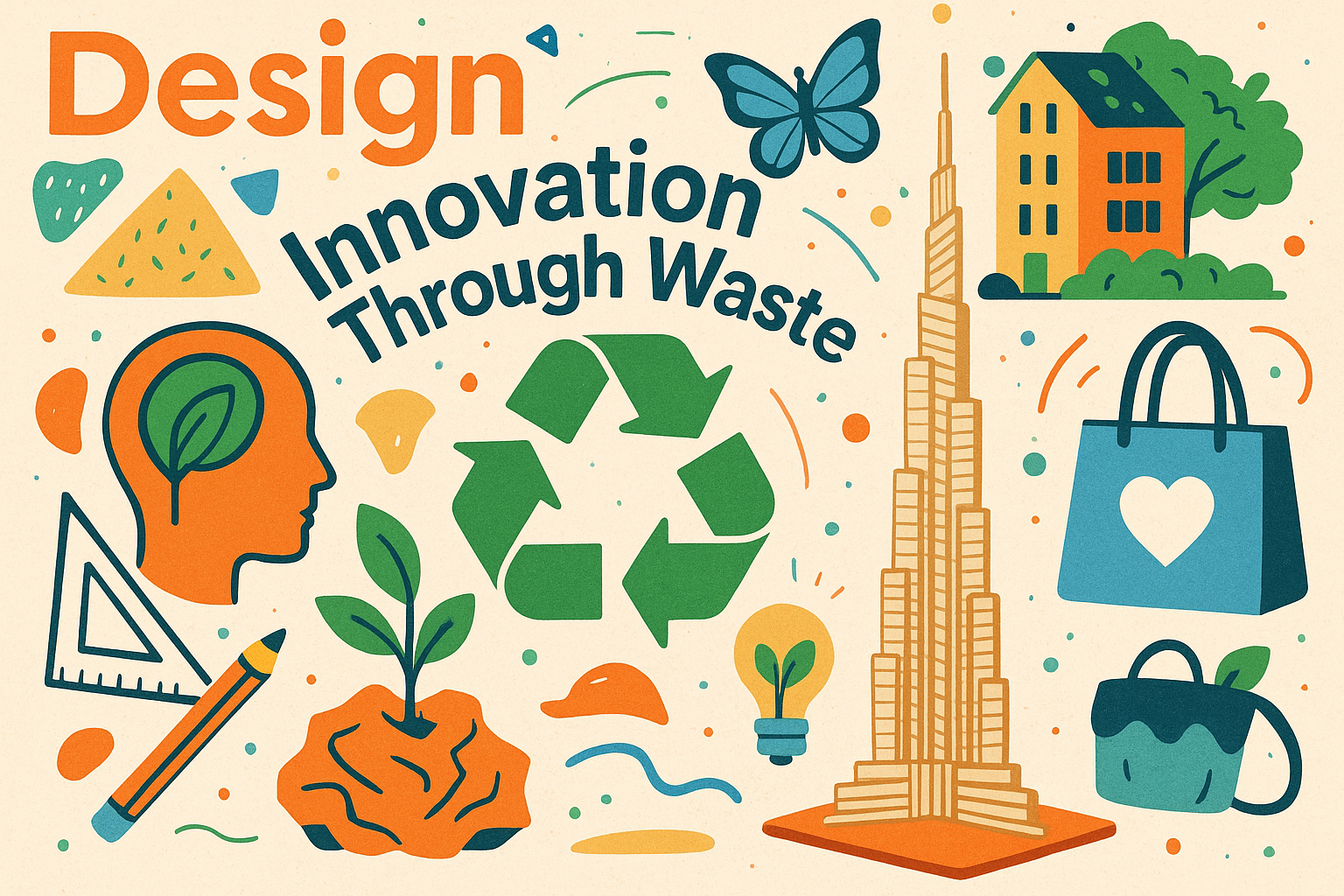
Design researchers are increasingly exploring how waste can serve as a raw material for beautiful, functional, and sustainable design. In fields like product design and architecture, creative reuse leads to:
- Bio-inspired material innovation
- Low-carbon building techniques
- Socially responsible consumer products
Case Study Integration in Academia: The Burj Khalifa chopstick model can be used as a live case study in university-level design and sustainability courses.
Entrepreneurship and Economic Opportunities in Reuse
Creative reuse is not just about ethics—it’s economically smart. Entrepreneurs are building entire businesses from upcycled products, creating green jobs and local economic loops.
Business researchers studying social enterprises and sustainability can investigate:
- Business models built on upcycling
- Consumer behavior towards reused goods
- Profitability versus environmental impact
Platforms like Etsy, Upcycle That, and even IKEA’s circular range show that reuse is no longer a niche, but a growing market trend.
Barriers to Creative Reuse—and How Research Can Help
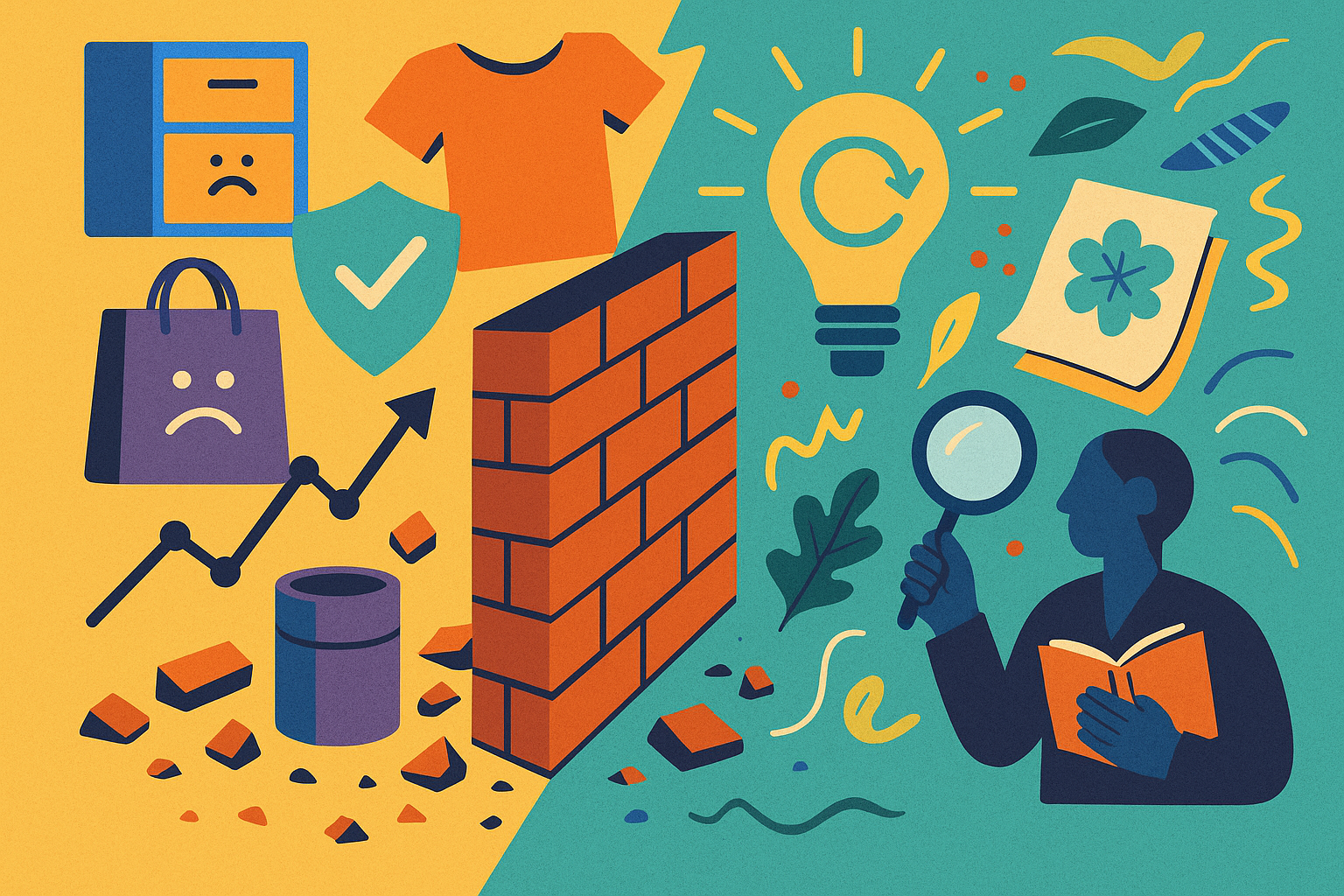
Despite its promise, creative reuse faces several challenges:
- Lack of infrastructure for material collection
- Stigma around “used” materials
- Regulatory barriers in product certification
- Market unpredictability
This is where academic research becomes vital. By conducting field studies, policy analysis, and market research, scholars can help develop evidence-based strategies to overcome these barriers.
From Waste to Data: The Role of AI in Reuse
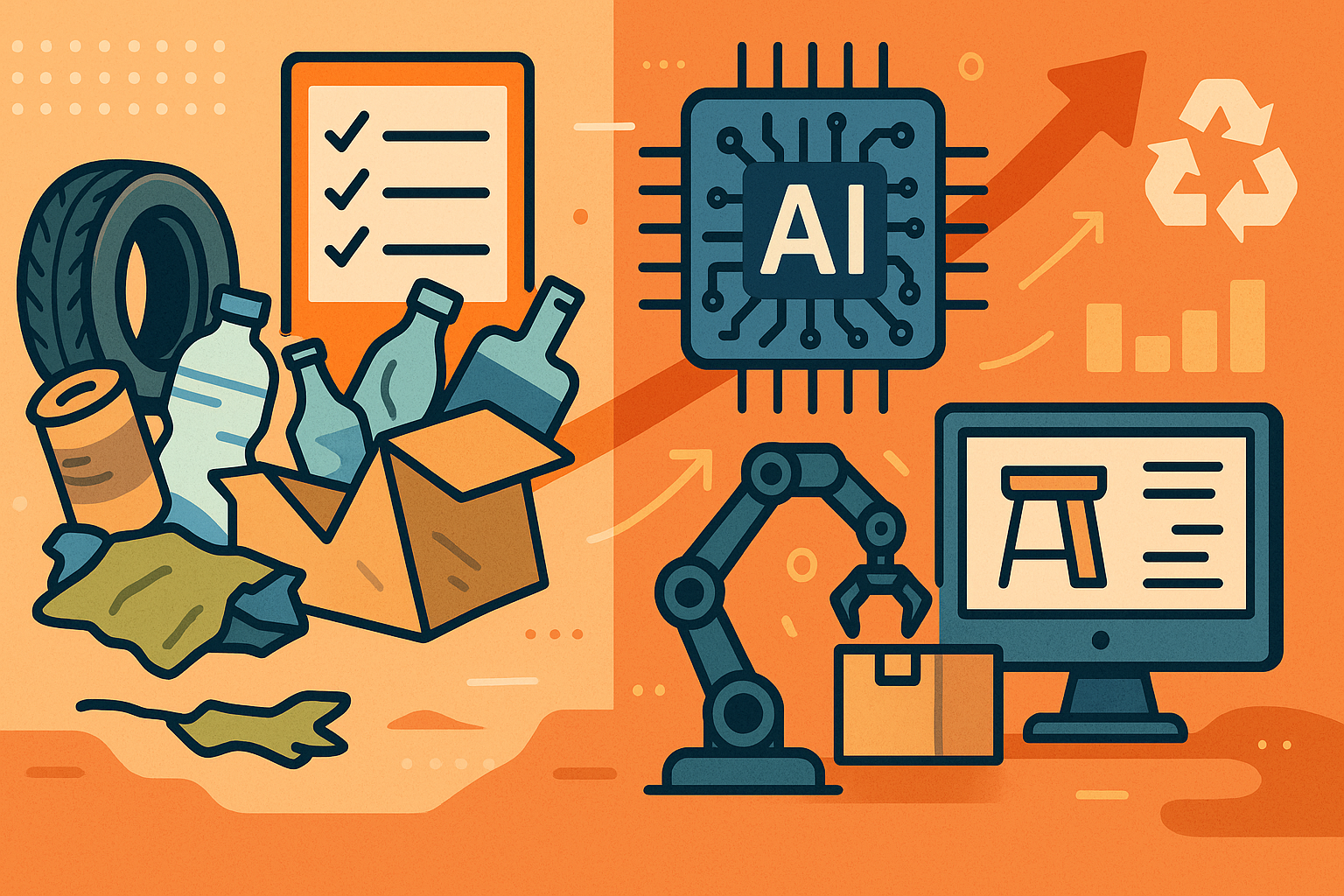
A fascinating new frontier is the use of Artificial Intelligence (AI) in promoting and optimizing creative reuse. Research from the “Disrupting for Good” conference shows how AI is being used to:
- Track and classify waste materials
- Optimize reuse design processes
- Predict material performance
- Automate upcycling logistics
For researchers in computer science, industrial engineering, or sustainability tech, the integration of AI and reuse represents a dynamic area of growth.
Future Research Directions
Academics and researchers looking to contribute to this space can explore several promising avenues:
- Behavioral studies on consumer acceptance of upcycled products
- Comparative lifecycle assessments between upcycled and virgin materials
- Material innovation using bio-waste and industrial byproducts
- Digital platforms for community-driven reuse initiatives
- Policy frameworks for supporting creative reuse enterprises
Conclusion: Waste as a Beginning, Not an End
The creative reuse of disposable materials is no longer just a trend—it is a critical approach to sustainable development, innovation, and education. From building a bamboo Burj Khalifa to reshaping business models and influencing urban design, the possibilities are endless.
For academics and researchers, creative reuse offers a rich, multidisciplinary field full of practical and theoretical implications. Whether you’re developing new materials, crafting policy, exploring behavioral insights, or designing with waste—your work has the power to disrupt for good.
Let’s continue this conversation during the “Disrupting for Good: AI, Entrepreneurship, and Sustainable Circular Economy – 2nd Edition” conference, where scholars and practitioners will showcase how innovation can emerge from what the world discards.
