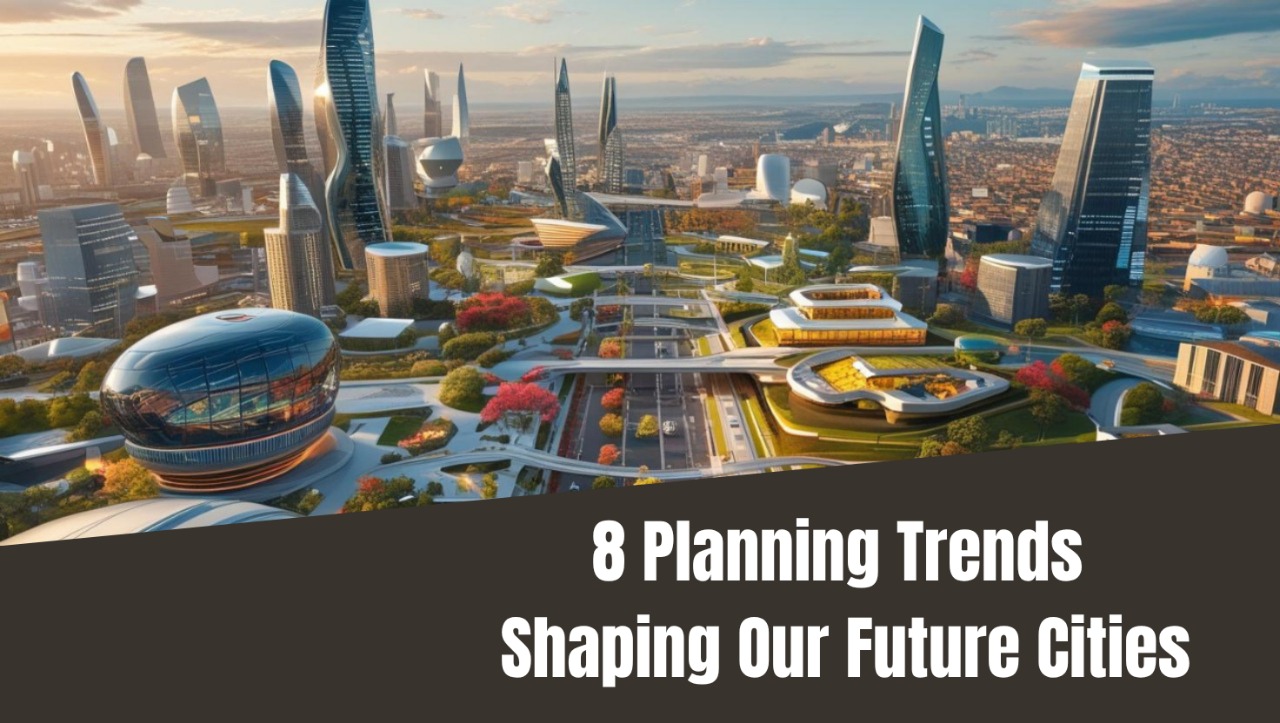

Rethinking how cities are designed, lived in, and adapted for an uncertain future of sustainable urban development, embracing new urban planning trends.
Our cities stand at a crossroads. Climate change, rapid tech growth, social inequities, and housing crises are reshaping urban life. Traditional planning is no longer enough. Emerging urban planning trends embrace bold, interdisciplinary ideas to create resilient, humane, and intelligent cities where people can truly thrive.
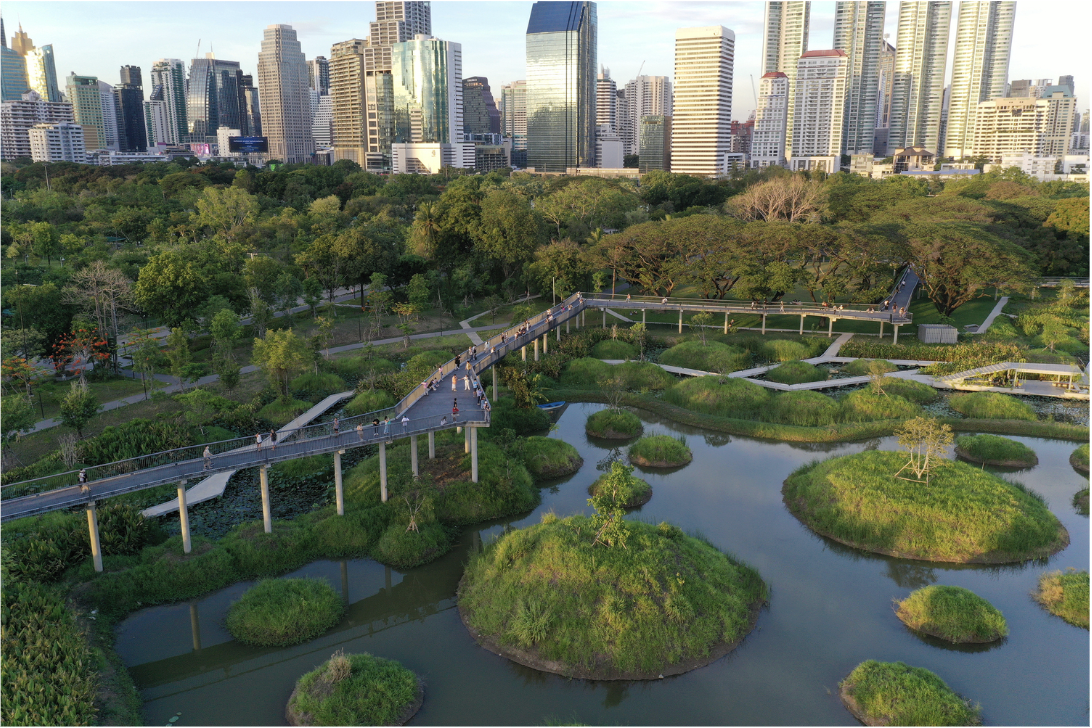
1. Sponge Cities: An Urban Planning Trend for Water Resilience
•Guangzhou, China: A pioneer in large-scale sponge city implementation.
2. Neuro-Urbanism: Crafting Cities for the Human Mind
Urban design is increasingly informed by neuroscience and psychology. “Neuro-Urbanism” explores how elements like noise, light, space, and density affect our well-being. This includes stress levels, community sense, and empathy. As one of the emerging urban planning trends,
urban planners now apply brain science insights. Their goal is to create calmer, healthier, and more psychologically supportive urban environments.
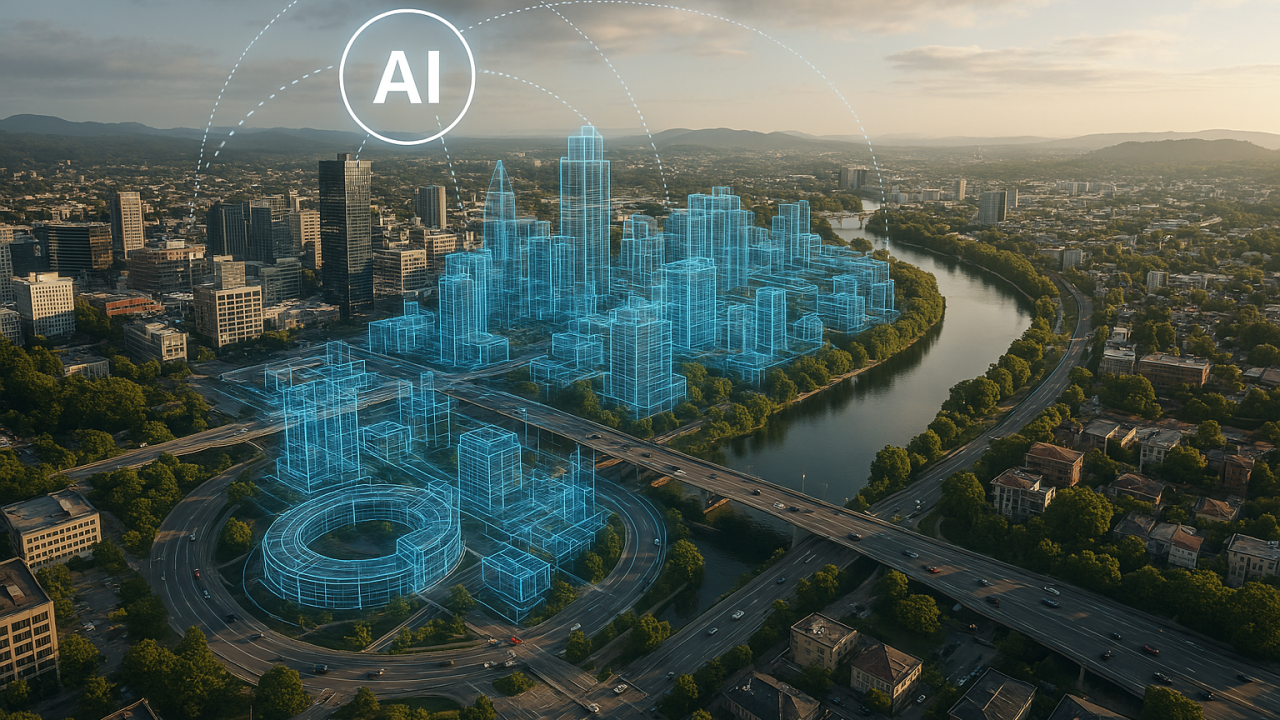
3. AI and Digital Twins: Data-Driven Urban Intelligence
AI and “Digital Twins” are revolutionizing city design and optimization. Digital Twins are real-time, dynamic 3D models of urban environments.
They enable sophisticated simulations of complex urban systems.
4. Post-Zoning Urbanism: Flexible Urban Fabric
Traditional, rigid zoning codes often led to sprawling, car-dependent cities. These cities lacked vitality and mixed-use functionality. “Post-Zoning Urbanism” is a significant shift.
It moves towards more flexible land-use regulations and mixed-use overlays. This better reflects how people live, work, and interact. This trend, part of evolving urban planning trends, fosters vibrant, adaptable neighborhoods that can evolve organically.
Emerging Ideas for Adaptive Urban Development:
• “Urban rooms” for multifunctional use: Versatile public spaces for various community functions.
• Adaptive reuse of old buildings: Repurposing existing structures to minimize waste.
• Evolving micro-neighborhoods: Encouraging diverse, self-sufficient communities.
This progressive approach recognizes urban life is dynamic. Our urban planning tools must be equally adaptable to foster resilient and livable cities.
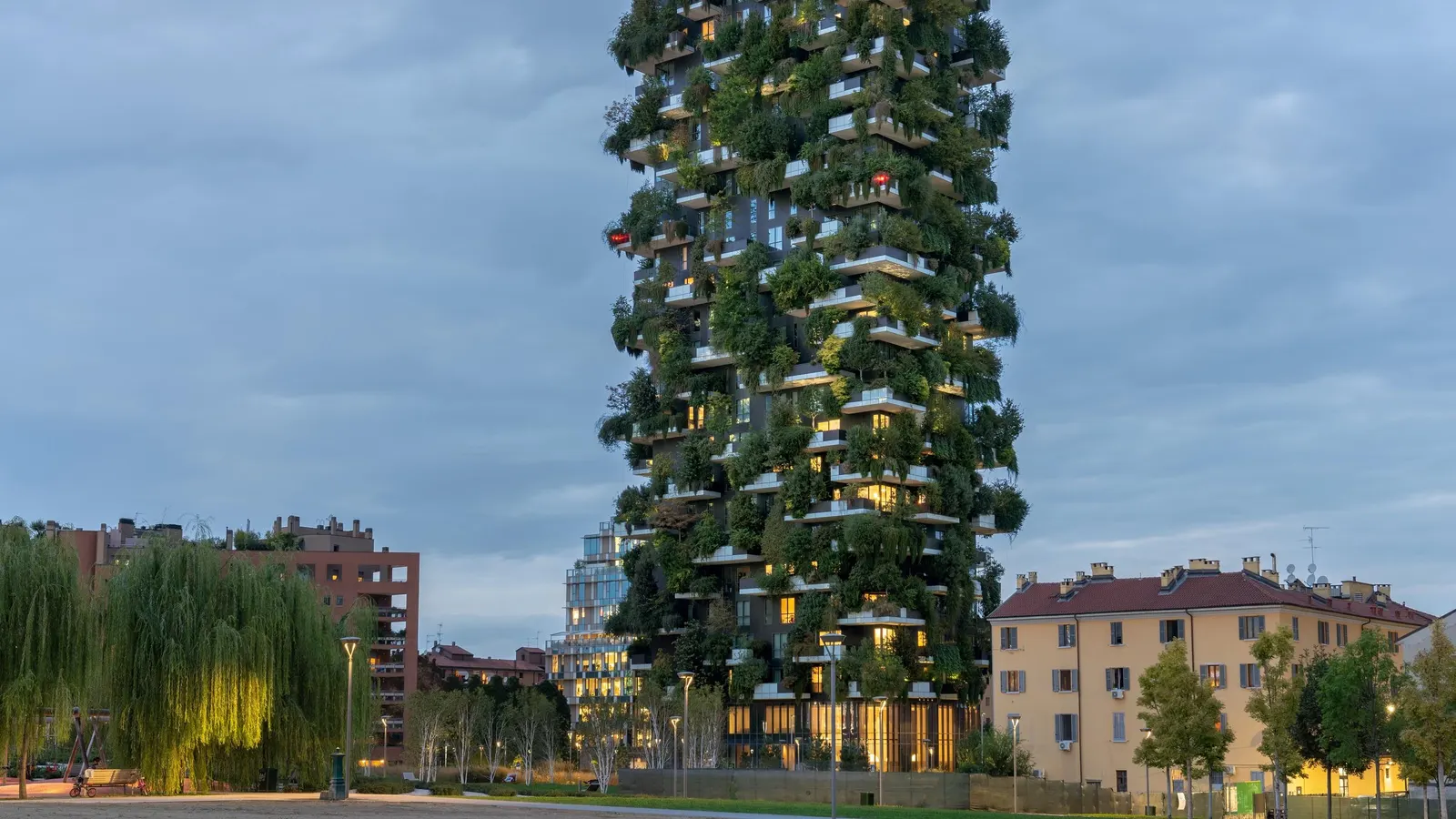
5. Rewilding the City: Nature as Essential Infrastructure
•Forested rooftops in Milan: Creates elevated green spaces, improves air quality.
6. The Equity Turn: Justice at the Core of Urban Design – A Key Urban Planning Trend
7. Vertical Urbanism: Innovating Upwards for Density
8. Urban Planning for Climate Migration: Proactive Resilience