


Introduction: The Power of Solar and Wind Energy
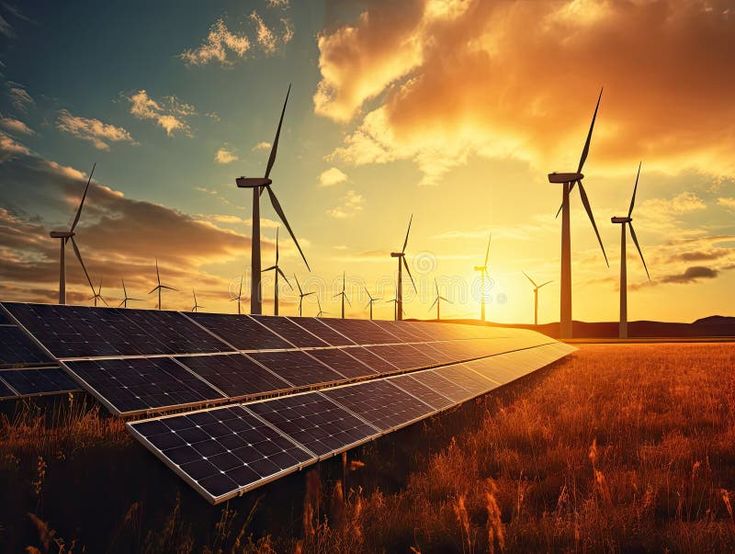
In the face of climate change and rising global energy demands, the world is turning to cleaner, more sustainable alternatives, with solar and wind energy leading the charge in this global transformation. These renewable power sources are not only environmentally friendly but also increasingly cost-effective, making them key players in the transition away from fossil fuels.
Solar energy harnesses the sun’s radiant light and heat using technologies like photovoltaic (PV) panels and solar thermal systems. It’s clean, abundant, and available almost everywhere the sun shines. Wind energy, on the other hand, captures the kinetic force of moving air using large turbines, converting it into electricity without polluting the planet.
Together, solar and wind represent the fastest-growing sources of power worldwide. They reduce carbon emissions, create jobs, lower electricity costs over time, and help build a more resilient energy infrastructure. As innovation accelerates and governments invest in cleaner futures, solar and wind energy are no longer optional—they’re essential.
Why the Gobi Desert Is Ideal for Renewable Energy
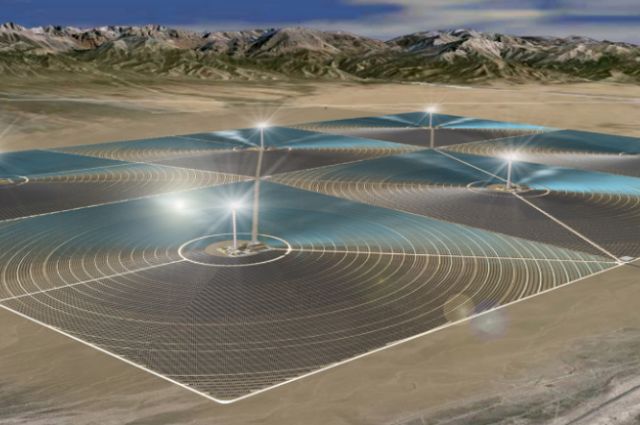
Stretching across northern China and into Mongolia, the Gobi Desert offers the perfect setting for large-scale solar and wind power projects. It boasts:
- Over 3,000 hours of annual sunlight
- Strong, steady wind patterns
- Vast, underutilized land
- Minimal disruption to human settlements and ecosystems
These factors make it a strategic choice for building renewable infrastructure without harming the environment.
Project Overview and Scale
Launched in 2023, the Gobi Desert project aims to generate a staggering 455 gigawatts (GW) of clean power by 2025. This includes a mix of solar panels and wind turbines deployed across regions like Inner Mongolia, Gansu, Ningxia, and Xinjiang. The project plays a key role in China’s strategy to combat climate change by reducing reliance on fossil fuels.
To put this into perspective, 455 GW is more than the total installed capacity of most developed countries.
Key Technologies Driving the Project
This isn’t just about installing solar panels in the desert, it’s a showcase of advanced technology, including:
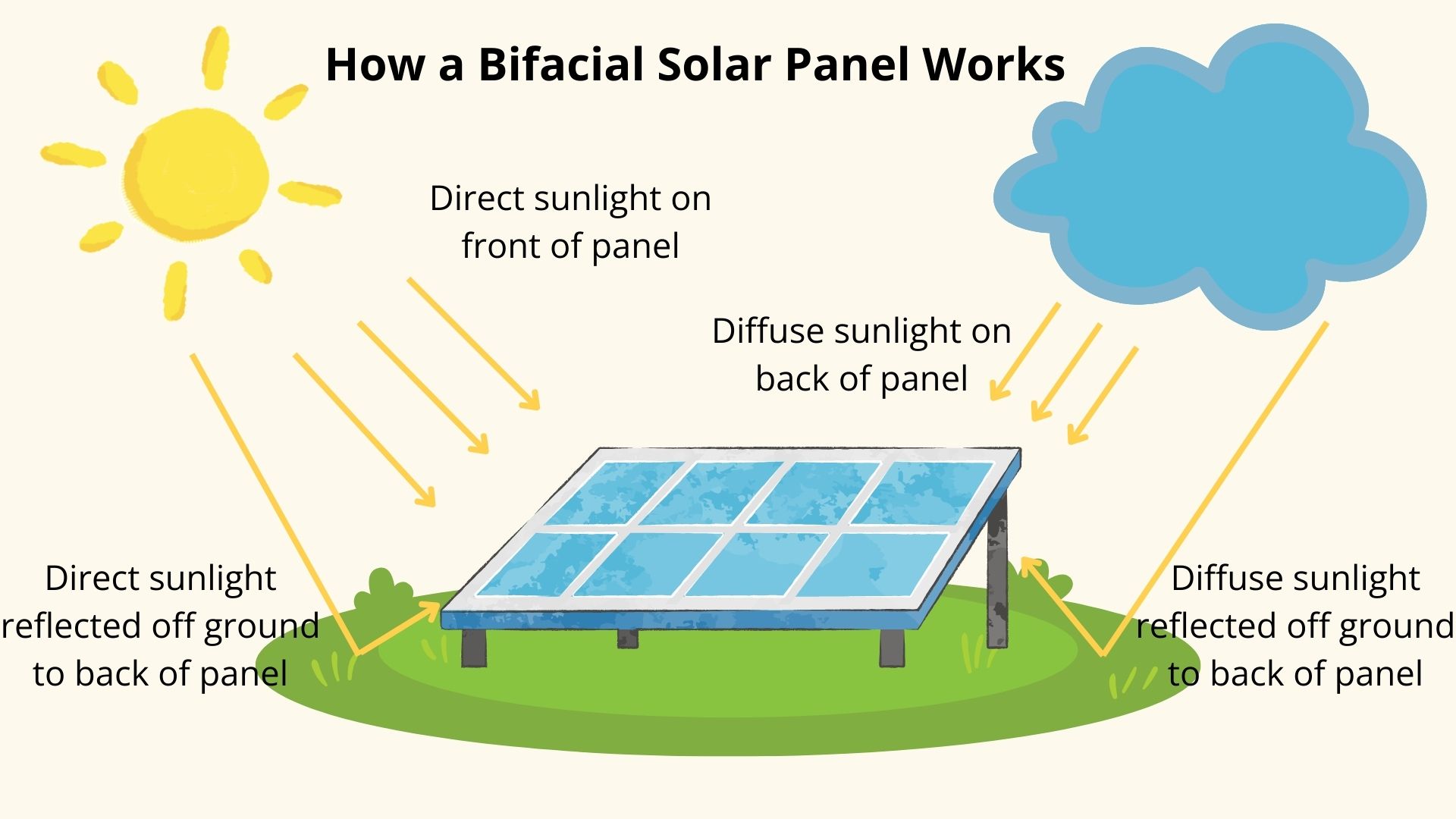
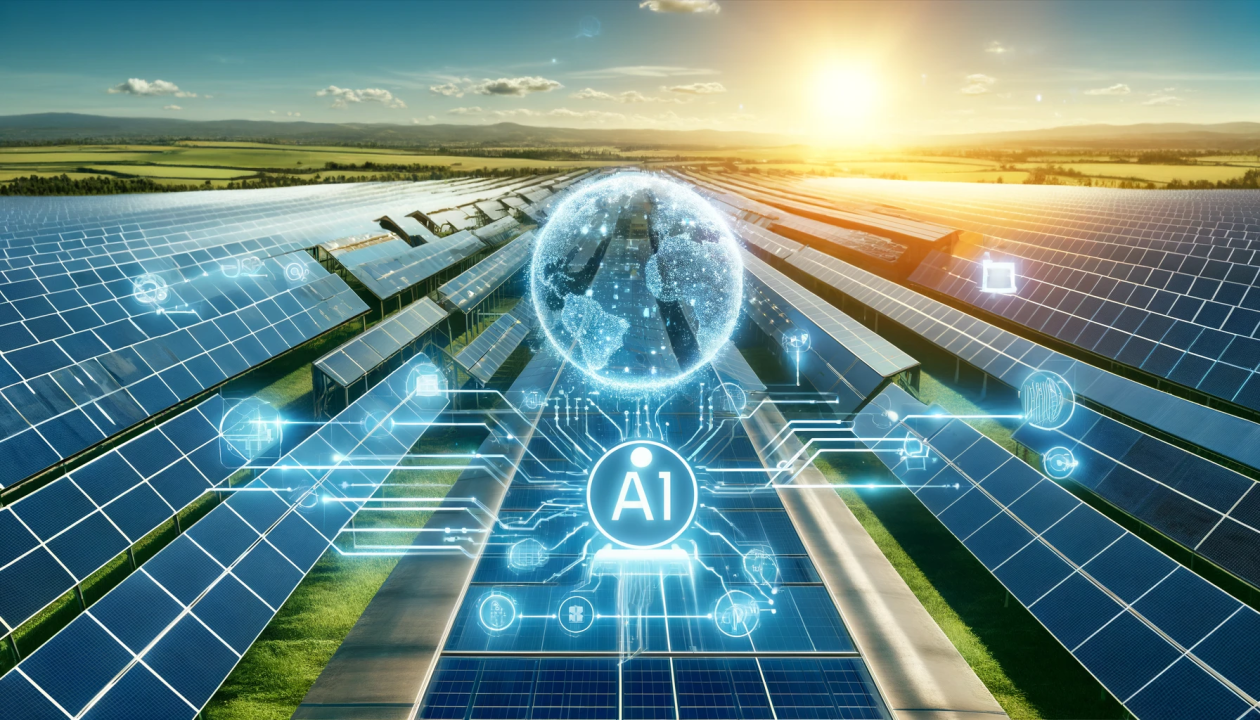
- Bifacial photovoltaic (PV) panels that absorb sunlight from both sides
- AI-optimized wind turbines for maximum efficiency
- Battery storage systems to handle energy fluctuations
- Smart grids that use AI to manage supply and demand in real time
China is setting new standards in renewable tech and power management.
Development Timeline (2023–2025)
The project is structured into three phases:
- 2023: Site assessments and initial construction
- 2024: Scaling of solar and wind infrastructure
- 2025: Final integration into China’s national power grid
By the end of 2025, most of the energy systems will be fully operational, contributing to China’s carbon neutrality goals.
Economic and Social Impact
The Gobi Desert project is also a major economic catalyst:
- Over 300,000 jobs created during construction and operation
- Boost for domestic manufacturing, especially in solar panels and wind turbine parts
- Infrastructure upgrades in remote areas, benefiting local communities
It represents a powerful blend of environmental responsibility and economic growth.
Environmental Benefits
One of the main goals is to significantly reduce carbon emissions. This project is expected to:
- Cut over 1.3 billion tons of CO₂ emissions annually
- Reduce dependence on coal-fired power plants
- Use less water than traditional energy sources
It’s a cornerstone of China’s commitment to peak carbon emissions by 2030 and carbon neutrality by 2060.
Strategic Global Importance
This project helps position China as a global leader in clean energy. It supports energy independence, enhances its influence in international energy markets, and strengthens its role in initiatives like the Belt and Road.
China could soon become a net exporter of clean energy technologies and expertise.
Implementation Challenges and Mitigation Measures
Of course, the project isn’t without hurdles:
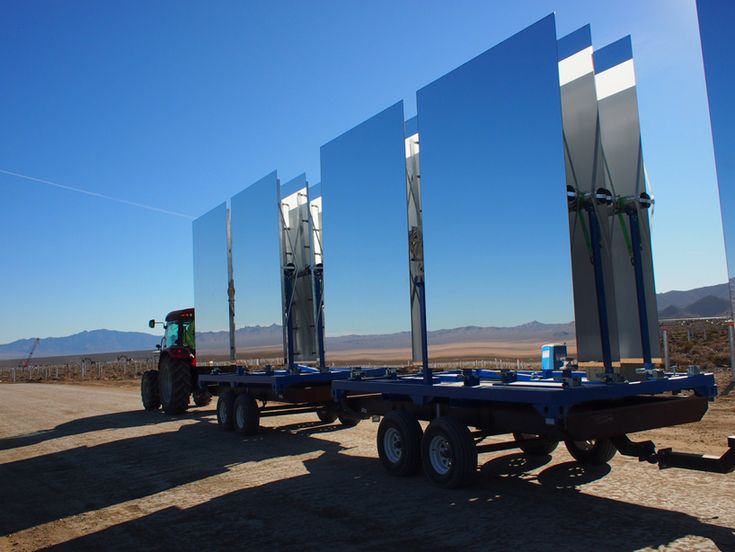
- Transporting materials across remote, rugged terrain
- Environmental management, including land use and dust control
- Grid integration, ensuring smooth delivery of energy to urban centers
Despite these, China’s track record in managing complex infrastructure projects offers strong optimism.
Post-2025 Outlook: Scaling Beyond National Goals
After completion, the project will continue to evolve with:
- AI upgrades for performance optimization
- Potential expansion into the Taklamakan Desert
- Greater international cooperation in renewable energy sharing and exports
It’s not just a project; it’s a blueprint for global energy transformation.
Conclusion
The Gobi Desert Solar and Wind Energy Project (2023–2025) represents more than technological progress it symbolizes China’s determination to lead the global shift to clean energy and fight climate change. With massive investments, cutting-edge innovation, and a clear environmental vision, this project stands as one of the world’s most powerful responses to the climate crisis.
As deserts turn into hubs of energy, the future of our planet looks a little brighter—and a lot greener.
We encourage readers and professionals interested in urban and rural resilience to participate in the upcoming conference: Geographic Perspectives on Climate Change Mitigation in Urban and Rural Environments – 2nd Edition.
Scheduled for 25–27 November 2025, at Università degli Studi di Roma Tor Vergata. This event will bring together experts from geography, urban planning, and environmental science to discuss sustainable solutions, disaster risk reduction, and climate-smart urban design, discussing crucial topics in a rapidly changing world.
