


In the heart of Scandinavia lies Copenhagen, a renewable energy smart city and a beacon of sustainability and innovation—and a global leader in renewable energy smart city development. Copenhagen’s climate goals and smart planning make it a leading example of renewable energy integration in cities. As the world grapples with the challenges of climate change, rising urban populations, and resource depletion, the Danish capital offers a powerful blueprint for cities across the globe.
In this in-depth article, we will explore how Copenhagen is redefining urban living through clean energy, look into both past and current initiatives, and examine how other nations can benefit from Copenhagen’s renewable transformation.
1. Copenhagen’s Vision: Becoming Carbon Neutral by 2025
Indeed,Copenhagen’s bold goal is nothing short of inspiring: to become the world’s first carbon-neutral capital by the year 2025. This target, set back in 2009, has become the backbone of the city’s smart development strategy. It encompasses investments in renewable energy sources, public transportation, sustainable buildings, and intelligent infrastructure.
In fact, this vision isn’t just talk. Importantly, Copenhagen has already reduced its CO₂ emissions by over 40% since 2005, while its economy and population have continued to grow—proving that sustainability and prosperity can go hand in hand.
2. Renewable Energy at the Heart of Copenhagen’s Smart City Model
One of the key pillars of Copenhagen’s smart city agenda is its reliance on renewable energy. In particular,the city has made substantial investments in:
-
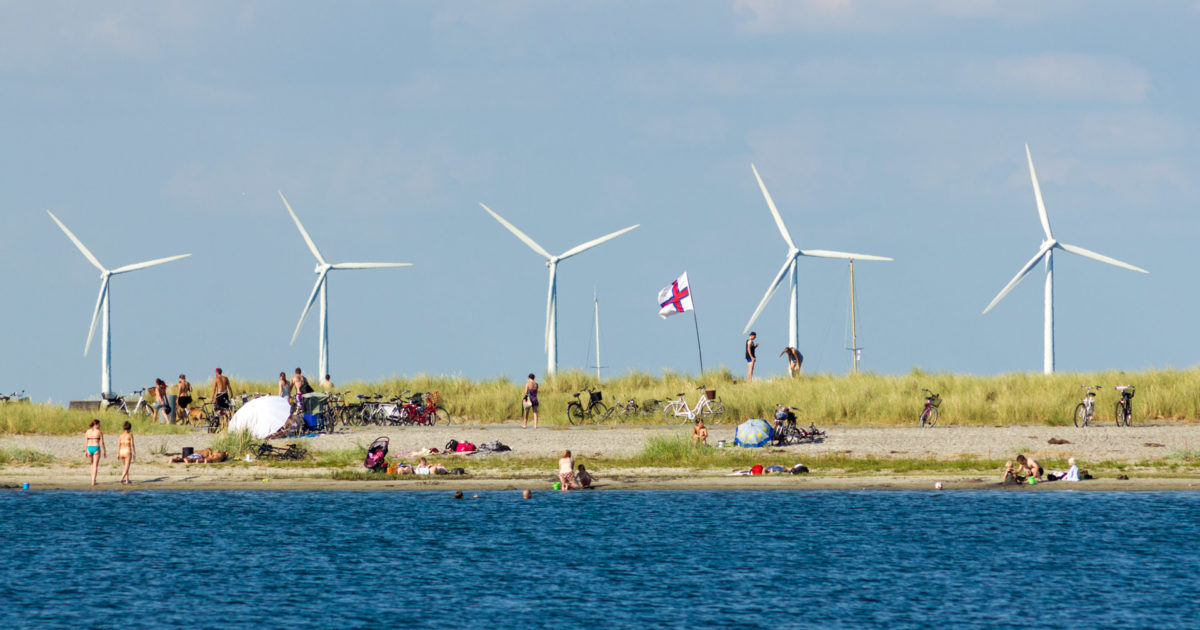
Wind energy: Moreover, Denmark is a world leader in wind power, and Copenhagen is no exception. Over 40% of the country’s electricity comes from wind, with many turbines located offshore near the capital.
-
Biomass: As a result, Many of Copenhagen’s district heating plants now run on biomass instead of coal, reducing emissions significantly.
-
Solar energy: Although Denmark isn’t known for its sunny weather, the city still utilizes solar panels across residential and commercial buildings.
-
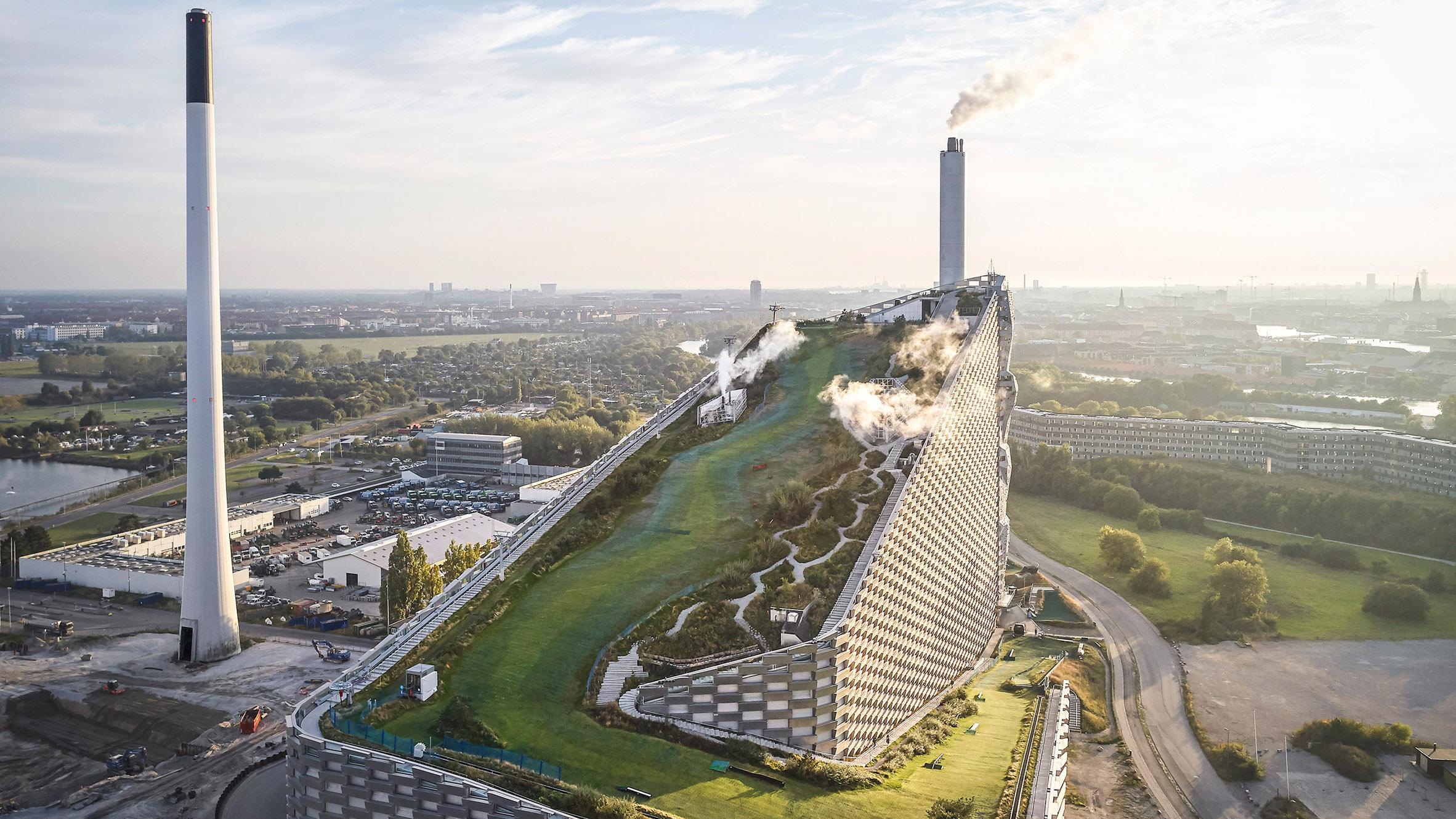
Waste-to-energy: The Amager Bakke waste-to-energy plant, also known as CopenHill, is one of the most iconic renewable energy projects in the world.
3. The Amager Bakke (CopenHill) – A Landmark of Green Innovation
If there’s one facility that symbolizes Copenhagen’s green transition, it’s CopenHill. Opened in 2017, Specifically, the Amager Bakke waste-to-energy plant converts 440,000 tons of waste annually into electricity and heating. for around 150,000 homes.
However, CopenHill isn’t just functional—it’s fun. A ski slope, hiking trail, and climbing wall crown the top of the plant is topped with a ski slope, hiking trail, and climbing wall, transforming a utility building into a recreational hub. This approach reflects Copenhagen’s philosophy of blending utility with urban livability, setting a new standard for multipurpose infrastructure.
4. Smart Grids and Intelligent Infrastructure
However, renewable energy alone isn’t enough—how that energy is distributed and used matters just as much. Copenhagen has invested in smart grid technology that allows for efficient electricity distribution, minimizes waste, and provides real-time feedback to consumers and utility companies.
For instance, smart meters, AI-powered traffic control, and IoT-connected street lighting are just a few ways the city is leveraging data and automation to improve energy efficiency and public services.

5. Sustainable Transportation: The Bicycle Capital of the World
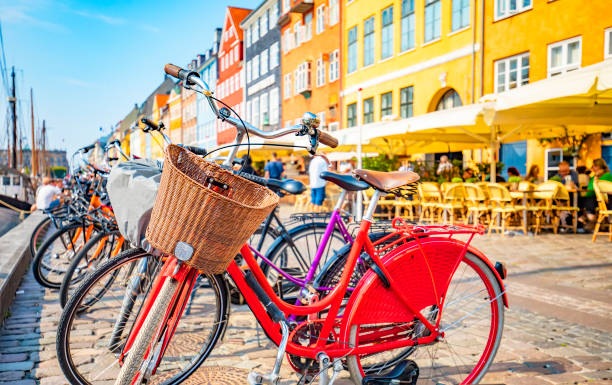
Copenhagen is often cited as the most bike-friendly city in the world, and it’s no coincidence. For example, 62% of Copenhageners commute by bike daily, thanks to over 400 kilometers of dedicated bike lanes.
In addition, the city has been integrating electric buses, car-sharing programs, and The city is actively integrating charging stations for EVs to further reduce transportation emissions. In addition, Public transport is increasingly powered by green electricity, making mobility in Copenhagen not just convenient, but clean.
6. Eco-Friendly Urban Planning and Green Buildings
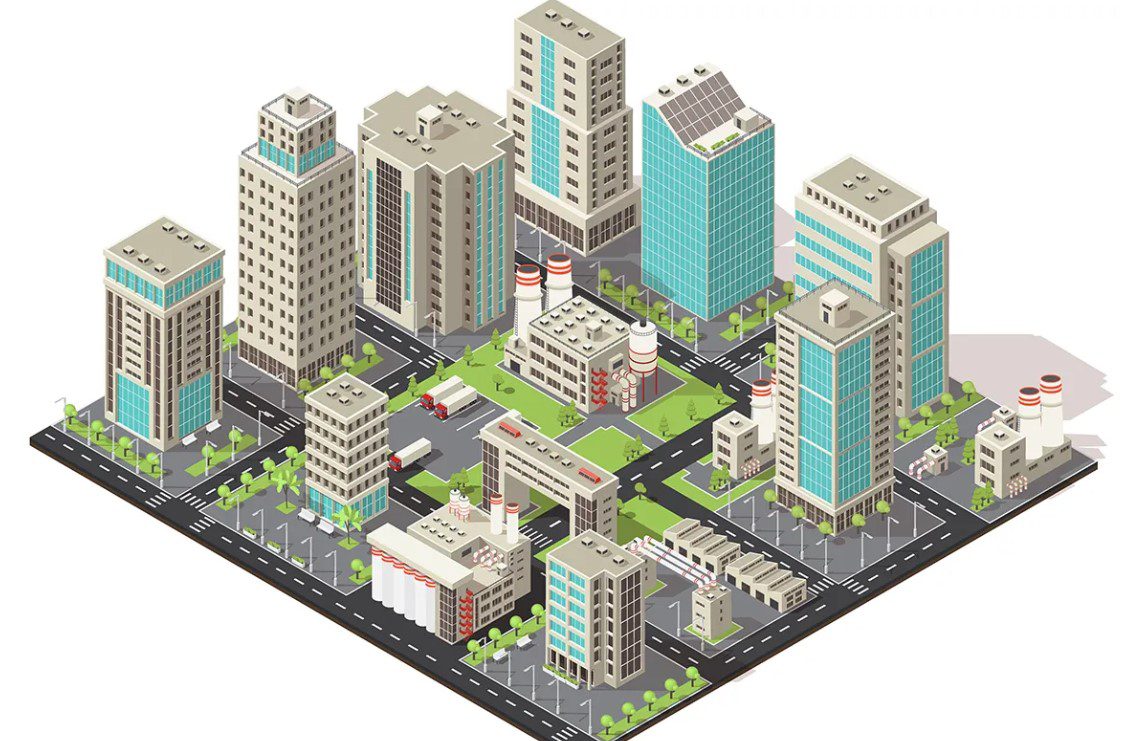
Urban planning in Copenhagen is guided by a philosophy of “compact city development”, meaning homes, jobs, and services are located close to one another. This reduces the need for long commutes and promotes walking, cycling, and public transit.
Copenhagen holds its buildings to high standards of energy efficiency, and new developments often include green roofs, solar panels, and rainwater harvesting systems. The city’s Nordhavn district, for example, is a model of a climate-resilient and smart neighborhood, built with circular economy principles in mind.
7. Past Successes That Laid the Foundation
Copenhagen’s green journey didn’t begin yesterday. The 1970s oil crisis forced Denmark to rethink its energy policies, leading to early investments in wind and district heating systems.
Throughout the 1990s and early 2000s, the city began retrofitting old buildings, expanding cycling infrastructure, and tightening environmental regulations. As a result, these past actions created a strong foundation for today’s renewable and smart city successes.
8. The Role of Citizen Engagement
A significant factor behind Copenhagen’s success is its engaged citizenry. Danes are generally highly supportive of environmental initiatives, and public input is often sought in city planning decisions.
Programs that allow residents to monitor their energy use, get rebates for home upgrades, or participate in green community events have created a culture where sustainability is part of everyday life.
9. Global Recognition and Partnerships
Copenhagen’s model hasn’t gone unnoticed. Notably,The city has earned multiple international awards, including:
-
European Green Capital (2014)
-
Smart City Expo World Congress Awards
-
Partnerships with cities like Singapore, San Francisco, and Beijing to share insights and replicate success.
Copenhagen also contributes to EU and UN climate initiatives, acting as a living lab for smart city technology.
10. What Other Countries Can Learn from Copenhagen
Copenhagen’s experience offers a rich source of inspiration and practical strategies for countries looking to go green. Here’s what others can take away:
-
Set clear, measurable goals: Copenhagen’s 2025 neutrality target has galvanized both public and private efforts.
-
Invest in infrastructure early: Smart grids, bike lanes, and public transport pay off over time.
-
Use policy to drive innovation: Regulations and incentives can steer markets toward greener solutions.
-
Prioritize people: Design cities around people, not cars, and engage citizens in the process.
-
Think long-term: Many of Copenhagen’s successes stem from decisions made decades ago.
Moreover, even cities in developing countries can adopt modular versions of Copenhagen’s strategies, such as microgrids, clean buses, and waste management innovations.
Conclusion: Copenhagen as a Renewable Smart City Role Model
Copenhagen stands as a shining example of what’s possible when renewable energy, smart technology, and sustainable urban planning come together under a clear vision. Its transformation has not only reduced emissions but enhanced the quality of life for its residents—proving that eco-friendly development and economic growth are not mutually exclusive.
As cities worldwide face mounting climate challenges, Copenhagen renewable energy smart city ’s journey offers a powerful roadmap. By adapting its principles to local conditions, countries can reap environmental, social, and economic rewards—creating cities that are not just smart, but also resilient, inclusive, and future-ready.
This vital topic will be explored in greater depth at the upcoming Future Smart Cities (FSC) – 8th Edition, taking place online on October 15–16, 2025. Organized in collaboration with the International University of Rabat (UIR), Morocco, and the University of Florence, the conference will gather experts, researchers, and city leaders to discuss how cities like Copenhagen are pioneering renewable energy integration and setting global benchmarks in smart city development.
If you’re passionate about the future of sustainable urbanism, this is a conversation you won’t want to miss.
