

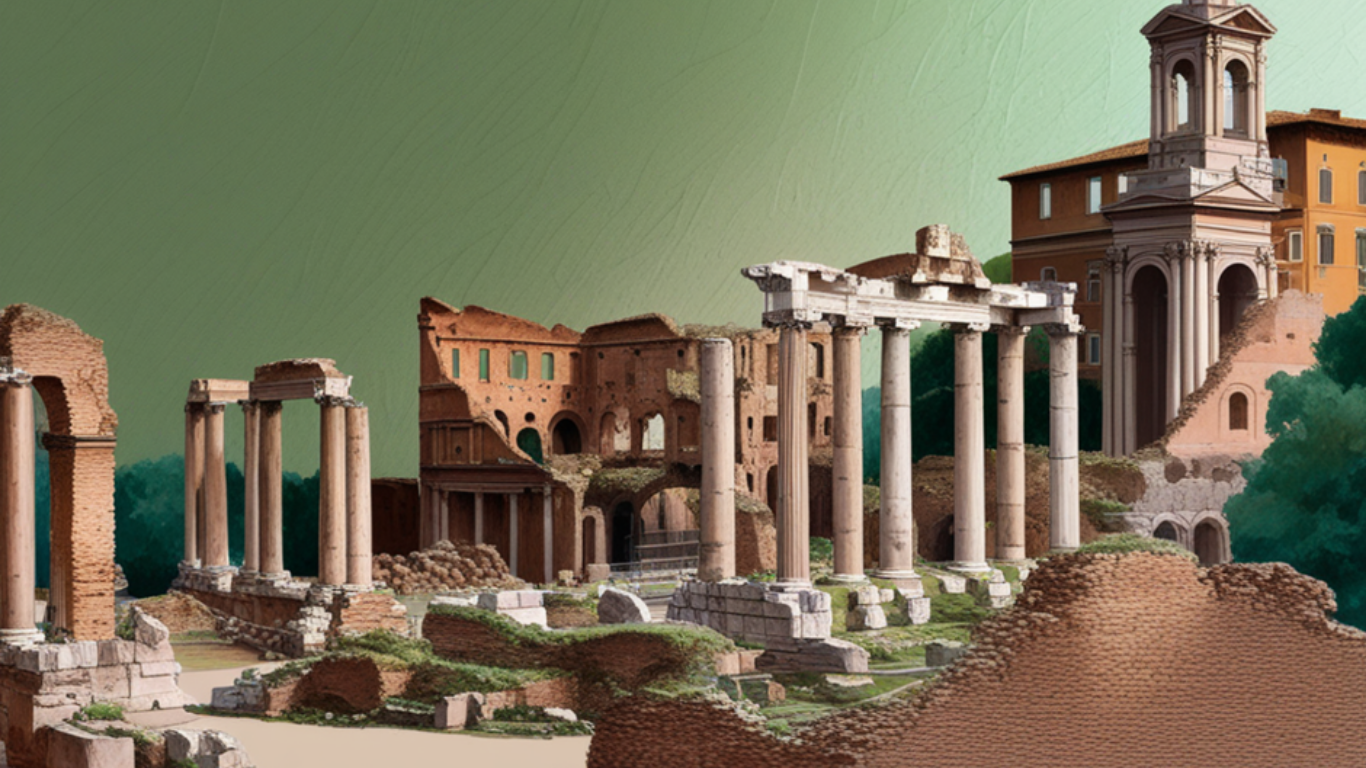

Rome, Italy, often celebrated as the Eternal City, is a living museum where layers of history, culture, and architecture blend seamlessly. As the capital of Italy and a global symbol of heritage, urban regeneration and sustainable development in Rome, Italy are critical to preserving its ancient roots while modernizing its urban fabric. Sustainable urban development in Rome is not just about infrastructure development—it is a comprehensive approach to sustainable planning, community engagement, and cultural revitalization. This blog explores how Rome has embraced urban regeneration, highlighting notable before-and-after examples, strategies, and its alignment with Italy’s broader goals of sustainable development and tourism enhancement.
Understanding Urban Regeneration in the Italian Context
Urban regeneration in Italy, particularly in Rome, focuses on revitalizing deteriorated or underused urban areas without displacing the local community or erasing cultural heritage. The process involves architectural restoration, adaptive reuse of historic buildings, upgrading public spaces, and integrating green infrastructure. It reflects Italy’s commitment to sustainable urban planning, as aligned with the United Nations’ Sustainable Development Goals (SDGs) and the European Union’s Urban Agenda.
In Rome, urban regeneration efforts aim to strike a balance between conservation and innovation. From repurposing abandoned railway yards to revitalizing historic districts, Rome’s urban landscape is continuously evolving to meet the needs of its citizens while preserving its cultural identity.
Notable Urban Regeneration Projects in Rome
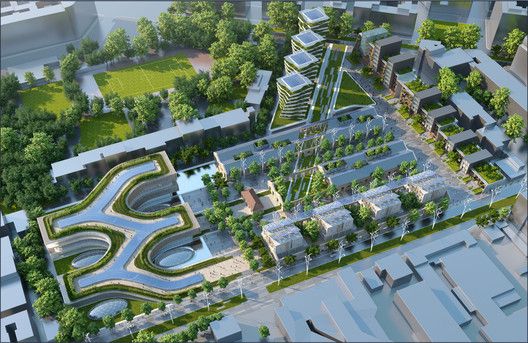
1. Città della Scienza (City of Science) at the Ex-SNIA Viscosa Factory
Before: Located in the eastern district of Rome, the SNIA Viscosa factory was once a thriving industrial site in the early 20th century. Over time, it was abandoned, becoming a symbol of urban decay and neglect.
After: The site was transformed into “Città della Scienza,” a hub for education, innovation, and environmental sustainability. The regeneration project preserved elements of the original industrial architecture while introducing laboratories, exhibition areas, and public spaces. It now serves as a community resource, supporting scientific research and environmental awareness.
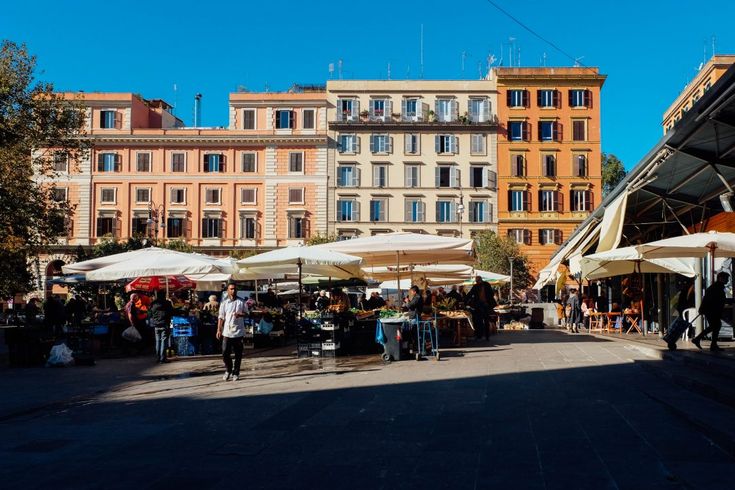
2. Piazza San Cosimato – Trastevere
Before: This historic piazza in the Trastevere district was once underutilized, with poor infrastructure and limited public engagement.
After: The regeneration process included resurfacing the square, adding new street furniture, and enhancing lighting. Now, Piazza San Cosimato has become a vibrant communal space, hosting markets, outdoor cinema events, and cultural activities. It is a testament to how small-scale urban interventions can significantly enhance the quality of urban life.
3. The Ostiense District
Before: Ostiense was traditionally a working-class industrial neighborhood with warehouses, power plants, and gasometers. It suffered from urban decay and lacked investment for many years.
After: Ostiense has emerged as a dynamic cultural and creative hub. The conversion of the former Centrale Montemartini power station into a museum that combines classical sculpture with industrial machinery is a highlight. The neighborhood also hosts art galleries, trendy cafes, and co-working spaces. The regeneration of Ostiense shows how industrial heritage can be reimagined into vibrant urban assets.
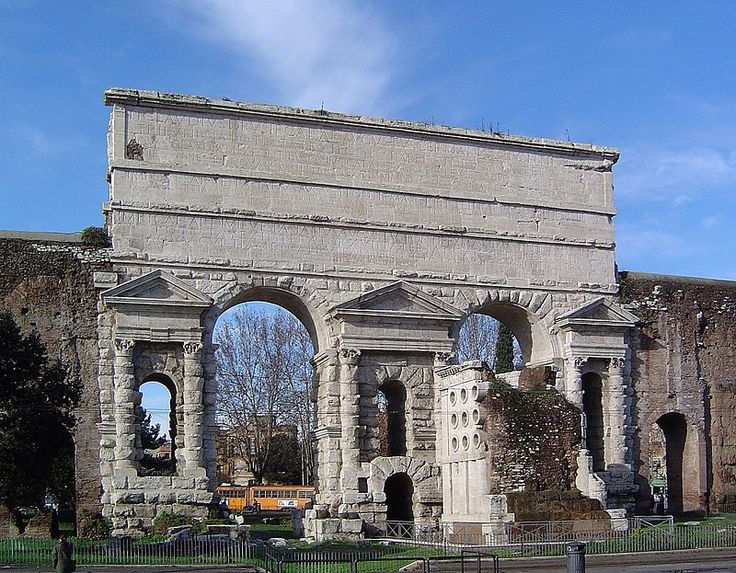
4. Porta Maggiore and the Roman Aqueducts
Before: Porta Maggiore, an ancient Roman gate intersected by several aqueducts, was once surrounded by traffic congestion and underutilized urban space.
After: Recent efforts have aimed at pedestrianizing parts of the area, installing informational signage, and improving landscaping to enhance public access and appreciation. These initiatives not only protect archaeological heritage but also promote walkability and tourism.
Strategic Approaches to Urban Regeneration in Rome
a) Adaptive Reuse
Adaptive reuse is at the core of urban regeneration and sustainable development in Rome, Italy. By repurposing historic buildings for modern uses—such as museums, schools, and offices—Rome retains its architectural legacy while meeting contemporary needs. This practice reduces construction waste and preserves the aesthetic continuity of the city.
b) Green Infrastructure
Incorporating green infrastructure into urban regeneration is increasingly common. Projects include rooftop gardens, urban forests, green walls, and the restoration of the Tiber River banks. These not only enhance urban biodiversity but also mitigate heat islands and improve air quality.
c) Community Participation
Many of Rome’s regeneration projects emphasize community engagement. Local stakeholders, including residents, businesses, and non-profits, are involved in planning and decision-making. This inclusive approach ensures that developments meet local needs and strengthen community identity.
d) Smart City Technologies
Rome is gradually integrating smart city solutions—like digital mapping, traffic management systems, and smart lighting—into regeneration efforts. These technologies improve efficiency and enhance the urban experience for both residents and tourists.
Challenges and Solutions
Urban regeneration and sustainable development in Rome, Italy, face challenges such as Bureaucratic hurdles, funding constraints, and heritage preservation conflicts often slow down progress. However, public-private partnerships and EU funding mechanisms have played a crucial role in overcoming these barriers. The use of temporary urbanism—like pop-up parks and experimental installations—also allows for testing ideas before full-scale implementation.
Another key challenge is gentrification. Regeneration can sometimes lead to rising property prices and displacement of low-income residents. To combat this, policies focusing on affordable housing, rent control, and social inclusivity are increasingly integrated into regeneration plans.
Urban Regeneration and Sustainable Tourism
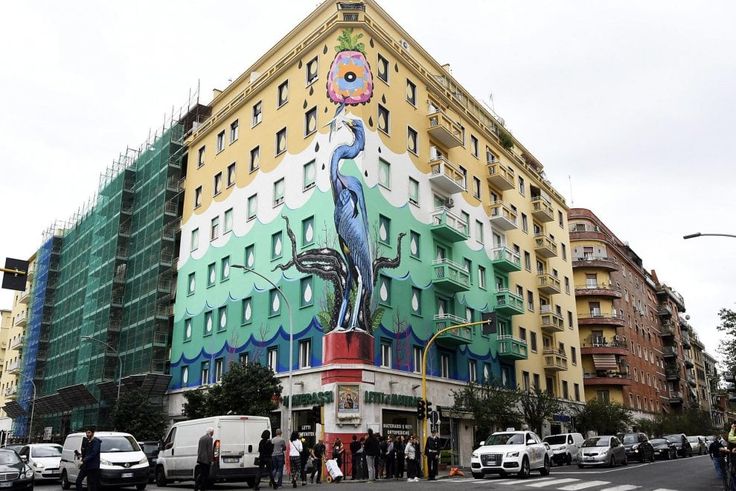
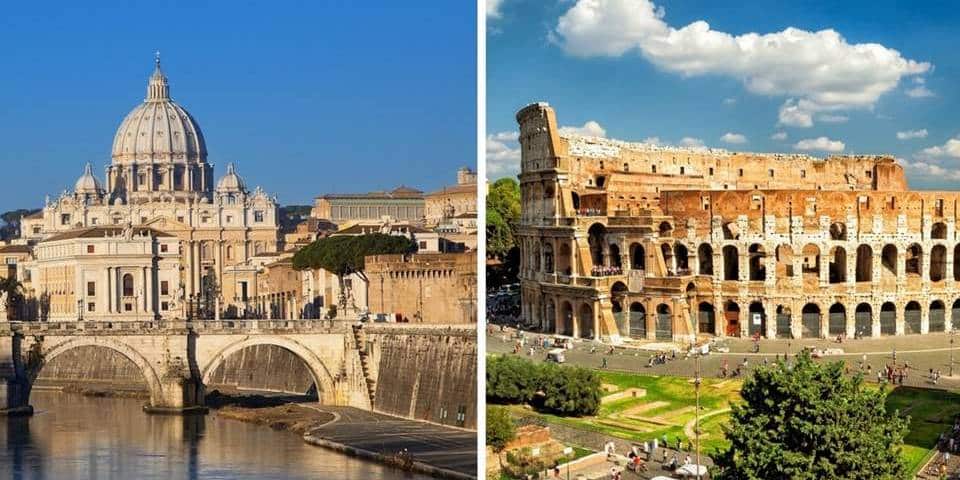
Rome’s urban regeneration initiatives align with Italy’s broader goals of promoting sustainable tourism. By revitalizing lesser-known neighborhoods and improving public transport connectivity, Rome encourages visitors to explore beyond the historical center, reducing pressure on over-touristed areas like the Colosseum and Vatican.
Projects like the regeneration of Testaccio and Pigneto—neighborhoods once overlooked by tourists—have diversified Rome’s cultural offerings. They now feature vibrant street art, local cuisine, and artisan markets, appealing to modern travelers seeking authentic experiences.
The Role of Academia and Research
Italian universities and research institutions, such as Sapienza Università di Roma, play a pivotal role in guiding urban regeneration. Through interdisciplinary research, urban labs, and collaboration with policymakers, they provide evidence-based solutions and training for the next generation of urban planners and architects.
International conferences like the “Urban Regeneration and Sustainability” (URS) conference, scheduled to take place in Rome from 25 to 27 November 2025, further foster dialogue between academia, industry, and government. These platforms highlight best practices, innovative tools, and case studies from Rome and beyond, reinforcing Italy’s position as a leader in sustainable urban development.
Looking Forward: Rome’s Regenerative Future
Rome continues to evolve, guided by principles of sustainability, resilience, and cultural preservation. Upcoming projects include:
- Regeneration of the Flaminio District: Involving the transformation of old military barracks into cultural and residential spaces.
- Reimagining the Tiber River: Proposals aim to create continuous riverfront parks, pedestrian zones, and cultural installations.
- Metro Line C Expansion: Supporting sustainable mobility and connectivity in outer neighborhoods.
As Rome prepares for future challenges such as climate change, population growth, and economic shifts, urban regeneration will remain a central tool for fostering a more inclusive, livable, and heritage-rich city.
