


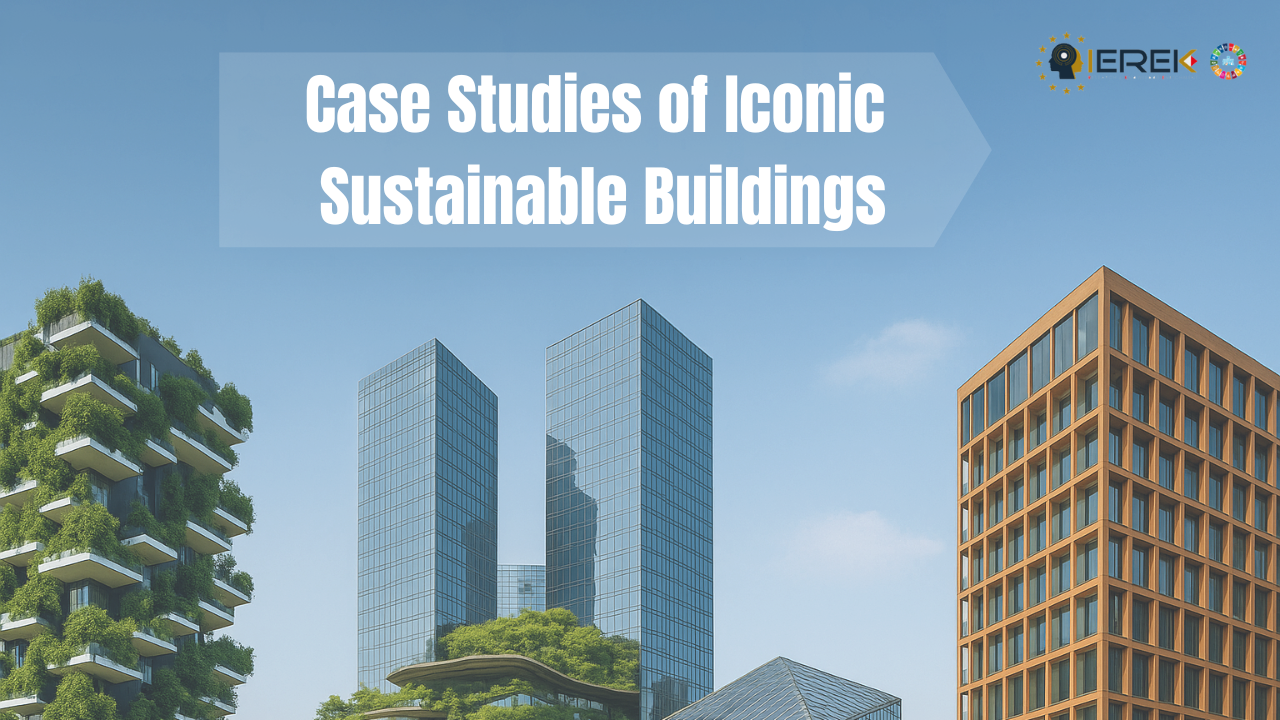

In today’s world, where climate change and environmental concerns increasingly dominate global conversations, iconic sustainable buildings have emerged not just as a trend, but as an urgent necessity. Indeed, around the world, a new wave of eco-conscious buildings is actively redefining what it means to live, work, and coexist with the environment. Importantly, these structures are not just buildings—they are powerful statements of innovation, responsibility, and futuristic design.
With that in mind, welcome to a deep dive into some of the most remarkable sustainable buildings across the globe. Moreover, these case studies will showcase not only architectural brilliance but also cutting-edge green technologies and sustainable strategies that have the potential to fundamentally reshape our urban landscapes.
What Makes a Building Sustainable?
Before we explore the icons, let’s define what sustainability in architecture truly means.
Iconic sustainable buildings are designed and constructed to minimize environmental impact. This includes:
-
First and foremost, efficient use of energy, water, and materials
-
Additionally, minimizing waste and pollution
-
Furthermore, incorporating renewable energy sources
-
Alongside these efforts, enhancing occupant well-being
-
Moreover, using green building certifications like LEED, BREEAM, or WELL
Together, these principles guide the development of eco-friendly structures that don’t just look futuristic—they function as vital tools for planetary preservation.
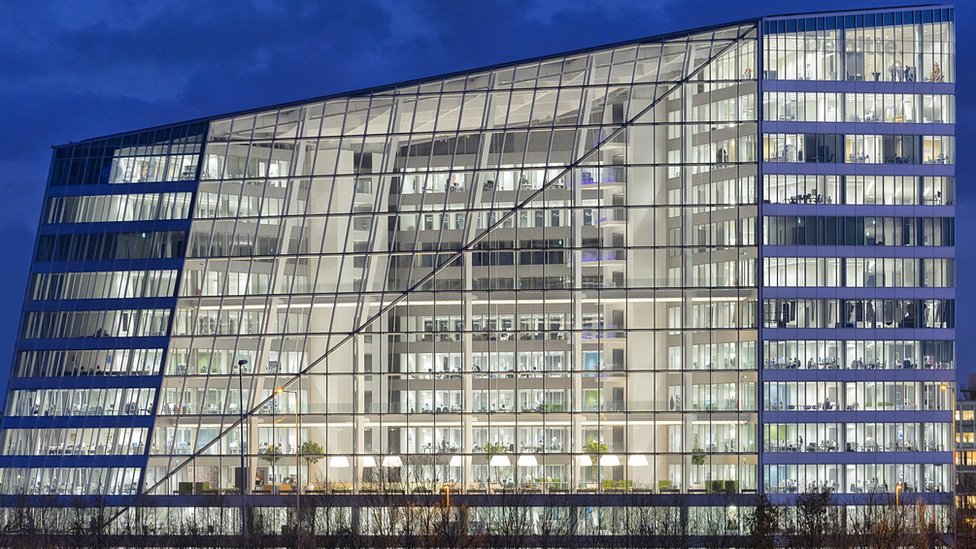
1. The Edge, Amsterdam – The Smartest Green Office
Dubbed “the greenest building in the world” by BREEAM with a 98.36% sustainability score, The Edge in Amsterdam is a high-tech, energy-positive office building developed by OVG Real Estate.
Key Sustainable Features:
-
Solar panels covering the entire southern facade
-
Rainwater harvesting for flushing toilets and irrigating gardens
-
A smart lighting system using 28,000 sensors to reduce energy use
-
Connected to a smartphone app that assigns workspaces based on daily needs
It’s more than a building—it’s a living, breathing ecosystem that adapts to human behavior.
2. Bosco Verticale, Milan – Vertical Forest Skyscrapers
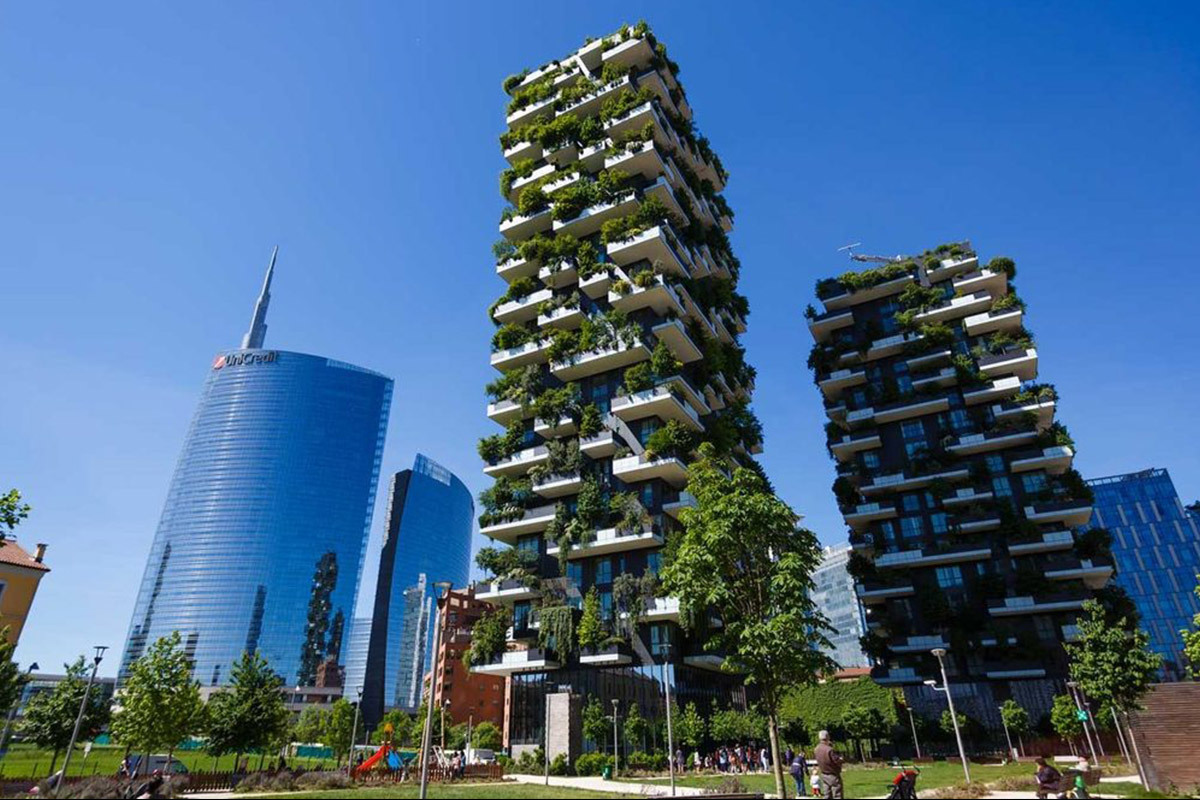
Imagine two residential towers wrapped in a lush green blanket of trees and shrubs. That’s Bosco Verticale—or “Vertical Forest”—designed by Stefano Boeri Architetti in Milan.
Why It’s Iconic:
-
Over 900 trees and 20,000 plants on balconies
-
Equivalent to a 20,000m² forest in carbon absorption
-
Reduces urban heat island effect and improves biodiversity
-
Promotes natural air filtration and noise insulation
This green duo is a beacon for biophilic design, integrating nature directly into urban living.
3. One Central Park, Sydney – A Living Urban Garden
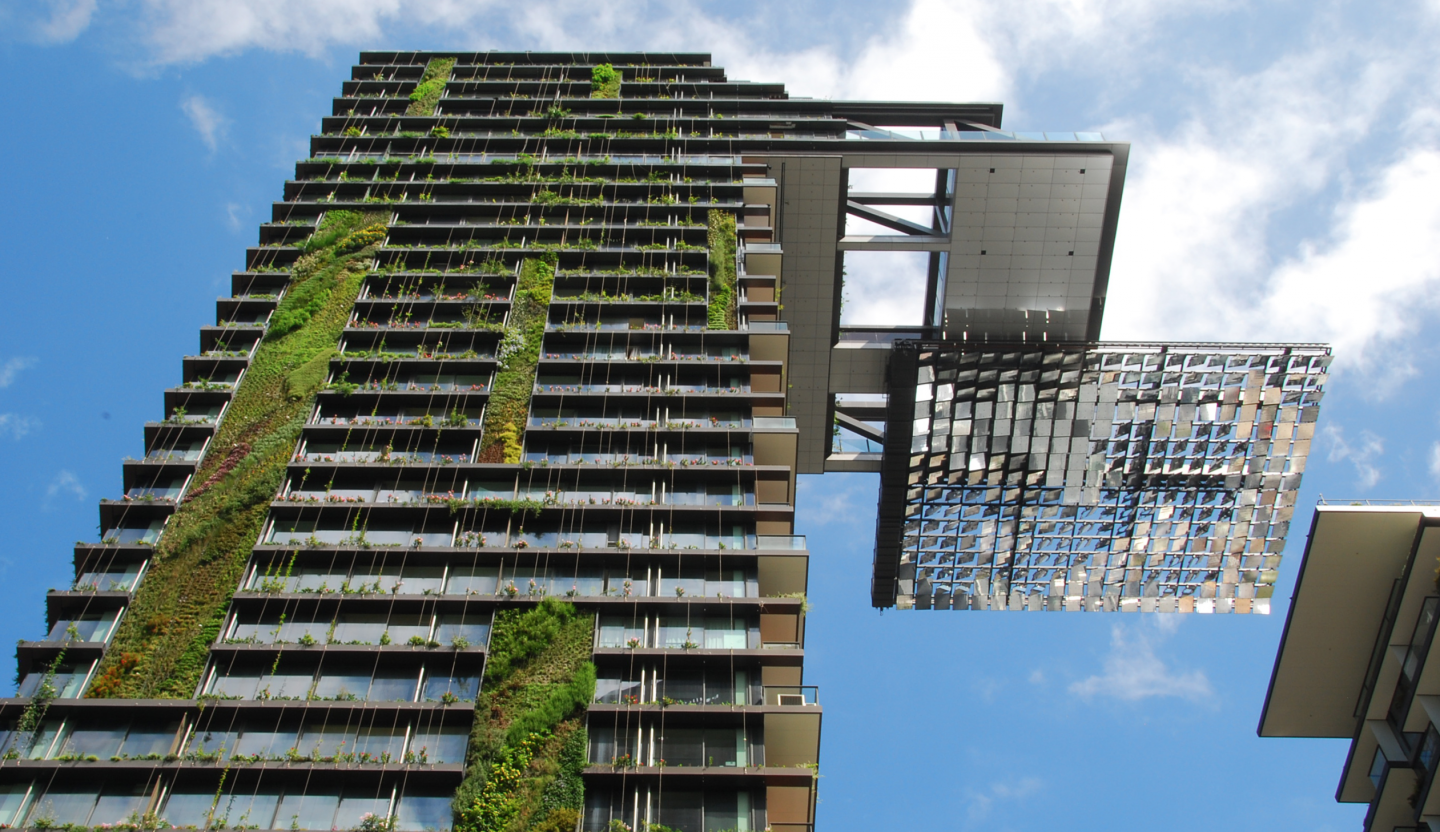
Located in Sydney, One Central Park is a visually striking residential building that feels more like a garden in the sky.
Innovative Green Tech:
-
A heliostat mirror system directs sunlight into shaded areas
-
Over 250 species of Australian plants and vines growing on its facade
-
Integrated water recycling and tri-generation energy systems
This building not only pushes aesthetic boundaries it champions sustainability as art.
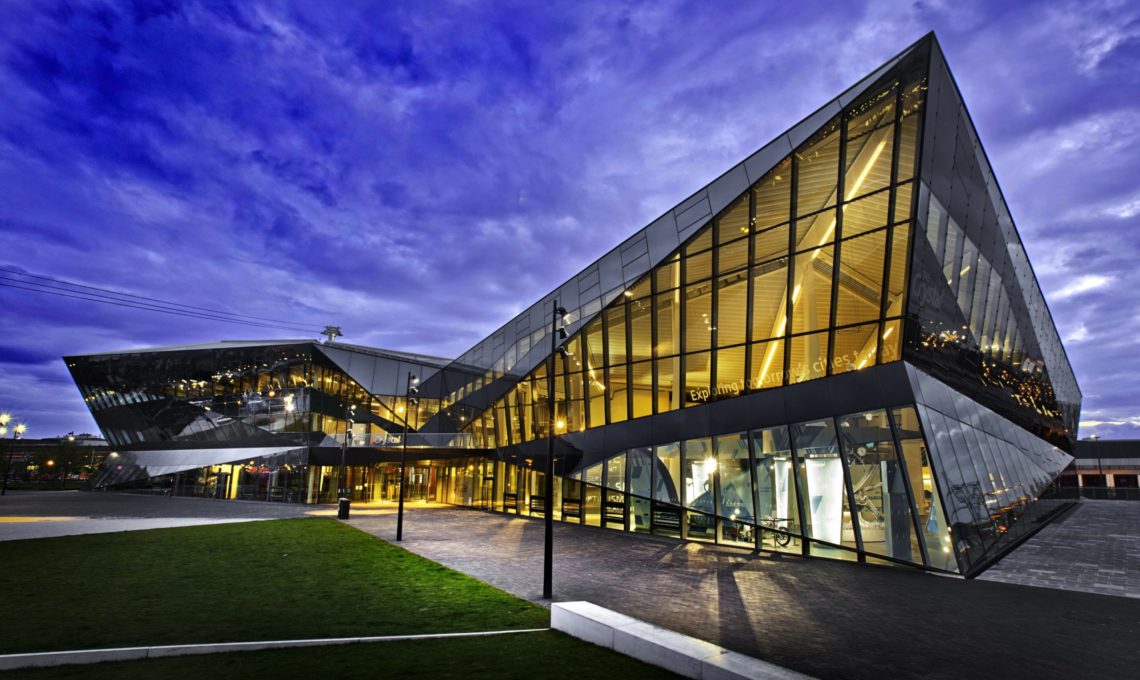
4. Crystal, London – A Sustainable Cities Showcase
Owned by Siemens, The Crystal is a sustainability landmark in London and serves as an exhibition center for green technologies.
Green Credentials:
-
Fully electric with no fossil fuel usage
-
Uses ground source heat pumps and solar panels
-
Consumes 70% less CO2 than comparable office buildings
-
Harvests rainwater and recycles greywater
The Crystal is a case study of sustainable urbanism, showcasing how cities can evolve sustainably.
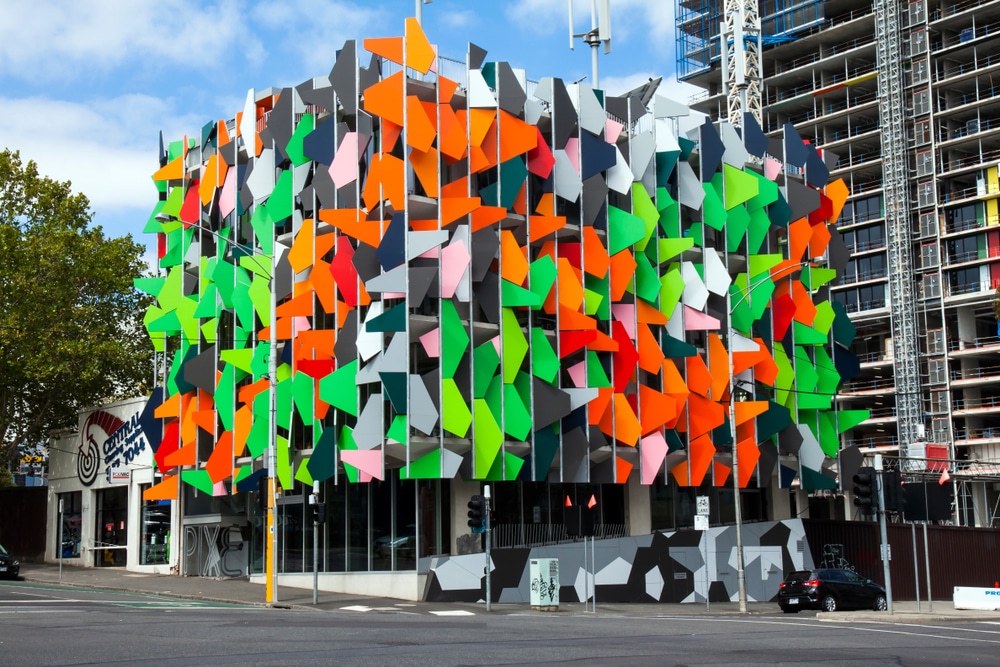
5. Pixel Building, Melbourne – Zero Carbon Dream
The Pixel Building is Australia’s first carbon-neutral office. It’s compact, colorful, and incredibly eco-savvy.
Sustainability Superpowers:
-
100% energy self-sufficient via solar and wind
-
An on-site bioreactor to treat sewage
-
Double-glazed windows and a rooftop garden for thermal regulation
-
Rainwater harvesting with advanced filtration systems
Despite its small size, Pixel makes a big impact as a pioneer of green innovation.
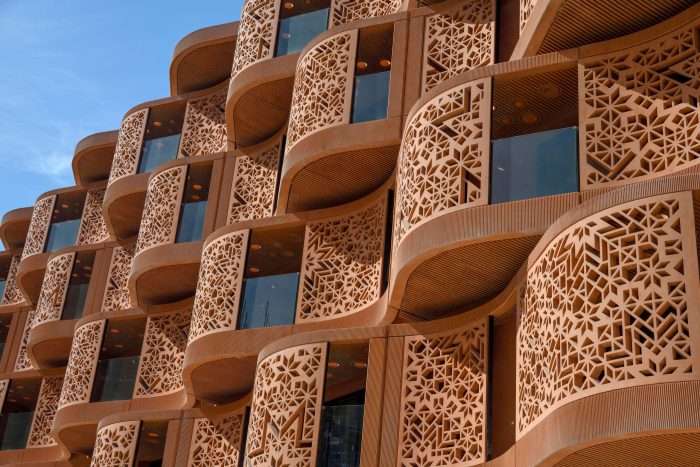
6. Masdar City, UAE – Building a Net-Zero City
Though still under development, Masdar City in Abu Dhabi is one of the most ambitious projects aimed at creating a zero-carbon, zero-waste city.
Visionary Features:
-
Powered entirely by solar energy and wind farms
-
Electric, driverless public transport
-
Buildings oriented to reduce cooling needs in the desert climate
-
Focused on waste reduction, recycling, and closed-loop systems
Masdar isn’t just a city—it’s a glimpse into our sustainable future.
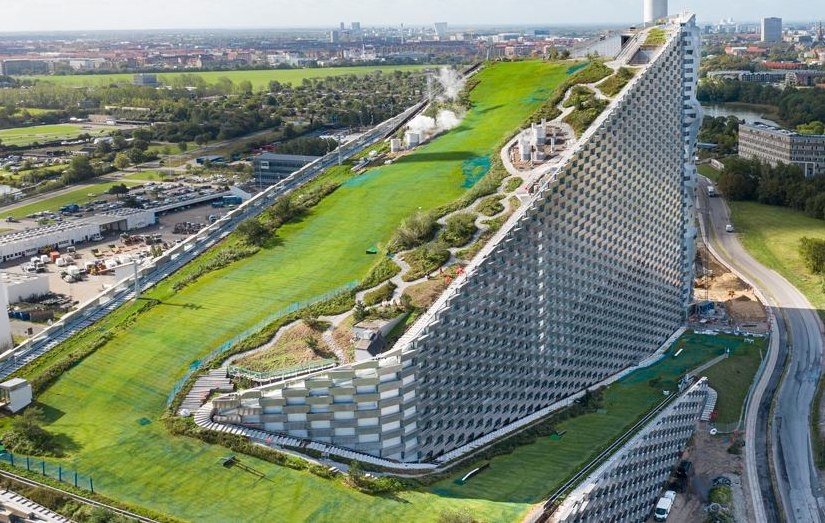
7. CopenHill, Copenhagen – A Power Plant with a Ski Slope
Yes, you read that right. CopenHill (Amager Bakke) is a waste-to-energy plant in Denmark that also functions as a ski slope, hiking trail, and climbing wall.
Eco + Fun:
-
Converts 440,000 tons of waste into energy annually
-
Emits zero toxic air pollutants
-
Features a rooftop green space and public park
-
Demonstrates how industrial architecture can be playful and functional
CopenHill redefines what it means to mix urban recreation with sustainability.
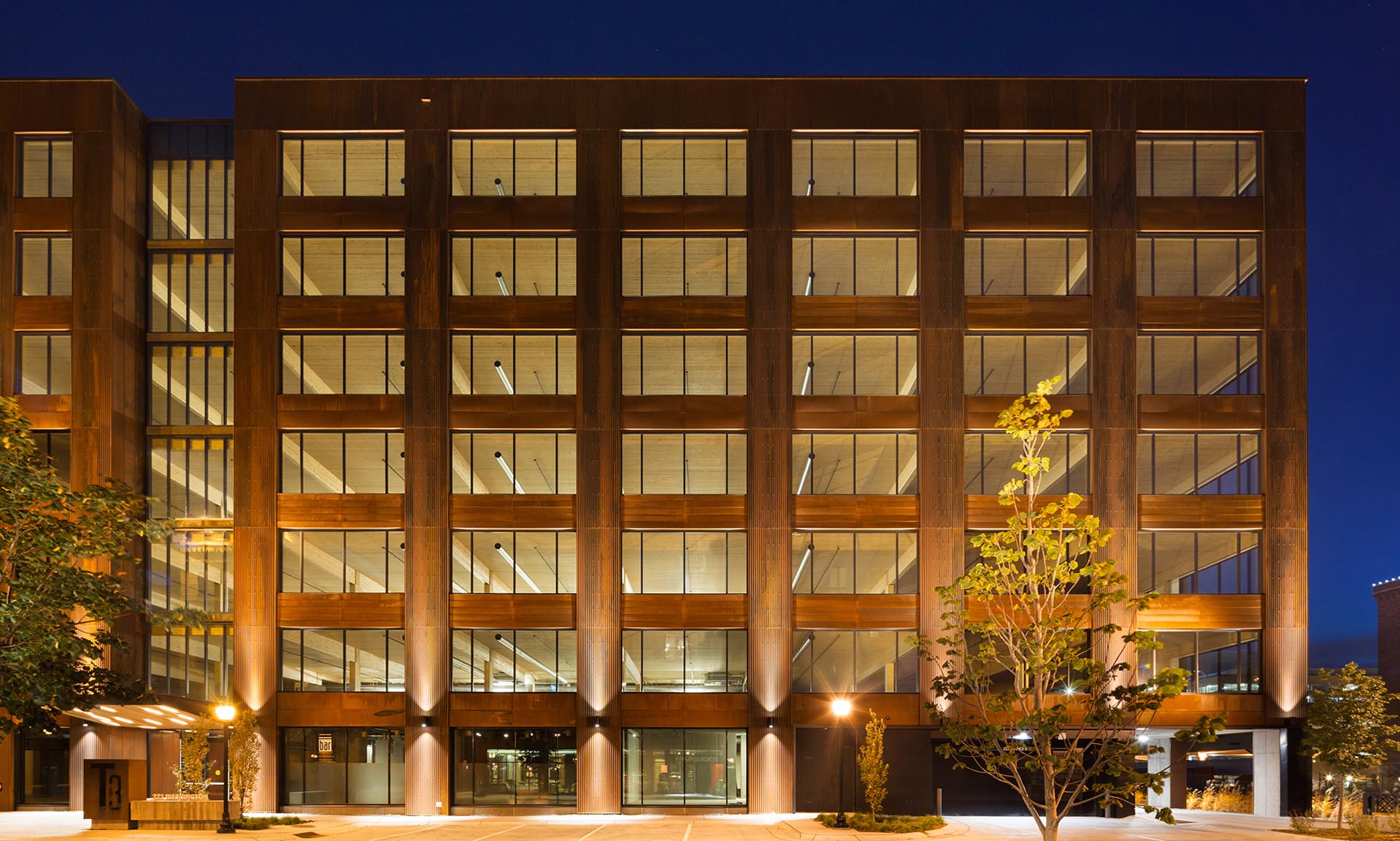
8. T3 Building, Minneapolis – Mass Timber for the Win
The T3 Building (Timber, Technology, Transit) is a seven-story office space made almost entirely of mass timber—a renewable and low-carbon alternative to concrete and steel.
Green Building Highlights:
-
Reduces construction carbon footprint by 75%
-
Locally sourced wood ensures sustainability
-
Modular design means faster, cleaner construction
-
Creates a warm, natural indoor environment
Mass timber is the rising star of sustainable construction—and T3 is leading the way.
9. Singapore’s Marina One – Green Heart of the City
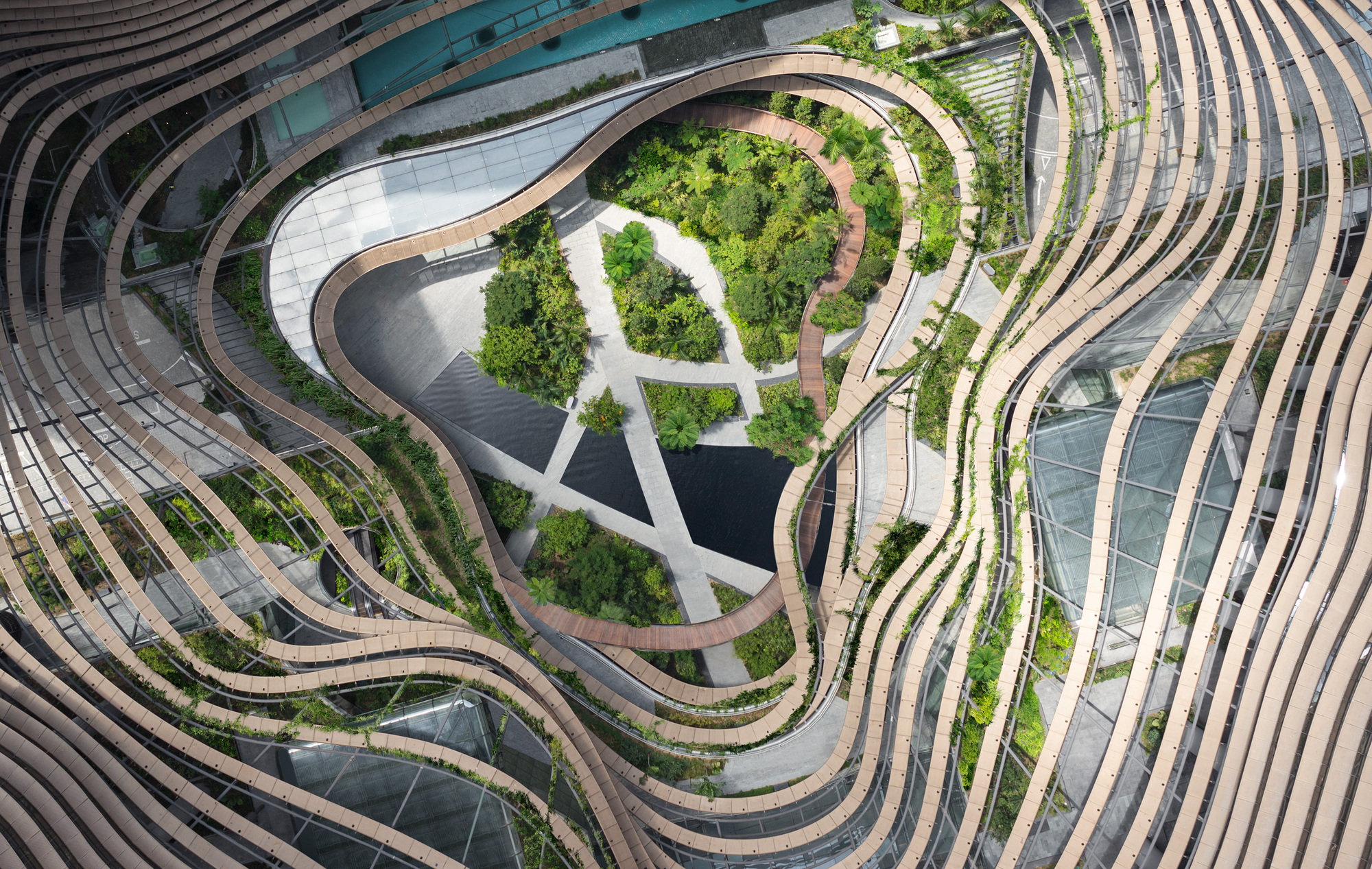
Marina One is a mixed-use development in Singapore that features a breathtaking inner green core, making it one of Asia’s most impressive sustainable structures.
Notable Sustainability Features:
-
Features the “Green Heart” – a multi-story biodiversity garden
-
Optimized natural ventilation via aerodynamic architecture
-
Rainwater harvesting and energy-efficient cooling systems
-
LEED Platinum certified for its green performance
Marina One is proof that dense urban areas can still bloom with biodiversity.
10. Bullitt Center, Seattle – The Greenest Commercial Building
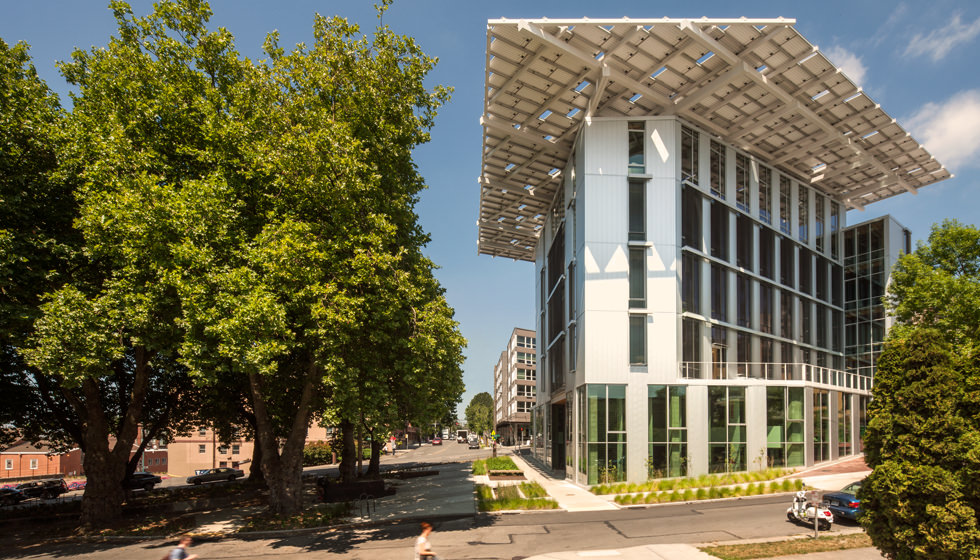
Built to meet the Living Building Challenge, the Bullitt Center in Seattle is arguably the most self-sustaining commercial structure in the U.S.
Outstanding Green Features:
-
100% solar-powered despite Seattle’s cloudy weather
-
Rainwater collected and filtered for all water needs
-
Composting toilets and zero discharge to city sewage
-
Designed to last 250+ years
Dubbed the “Tesla of buildings,” the Bullitt Center is a masterclass in regenerative architecture.
Trending Now: What These Buildings Teach Us About the Future
These sustainable marvels offer more than visual or functional innovation—they serve as blueprints for climate-resilient cities. The trend is shifting from standalone green buildings to entire sustainable districts and net-zero communities.
Some key takeaways:
-
Nature and architecture must blend, not compete.
-
Smart systems and AI are integral to efficiency.
-
Buildings should be adaptive, resilient, and regenerative.
-
Carbon-neutral goals are not futuristic—they’re now.
Conclusion: Green Icons That Inspire Global Change
These case studies of iconic sustainable buildings clearly illustrate an important message: we can build a better world, one structure at a time. Moreover, from smart offices and vertical forests to entire zero-carbon cities, these projects are not just about reducing footprints; rather, they’re about creating lasting legacies of responsible design.
This blog on iconic sustainable buildings perfectly aligns with the goals of the Sustainability in Creative Industries (4th Edition) conference hosted by IEREK. Both emphasize the vital role of innovative design and sustainable practices in shaping a greener future. By exploring groundbreaking case studies in eco-friendly architecture, this article complements the conference’s mission to inspire creative solutions that drive environmental responsibility across industries.
Check our Showcase Here.
If you’re an architect, city planner, or eco-conscious dreamer, take heart. The blueprint for a sustainable future is already here and it’s breathtakingly beautiful.
Sustainability isn’t just a goal; it’s becoming the global standard. Let’s build the future today.
