


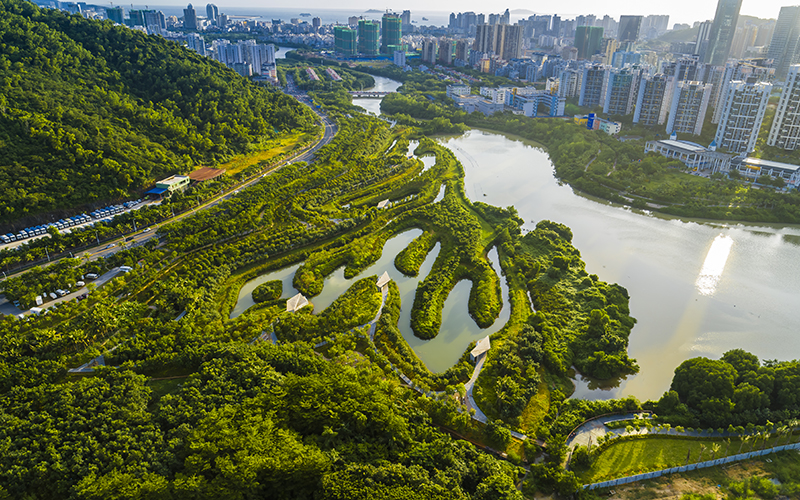

In the face of rapid urbanization and the growing threats of climate change, green infrastructure has emerged as a powerful solution for sustainable development. More than just a trend, it represents a long-term investment in the health, resilience, and livability of our cities. Implementing green infrastructure for sustainable cities helps address environmental challenges while improving quality of life for urban residents.
What Is Green Infrastructure?
Green infrastructure refers to a network of natural and semi-natural systems that provide environmental, social, and economic benefits. This includes elements like:
-
Green roofs and walls
-
Urban forests and street trees
-
Rain gardens and bioswales
-
Permeable pavements
-
Wetlands and restored rivers
Unlike traditional “grey” infrastructure, which focuses solely on utility, green infrastructure supports ecosystem services such as stormwater management, air purification, biodiversity enhancement, and urban cooling.
Why Green Infrastructure Matters
1. Stormwater Management
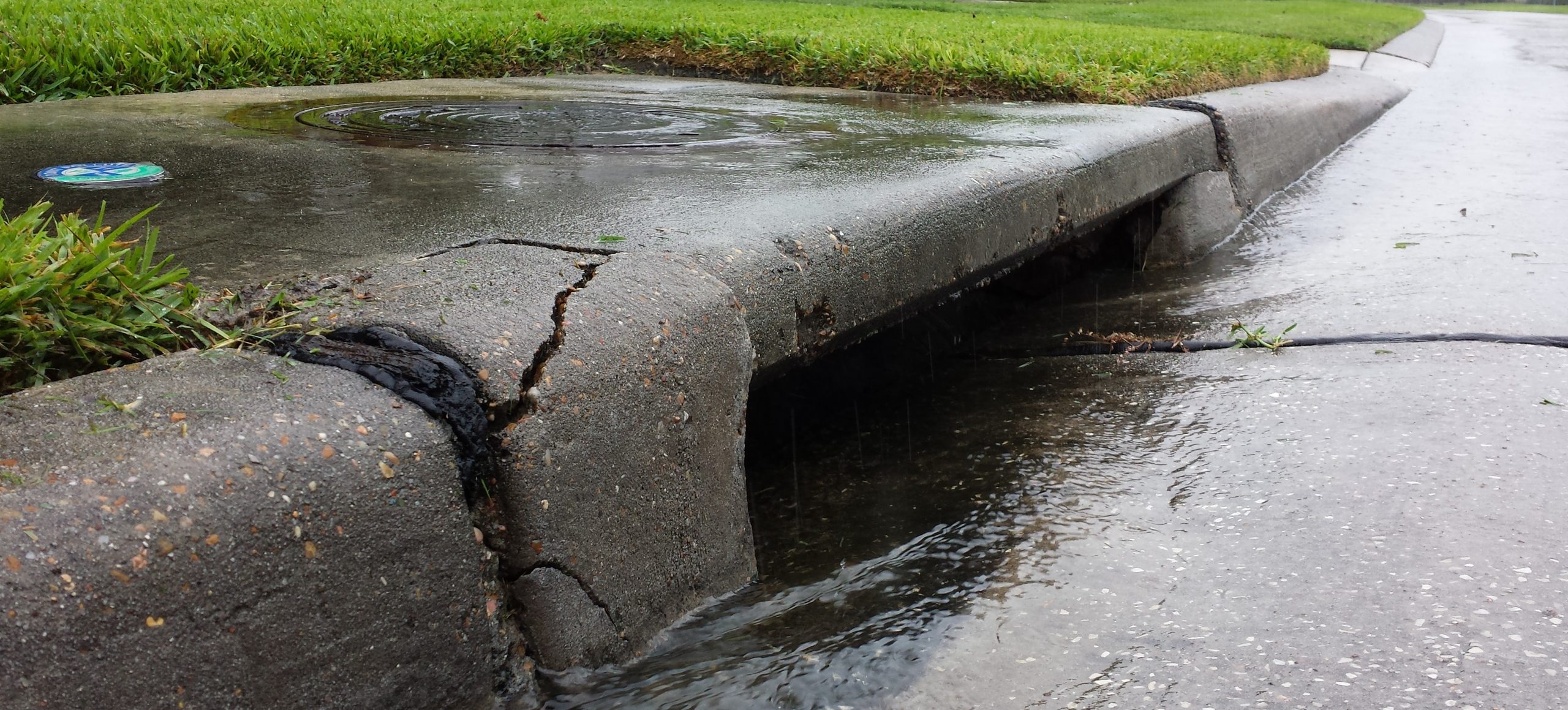
Cities face increasing risks of flooding due to heavier and more frequent storms. Green infrastructure absorbs and filters rainwater, reducing runoff and the burden on aging sewer systems. This prevents water pollution and protects waterways.
2. Improved Air and Water Quality
Vegetation in urban areas captures airborne pollutants and filters contaminants from rainwater. This results in cleaner air to breathe and safer rivers and lakes.
3. Mitigating Urban Heat Island Effect
Urban areas are often several degrees warmer than surrounding rural regions. Green spaces cool the environment through shade and evapotranspiration, reducing the need for energy-intensive air conditioning.
4. Boosting Biodiversity
Urban greenery supports a wide range of plant and animal life. From pollinators to birds, these ecosystems contribute to healthier and more balanced urban environments.
5. Enhancing Public Health and Well-being
Access to parks, greenways, and natural elements in cities is linked to lower stress levels, increased physical activity, and better mental health. Green infrastructure promotes social equity by providing inclusive public spaces.
Green Infrastructure in Action
Around the world, cities are investing in green infrastructure for sustainable cities to improve quality of life:
-
New York City has developed an extensive Green Infrastructure Program to manage stormwater and reduce combined sewer overflows.
-
Singapore, known as a “City in a Garden,” integrates green roofs, vertical gardens, and nature parks into urban planning.
-
Copenhagen transformed its streets with cloudburst boulevards and green corridors to protect against flooding.
![Copenhagen and sustainability]()
Copenhagen and sustainability
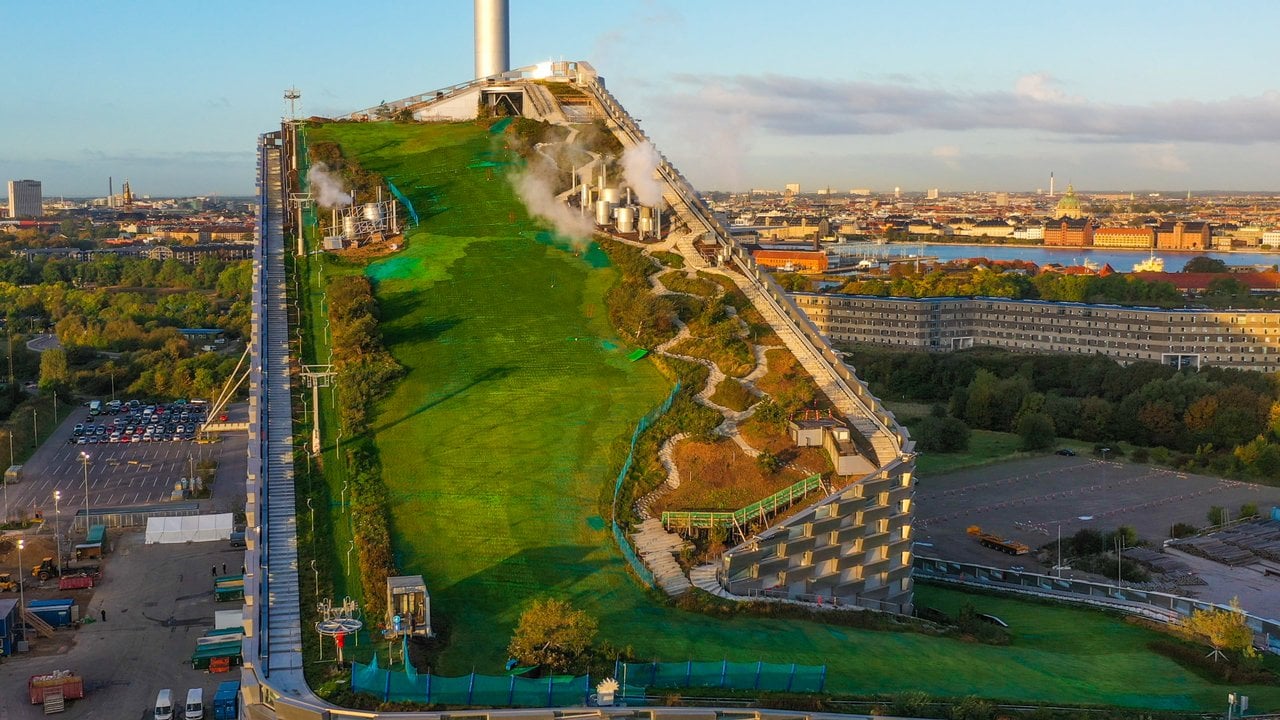
These examples show that green infrastructure isn’t just theory—it’s a practical, proven strategy with long-term benefits.
Economic and Social Benefits
Beyond environmental advantages, green infrastructure provides substantial economic value:
-
Increased property values near parks and green spaces
-
Lower energy costs due to improved insulation and cooling
-
Job creation in landscape architecture, construction, and maintenance
-
Resilience to climate shocks, reducing future repair and disaster response costs
Green infrastructure also fosters community engagement and pride. When people are involved in planting trees or designing green spaces, they take ownership and become stewards of their neighborhoods.
Planning for the Future
Integrating green infrastructure into urban planning requires collaboration between governments, developers, architects, and communities. Key steps include:
-
Updating building codes and zoning laws to encourage green features
-
Investing in green corridors and stormwater-friendly landscapes
-
Educating the public about the benefits and maintenance of green systems
-
Partnering with private sectors to fund green retrofits
Conclusion
Green infrastructure is not a luxury—it’s a necessity for building resilient, healthy, and sustainable cities. As we face the challenges of climate change, urban growth, and resource scarcity, green infrastructure for sustainable cities offers a practical, cost-effective, and visionary path forward.
The 10th edition of the International Conference on Urban Planning and Architectural Design for Sustainable Development (UPADSD) will take place in collaboration with Università degli Studi di Firenze from October 21st to 23rd, 2025.
This conference will showcase modern methods in sustainable urban planning and architectural development, presenting innovative research from global contributors. Researchers, professionals, academics, and practitioners are invited to join us in Florence for this significant gathering.
