


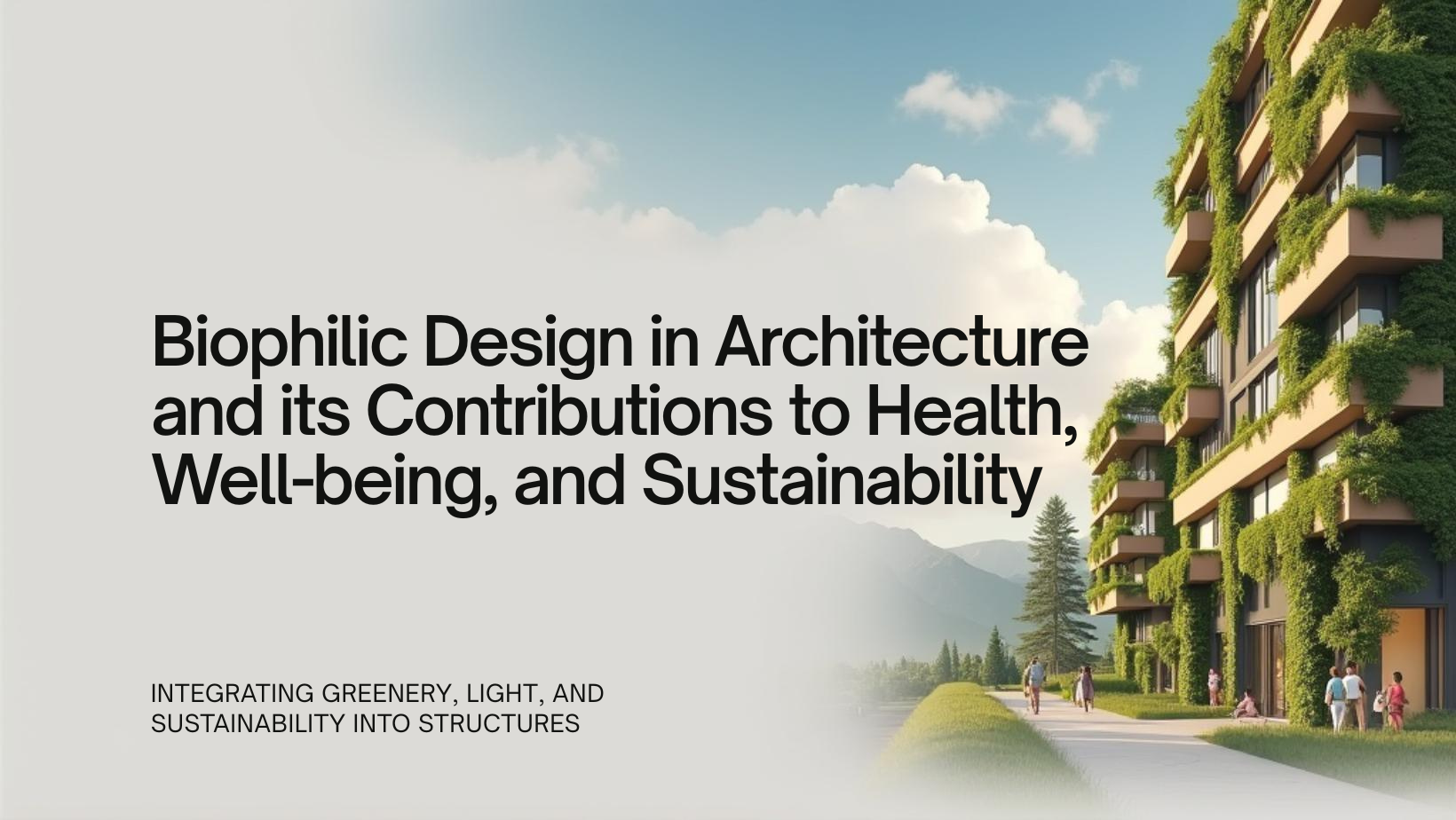

As cities expand and populations grow, urban life becomes increasingly disconnected from the natural environment. Modern architecture, often dominated by steel, glass, and concrete, has led to sterile, artificial environments that can contribute to stress, anxiety, and declining health. In response, architects, urban planners, and researchers have turned to biophilic design in architecture for health and sustainability—an approach that re-establishes the human-nature connection within built environments.
Biophilic design is based on the concept of biophilia, a term popularized by biologist E.O. Wilson, which describes the innate human attraction to nature and living systems. This design philosophy integrates natural elements into architectural and urban design, promoting physical and psychological health, enhancing well-being, and advancing sustainability.
Core Principles of Biophilic Design
Biophilic design is not simply about adding plants to a space. It is a multidisciplinary approach grounded in science and psychology. The core principles include:
-
Direct contact with nature: Incorporating elements such as vegetation, natural light, water, and fresh air.
-
Indirect experiences of nature: Using natural materials, colors, and textures to evoke nature.
-
Spatial configurations: Designing spaces that mimic natural environments, like open vistas, refuges, and organic shapes.
Contributions to Health and Well-being
1. Stress Reduction and Mental Health
Numerous studies have shown that exposure to nature reduces stress, anxiety, and depression. Biophilic environments can lower blood pressure and cortisol levels while enhancing mood and emotional stability.
Case Study: Maggie’s Centre, Manchester, UK
Designed by Foster + Partners, Maggie’s Centre provides support for people living with cancer. The building emphasizes natural materials like timber, abundant daylight, and indoor greenery. The design creates a peaceful and welcoming atmosphere, where patients and visitors can feel calm and supported. The natural environment has been reported to alleviate emotional distress and promote healing.
2. Cognitive Performance and Productivity
Access to daylight and natural views in workplaces and educational institutions improves concentration, memory, and overall cognitive function.
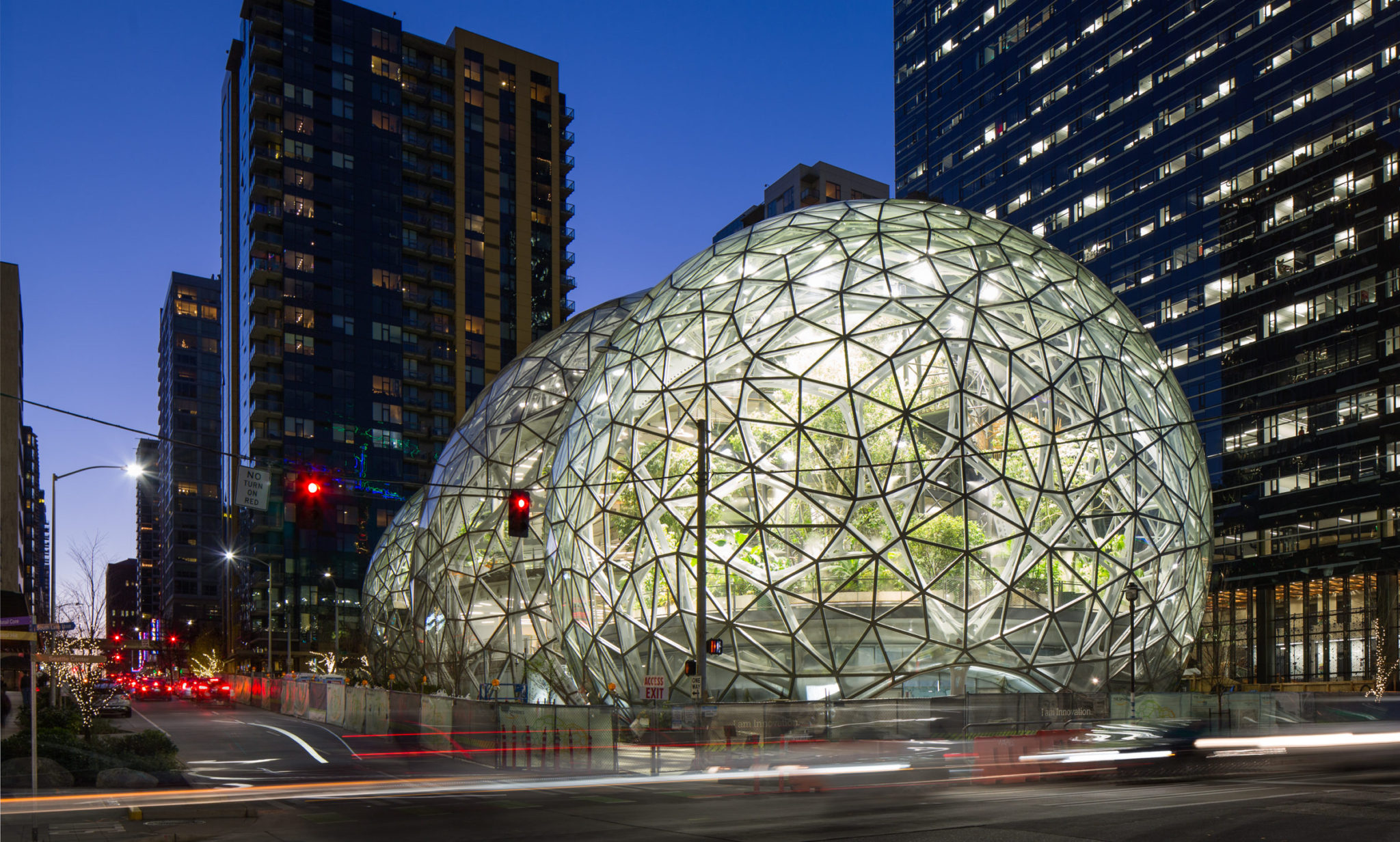
Case Study: Amazon Spheres, Seattle, USA
A part of Amazon’s downtown campus, the Spheres are three interconnected glass domes filled with over 40,000 plants from around the world. Employees are encouraged to work and collaborate inside this indoor forest. Studies and feedback indicate increased creativity, satisfaction, and productivity, demonstrating the cognitive benefits of immersion in a biophilic environment.
3. Physical Health and Recovery
Biophilic design supports physical health through improved air quality, exposure to natural light, and spaces that encourage movement and interaction with nature.
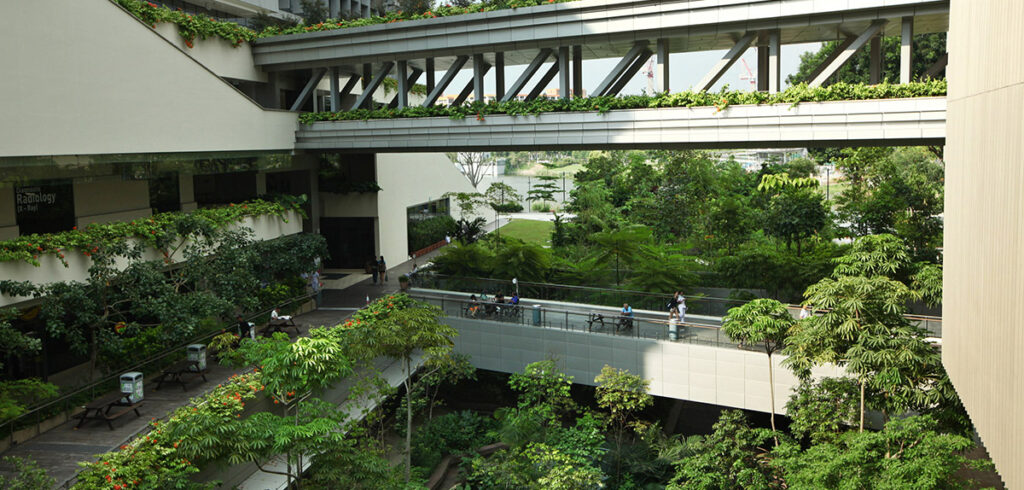
Case Study: Khoo Teck Puat Hospital, Singapore
This hospital integrates nature into every aspect of its design—green roofs, garden courtyards, and water features are accessible on every floor. The result is a tranquil environment that improves patient outcomes, shortens hospital stays, and reduces the need for pain medication. The hospital has become a global model for healing through nature.
Environmental and Sustainability Benefits
Biophilic design not only benefits individuals but also contributes significantly to ecological and environmental goals.
1. Energy Efficiency
Integrating natural light and ventilation reduces reliance on artificial lighting and mechanical HVAC systems, thereby conserving energy.
Case Study: Bosco Verticale, Milan, Italy
Designed by Stefano Boeri Architetti, Bosco Verticale (“Vertical Forest”) consists of two residential towers covered with over 20,000 trees and shrubs. These plants act as natural insulation, reducing the need for heating and cooling. The buildings also absorb CO₂ and produce oxygen, contributing to cleaner air and lower carbon emissions.
2. Climate Resilience and Biodiversity
Urban environments are often biodiversity deserts. Biophilic design introduces green infrastructure that supports pollinators, birds, and small wildlife, while also managing stormwater and mitigating urban heat island effects.
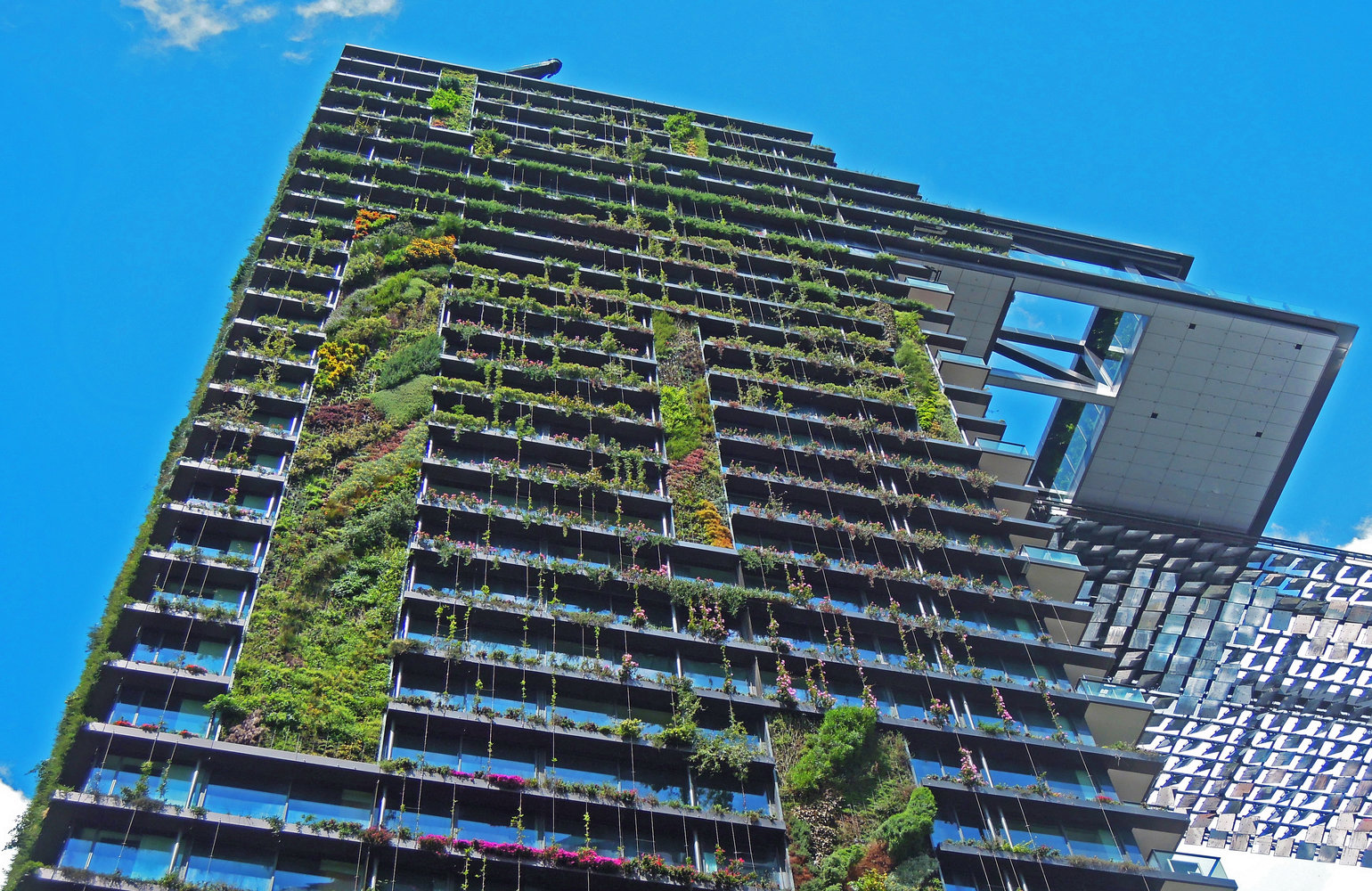
Case Study: One Central Park, Sydney, Australia
This mixed-use residential tower, designed by Jean Nouvel and Patrick Blanc, features vertical gardens and a heliostat system that reflects sunlight into shaded areas. Its living façade not only improves aesthetics but also creates a microclimate, supports local biodiversity, and reduces the building’s environmental footprint.
3. Use of Sustainable and Local Materials
Biophilic design encourages the use of renewable, biodegradable, and locally sourced materials, which reduce the embodied carbon of buildings and promote circular economy practices.
Example: Bullitt Center, Seattle, USA
Touted as one of the greenest commercial buildings in the world, the Bullitt Center uses FSC-certified wood, solar panels, and rainwater harvesting. Its design reflects biophilic principles through natural lighting, open staircases, and extensive use of wood. It demonstrates how environmental sustainability and biophilic values can coexist at a high-performance level.
Urban and Social Implications
Biophilic design also has far-reaching social benefits. By improving urban livability, it contributes to safer, healthier, and more cohesive communities.
-
In education: Schools with biophilic features report higher attendance, lower behavioral problems, and improved test scores.
-
In public spaces: Green parks, shaded walkways, and urban forests promote physical activity, social cohesion, and reduced crime.
-
In residential areas: Access to nature in housing developments leads to better mental health and stronger neighborhood identity.
Challenges and Future Directions
Despite its many benefits, biophilic design faces challenges such as higher initial costs, maintenance concerns, and a lack of awareness among developers and stakeholders. However, as evidence grows and green certification systems (like WELL and LEED) recognize biophilic features, the momentum is shifting.
Emerging trends include:
-
Integration of biophilic principles into smart cities and urban masterplans.
-
Adaptive reuse of old buildings with biophilic retrofitting.
-
Nature-based solutions for climate adaptation, such as urban wetlands and living walls.
Conclusion
Biophilic design represents a paradigm shift in how we think about architecture and urban planning. By harmonizing the built environment with the natural world, it enhances human health, fosters emotional well-being, and supports ecological sustainability. The growing body of research and inspiring global case studies prove that reconnecting people with nature through design is not just a trend—it is a necessity for the future of healthy, resilient, and sustainable cities.
Looking Ahead: The 3rd International Conference on Environmental Design, Material Science, and Engineering Technologies (EDMSET) will address biophilic design and its impact on health, well-being, and sustainability. This event is scheduled for May 2026 in Abu Dhabi, United Arab Emirates, providing a valuable platform for researchers, architects, and industry leaders to explore the latest innovations and share knowledge in this vital field.
