



Explore the Urban Planning Conference in Florence
Cultural and Architectural Gems to Explore During the Urban Planning Conference in Florence

Florence, the cradle of the Renaissance and one of Italy’s most iconic cities, offers more than just artistic masterpieces and architectural marvels it presents a living laboratory for urban planners and designers. If you’re attending an urban planning conference in Florence, you are in the perfect place to explore the intersections of history, culture, and city development.
Why Florence Is Ideal for the Urban Planning Conference in Florence
Florence has long been a model of thoughtful urban design. Its historic city center, a UNESCO World Heritage Site, balances dense medieval architecture with walkable public spaces, integrated transportation systems, and cultural preservation. Attending a conference here allows professionals to draw inspiration from centuries-old planning techniques while discussing the challenges of modern urban development.
Must-Visit Places for Urban Planners and Culture Lovers
While in Florence for your conference, take time to explore these remarkable locations that reflect both historical brilliance and urban design insight:
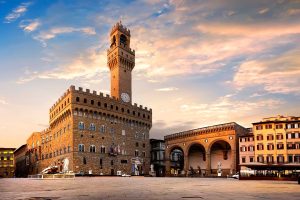
1. Piazza della Signoria
A civic masterpiece, this open square has served as the political heart of Florence for centuries. It showcases how public space can serve as both a social and governmental hub. Don’t miss the Palazzo Vecchio and the outdoor sculptures, including a replica of Michelangelo’s David.
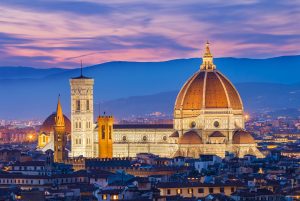
2. Cathedral of Santa Maria del Fiore (The Duomo)
Filippo Brunelleschi’s dome is not just a marvel of Renaissance engineering but also a case study in integrating innovative design within an existing urban fabric. Climb to the top for panoramic views of the city’s layout.
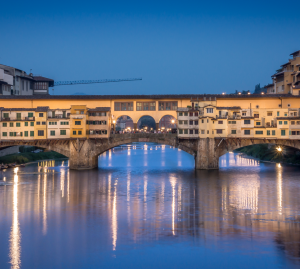
3. Ponte Vecchio
An icon of Florence’s resilience and adaptive reuse, this medieval bridge over the Arno River is a fine example of mixed-use infrastructure, with shops built along its span.
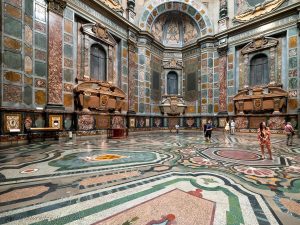
4. San Lorenzo and the Medici Chapels
This church complex reflects the close relationship between urban power, religion, and architecture. It also showcases the spatial evolution of Florentine neighborhoods.
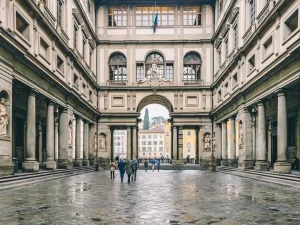
5. The Uffizi Gallery
While primarily an art museum, the Uffizi’s location and architectural style provide insight into 16th-century city planning and the role of cultural institutions in urban life.
Urban Planning Insights: Take a Walking Tour
Florence is a walkable city an ideal case study in pedestrian-first design. From narrow alleyways to expansive piazzas, the city’s form encourages exploration on foot. Don’t miss:
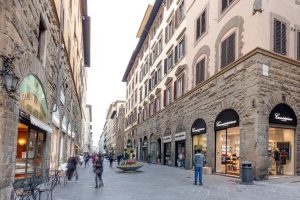
Via dei Calzaiuoli
A key commercial pedestrian route linking major squares.
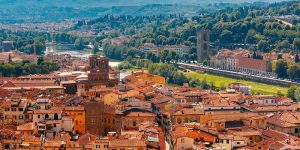
Oltrarno District
A vibrant, less touristy area with artisanal workshops and evolving urban renewal projects.
A Sustainable City Before Its Time
Florence’s compact size, mixed-use neighborhoods, and reliance on pedestrian mobility offer valuable lessons for modern sustainable city planning. Its urban core promotes low-carbon living, with much of the city accessible without cars a model increasingly sought after in contemporary design.
Conclusion: A City to Learn From
Visiting Florence for an urban planning conference is more than attending sessions, it’s immersing yourself in a timeless city that continues to inspire sustainable, human-centered design. As you explore its streets, piazzas, and landmarks, you’ll gain a deeper appreciation for how historical context and modern planning can coexist beautifully.
The 10th edition of the International Conference on Urban Planning and Architectural Design for Sustainable Development (UPADSD) will take place in collaboration with Università degli Studi di Firenze from October 21st to 23rd, 2025.
This conference will showcase modern methods in sustainable urban planning and architectural development, presenting innovative research from global contributors. Researchers, professionals, academics, and practitioners are invited to join us in Florence for this significant gathering.
