


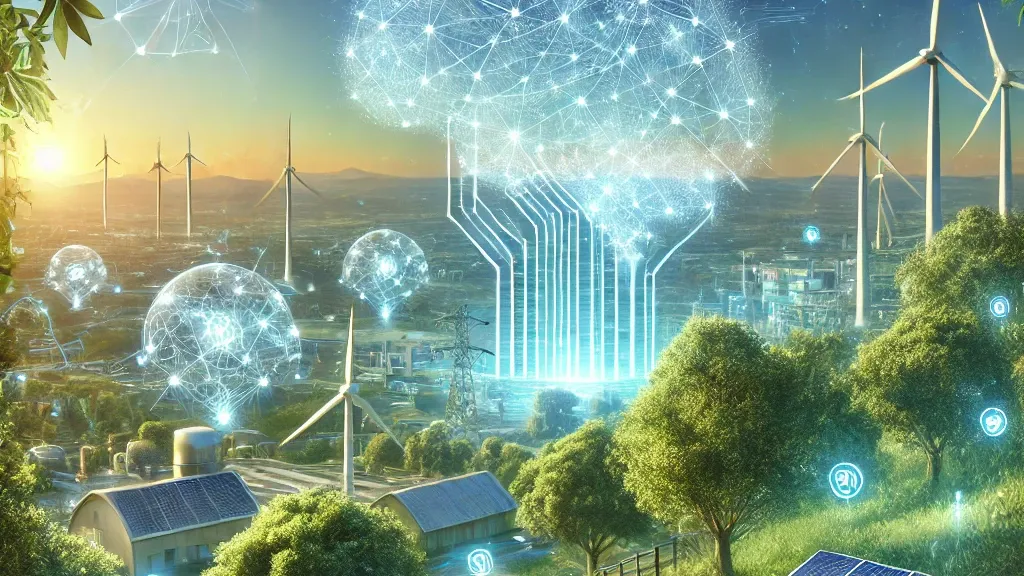

Cities are the engines of our modern world—vibrant centers of culture, innovation, and growth. But they also face enormous environmental challenges: rising pollution, energy demand, water scarcity, and climate risks. The urgent question is: how can cities grow smarter and greener while improving the quality of life for their residents?
The answer lies in a powerful yet often invisible partner—Artificial Intelligence (AI). Far from science fiction, AI is quietly transforming urban spaces, accelerating green urbanism by providing data-driven, adaptive solutions to sustainability challenges. Here’s how AI is reshaping the green cities of tomorrow.
Smarter Energy Systems Powering Sustainable Cities
Energy consumption is a major source of urban emissions. AI powers smart energy grids that optimize electricity distribution by predicting demand and integrating renewables like solar and wind. This reduces waste, cuts costs, and shrinks the city’s carbon footprint. AI-driven demand-response programs also encourage energy use when renewable generation peaks, making urban energy systems more efficient and eco-friendly.
Intelligent Water Management for Resilience
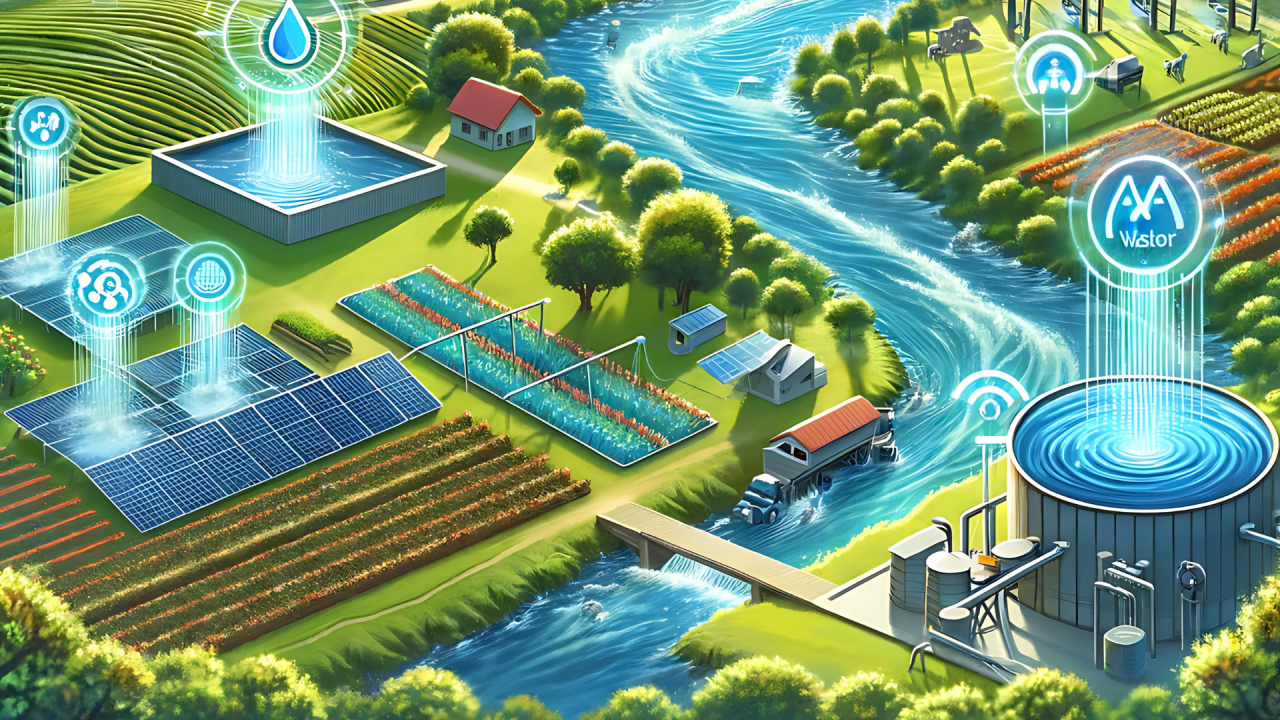
Water shortages and floods threaten many cities, especially with climate change. AI monitors water quality and infrastructure health in real-time, detecting leaks and contamination early. Smart irrigation systems reduce water waste in parks and green spaces. Importantly, AI models help predict extreme weather events, enabling cities to design water-sensitive infrastructure like permeable pavements and urban wetlands that mitigate flooding and conserve water.
Monitoring and Improving Air Quality
Air pollution threatens public health worldwide. AI analyzes sensor and satellite data to map pollution hotspots in real-time, allowing targeted interventions such as low-emission zones and urban greening projects. Personalized alerts keep vulnerable populations informed, empowering healthier choices. Cleaner air means fewer respiratory illnesses and a better quality of urban life.
Revolutionizing Urban Mobility
Transportation is a significant polluter in cities. AI enables adaptive traffic systems that ease congestion and reduce emissions by adjusting signals based on real-time conditions. It supports ride-sharing, electric vehicle networks, and the design of walkable, bike-friendly neighborhoods. These innovations reduce reliance on fossil-fueled cars, lower urban air pollution, and promote healthier lifestyles.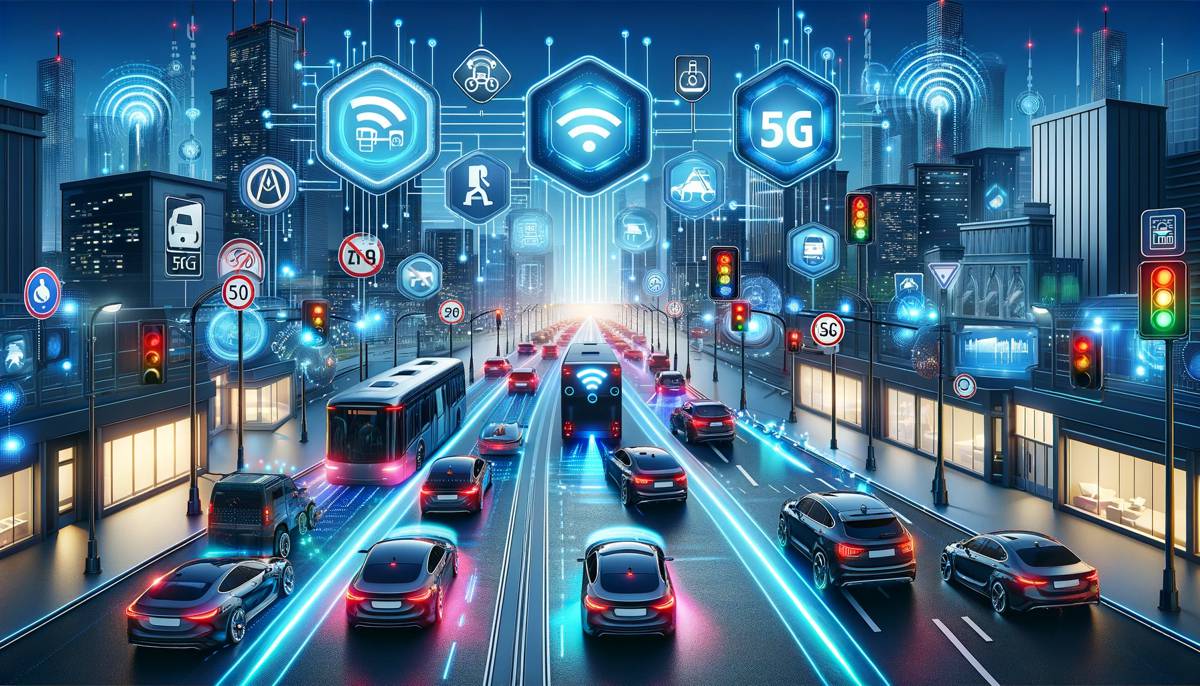
Enhancing Urban Biodiversity with AI
Cities can be vibrant ecosystems when managed thoughtfully. AI helps plan green corridors, monitor species health, and restore habitats by analyzing satellite imagery and ecological data. These nature-based solutions cool urban heat islands, sequester carbon, and support biodiversity—making cities healthier for humans and wildlife alike.
Digital Twins: Virtual Planning for Real Impact
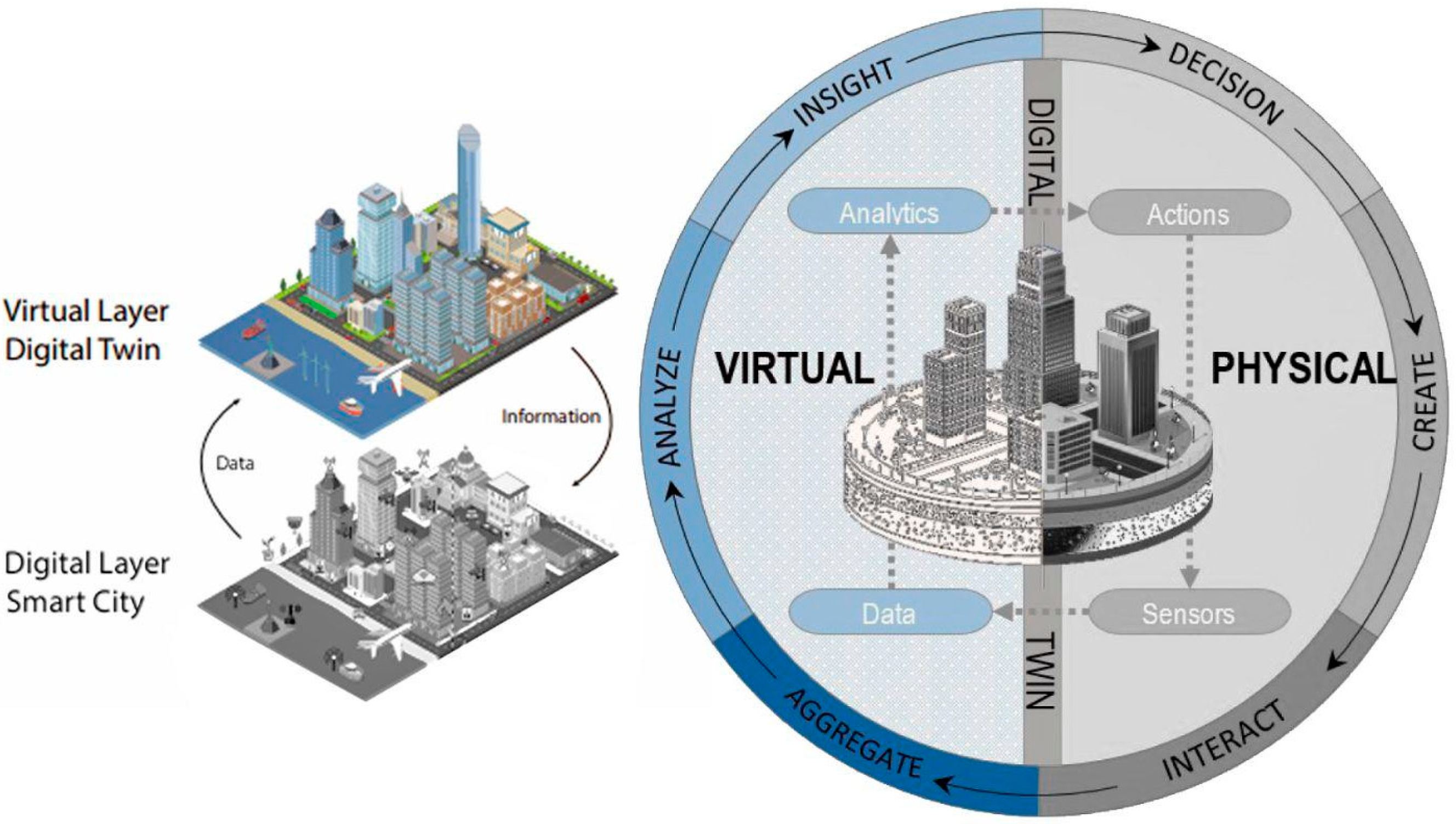
Digital twins—highly detailed virtual models of cities—allow planners to simulate green infrastructure, renewable energy integration, and traffic management before implementing changes on the ground. This reduces risk, saves money, and accelerates progress toward sustainable urban futures.
Ethical and Inclusive AI for Sustainable Cities
AI’s promise depends on responsible use. Prioritizing data privacy, preventing algorithmic bias, and engaging diverse communities ensures equitable benefits. Transparent governance and public participation are essential to making AI-driven green urbanism truly inclusive and effective.
Conclusion: The Future Is Already Here
AI is already making cities cleaner, greener, and more resilient. As climate and population pressures rise, smart AI-driven solutions are essential to building sustainable urban futures where people and nature thrive together. By embracing AI in green urbanism, we unlock innovative ways to cut pollution, conserve resources, and create healthier, more livable cities.
